
Updated: October 26, 2026
What a camera test is and why it pays for itself
A camera test is a short session, usually a few hours and sometimes half a day, held before the main shoot. The director of photography and the camera team set up the actual camera, lenses, filters and lights planned for the production, shoot a series of test clips, and then review them on a proper monitor and often in the edit suite. The goal is simple: find problems while they are cheap to fix.
On a big feature film, testing takes weeks. On a corporate video or commercial in Miami, a test is often skipped to save money. Sometimes that works. Other times the team discovers on the shoot day that a lens flares badly in the afternoon sun, a skin tone looks wrong under the location's lighting, or the edit system cannot read the camera's files. This guide explains what to test, how long it takes and when a test is worth adding to your schedule.
Testing lenses
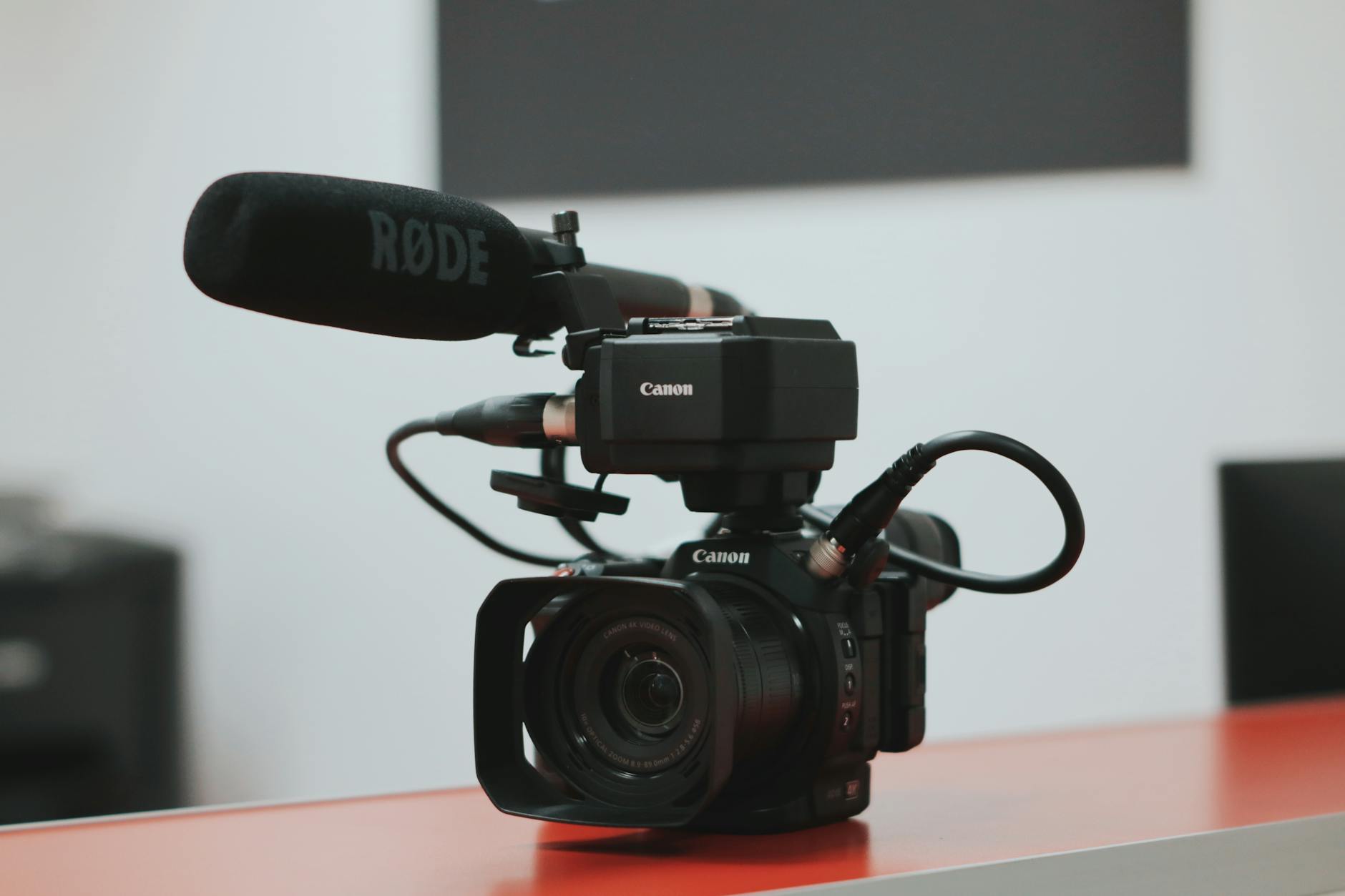
Lenses vary more than most people expect, even two copies of the same model. A lens test usually checks:
- Sharpness across the frame, from the center to the edges, at the apertures you plan to use.
- Flare and contrast, especially when bright light enters from the side or behind the subject. In Miami, with strong sun and reflective surfaces, this matters a lot.
- Color match between lenses, so a cut from a wide to a close-up does not change the skin tone or the color of the sky.
- Focus marks, confirming the distance scale on the lens matches the real distance.
- Breathing, the slight change in framing that some lenses show when focus moves.
If you are choosing between lens sets, the test is where the decision becomes visible. Our article on prime or zoom lenses explains the main trade-offs to look for.
Testing skin tones and wardrobe
People are the most important subject in most videos, and they are the easiest to get wrong. A skin and wardrobe test puts the talent, or stand-ins with similar complexions, in front of the camera with the planned lighting and costumes.
What you learn from it:
- How each skin tone reads under the planned lights and in the color profile you will record.
- Whether certain fabrics cause moire, the shimmering pattern that appears with fine stripes or tight weaves.
- Whether colors in the wardrobe clash with the set or with the brand palette.
- How makeup looks on camera, especially shine, which shows more under warm, humid conditions.
On shoots with a diverse cast, which describes most productions in Miami, this test is the best way to make sure every person looks like themselves. Our guide to lighting and exposing every skin tone covers what the camera team adjusts after seeing the results.
Testing exposure, log and LUTs
Most professional cameras record in a log or raw format, which looks flat on its own and keeps more information for color grading. On set, a LUT (lookup table) converts that flat image into something closer to the final look so the director and client can judge it.
A test lets the DP:
- Choose the recording format and exposure approach for the project.
- Build or adjust a show LUT that represents the intended look.
- Check how far highlights can go before they clip, which matters on bright Miami exteriors with white buildings, sand and water.
- See how much noise appears in shadows at the planned ISO.
The test footage is then taken into a grading session, so the colorist can confirm the material holds up. Our articles on shooting in log and reading monitoring tools and color grading basics explain how these pieces fit together.
Testing the workflow to the edit
One of the most useful tests has nothing to do with how the image looks. It checks whether the footage moves smoothly from the camera to the edit suite. The team records a few clips with the exact settings planned for the shoot: resolution, frame rate, codec, audio channels and timecode. Then they copy the files using the planned backup method and open them in the editing software.
This catches problems like:
- A codec the editor's system cannot handle smoothly without converting the files first.
- Audio channels mapped incorrectly, so the lav and boom end up mixed together.
- Timecode that does not match between cameras or between camera and sound recorder.
- File sizes much larger than expected, which affects how many cards and drives you need.
Our article on codecs, cards and on-set data covers the storage side of this planning.
Testing in Miami conditions
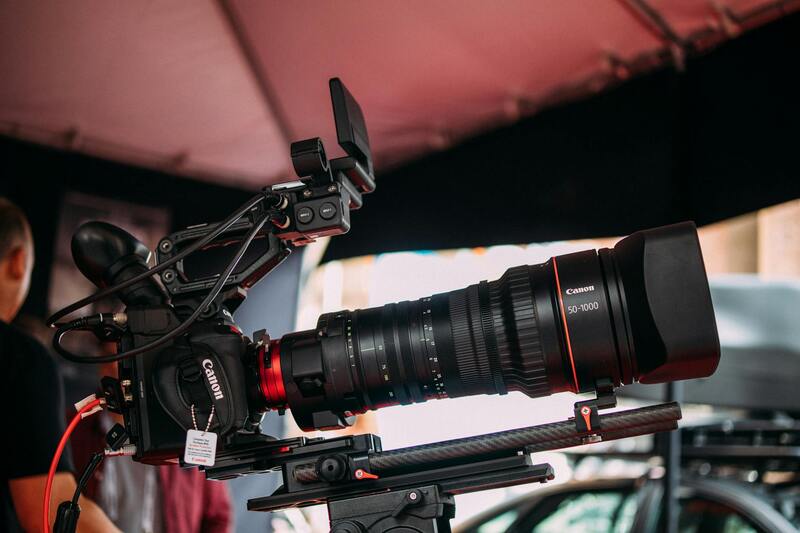
When possible, test in conditions similar to the shoot. If the video will be filmed on a rooftop at 4:00 p.m., test there at that hour. Miami's light changes quickly, and a lens or filter that behaves well in a studio can show flares or color shifts in direct sun. Heat matters too: some cameras and monitors throttle or show warnings in hot, humid conditions, and a test is a good time to find out how your package handles it.
How long a test takes and what it costs
For a typical commercial or corporate project, a camera test usually means a few hours with the DP, a camera assistant and the camera package, often at the rental house or a small studio. Skin and wardrobe tests add time with talent or stand-ins. The cost is mostly the crew's time and a short rental, which is small compared with a shoot day spent fighting surprises.
A test is most worth it when:
- You are using a camera, lens set or recording format the team has not worked with before.
- The project has a specific or unusual look, such as vintage lenses, heavy filtration or anamorphic glass.
- Skin tones, product colors or brand colors must be accurate.
- Several cameras must match each other.
- The footage is going to an editor or post house the camera team has not worked with.
For simple interview shoots with a familiar camera package, the team's experience often replaces a formal test. The decision should be made deliberately, though, not skipped by habit.
Camera prep and testing with our team
At Miami Production Experts, our camera teams include tests in the plan whenever the project calls for it: lens checks, skin and wardrobe tests, LUT development and a full workflow check through to the edit. We review the results with you before the shoot, so the look is agreed and the technical path is clear.
If you are planning a production with a specific look or a new camera setup, get in touch and we will recommend which tests are worth doing and how they fit into your schedule.