
Updated: October 26, 2026
The question behind the question
Ask a cinematographer whether to shoot primes or a zoom and you will get a question back: what is the day like? That is not evasion. The right answer depends far more on the shooting conditions than on any quality argument, and in Miami the conditions are often the deciding factor.
A prime lens has one focal length. A zoom covers a range. Everything else follows from that single difference, including speed of work, image character, and how much you carry.
What primes give you
Primes are simpler optically, and that simplicity buys three things.
Wider apertures. Most cine primes open considerably wider than most zooms. That matters for low light, and more often it matters for shallow depth of field, which is the look most clients are describing when they say cinematic.
Consistency across a set. A matched set of primes renders colour and contrast the same way at every focal length, so cutting between a wide and a close-up does not produce a visible shift.
Size and weight per lens. An individual prime is smaller and lighter than a zoom covering the same range, which matters on a gimbal or a handheld rig where every hundred grams changes the balance.
The cost is time. Changing focal length means changing lens, which means stopping, opening a case, and exposing the camera mount. On a beach or anywhere dusty, that last part is a real consideration rather than a theoretical one.
What zooms give you
The obvious answer is flexibility, but the practical answer is speed and reach.
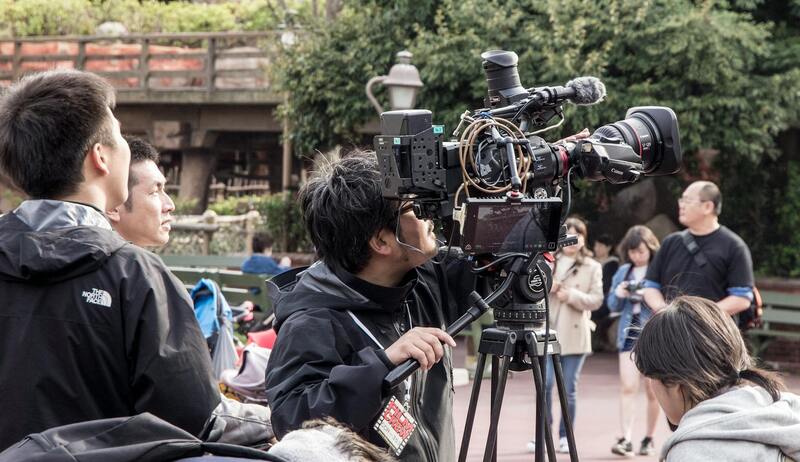
On a corporate shoot with a tight schedule, a zoom lets an operator reframe between takes without touching the camera body. On an event, where the action does not repeat and nobody is going to wait, a zoom is not a compromise, it is the only workable choice.
Reach matters too. A long zoom lets you shoot from a distance, which is useful when a location is crowded, when the subject is behind a barrier, or when getting closer would change the behaviour you are filming.
Modern cine zooms are optically excellent. The old assumption that a zoom is automatically softer no longer holds at the professional end of the market. What remains true is that they are heavier, generally slower in aperture, and more expensive to rent for equivalent quality.
How the choice usually falls in Miami
The work here divides fairly neatly.
- Scripted and branded content: primes, with a zoom in the case for shots that need reach
- Corporate interviews: often one zoom on a static camera and a prime on the second angle
- Events and conferences: zooms throughout, because there is one chance at everything
- Documentary and interview-led work: zooms for coverage, primes where a controlled setup allows
- Gimbal and handheld movement: lighter primes, or a compact zoom if reframing during the move is required
- Exteriors in bright sun: either, though the wide apertures on primes need heavy filtration to be usable
That last point deserves attention. Shooting a fast prime wide open at midday here means cutting several stops of light before the sensor sees it, which brings filtration into the conversation immediately rather than as an afterthought.
Practical considerations that decide it
Crew size. Primes assume a camera assistant. Without one, an operator changing lenses is a operator not shooting, and on a fast corporate day that is unaffordable.
Environment. Salt air, sand and humidity all argue for fewer lens changes. On a beach or a boat, a zoom keeps the mount sealed.
Number of setups. A day with six locations and twenty setups is a zoom day regardless of aesthetic preference. A day with three controlled setups is where primes pay off.
Budget. A prime set plus a zoom is two rental lines. If the budget allows only one, choose the one that matches the majority of the day and accept the compromise on the rest.
Focus. Pulling focus on a fast prime wide open is a skill and needs someone doing it. If the shoot has no focus puller, either stop down or use a lens that is more forgiving.
The hybrid approach
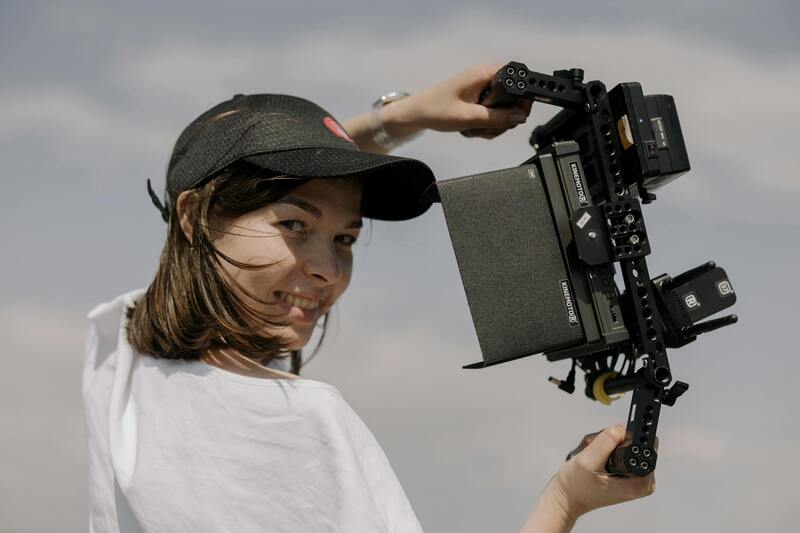
Most working productions here do not pick one. They carry a zoom as the workhorse and two or three primes for the shots that need them, usually a moderate wide and something in the portrait range.
This is the sensible default for a mixed day. The zoom handles coverage, interviews and anything unpredictable. The primes come out for the hero shots where depth of field is doing narrative work and there is time to change lenses.
If you take this route, one detail is worth attention: check that the zoom and the primes match reasonably in colour and contrast. Mixing lens families from different eras or manufacturers can produce a shift between shots that shows up in the grade. It is fixable in post, and it is cheaper to avoid.
What to test before the shoot
Whatever the package, an hour of testing removes most of the surprises. Rental houses expect this and will give you bench space to do it.
Check every lens for focus accuracy against a chart, and check that a zoom holds focus through its range rather than drifting as it moves. Look for obvious decentring by shooting a flat surface and comparing corners. Rotate the focus and iris rings through their full travel listening for grinding, and check the iris closes smoothly without stepping.
Then shoot a short test of skin tone under the light you expect to use, and look at it on a calibrated monitor rather than on the camera screen. This is the step that catches a mismatch between a zoom and a prime set before it becomes a grading problem.
Check the physical fit as well. Confirm every lens clears the matte box, that the filter thread or the rods line up, and that a follow focus engages on each gear ring. A lens that works optically and fouls the rig is still a lens you cannot use.
Sensor format changes the answer
Focal length is only meaningful alongside the sensor it is projected onto. A 35mm lens is a moderate wide on a full frame sensor and something closer to a standard lens on Super 35. Plan the lens package against the camera rather than against remembered numbers, particularly if you are mixing bodies across a multi-camera shoot.
Also check the image circle. A lens designed for a smaller format will vignette on a larger sensor, which is discovered on the first frame of a rental you did not test. Testing at the rental house before the truck leaves is twenty minutes that has saved a great many shoot days.
One last environmental note. Humidity here will fog a lens that has come from an air-conditioned vehicle straight into outdoor heat, and it takes several minutes to clear. Bring lenses out early and let them acclimatise rather than losing the first setup to condensation. The wider set of precautions is covered in shooting through Miami weather.
We spec lens packages against the schedule, the crew size and the locations rather than as a default, and we will say when a cheaper option will not visibly change the result. You can see more of the technical articles on the blog, read about the team on the about page, or tell us about the shoot and we will suggest a package that fits it.