
Updated: October 26, 2026
The look everyone asks for by name
"Can we make it look anamorphic?" comes up in almost every Miami commercial and music video brief now, usually with a reference frame of a neon-lit street, oval bokeh and a long blue streak across the lens. The answer is yes, but the client rarely knows what they are actually asking for, and the decision has consequences for the budget, the schedule, the deliverables and the way every shot is composed. This guide explains what anamorphic lenses do, what the look costs, when it pays off on a Miami shoot and when a spherical lens with a filter is the smarter choice.
What an anamorphic lens actually does
A spherical lens projects the image onto the sensor at its natural proportions. An anamorphic lens has an extra cylindrical element that squeezes the image horizontally, usually by a factor of 2x, 1.8x, 1.5x or 1.33x. The sensor records a squeezed picture; in post it is stretched back out (desqueezed) to its intended width. The result is a wider frame from the same sensor and, as a by-product of the cylindrical optics, a set of visual traits:
- Oval bokeh. Out-of-focus highlights become vertical ovals instead of circles. Very visible with Miami's night-time point sources: streetlights, headlights, neon.
- Horizontal flares. A bright light source streaks across the frame as a line, blue on many lenses, other colours on some. This is the trait most clients mean when they say "anamorphic".
- Different depth of field. Because a 2x anamorphic uses a longer focal length for the same horizontal field of view, the depth of field is shallower than the equivalent spherical shot, and the background compression looks different.
- Edge behaviour. Older and cheaper anamorphics distort and soften at the edges, with a "breathing" that changes the frame's shape as focus moves. Some clients love this. Others see it as a defect.
- Wider aspect ratio. A 2x squeeze on a 16:9 sensor gives roughly 3.55:1; on a 4:3 open-gate sensor it gives the classic 2.39:1. The frame is wide, and that changes how you compose.
What it costs on a Miami shoot
Rental
A set of cinema anamorphic primes rents for several times the price of a comparable spherical set, and the well-known sets are in demand; during the winter production season in Miami they are booked weeks ahead. Cheaper anamorphics exist and are perfectly usable for the right project; their traits are stronger and less controlled, which can be the point.
Camera
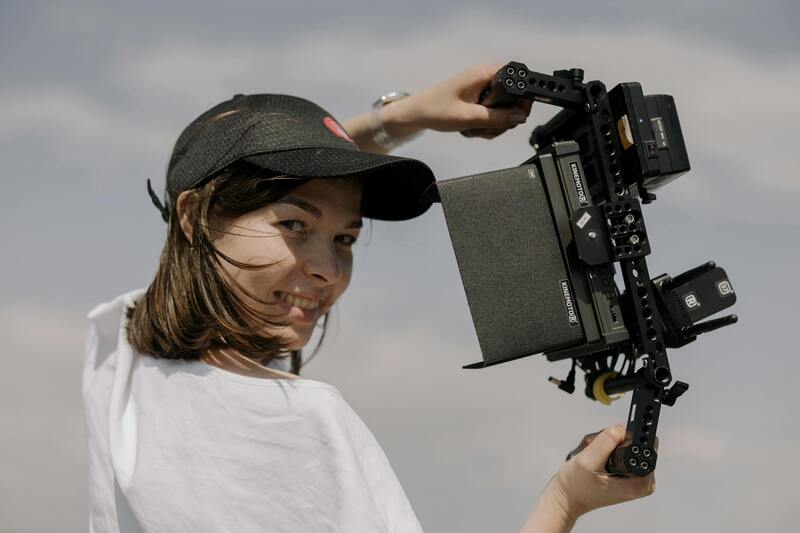
The camera needs a sensor and a recording mode that suit the squeeze. Open-gate 4:3 or 6:5 modes on cinema cameras are designed for 2x anamorphics; a 16:9-only camera with a 2x lens gives a very wide frame and wastes sensor area. Many crews use 1.33x or 1.5x anamorphics on 16:9 sensors to land near 2.39:1. Confirm the combination before the rental order, and confirm the monitor can desqueeze live; nobody can judge a squeezed frame.
Light and speed
Anamorphic lenses are slower (T2.8 or T4 is typical) and often need to be stopped down for sharpness, so interiors need more light. In Miami exteriors there is no shortage of light, but the ND requirements go up and the flares need managing. Our guide to ND filters and polarizers for Miami exteriors applies doubly here.
Focus
Shallow depth of field and lens breathing make focus pulling harder. Budget for an experienced first AC and a wireless follow focus; see our notes on pulling focus on Miami shoots. Minimum focus distances on anamorphics are also long, which matters for product close-ups.
Post and deliverables
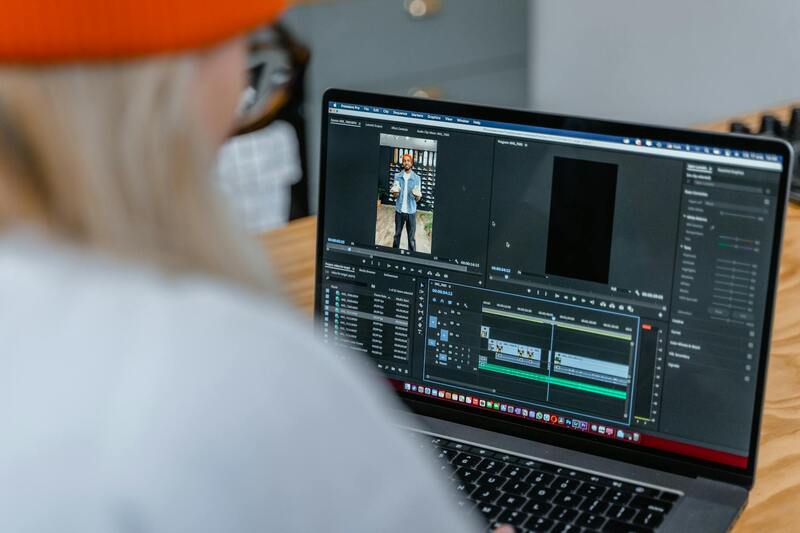
The footage has to be desqueezed and the aspect ratio has to survive the deliverables. A 2.39:1 master looks right on a cinema screen and a website hero; on a vertical social cut it is a narrow strip with nothing above or below. If the campaign is social-first, the wide frame works against you. Our piece on shooting for vertical and square deliverables explains the compromise.
When the look pays off in Miami
- Night exteriors with practical lights. Ocean Drive, Wynwood murals under sodium and LED, downtown seen from the causeway: the flares and oval bokeh do something spherical lenses cannot.
- Music videos and fashion, where the lens character is part of the aesthetic and the deliverable is a wide master.
- Automotive and luxury, where the wide frame and compressed backgrounds flatter long shapes and reflective surfaces.
- Wide landscapes and water, where 2.39:1 holds the horizon and the sky at once.
When it does not
- Corporate interviews and talking heads. The traits are wasted, the focus is harder, and the wide frame leaves empty space either side of the subject.
- Social-first campaigns with vertical deliverables.
- Product tabletop, where minimum focus and edge softness are problems.
- Tight budgets where the rental would come out of the lighting or crew line. A good spherical lens, well lit, beats a cheap anamorphic badly exposed.
Getting the look without the lens
If the brief is really about flares and a wide frame, two cheaper routes exist. Streak filters (a filter with fine lines etched on it) produce horizontal flares on a spherical lens for a fraction of the rental. Cropping a spherical frame to 2.39:1 in post gives the aspect ratio, at the cost of some resolution and with round bokeh. Neither gives the oval bokeh or the anamorphic depth of field, but for a lot of commercial work the client sees the flare and the letterbox and is satisfied. Show them a test of both before committing the budget.
Anamorphic with Miami Production Experts
We shoot anamorphic when the project earns it, with a camera and lens combination matched for the squeeze, live desqueeze on every monitor, an AC who has pulled focus on these lenses before, and a deliverables plan agreed with the client before the rental is booked. When the brief calls for the look but the budget or the deliverables argue against the lens, we say so and show a spherical alternative with the same reference frame.
If you have a reference and want to know what it takes to reproduce it on a Miami street, send it over. More about our camera department is on the about page, and our other gear guides are on the blog.