
Updated: September 15, 2026
Capturing clean audio during a video shoot in Miami
Audiences are much more forgiving of imperfect visuals than they are of poor sound quality. A slightly softer shot is often perceived as a stylistic choice; however, a hollow, echoey, or noisy voice track is often seen as cheap, causing viewers to leave.
This guide details the microphones used by the crew, their deployment methods, and the sound issues that arise when filming in South Florida.
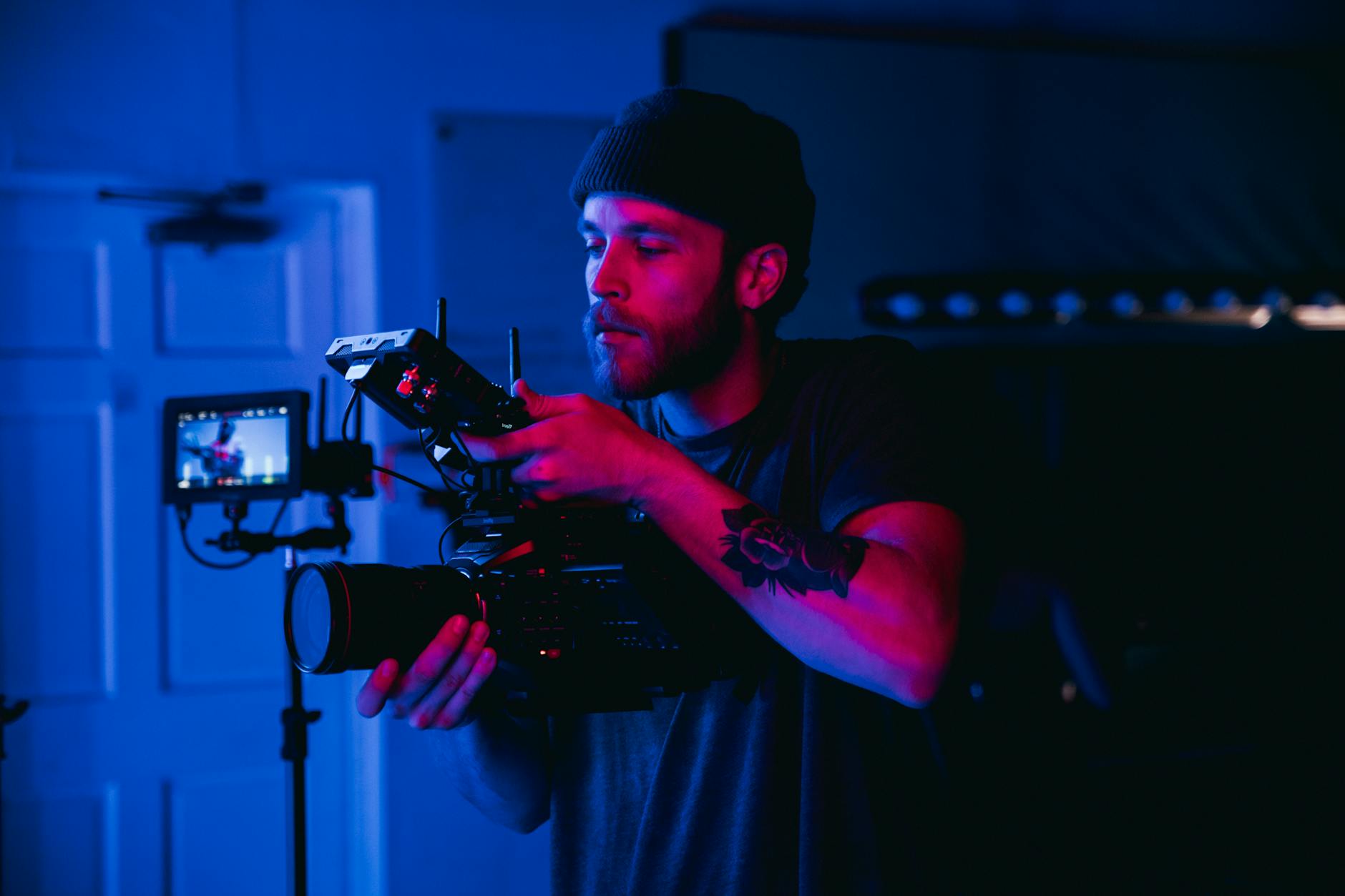
The two workhorse microphones
Most spoken-word videos, interviews, testimonials, and corporate messages rely on two types of microphones, often used simultaneously for safety.
- Lavalier (lav) microphones: the small clip-on mics attached near the collar. They sit close to the mouth, so they capture a consistent, present voice even when the subject turns their head. On corporate shoots they usually run wireless so the talent can move freely.
- Shotgun and boom microphones: a directional mic mounted on a boom pole or stand and aimed at the speaker from just outside the frame. A boom captures a more natural, open sound and rejects noise from the sides, but it needs a person or a stand to position it correctly.
Experienced crews often record both a lavalier (lav) and a boom microphone on separate channels. If one microphone has an issue, such as a rustle of clothing with the lav or a stray noise picked up by the boom, the editor has a clean alternative. This redundancy is cheap insurance against the need to reshoot an interview due to audio failure.
Why a dedicated recorder matters
Camera audio inputs are convenient but have limitations. Serious productions route microphones through a dedicated field recorder or mixer. This setup provides better preamps, precise level control, and multiple isolated tracks. The sound is then synced to the picture during the editing process. This separation is a key reason why professional video sounds richer and cleaner compared to footage shot with a microphone plugged directly into a camera.
Controlling the room, not just the mic
A great microphone in a poor acoustic environment still produces poor sound quality. Half of achieving clean audio capture involves managing the environment. Hard surfaces like glass, tile, and bare walls, which are common in modern Miami offices, cause sound to bounce, creating a hollow, echoey reverb. To mitigate these effects, crews often soften rooms with blankets, rugs, and by choosing to shoot in spaces that already have soft furnishings.
The other half is tracking down noise sources before proceeding. The most frequent offender is the air conditioning, which runs almost constantly in Florida. A low HVAC hum that the ear typically tunes out in person becomes painfully noticeable on a recording. A diligent crew will request that the air conditioning be paused during recordings, then restarted between setup changes. Similarly, refrigerators, elevators, fluorescent light buzz, and nearby traffic all receive the same attention: identify, silence, or work around.
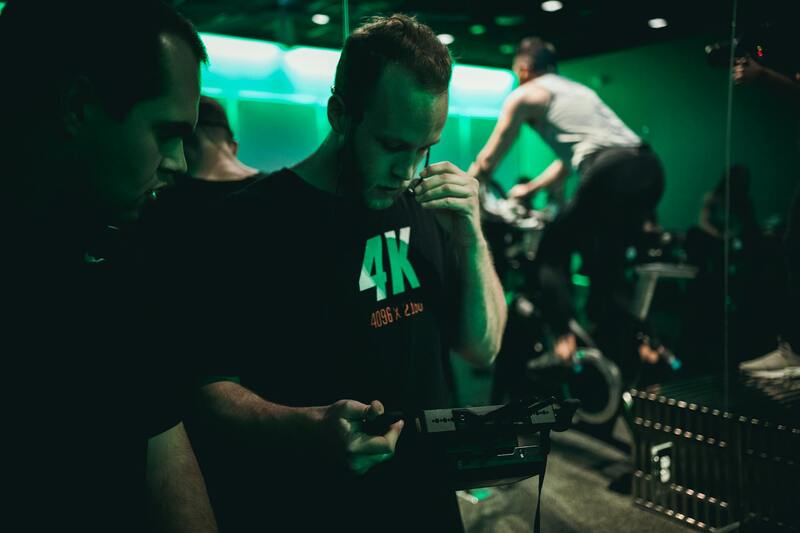
Miami-specific sound challenges
Filming in South Florida presents several reliable challenges. Although waterfront and outdoor locations look beautiful, they often bring wind, which can create a low roaring sound when it hits a microphone. To protect against this, crews use foam windscreens and furry windshields, which are often referred to as deadcats. Additionally, positioning the microphone out of the direct gust can help mitigate the issue.
Busy districts like Brickell and South Beach experience constant traffic and crowd noise. No microphone can filter out a passing motorcycle, so the true skill lies in scheduling around the noise, choosing the quieter side of a building, and knowing when to simply wait out a siren. Bilingual productions add another layer of complexity, as a recordist must capture clean takes in more than one language without losing energy in either.
Monitoring while you record
The habit that prevents disasters is monitoring with good headphones during every take. A recordist listens for what the camera cannot see: a loose lav mic rubbing against a jacket, a buzz that begins when someone turns on a light, or a phone vibrating in a pocket. Catching these issues live means fixing them in seconds rather than discovering them in the edit when the talent has already gone home.
Planning audio into pre-production
The best time to address audio issues is before the shoot day, not during it. A crew that scouts a location listens just as carefully as it looks. For example, a gorgeous rooftop located next to a busy road, or a marble lobby that echoes like a cathedral, can indicate potential audio problems. Often, the solution is as simple as choosing a different room or shooting at a different time of day.
Pre-production also involves a crew confirming practical details to protect sound quality. This includes verifying if the building's air conditioning can be paused, whether there is a quiet space available for interviews, and if an outdoor plan requires a weather backup. A brief discussion with the location contact about potential noise sources can save significant time on the day of recording.
- Ask whether the HVAC and background machinery can be turned off during the takes.
- Identify the quietest room available and check it for echoes.
- Confirm that the power is on for the recorders and the wireless charging system.
- Plan an indoor alternative for any outdoor or waterfront event.
Treating sound as a planning question rather than a day-of scramble can make the difference between a smooth shoot and one that frequently stops due to noise issues. This approach costs almost nothing but pays off in every clip produced.
Working with a crew that takes audio seriously.
Sound is where many videos quietly fall apart, making a crew's audio setup a fair test of their professionalism. At Miami Production Experts, we treat audio as a first-class component of the shoot, not an afterthought. We record redundant lav and boom tracks through dedicated recorders. We manage the room and the ever-present air conditioning. We also plan around the wind and noise of Miami's outdoor and waterfront locations to ensure your voices come through clean.
Audio is one piece of the technical craft that makes a video work. It pairs with strong lighting and image, so our guides to choosing the right cameras and using cinematography lenses sit alongside this one. On complex jobs with several angles, our multi-camera production setup guide covers how sound is kept in sync across cameras.
To plan a shoot where the audio holds up as well as the picture, browse more technical guides on our blog or get in touch through our contact page. Clean sound is invisible when it works, and impossible to ignore when it does not.