
Updated: September 15, 2026
How to light a corporate interview for video in Miami
Lighting is the part of video production that viewers typically do not consciously notice but always feel. A well-lit corporate interview appears credible and professional; conversely, a poorly lit interview looks flat and amateur, regardless of the camera's quality.
This guide covers the practical foundations of interview lighting, including the three-point setup, the necessary gear, and the local conditions that a Miami video crew must plan around.
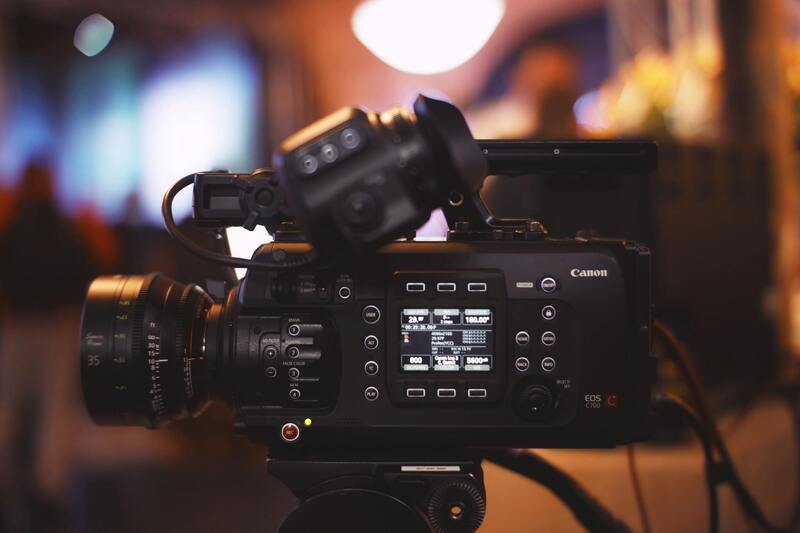
Three-point lighting, the working foundation
Almost every seated interview begins with a three-point lighting setup. Each of the three lights serves a specific purpose. Once you understand the role of each light, you can shape a face in the desired manner.
- Key light: the main source, usually placed to one side of the camera at roughly 45 degrees. It defines the shape of the subject's face and sets the overall exposure.
- Fill light: a softer, dimmer source on the opposite side that opens up the shadows the key light creates. The ratio between key and fill decides how dramatic or how even the look feels.
- Backlight: placed behind and above the subject, it separates them from the background with a subtle rim of light on the hair and shoulders. Without it, people tend to blend into whatever is behind them.
That is the basic framework. From there, a video professional adjusts the intensity, distance, and diffusion to match the subject's skin tone, the room environment, and the mood the brand desires. A finance executive and a fitness founder rarely seek the same lighting effects.
Soft light versus hard light
Most corporate interviews require soft lighting, which wraps around the face, hiding skin texture and blemishes. Soft light is achieved by making the light source large relative to the subject. This can be done using softboxes, diffusion panels, or by bouncing the light off a wall or ceiling.
The gear a Miami crew brings
Modern interview lighting leans heavily on LED panels and LED softbox fixtures. They run cool, draw little power, and let the operator dial color temperature and brightness precisely. Color temperature matters more than beginners expect: mixing a warm 3200K lamp with cool 5600K daylight through a window produces an ugly color cast unless it is managed on purpose. A good crew either matches all sources to one temperature or uses the mismatch deliberately.
Beyond the lights themselves, the kit includes light stands, diffusion materials, and flags to block spill. It often also comes with a few practical lights, such as lamps and screens that appear in the frame to sell the space as real. Managing all of this quickly is why lighting is usually the most time-consuming part of an interview setup.
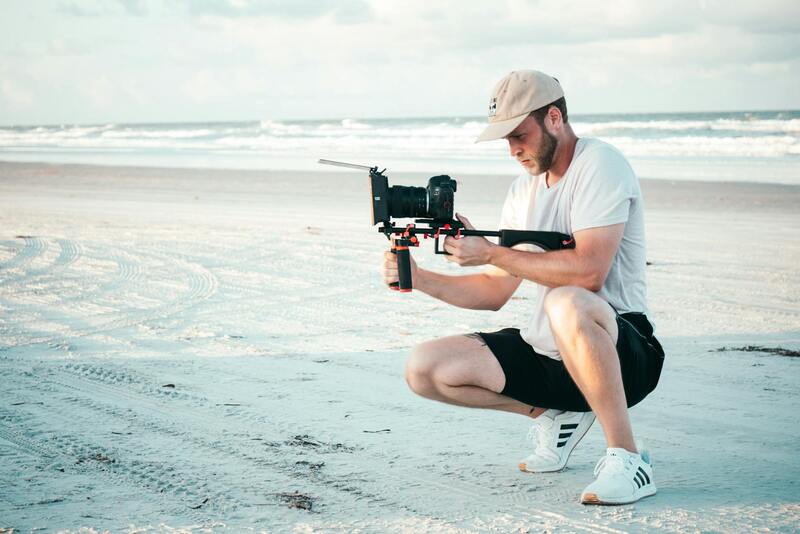
Lighting challenges specific to Miami
South Florida's light is strong, directional, and changes rapidly. Filming near large windows, common in many Miami offices, requires managing sunlight that shifts throughout the shoot. This can result in blown-out backgrounds by mid-afternoon.
Heat is the other key factor. Even efficient LED fixtures can add warmth to a small room. Combined with Miami humidity, this can affect both the talent comfort and how long the makeup holds. Experienced crews plan for proper ventilation and keep the setups as efficient as possible to minimize the time subjects spend under the lights. When a shoot involves multiple cameras, the lighting setup must also work effectively from multiple angles simultaneously, which requires thorough planning.
A quick setup order
Crews tend to build a lighting setup in a consistent order so it goes fast: place the subject and camera first, set the key, add the backlight, bring in the fill to taste, then control the background and any spill. Metering and small tweaks come last. Following the same sequence every time is how a two-person crew lights a clean interview in twenty minutes instead of an hour.
Common interview lighting mistakes
A few errors consistently appear on under-resourced shoots, and each one is avoidable. Recognizing these mistakes helps clients distinguish a careful crew from a rushed one.
- Lighting the wall instead of the subject: letting the key light spill onto the background flattens depth. The subject should be lit first, and the background handled as its own decision.
- Mixed color temperature: combining warm indoor lamps with cool window daylight without correction gives skin an orange or blue cast that is hard to fix later.
- Hard shadows on the face: using a small, undiffused source up close carves harsh shadows that flatter almost no one. Softening the key solves it.
- Forgetting the backlight: without separation the subject sinks into the background, which reads as flat and cheap.
- Overlighting a small room: pushing too much light into a tight space bounces everywhere and kills contrast. Sometimes less light, better placed, looks far better.
None of these issues require expensive gear to resolve. They demand someone who can read the room and make necessary adjustments. This is what a trained video professional brings to a shoot, beyond just the equipment.
Working with a Miami crew that does lighting right.
Good lighting is where experience truly shines, as it relies on the ability to read a room and a face quickly, rather than on owning the most expensive equipment. At Miami Production Experts, we provide a complete lighting package and the technical expertise to use it, whether the shoot involves a single executive interview, a panel discussion, or a multi-camera setup that needs to look consistent across all angles. We ensure color temperature is managed, control strong local daylight, and keep the entire setup efficient so that your talent remains comfortable.
Lighting works hand in hand with the rest of the technical craft. If you are also thinking about image quality, our guide to choosing the best cameras for Miami video production and our breakdown of cinematography lenses pair naturally with this one. For shoots that use several angles at once, our multi-camera production setup guide explains how lighting has to serve every camera.
To plan an interview or any shoot that needs to look polished on camera, read more technical guides on our blog or reach us through the contact page. Light well and even a simple interview carries the weight of a serious brand.