
Understanding Live Streaming in Miami
Miami has emerged as a vibrant hub for live streaming, attracting both individuals and businesses eager to reach global audiences through real-time digital broadcasts. This dynamic environment reflects the city’s diverse cultural landscape, thriving entertainment industry, and innovative entrepreneurial spirit. The widespread adoption of live streaming technology has transformed how content is produced and consumed within the region, creating new opportunities for engagement, marketing, and entertainment. From personalized content creators sharing their passions to corporate entities promoting products and services, live streaming in Miami applies to a broad spectrum of activities.
For individuals, live streams serve as a platform to showcase talents, participate in virtual social experiences, or broadcast personal events such as celebrations, fitness routines, and travel adventures. Content creators leverage live streaming to connect directly with followers, build communities, and generate income through viewer support and sponsorships. Meanwhile, businesses utilize live streams for product launches, promotional events, corporate announcements, and customer engagement initiatives. The rise of live streaming in Miami underpins a shift toward immediate, authentic interaction that appeals to modern audiences seeking genuine moments and transparent communication.
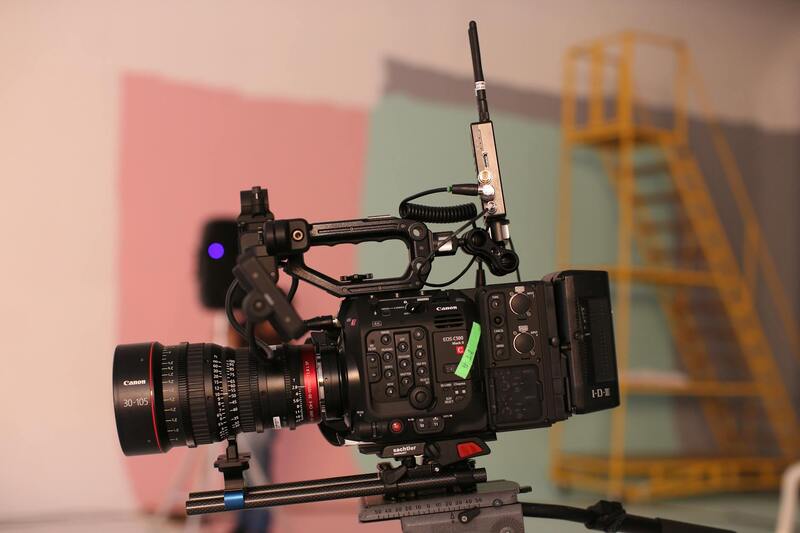
Several factors have contributed to the proliferation of live streaming in Miami. The city’s strategic location, tech-savvy population, and robust internet infrastructure provide a solid foundation for high-quality broadcasting. As Wi-Fi and mobile data coverage improve, content creators and businesses gain the ability to stream seamlessly from virtually anywhere within the city. This flexibility enhances the scope of live streaming activities, whether capturing the energetic nightlife, sporting events, cultural festivals, or day-to-day business operations.
Additionally, the demand for live content in Miami aligns with consumer preferences for real-time updates and interactive experiences. This trend encourages innovators and entrepreneurs to explore various formats, including live video tours, Q&A sessions, behind-the-scenes access, and community events. These activities not only foster stronger connections with audiences but also contribute to the ongoing development of Miami’s vibrant digital ecosystem.
However, amidst this growth, understanding the landscape of live streaming involves awareness of critical considerations such as the technical requirements, audience engagement strategies, and the selection of suitable platforms. As Miami continues to evolve as a live streaming epicenter, staying informed about best practices ensures that content remains engaging, professional, and impactful, ultimately maximizing the potential benefits for streamers and viewers alike.
Official Platforms for Streaming Miami Live Content
When it comes to broadcasting live content from Miami, selecting the right platform is crucial for ensuring your stream reaches the desired audience with optimal quality and reliability. Several reputable channels are widely recognized for their advanced features, user-friendly interfaces, and robust infrastructure, making them ideal choices for professional live streaming.
Among the most popular options are dedicated live streaming platforms that support high-definition broadcasts, real-time interaction, and comprehensive analytics. These platforms often provide integrations with social media, content management systems, and monetization tools, allowing content producers to operate seamlessly and expand their reach effectively.

In addition to mainstream options, specialized services focus on regional or niche markets, offering tailored solutions that cater to the unique demands of Miami’s diverse audience. These services often include features such as geo-targeting, regional content distribution, and language options, ensuring that local viewers experience high-quality streams relevant to their interests.
Content creators also leverage social media live features to broadcast directly through platforms like Facebook Live, Instagram Live, and Twitter (X). These integrated solutions simplify the process, allowing broadcasters to engage their audiences in real time, share updates instantly, and foster community interactions. However, for more controlled and high-fidelity broadcasts, dedicated platforms usually provide better customization, branding, and technical support.
It’s advisable to evaluate platforms based on key aspects such as upload bandwidth requirements, streaming protocols (like RTMP or HLS), scalability, and the ability to host concurrent viewers. Ensuring your chosen platform can handle the anticipated audience size while maintaining stream stability is essential for a successful Miami live broadcast.
To maximize the impact of your Miami live streams, consider platforms that offer comprehensive analytics, viewer engagement tools, and post-broadcast reporting. These features help refine content strategies, increase viewer retention, and identify trending styles within the Miami viewing community.

Understanding Live Streaming in Miami
Miami's vibrant cultural scene and dynamic entertainment industry make it a prime location for live streaming. When broadcasting in this city, content creators and broadcasters must consider the technological infrastructure, regional preferences, and audience expectations. Effective live streaming from Miami requires an understanding of various factors, including bandwidth capabilities, streaming protocols, and the preferred platforms among local viewers.
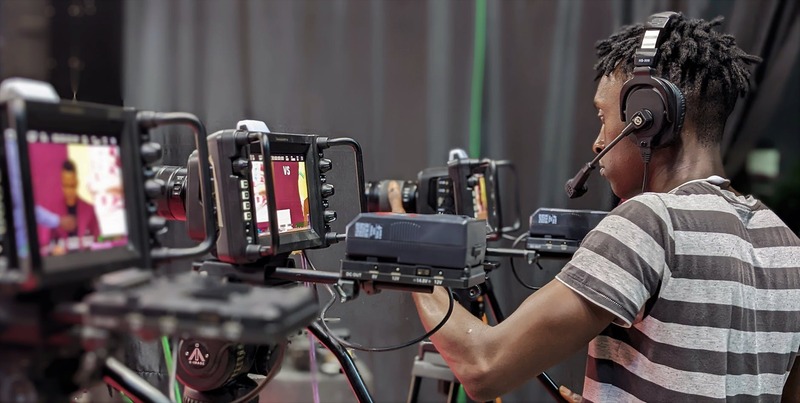
To ensure a seamless viewing experience, producers should leverage high-speed internet connections with sufficient upload bandwidth to handle the data load associated with high-definition streams. The choice of streaming protocols such as RTMP (Real-Time Messaging Protocol) or HLS (HTTP Live Streaming) directly impacts stream stability and latency, which are critical during live broadcasts in busy urban environments like Miami.
Geographic considerations also play a crucial role. Using server locations strategically placed within Miami or nearby regions minimizes latency and enhances stream quality for local audiences. Content delivery networks (CDNs) distribute the stream efficiently across the region, ensuring viewers experience minimal buffering and high-resolution visuals.

Beyond technical considerations, understanding the preferences of Miami's multicultural audience helps tailor content and streaming schedules. Local relevance, such as featuring Miami-specific events or cultural moments, can significantly increase viewer engagement and participation. As a hub for tourism, sports, nightlife, and arts, Miami offers a wealth of opportunities for diverse live streaming content that appeals to a broad demographic.
Implementing the Right Infrastructure
- High-Quality Hardware: Utilizing professional cameras, mixers, and microphones ensures crisp visuals and clear audio, critical for retaining viewers during live streams.
- Reliable Internet: An internet connection with symmetrical bandwidth and redundant pathways reduces the risk of interruptions.
- Streaming Software: Advanced encoding and streaming software support customization, overlays, and real-time analytics essential for engaging Miami audiences effectively.
- Technical Support: On-site or remote support teams can troubleshoot issues swiftly, maintaining broadcast quality throughout the stream.
Adopting a comprehensive approach to infrastructure guarantees that live streams from Miami maintain the professionalism and reliability expected in competitive markets.
Understanding Live Streaming in Miami
Miami stands as one of the most vibrant and dynamic cities for live streaming content. Its diverse population, bustling entertainment scene, and numerous events make it an ideal location for content creators and broadcasters aiming to reach large audiences. The city’s unique cultural landscape, combined with its status as a hub for tourism, arts, sports, and nightlife, creates endless possibilities for engaging live streams. To capitalize on this potential, content providers must understand the technical and strategic elements that underpin successful live streaming initiatives in Miami.
Legal and Licensing Considerations for Live Streaming
While exploring the vast opportunities for live streaming in Miami, it is vital to adhere to established protocols concerning content rights and licensing. Authentic content creators and broadcasters secure necessary permissions before airing multimedia elements such as music, video clips, or proprietary visuals. Registered trademarks, protected images, and intellectual property must be respected, ensuring that broadcasts do not infringe upon existing rights. Securing proper agreements with event organizers or relevant authorities further solidifies the legitimacy of live streams. This disciplined approach not only maintains a smooth broadcasting process but also protects against unforeseen disruptions or disputes.
Best Practices for Licensing and Rights Management
- Obtain written permissions from all content rights holders prior to streaming.
- Use licensed music and media, or incorporate royalty-free assets to avoid copyright issues.
- Verify event-specific permissions, especially when broadcasting live from public or private venues.
- Maintain detailed records of licenses and permissions as proof of compliance.
- Consult with legal experts experienced in media and broadcasting regulations in Miami for guidance.
Popular Platforms for Streaming Miami Live
Choosing the right platform is essential to effectively broadcast Miami’s diverse events. Major streaming services like YouTube Live, Facebook Live, and Instagram Live dominate for their broad reach and user familiarity. These platforms offer intuitive interfaces, real-time interaction features, and extensive reach within local and global communities. Additionally, specialized live streaming services such as Vimeo Livestream and Wowza provide advanced encoding options, customizable players, and scalable infrastructure—ideal for large-scale or professional broadcasts. Live streaming from Miami often benefits from multi-platform strategies, simultaneously broadcasting across multiple channels to maximize visibility and engagement.
Equipment and Technical Requirements
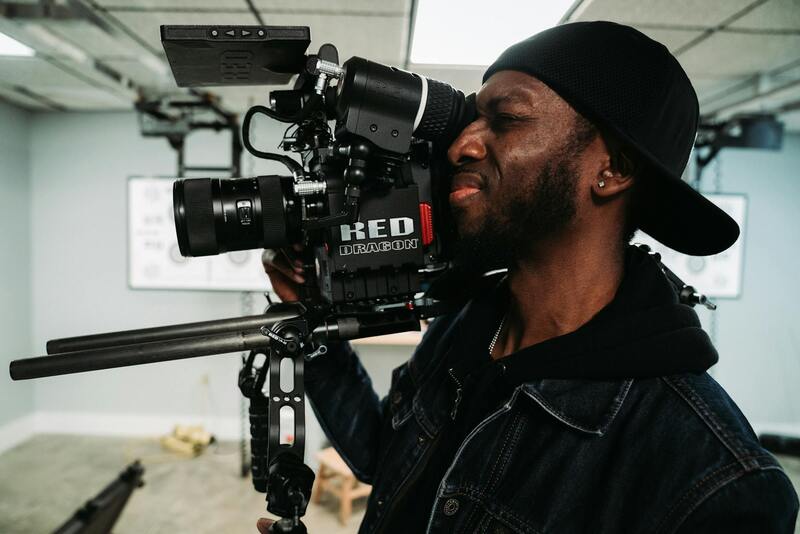
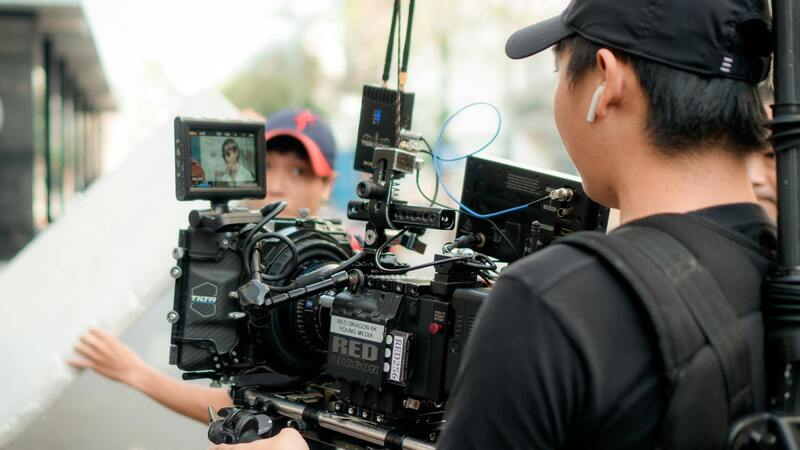
To deliver a seamless live streaming experience of Miami's vibrant scenes, investing in high-quality equipment and understanding the technical essentials is crucial. The foundation of any successful stream lies in reliable hardware and stable connectivity. This entails selecting professional-grade cameras capable of capturing detailed visuals in various lighting conditions, ranging from daylight outdoor scenes to dimly lit indoor venues. High-definition (HD) or 4K cameras are preferred to ensure clarity, especially when showcasing Miami's iconic landmarks, events, or local performances.
Audio quality plays an equally important role. Utilizing external microphones within the streaming setup helps capture clear sound, minimizing background noise and enhancing viewer engagement. Wireless lavalier mics are ideal for live interviews or dynamic outdoor shoots, while shotgun microphones are suited for capturing directional audio in larger venues.
Reliable internet connectivity is the backbone of live streaming. Wired Ethernet connections are preferred over Wi-Fi to reduce latency and packet loss. At locations where wired connections aren’t feasible, a dedicated LTE or 5G mobile hotspot with sufficient bandwidth can be a cost-effective alternative. It’s vital to perform speed tests beforehand to ensure upload speeds meet the demands of high-definition streaming, typically requiring at least 10 Mbps for HD quality. Signal stability should be a priority; buffering or lag during streams not only frustrates viewers but can also impact the reputation of your broadcast.
Extra technical considerations include the use of reliable encoding hardware or software, which compresses video signals for transmission. Hardware encoders dedicated to live broadcastings reduce latency and provide advanced control over stream settings. Software encoders like OBS Studio or vMix are popular among content creators due to their customization capabilities.
Additional accessories such as stabilizers or gimbals can greatly improve video quality when shooting moving subjects or drone footage of Miami's skyline. Proper lighting enhances visual clarity, especially for indoor streams or nighttime coverage. Portable lighting kits are practical for outdoor events or street coverage, helping to maintain visual consistency regardless of ambient light conditions.
Lastly, pre-event testing of all equipment and connection points is crucial. Conduct trial runs to identify and address potential issues, ensuring a flawless broadcast when it matters most. Regular maintenance and updates to hardware and software keep the streaming setup current, minimizing the risk of technical failures during live sessions.
Understanding Live Streaming in Miami
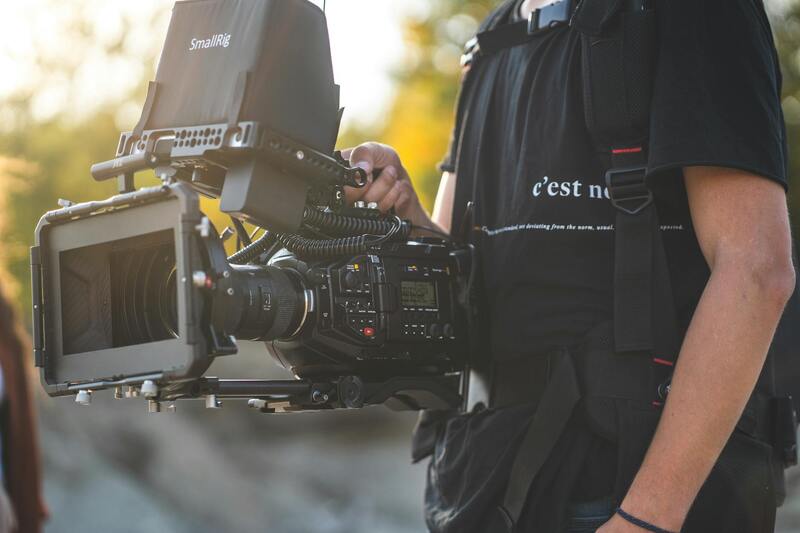
Miami's vibrant cultural scene and dynamic events make it an ideal location for live streaming. To effectively stream Miami live, content creators need to comprehend the unique aspects of the city's environment, including its diverse audience, high-profile events, and scenic locations. Successful streaming in Miami requires meticulous planning around scheduling, content relevance to local viewers, and an understanding of regional preferences. Engaging with local communities through live broadcasts can elevate brand visibility and foster a loyal following. Whether streaming local music festivals, beachfront events, or city tours, the authenticity and immediacy of live content resonate well with viewers eager to experience Miami’s lively atmosphere in real-time.
Legal and Licensing Considerations for Live Streaming
Executing a seamless live stream in Miami involves adherence to several operational guidelines. Securing the necessary permits for public broadcasts and filming at specific locations is essential, especially when streaming large crowds or high-profile private events. Intellectual property considerations must also be observed; this includes obtaining rights for music, performances, or copyrighted content featured during the stream. Additionally, if broadcasting with drones or other aerial devices, operators should be aware of regulations governing aerial footage in urban areas, ensuring compliance with local flight restrictions. Proper documentation and approval processes help avoid disruptions or fines, enabling smooth operations throughout the streaming event.
Popular Platforms for Streaming Miami Live
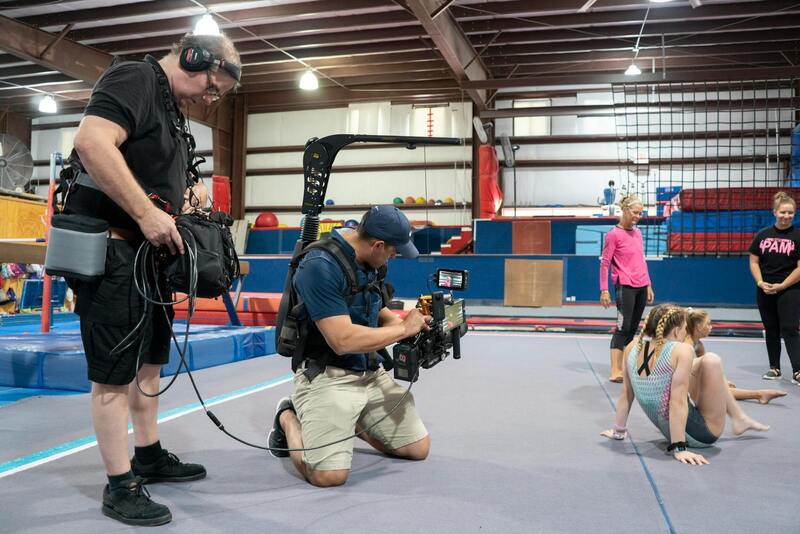
Multiple channels cater to live streaming Miami events, each offering unique features suited for different content types. Major social media platforms like Facebook Live, Instagram Live, and TikTok provide accessible options for reaching broad audiences quickly. YouTube Live serves as a robust solution for higher-quality streams and longer content, with integrated analytics to track viewer engagement. For more professional broadcasts, platforms such as Vimeo Livestream or LinkedIn Live offer enhanced customization, branding capabilities, and streaming stability. Additionally, niche streaming sites and community-specific portals help target regional audiences, making it easier to tailor content for local viewers seeking Miami-centric experiences. Selecting the right platform depends on the intended audience, content complexity, and broadcast objectives.
Equipment and Technical Requirements
A superior Miami live stream depends on high-quality equipment and reliable technical infrastructure. Essential gear includes cameras capable of capturing high-definition footage, microphones for clear audio, and stable internet connections to prevent buffering. Fiber optic broadband is highly recommended to support continuous, uninterrupted streaming, especially during high-traffic events. Hardware encoders or professional software like OBS Studio facilitate real-time video compression, ensuring high-definition quality with minimal latency. For outdoor shoots or on-the-move filming around Miami, handheld gimbals and stabilizers are indispensable for smooth footage. Portable lighting and weather-resistant gear help maintain visual quality during outdoor or nighttime streams. Routine equipment checks and pre-broadcast tests are crucial to identify potential issues, ensuring a polished live presentation.
Optimizing Stream Quality and Performance
To deliver engaging Miami live streams, maintaining optimal stream quality and performance is crucial. Network stability is paramount; employing dedicated upload bandwidth of at least 10 Mbps for HD streams ensures clarity and reduces lag. Conducting speed tests regularly helps verify that your connection can support the desired stream quality. Adaptive bitrate streaming techniques adjust video quality dynamically based on network conditions, minimizing buffering for viewers. Advanced encoding setups, including hardware encoders, help lower latency and improve overall broadcast responsiveness. Properly configuring streaming software with appropriate bitrates, resolution settings, and frame rates enhances visual clarity, especially during fast-moving scenes like Miami nightlife or waterfront activities. Running trial streams prior to live events allows for fine-tuning settings and troubleshooting technical glitches ahead of time, resulting in a seamless viewing experience.
Understanding Live Streaming in Miami
Miami stands out as a vibrant hub for diverse live streaming opportunities, owing largely to its dynamic urban landscape, bustling events, and scenic waterfronts. Achieving a successful live broadcast in this energetic environment requires a deep understanding of both the technical and logistical aspects involved. Syncing real-time audio-visual content with seamlessly coordinated streaming workflows enables content creators and businesses to connect authentically with their audiences, emphasizing Miami's lively culture and unique surroundings. Selecting appropriate locations, considering ambient noise levels, lighting conditions, and background activity, is essential for creating engaging streams that resonate with viewers.
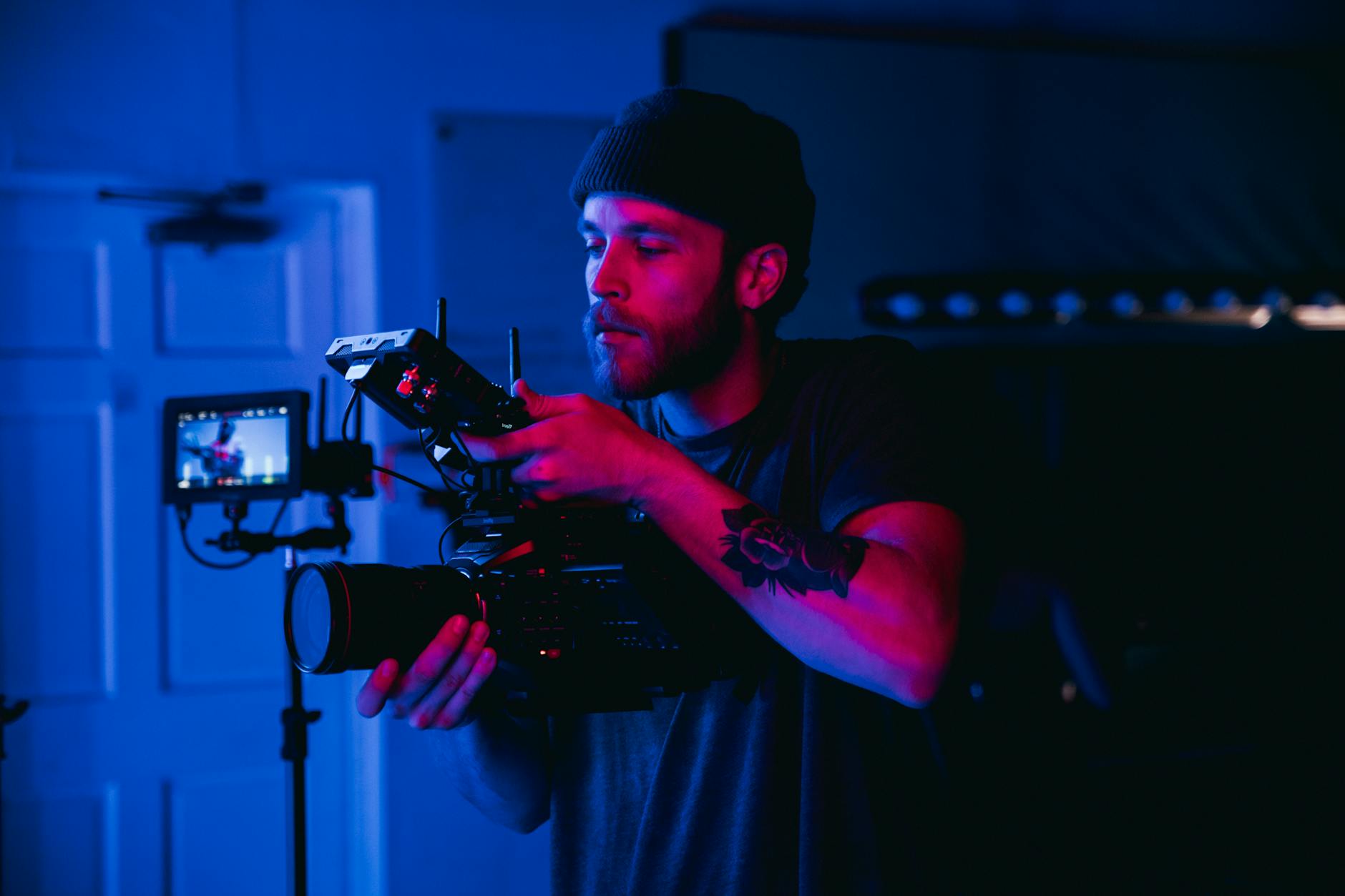
From waterfront festivais to downtown urban events, outdoor and indoor live streams in Miami should leverage high-grade equipment and reliable internet infrastructure. Whether broadcasting a music festival, a business presentation, or a scenic tour, content operators need to plan meticulously to ensure the transmission’s quality and stability.
Coordination with Local Events and Venues
Establishing partnerships with event organizers and venue managers enhances the potential for high-profile broadcasts. Proper planning allows for the integration of professional equipment setups, ensuring multimedia content, sound quality, and visual angles are preserved for the online audience. Coordinating permissions and understanding local regulations streamline the stream process, minimizing disruptions and technical difficulties.
Legal and Licensing Considerations for Live Streaming
When broadcasting live content from Miami, adherence to specific licensing requirements and permits is imperative. This includes obtaining authorization for recording in designated public spaces and ensuring all proprietary content like music, branding, or visuals are cleared for online distribution. Clearly delineating ownership rights prevents potential content infringement issues, thereby promoting a smooth streaming experience.
Additionally, acquiring necessary permits from city authorities or venue managers may be required for large-scale events. These permits often include stipulations about broadcast equipment, safety guidelines, and crowd management. Regularly updating knowledge of Miami’s regulatory framework helps content creators avoid compliance issues and maintains a professional standard for their streams.
Popular Platforms for Streaming Miami Live
Choosing the correct platform ensures your Miami live stream reaches the intended audience effectively. Major streaming services like YouTube Live, Facebook Live, and Twitch remain prominent options, offering extensive reach and user engagement features. For event-specific needs, platforms such as Vimeo Livestream or StreamYard can provide higher fidelity and specialized tools for multi-camera setups and branding overlays.
Emerging platforms such as Instagram Live and TikTok Live cater to younger viewers and offer unique interactive features, including real-time polls and comments. These channels are particularly suitable for informal or promotional streams, enabling direct audience participation. Integrating multiple platforms simultaneously through streaming software allows creators to maximize reach and engagement across different viewer bases.
Equipment and Technical Requirements
Delivering a high-quality live stream from Miami necessitates robust hardware and reliable connectivity. Professional-grade cameras with 4K resolution capabilities capture detailed visuals, especially crucial for scenic environments or detailed event coverage. Combining these with high-quality microphones and audio mixers ensures clear sound, helping to convey emotions and context effectively.
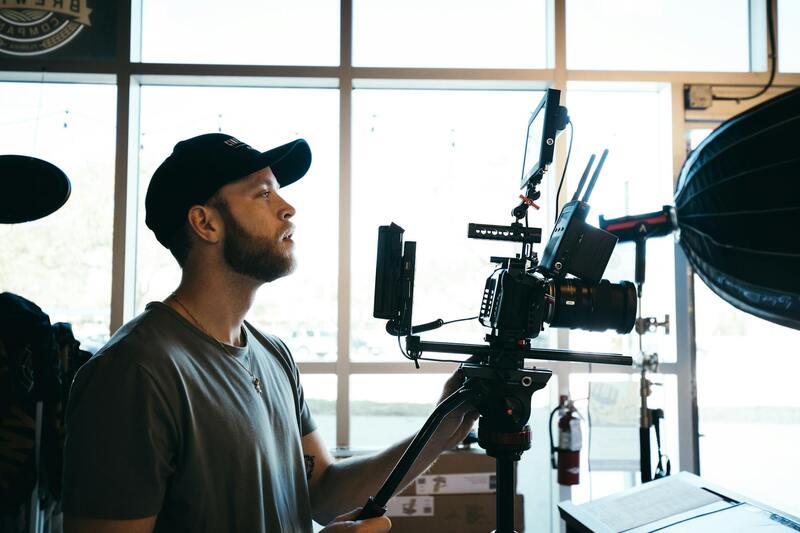
Streaming hardware, such as encoder units—whether hardware-based or software solutions like OBS Studio—transcoding video on the fly to optimize bandwidth and quality. Reliable internet access, preferably wired Ethernet connections or dedicated mobile hotspots with 5G support, is essential to maintain stable streaming conditions, especially in crowded or outdoor venues. Backup options, including secondary internet sources, are advisable to mitigate network failures.
Lighting and Power Solutions
- Portable, high-intensity LED lighting ensures visual clarity during nighttime or indoor broadcasts.
- Uninterruptible power supplies (UPS) safeguard against power interruptions, maintaining continuous stream delivery.
Optimizing Stream Quality and Performance
Ensuring a smooth live Miami broadcast involves meticulous tuning of technical parameters. Conducting pre-event tests, including bandwidth assessments and equipment checks, helps identify potential bottlenecks. Employing adaptive bitrate streaming technologies dynamically adjusts quality based on network conditions, delivering the best possible viewing experience without buffering.
Utilizing hardware encoders designed for low latency streaming reduces delay, critical during interactive sessions or live Q&A segments. Fine-tuning resolution, frame rate, and bitrate settings according to the target platform and audience device capabilities enhances visual fidelity. During high-traffic events, scaling solutions, like CDN (Content Delivery Network) integrations, distribute streams efficiently to accommodate large viewer bases and minimize latency issues.
Engaging Audience During Live Streams
Captivating viewers during Miami live streams depends heavily on interaction and presentation style. Incorporating real-time chat, interactive polls, or giveaways stimulates participation and keeps the audience involved. Host credible and charismatic presenters who can adapt to audience feedback, fostering a community-centered atmosphere.
- Use overlays, lower thirds, and graphics to highlight key information or sponsors.
- Include segments that showcase Miami’s iconic landmarks and cultural highlights to maintain visual interest.
- Maintain a dynamic camera setup, utilizing multiple angles or drone footage, to provide varied perspectives and immersive experiences.
Stream Miami Live: Comprehensive Guide to Successful Live Streaming in Miami
Understanding Live Streaming in Miami
Live streaming in Miami has become an essential tool for businesses, content creators, event organizers, and cultural institutions aiming to reach their audiences in real-time. The vibrant city’s diverse demographics and thriving entertainment scene make it an ideal location for innovative streaming experiences that showcase everything from local festivals to corporate conferences. Successful live streaming involves meticulous planning, high-quality production, and tailored content that resonates with Miami’s dynamic community.
In essence, live streaming allows for instant engagement and broader visibility, helping brands and organizers extend their reach beyond physical boundaries. Whether streaming a fashion event from Wynwood, a sports game at Hard Rock Stadium, or a cultural performance at a local theater, the key is to deliver seamless, engaging content that highlights Miami’s unique essence.
Legal and Licensing Considerations for Live Streaming
To ensure compliance during live streaming activities in Miami, it’s important to secure necessary permissions and licenses. This includes obtaining rights for copyrighted content, music, and footage incorporated into the stream. Publicly broadcasted events may require permits from local authorities, especially if they involve large audiences, drone footage, or specialized equipment.
Proper licensing safeguards against potential disruptions or legal issues, allowing streamers to focus on delivering quality content. This entails coordination with content rights holders, local government agencies, and venue management to confirm all necessary approvals are in place. Additionally, adhering to state and municipal regulations regarding broadcasting standards and security protocols helps maintain a smooth streaming operation without interruptions.
Popular Platforms for Streaming Miami Live
Several reputable platforms facilitate live streaming tailored for Miami's diverse event landscape:
- Facebook Live: Widely used for public events, community activities, and small business promotions due to its extensive user base.
- YouTube Live: Ideal for high-quality broadcasts, educational sessions, and larger audiences with extensive sharing capabilities.
- Vimeo Livestream: Suitable for professional events requiring higher production values and advanced privacy controls.
- Instagram Live: Perfect for quick updates, fashion showcases, and engaging with a younger demographic.
Matching the platform to the target audience and content type ensures maximum engagement. Additionally, integrating multiple channels can amplify reach, allowing viewers to tune in through their preferred apps and devices.
Equipment and Technical Requirements
High-quality live streaming demands a reliable set of hardware and software tools:
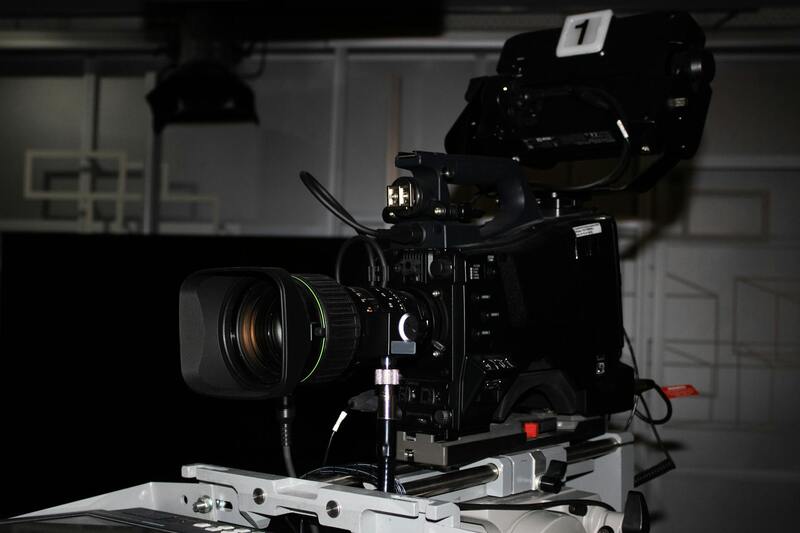
- Cameras: Professional-grade cameras or high-resolution smartphones equipped with stabilizers and external microphones enhance visual and audio clarity.
- Encoding Devices: Hardware encoders or software solutions capture and compress video streams efficiently, reducing latency and ensuring consistent quality.
- Lighting and Audio: Proper lighting setups and external microphones contribute significantly to production value, especially in indoor settings.
- Network Connectivity: A wired Ethernet connection or a high-speed Wi-Fi network with ample bandwidth is essential for stable streaming, particularly during larger events.
- Backup Systems: Redundant internet connections and extra batteries prevent disruptions caused by technical failures.
Optimizing Stream Quality and Performance
Achieving optimal streaming performance involves meticulous configuration and testing. Pre-event bandwidth assessments identify capacity limits, facilitating necessary adjustments or upgrades. Employing adaptive bitrate streaming technology ensures the highest possible quality is delivered based on viewers' internet speeds, minimizing buffering and lag.
Scalable Content Delivery Networks (CDNs) distribute streams efficiently across multiple servers, reducing latency and supporting large audiences. Fine-tuning key parameters like resolution, frame rate, and bitrate according to the platform and device capabilities enhances the viewer experience without overwhelming network resources. Regular testing and monitoring during the event help identify and rectify potential issues in real-time.
Engaging Audience During Live Streams
Audience engagement is vital to the success of Miami live streams. Interactive elements like chat functions, live polls, and real-time Q&A sessions encourage viewer participation and foster a community atmosphere. Incorporating visuals such as overlays, lower thirds, and graphics contributes to a polished presentation that highlights key messages, sponsors, or event branding.
Showcasing Miami’s iconic landmarks through drone footage or multiple camera angles enhances viewer immersion. A dynamic presentation style, with energetic hosts or celebrities familiar to the local scene, helps maintain viewer interest. Periodic reminders, call-to-actions, and exclusive giveaways can incentivize ongoing participation, ensuring your content remains vibrant and memorable.