
Roles and Responsibilities of Live Streaming Experts
In today’s digital landscape, live streaming has become a vital component for organizations aiming to connect with audiences seamlessly and professionally. Live streaming experts play a fundamental role in ensuring that each broadcast runs smoothly, maintains high quality, and effectively engages viewers. Their responsibilities span a broad spectrum, from initial technical setup to post-event analysis, requiring a diverse skill set and comprehensive knowledge of industry standards.
One of the primary roles of live streaming specialists involves meticulous technical setup. This includes configuring audiovisual equipment, establishing reliable internet connections, and optimizing server settings to prevent interruptions. They work closely with clients to understand their specific needs, whether it’s streaming a corporate event, a concert, or a conference, and tailor the technical arrangements accordingly.
Production management is another critical responsibility. Live streaming experts oversee the entire broadcast process—coordination of camera operators, managing on-screen graphics, and ensuring proper audio and visual synchronization. They monitor streams in real-time, troubleshoot issues promptly, and make adjustments on the fly to uphold broadcast quality. Their goal is to deliver a seamless viewer experience that aligns with the event’s objectives.
Content delivery is equally vital, involving the selection of suitable streaming platforms, encoding settings, and security measures to safeguard content. They ensure that live feeds are accessible across various devices and networks, maximizing audience reach and engagement. Post-broadcast tasks may include analyzing viewer data, generating reports, and providing recommendations for future streams, thereby continually refining their services.
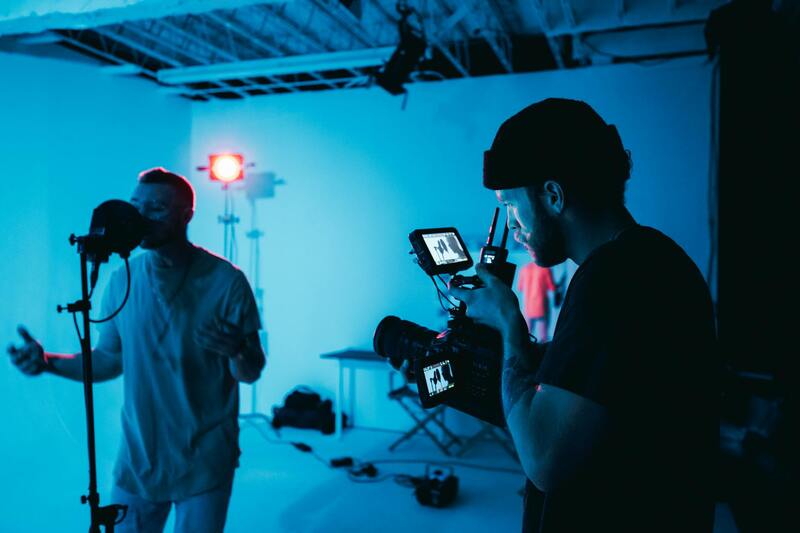
Overall, live streaming experts serve as the linchpin between technology and content delivery, combining technical prowess with strategic planning. Their expertise ensures that live events are broadcast flawlessly, enhancing brand visibility, audience interaction, and overall event impact.
Essential Equipment and Technology Used by Live Streaming Professionals
To execute high-quality live streams, professionals rely on a comprehensive array of equipment and cutting-edge technology. This arsenal includes professional-grade cameras for crisp visuals, audio equipment such as microphones and mixers for clear sound, and robust encoders that convert raw footage into streaming-compatible formats. Additionally, high-speed internet connections are indispensable to maintain uninterrupted streams, with backup options in place to mitigate potential disruptions.
Other vital tools encompass multi-view switchers, which allow seamless switching between camera angles, and streaming servers or cloud services that handle content distribution. Live streaming experts also leverage advanced software solutions for real-time editing, overlay graphics, and viewer analytics, enabling dynamic and engaging broadcasts. The integration of all these elements, combined with meticulous testing, ensures a polished production tailored to client specifications.
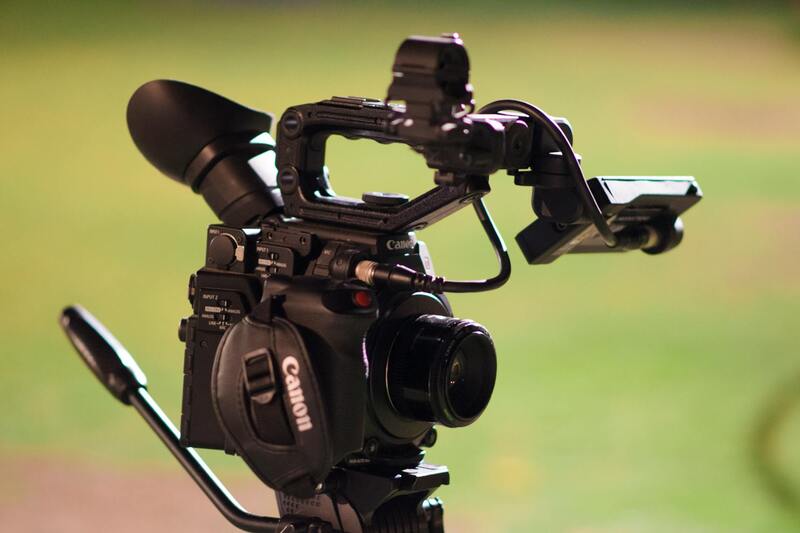
Familiarity with current technology trends and the ability to adapt swiftly to evolving tools is a hallmark of seasoned experts. Their expertise guarantees that every element—from video quality to streaming stability—is optimized to deliver an exceptional viewing experience across multiple platforms and devices.
Roles and Responsibilities of Live Streaming Experts
Live streaming experts serve as the backbone of successful digital broadcasts, ensuring that every aspect of the event is captured, transmitted, and presented seamlessly. Their responsibilities extend beyond mere operation of equipment, encompassing meticulous planning, setup, and management of the entire streaming process. These professionals must collaborate closely with clients, event organizers, and technical teams to understand specific requirements, audience expectations, and platform preferences. This collaborative approach allows them to craft a tailored streaming strategy that maximizes reach and engagement.
One of the primary roles of live streaming experts involves pre-event coordination. This includes conducting site surveys to assess technical feasibility, testing internet connectivity, and ensuring all hardware and software components operate optimally. They prepare a comprehensive production plan detailing camera placements, audio arrangements, graphics, and overlay elements to enhance viewer experience. Their expertise also involves troubleshooting potential issues proactively, developing contingency plans such as backup internet sources or redundant equipment arrangements.
During the event, live streaming specialists perform real-time management tasks. They operate multiple cameras, switch between different video feeds, and adjust audio levels to maintain high-quality output. Their vigilance extends to monitoring stream stability and quality metrics, troubleshooting technical hiccups on the fly, and making swift adjustments to prevent disruptions. They also coordinate with on-site and remote teams to incorporate live graphics, animations, or viewer interaction features, ensuring an engaging broadcast.
Post-event responsibilities include analyzing stream performance metrics, gathering viewer feedback, and generating detailed reports. Such insights help refine future broadcasts and improve overall quality. Effective communication and coordination skills are vital, as live streaming professionals must seamlessly integrate with event staff, content creators, and digital platforms to deliver flawless broadcasts consistently.

Roles and Responsibilities of Live Streaming Experts
Live streaming professionals serve as the cornerstone of delivering high-quality digital broadcasts. Their responsibilities span from pre-event planning to post-event analysis, encompassing technical expertise, creative input, and seamless coordination. Prior to the broadcast, these experts conduct comprehensive assessments of available infrastructure, including internet connectivity, hardware, and software. They develop detailed production plans that outline camera angles, audio setups, graphics, overlays, and interactive elements, ensuring an engaging viewer experience. Preparing multiple contingency strategies, such as backup internet sources or redundant equipment, is also a critical aspect of their role. This proactive approach minimizes potential disruptions, guaranteeing a smooth streaming process from start to finish.
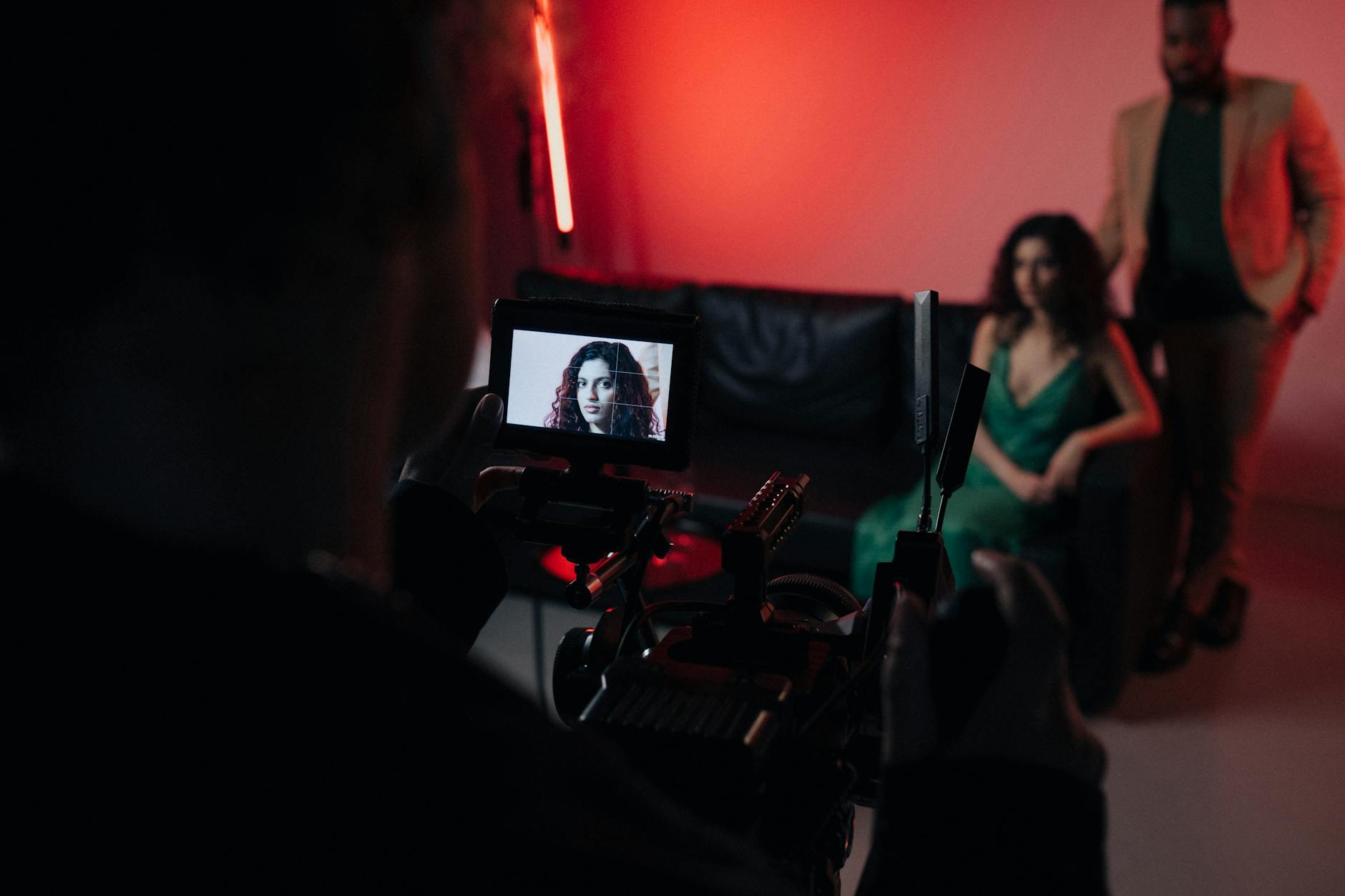
During the event, live streaming experts assume real-time operational roles. They manage multiple video feeds, switch between camera angles, and handle various multimedia elements to craft a dynamic presentation. Adjusting audio levels, ensuring synchronization, and monitoring stream quality metrics are continually performed to maintain viewer engagement. These specialists vigilantly track stream stability—identifying and resolving issues such as lag, buffering, or audio-video synchronization discrepancies promptly. Their expertise enables instant troubleshooting, making adjustments during the live broadcast to prevent interruptions. Additionally, they coordinate with on-site teams and remote contributors to incorporate graphics, animations, or viewer interaction features, enhancing overall broadcast quality.
Post-event responsibilities include analyzing performance metrics—such as viewer counts, engagement levels, and stream stability data—to assess success and identify areas for improvement. Gathering viewer feedback offers insights into the audience experience, guiding future enhancements. Crafting detailed reports helps refine technical setups and production strategies. Throughout every stage, strong communication skills and team coordination are imperative for live streaming professionals. They work closely with event organizers, content creators, and digital platform teams to ensure the broadcast aligns with event goals and delivers a seamless experience to viewers worldwide.
Essential Equipment and Technology Used by Live Streaming Professionals
The effectiveness of a live streaming broadcast hinges on the right combination of hardware and software. High-definition cameras with versatile lens options capture clear, compelling visuals from multiple angles. Video switchers or production consoles facilitate seamless switching between camera feeds, allowing for professional-grade transitions. Professional-grade microphones, audio mixers, and wireless audio systems ensure crisp sound quality, which is equally vital in maintaining viewer engagement.
Network infrastructure plays a pivotal role; reliable, high-bandwidth internet connections, often with backup options like cellular data or dedicated fiber lines, sustain uninterrupted streams. Encoding hardware or software converts raw video signals into optimized formats compatible with streaming platforms. Overlay graphics, animated transitions, and audience interaction features are integrated via specialized broadcasting software, which also enables real-time editing and control.
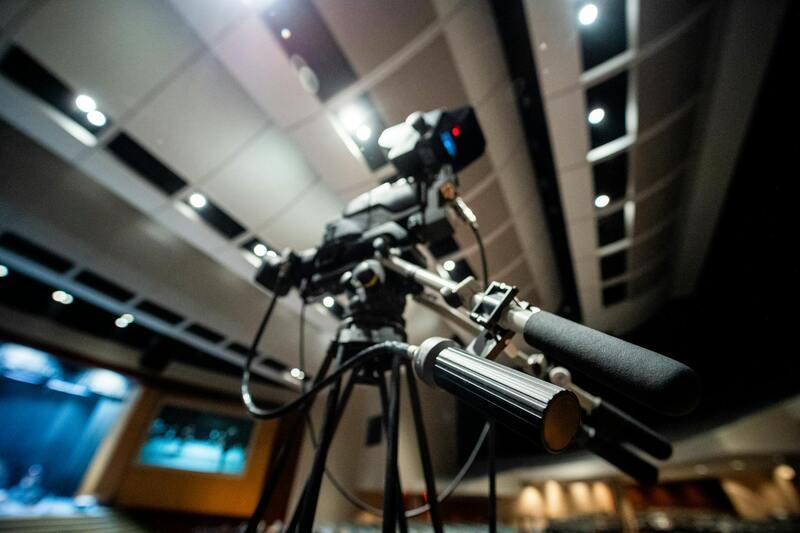
Additional tools such as monitoring dashboards display stream health metrics, allowing technicians to flag and troubleshoot issues proactively. Collaboration platforms facilitate coordination among team members, both on-site and remote, ensuring that all elements come together cohesively. The combination of advanced equipment and dependable technology creates a foundation for achieving consistent, high-quality live broadcasts that meet professional standards.
Roles and Responsibilities of Live Streaming Experts
Live streaming professionals hold a multifaceted role that combines technical expertise, creative vision, and operational management. Their core responsibility is to deliver seamless, high-quality broadcasts that meet the specific needs of each event or session. This involves meticulous planning, from pre-event setup to post-event analysis. Experts coordinate with clients and event organizers to understand the objectives, target audience, and desired output, ensuring that every element of the production aligns with these goals.
On-site, live streaming specialists oversee the operation of advanced broadcasting equipment, manage camera feeds, and control sound quality. They are responsible for configuring and troubleshooting complex hardware and software systems to prevent interruptions during the live transmission. This includes monitoring live feeds, managing overlay graphics, and ensuring synchronization across multiple video and audio sources.
Beyond technical duties, live streaming experts serve as project managers during the event, coordinating with graphical designers, technicians, and hosts to maintain flow and engagement. Post-event, they analyze stream analytics and viewer metrics to evaluate performance and identify areas for improvement. Their comprehensive understanding of streaming platforms, network infrastructure, and audience interaction tools enables them to craft engaging and reliable broadcast experiences.
Essential Equipment and Technology Used by Live Streaming Professionals
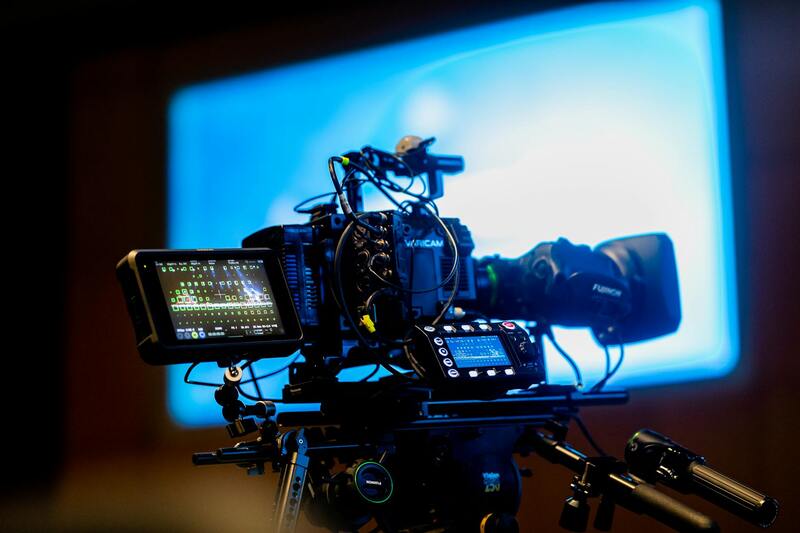
Delivering professional-grade live streams hinges on the deployment of sophisticated, reliable equipment. High-definition cameras equipped with versatile lenses capture crisp visuals from multiple angles, forming the visual backbone of any broadcast. Video switchers or production consoles facilitate real-time transitions and mixing, allowing producers to seamlessly shift between cameras and incorporate overlays or graphics.
Audio quality is equally critical; professional microphones, wireless audio systems, and mixing consoles ensure clear, intelligible sound that maintains viewer engagement. Network infrastructure must be robust—often with dedicated fiber lines, backup cellular data, or both—to mitigate any potential connectivity issues. This ensures a consistent stream, even under high-demand conditions.
Supporting hardware such as encoders, whether hardware or software-based, convert raw footage into streaming-friendly formats that are compatible with chosen platforms. Advanced broadcasting software enhances the stream with dynamic overlays, transitions, and real-time editing capabilities, enriching the viewer experience. Monitoring tools, like dashboards, allow technicians to oversee stream health continuously, enabling prompt response to any technical issues.
Furthermore, auxiliary devices such as graphic design software, teleprompters, and remote control systems contribute to the smooth execution of live productions. The integration of high-quality equipment and dependable technology forms the foundation for producing broadcasts that meet professional standards and deliver compelling content to audiences.
Common Types of Events Covered by Live Streaming Experts
Live streaming experts cater to a broad spectrum of event types, each requiring tailored approaches to ensure optimal delivery. Corporate conferences and seminars benefit from polished broadcasts that facilitate remote participation and interactive sessions. These events demand multi-camera setups, high-quality audio, and real-time graphics to engage viewers effectively.
Live concerts and entertainment productions leverage specialized camera work, multi-stream feeds, and audience interaction features. The focus here is on capturing the energy of the event while maintaining high visual and audio fidelity. Sports events, from local matches to large-scale tournaments, require fast-paced switching, instant replays, and detailed coverage, demanding rapid response from technical teams.
Religious gatherings and community events often utilize live streaming to broaden their reach, emphasizing stable connections and easy-to-navigate viewer interfaces. Additionally, educational sessions, workshops, and webinars have become increasingly popular in the digital landscape, relying heavily on reliable streaming to preserve the quality of instruction and engagement.
Each of these event types necessitates a specific setup and technical plan, underscoring the importance of experienced live streaming professionals to adapt and execute seamlessly across diverse scenarios. Their expertise ensures that content delivery remains consistent, engaging, and aligned with the event’s objectives.
Roles and Responsibilities of Live Streaming Experts
Live streaming experts play a pivotal role in ensuring that broadcast content is delivered seamlessly, professionally, and engagingly. Their responsibilities encompass a broad range of technical and creative tasks that require specialized knowledge, experience, and attention to detail. From pre-event planning to post-broadcast analysis, these professionals coordinate every aspect to achieve a high-quality viewing experience.
One of the primary roles of live streaming experts is to develop a comprehensive technical plan tailored to each event. This includes assessing the venue for optimal camera placement, audio setup, and internet connectivity. They determine the necessary equipment, such as multi-camera systems, microphones, encoders, and streaming platforms, to match the event's scope and scale.
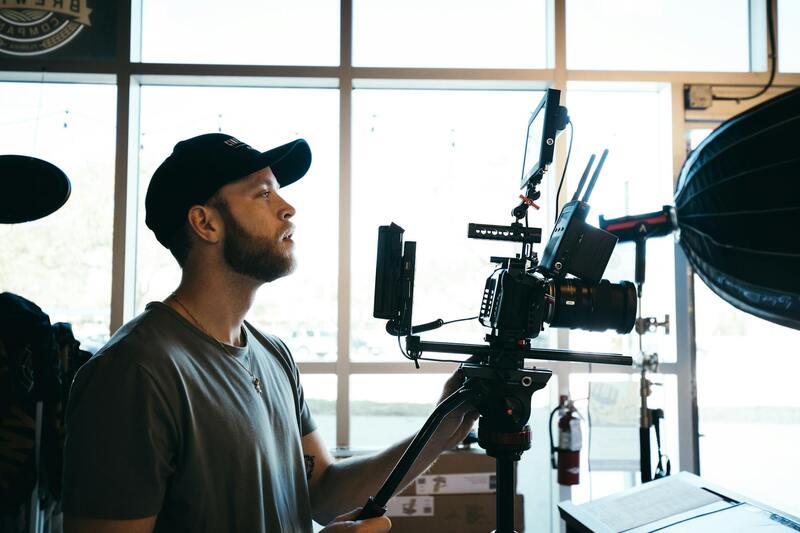
During the event, live streaming professionals take charge of operating the technical equipment, managing camera switching, controlling audio levels, and monitoring stream health in real-time. They are responsible for troubleshooting any issues swiftly to prevent disruptions. Moreover, their expertise extends to coordinating with event organizers, performers, or speakers to ensure that on-camera presence and stage management align with broadcast standards.
Post-event, live streaming experts analyze performance metrics, review footage, and gather feedback to improve future broadcasts. Their role also includes ensuring the security of the stream, implementing backup systems, and managing encoding settings to achieve optimal video quality across various devices.
This comprehensive involvement underscores the value of seasoned professionals who possess in-depth technical expertise and a proactive approach to live content delivery. Their responsibilities extend beyond mere operation to encompasses strategic planning, real-time decision-making, and post-event evaluation, all critical for successful streaming outcomes.
Essential Equipment and Technology Used by Live Streaming Professionals
Delivering high-quality live streams demands a sophisticated array of equipment and technology. Live streaming experts utilize a combination of hardware and software solutions to capture, encode, transmit, and monitor event content effectively. Their choices are guided by the event’s scope, audience size, and specific production requirements.
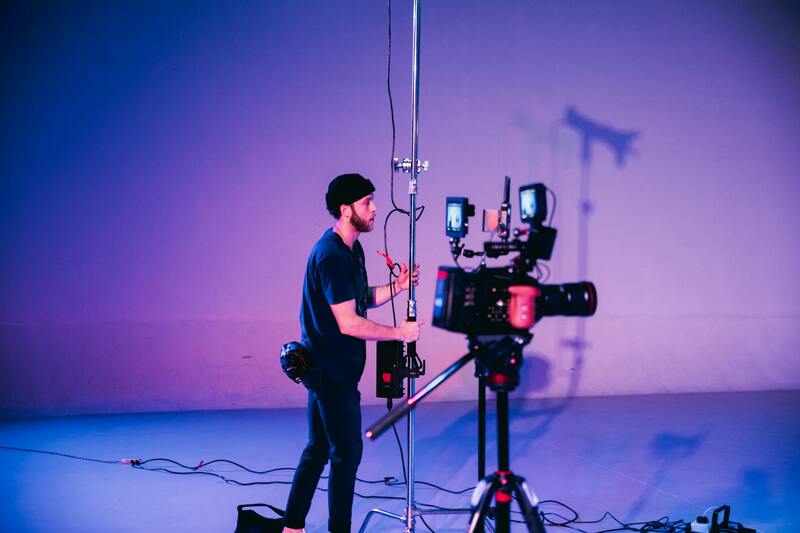
- Video Cameras: Multiple high-definition cameras enable dynamic shots, multi-angle views, and professional production values. Robotic or remote-controlled cameras are often employed for complex setups requiring minimal physical intervention.
- Audio Equipment: High-fidelity microphones, mixers, and wireless audio systems ensure clear sound quality. Proper acoustics and sound mixing are vital for maintaining engagement and clarity.
- Encoders: Hardware or software encoders convert raw camera feeds into digital streams for transmission over the internet. Advanced encoders support adaptive bitrate streaming, which adjusts quality based on viewers’ connection speeds.
- Streaming Platforms: Professionals select reliable streaming services or custom CDN (Content Delivery Network) solutions to distribute content efficiently worldwide. They optimize settings to lower latency and minimize buffering.
- Lighting and Transmission Accessories: Proper lighting enhances video quality, especially in indoor settings. Transmission accessories like switchers, cables, and stabilizers help ensure smooth operation.
Furthermore, live streaming professionals deploy auxiliary tools such as graphics overlays, real-time chat integrations, and replay systems to increase viewer engagement and overall production value. These technologies, combined with skilled operation, enable a cohesive and immersive live experience.
Mastering these technologies requires continuous training and up-to-date knowledge of emerging trends, which is why hiring experienced live streaming experts ensures that your event benefits from the latest tools and techniques. This combination of hardware, software, and technical know-how forms the backbone of a successful live broadcast.
Roles and Responsibilities of Live Streaming Experts
Live streaming experts in Miami play a crucial role in delivering seamless digital broadcasts that meet high-quality standards. Their responsibilities extend beyond mere camera operation, encompassing a comprehensive understanding of technical logistics, content management, and audience engagement strategies. These professionals are tasked with pre-production planning, which involves coordinating with clients to determine event goals, identifying optimal streaming platforms, and preparing all technical equipment needed for a flawless broadcast.
During the live event, experts oversee the setup of cameras, microphones, lighting, and encoding devices to ensure optimal signal quality. They continuously monitor the stream's stability, troubleshooting any technical issues swiftly to prevent disruptions. Post-broadcast duties include archiving the footage, analyzing viewer metrics, and providing detailed reports on audience engagement. All these responsibilities demand a blend of technical expertise, quick problem-solving abilities, and a keen eye for detail.
Technical Oversight and Content Management
Effective content management is essential to produce professional-grade live streams. Live streaming professionals are responsible for managing multiple camera angles, switching between shots seamlessly, and integrating graphics or overlays to enhance the visual appeal. They also handle the synchronization of video and audio feeds, ensuring that viewers receive a cohesive and immersive experience. Additionally, they coordinate with on-screen talent and event organizers to execute real-time cues and cues to keep the broadcast running smoothly.
Audience Engagement and Interaction
Another key aspect of a live streaming expert’s role involves maximizing viewer interaction. They implement tools such as real-time chat, polls, and social media integrations to foster active participation. Moderating these interactions during the broadcast requires a professional touch to maintain a positive and engaging environment. After the event, analyzing engagement data helps future planning and content refinement, which is an integral part of ongoing service improvements.
Essential Equipment and Technology Used by Live Streaming Professionals
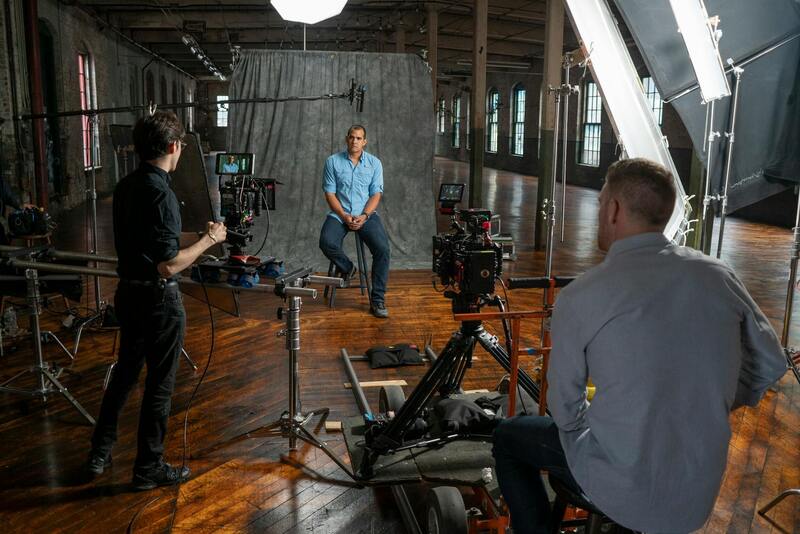
Miami-based live streaming experts utilize a sophisticated array of tools and hardware designed to deliver high-quality broadcast content. The foundation of any professional live stream is a reliable camera system, usually equipped with high-definition (HD) or 4K capabilities to produce crisp visuals. Complementing the cameras are professional-grade microphones and audio mixers that capture clear sound and reduce background noise, critical for maintaining viewer engagement.
Encoding hardware or software is another pivotal element, as it converts video signals into a digital format suitable for streaming. Advanced encoders support adaptive bitrate streaming techniques, allowing content to adjust quality dynamically based on viewer bandwidth, which minimizes buffering issues.
Lighting setups, especially in interiors or controlled environments, enhance scene clarity and eliminate shadows. Transmission accessories such as video switchers allow live switching between multiple camera feeds, creating a more dynamic presentation. Cables, stabilizers, and gimbals ensure steady footage, while portable power supplies keep the setup operational during extended broadcasts.
Streaming Platform Integration
Professionals select from various streaming platforms and CDN (Content Delivery Network) providers to distribute content efficiently. They configure parameters to optimize latency, storage, and access controls, ensuring that the streamed content reaches audiences with minimal delay. Overlay graphics, lower thirds, and branding are integrated into the stream to elevate visual professionalism, often through specialized software that allows real-time customization.
Common Types of Events Covered by Live Streaming Experts
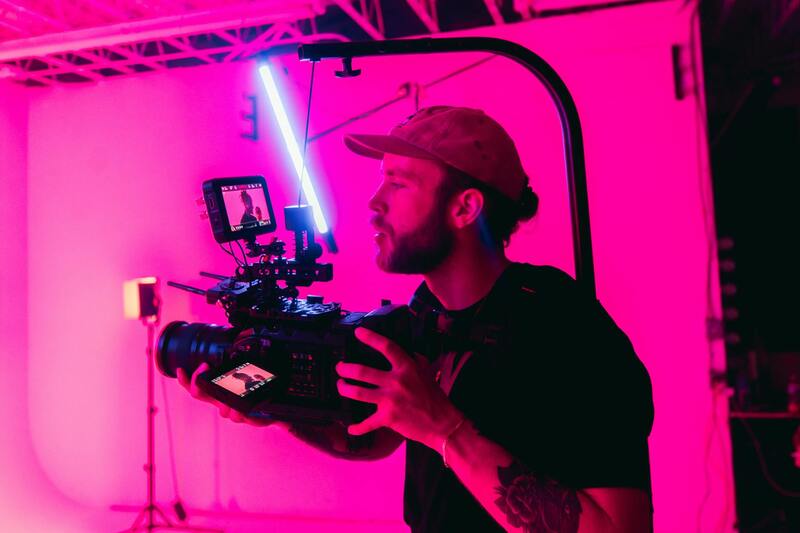
Live streaming specialists in Miami cater to a broad spectrum of event types, each demanding tailored technical solutions. Corporate meetings, product launches, and conferences form a significant portion of their portfolio, requiring seamless multi-camera setups, real-time presentation overlays, and interactive components. These events often involve high-profile speakers, demanding rigid attention to audio clarity and visual quality.
In addition, live streamed weddings, religious services, and community gatherings benefit from expert handling of sound and lighting to capture the event's emotional essence. Sports events, concerts, and entertainment shows also rely heavily on advanced streaming technology to deliver real-time coverage with minimal lag and high visual fidelity.
Educational institutions increasingly engage live streaming professionals for virtual classrooms, seminars, and graduation ceremonies. These require reliable, scalable streaming solutions capable of supporting large online audiences simultaneously while integrating interactive tools for remote engagement.
Specialized Services Offered for Event Types
- Cinematic-quality video production with multiple camera angles for entertainment events
- Interactive features such as Q&A sessions, live polling, and social media feeds for conferences
- High-fidelity audio capture and mixing for religious and ceremonial services
- Real-time translation and closed captioning for international audiences and accessibility
Roles and Responsibilities of Live Streaming Experts
Live streaming experts in Miami shoulder a multifaceted role that extends beyond mere technical setup. Their responsibilities include meticulous planning, content management, and ensuring that each element of the broadcast aligns seamlessly with the event's objectives. These professionals coordinate with clients to understand the event's scope, audience expectations, and desired outcomes, translating these into actionable technical plans.
Preparation is key—this involves configuring equipment, testing internet connectivity, and rehearsing camera angles and audio setups to prevent disruptions during the live broadcast. Once the event is underway, live streaming specialists monitor every aspect of the production—managing camera feeds, adjusting audio levels, and troubleshooting issues instantaneously to maintain broadcast quality. Post-event, they often handle data archiving, analytics, and providing recordings for on-demand viewing or marketing purposes.
In Miami’s dynamic event landscape, live streaming professionals also serve as consultants, advising clients on the latest technology trends and best practices to achieve optimal viewer engagement. Their expertise ensures that immersive viewer experiences are delivered consistently, regardless of network conditions or event complexity.
Essential Equipment and Technology Used by Live Streaming Professionals
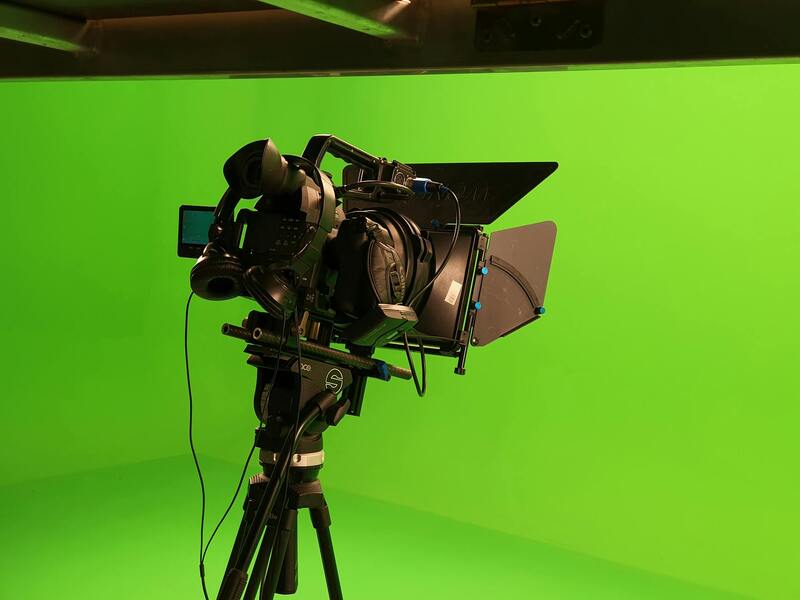
Specialists rely on a sophisticated array of equipment designed for high-quality, reliable streaming. Central to this arsenal are professional-grade cameras, capable of capturing crisp images from multiple angles. These are often complemented by video switchers that allow real-time switching between camera feeds to create dynamic presentations.
Audio equipment is equally crucial—high-fidelity microphones, mixers, and wireless systems ensure clean, balanced sound, which is vital for audience engagement. To transmit the data, live streaming experts utilize high-speed internet connections combined with encoders that compress video streams for efficient delivery across various platforms.
Facilities also include robust monitoring systems to oversee stream quality, with backup hardware in place to prevent interruptions. Additionally, interactive overlays, graphics, and real-time chat modules are integrated to enhance viewer participation and provide a polished broadcast experience.
Common Types of Events Covered by Live Streaming Experts
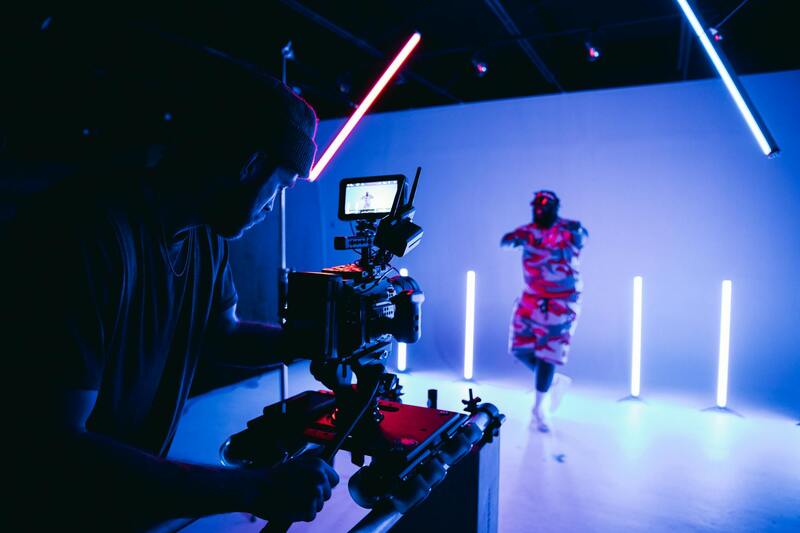
Miami’s live streaming specialists serve a variety of event formats, each with unique technical requirements. Corporate events such as meetings, product launches, and industry conferences demand high-resolution video feeds, multiple camera angles, and integration with presentation slides. These events often involve remote participants and require interactive features like live Q&A sessions and chat functionalities.
Social and community gatherings, including weddings, religious ceremonies, and cultural festivals, benefit from high-quality sound and lighting management paired with emotional storytelling through visual styles. Sports broadcasts and concerts require rapid camera switching, instant replay capabilities, and immersive viewer experiences, often with multi-platform distribution.
Educational institutions increasingly turn to professional live streamers for virtual classrooms, seminars, and graduation ceremonies. These events necessitate scalable streaming solutions capable of supporting large online audiences, along with interactive tools such as polling, quizzes, and live discussion forums to foster engagement in real time.
Key Skills and Qualifications of Miami Live Streaming Experts
Expert live streaming professionals possess a combination of technical knowledge and creative insight. Proficiency in operating various broadcast equipment and software is fundamental, along with a strong understanding of video encoding, network configuration, and troubleshooting. Miami specialists often hold certifications in AV technology and streaming platforms, underpinning their credibility.
Moreover, strong project management skills ensure seamless coordination from pre-event planning through post-broadcast follow-up. Excellent communication is necessary to liaise effectively with clients, presenters, and technical teams. Flexibility and quick problem-solving abilities are crucial, especially during live productions where unforeseen circumstances can emerge suddenly.
Formal education in multimedia production, audiovisual engineering, or communications complements hands-on experience, enabling these experts to deliver refined, engaging streams consistently across diverse event contexts.
Roles and Responsibilities of Live Streaming Experts
Live streaming professionals play a pivotal role in delivering high-quality real-time broadcasts across various platforms and event types. Their responsibilities encompass meticulous pre-production planning, technical setup, real-time operations, and post-event analysis. These experts coordinate closely with clients and event organizers to understand specific goals, audience expectations, and content nuances, ensuring a seamless execution.
During the pre-event phase, they conduct site assessments, test equipment, and determine optimal camera placements, audio configurations, and internet bandwidth requirements. Clear communication and detailed checklists are maintained to mitigate potential issues on the day of the event.
On the day of streaming, live streaming experts operate broadcast hardware such as encoders, switchers, and audio mixers, while monitoring stream stability and quality throughout the event. They troubleshoot technical hiccups promptly to prevent disruptions, adjusting settings or switching sources as needed. Post-event responsibilities include archiving footage, generating performance reports, and gathering client feedback for continuous improvement.
Essential Equipment and Technology Used by Live Streaming Professionals
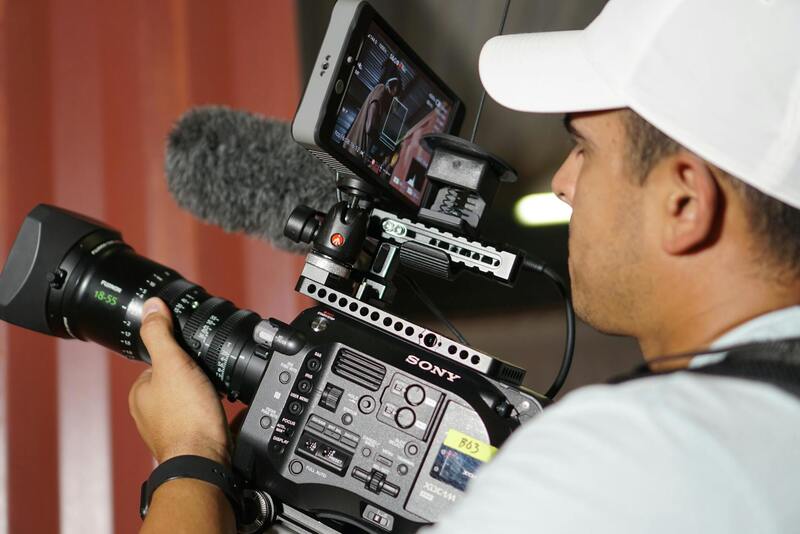
- High-definition cameras with capabilities for remote control and multiple angles.
- Professional audio equipment, including wireless microphones and mixers for clear sound delivery.
- Reliable encoders for converting video into streaming-compatible formats.
- Multi-platform streaming software for managing various output destinations simultaneously.
- Robust internet connectivity solutions, such as bonded cellular or dedicated fiber connections, to support uninterrupted streams.
- Backup power supplies and redundant hardware setups to ensure resilience during power fluctuations or technical failures.
Common Types of Events Covered by Live Streaming Experts
Miami live streaming specialists cater to a diverse array of event types, including:
- Corporate conferences, product launches, and seminars to reach broader audiences beyond physical attendees.
- Concerts, music festivals, and cultural events aiming to deliver immersive experiences to remote viewers.
- Educational webinars, virtual classrooms, and academic ceremonies supporting remote learning initiatives.
- Religious services and community gatherings that require consistent streaming to maintain engagement.
- Sports events, competitions, and exhibitions where live commentary and multi-camera feeds enhance viewer experience.
Key Skills and Qualifications of Miami Live Streaming Experts
Professionals in this field combine technical expertise with creative and organizational skills. Core qualifications include advanced knowledge of various streaming platforms, video and audio engineering, and network infrastructure. Certification in AV technology and multimedia production is highly valued.
Effective communication and project management capabilities ensure coordinated efforts from setup to execution. Adaptability and quick troubleshooting skills are essential in managing live broadcasts, especially when unforeseen technical issues arise. Formal education in areas such as multimedia production, audiovisual engineering, or communications complements practical experience, allowing professionals to deliver consistently refined streams tailored to client needs.
Trends and Innovations in Live Streaming Services
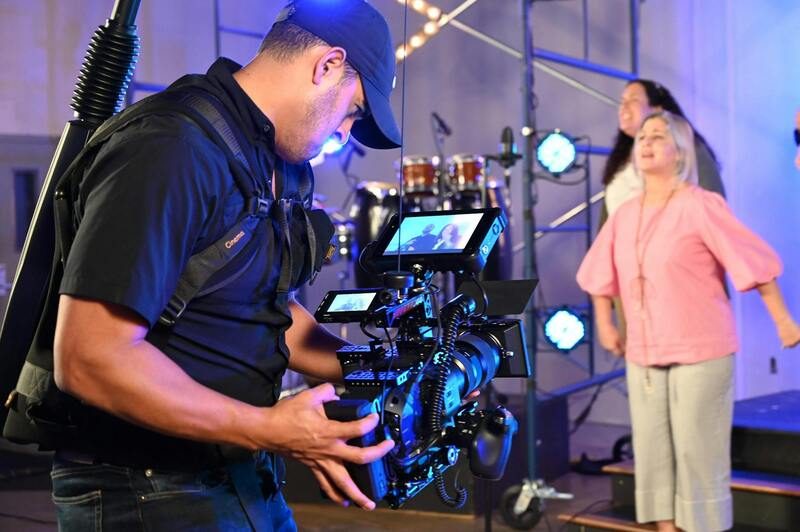
Recent advancements in live streaming technology include the integration of 4K and HDR video capabilities, providing crystal-clear visuals and richer multimedia experiences. Multi-platform streaming solutions now facilitate simultaneous broadcasts across social media, dedicated websites, and streaming aggregators, broadening audience reach.
Interactive features such as real-time chat, polling, and augmented reality overlays are becoming standard, fostering higher engagement levels. Additionally, AI-driven analytics provide valuable insights into audience behavior, helping streamers tailor content more effectively.
Immersive formats like virtual reality (VR) and 360-degree streaming are gaining momentum, offering viewers an immersive environment that mimics in-person experiences. The development of 5G connectivity ensures higher data transfer rates and more reliable streams, critical for complex live productions.