
Understanding Video Streaming Production
Video streaming production encompasses the comprehensive process of creating, managing, and delivering live or on-demand video content via online platforms. This process involves multiple stages that ensure high-quality visual storytelling tailored to various audiences and needs. In Miami, a vibrant hub for events, entertainment, and corporate activities, specialized approaches to streaming production are essential to meet the dynamic demands of local clients and viewers.
The core purpose of video streaming production is to provide seamless, engaging content that captures the essence of events, interviews, performances, or corporate messages and transmits it reliably to viewers across different devices and locations. Unlike traditional broadcasting, online streaming requires meticulous planning to accommodate bandwidth variations, device diversity, and user engagement strategies.
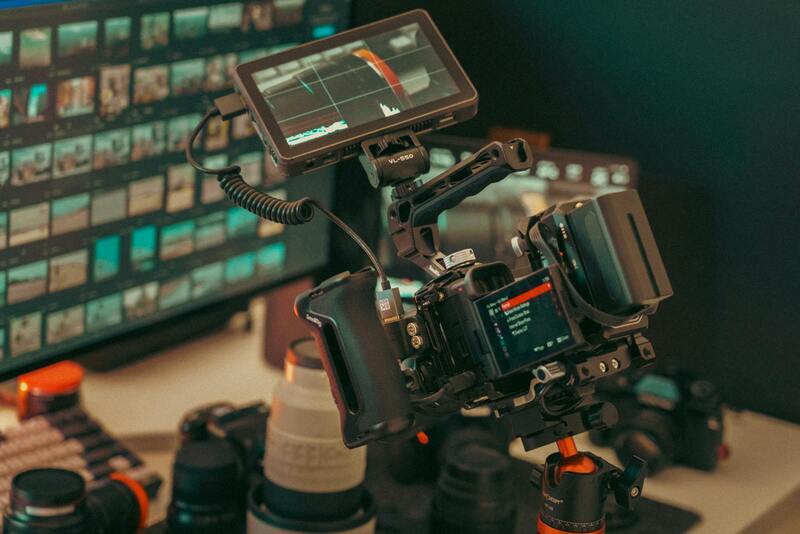
Key Components of Video Streaming Production
- Content Planning: Establishing the objectives, target audience, and type of content to be streamed, whether live events, webinars, or on-demand videos.
- Pre-Production: Coordinating logistics, scripting, and technical assessments—including location scouting and equipment setup in Miami’s unique venues.
- Production: Capturing video content through professional cameras, ensuring optimal lighting, sound, and framing to enhance viewer experience.
- Encoding and Transmission: Converting raw footage into digital formats optimized for streaming and transmitting it over reliable networks.
- Distribution and Delivery: Utilizing streaming platforms and CDNs (Content Delivery Networks) to ensure worldwide accessibility with minimal latency.
- Post-Production: Editing, adding graphics, and quality assurance before final content release or archiving.
In Miami’s diverse media environment, understanding these components is vital for executing successful streaming projects that resonate with local audiences and leverage the city’s vibrant cultural scene.
Significance of Local Context in Miami
Miami’s unique cultural diversity, bustling event calendar, and technological landscape influence how video streaming productions are planned and executed. Local expertise in navigating venues, managing multilingual content, and engaging Miami’s vibrant community ensures productions are both authentic and visually compelling. Whether streaming a high-profile music festival, a corporate conference, or a local charity event, aligning production strategies with Miami’s dynamic environment enhances viewer engagement and overall success.
Planning and Pre-Production for Miami Events
Successful video streaming production in Miami begins with meticulous planning and comprehensive pre-production strategies. This phase involves detailed coordination of logistical elements, ensuring that every aspect aligns with the specific demands of the event and the unique Miami environment. Careful location scouting takes into account the venue’s infrastructure, lighting conditions, acoustics, and accessibility to locate optimal spots for camera setup and audience engagement. Moreover, scripting and storyboarding are tailored to the event’s objectives, whether it’s broadcasting a live concert, corporate presentation, or community celebration.
Comprehensive technical assessments are essential to guarantee seamless transmission. This includes evaluating internet bandwidth capabilities of the event venue, which is critical for high-quality streaming. When relying on Miami’s diverse venues—from sleek convention centers to outdoor spaces—assessing the available infrastructure ensures that equipment meets the demands of high-definition streams with minimal latency. Additionally, identifying suitable power sources, backup solutions, and suitable configurations for wireless and wired connections reduces the risk of interruptions during the event.
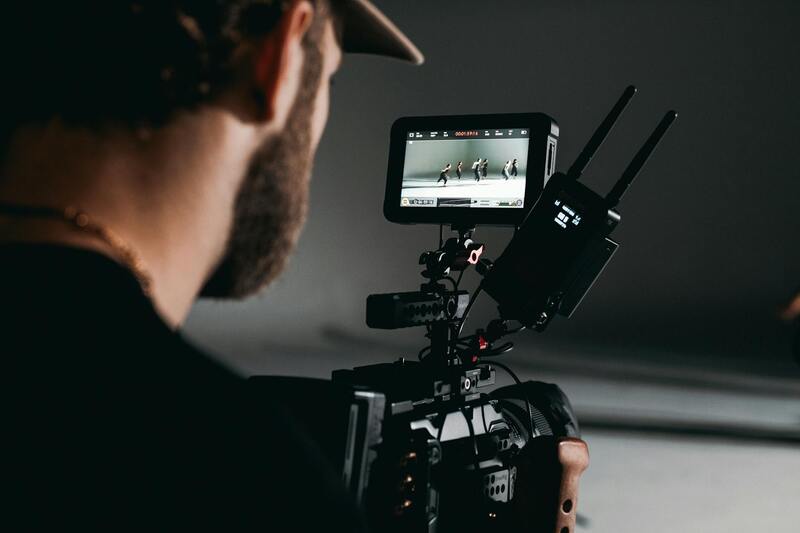
Technical equipment selection plays a pivotal role during this stage. Professional-grade cameras, audio equipment, lighting solutions, and stabilizers are chosen based on the event’s scope and physical environment. For outdoor festivals or waterfront events, weather-resistant gear and portable setups are often necessary. Establishing clear communication channels among the production team, venue staff, and on-site technicians helps coordinate the complex logistics involved in high-stakes streaming scenarios.
Essential Equipment and Technology
Effective video streaming production in Miami hinges on deploying cutting-edge technology that guarantees reliable delivery and crystal-clear output. This includes high-definition cameras with multiple angles, professional lavalier and shotgun microphones, and sophisticated lighting setups that adapt to various venue conditions. Encoder devices are employed to convert camera feeds into digital streams compatible with streaming platforms, while robust internet connections—preferably dedicated fiber optics—ensure stable data transmission.
Emerging technologies such as wireless video transmitters and remote camera control systems enhance flexibility, particularly in dynamic environments like outdoor Miami events. For live audiences and remote viewers alike, geo-redundant CDN (Content Delivery Network) services minimize buffering and delay, providing seamless access across multiple devices and regions. Integrating these tools with real-time monitoring dashboards allows operators to promptly address any technical issues, maintaining stream integrity and quality.

Execution: Shooting and Streaming
The execution phase demands precision and coordination. During the event, camera operators capture dynamic shots from multiple viewpoints, while audio engineers monitor sound levels to prevent distortions. Efficiently managing lighting adjustments aligns with the changing environment, especially for outdoor Miami settings where sunlight and weather can fluctuate rapidly. The production team leverages real-time communication tools to synchronize camera angles, audio feeds, and broadcast signals.
Simultaneously, encoder settings are fine-tuned to optimize video quality and bandwidth usage. Live streams are transmitted through high-speed internet channels, with redundant pathways established to prevent disruptions. For large-scale events, multi-platform streaming ensures that the content reaches audiences via social media, dedicated apps, and streaming portals, providing flexibility and broader reach. The critical aspect during execution is maintaining a balance between visual aesthetics, audio clarity, and transmission stability—especially under Miami’s vibrant, energetic event atmosphere.
Post-Production and Content Delivery
Following the live event, the focus shifts to meticulous editing and content refinement. Raw footage is ingested into editing suites where color correction, graphics, captions, and overlays are added to enhance viewer engagement. For event highlights or promotional snippets, editors select compelling moments that best capture the event’s essence. Higher-quality sound mixes and visual effects are incorporated to produce polished final content.
Quality assurance involves reviewing the completed video for technical consistency, synchronization, and visual appeal before publishing. Once finalized, the content is encoded into various formats catered to different distribution channels—whether for online streaming platforms, social media, or archive storage. Hosting the content through reputable content delivery networks ensures that viewers worldwide experience minimal buffering and optimal playback performance. When delivering ongoing content, maintaining organized workflows and version control is crucial for consistency and future updates.
Technical Aspects of Streaming Infrastructure
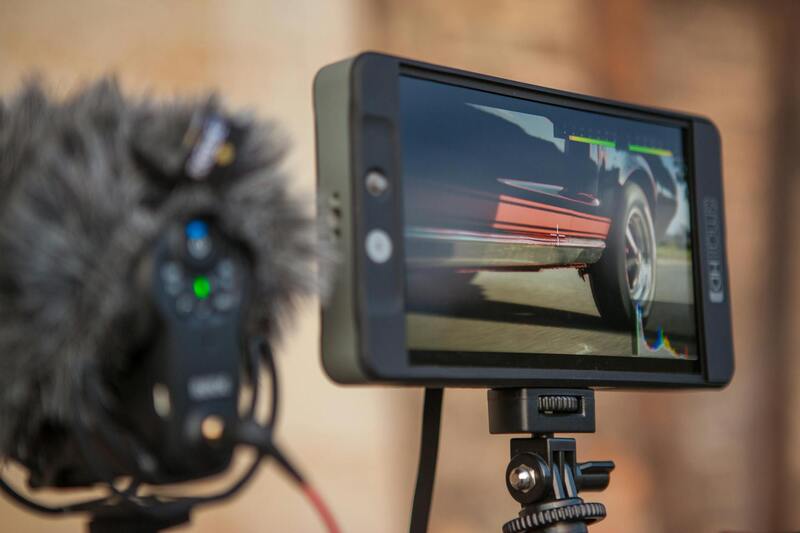
Establishing a robust streaming infrastructure is fundamental to ensuring seamless broadcast quality. This involves integrating high-bandwidth internet connections capable of handling large data loads with low latency to minimize buffering and lag. Content Delivery Networks (CDNs) are employed to distribute the streaming load across multiple servers, ensuring smooth access for viewers regardless of their geographic location. Modern streaming setups leverage adaptive bitrate streaming technology, which dynamically adjusts the video quality based on the viewer's internet speed, providing a consistent viewing experience. This technology prevents interruptions during peak traffic times and adapts to fluctuations in network performance.
Within the operational workflow, encoding hardware and software play a pivotal role. These tools compress and convert raw video signals into streaming-friendly formats while maintaining visual fidelity. Encoder settings must be carefully calibrated to balance video quality and bitrate, optimizing for both clarity and bandwidth conservation. Additionally, implementing redundant systems and backup internet sources mitigates risks associated with network outages, safeguarding the continuity of live streams.
Leveraging Professional Encoding and Transmission Tools
Professional-grade encoding solutions provide real-time compression with customizable parameters, ensuring the delivered content meets specific quality standards. Many production teams prefer hardware encoders for their reliability and lower latency, while software encoders offer flexibility and easier integration with various broadcasting platforms. For live scenarios, cloud-based encoding services are increasingly popular, enabling remote management and scalability.
- Reliable connectivity solutions tailored for Miami’s dynamic environment, including fiber optics and dedicated leased lines.
- Advanced encoders capable of multi-bitrate output to support diverse devices and network conditions.
- Secure transmission protocols that protect content integrity during broadcast.
- Monitoring tools for real-time performance tracking, allowing quick response to issues.
Ensuring Content Security and Compliance
Protection of streaming content is achieved through encryption protocols such as Secure Reliable Transport (SRT) or Transport Layer Security (TLS). These protocols encrypt data during transmission, preventing unauthorized access or tampering. Digital Rights Management (DRM) solutions are implemented to manage access rights and prevent piracy. Additionally, adhering to industry standards and best practices for data handling ensures compliance with regional and international regulations, fostering trust and credibility among viewers and clients alike.
Incorporating comprehensive monitoring systems allows production teams to promptly identify and resolve issues related to bandwidth, encoding errors, or security breaches. These systems enable quick troubleshooting and ensure uninterrupted viewing experiences. Overall, the meticulous planning and deployment of technical systems form the backbone of a successful, high-quality video streaming production in Miami.
Optimal Streaming Protocols and Delivery Methods
Implementing the correct streaming protocols is essential for delivering high-quality content seamlessly across diverse viewer devices and network conditions in Miami. Examples include Hypertext Transfer Protocol Live Streaming (HLS), Dynamic Adaptive Streaming over HTTP (DASH), and Real-Time Messaging Protocol (RTMP). These protocols facilitate adaptive bitrate streaming, ensuring viewers receive the best possible quality without interruptions, even when faced with fluctuating bandwidth. Tailoring the choice of protocols to the specific audience segment and platform optimizes performance.
Utilizing Content Delivery Networks (CDNs)
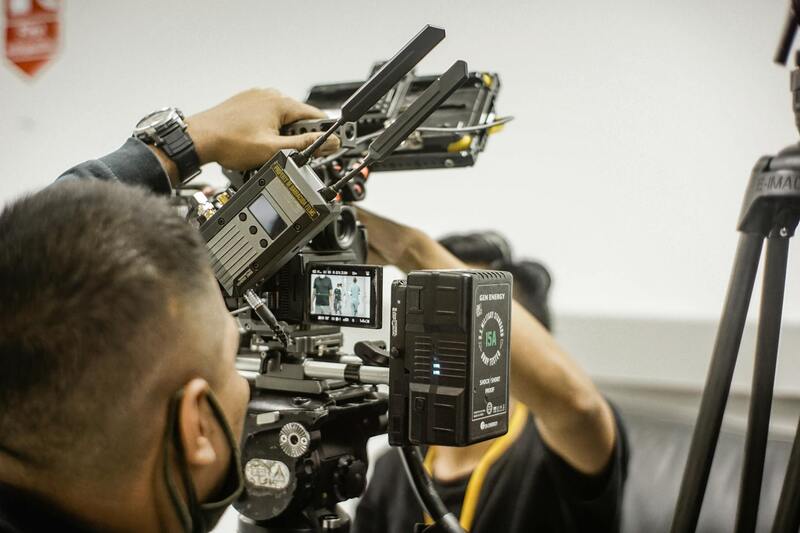
In Miami’s vibrant digital environment, leveraging Content Delivery Networks (CDNs) dramatically enhances streaming performance. CDNs distribute content across geographically dispersed servers, reducing latency and buffering times for local viewers. This distributed infrastructure ensures high availability and resilience, especially during large-scale events or peak traffic periods. Selecting a reputable CDN provider with dense server coverage in the Miami area guarantees optimal delivery speeds and ensures the audience experiences uninterrupted streaming regardless of their device or internet connection quality.
Implementing Adaptive Bitrate Streaming
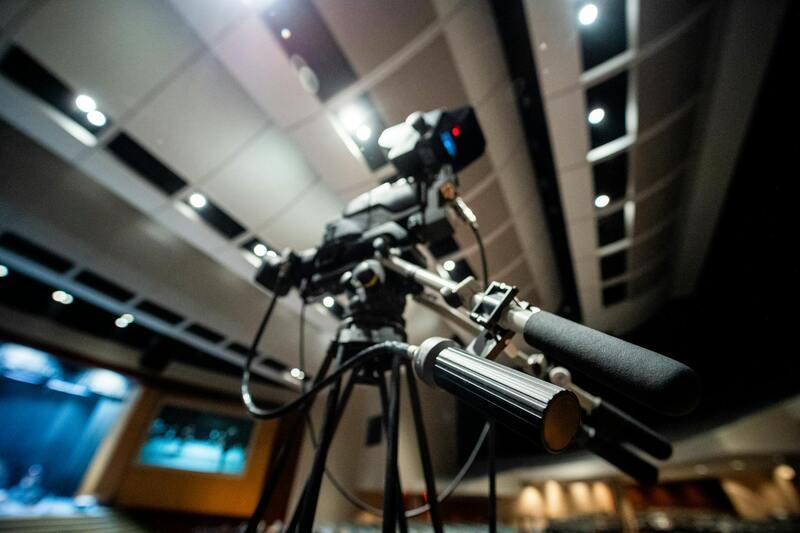
Adaptive bitrate streaming dynamically adjusts video quality based on the viewer’s network conditions, maintaining a smooth viewing experience without buffer interruptions. For production teams in Miami, this technology is essential given the city's diverse internet infrastructure. It allows a single stream to serve users on high-speed fiber connections as well as those with slower, less stable connections. Proper encoding settings and regular testing ensure that the adaptive algorithms respond effectively, providing consistent quality across all devices, from large screens to mobile phones.
Security Considerations in Video Streaming
Protecting live and on-demand content requires advanced security measures. Encryption protocols such as Secure Reliable Transport (SRT) and Transport Layer Security (TLS) safeguard data during transmission. Digital Rights Management (DRM) systems control access, preventing unauthorized sharing or copying of content. Implementing robust authentication and authorization procedures further enhances security, ensuring only authorized viewers access sensitive streams. Consistent security audits and updates are vital for keeping pace with evolving threats, especially during high-profile Miami events where content integrity and confidentiality are paramount.
Monitoring and Troubleshooting Infrastructure
Real-time monitoring tools provide actionable insights into stream performance, bandwidth usage, and security breaches. These systems enable immediate response to issues such as encoding errors, network outages, or unauthorized access attempts, minimizing potential disruptions. Incorporating automated alerts and remote troubleshooting capabilities allows Miami production teams to maintain uninterrupted streams during live events. Continual analysis of performance metrics also informs future enhancements, ensuring sustained quality in subsequent productions.
Conclusion
Achieving seamless video streaming production in Miami hinges on deploying proven technical methods, including optimal protocols, robust security, and proactive monitoring. These elements work together to deliver high-quality, secure content to a diverse audience, reflecting the professional standards expected in dynamic urban settings. With meticulous planning and execution, production teams can elevate their streaming services to meet the demanding expectations of Miami’s vibrant media landscape.
Understanding Video Streaming Production
Video streaming production encompasses a series of meticulously coordinated processes that transform raw footage into a polished, accessible live or on-demand media experience. Central to this discipline is the integration of high-performance equipment, reliable protocols, and competent technical teams working in harmony from pre-production to post-release. For Miami-based productions, where dynamic environments and high viewer expectations are prevalent, it becomes imperative to adhere to proven, legitimate practices that ensure content integrity, minimal latency, and a seamless viewer experience.
Pre-Production Planning for Optimal Streaming
Successful video streaming begins long before the cameras roll. The planning phase involves detailed coordination of all technical and logistical components. This includes assessing venue specifics, securing adequate bandwidth, and establishing a clear content delivery plan aligned with the event objectives. Acquiring the right permissions and ensuring compliance with local standards and regulations forms a fundamental part of this phase. Pre-visualization, storyboarding, and script development aid in aligning team efforts and setting priorities for live or on-demand output, especially for high-profile Miami events that demand precision and flawless execution.
Engineering and Technical Setup
A robust technical setup is vital for maintaining stream quality and security. This entails selecting professional-grade cameras, encoding hardware, switchers, and storage solutions. Digital infrastructures such as Content Delivery Networks (CDNs) facilitate widespread, reliable distribution while helping manage traffic surges during peak viewership times. The deployment of secure network infrastructure, including firewalls, encrypted data transmission protocols, and multi-factor authentication, helps safeguard proprietary content. Integrating redundant systems, such as backup encoders and intelligent load balancing, minimizes disruptions and ensures continuity under unforeseen circumstances.
Content Management and Compliance
Maintaining comprehensive content management workflows ensures that all media assets are optimized for streaming, properly encoded, and compatible with various devices. Closed captions, accessibility features, and localized content enhance viewer engagement across diverse Miami audiences. Additionally, adherence to copyright, licensing agreements, and local broadcasting standards must be meticulously observed to avoid interruptions or legal complications that could impair streaming initiatives.
Security Protocols and Data Protection
Protecting valuable media content from unauthorized access is a top priority. This involves implementing authenticated login procedures, encrypted streams, and token-based access management. Regular security audits and real-time monitoring of network activity help detect and prevent potential breaches or tampering attempts. For Miami productions with sensitive content, establishing layered security strategies and continuous staff training on data protection practices are key measures to uphold content confidentiality.
Real-Time Monitoring and Quality Assurance
During a live stream, constant oversight of technical performance is non-negotiable. Monitoring tools track bandwidth utilization, stream stability, and viewer analytics, providing immediate insights into any anomalies. Automated alert systems notify technicians of issues such as lag, buffering, or dropouts, enabling swift corrective actions. This proactive approach maximizes streaming reliability, ensuring audiences experience consistent, high-quality content irrespective of external network fluctuations or technical hiccups.
Execution: Shooting and Streaming
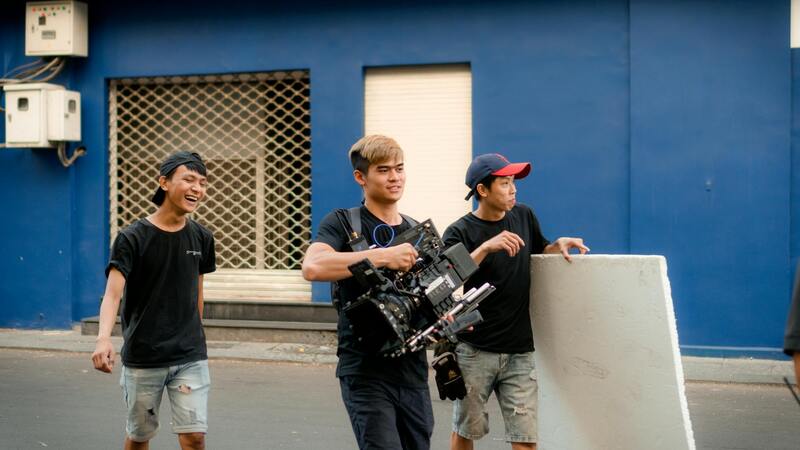
Effective execution of a video streaming production in Miami hinges on meticulous coordination between on-site filming and the live broadcasting process. The choice of cameras, audio equipment, and streaming hardware must align with the production goals to ensure seamless integration and optimal quality. High-definition cameras capable of adaptive streaming allow for clear, professional visuals regardless of viewer device or internet speed. Utilizing multi-camera setups provides dynamic angles and enriched viewer engagement, especially during live events such as concerts, sports, or corporate conferences.
Audio quality is equally crucial; professional-grade microphones, mixers, and audio processors ensure crystal-clear sound that complements visual content. Proper placement and sound checks before going live are vital to mitigate ambient noise or technical issues. When combined with reliable encoders, these tools facilitate smooth transmission of the live feed to streaming platforms, maintaining high fidelity and minimal latency.

During the live broadcast, technical teams employ real-time monitoring tools that track video feed stability, audio synchronization, and stream health. These systems provide instant feedback, allowing operators to respond quickly to any signal disruptions or quality degradations. A dedicated crew on-site manages the equipment, ensures proper camera and microphone operation, and coordinates with the streaming platform to maintain transmission integrity.
For remote or hybrid productions in Miami, remote camera control and real-time data transmission are integrated into the workflow. This flexibility allows broader coverage of events that span multiple venues or locations in the Miami metropolitan area. To optimize viewer experience, adaptive bitrate streaming technology dynamically adjusts video quality based on the viewer's internet capabilities, minimizing buffering and ensuring consistent playback.
Additionally, robust encoding solutions and content delivery networks (CDNs) are employed to distribute the live stream efficiently across various platforms, including social media channels, dedicated websites, and streaming services. Prior to the event, technical rehearsals are conducted to identify potential issues and fine-tune the setup, guaranteeing a smooth, professional broadcast that captures the vibrancy of Miami's diverse events.
Enhancing Streaming Quality with Professional Networks and Content Delivery
Achieving a seamless live broadcast in Miami requires more than just cutting-edge equipment; it necessitates a robust underlying network infrastructure. Professionals in video streaming production utilize dedicated high-speed internet connections, often through leased lines or fiber optic networks, to ensure bandwidth sufficiency and minimize latency. These dedicated connections prevent common issues caused by fluctuating network traffic, which can lead to buffering or poor video quality.
Alongside solid network infrastructure, Content Delivery Networks (CDNs) are integral to distributing live streams effectively. CDNs function by caching audio-visual content on multiple geographically dispersed servers, ensuring viewers receive data from the server closest to their location. This proximity reduces latency and helps maintain high-quality streams even during peak access periods. Strategically deploying multiple CDN providers can increase redundancy, allowing a seamless experience despite potential network fluctuations or localized outages.
Producers also invest heavily in professional encoding solutions. Adaptive bitrate streaming plays a critical role here, dynamically adjusting video quality in real time based on the viewer’s internet capacity. This technology minimizes buffering and maximizes the viewer’s engagement by providing the best possible quality without interruption, regardless of individual connection speeds.
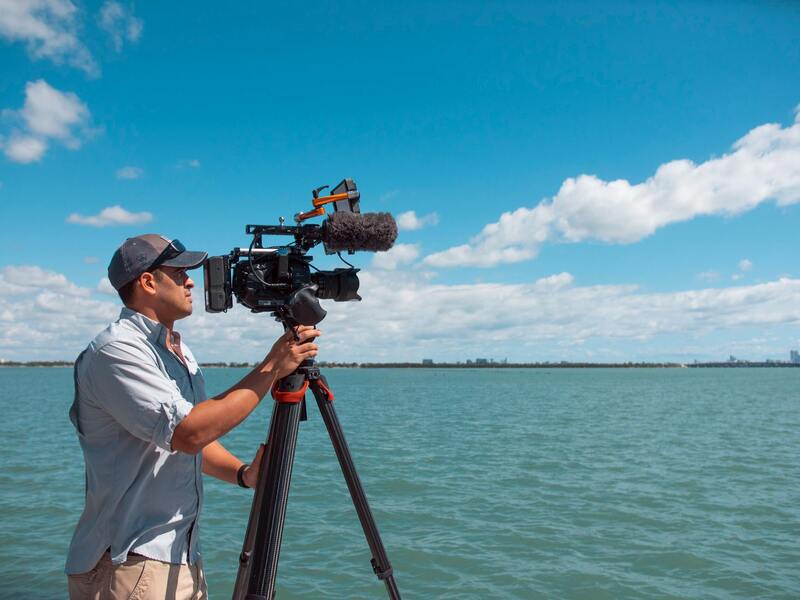
In addition to technical solutions, continuous monitoring and management are vital. Live feeds are overseen by experienced technical teams who utilize monitoring dashboards and analytics tools to track stream health, viewer engagement, and network performance. Real-time diagnostics enable immediate corrective actions, such as switching to backup streams or adjusting encoding parameters, to maintain a polished presentation.
Utilizing Content Management and Multi-Platform Distribution
Effective content management systems (CMS) streamline the process of scheduling, encoding, and delivering live streams across diverse platforms. These systems facilitate synchronization with social media channels, streaming services, and embedded websites, ensuring a unified experience for viewers. Content managers also oversee the integration of interactive elements, like chat functionalities and real-time polls, to enhance viewer engagement.
Strategic planning accounts for the various formats and specifications required by target platforms. Tailored encoding profiles are prepared in advance, accommodating different screen sizes and device compatibilities. Quality control checks are performed to verify audio clarity, video fidelity, and synchronization before the live broadcast goes live to the audience.
Implementing Redundancy and Fail-Safe Measures
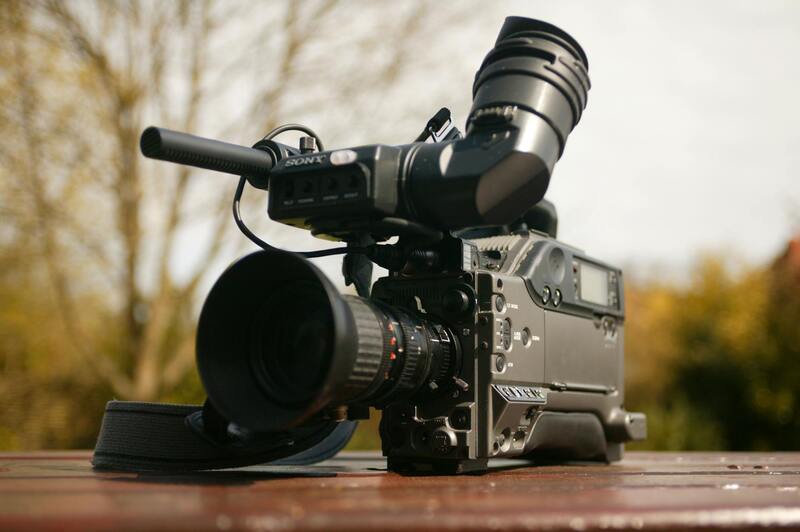
To counteract unforeseen technical issues, streaming setups incorporate redundancy protocols. Dual encoders and backup internet sources ensure continuous transmission even if the primary system encounters a fault. Redundant hardware stations are configured to take over seamlessly, preventing unexpected disruptions.
On-site power supplies, such as UPS systems or generators, provide backup energy to critical components, safeguarding against interruptions caused by power outages. Additionally, having a pre-validated contingency plan allows teams to swiftly address issues related to signal loss, equipment failure, or network disconnections, thereby preserving the integrity of the live event.
Security measures, including encrypted streams and protected network channels, secure content from unauthorized access or interruptions. These protocols not only uphold the quality of the broadcast but also maintain the confidentiality of sensitive event material.
Finalizing Content Delivery and Ensuring Viewer Engagement
Once the live broadcast concludes, the focus shifts to effective content dissemination and engagement with the audience. High-quality recordings of the stream are archived for on-demand viewing, allowing attendees and those unable to participate live to access event content at their convenience. This process involves transcoding the raw footage into various formats optimized for different platforms and devices, ensuring seamless playback across desktops, mobile devices, and smart TVs.
Metadata, such as descriptive titles, tags, and timestamps, are meticulously added to facilitate discoverability and improve search rankings. Strategic distribution channels—ranging from official websites to social media platforms—are utilized to maximize reach. Embedding streams onto dedicated microsites or landing pages creates a centralized hub for viewers, fostering deeper engagement and interaction.
Analyzing Performance Metrics and Feedback
Monitoring viewer analytics provides vital insights into audience behavior and preferences. Key data points include viewer count, engagement duration, geographic distribution, and device usage. These metrics inform future production strategies, enabling real-time adjustments and post-event reports that detail content performance.
Gathering direct feedback through surveys, comments, and social interactions helps assess audience satisfaction. This information guides enhancements in content quality, platform choice, and overall event experience. A data-driven approach ensures each production is refined to better meet viewer expectations, thus increasing audience loyalty and attracting new participants.
Secure Content Monetization Strategies
Implementing effective monetization techniques maximizes the return on investment for Miami-based streaming events. This includes offering premium content packages or pay-per-view options for exclusive access. Subscription models can be established for ongoing content series, providing a steady revenue stream. Advertising insertions and sponsorship integrations are also straightforward methods to generate income while maintaining a seamless viewer experience.
Digital rights management (DRM) measures protect valuable content from unauthorized sharing or reproduction. Encrypted streams, digital watermarks, and access controls are devised to uphold content integrity and ensure monetization efforts are protected from infringement. Combining these strategies with targeted promotional campaigns boosts overall engagement and profitability for streaming ventures.