
Understanding Live Video Streaming Production
Live video streaming production refers to the comprehensive process of capturing, transmitting, and broadcasting real-time video content over the internet. This dynamic method of communication serves as a vital tool for organizations aiming to reach audiences instantaneously, providing an immersive experience that bridges physical distances. Within the vibrant Miami market, live streaming has become an essential component for businesses, event organizers, educational institutions, and entertainment providers, enabling them to convey their messages directly to viewers with high levels of engagement and interactivity.
At its core, live video streaming production encompasses several critical elements. These include content planning, technical setup, camera operation, video encoding, and distribution across various online platforms. Each component plays a pivotal role in ensuring a seamless broadcast, maintaining high video quality, and minimizing latency. As a result, professional live streaming production requires a carefully coordinated effort that combines creative direction with technical precision.
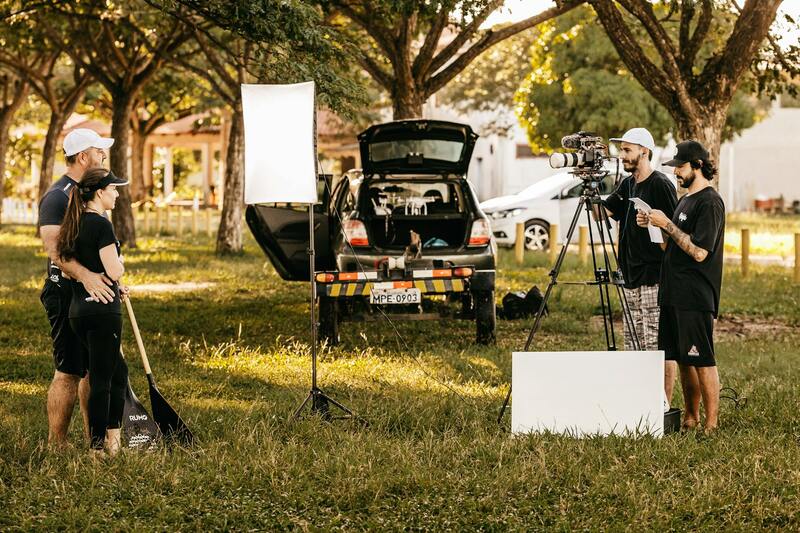
Modern live streaming solutions leverage a range of advanced technologies. This includes high-definition cameras, professional audio equipment, dedicated video switchers, and sophisticated encoding hardware or software. These tools work together to deliver crisp visuals and clear sound, which are fundamental for holding viewers' attention. Moreover, live streaming allows for real-time interaction, providing immediate feedback and engagement opportunities, critical for brands and organizations in the dynamic Miami ecosystem.
In the Miami market, where cultural diversity, vibrant events, and dynamic business activities thrive, live video streaming serves as an invaluable conduit for storytelling and brand promotion. Whether broadcasting a large-scale concert, an international conference, or a local community initiative, live streaming produces instant access and broadens reach that traditional media cannot match. This immediacy enhances audience participation, builds community, and amplifies content impact across digital channels.
Executing effective live video streaming production demands a strategic approach that balances creative content with technical excellence. When properly managed, it provides a powerful platform for engaging content delivery, showcasing live experiences, and expanding organizational visibility in an increasingly digital world.
Technical Setup and Equipment
Implementing a robust technical setup is essential to achieve high-quality live video streaming production. The selection of equipment influences the reliability, clarity, and overall professionalism of the broadcast. For optimal results, professionals utilize a combination of high-resolution cameras, professional-grade audio systems, and powerful encoding solutions. High-definition cameras equipped with pan-tilt-zoom (PTZ) functionalities allow for dynamic framing and flexible shot composition, essential for capturing diverse scenes during live events. These cameras are often integrated with multi-camera switching systems to facilitate smooth transitions and multi-angle coverage, enriching viewer experience.
Audio quality plays a pivotal role in maintaining viewer engagement. External microphones, such as shotgun or lapel (lavaliere) mics, coupled with digital audio mixers, ensure clear, crisp sound that complements visual content without interference or background noise. Wireless microphones provide versatility during live performances, interviews, or panel discussions, enabling movement without compromising audio fidelity.
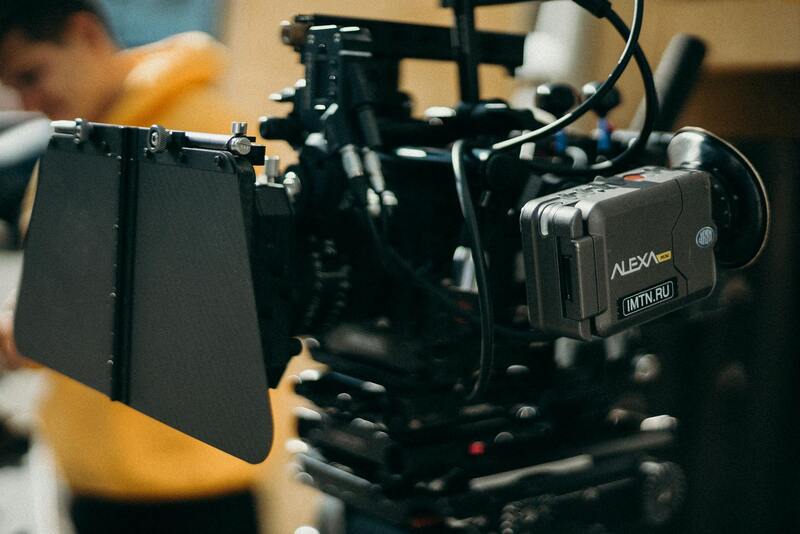
For encoding, dedicated hardware encoders are preferred for their reliability and low latency output. They convert raw audio-visual signals into streams optimized for various internet speeds and platform specifications. The encoding process involves compressing the data without sacrificing quality, thereby reducing bandwidth demands while delivering sharp visuals and sound.
It’s equally critical to prepare backup equipment, including spare cameras, microphones, and power supplies, to mitigate potential technical disruptions. Additionally, utilizing uninterruptible power supplies (UPS) ensures continuity during power fluctuations. All cabling, connectors, and mounting hardware should be meticulously checked and organized, avoiding signal interference or accidental disconnections during live broadcast.
Choosing Streaming Platforms and Technologies
Selecting appropriate streaming platforms is fundamental for reaching targeted audiences effectively. Popular options encompass a variety of services tailored to different needs, from broad, public-facing broadcasts to exclusive, private streams. Each platform offers distinct features, such as integrated chat, live analytics, monetization options, and customizable branding tools, which can enhance viewer engagement and content presentation.
- Industry Giants: Platforms like YouTube Live, Facebook Live, and Vimeo Live provide extensive reach and robust infrastructure, allowing seamless integration with existing marketing strategies.
- Specialized Solutions: For event-specific requirements, services such as Wowza or IBM Cloud Video may offer advanced encoding, content delivery networks (CDNs), and scalability features suited for large-scale productions.
- Private and Secure Streams: Enterprise-grade solutions, including custom streaming servers or encrypted platforms, ensure that sensitive content remains protected, catering to corporate or exclusive event needs.
Adopting the appropriate technology stack also involves ensuring compatibility across devices and browsers, optimizing for mobile viewers, and utilizing adaptive bitrate streaming to accommodate varying internet speeds. This ensures a smooth viewing experience regardless of end-user circumstances.
On-Site Production and Camera Work
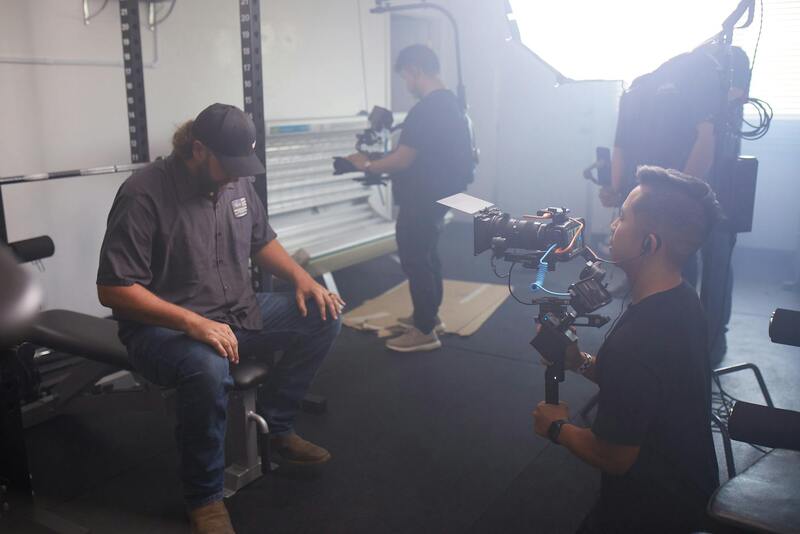
Effective on-site production involves meticulous coordination of camera operators, directors, and technical staff to deliver a cohesive and engaging live broadcast. Camera positions should be planned to capture essential angles and key moments, with operators trained to execute smooth panning, zooming, and focusing. Remote control systems enable real-time adjustments, providing dynamic visuals that enhance storytelling.
Lighting setups are crucial; well-lit environments ensure clarity and color accuracy, while proper staging enhances the visual appeal. Audio engineers should remain vigilant to monitor sound levels constantly, preventing issues like distortion or feedback.
Using communication tools like headsets, on-site crew can coordinate efficiently, ensuring that transitions between segments, cueing of live segments, or switching between cameras occur seamlessly. This coordination prevents delays and maintains a professional flow throughout the event.
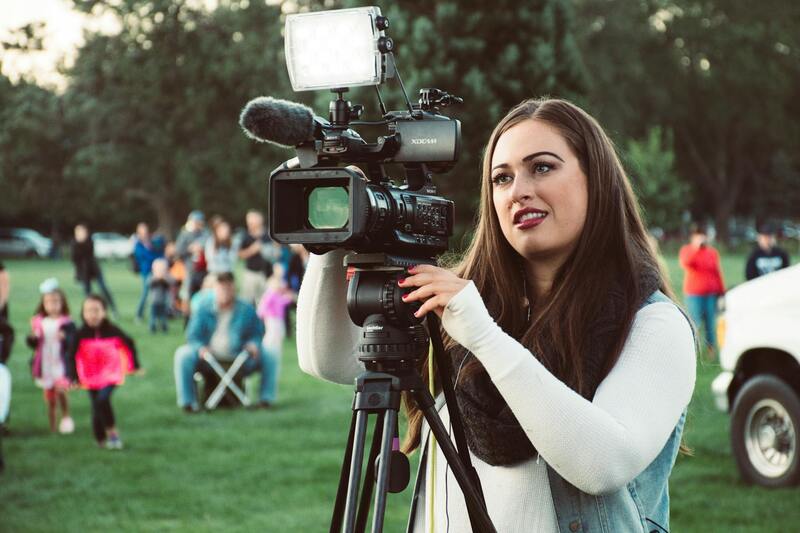
Real-Time Monitoring and Troubleshooting
During live streaming, continuous monitoring is vital to respond swiftly to any technical issues. A dedicated production control room typically manages the feed, overseeing video and audio quality, stream stability, and platform health. Real-time dashboards allow technicians to track metrics like bitrate, latency, and viewer engagement, enabling prompt adjustments.
Pre-determined troubleshooting protocols should be in place to address common problems such as signal loss, audio discrepancies, or encoding errors. Having spare devices, quick-access tools, and a team trained in rapid problem resolution ensures minimal disruptions. This proactive approach preserves the professionalism of the broadcast and maintains audience trust.
Equipment Calibration and Connectivity Optimization
Achieving high-quality live video streaming hinges on meticulous equipment calibration and robust connectivity. Prior to the event, technicians should verify that all cameras, microphones, and encoders are properly calibrated to deliver optimal image and sound fidelity. Consistent calibration ensures color accuracy, exposure, and audio levels remain uniform throughout the broadcast. This process involves testing various settings, adjusting focus, and confirming the functionality of autofocus and stabilization systems.
Reliable internet connectivity forms the backbone of uninterrupted live streaming. A redundant network setup, such as dual internet connections (fiber optic and cellular backup), minimizes the risk of signal interruptions. Engineers should conduct thorough speed tests and latency assessments to confirm bandwidth sufficiency, especially during peak viewer engagement. Network hardware, including routers and switches, must be configured to prioritize streaming traffic effectively, avoiding bottlenecks and ensuring smooth data flow.

Video and Audio Signal Management
Proper signal management begins with high-quality hardware, such as professional-grade cameras that deliver crisp, clear footage. These should be connected through reliable capture cards or encoders designed to handle high-definition streams. Managing multiple camera feeds requires a multicamera switcher or live video mixer, which allows seamless transitions, picture-in-picture effects, and overlays.
Audio signal management is equally crucial. Using balanced microphones, audio mixers, and digital interfaces ensures clean sound capture. Audio levels should be monitored constantly to prevent distortion or clipping. In live streaming, audio synchronization with video frames, known as lip-sync, must be maintained meticulously. Digital audio processors or software solutions assist in balancing multi-source inputs, eliminating unwanted noise and ensuring consistent audio quality.
Implementing Redundancy and Backup Protocols
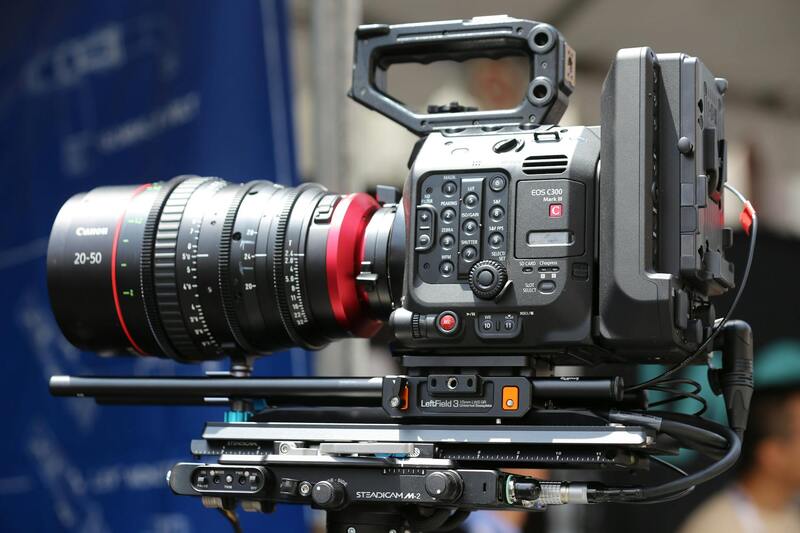
To mitigate the impact of equipment failure or unforeseen technical disruptions, establishing redundancy protocols is essential. This involves having backup devices, such as spare cameras, microphones, and encoders on-site, ready for quick deployment. Additionally, dual streaming options on multiple platforms or servers can ensure content delivery persists even if one stream encounters issues.
Backup power supplies, like uninterruptible power supplies (UPS), safeguard equipment from outages. Routine checks of all backup systems prior to production are vital for operational assurance. Training staff to operate backup hardware swiftly allows for rapid problem resolution without compromising the broadcast quality.
Understanding Live Video Streaming Production
Executing a seamless live video streaming production involves meticulous attention to detail at every stage, from technical setup to content delivery. One of the fundamental aspects is understanding the core elements that comprise the production process, including equipment calibration, signal flow, and synchronization. These elements work together to ensure that every frame captured and transmitted reflects the intended visual message, with clarity and precision. High-quality live streams rely heavily on professional-grade hardware such as broadcast cameras, video switchers, and encoders, which must be calibrated accurately to match resolution, color balance, and framing parameters. Properly configuring these devices minimizes latency and ensures synchronized video and audio feeds, which are crucial for viewer engagement.
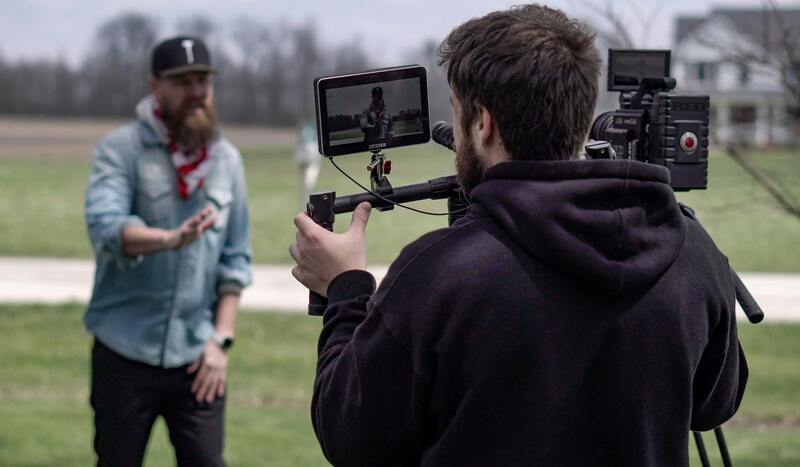
Sound quality is equally vital in live production. Using directional microphones coupled with digital audio interfaces helps capture crisp, clean audio. Digital audio mixers enable real-time adjustments and balancing of multiple audio sources, maintaining consistency throughout the broadcast. Proper cabling and interference shielding further prevent unwanted noise or disruptions. Equally important is managing signal pathways to avert any delay or mismatch between audio and video streams, preserving seamless synchronization—a critical factor for engaging live content.
Planning and Pre-Production Strategies
Pre-production planning sets the foundation for a successful live stream by addressing technical, logistical, and content considerations. Early planning involves outlining the event schedule, identifying key segments, and establishing the desired viewer experience. Wireframes or shot sheets help direct camera angles, lighting setups, and graphical overlays. Additionally, securing necessary permissions, confirming equipment availability, and conducting rehearsals significantly reduce the risk of unforeseen issues during the broadcast. Communication among the production team, hosts, and technical staff must be clear to facilitate swift responses to any arising challenges. This stage also includes preparing contingency plans for equipment failure or network disruptions.
Technical Setup and Equipment
Arranging a reliable technical setup involves integrating a series of professional tools designed for live broadcasting. Key components include broadcast-quality cameras with appropriate lenses and stabilization systems, video switchers with multi-input capabilities, and encoders capable of maintaining high-quality streams across multiple platforms. Network infrastructure, such as wired Ethernet connections and dedicated bandwidth, ensures stable data transmission. Video and audio mixers enable seamless transitions and the integration of live graphics or overlays, enhancing viewer engagement. Implementing a dedicated control room with monitoring screens allows operators to oversee feeds, troubleshoot on the fly, and make adjustments as needed.
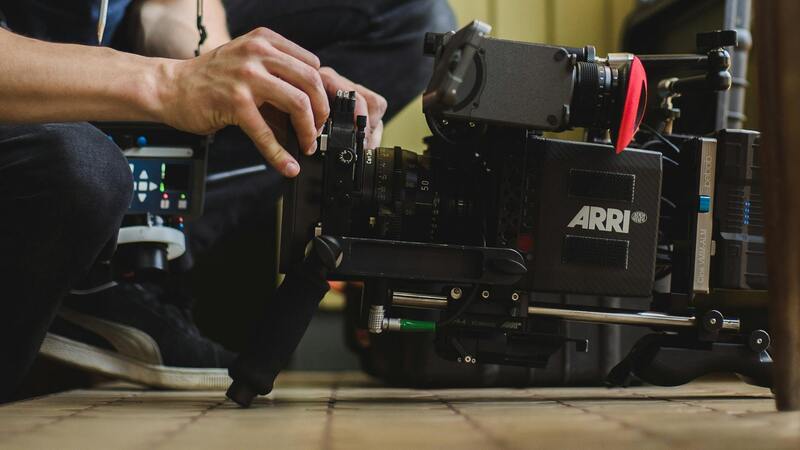
Testing all equipment prior to the event is critical. Load testing the network, verifying camera feeds, and rehearsing transitions help identify potential issues. Ensuring sufficient power supplies through UPS systems protects against outages, and having spare hardware on hand minimizes downtime. Using dedicated streaming servers or content delivery networks (CDNs) optimizes latency and reliability, especially when reaching large or dispersed audiences. Investing in redundancy for critical components guarantees resilience, preventing minor glitches from escalating into full-scale disruptions during live production.
Choosing Streaming Platforms and Technologies
Leveraging the right streaming platforms is vital for delivering high-quality live video content that aligns with your target audience and specific event requirements. Several industry-standard platforms cater to different needs, whether it's reaching a broad consumer base, engaging niche markets, or conducting interactive sessions. Selecting a platform involves evaluating factors such as bandwidth capacity, scalability, integration capabilities, monetization options, and user engagement features.
Content delivery networks (CDNs) play a crucial role in ensuring reliable and low-latency streams, especially when broadcasting to large or geographically dispersed audiences. These networks distribute your live feed across multiple servers worldwide, reducing buffering times and enhancing viewer experience. Implementing multi-platform streaming—simultaneously broadcasting to social media channels, dedicated websites, and streaming services—maximizes reach and engagement.
Modern live streaming technologies have evolved to include features like adaptive bitrate streaming, which dynamically adjusts video quality based on viewer bandwidth. This ensures a smooth viewing experience regardless of internet speed, minimizing interruptions. Utilizing encoder devices that support these functionalities allows for seamless switching between different quality levels during the broadcast.
Moreover, integration with real-time analytics tools provides broadcasters with data on viewer behavior, engagement rates, and geographic distribution. These insights help tailor the content and improve future live streaming events. When selecting streaming technologies, consider compatibility with your existing setup, ease of use, and support services offered by platform providers to address potential technical issues swiftly.
Investing in robust encoding software, hardware streamers, and reliable internet connectivity forms the backbone of successful live streaming. Professional encoding solutions with built-in redundancy and failover capabilities facilitate uninterrupted streams, even under fluctuating network conditions. Additionally, digital rights management and security measures safeguard your content from unauthorized access or piracy during transmission.
Incorporating these official, proven methods ensures your live video broadcast maintains high standards of professionalism, scalability, and viewer satisfaction. A well-structured approach to platform selection and technology deployment will set a strong foundation for your live video streaming production efforts.
Understanding Live Video Streaming Production
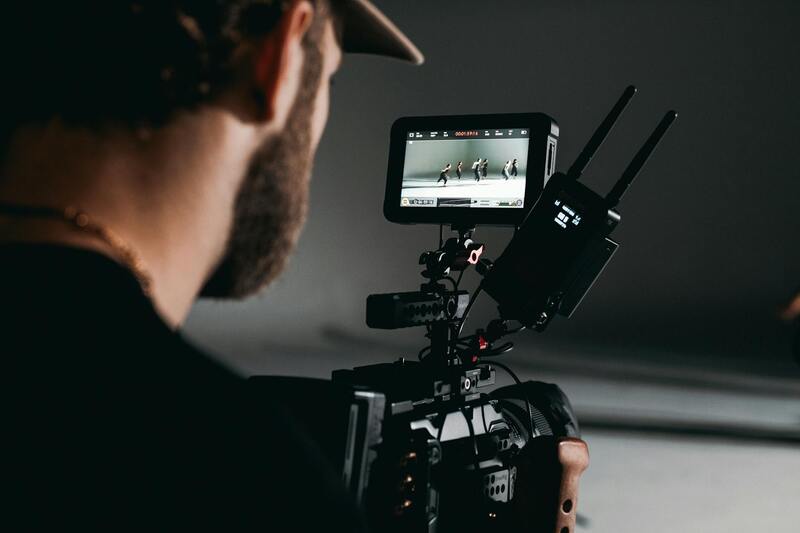
Effective live video streaming production involves meticulous planning, skilled technical execution, and seamless content delivery. It begins with laying out a comprehensive strategy that aligns with your organization's goals, target audience, and content type. This includes defining the broadcast’s format, duration, and interactive elements to maximize viewer engagement and operational efficiency. High-quality production standards ensure your live streams reflect professionalism and credibility, critical in establishing trust with your audience.
Planning and Pre-Production Strategies
Pre-production forms the backbone of any successful live broadcast. This phase involves comprehensive content scripting, storyboarding, and scheduling to ensure a smooth flow during the event. Identifying key speakers, hosts, or presenters in advance helps coordinate rehearsals, optimize camera angles, and set up necessary cues. Additionally, securing appropriate licenses for any copyrighted content or music is vital to avoid interruptions or legal considerations that could disrupt the broadcast. Technical rehearsals should be scheduled to test all equipment and connectivity. These rehearsals help identify potential issues with camera angles, sound quality, lighting, or synchronization between sources. Detailed checklists covering all hardware, software, and network configurations ensure nothing is overlooked. Such preparations reduce on-air surprises and promote a polished, professional live streaming experience.
Technical Setup and Equipment
The foundation of a successful live video stream lies in a robust technical setup. Key components include high-definition cameras capable of capturing clear visuals, professional-grade audio equipment to ensure crisp sound, and reliable switching systems for dynamic shot changes. For multi-camera productions, a vision mixer or switcher enables smooth transitions and creative effects. Encoding hardware or software needs to be selected based on the broadcast scale and complexity. Hardware encoders are preferred for their stability and low latency, while software encoders offer versatility and integration options. Fiber optic connections or high-bandwidth internet services are essential for maintaining consistent stream quality, especially during extended broadcasts. Additional tools like audio mixers, lighting rigs, and teleprompters enhance production quality and facilitate a seamless on-camera presentation. Proper cables, backup power sources, and environmental considerations (such as sound insulation and controlled lighting) contribute to high production standards.

Choosing Streaming Platforms and Technologies
Selecting the right streaming platform and technology stack is crucial for reaching your target audience effectively. Factors to consider include platform compatibility, scalability, and available features such as live chat, subscriber interaction, and analytics. Established platforms like YouTube Live, Facebook Live, and specialized enterprise solutions offer robust infrastructures that support high-definition broadcasts and simultaneous multi-platform streaming. Optimizing bitrates and resolution settings based on your audience's bandwidth ensures consistent playback quality. Integration with Content Delivery Networks (CDNs) helps distribute your stream more efficiently, reducing buffering and lag. Additionally, adopting secure streaming protocols and Digital Rights Management (DRM) measures protects your content from unauthorized access. Emerging technologies like adaptive bitrate streaming dynamically adjust video quality according to user device capabilities and network conditions, enhancing viewer experience across different environments. Infrastructure considerations such as redundant internet connections and cloud-based streaming options further bolster broadcast reliability and scalability.
Real-Time Monitoring and Troubleshooting
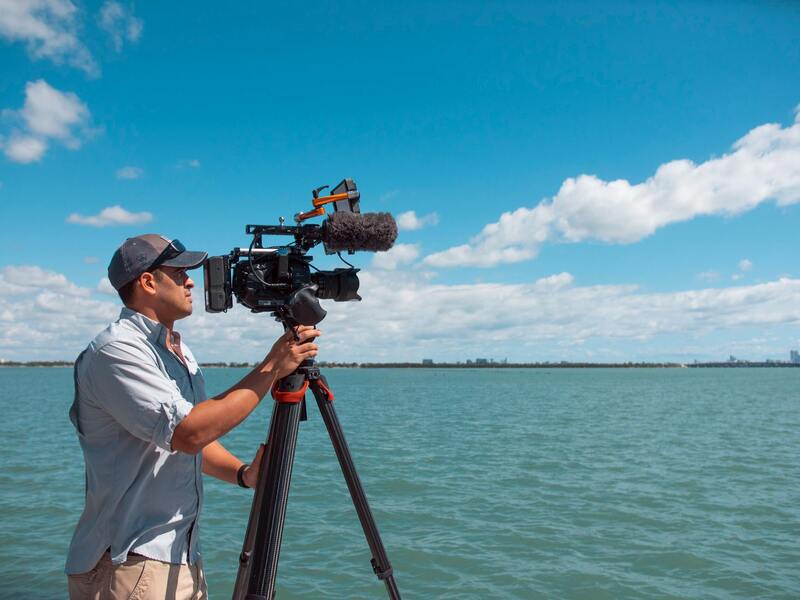
Maintaining the quality and consistency of a live video stream demands rigorous real-time monitoring and swift troubleshooting capabilities. During a broadcast, dedicated production crew must continuously oversee the video and audio feeds, network stability, and streaming health metrics. This proactive oversight ensures that issues such as latency, dropped connections, or audio-visual discrepancies are identified and addressed promptly, minimizing viewer disruption and maintaining a professional presentation.
Standard practices involve using specialized monitoring software that provides live insights into bitrate fluctuations, frame rates, and server load. These tools enable operators to observe the stream's health across multiple platforms and devices, ensuring optimal performance metrics are maintained. When problems occur, quick interventions such as switching to backup feeds or adjusting encoding settings can prevent the broadcast from being compromised.
Implementation of redundant internet connections is fundamental for uninterrupted streaming. Utilizing multiple ISPs and load balancing between each connection ensures that if one network experiences issues, the broadcast seamlessly switches to alternative routes. Similarly, deploying backup hardware components — including encoders, switchers, and audio mixers — is essential to swiftly replace faulty equipment without causing delays or quality degradation in the live stream.
In addition to hardware checks, audio and video feeds should be monitored for synchronization issues and quality dips. Clear visual cues and auditory cues help operators detect anomalies that might not be immediately obvious through automated monitoring. Real-time troubleshooting also involves managing the technical team effectively, maintaining clear communication channels to coordinate rapid responses and minimize viewer impact.
Effective troubleshooting extends beyond hardware and connectivity; it also encompasses content delivery and platform-specific issues. For example, if a platform experiences delays or buffering problems, operators may need to adjust stream settings or switch to alternative CDN endpoints. Continuous communication with streaming platform support teams can expedite problem resolution and ensure a smooth broadcast.
These meticulous approaches to real-time monitoring and troubleshooting safeguard the integrity of your live video transmission, ensuring a professional standard that engages viewers and upholds your brand reputation. The ability to adapt swiftly to unexpected technical issues minimizes downtime and maximizes viewer satisfaction and engagement throughout the live event.
Effective Post-Production Techniques and Audience Engagement Strategies
Post-production plays a vital role in refining live video content, ensuring it resonates with viewers and maintains professional standards. Even in live streaming, several techniques can be employed immediately after the broadcast to optimize the footage, embed branding elements, and prepare content for subsequent dissemination. Carefully editing the recorded stream allows for the removal of any unintended segments, correcting minor errors, and enhancing overall visual quality without disrupting the viewer experience.
One of the key approaches in post-production is color grading and audio mastering. Color grading ensures consistency across scenes and improves visual appeal, while audio mastering guarantees clarity and balance, making your content more engaging. Incorporating graphical overlays, lower thirds, and branding identifiers during post-production adds a level of polish that reinforces brand recognition and professionalism.
Audience engagement doesn't end with the live event. Post-event content provides additional value through highlights, behind-the-scenes footage, and exclusive interviews. These materials can be repurposed across various digital platforms to sustain audience interest, foster community interaction, and attract new viewers. Creating segments like highlight reels or condensed versions allows your team to maintain relevance and momentum in your marketing efforts.
Data Analytics and Feedback Analysis
Utilizing data analytics is an integral part of evaluating the success of your live stream and planning future productions. Detailed insights into viewer metrics — such as peak concurrent viewers, engagement rates, and geographic distribution — enable content creators to tailor future broadcasts more effectively. Feedback collection, whether through direct surveys or analyzing engagement comments, informs adjustments that better align with audience preferences.
This feedback loop ensures continuous improvement, elevating your live video production over time. Leveraging analytics tools and audience insights helps refine content delivery, presentation style, and platform choice, resulting in a more targeted and impactful streaming strategy.
Maintaining Consistency and Building Credibility
Consistency in quality and broadcasting schedule nurtures a loyal viewer base. Establishing a branded, recognizable production style and reliable delivery schedule enhances audience trust and anticipation. Incorporating professional visuals, synchronized branding, and clear messaging throughout your live streams develop a trustworthy image that elevates your business profile.
When viewers associate your brand with quality and reliability, engagement levels increase, and your reputation as a top-tier live streaming provider grows. The combination of polished post-production techniques and strategic audience engagement ensures your live streaming initiatives deliver sustained value for your business.