
Overview of Streaming Production Companies
Streaming production companies have become pivotal in today's digital content landscape, serving as specialized entities that facilitate the live broadcast and recorded delivery of multimedia content across various platforms. These companies combine technical expertise, creative production skills, and advanced technology to ensure high-quality delivery of digital media, whether for corporate events, entertainment, education, or live broadcasts.
The core function of a streaming production company is to manage the entire process of digital content creation—from initial planning and pre-production to live execution and post-production editing. Such companies are equipped with extensive knowledge of broadcasting standards and internet streaming protocols, allowing them to optimize content for seamless viewing experiences across desktops, smartphones, and smart TVs. They also ensure that content maintains the desired visual and audio quality, adheres to scheduled times, and reaches the target audience without interruption.
Services offered by a streaming production company typically encompass live event coverage, on-demand video creation, audience interaction tools, and multi-platform distribution solutions. These providers handle technical logistics such as camera operation, sound engineering, encoding, and network management to guarantee a smooth streaming experience. Additionally, they often tailor their services to meet specific client needs, whether it's a corporate webinar, an entertainment concert, or an educational seminar.
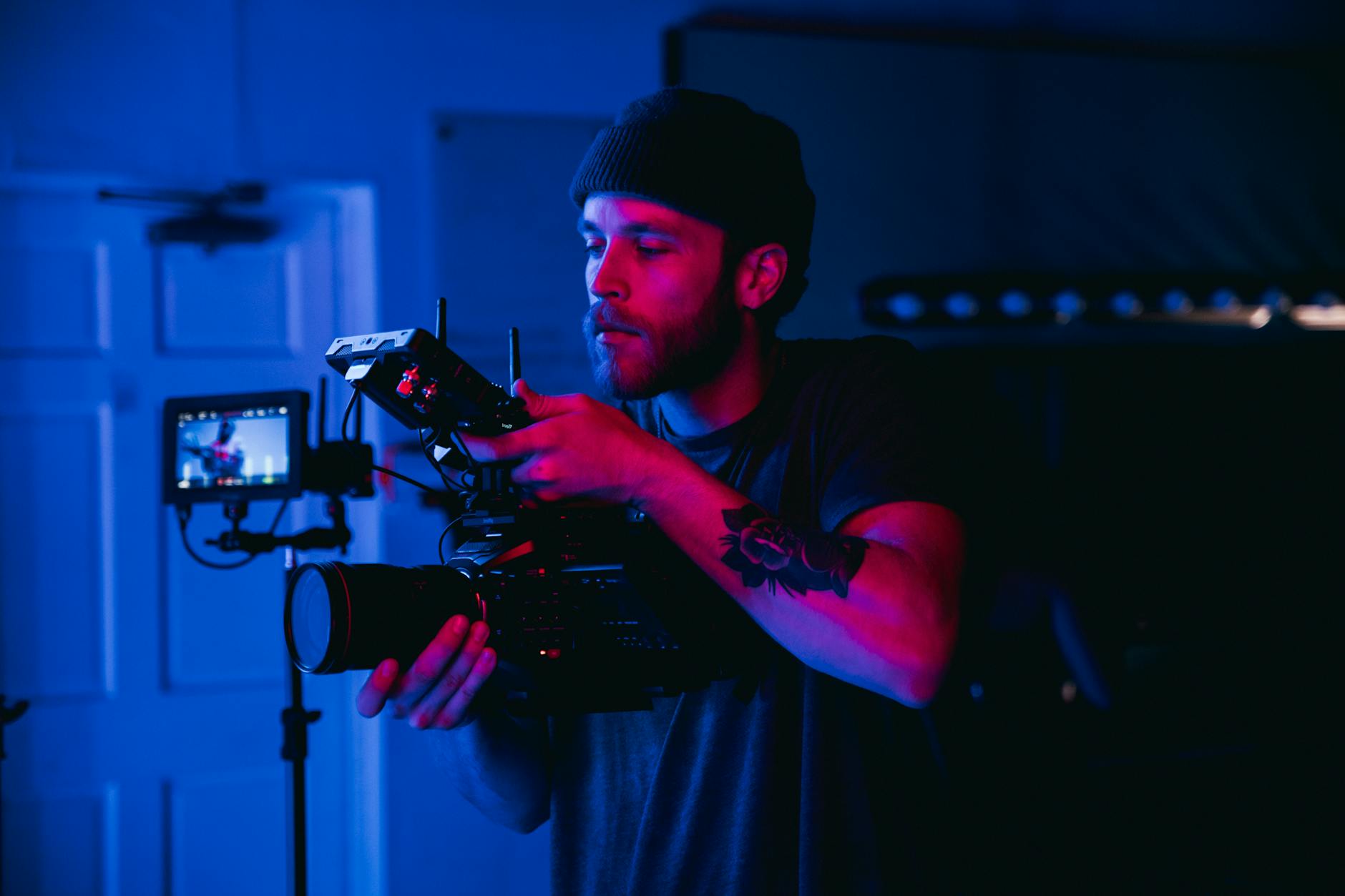
Understanding the Role of a Streaming Production Company
In essence, these companies act as the backbone of digital content dissemination, providing the infrastructure and expertise necessary to produce engaging, reliable, and university-level streaming experiences. Their role extends beyond technical support, embracing strategic planning, content management, and audience engagement initiatives to ensure that every event or recorded production meets the high standards expected in today’s competitive digital environment.
By employing cutting-edge technology and adhering to rigorous production standards, streaming production companies empower clients to reach wider audiences, enhance their digital presence, and deliver impactful content that resonates. This comprehensive approach to digital content creation makes them valuable partners for organizations seeking professional and dependable streaming solutions.
Core Services Offered by a Streaming Production Company
Utilizing a reputable streaming production company involves a comprehensive suite of services that ensure seamless digital content delivery. These core services typically encompass everything from initial planning through post-event distribution, tailored to meet each client’s unique objectives and audience expectations.
- Pre-Production Planning: This phase involves detailed consultations to understand the client's goals, target audience, and content specifications. It includes scoping out technical requirements, creating production timelines, and coordinating all resources necessary for a smooth event or recording.
- Content Development and Management: Streamlining content creation ensures that visuals, audio, and supplementary materials align with the intended message. The production team assists with scriptwriting, rehearsals, and ensuring content readiness before the event.
- Technical Rehearsals: Conducting dry runs allows for testing equipment, signals, and interactive features to prevent issues during the live broadcast. This process is vital to identify potential points of failure and to fine-tune the production setup.
- Live Streaming Execution: On the event day, the production company manages camera angles, sound mixing, encoding, and network stability. They handle switching between video feeds, overlay graphics, and real-time interactivity, guaranteeing a professional presentation.
- Audience Engagement & Interaction: Incorporating chat functions, polls, and Q&A segments helps foster audience participation. These features require precise execution to enhance viewer experience and extend engagement beyond mere viewing.
- Post-Event Content Production: Following the live stream, the company often provides editing, highlight reels, and additional versions for on-demand access. This phase maximizes content longevity and reach.
- Data and Analytics Reporting: Analyzing viewer metrics, engagement levels, and technical performance provides valuable insights to improve future productions and marketing strategies.
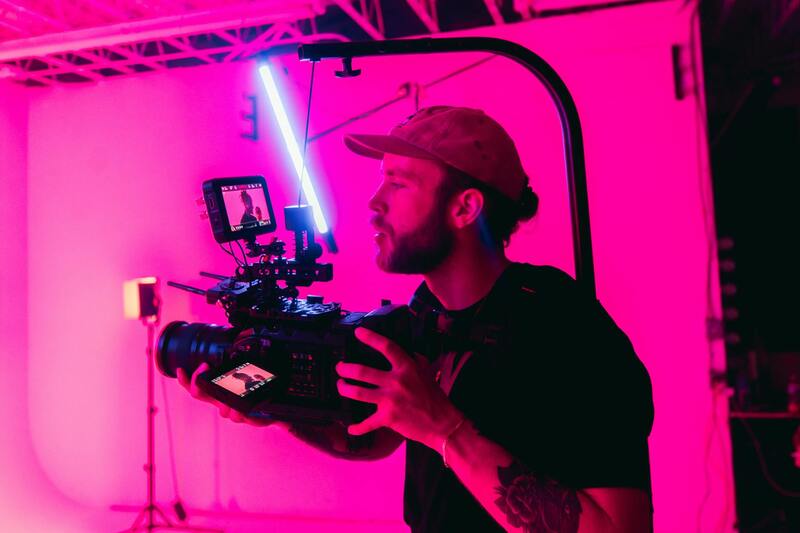
Technology and Equipment Used
Modern streaming production companies leverage state-of-the-art technology to deliver high-quality digital experiences. This includes the use of professional-grade cameras, multi-channel audio systems, and advanced encoding hardware to ensure crisp visuals and clear sound across all platforms. Cloud-based solutions facilitate live video streaming, content storage, and distribution, allowing for scalability and resilience during high-traffic events. Additionally, network infrastructure such as fiber optic connections and dedicated bandwidth sources are critical to maintaining stability and minimizing latency. Interactive tools, like real-time chat integrations and viewer analytics, are incorporated to enhance audience engagement and provide immediate feedback for continuous improvement.
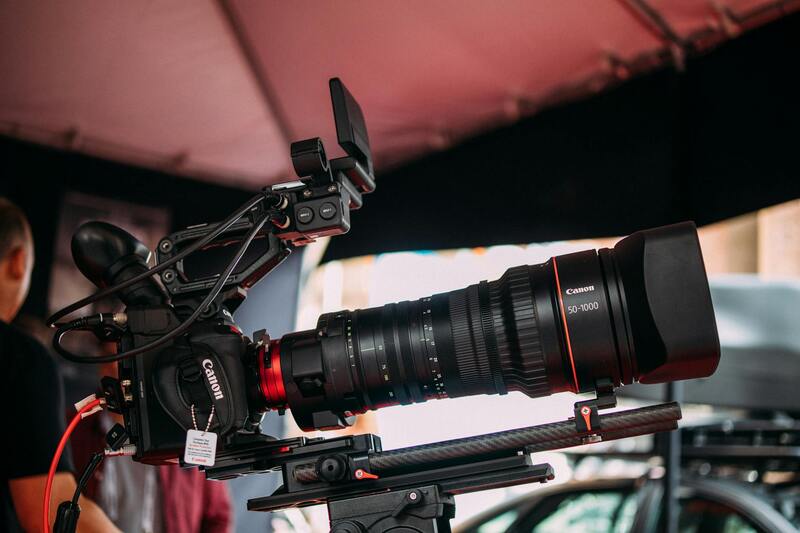
Planning and Pre-Production Process
Effective planning begins weeks before the scheduled streaming event. The production team conducts client interviews to define key objectives, target demographics, and desired audience interactions. Site assessments and technical audits are performed to determine the optimal setup, including camera placements, lighting, and sound arrangements. Storyboarding and script reviews ensure content flow aligns with the event's goals. A detailed production timeline is developed, specifying roles, responsibilities, and contingency plans. This meticulous pre-production phase minimizes unforeseen issues and sets a solid foundation for successful execution.
Execution of Streaming Events
On the day of the event, the production team meticulously manages the operational aspects to ensure a flawless broadcast. Multiple camera angles capture diverse views, while professional mixers balance audio levels and overlay graphics for branding or informational purposes. Real-time monitoring of internet connections and encoding streams guarantees uninterrupted delivery. The operator team coordinates with hosts, speakers, and performers to facilitate smooth transitions and engagement opportunities. Technical support remains onsite or remotely accessible to swiftly address any unexpected technical hiccups, allowing the focus to stay on delivering high-caliber content.
Post-Production and Content Delivery
Once the live event concludes, post-production services transform raw footage into polished videos suitable for on-demand streaming, marketing, or archival purposes. Editing processes refine visuals, synchronize audio, and incorporate branding elements. Edited content is then optimized for various platforms, ensuring compatibility with website embeds, social media, or internal portals. Detailed reports covering viewer engagement, technical performance, and content effectiveness are compiled, offering valuable insights for future enhancements. Additionally, secure content delivery methods ensure that the recordings are accessible only to intended audiences, maintaining content integrity and privacy.
Choosing the Right Streaming Production Partner in Miami
Selecting an optimal partner requires evaluating their technical expertise, client portfolio, and understanding of Miami's unique market dynamics. Experience in handling diverse event types, from corporate webinars to large public broadcasts, reflects adaptability and proficiency. A local presence provides advantages like quick response times, familiarity with regional infrastructure, and cultural resonance with the Miami audience. Transparent communication, a collaborative approach, and competitive pricing are also crucial factors to consider. An ideal partner demonstrates a commitment to quality, innovation, and client satisfaction, ensuring each streaming project achieves its strategic objective effectively.
Technology and Equipment Used by a Streaming Production Company
In the fast-evolving realm of streaming, the deployment of cutting-edge technology and high-quality equipment forms the backbone of successful live productions. A reputable streaming production company invests in a diverse arsenal of tools designed to handle a broad spectrum of event types, from corporate conferences to entertainment festivals. High-definition cameras, including 4K models, ensure crisp visuals that captivate viewers and lend a professional aesthetic to each broadcast. These cameras often come with remote-control capabilities and integrate seamlessly with other production hardware, allowing for dynamic shot adjustments in real time.
Complementing the video capture equipment are professional audio systems, such as wireless microphones, lapel mics, and sophisticated mixers that guarantee clear, balanced sound quality. The importance of quality audio cannot be overstated, especially during live events where auditory clarity enhances viewer engagement. For technical redundancy, companies typically employ backup devices and power supplies, minimizing the risk of disruptions.
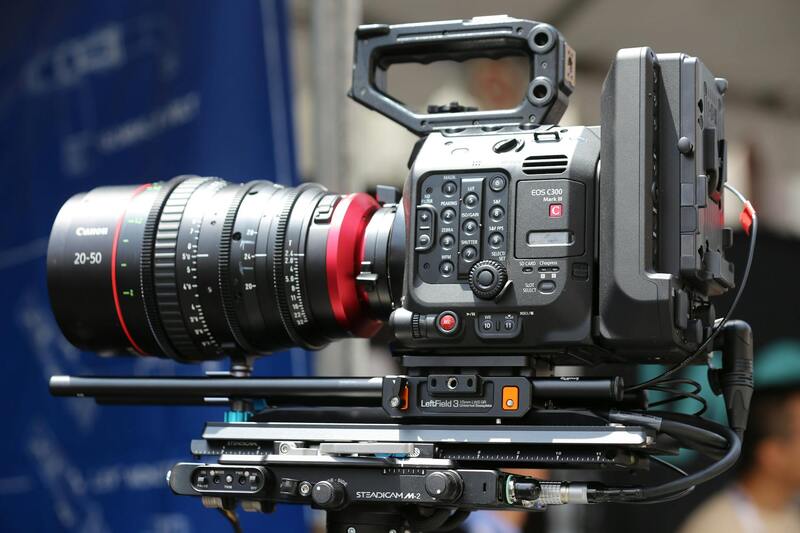
Another critical component is reliable encoding and transmission hardware. These devices convert raw footage into digital signals optimized for streaming, ensuring minimal latency and buffer times. High-capacity streaming servers and content delivery networks (CDNs) distribute the streamed content efficiently, accommodating large audiences without buffering delays.
In addition to hardware, streaming production companies leverage sophisticated software solutions. These include professional switchers for real-time scene transitions, graphic overlays, lower thirds, and live captioning tools. Many companies also utilize augmented reality (AR) and virtual sets to enhance visual engagement, particularly for corporate events and product launches.
Furthermore, the adoption of firewalls, encryption protocols, and access control systems safeguards the broadcast content, enabling secure streaming that is accessible only to authorized viewers. As streaming technology continues to advance, integration with emerging innovations like 5G connectivity, artificial intelligence for automated camera control, and cloud-based post-production workflows ensures companies remain at the forefront of the industry.
Core Services Offered by a Streaming Production Company
Streaming production companies in Miami provide a comprehensive suite of services designed to meet the diverse needs of modern content creators and event organizers. Their offerings span the entire production lifecycle, from initial planning and pre-production preparations to real-time execution and post-event content distribution.
One of the primary services is event live streaming, which includes professional camera operation, multi-angle shot management, and seamless integration of graphics and overlays. These elements help to enhance visual engagement and convey information effectively to viewers, whether for corporate conferences, concerts, or sports events.
Additionally, many companies offer custom content creation tailored to specific event objectives. This can involve pre-recorded segments, interviews, or promotional videos that integrate smoothly into the live stream, creating a polished final product. On-site technical support is also vital, ensuring all hardware functions optimally throughout the event and troubleshooting issues promptly.
Advanced production elements such as augmented reality (AR) overlays, virtual sets, and real-time captioning further elevate viewer experience. These tools are particularly effective when targeting audiences across different regions or engaging viewers with interactive content. In some settings, streaming production teams also provide multi-platform broadcasting capabilities, enabling simultaneous streaming to social media channels, websites, and dedicated apps to maximize reach.

Planning and Pre-Production Process
Effective streaming begins long before the event starts. The planning phase involves understanding client goals, target audiences, and logistical considerations. Pre-production includes venue assessments, equipment requisition, and technical rehearsals to ensure compatibility and optimal setup.
During this stage, detailed timelines and shot sheets are developed, along with content scripts or speaker schedules. These preparations help streamline on-site activities and facilitate smooth transitions during live broadcasts. Coordination with event organizers ensures that staging, lighting, and sound align with the streaming requirements, minimizing surprises on the event day.
Furthermore, this phase involves arrangements for internet connectivity and backup plans. Given Miami’s dynamic environment, contingency strategies—such as secondary internet feeds and portable power sources—are critical for uninterrupted streaming.
Execution of Streaming Events
On the day of the event, the production team sets up equipment, conducts final checks, and rehearses with speakers or performers. During the live broadcast, professional directors operate multi-camera systems, switching between feeds and managing real-time graphics to create an engaging visual narrative.
Audio quality is maintained through rigorous sound checks, ensuring clarity for remote viewers. The team continuously monitors stream stability, adjusts encoding settings if needed, and communicates with on-site personnel to respond swiftly to any technical issues.
Interactive features like live chats or Q&A sessions are integrated to foster audience engagement and gather immediate feedback. The goal is to deliver a seamless viewing experience that aligns with the event's objectives and maintains a professional standard of quality throughout.
Technology and Equipment Used in Streaming Production
In the realm of professional streaming, the use of state-of-the-art technology and equipment is essential to achieve high-quality broadcasts. A reputable streaming production company in Miami utilizes a combination of advanced hardware and software solutions to ensure clarity, stability, and engagement. Multi-camera setups are standard, enabling dynamic and varied perspectives that keep the audience visually engaged. These cameras are often capable of broadcasting in 4K resolution, providing crisp and detailed imagery suitable for large screens and diverse viewing platforms.
Communication and control systems form the backbone of live production environments. Production teams rely on robust video switchers, which allow seamless switching between multiple feeds and insertion of real-time graphics or overlays. These graphics include lower thirds, event branding, or live statistical data, enhancing the viewer experience with relevant information presented professionally.
Audio quality is equally prioritized, with high-fidelity microphones, digital mixers, and noise reduction systems integrated into the setup. Wireless microphones facilitate mobility for speakers or performers, maintaining sound clarity without cable clutter. In addition, audio processors optimize sound levels to prevent distortion or imbalance, ensuring a consistent auditory experience for remote viewers.
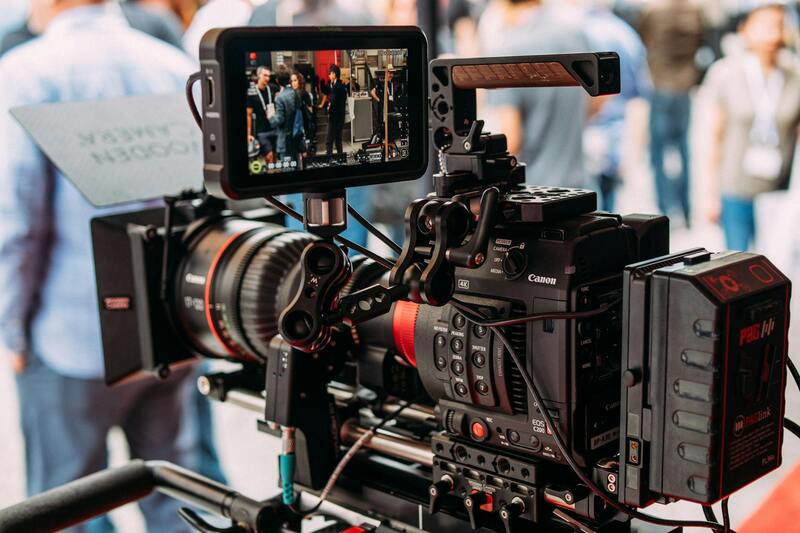
Connectivity remains a critical factor, especially in Miami’s vibrant, bustling environment. Streaming production companies typically deploy multiple internet sources—such as wired Ethernet connections, fiber optic links, and 4G/5G mobile hotspots—to secure resilient bandwidth. These connections are equipped with managed switches and load balancers to distribute data efficiently and reduce latency. Additionally, backup internet sources are maintained to automatically take over in case of primary connection disruptions, minimizing streaming interruptions.
Hardware integration—such as routers, encoders, and streaming servers—is calibrated to work harmoniously, enabling real-time encoding and transmission to various platforms like YouTube, Facebook Live, or custom portals. Software tools for live editing, real-time analytics, and stream management facilitate a smooth and professional broadcast process, ensuring that every event meets the highest standards of quality and reliability.
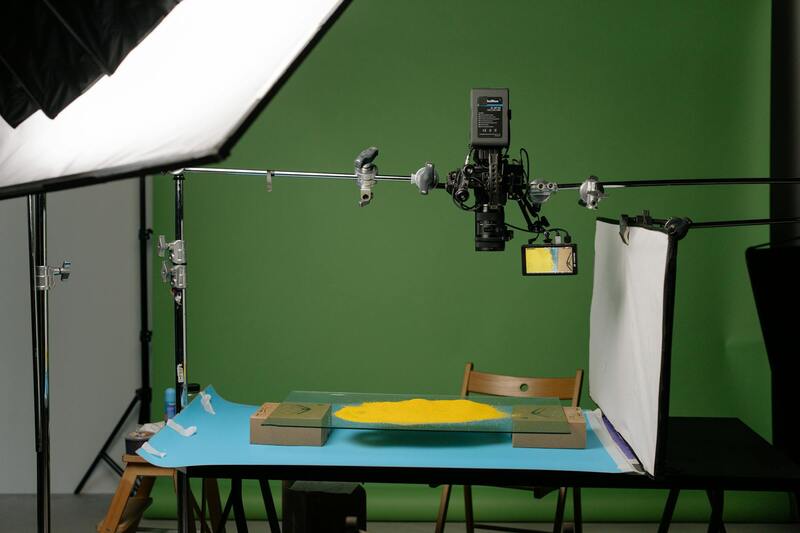
Beyond the hardware, software solutions like live editing suites and virtual set programs allow for dynamic content creation, adding professionalism and polish to the live stream. Features such as multi-view monitoring, real-time captioning, and instant replay are increasingly integrated into the workflow, providing broadcasters with tools to produce compelling content that resonates with their remote audiences.
Planning and Pre-Production Process
Successful streaming events in Miami hinge on meticulous planning and comprehensive pre-production preparations. This phase involves detailed coordination with clients to understand their objectives, target audience, and preferred content delivery platforms. Early planning ensures that all technical requirements, such as camera placements, audio setups, lighting, and internet connectivity, are addressed well in advance of the live event.
A crucial component of pre-production is site assessment. Streaming production companies evaluate the physical space to determine optimal camera angles, lighting conditions, and power supply points. Additionally, they conduct network tests to verify bandwidth capabilities and identify potential interference issues, ensuring a seamless connection during the live broadcast.
Content scripting and storyboard development are also integral, providing a clear roadmap for the flow of the event. This process includes scheduling the sequence of segmented content, rehearsing segment transitions, and coordinating with on-air talent. For virtual segments or remote contributors, technical specifications and timelines are shared, enabling smooth integration into the live stream.
Equipment selection and setup are tailored to each project’s specific needs. High-definition cameras, professional-grade audio equipment, and robust encoders are chosen based on the event scale and expected audience size. A detailed technical checklist is created, outlining the roles of the production team, contingency plans, and emergency procedures.
Furthermore, pre-production involves extensive test runs to troubleshoot potential issues before the live event. Rehearsals facilitate familiarization with the equipment and the workflow, allowing the team to make necessary adjustments. This proactive approach minimizes risks and sets the stage for a professional, uninterrupted streaming experience.

By investing time in detailed pre-production planning, a streaming production company in Miami can guarantee a high-quality broadcast that aligns with the client’s vision and engages viewers effectively. From technical setups to content logistics, every element is meticulously coordinated to create a cohesive and compelling live stream.
Post-Production and Content Delivery
Once the live streaming event concludes, the work of a professional streaming production company extends into comprehensive post-production services that enhance the overall quality and reach of the content. These services include meticulous editing to refine the raw footage, ensuring that the final version aligns precisely with the client’s expectations. Cutting unnecessary segments, sharpening visuals, balancing audio levels, and adding graphics or branding elements are standard procedures that elevate the broadcast to a polished, professional standard.
Archiving plays a vital role in preserving the content for future use. A seasoned company systematically stores the recorded material securely, enabling easy access for future reference or re-edition. This archival process also facilitates the repurposing of content for various marketing activities or internal training, maximizing the value derived from each event.
Content distribution is strategically managed to expand the event’s footprint across multiple platforms. By leveraging a mix of social media channels, video hosting sites, and proprietary websites, a streaming production company ensures the content reaches a diverse and extensive audience. Adaptive encoding techniques allow for seamless playback across different devices, from desktops and tablets to smartphones. This multi-platform approach boosts engagement, drives traffic, and increases overall visibility of the client’s brand or message.
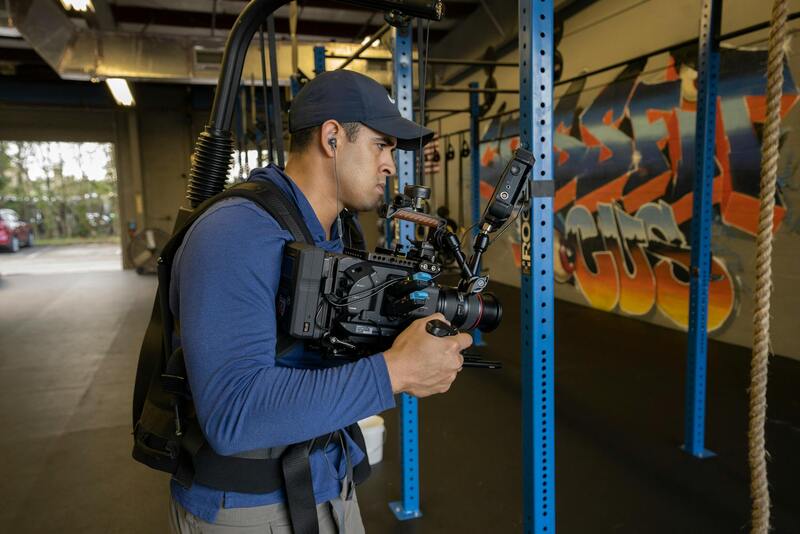
Effective post-production is also crucial for long-term content management. Metadata tagging, creating highlight reels, and preparing promotional snippets contribute to ongoing marketing efforts. The final step involves delivering the content through optimized formats suitable for each distribution channel, ensuring viewers enjoy high-quality playback regardless of device or platform.
Choosing the Right Streaming Production Partner in Miami
When selecting a streaming production company in Miami, it’s essential to consider their experience, technological capabilities, and ability to align services with your specific needs. A reputable provider offers a combination of technical expertise, creative insight, and reliable support that ensures your streamed events are executed flawlessly. Their local presence in Miami also means they understand the market nuances, audience preferences, and logistical considerations unique to the region, ultimately translating into more effective and engaging live broadcasts.
Comprehensive Methods for Securing Streaming Content
Ensuring the successful streaming and distribution of content involves utilizing established and verified channels that maximize reach and engagement. Central to this process is partnering with a professional streaming production company that can orchestrate all technical and logistical aspects seamlessly. These companies leverage robust distribution networks, partnership arrangements with popular streaming platforms, and direct content delivery methods to ensure smooth and reliable broadcasting experiences.
Utilizing Certified Streaming Platforms and Networks
One of the most reputable ways to disseminate content is through recognized streaming platforms that have a broad user base and reliable infrastructure. Platforms such as proprietary servers, cloud-based distribution systems, and specialized content delivery networks (CDNs) provide scalable solutions for reaching diverse audiences efficiently. They are equipped with sophisticated load balancing and adaptive bitrate streaming technologies, which adapt the quality to end-user device capabilities and network conditions, ensuring uninterrupted viewing experiences.
Secure Content Delivery Through Proper Licensing and Authorizations
Proper licensing and content permissions play a crucial role in distributing streaming content through official channels. This involves obtaining the necessary rights, ensuring content is cleared for distribution, and adhering to regional broadcasting regulations. Well-versed streaming production companies oversee this process, reducing the risk of copyright infringements and streamlining the distribution pipeline through official licenses, thus maintaining the integrity and legality of the content.
Using Authentication and Access Control Systems
Securing streaming content from unauthorized access is essential for protecting valuable assets and maintaining control over distribution. Implementing multi-factor authentication, digital rights management (DRM), and geo-restrictions ensure that only authorized viewers can access the content. These security measures are integrated directly into the streaming infrastructure by experienced production companies, providing an extra layer of protection while facilitating targeted content delivery to preferred audiences.
Content Encoding and Encryption Technologies
Prior to distribution, content undergoes encoding and encryption protocols that preserve quality and prevent unauthorized access during transmission. Adaptive encoding adjusts the bitrate to suit viewer bandwidths, maintaining playback quality. Encryption techniques prevent piracy and unauthorized redistribution, ensuring that content remains protected throughout the delivery chain.
Engaging Viewership Through Multi-Platform Compatibility
Broadcasting across multiple platforms—such as desktop computers, smartphones, tablets, and smart TVs—expands reach and ensures accessibility. Compatibility with various operating systems, browsers, and devices is prioritized by experts in the field, allowing seamless playback and interactive features. This multi-platform approach drives higher engagement levels and increases content visibility among diverse audiences.
Regular Monitoring and Technical Support
Official methods for securing streaming content also include ongoing monitoring and support. Real-time analytics help detect and resolve technical issues promptly, minimizing downtime and buffering problems. Dedicated support teams from reputable streaming production firms provide immediate assistance, ensuring the broadcast maintains high standards of performance, security, and viewer experience.