
Understanding Livestream Video Production
Livestream video production encompasses the complete process of creating, managing, and broadcasting live video content over digital platforms in real-time. It is a multifaceted discipline that combines technical expertise, creative planning, and strategic execution to deliver high-quality live broadcasts to audiences worldwide. In today’s digital landscape, livestreaming has become an essential communication channel for a variety of sectors, including corporate, entertainment, education, and nonprofit organizations.
The core purpose of livestream video production is to engage viewers through immediate, interactive content delivery that fosters authentic connections. Whether it’s a corporate webinar, a product launch, a live concert, or a community event, effective livestreams capture the essence of the moment and transmit it with clarity and professionalism. This dynamic form of communication offers unparalleled immediacy and accessibility, allowing brands and organizations to expand their reach, increase engagement, and build robust online communities.
In the context of modern digital marketing strategies, livestream video production serves as a powerful tool for real-time storytelling and brand positioning. It allows organizations to showcase their products, services, or messages directly to targeted audiences without the delays associated with traditional broadcast methods. Furthermore, the interactive nature of live streaming fosters immediate feedback through chat interactions, polls, and Q&A sessions, which can deepen viewer involvement and loyalty.
Implementing effective livestream video production requires a clear understanding of its various stages, from initial planning to post-event content repurposing. Each phase demands specialized skills and equipment to ensure smooth delivery and professional presentation. As technology advances, the potential for innovative visual effects, multi-camera setups, and seamless streaming protocols continues to grow, providing organizations with extensive opportunities to craft compelling live content that resonates with their audiences.
Moreover, the rise of social media platforms and dedicated streaming services has democratized access to livestreaming channels, enabling even small organizations to reach large audiences with minimal barriers. However, producing a successful livestream involves more than just hitting the “go live” button; it requires meticulous preparation, reliable technical infrastructure, and on-the-fly problem-solving skills. Those seeking to maximize their online presence through livestreams must understand the fundamental principles of this discipline, staying informed about emerging trends and technological innovations that can elevate their broadcast quality and viewer experience.
Understanding Livestream Video Production
Effective livestream video production hinges on an intricate coordination of multiple technical and creative elements. An organized approach to pre-production planning forms the backbone of a successful live broadcast, ensuring that all components function harmoniously. This phase includes detailed planning of the event’s objectives, content flow, and target audience, alongside the selection of suitable locations, schedules, and technical requirements.
One of the foundational steps in livestream production is establishing a comprehensive script or rundown. This document guides the entire team through the event, highlighting crucial moments, transitions, and cues that need to be synchronized across various devices. Precise timing and clear communication are paramount to maintain a seamless viewing experience, especially when multiple segments or speakers are involved.
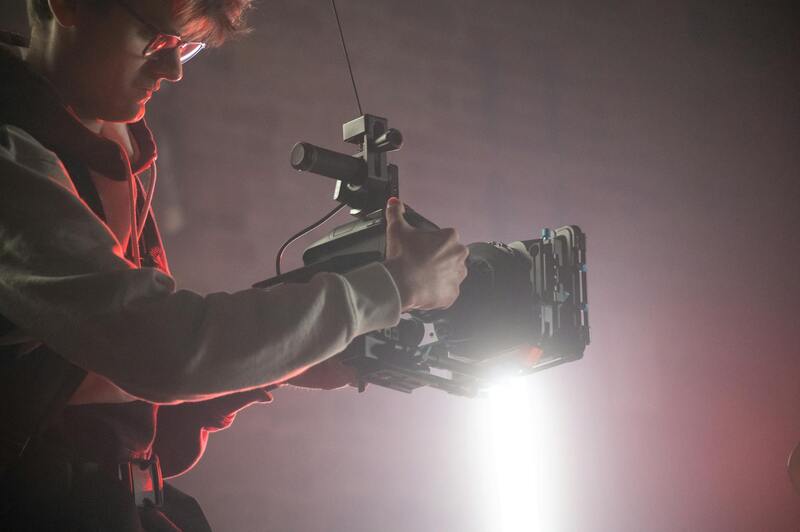
In addition, a detailed need assessment determines the type of equipment and personnel required. This includes choosing the right mix of cameras—such as PTZ (pan-tilt-zoom), DSLR, or professional broadcast units—each tailored to produce high-resolution footage suited for the event’s scope and audience expectations. Concurrently, a high-quality audio setup is crucial, encompassing microphones, audio mixers, and monitors to capture and relay crystal-clear sound.
Lighting too plays a pivotal role, enhancing visual clarity and ambiance. Proper illumination minimizes shadows and glare, ensures accurate color reproduction, and contributes to the overall polished look of the broadcast. Lighting arrangements should be adaptable based on the setting, whether it's an indoor conference or outdoor event.
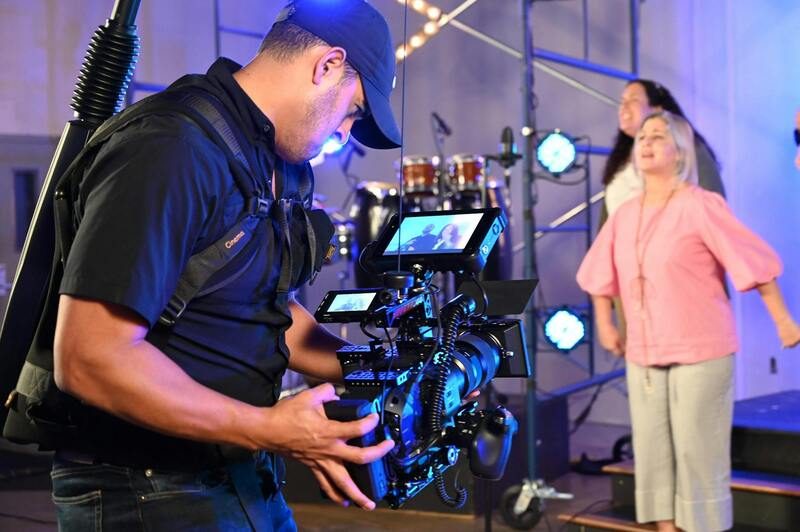
Hardware choices extend beyond cameras and lighting; robust streaming hardware such as encoders, switchers, and distribution amplifiers facilitate the transmission of high-quality video signals to streaming platforms. Modern encoders, both hardware and software-based, convert your content into digital streams, supporting various protocols like RTMP or SRT for optimized delivery. A stable internet connection with sufficient upload bandwidth is indispensable to prevent interruptions or quality degradation.
On the software front, production control software enables live switching between multiple video feeds, overlay graphics, and pre-recorded content in real time. Features like picture-in-picture, transitions, and graphic animations enhance visual engagement, making the broadcast more dynamic and professional.
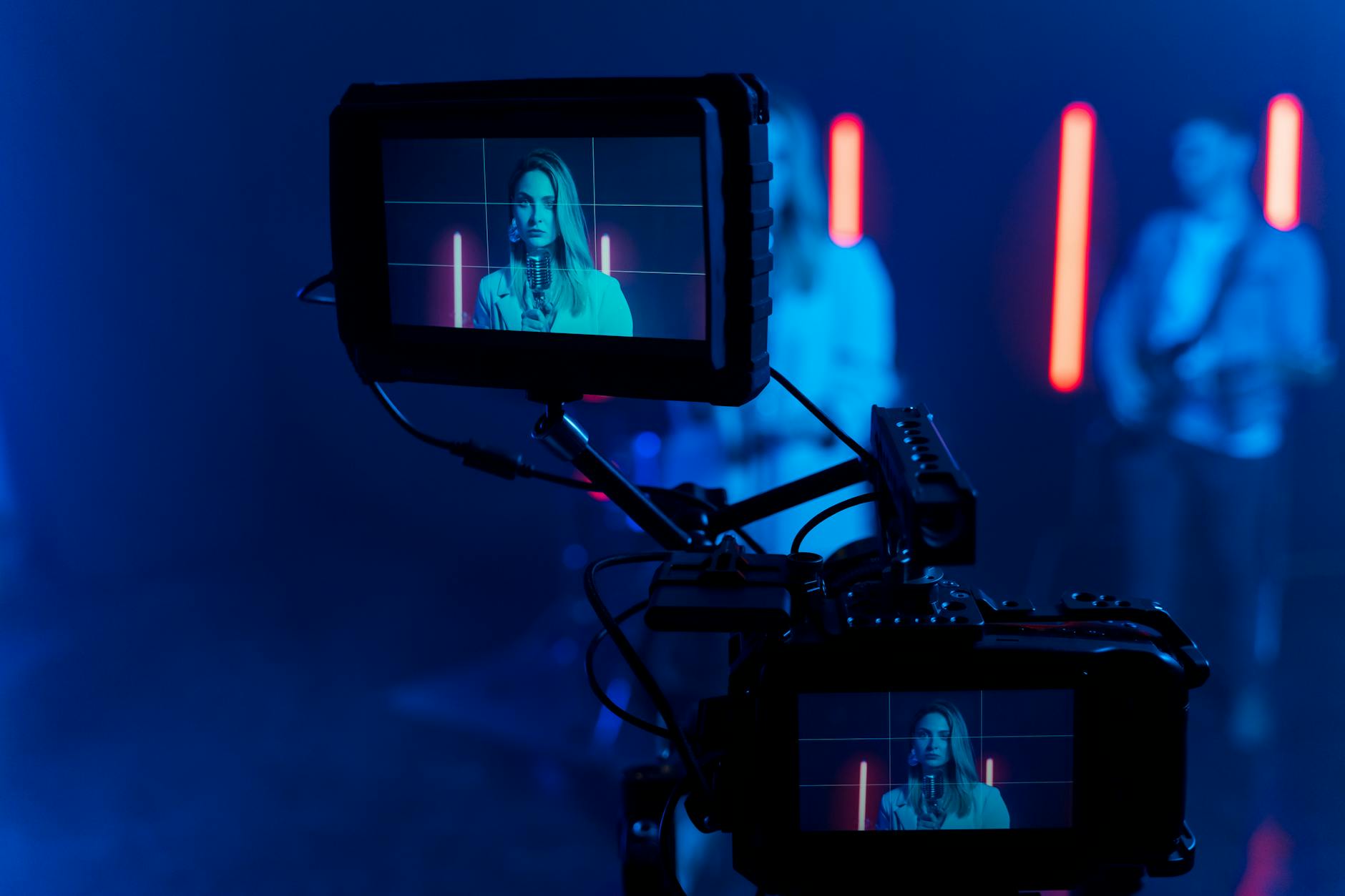
During the actual event, production teams must stay agile, monitoring streaming metrics and audience interactions. Real-time troubleshooting is often necessary to address connectivity issues, audio-visual glitches, or unforeseen technical challenges. The use of multi-camera setups allows flexibility in capturing different angles, close-ups, and wide shots, enriching the viewer experience. Additionally, incorporating on-screen graphics, such as lower thirds, logos, and event information, contributes to a cohesive and branded presentation.
Throughout the broadcast, teams should maintain effective communication, utilizing intercom systems or messaging platforms to coordinate camera switching, audio levels, and graphic inserts. This teamwork ensures the live event flows smoothly, matching the planned script and managing any spontaneous moments with professionalism.
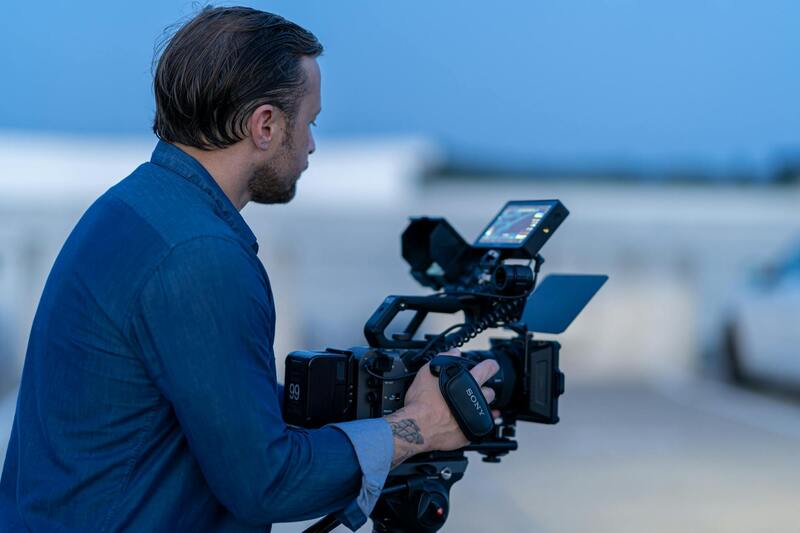
In summary, meticulous preparation combined with the right mix of technology and skilled personnel is vital for high-quality livestream video production. Every component, from pre-event planning to live management, contributes to delivering a professional, engaging experience that captivates online audiences and maximizes the event’s impact.
Technical Aspects and Equipment Setup
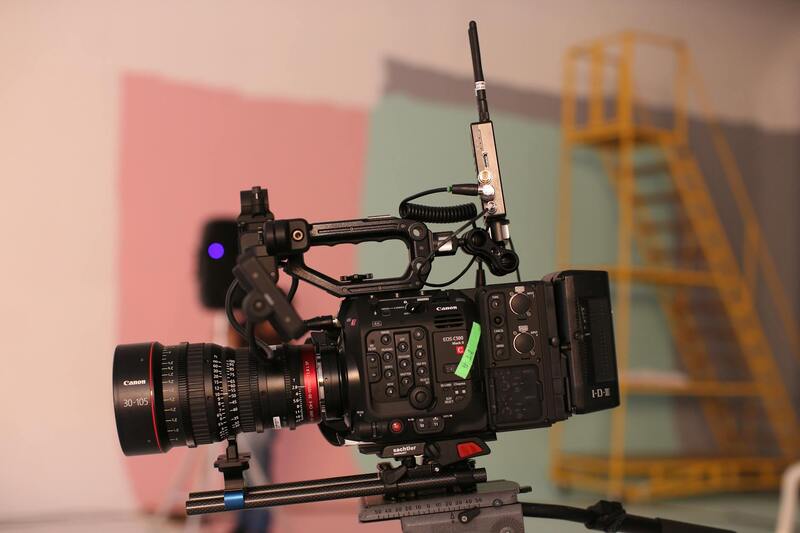
Achieving a professional-grade livestream video requires meticulous attention to technical details, beginning with the selection and configuration of reliable hardware and software systems. The foundation of high-quality streaming begins with choosing the right cameras, which should be capable of capturing clear, high-resolution footage with good low-light performance. Modern camcorders and professional-grade digital cameras are preferred, often paired with tripods or stabilization rigs to maintain steady shots.
Audio quality is equally critical, requiring professional microphones—such as shotgun mics, lavalier microphones, or boundary microphones—matched with high-quality mixers and audio interfaces to ensure crisp, accurate sound reproduction. Properly positioning microphones to minimize ambient noise and feedback is essential, alongside monitoring audio levels throughout the broadcast.
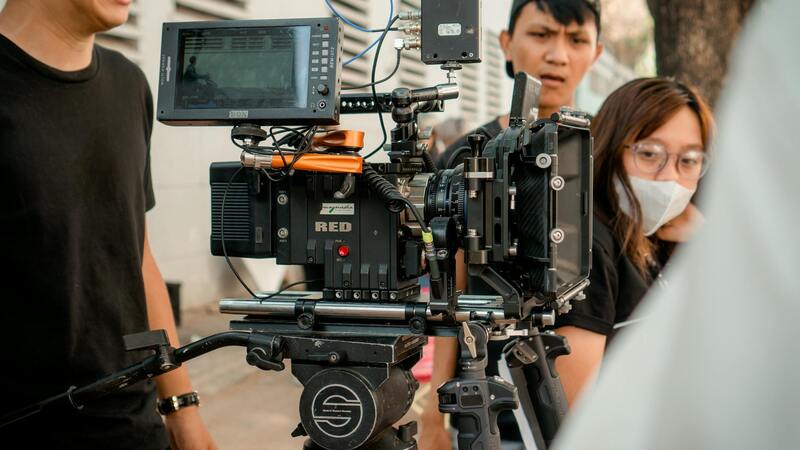
Lighting plays a vital role in video quality; broadcasters typically use LED panel lights, softboxes, or ring lights to evenly illuminate presenters and reduce shadows. The lighting setup must be adjustable to adapt to venue conditions and ensure consistent visual clarity for viewers.
Streaming hardware, such as encoders and capture cards, translate the visual and audio signals into a format suitable for digital transmission. Modern encoding devices support multiple streams, adaptive bitrates, and remote management, providing flexibility and resilience during live events. Reliable internet connections, preferably wired Ethernet with backup options, are necessary to maintain stable streams and prevent interruptions. Network bandwidth should be sufficient to support the chosen video resolution and streaming platform requirements.
Once all equipment is assembled, comprehensive testing is conducted to verify functionality, synchronization, and quality. This testing phase may include rehearsals to identify potential issues with signal transmission, audio-video synchronization, or graphic integration. Cable management and ergonomic arrangement of gear further contribute to a smooth production workflow, reducing the risk of technical failures during the live event.
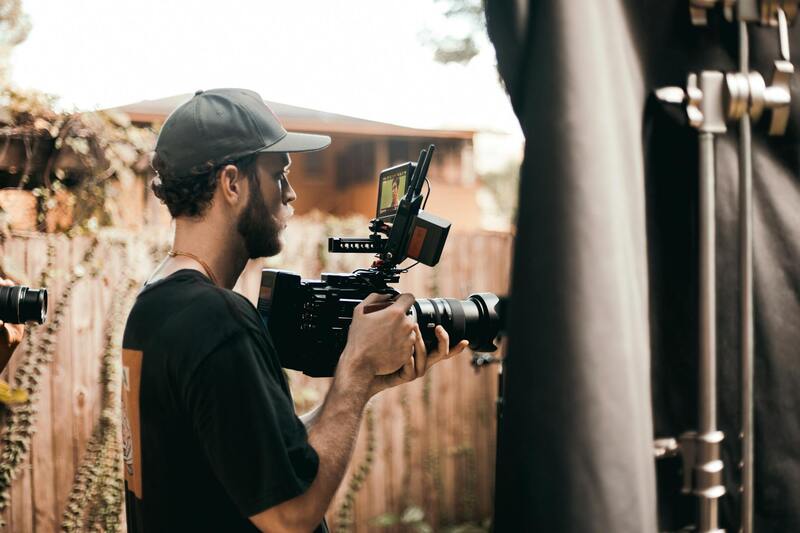
The integration of reliable hardware with advanced streaming software allows producers to switch between camera angles, insert graphics or captions, and monitor multiple audio and video feeds in real-time. Emergency protocols and backup solutions, such as secondary internet sources or backup recording devices, are instrumental in safeguarding the broadcast quality against unforeseen issues.
In the highly dynamic environment of livestream video production, precision in technical setup lays the groundwork for a seamless viewing experience. Proper deployment and management of this equipment enable broadcasters to deliver content that is not only visually appealing but also technically robust, fostering viewer engagement and professional credibility across all digital platforms.
Technical Aspects and Equipment Setup
Effective livestream video production hinges on meticulous technical setup and optimal equipment configuration. High-quality cameras form the foundation of compelling live streams, requiring considerations for resolution, frame rate, and sensor quality to ensure clarity and vibrant visuals. Adequate lighting setups are essential to illuminate the scene properly, reducing shadows and enhancing color accuracy, which directly impacts viewer engagement.
Audio fidelity is equally critical; professional microphones and sound mixers help capture clear, balanced sound, minimizing background noise and audio distortions. For multi-camera setups, precise calibration is necessary to maintain consistent imaging, color grading, and framing across all angles, ensuring a cohesive visual presentation.
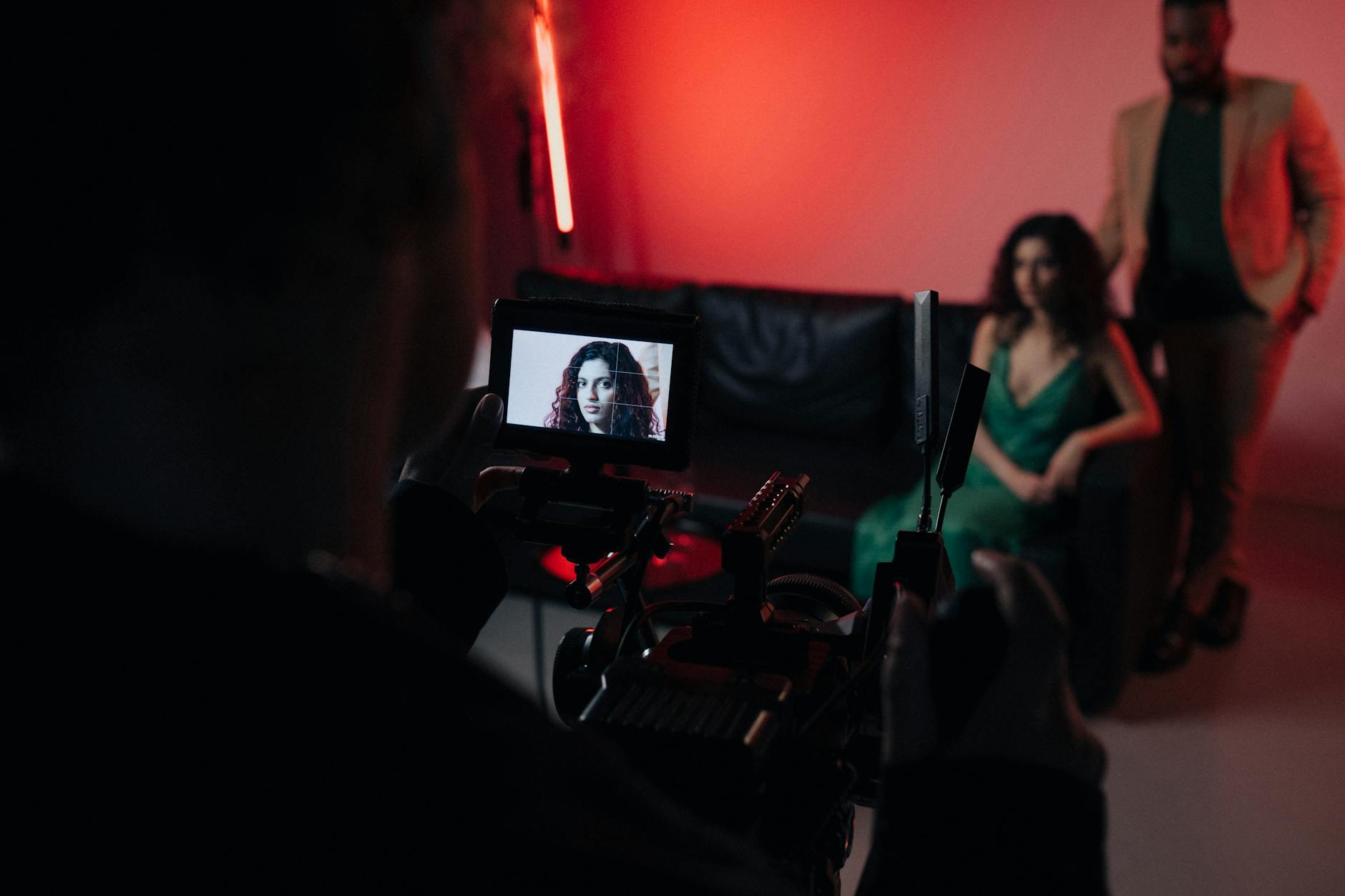
Stability and connection reliability are vital for an uninterrupted broadcast. Internet connectivity should be optimized through dedicated bandwidth, with a wired Ethernet connection preferred over Wi-Fi to minimize latency and packet loss. Employing high-capacity networking equipment, such as routers with gigabit speeds and load balancing capabilities, can significantly enhance stream stability.
When calibrating equipment, producers should regularly test each component—cameras, microphones, streaming hardware—and verify synchronization between audio and video feeds. If multiple sources are used, seamless switching between scenes requires sophisticated switchers or streaming software that supports real-time transitions. Backup systems, including secondary internet sources and redundant recording devices, further safeguard against potential technical disruptions, ensuring the live event proceeds smoothly regardless of unforeseen issues.
Overall, the technical integrity of a livestream depends on deliberate setup and ongoing calibration. Properly configured equipment not only produces high-quality visuals and sound but also reduces the likelihood of technical failures during critical moments of the event, enabling a professional and engaging experience for online audiences.
Technical Aspects and Equipment Setup (Part 5 of 8)
Executing a professional livestream video production requires meticulous attention to the technical setup, which is the backbone of a seamless broadcast. Ensuring optimal camera performance involves not only selecting the right models suited for live streaming but also calibrating them regularly to maintain consistent image quality. This calibration includes adjustments to focus, exposure, white balance, and color profiles, aligning all cameras to produce a uniform visual experience. Rigorous pre-broadcast testing helps identify and resolve any inconsistencies that could disrupt the viewer’s experience.
Effective audio setup is equally crucial. High-quality microphones, such as shotgun, lavalier, or condenser types, should be chosen based on the specific event requirements. Microphone placement influences clarity and intelligibility, especially in noisy or large venue settings. Synchronization between audio and video feeds must be maintained to prevent lip-sync issues. Incorporating audio mixers or digital audio interfaces allows for real-time adjustments to volume levels, sound effects, and ambient noise suppression, thereby enhancing the overall production quality.
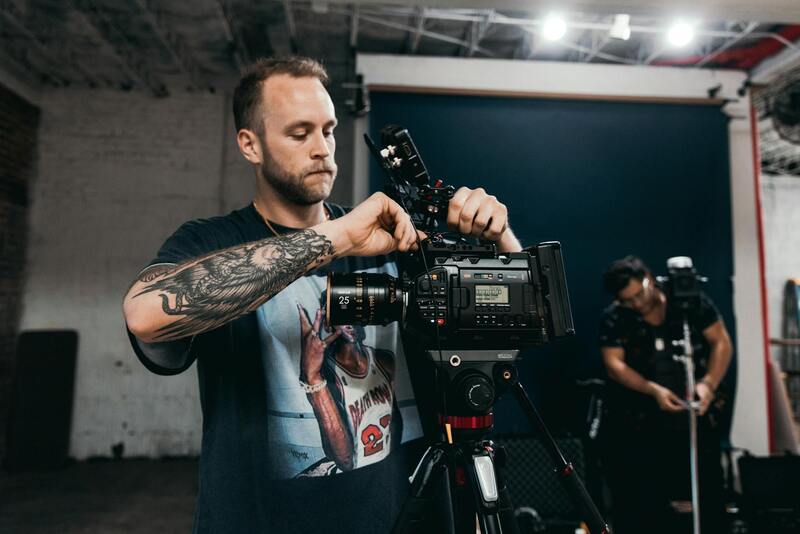
Connectivity is fundamental in maintaining uninterrupted streams. Wired Ethernet connections are strongly recommended over Wi-Fi to reduce latency, packet loss, and disconnections. If a wireless setup is unavoidable, deploying high-capacity routers with dual-band capabilities and load balancing features can mitigate network congestion. Dedicated bandwidth ensures that the streaming data flow remains consistent, especially during high-traffic periods. Additionally, employing multiple internet sources, such as secondary Wi-Fi networks or cellular data backups, provides redundancy that can be activated automatically if the primary connection falters.
Streaming hardware, such as encoders and switchers, must be configured correctly. Hardware encoders compress video streams in real time, ensuring they match the desired quality and bandwidth parameters. Video switchers facilitate seamless scene changes, graphics insertion, and multi-camera switching. Modern streaming software integrated with these hardware tools enables real-time control over transitions, overlays, and effects, creating a dynamic viewing experience.
Calibration and testing extend beyond individual equipment. Synchronization testing between multiple devices—cameras, microphones, streaming hardware—is vital to ensure harmonious operation. Regular checks before the event help identify potential issues related to interference, lag, or hardware malfunction. Importantly, redundant systems such as secondary streaming encoders or backup recording devices serve as safeguards against possible failures, ensuring the broadcast can continue without interruption even if an unexpected technical issue arises.
Proper setup and ongoing calibration of all equipment contribute significantly to stream stability, visual consistency, and audio clarity. Skilled technicians and production teams in Miami are adept at configuring these systems to meet the demands of live events across varying settings. Their expertise guarantees that the technical foundations support a high-quality, engaging livestream experience for all viewers, regardless of the venue or event scale.
Implementing High-Quality Audio and Video Transmission Protocols
Achieving a flawless livestream hinges on adhering to rigorous standards for audio and video transmission protocols. Ensuring that audio feeds are synchronized with video streams is essential. This involves deploying high-fidelity microphones and professional-grade audio mixers capable of balancing sound levels, reducing ambient noise, and minimizing latency. Using wired connections for critical audio signals often provides more stability than wireless options, which can be susceptible to interference.
For video transmission, selecting appropriate encoding settings is crucial. Adaptive bitrate streaming enables the broadcast to adjust its quality dynamically based on viewers' internet bandwidth, reducing buffering and maintaining seamless playback. Key protocols like Real-Time Messaging Protocol (RTMP) or Secure Reliable Transport (SRT) facilitate low-latency, secure transmission over the internet, ensuring your livestream remains stable even amidst network fluctuations.
Implementing reliable network infrastructure is the backbone of successful live streaming. Dedicated internet connections with ample upload speeds reduce congestion and prevent interruptions. Network redundancy—such as dual internet service providers—further safeguards against unforeseen outages. Employing Quality of Service (QoS) configurations prioritizes streaming traffic, minimizing delays and packet loss.
Utilizing professional streaming software that supports multi-protocol compatibility allows producers to switch between different transmission methods as needed, ensuring optimal delivery across diverse platforms and devices. These measures collectively ensure the integrity and clarity of your livestream, providing viewers with a rich and engaging visual and auditory experience.
Monitoring and Troubleshooting During Live Broadcasts
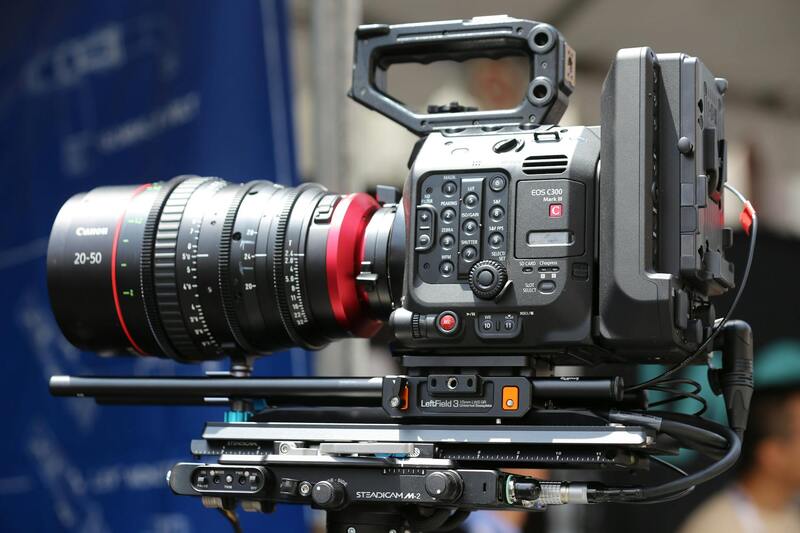
Active monitoring during a livestream is indispensable for promptly identifying and rectifying technical issues. This process involves real-time oversight of multiple parameters, including bandwidth usage, video and audio quality, and stream health indicators. Dedicated control rooms or remote monitoring stations equipped with sophisticated software dashboards enable technicians to observe metrics such as latency, dropped frames, and bitrate fluctuations continually.
Implementing an organized troubleshooting protocol facilitates swift action when anomalies occur. Common issues might include audio sync problems, dropped connections, or visual artifacts. Once detected, immediate steps—such as switching to backup encoders, adjusting encoding settings, or rebooting hardware—can prevent minor glitches from evolving into significant disruptions.
For complex productions, assigning specific roles to team members enhances efficiency. One technician manages video feeds, another oversees audio stability, while a third monitors network health. Real-time chat channels or instant messaging systems streamline communication among team members, ensuring coordinated responses.
Preparedness extends to having pre-configured backup equipment and predefined contingency plans. Regular simulation exercises prior to the live event help technicians familiarize themselves with troubleshooting procedures, reducing response times during actual broadcasts. These diligence practices uphold the professionalism and reliability crucial to successful live streaming.
Understanding Livestream Video Production
Livestream video production involves a multifaceted approach combining technical expertise, quality equipment, and strategic planning to deliver seamless live broadcasts. It requires a comprehensive understanding of various parameters such as video resolution, frame rate, bitrates, and encoding standards. Ensuring a stable and high-quality stream demands meticulous attention to detail across every phase, from pre-event setup to post-stream analysis.
Key Components of Livestream Video Production
Successful livestreams rely on several critical elements:
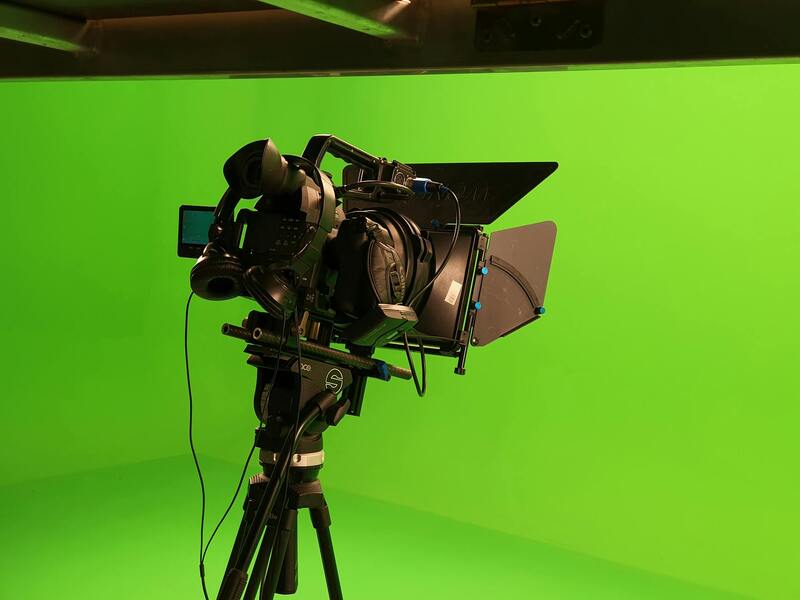
- Camera Systems: High-definition cameras capable of capturing clear images in different lighting conditions form the backbone of a live broadcast. The choice of camera may vary depending on whether the event is indoors or outdoors, with options including professional camcorders or cinema-grade cameras.
- Audio Equipment: Clear audio is fundamental. Professional microphones, audio mixers, and noise reduction tools ensure sound quality remains optimal, avoiding distractions or miscommunications during the broadcast.
- Encoding Hardware and Software: Encoders convert raw audio-visual signals into digital streams compatible with broadcasting platforms. Hardware encoders offer stability, while software encoders provide flexibility and ease of use.
- Network Infrastructure: A robust internet connection with sufficient bandwidth is essential to prevent buffering or quality deterioration. Redundant network setups with failover capabilities help maintain stream continuity in case of primary network issues.
- Streaming Platforms and CDN: Selecting the appropriate delivery network ensures that the content reaches the target audience efficiently. Content Delivery Networks (CDNs) distribute streams across multiple servers for optimized performance.
Planning and Pre-Production for Live Events
Effective planning is crucial for minimizing technical glitches and ensuring a coherent stream. This phase involves detailed timelines, content schedules, and role assignments for each team member. Pre-production checks include testing all equipment, verifying internet speeds, and establishing clear communication protocols among technical staff and presenters. Creating a detailed run sheet helps align everyone involved regarding cues, transitions, and timing.
Technical Aspects and Equipment Setup
Prior to the event, technicians set up cameras, microphone arrays, and streaming hardware according to the planned layout. Proper lighting ensures visual clarity, while soundproofing minimizes ambient noise. All equipment should undergo a comprehensive test, including signal checks and latency measurements, to identify potential issues before the live broadcast. Ensuring backup devices are operational provides an extra layer of security should primary equipment fail during the stream.
Production and Execution During Livestreams
Execution involves real-time management of video feeds, audio levels, graphic overlays, and transitions. Skilled production crew monitor the stream, switching between camera angles, inserting multimedia segments, and addressing emerging issues promptly. A dedicated technical director oversees the entire operation through streaming software dashboards, ensuring synchronization and quality control. Efficient communication channels enable rapid response to any deviations or technical disruptions, safeguarding the overall broadcast quality.
Team coordination and adherence to the pre-defined schedule are vital. When technical challenges arise, having predefined troubleshooting protocols, backup equipment, and contingency plans helps to minimize stream downtime and maintain audience engagement. Continuous monitoring of stream health indicators such as latency, dropped frames, and buffer rates supports proactive management and immediate corrective action.
Understanding the importance of infrastructure resilience and operational clarity during the live broadcast ensures a professional presentation, reflecting well on the organizing entity and fostering viewer trust and satisfaction.
Advanced Strategies for Ensuring Reliable and High-Quality Livestreams
As the demand for seamless livestream video production continues to grow, broadcasters and content creators are adopting sophisticated methods to optimize stream stability and viewer experience. The foundation of a successful livestream involves more than just high-quality equipment; it requires a comprehensive approach that encompasses robust infrastructure, meticulous planning, and proactive management. Properly implementing these strategies ensures that live events are delivered without interruptions, maintaining professional standards and perceived value.
Implementing Redundancy Systems for Continuous Broadcast
Redundancy is vital in every aspect of live video production. This involves deploying backup solutions for essential components such as cameras, audio devices, and streaming hardware. For instance, having an additional encoder on standby allows swift switchover should primary equipment encounter malfunction. Dual internet connections—preferably from different providers—offer failover options, minimizing the risk of broadcast interruption due to connectivity issues. Such setups require detailed configuration to enable automatic switching, ensuring a seamless transition that remains invisible to viewers.
Leveraging Cloud-Based Streaming Solutions
The adoption of cloud technology enhances scalability and security in livestream video production. Cloud-based streaming platforms provide flexible bandwidth management, data storage, and content distribution, facilitating high-quality streams even during peak traffic periods. These solutions also support multi-platform broadcasting, enabling simultaneous streaming across various social media and web channels. Furthermore, cloud services often include monitoring tools that alert operators to potential issues, allowing real-time adjustments to maintain stream integrity.
Rigorous Network and Equipment Testing
Prior to going live, comprehensive testing routines are essential. Conducting dry runs that simulate actual event conditions uncovers potential technical challenges. This includes verifying internet speeds, testing all audio-visual equipment, and benchmarking software performance. Regular equipment calibration ensures optimal image and sound quality, while network tests determine the most reliable pathways for data transmission. Maintaining detailed logs of tests helps troubleshoot and refine setup procedures for future events.
Advanced Monitoring and Real-Time Diagnostics
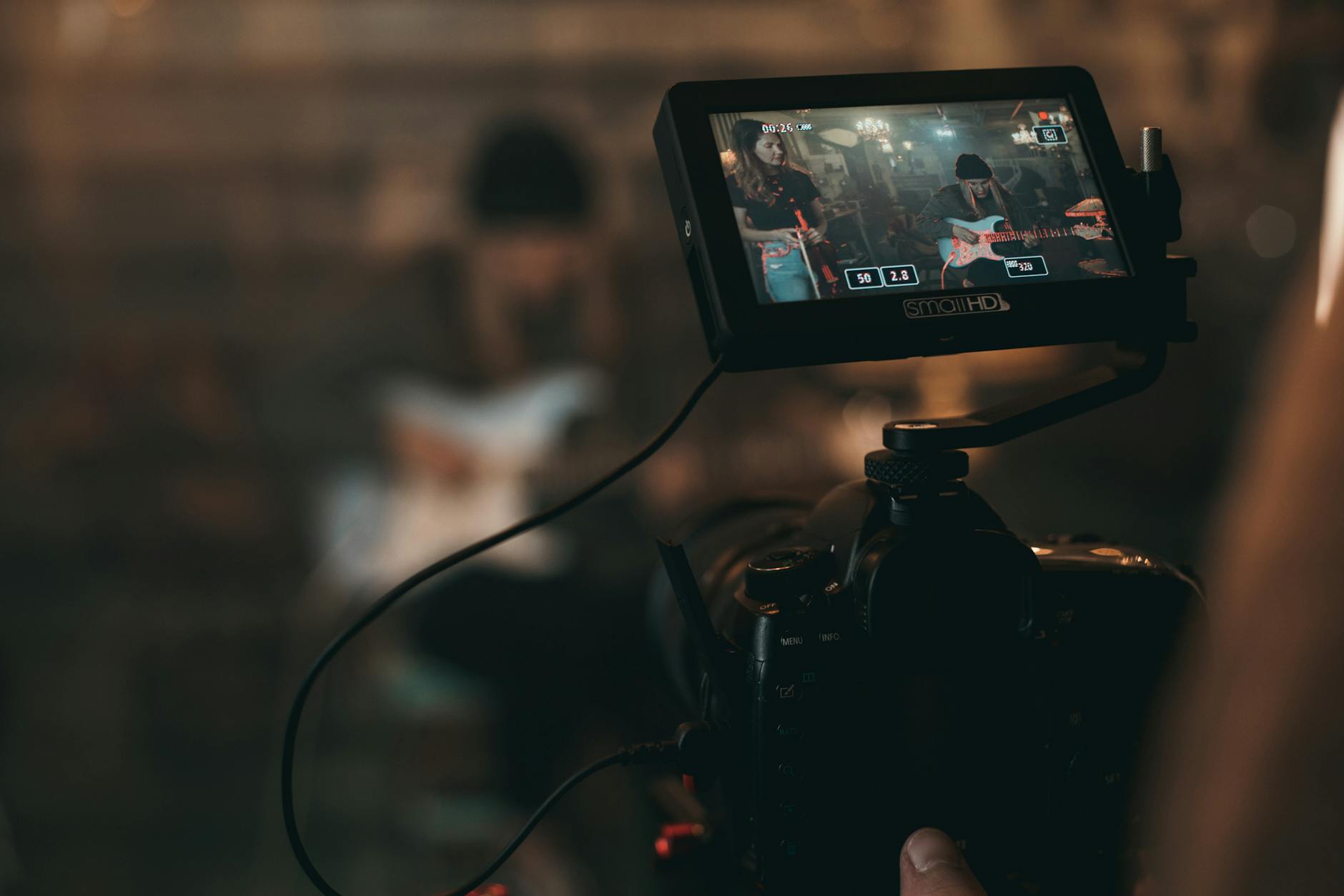
During the livestream, continuous monitoring of the broadcast health indicators is non-negotiable. Professional streaming consoles and software dashboards display metrics such as latency, jitter, packet loss, and buffer status. These tools facilitate instant detection of issues, enabling operators to implement corrective actions swiftly. Some systems incorporate AI-driven analytics that predict potential disruptions based on historical data, further preempting technical problems before they impact the broadcast.
Engaging Post-Event Analysis and Feedback Integration
Beyond the live production, analyzing performance metrics provides insights into the stream's overall quality and audience engagement. Post-event reports highlight areas for improvement, from infrastructural deficiencies to content delivery inefficiencies. Incorporating viewer feedback offers qualitative data that can inform future production strategies. Continuous refinement based on these assessments leads to more resilient streaming processes, higher-quality content, and increased viewer satisfaction.
Implementing these official and meticulous methods in livestream video production creates a professional, reliable broadcast environment. These practices reinforce a commitment to excellence and technical acuity, generating trust and credibility among audiences and stakeholders alike.