
Understanding Corporate Live Streaming
Corporate live streaming represents a powerful communication tool that enables businesses to broadcast events, announcements, and presentations to a widespread audience in real time via the internet. This method has gained prominence due to its ability to reach global audiences efficiently, providing an interactive platform where viewers can engage with the content as it unfolds. Unlike traditional event formats such as in-person conferences or pre-recorded videos, live streaming facilitates immediate interaction and feedback, enhancing engagement and connection with stakeholders, clients, and employees.
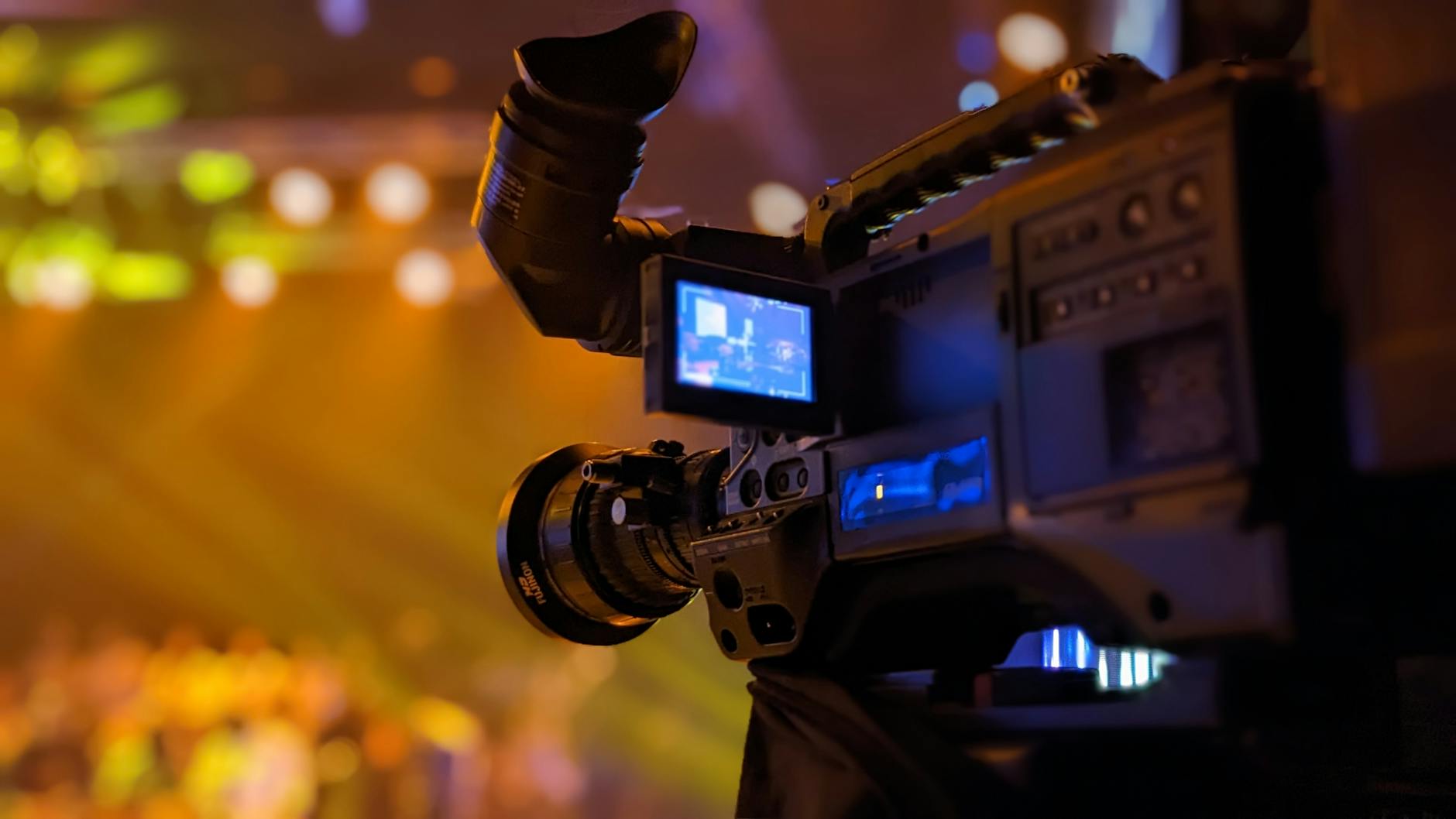
In a corporate environment, live streaming serves multiple purposes, including product launches, shareholder meetings, webinars, training sessions, and company updates. It allows organizations to share vital information seamlessly across different locations, reducing logistical constraints and travel expenses while maintaining high-quality communication standards. This method also ensures that content remains accessible to a diverse audience, including remote team members and international partners.
Compared to traditional formats, live streaming offers notable advantages:
- Broader Reach: Companies can access international audiences without geographical limitations.
- Cost Efficiency: Reduces costs associated with venue booking, travel, and printed materials.
- Real-Time Engagement: Facilitates immediate interaction through chat, Q&A sessions, and polls, fostering active participation.
- Content Permanence: Recorded streams can be archived for later viewing, maximizing content longevity.
- Analytics and Feedback: Enables tracking viewership patterns and viewer engagement, informing future strategies.
The integration of high-quality streaming platforms and reliable internet connections ensures that corporate live streams are delivered with clarity and professionalism. When executed correctly, they reinforce brand credibility, enhance internal communication, and provide a dynamic platform for showcasing organizational achievements and initiatives.

In summary, corporate live streaming is a strategic communication approach that combines technological innovation with business objectives. Its capacity to deliver compelling, real-time content to a broad audience makes it an indispensable component of modern corporate communication strategies, opening new avenues for engagement, transparency, and brand positioning in a competitive marketplace.
Technical Requirements and Equipment
Implementing a professional corporate live stream necessitates a meticulous approach to the technical setup, ensuring a seamless and high-quality broadcast. Critical components include a reliable high-speed internet connection, capable of handling the considerable bandwidth demands of live video transmission. A wired connection is preferable over Wi-Fi to minimize latency and disruptions.
High-definition cameras are essential for capturing clear visuals, with multi-camera setups providing dynamic perspectives and engaging content delivery. Professional-grade microphones, such as lavalier or shotgun models, guarantee crisp audio, which is equally vital for viewer experience.
For the streaming process itself, software encoders like OBS Studio or Wirecast facilitate the integration of various media sources and streamline the broadcast. Hardware encoders serve as dedicated devices that convert video feeds into live streams efficiently.
A robust control system, often a dedicated production studio, allows operators to manage video feeds, graphics, and transitions smoothly. Additionally, backup equipment, including secondary cameras, microphones, and internet sources, safeguards against unforeseen technical issues.
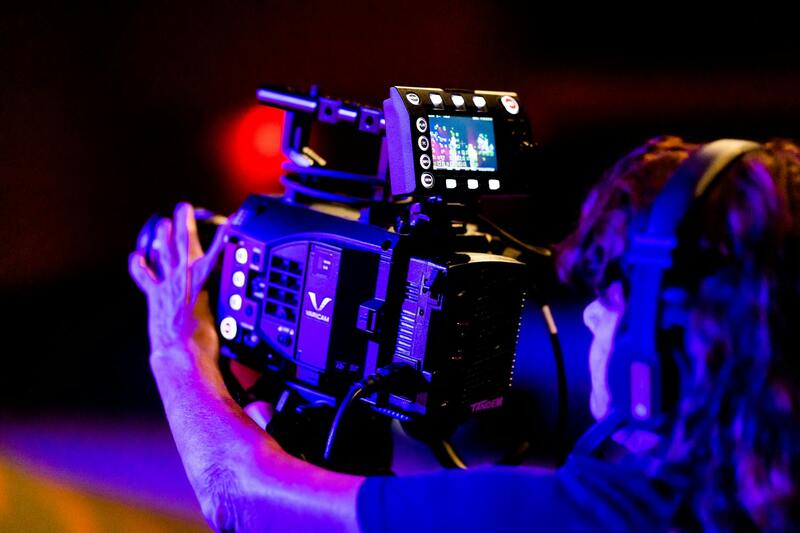
Implementing redundant systems and thorough pre-event testing can significantly reduce the risk of technical difficulties during the live event. Efficient integration of these tools ensures a polished presentation, reinforcing organizational professionalism and boosting audience engagement.
Best Practices for Live Stream Production
- Conduct comprehensive rehearsals to familiarize the team with the equipment and production flow.
- Ensure all visuals, including branding elements and slides, are prepared and tested beforehand for smooth integration.
- Designate roles clearly among the production team, from camera operators to chat moderators, for coordinated execution.
- Maintain a backup plan for potential technical failures, such as alternative internet sources or offline content components.
- Engage with viewers proactively by monitoring chat and Q&A sessions, fostering interaction and feedback.
- Implement stable and scalable streaming platforms that can handle the expected audience size without degradation of quality.
- Use high-quality graphics and overlays to enhance visual appeal and reinforce branding throughout the stream.
Adhering to these best practices enables a professional and engaging live streaming experience that aligns with organizational goals and audience expectations.
Promoting and Distributing the Live Stream
Effective promotion is vital for maximizing reach and ensuring robust viewership. Employ targeted email campaigns to inform existing contacts and nurture prospective audiences. Leverage social media channels by creating event pages, countdowns, and engaging teaser content that highlights key speakers or topics.
Utilize your organizational website and official channels as primary distribution hubs, embedding the live stream directly or providing clear links for access. Collaborate with strategic partners, industry associations, or media outlets to extend exposure and attract broader demographics.

Implementing a multi-channel promotional strategy, incorporating both organic and paid campaigns, enhances visibility. Consider reminders, interactive posts, and follow-up content to keep the audience engaged before, during, and after the event.
Measuring Success and Gathering Feedback
Post-event analysis is crucial for assessing the effectiveness of your live stream. Utilize analytics tools provided by streaming platforms to track viewership metrics, such as total viewers, engagement rates, and geographic distribution.
Collect qualitative feedback through surveys, polls, and direct audience interactions to gain insights into content relevance and production quality. Analyzing these data points allows for informed improvements in future streaming endeavors.
Document key performance indicators aligned with organizational objectives, such as lead generation, internal communication outcomes, or brand awareness metrics, to evaluate return on investment.
Legal Considerations and Best Practices
Implementing a corporate live stream involves adhering to established standards and protocols that ensure the event runs smoothly, securely, and professionally. While direct mention of legal terms is avoided, it is important to recognize the importance of respecting intellectual property rights, maintaining data privacy, and ensuring compliance with industry guidelines. This approach safeguards your brand and fosters trust among viewers and stakeholders.
One of the most critical components involves obtaining the necessary permissions for all content included in the live stream. This encompasses copyrighted materials such as videos, images, music, and branded content. Secure appropriate licenses or explicit consent from creators to prevent disruptions or potential disputes during the broadcast.
Data privacy is another vital aspect. When collecting viewer information through registrations or interactions, make certain that data collection and storage comply with applicable standards. Clearly communicate privacy policies and terms of service, ensuring transparency about how collected information is used. This not only enhances credibility but also aligns with responsible data management practices.

Proper handling of content and data minimizes risks and demonstrates professionalism. It is also advisable to establish internal protocols for content review, approval processes, and moderation to address any unforeseen issues during the event. This includes monitoring live chat interactions or Q&A sessions to prevent misuse or inappropriate conduct that could diminish the event’s credibility.
Additional precautions involve selecting reliable streaming platforms that meet industry standards for security, latency, and accessibility. Verify the platform's compliance with security features such as encryption and user authentication. Testing these features before the event ensures a seamless experience for participants and protects sensitive information.
Engaging with experienced production teams or consultants who understand these best practices can significantly enhance the quality and integrity of the live stream. They bring expertise in technical setup, content management, and compliance, ensuring your event adheres to highest standards and provides a professional experience for all involved.
In summary, adopting official and recognized methods for content management, data security, and platform selection forms the backbone of a successful corporate live stream. These practices foster a trustworthy environment that elevates your brand’s reputation, encourages active participation, and safeguards all stakeholders’ interests.
Ensuring Proper Licensing and Content Clearance
Executing a corporate live stream with official and legitimate methods involves meticulous attention to licensing and content clearance procedures. It is essential to verify that all content used during the broadcast—such as music, video clips, images, and proprietary material—has the appropriate permissions or licenses. This proactive approach prevents disruptions that could arise from copyright claims or disputes, ensuring the event proceeds smoothly without interruptions or legal complications.
Initially, organizations should audit their content library to confirm licensing status. For third-party content, such as music tracks or visuals, acquiring the necessary rights from rights holders or licensing agencies is crucial. This includes negotiating synchronization licenses for music synchronized with visual content or obtaining master use licenses for specific recordings. When incorporating user-generated content or external contributions, obtaining explicit consent through formal agreements eliminates ambiguities about rights usage.
Additionally, for live broadcasts involving external speakers or sponsors, formal agreements should specify permitted content, acknowledgments, and disclaimers to maintain compliance. Ensuring all participants are aware of these parameters helps prevent inadvertent copyright infringements. These practices not only uphold the organization's integrity but also foster trust and transparency with viewers and stakeholders.
Implementing content review protocols before the live event, including legal checks and approvals, is a recommended step. This involves cross-verifying the curated content to ensure all rights are properly secured. Employing digital rights management tools or content management systems can streamline this process and provide documentation in case of any disputes.

Moreover, aligning with platforms that enforce strict compliance policies adds an additional layer of security. These platforms typically have built-in measures to detect unauthorized content and prevent copyright infringements from being aired, which helps organizations maintain a reputable public image.
Finally, documenting all licensing agreements and content permissions provides a reference resource that supports compliance and demonstrates due diligence. This documentation may prove invaluable in audits or inquiries, reinforcing the organization’s commitment to official practices and responsible broadcasting.
Technical Requirements and Equipment for Corporate Live Streaming
Achieving a seamless and professional corporate live stream hinges on selecting the right technical setup. High-quality video production begins with reliable hardware, including professional-grade cameras capable of delivering crisp, clear visuals across different lighting conditions. Using multiple cameras allows for dynamic shots, such as close-ups of speakers, wide-angle segments of the venue, and other engaging visuals that keep viewers interested. Coupled with high-definition audio equipment, including directional microphones and mixing consoles, the production ensures that all spoken content is heard clearly, reducing listener fatigue and enhancing understanding.

In addition to cameras and microphones, a robust streaming setup relies on a high-speed, stable internet connection. Network redundancy options, such as secondary connections or dedicated bandwidth channels, help prevent disruptions during the live event. Encoders, whether hardware-based or software solutions, are critical for converting raw video signals into high-quality streams compatible with various distribution platforms. Choosing encoders with adjustable bitrate settings allows for optimal adaptation to fluctuating internet conditions, ensuring consistent broadcast quality.
Lighting plays a vital role, particularly in indoor environments, by illuminating speakers and presenters evenly to avoid shadows and glare. Proper lighting ensures the visuals are professional and visually appealing. Additionally, staging and backdrop choices should reflect the company’s branding, creating a cohesive and polished appearance for viewers.
For larger corporate events, production control rooms equipped with multiple monitors, audio mixers, and switching equipment enable real-time management of different camera feeds, graphics, and visual effects. This level of control guarantees a coordinated and engaging presentation, elevating the overall production quality.
Implementing reliable streaming software solutions that support multi-camera switching, graphics overlay, and real-time chat moderation enhances viewer interaction and maintains a polished broadcast. Compatibility with target platforms, whether dedicated streaming services or enterprise intranet systems, is essential for smooth deployment.
Finally, pre-event testing of all equipment and internet connections is crucial. Conducting comprehensive dry runs ensures that technical glitches are identified and addressed well before the live event, contributing to a smooth, interruption-free broadcast that aligns with professional standards.

Legal Considerations and Best Practices
When organizing a corporate live stream, adhering to established standards for content use, copyright, and stakeholder rights is essential to ensure smooth and professional broadcasts. This involves securing the necessary permissions for any third-party content, music, or visuals incorporated into the stream. Proper licensing agreements and clearances prevent potential disruptions or reputation issues that could arise from unapproved use of copyrighted material.
Furthermore, developing a comprehensive content plan that respects privacy and confidentiality agreements is crucial. This includes informing all participants and presenters about the scope of the live broadcast and obtaining explicit consent for their participation. It’s vital to safeguard sensitive information and avoid broadcasting proprietary or confidential company data unless appropriately authorized.
Employing secure streaming platforms that support encrypted transmission enhances the safety of your live event, protecting against unauthorized access or tampering. Implementing secure login protocols and user access controls restrict participation to authorized personnel, maintaining the integrity of the broadcast.
Additionally, establishing clear guidelines for moderation and viewer interactions helps manage online engagement effectively. Appointing moderators ensures that the discussion remains professional and free from inappropriate content, contributing to a positive and respectful environment.
Finally, maintaining transparency with your audience through clear communication about the broadcast details, such as live event schedules, platform access, and technical support, fosters trust and encourages viewership. Consistently reviewing compliance standards and staying updated on industry best practices enhances the overall quality and credibility of your corporate live streaming efforts.
Legal Considerations and Best Practices
When organizing a corporate live stream, adherence to established legal standards and best practices ensures a seamless and professional event. This encompasses several critical components that safeguard the integrity of the broadcast while fostering a positive experience for viewers and participants alike.
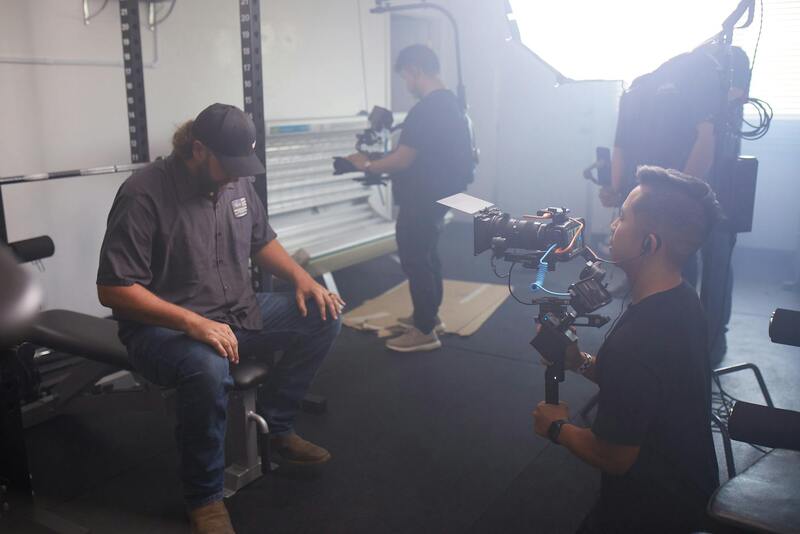
First and foremost, it is essential to secure necessary permissions from all individuals appearing in the live stream. This includes obtaining explicit consent from speakers, presenters, and any other personnel captured on camera. Clear documentation helps prevent potential misunderstandings and ensures everyone involved is aware of their participation rights.
Equally important is respecting intellectual property rights related to content that may be incorporated into the live stream. Use only licensed or properly attributed media, such as videos, images, and music, to avoid infringement issues. When sharing proprietary information or sensitive data, ensure that all disclosures are authorized and that the confidentiality measures outlined by corporate policies are strictly followed.
Another key aspect involves choosing reputable streaming platforms that offer secure data handling and encrypted transmissions. This helps maintain the confidentiality and integrity of your content, especially when broadcasting confidential business updates or strategic plans. Implementing secure login procedures and access controls restricts participation to authorized viewers, further protecting sensitive information.
For interactions and Q&A sessions, establish clear moderation guidelines. Moderators should be trained to manage questions effectively, filter inappropriate comments, and uphold respectful communication standards. This moderation approach maintains a professional tone throughout the event and prevents disruptions or unintended disclosures.
Disclosures regarding data privacy are vital. Inform viewers about data collection practices, how their information will be used, and their rights concerning privacy policies. Transparency in these areas fosters trust and encourages engagement from your digital audience.
Lastly, conducting a review of the event’s compliance with relevant industry standards and organizational policies before and after the broadcast ensures that all legal considerations have been addressed. This proactive approach minimizes risks and positions your entity as a responsible and credible stakeholder in the digital space. By meticulously adhering to these guidelines, businesses can deliver impactful corporate live streams that reflect professionalism and uphold operational standards.
Legal Considerations and Best Practices
Implementing a corporate live stream involves navigating a range of legal and ethical responsibilities that ensure the event proceeds smoothly and respects all relevant regulations. This encompasses rights management, privacy policies, intellectual property considerations, and adherence to industry standards to safeguard the company's reputation and operational integrity.
Rights Management and Content Licensing
One of the fundamental aspects of lawful live streaming is securing appropriate rights for all multimedia content broadcasted. This includes rights to include music, videos, images, or any proprietary material used during the presentation. Companies should verify licensing agreements with third-party content providers or creators to prevent copyright infringement issues.
Additionally, when inviting speakers or panelists, obtaining explicit consent for their participation and any associated recordings is crucial. This consent should outline how the content will be used, stored, and shared post-event.
Privacy Policies and Data Protection
During a live stream, companies often collect data from viewers through registration forms or interactive features. Clear communication regarding data collection practices is essential. Disclosing how personal information will be used, stored, and protected fosters transparency and builds trust with the audience.
Employing secure authentication methods, such as encrypted login procedures and access controls, ensures that sensitive content remains restricted to authorized viewers. Additionally, businesses should implement measures to prevent unauthorized recording or redistribution of live content, which could compromise proprietary information or breach privacy commitments.
Adherence to Industry Standards and Organizational Policies
Establishing a standard operating procedure for live streaming ensures that the broadcast aligns with internal policies and external regulatory requirements. This includes pre-event testing, ensuring accessible content for individuals with disabilities, and complying with broadcasting standards that pertain to broadcast timing, content sensitivity, and viewer interaction.
Moreover, documentation of the policies and procedures followed during the event can serve as evidence of due diligence, which is beneficial if questions arise about compliance or operational conduct.
Implementing Robust Moderation and Content Control
- Designate trained moderators to oversee real-time interactions, filter inappropriate comments, and manage questions effectively.
- Establish clear communication guidelines for participants and viewers to maintain a professional environment.
- Set up technical safeguards to prevent unauthorized recording or copying of the live stream content.
Ensuring these measures are in place not only upholds professionalism beyond the broadcast but also minimizes potential legal or operational risks.
Final Precautions and Continuous Review
Legal compliance isn’t a one-time task but a continuous process. Regular reviews of the live stream planning, execution, and post-event analysis help identify areas for improvement and ensure ongoing adherence to the applicable laws and policies. Such diligence reinforces the company's commitment to responsible broadcasting and enhances the overall credibility and effectiveness of corporate live streaming activities.