
Understanding Live Stream Production Services
Live stream production companies play a vital role in delivering high-quality digital broadcasts for a wide array of events. These specialized service providers are equipped to handle every stage of the live streaming process, from conceptualization to going live. Their core services encompass video broadcasting, which involves capturing, encoding, and transmitting live video feeds seamlessly across various online platforms. These companies also provide comprehensive equipment setup, including professional cameras, audio equipment, lighting, and internet connectivity solutions tailored to the event's unique requirements.
Technical support is a cornerstone of their service offerings, ensuring smooth broadcasting with minimal disruptions. Live stream production firms manage multiple tasks such as establishing seamless video switchovers between cameras, integrating graphics and overlays for enhanced visual appeal, and managing audio quality for clarity and impact. Their experience and technical expertise are essential for producing professional broadcasts that can engage viewers, whether the event is a corporate conference, a music concert, a religious service, or a sports competition.
Beyond the technical aspects, many live stream production companies also assist with pre-event planning, including the consultation and design of live streaming workflows. They evaluate the venue's technical infrastructure, recommend suitable hardware, and coordinate with clients to meet specific broadcast goals. This comprehensive approach ensures reliable and high-quality live streaming experiences that meet the expectations of organizers and viewers alike.
Understanding Live Stream Production Services
Live stream production companies offer a comprehensive range of services that extend beyond the basic transmission of video content. These entities serve as essential partners for event organizers, corporate clients, and broadcasters aiming to deliver high-quality live content across multiple platforms. Their expertise encompasses the entire lifecycle of a live streaming event, from initial planning and technical setup to post-event analysis.
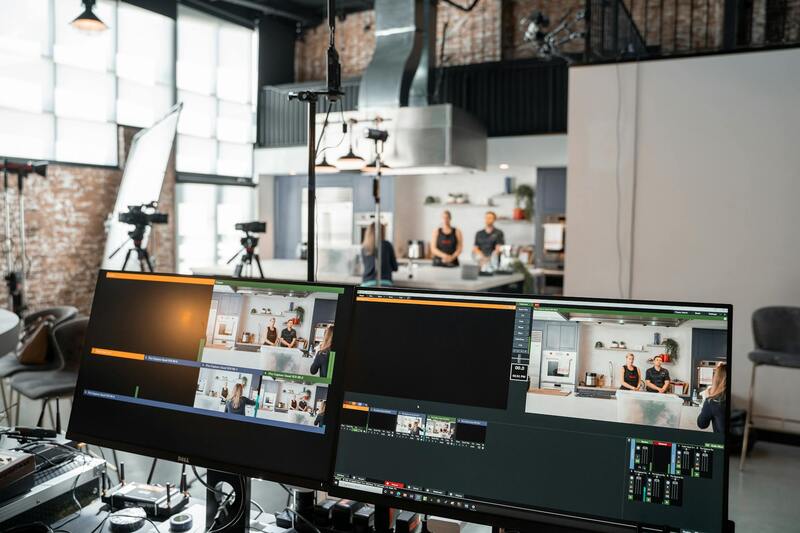
Central to their role is the design of a tailored workflow that aligns with the event’s objectives, audience size, and venue constraints. This involves detailed assessments of the venue’s existing infrastructure, identifying optimal locations for cameras and audio equipment, and establishing reliable internet connectivity. Production companies coordinate with clients to establish clear communication channels and define key moments to highlight during the broadcast.
Advanced hardware such as multiple camera systems, switchers, encoders, and audio mixing consoles form the backbone of professional live streaming setups. These tools enable dynamic switching between different camera angles, synchronized audio feeds, and real-time graphics or overlays that enhance viewer engagement. Many companies also incorporate specialized equipment like robotic cameras and wireless transmitters to expand creative possibilities and improve coverage in challenging environments.
Moreover, live stream production companies provide on-site technical personnel responsible for operating equipment, troubleshooting issues, and ensuring a smooth broadcast from start to finish. This technical staff collaborates closely with event organizers to adapt to unexpected situations swiftly, minimizing disruptions and maintaining a professional appearance throughout the event. Their presence guarantees that technical problems are swiftly addressed, safeguarding the quality of the viewer experience.
The integration of social media and interactive features is increasingly vital within live streaming strategies. Many production firms facilitate real-time viewer interaction through live chat integrations, polling, and social media overlays, fostering a sense of community and immediacy. These capabilities are especially beneficial for brand launches, product demonstrations, and interactive panel discussions, where engaging the online audience significantly amplifies event impact.
From webinars and corporate town halls to music festivals and sports competitions, providers adapt their services to suit a broad spectrum of event types. Their capacity to customize content delivery—such as multi-camera feeds, 4K streaming, and synchronized multi-platform broadcasts—ensures that every event is presented professionally and reaches the intended audience effectively.
In the vibrant city of Miami, with its energetic cultural scene and bustling corporate environment, partnering with experienced live stream production companies can elevate the profile of any event. Their local presence provides advantages in logistical coordination and understanding of regional preferences, making sure that every streamed event resonates well with viewers and achieves its intended outreach goals.
Technology and Equipment Used in Live Streaming
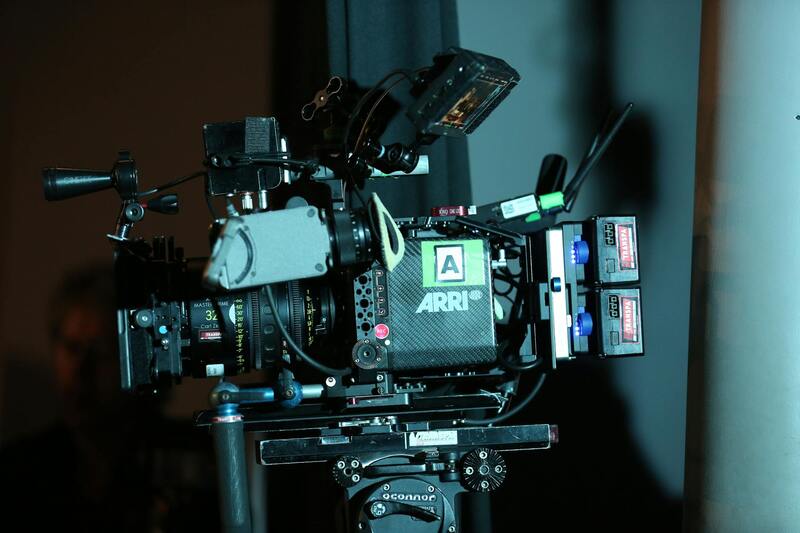
Professional live stream production companies in Miami utilize advanced technology and high-quality equipment to ensure seamless broadcasting experiences. Central to their setup are multiple high-resolution cameras, often including 4K-capable models, which enable versatile shot compositions and dynamic visuals that engage viewers. These cameras are operated by skilled technicians who can switch between different angles and close-ups in real-time, creating a polished, cinematic presentation.
Audio quality is equally critical, with professional-grade microphones, audio mixers, and soundboards used to capture clear, balanced sound irrespective of ambient noise or live event conditions. Proper audio management ensures that speakers, performers, or panelists are heard distinctly, which is vital for maintaining viewer engagement.
Live streaming software and hardware encoders convert the video and audio signals into synchronized digital streams suitable for multiple platforms. These encoders support various streaming protocols and formats, allowing for smooth multi-platform broadcasts. As a common practice, providers also implement redundant backup systems to prevent interruptions caused by technical failures.
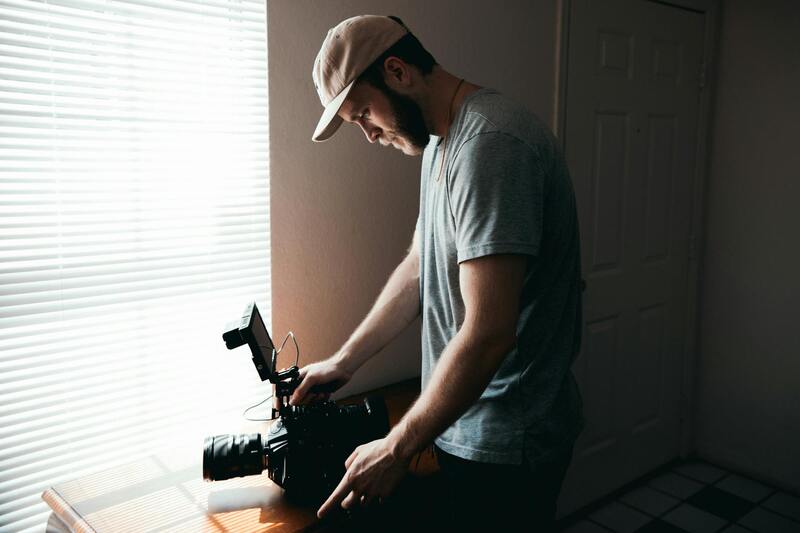
With trending technologies such as wireless streaming solutions and 4K broadcasting capabilities, Miami production specialists can deliver high-definition content that maintains quality across different devices and network conditions. Additionally, integrated graphics, on-screen overlays, and real-time editing functionalities enhance the visual presentation, ensuring that branded content, event titles, or other informational elements are prominently featured.
Cost Factors and Budgeting for Live Stream Production
Budget considerations for live stream production in Miami depend on several factors, including the scale of the event, the complexity of required services, and the level of technical sophistication involved. Basic live streams for smaller audiences might primarily entail camera operators and streaming software, resulting in more affordable packages.
Conversely, larger events—such as multi-camera productions, high-definition streams, or multi-platform broadcasts—require additional equipment, personnel, and post-production work, which naturally increase costs. Customizing services, such as including interactive features, integrating social media, or performing real-time graphics overlays, can also influence the overall budget.
Many Miami-based companies offer tiered pricing models to accommodate diverse needs, providing flexible options that can be tailored to tight or expansive budgets. A detailed consultation with production experts can help identify the most cost-effective solutions that align with specific goals and logistical considerations.
Understanding Live Stream Production Services
When considering live stream production, it’s essential to understand the range of services that professional companies offer to ensure seamless broadcasting. These services encompass pre-production planning, where detailed technical rehearsals and content structuring occur. On the day of the event, skilled technicians operate multi-camera setups, manage broadcast switching, and oversee audio-visual synchronization to deliver a polished output. Post-production elements might include editing for highlight segments, adding graphics or subtitles, and analyzing viewer engagement metrics to optimize future streams.
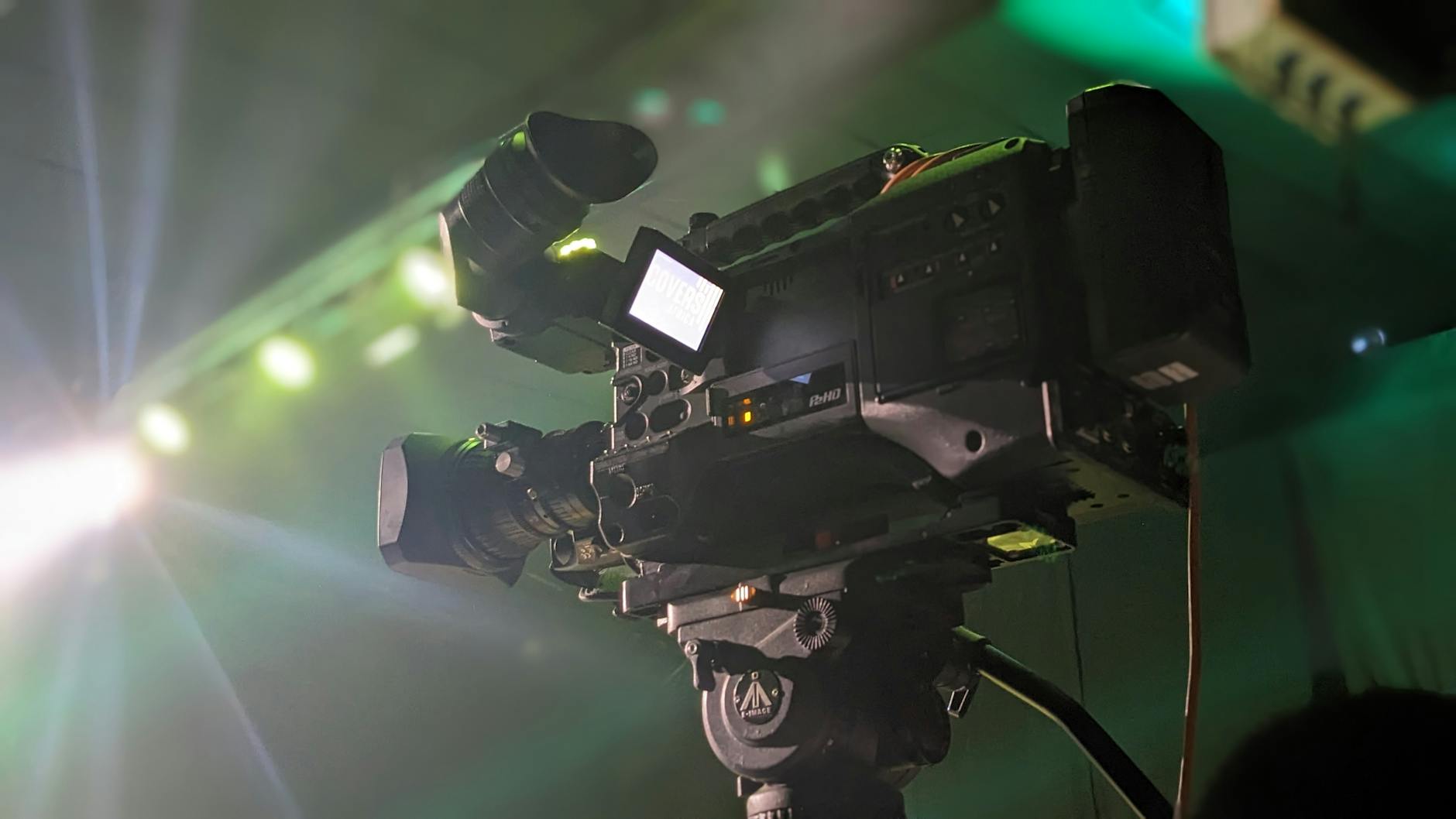
The integration of advanced hardware such as robotic cameras, audio mixers, and video switchers enables companies to create dynamic and visually compelling streams. These capabilities are supported by sophisticated software platforms that facilitate smooth switching between camera feeds, overlay animations, and real-time graphics, enriching the viewer experience. Reliable internet solutions are also critical; thus, many Miami providers utilize bonded cellular networks or fiberoptic connections to prevent interruptions and buffer times, even during high-traffic streams.
Types of Equipment Utilized by Miami Live Stream Production Companies
• Professional-grade cameras with high-definition (HD) or ultra-high-definition (UHD) capabilities, ensuring clarity regardless of the viewing device. • Video switchers capable of managing multiple feeds swiftly and efficiently. • Audio equipment like wireless microphones, mixers, and speakers, to guarantee crystal-clear sound. • Real-time graphics software for branding, event titles, or interactive elements. • Advanced encoding hardware/software that ensures stable streaming across multiple platforms. • Backup internet connections and power supplies to prevent disruptions during live broadcasts.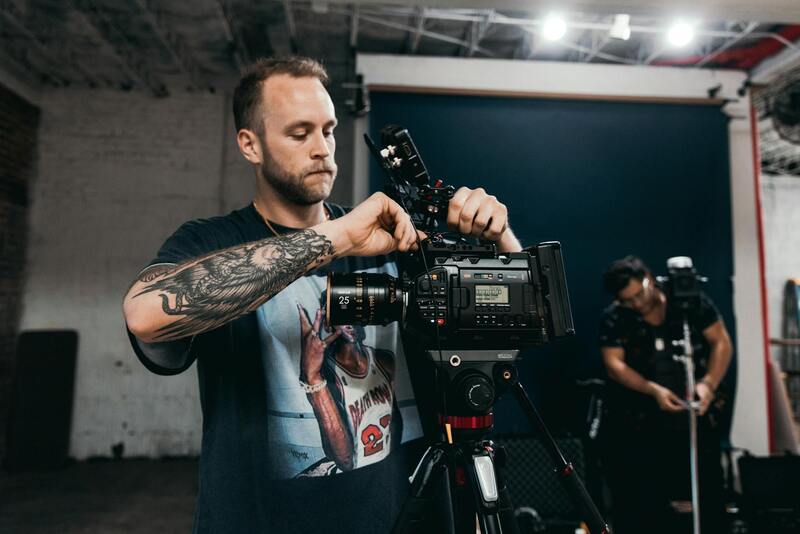
Employing the latest technology not only guarantees a high-definition viewing experience but also minimizes the risk of technical difficulties. Because live events often involve unpredictable elements, such as sudden audience engagement or unforeseen technical issues, Miami-based production companies prioritize adaptable solutions. Cloud-based workflows, real-time monitoring systems, and remote support teams further enhance the reliability of live broadcasts, reassuring clients that their content reaches audiences smoothly and professionally.
Understanding Live Stream Production Services
Live stream production services encompass a comprehensive suite of technical and creative solutions designed to broadcast events seamlessly across digital platforms. These services include everything from pre-event planning, content development, and technical setup, to the actual live broadcasting and post-event analysis. Professional live stream production companies leverage their expertise to ensure that every aspect of the broadcast aligns with the client's objectives, delivering high-quality audiovisual content that engages audiences effectively. Such companies typically assemble a team of experienced professionals, including technical directors, camera operators, audio engineers, and graphics specialists, to oversee each phase of the live streaming process.
When engaging with a live stream production firm, clients benefit from tailored solutions that accommodate various event formats, audience sizes, and technological requirements. Whether streaming a corporate town hall, product launch, conference, or concert, these companies adapt their strategies and resources to meet specific needs. The integration of advanced hardware and software ensures that streams are stable, visually appealing, and broadcast with minimal latency. Additionally, these services often include multi-platform distribution, enabling content to reach audiences across social media, corporate websites, or third-party streaming platforms for maximum visibility.
Ensuring consistency and professionalism in live streaming involves meticulous planning, technical support, and on-the-fly troubleshooting. Production companies often conduct pre-broadcast rehearsals, test runs, and coordinate with clients to establish clear communication channels. During the event, real-time monitoring allows immediate resolution of potential issues, while post-event analytics provide insights into viewer engagement and stream performance, helping clients optimize future broadcasts.

Key Factors in Choosing a Live Stream Production Company in Miami
Selecting the right live stream production partner in Miami requires careful consideration of several critical factors. The company's technical expertise, experience with similar events, and familiarity with local infrastructure significantly influence the success of the broadcast. An established firm should demonstrate a strong portfolio of past projects, showcasing their ability to handle diverse event types and scales efficiently.
Additionally, assessing the company's access to cutting-edge equipment and their capacity to customize solutions to meet specific needs plays a vital role. It’s essential to inquire about their contingency planning, backup systems, and remote support capabilities, which are crucial in maintaining broadcast continuity under unpredictable circumstances. Client testimonials and case studies further illuminate the company's professionalism and reliability.
Effective communication and transparent pricing are also fundamental. A reputable Miami-based live stream production company will provide detailed proposals, outline the scope of services, and clarify costs upfront. Their team should be responsive, communicative, and proactive in addressing client concerns, ensuring alignment from planning through execution.
Types of Events Covered by Miami Live Stream Firms
Miami's live stream production companies cater to a diverse array of events, employing specialized techniques to suit each occasion. Corporate events such as product launches, webinars, and virtual conferences are common, requiring high production values, multiple camera angles, and integrated branding. Live concerts, festivals, and awards shows benefit from multi-camera setups, stage graphics, and audience interaction features designed to elevate viewer engagement.
Educational institutions and nonprofit organizations often rely on live streaming for seminars, workshops, and fundraising events, emphasizing accessibility and clarity. Religious services and community gatherings also benefit from professional broadcasts that extend their reach beyond physical attendees. Furthermore, real estate firms and hospitality entities utilize live streaming for virtual tours, open houses, and promotional events, balancing visual storytelling with comprehensive client engagement tools.
Technology and Equipment Used in Live Streaming
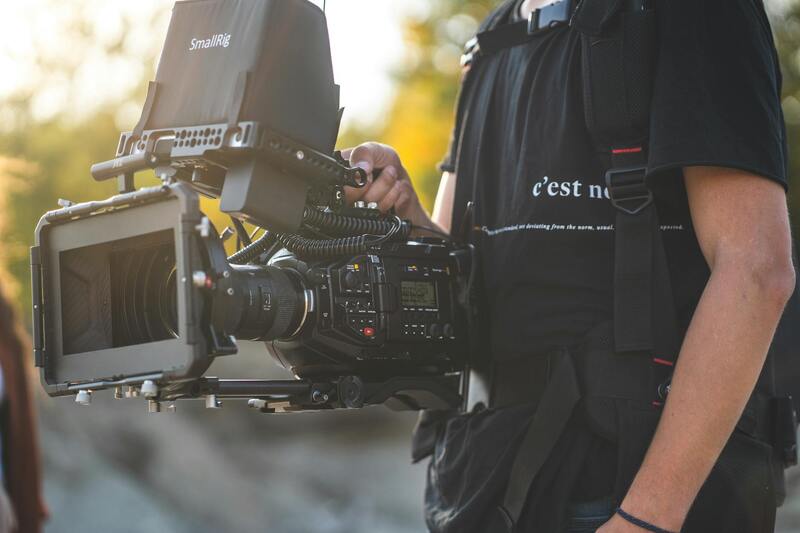
High-quality live streaming depends heavily on state-of-the-art technology and equipment. Leading Miami production companies utilize professional-grade cameras capable of capturing 4K or higher resolutions to ensure exceptional clarity regardless of the viewing device. Video switchers facilitate smooth transitions between shots, incorporating multiple angles, graphics, and effects to create a dynamic broadcast experience.
Audio fidelity is equally crucial, with wireless microphones, mixers, and high-performance speakers deployed to achieve pristine sound. Advanced graphics software allows for real-time branding, event titles, and audience interaction overlays, enhancing viewer engagement. Robust encoding hardware and software ensure stable streams across various platforms, minimizing latency and buffering issues. Redundant internet connections, including fiber optic lines and cellular backups, safeguard against disruptions, especially during high-traffic periods.
Employing cutting-edge tools such as live captioning, multi-camera switching, and remote monitoring systems further elevates the production quality. Cloud-based workflows facilitate real-time collaboration among team members, while remote support teams provide immediate assistance when technical hurdles arise. These technological investments are instrumental in delivering a seamless, professional broadcast that meets or exceeds client expectations.
Understanding Live Stream Production Services
Live stream production services encompass a comprehensive range of technical and logistical components that come together to deliver high-quality broadcasts for various events. These services include pre-production planning, real-time technical execution, and post-event handling, ensuring a seamless viewing experience across multiple platforms. From content development, stage setup, and camera operation to audio management, graphics integration, and encoding, live stream production demands meticulous coordination among skilled professionals. The goal is to capture the essence of an event dynamically while maintaining clarity, stability, and interactivity to engage a remote audience effectively.
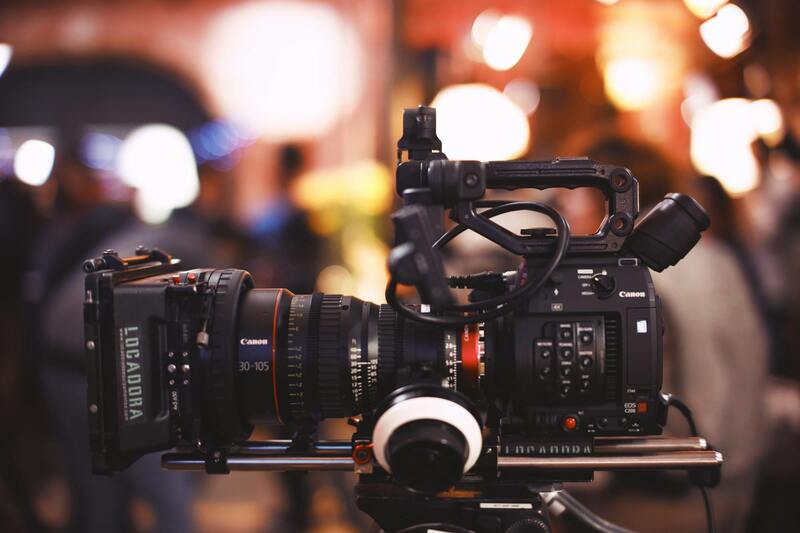
Professional live stream production companies utilize an array of advanced equipment and software solutions. High-definition cameras, typically capable of shooting in 4K resolution, serve as the primary visual sources, while video switchers enable seamless transitions and multi-camera angles. Microphones and sound mixers work together to provide crystal-clear audio, crucial for maintaining audience engagement. Graphics overlays, including branding, timers, and real-time captions, are integrated using sophisticated software to augment the visual appeal and provide vital information during broadcasts. Encoding hardware and software ensure the live feed is optimized for streaming platforms, minimizing latency and buffering issues, which are critical for the real-time nature of live events.
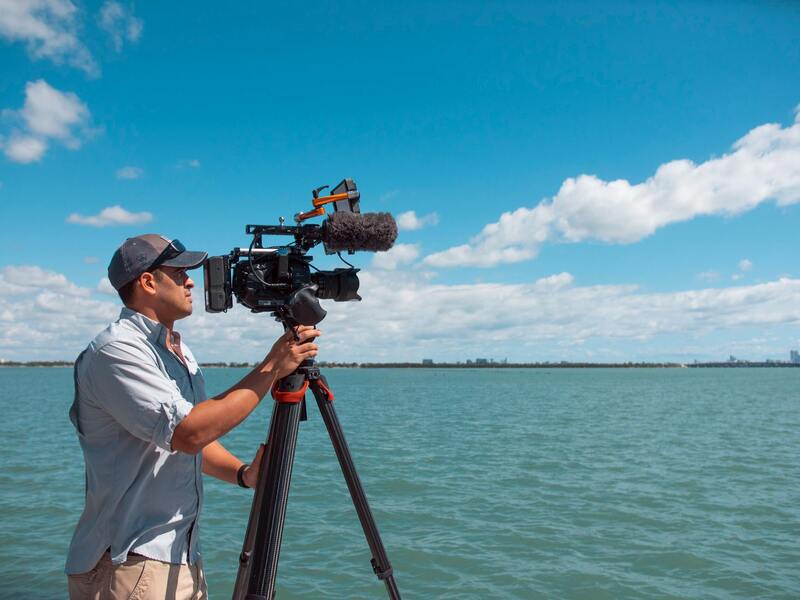
Equally important are the backup systems, such as redundant internet connections like fiber optics combined with cellular data, which safeguard against potential disruptions. Remote monitoring and control interfaces allow operators to adjust and troubleshoot in real-time, maintaining broadcast integrity throughout the event. Cloud-based workflows facilitate collaboration among the production team, enabling coordination from different locations and quick problem resolution. These integrated services culminate in delivering a compelling, polished live broadcast that maximizes viewer engagement and aligns with the client’s vision.
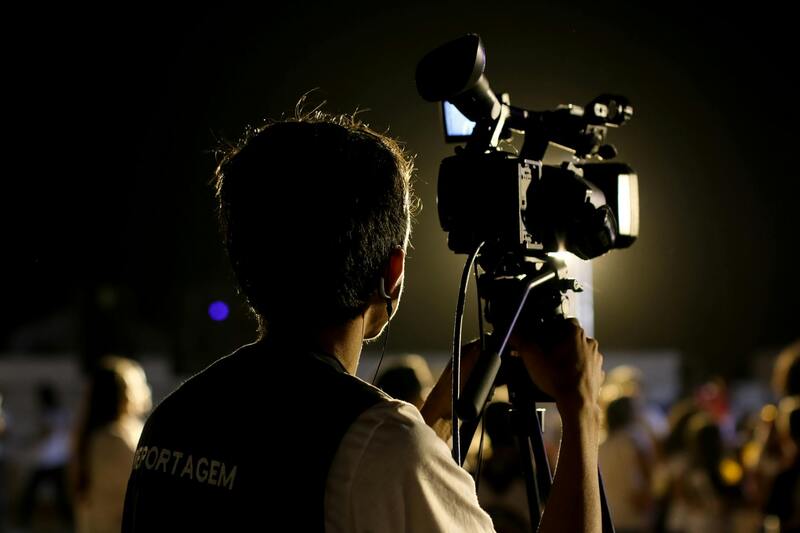
Moreover, many production companies incorporate innovative features such as live social media integration, audience interaction tools like real-time polls or Q&A sessions, and multi-platform streaming capabilities. These elements expand the event's reach and foster a more interactive viewer experience. As technology evolves, so do the capabilities of live stream production companies, enabling them to deliver increasingly sophisticated and engaging content for corporate events, concerts, sports, webinars, and more. Ensuring these services are expertly managed translates into a reliable and visually compelling broadcast, critical for the success of any live event.
Understanding Live Stream Production Services
Live stream production services encompass a comprehensive range of technical expertise and creative solutions designed to deliver high-quality broadcasts of live events. These services integrate advanced audiovisual equipment, real-time editing, multi-camera setups, and seamless encoding processes to ensure that the content reaches viewers with clarity and professionalism. Beyond simple streaming, these companies offer tailored solutions for diverse event types, adjusting their approach based on event scale, audience engagement goals, and specific technical requirements. The core aim of live stream production is to replicate the energy and impact of in-person experiences through digital platforms, maintaining broadcast fidelity while capturing the essence of the event in real time.
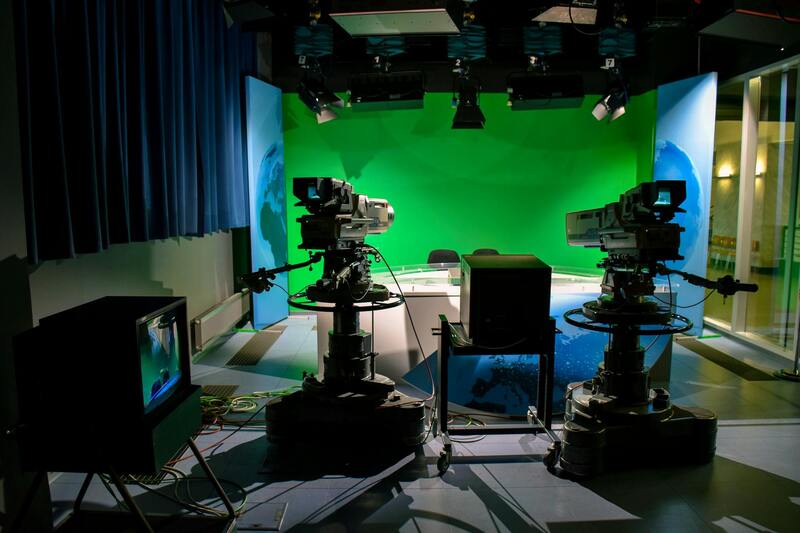
Effective live streaming demands meticulous planning, from initial consultation to post-event analysis. High-caliber companies leverage cutting-edge technology such as 4K cameras, robotic camera systems, live switching consoles, and specialized audio mixers to enhance production quality. Additionally, ancillary services like graphical overlays, live subtitles, and social media integration augment viewer engagement and accessibility. Maintaining a redundant and resilient infrastructure—such as dual internet connections and backup power sources—is crucial to prevent disruptions during broadcast. Remote monitoring and control capabilities allow technicians to oversee the live feed, troubleshoot issues, and make adjustments without interrupting the stream, ensuring an uninterrupted viewing experience.
Key Factors in Choosing a Live Stream Production Company in Miami
Selecting the right partner involves evaluating several critical aspects. Experience in managing a variety of event formats is essential, particularly those similar in scope and complexity to your upcoming event. An in-depth understanding of local broadcasting regulations and logistical considerations in Miami helps streamline planning processes. The company’s portfolio showcasing previous successful projects offers insight into their capabilities, especially regarding seamless multi-platform streaming and audience interactivity. Additionally, technical expertise, equipment robustness, and the availability of dedicated support staff all contribute to reliable service delivery. Transparent pricing and clear communication about deliverables further ensure your expectations align with the company's offerings, fostering a collaborative relationship that prioritizes quality and professionalism.
Types of Events Covered by Miami Live Stream Firms
Miami-based live stream production companies serve a diverse array of event categories, adapting their services to meet unique demands. Corporate webinars, product launches, and conferences benefit from high-definition broadcasting, seamless screen sharing, and real-time audience engagement tools. Live concerts, festivals, and sports events require robust camera coverage, on-site branding integration, and multi-angle views that capture the event's energy. Religious gatherings, charity galas, and community celebrations leverage live streaming to widen reach and facilitate virtual participation. Educational institutions utilize live streams for lectures, seminars, and graduations, necessitating reliable AV setups and interactive features such as Q&A sessions. No matter the event type, Miami production firms tailor their approach to produce engaging, professional content that resonates with the target audience and amplifies event visibility.
Technology and Equipment Used in Live Streaming
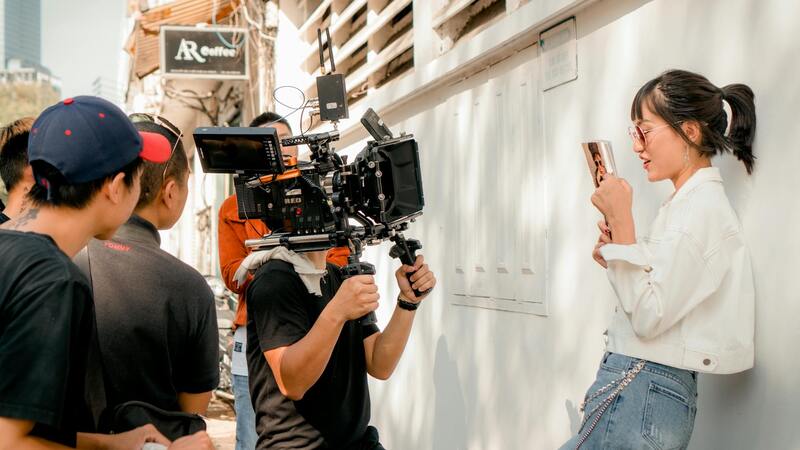
Advanced technology forms the backbone of successful live streaming operations. State-of-the-art cameras, including PTZ (pan-tilt-zoom) options, provide flexible shot management, while professional-grade audio equipment ensures crystal-clear sound. Live switching consoles allow producers to transition smoothly between camera feeds, apply visual effects, and integrate graphics in real time. Encoder hardware or software converts raw video into streaming-compatible formats, supporting multi-platform delivery. Reliable internet connectivity, often leveraging fiber optic links combined with cellular backup, ensures minimal latency and stability. The use of cloud-based workflows facilitates collaboration across teams, providing remote access to live feeds, control interfaces, and post-production editing tools. To maximize engagement, many companies implement features like live chat moderation, social media feeds, and audience polling, creating an interactive viewing environment.
Cost Factors and Budgeting for Live Stream Production
Budgeting for live stream production involves considering multiple components that influence overall costs. Equipment rental or purchase, including cameras, audio systems, and switching hardware, forms a significant portion of expenses. The complexity of the event, such as the number of camera angles, the need for on-site personnel, and additional services like graphics or talent, further impact costs. Location-specific factors, like logistical challenges or permits in Miami, can also influence pricing. For smaller events or limited online coverage, simplified setups with fewer cameras and less elaborate production elements are more cost-effective. Conversely, large-scale corporate conferences or festivals require comprehensive setups with multiple technical crews, advanced equipment, and extensive post-production support. Clear communication regarding your event's scope and expectations helps form an accurate budget plan, ensuring high standards without exceeding financial constraints.
How to Prepare for a Live Streaming Event with a Production Company
Effective preparation is fundamental to achieving a seamless live streaming event. Collaboration with your chosen live stream production company begins well before the event date, focusing on thorough planning and meticulous coordination. Establishing clear objectives and desired outcomes helps streamline decisions related to content, technical requirements, and audience engagement strategies. It is crucial to provide detailed information about the event format, expected duration, number of segments, and any special features like interviews or performances.
Creating a comprehensive run-of-show or script allows both your team and the production crew to anticipate necessary camera shots, graphics, and audio cues. This document serves as a roadmap, ensuring all participants understand their roles and timing. Additionally, conducting a site visit with the technical team is recommended to assess the venue’s infrastructure, lighting conditions, power sources, and physical layout. This pre-event inspection helps identify potential challenges, such as signal interference or infrastructural limitations, enabling proactive solutions.
It's essential to coordinate closely regarding equipment requirements and logistical arrangements. Providing the production company with access to the venue, including power outlets, internet connectivity options, and space for technical gear, minimizes surprises on event day. If the event involves live speakers or performers, implementing necessary rehearsals or dry runs ensures familiarity with the setup and reduces operational hiccups during the actual broadcast. These practice sessions also facilitate fine-tuning camera angles, audio levels, and graphics placement for optimal visual impact.
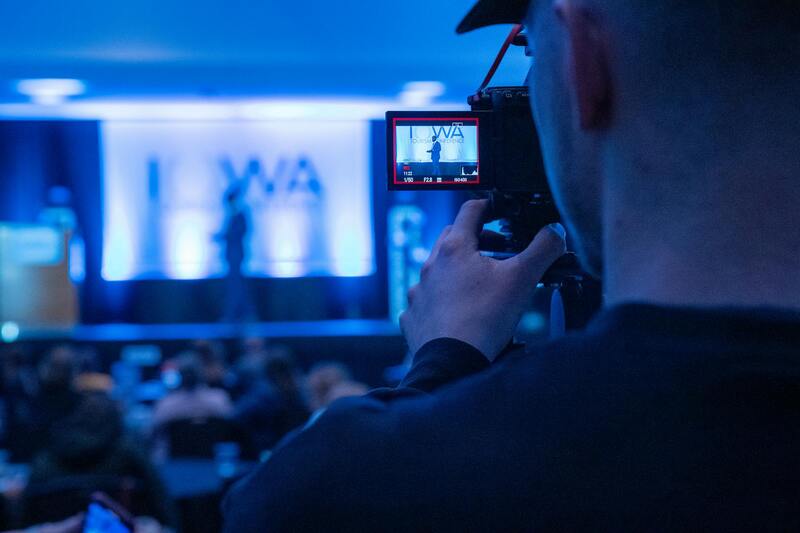
Another crucial aspect is communication. Establishing a clear point of contact, providing comprehensive event details, and confirming logistics help synchronize efforts between your team and the production company. Many firms also recommend creating contingency plans for potential technical issues, such as internet disruptions or equipment failures. Having backup solutions, like secondary internet links or spare hardware, safeguards against unforeseen problems and ensures continuous broadcast quality.
Finally, consider audience engagement strategies. Informing viewers about the event schedule, utilizing social media updates, and preparing interactive elements like live polls or Q&A sessions can significantly enhance viewer participation. Equipping your team with training on the streaming platform, chat moderation, and troubleshooting common issues ensures that the event proceeds without technical interruptions. Proper preparation not only enhances the production quality but also elevates the overall experience for your audience, establishing a professional presence that aligns with your brand's goals and expectations.