Understanding Live Video Stream Production
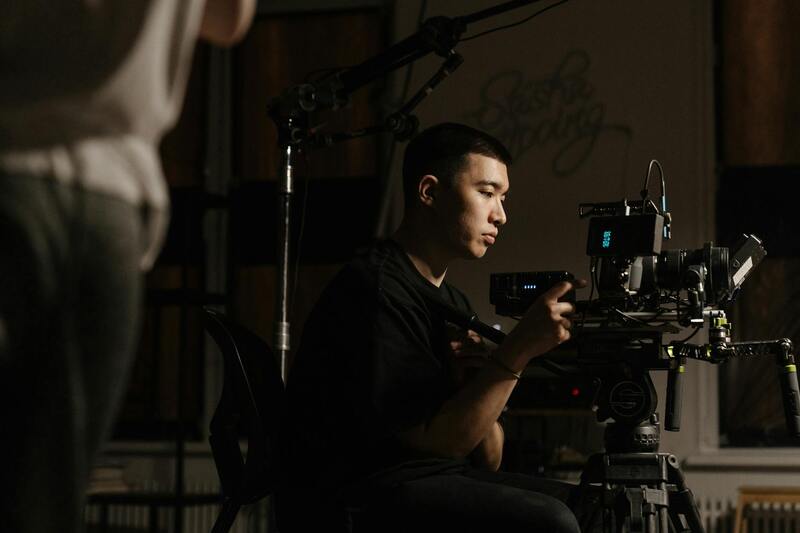
Live video stream production refers to the comprehensive process of creating real-time video content that is broadcast over the internet to a wide audience. This process involves multiple stages, from initial planning and content creation to the actual transmission and post-production analysis. Its successful execution requires a combination of technical expertise, advanced equipment, and strategic coordination to ensure a seamless viewing experience.

In the bustling media landscape of Miami, live video stream production plays a vital role for various sectors including corporate events, entertainment, sports, and education. Whether broadcasting a corporate seminar to thousands of viewers or streaming a local festival, the production quality directly impacts audience engagement and the event’s overall success.
Key components of live video stream production encompass several technical elements:
- Video Capture: High-definition cameras capture live footage, which is often supplemented with multiple angles for a more dynamic presentation.
- Audio Management: Clear, crisp sound quality is essential, achieved through professional microphones and mixing consoles.
- Encoding and Compression: The live footage must be encoded into digital formats suitable for streaming, requiring reliable hardware or software encoders that optimize quality without excessive latency.
- Streaming Infrastructure: Robust internet connectivity ensures smooth delivery of content. This involves selecting suitable bandwidth, backup connections, and content delivery networks (CDNs) for distribution.
- Production Control: On-site or remote technical directors coordinate the visuals, audio, and stream quality, making real-time adjustments as necessary.
The importance of professional live video stream production extends beyond mere broadcasting. It enhances brand visibility, fosters audience engagement, and provides measurable analytics for future campaigns. In Miami’s vibrant market, the demand for high-caliber live streaming has grown, driven by events that seek to reach both local attendees and a global virtual audience with clarity and impact.
Visualizing the Process
Effective live stream production is a blend of art and science. It demands meticulous planning, a mastery of technical tools, and a deep understanding of audience engagement patterns. As technology advances, the potential for innovation within live stream production continues to expand, making it an essential component of modern media strategy.
Equipment and Technology Essentials
Executing a high-quality live video stream requires a comprehensive understanding of the essential equipment and technology. Proper selection and integration of hardware ensure seamless production, minimal technical disruptions, and optimal viewer experiences. Key components include professional cameras, audio devices, switchers, and reliable encoding solutions.
Cameras and Audio Devices
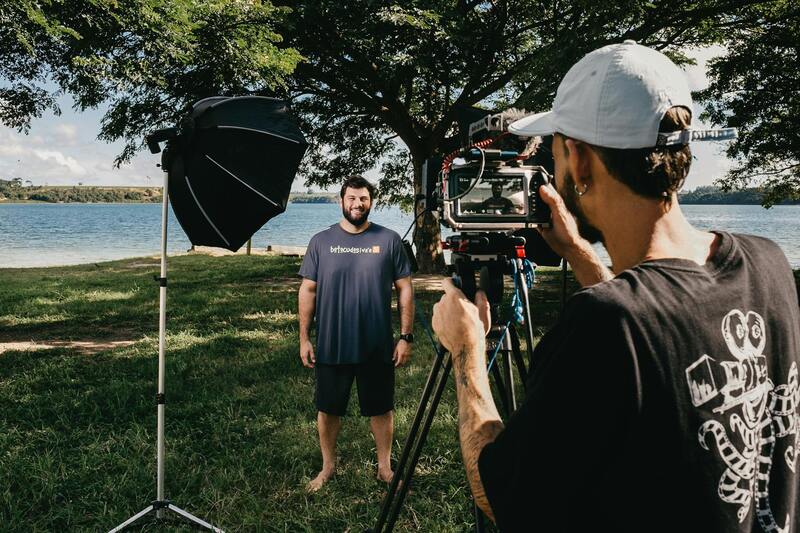
- Broadcast-Quality Cameras: Utilize high-definition digital cameras capable of capturing sharp, detailed footage under various lighting conditions.
- Microphones: Invest in professional microphones, such as lavalier, shotgun, or podium mics, to ensure speech clarity and reduce background noise.
- Mixing Consoles: Audio mixers allow for real-time sound balancing, ensuring consistent audio levels during the stream.
Encoding and Streaming Hardware
- Hardware Encoders: Devices that convert raw audio and video signals into digital formats suitable for streaming, reducing latency and improving reliability.
- Software Encoders: Applications designed to run on high-performance computers, offering flexible control over streaming parameters and integration with various platforms.
- Backup Systems: Redundant encoding solutions safeguard against hardware failure, ensuring continuous streaming in dynamic environments.
Supporting Infrastructure
- Reliable Internet Connectivity: At least 10 Mbps upload speed is recommended for HD streaming, with backup connections in place to mitigate network disruptions.
- Content Delivery Network (CDN): Partnering with a CDN facilitates efficient distribution of the live stream across geographic locations, reducing buffering and latency issues.
Additional Technological Tools
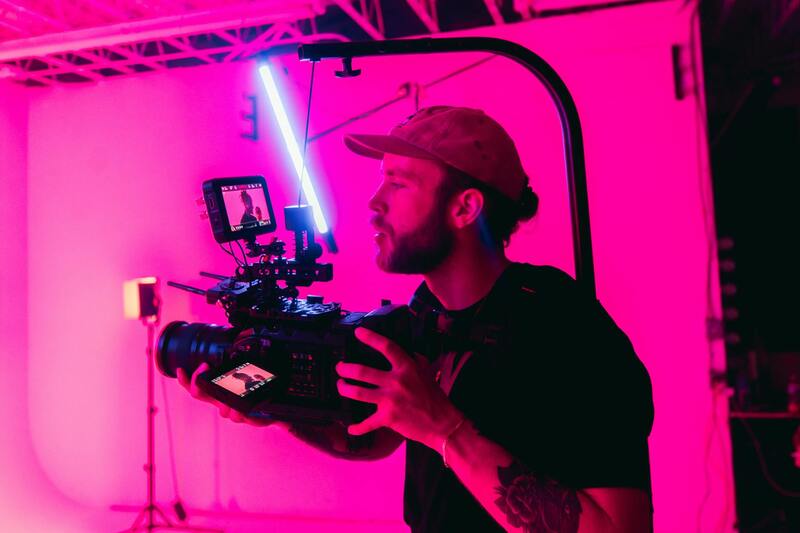
- Multi-View Monitors: Enable real-time monitoring of multiple camera angles and feeds, essential for live switchers to orchestrate engaging visuals.
- Graphics and Overlay Systems: Incorporate branding elements, lower thirds, and live annotations to enhance viewer engagement and content professionalism.
- Remote Control Interfaces: Facilitate managing and adjusting stream parameters from off-site locations, providing flexibility during productions.
Integrating these core elements requires a detailed understanding of workflow synchronization and technical compatibility. Proper planning and equipment selection are crucial to deliver content that not only meets professional standards but also resonates with diverse audiences, whether they are attending an event in Miami or tuning in from across the globe.
Essential Equipment and Technology for High-Quality Live Video Streaming
Achieving professional-grade live video streams necessitates a well-curated selection of hardware and software components. These elements work synergistically to facilitate seamless broadcasting, superior image quality, and reliable transmission. The foundational hardware includes high-definition cameras capable of capturing crisp visuals across diverse lighting conditions, along with camera control units that provide precision adjustments during live shoots.
Audio quality is equally critical. Directional microphones, wireless handheld units, or lavalier microphones are essential for capturing clear sound, reducing ambient noise, and ensuring voice clarity. Microphone mixers or audio interfaces help balance multiple audio sources, blending sound for a polished broadcast experience.
Switching equipment allows the seamless transition between different camera feeds and overlays. This process is managed through broadcast switchers or video mixers equipped with multiple inputs, real-time preview options, and effects capabilities to elevate the visual engagement of viewers.
Encoding tools, both hardware-based and software-based, compress video signals while maintaining quality for optimal delivery across the internet. Reliable encoding solutions are vital for reducing latency and buffering, directly impacting viewer satisfaction. Modern streaming workflows integrate advanced encoders with support for current protocols such as RTMP or SRT, ensuring broad compatibility and stability.
Stable and high-speed internet connections are non-negotiable. An upload bandwidth of at least 10 Mbps for HD streaming, complemented by backup internet sources, mitigates interruptions caused by network instability. Network switches, fiber optic connections, or cellular bonding solutions can provide redundancy, maintaining continuity even if primary connections falter.
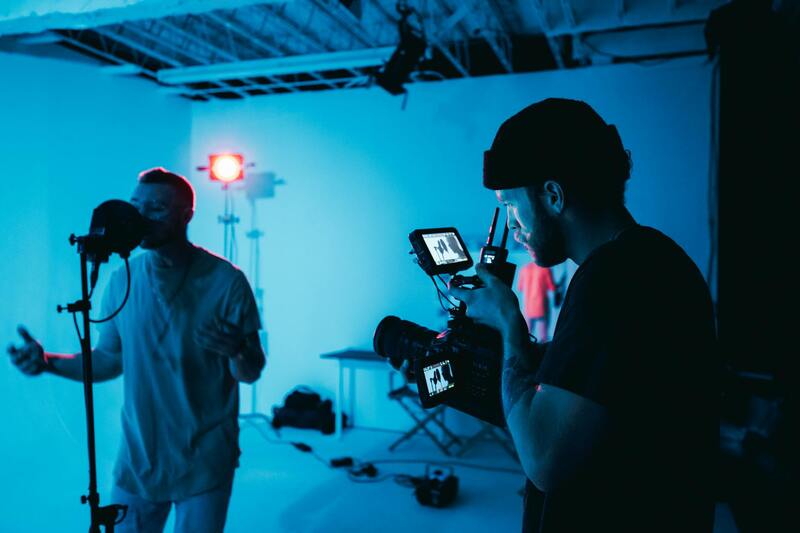
Integrating these hardware components with robust software platforms enables real-time management of video feeds, overlays, and transitions. Streaming software options with multi-platform support facilitate live broadcasting on various channels simultaneously, expanding reach and engagement. Content management systems allow scheduling, in-stream advertisements, and audience interaction features that boost viewer retention.
For optimal operation, comprehensive control panels or remote management interfaces are employed, allowing producers to oversee the stream from different locations. These tools are crucial for dynamic adjustments and troubleshooting during live broadcasts, ensuring a steady, professional presentation.
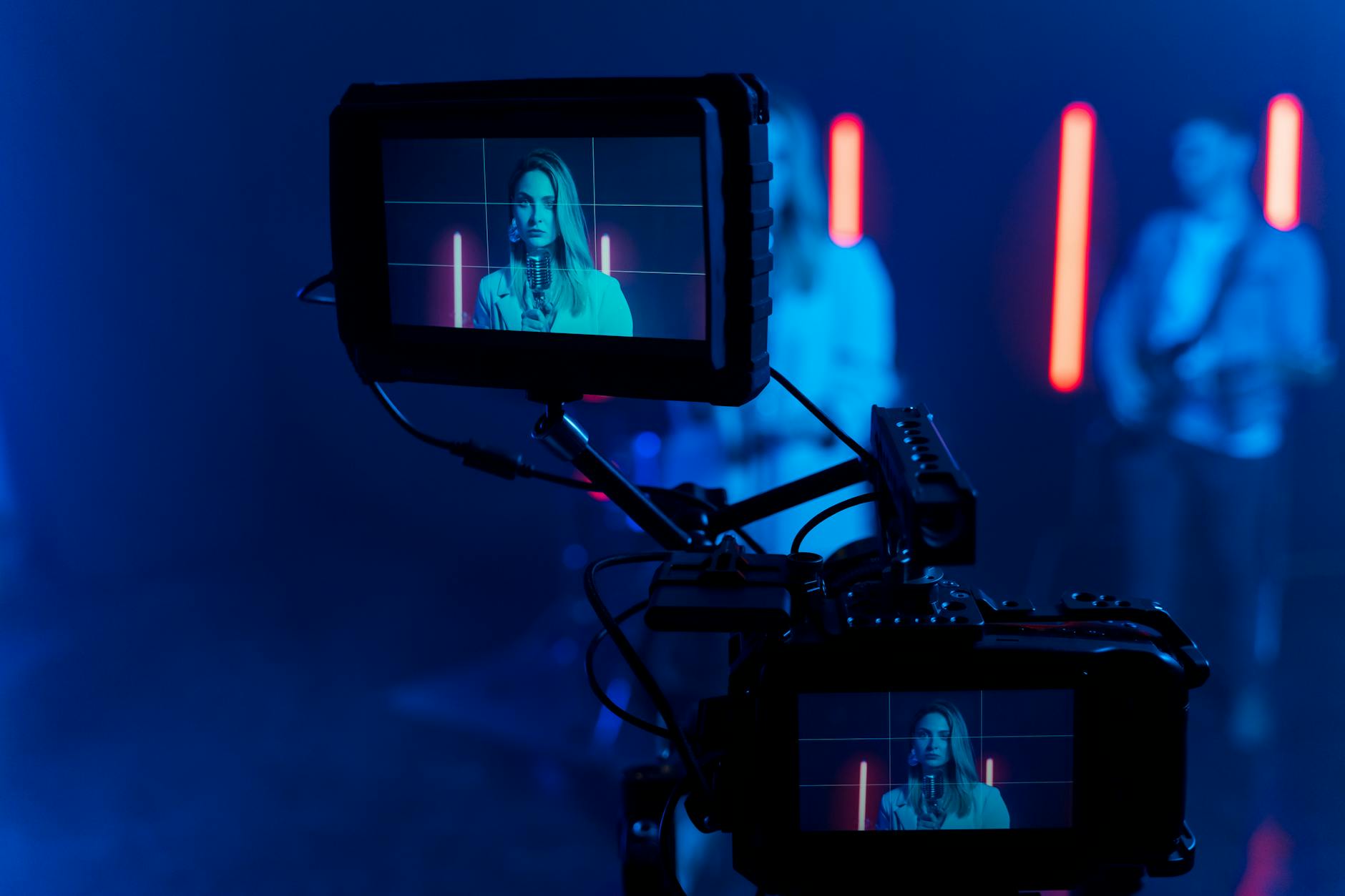
Fine-Tuning Workflow and Setup for Broadcast Efficiency
A meticulously planned workflow minimizes technical issues and maximizes production quality. From pre-production rehearsals to live execution, each step demands attention to detail. Setting up a dedicated control room with organized cabling, clear labeling of equipment, and optimized cable runs reduces clutter and potential disruptions. Testing all gear beforehand ensures compatibility and readiness for the live event.
The streaming environment must also incorporate proper lighting, consistent camera angles, and soundproofing to enhance visual and auditory clarity. This comprehensive setup creates an environment where live production can be executed smoothly, meeting high standards of professionalism and audience satisfaction.
Implementing Adequate Technical Infrastructure
Establishing a robust technical foundation is critical to delivering a seamless live video stream. The core components include high-quality cameras, professional-grade encoders, reliable internet connections, and synchronization systems that work harmoniously. Reliable internet connectivity, preferably through wired Ethernet connections with redundant backup options, ensures consistent data transmission and minimizes latency or interruptions. Encoders convert raw video signals into digital streams suitable for broadcast over the internet, making the selection of encoding hardware or software a strategic decision based on stream quality and scalability requirements.
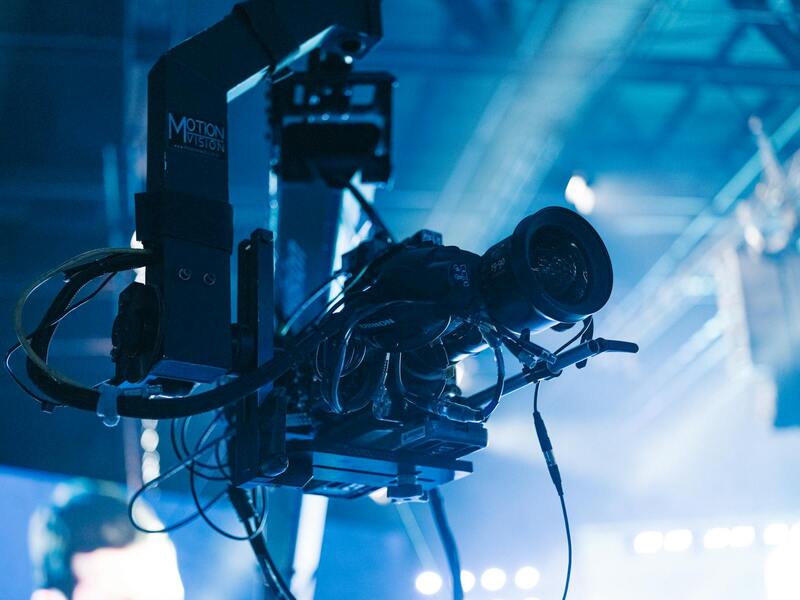
In addition to hardware, appropriate software tools are vital for real-time production control. These include switching software for managing multiple camera feeds, real-time graphics overlays, and audio mixing interfaces. Integration between hardware and software solutions enables dynamic scene changes, branding, and engaging visuals that enhance viewer experience. Regular updates and maintenance routines for all equipment should be part of operational protocols, preventing unforeseen technical failures during broadcasts.
Optimizing Live Stream Workflow for Efficiency and Quality
A well-structured workflow encompasses all phases of live production—from initial setup and rehearsals to the actual broadcast and post-production review. During setup, meticulous checks of all equipment, connections, and configurations are vital. Systematic testing of audio levels, camera angles, lighting conditions, and streaming software parameters helps identify potential issues early.
Effective planning also involves assigning clear roles among production team members, establishing communication protocols, and conducting rehearsals that simulate live conditions. This approach ensures each team member understands their responsibilities, allowing for swift problem resolution and smooth transitions during the live event. Additionally, setting up a dedicated control room equipped with organized cabling, labeled equipment, and backup power supplies reduces operational risks.
Stage Management and Lighting for Visual Impact
The staging environment plays a significant role in the overall production quality. Proper lighting is essential to highlight key subjects and create a visually appealing scene. Implementing three-point lighting techniques can provide depth and clarity, reducing shadows and glare that could distract viewers. Uniform lighting and color temperature consistency across different camera angles are crucial for maintaining visual coherence.
Strategic camera positioning ensures comprehensive coverage of the scene. Using multiple cameras with varying angles, such as close-ups, wide shots, and over-the-shoulder views, provides dynamic visuals that keep viewers engaged. Properly calibrated audio equipment, including multiple microphones and sound mixers, guarantees clear sound quality that complements the visual content.
Ensuring Smooth/live Streaming: Testing and Rehearsals
Prior to the live broadcast, conducting detailed rehearsals minimizes the risk of disruption. A comprehensive test run evaluates all technical elements—video feeds, audio levels, lighting, and stream stability. Rehearsals also give the production team the opportunity to rehearse transitions, graphics, and on-screen prompts, ensuring fluid execution. Adjustments made during these sessions help in fine-tuning the overall setup and confirming readiness.
Implementing backup systems, such as redundant internet connections and spare hardware, provides additional security against unexpected failures. Clear contingency plans should outline steps to address technical issues swiftly, maintaining viewer experience at a high standard.
Technical Challenges and Solutions
Executing successful live video stream production involves navigating a variety of technical hurdles that can impact stream quality and viewer experience. Common issues include bandwidth limitations, equipment failures, synchronization problems, and software glitches. Each challenge requires targeted solutions to mitigate risks and maintain a seamless broadcast.
Bandwidth constraints pose significant risks, especially when streaming high-definition content to large audiences. To address this, it is essential to utilize dedicated internet connections with sufficient upload speeds and consider employing adaptive bitrate streaming technologies. These approaches adjust the video quality dynamically based on network conditions, minimizing buffering and reducing viewer frustration.
Equipment failures, such as camera malfunctions or audio dropout, can disrupt the production flow. Implementing redundant hardware setups, including backup cameras, audio sources, and power supplies, can prove vital. Regular maintenance and pre-event equipment checks are also fundamental practices to ensure operational reliability.
Synchronization issues, particularly during multi-camera shoots, may cause jarring visual dissonance. Calibration of cameras and real-time monitoring during the live event help maintain consistency. Software solutions with audio/video sync features can also be integrated to facilitate precise timing.
Software glitches, including streaming platform bugs or encoding errors, can be mitigated through thorough testing and using trusted, updated software versions. Running test streams prior to the event enables identification and resolution of potential software conflicts.
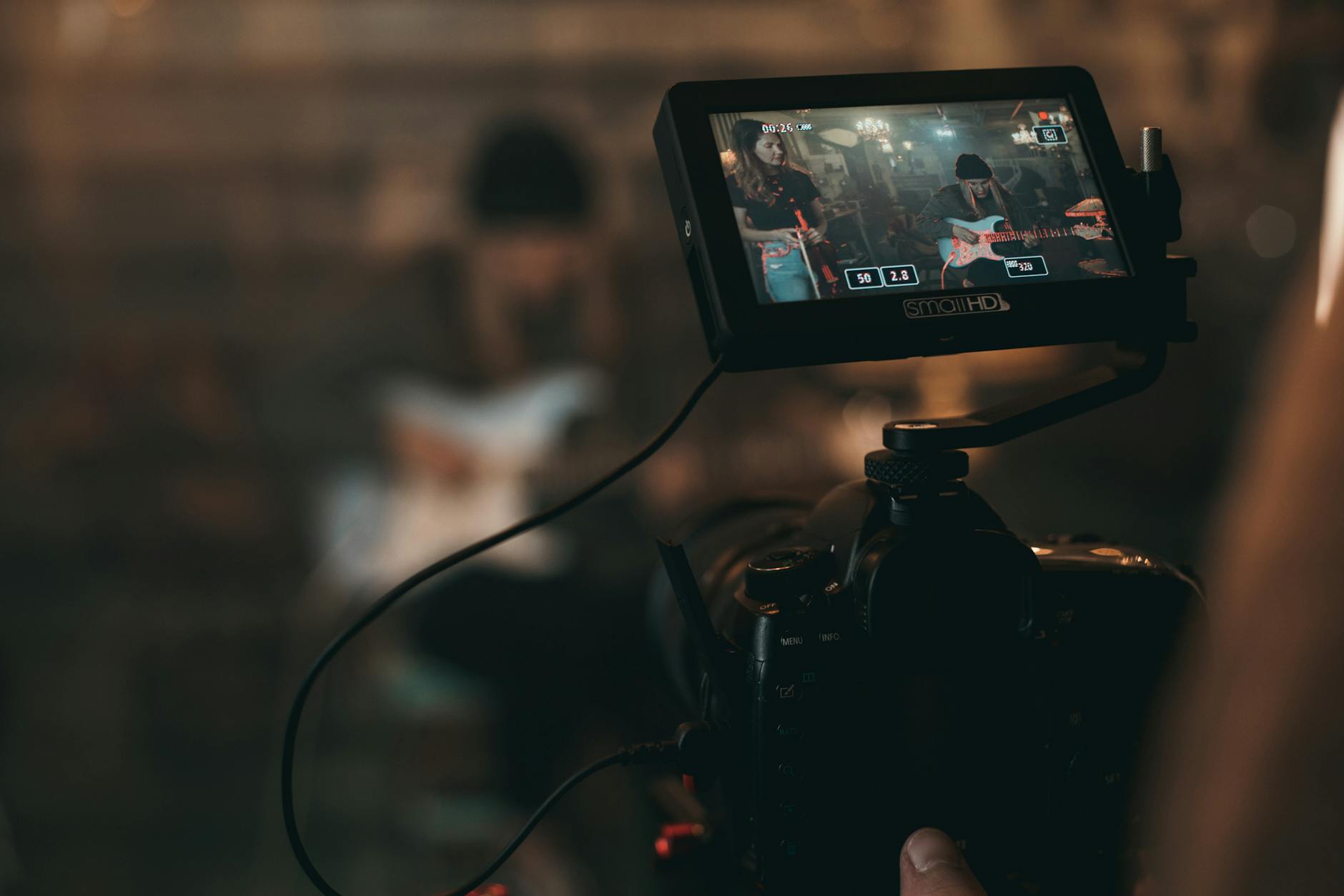
In addition to addressing hardware and software issues, deploying skilled technicians during the live event is essential. Their real-time troubleshooting expertise ensures that technical problems are swiftly managed, allowing the production to continue with minimal disruption.
Contingency planning should include detailed protocols for handling potential failures, along with staff training to ensure rapid response. Investing in scalable solutions and layered security measures further enhances the robustness of the live video stream, safeguarding against unforeseen disruptions.
Technical Challenges and Solutions
Executing a seamless live video stream requires addressing multiple technical challenges that can arise unexpectedly. Latency, which is the delay between the live action and its broadcast, can diminish viewer experience if not properly managed. To minimize latency, professionals employ optimized encoding settings and high-speed network infrastructure, ensuring synchronization between live actions and the broadcast. Utilizing ultra-low latency streaming protocols and adaptive bitrate streaming can also significantly reduce delays, providing viewers with a near-real-time experience.
Connectivity issues pose a substantial obstacle, especially during large-scale productions in dynamic environments like Miami’s vibrant venues. Multiple redundant internet connections—such as primary fiber lines complemented by backup LTE or 5G connections—are essential. Load balancing across these networks ensures continuous streaming even if one source encounters issues. Additionally, employing wired connections over wireless where possible enhances stability and reduces signal fluctuations.
Equipment failure during a live event can jeopardize the production. Implementing rigorous preventative maintenance schedules, coupled with real-time monitoring, can detect potential failures early. Maintaining spare equipment on-site, including backup cameras, audio equipment, and power supplies, allows quick replacements, ensuring minimal disruption. During complex multi-camera setups, calibration before the event and ongoing synchronization checks during the broadcast are vital to maintaining visual consistency and smooth transitions.
Software glitches remain a common challenge, often caused by incompatible codecs, outdated software, or conflicts within streaming platforms. Pre-event testing, including comprehensive dry runs and test streams, helps identify software vulnerabilities. Utilizing trusted encoding software and ensuring all platforms are updated reduce the likelihood of crashes. Additionally, real-time monitoring software provides instant feedback on stream health, enabling immediate adjustments.
Technical staffing is critical: skilled technicians should oversee the entire production, ready to troubleshoot problems as they occur. Training staff to respond quickly to issues and having detailed contingency plans ensures swift resolution of unexpected challenges. Layered security protocols safeguard against cyber threats that could compromise the stream, such as unauthorized access or data breaches.
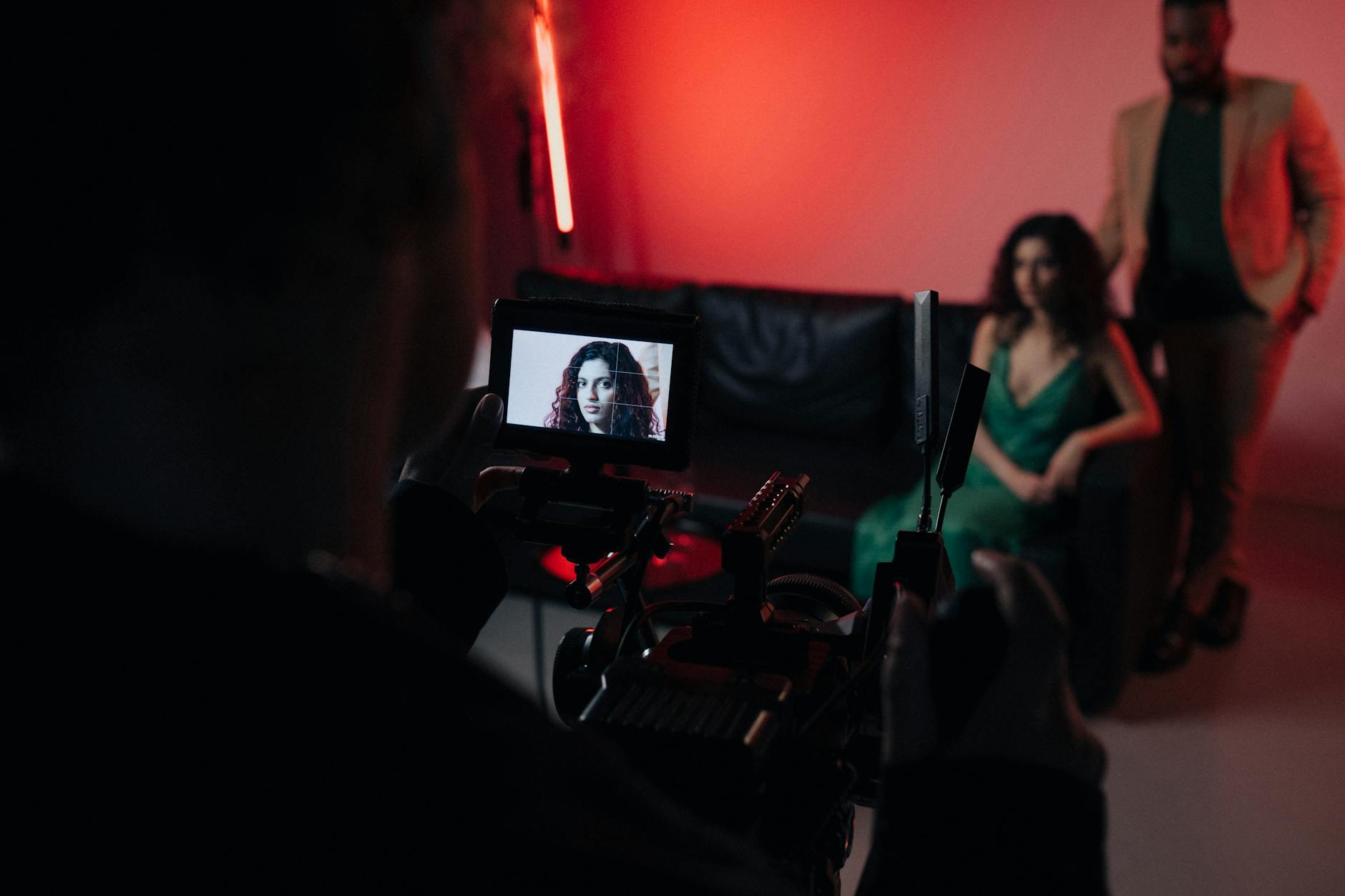
Technical Challenges and Solutions in Live Video Stream Production
Executing a seamless live video stream requires anticipation of potential technical issues that may arise during broadcasting. These challenges can range from equipment failures to software glitches, network instability, and synchronization problems. Addressing these hurdles proactively is vital to maintaining high-quality streaming experiences and meeting audience expectations.
Common Technical Challenges
- Hardware Failures: Cameras, microphones, and other essential equipment are subject to malfunction, which can disrupt the broadcast. Power outages or surges can also damage equipment if proper surge protection isn't in place.
- Software Glitches: Issues with encoding software, incompatible codecs, or conflicts within streaming platforms can cause stream crashes or degraded quality. Outdated software increases vulnerability to bugs and incompatibilities.
- Network Instability: Unreliable internet connections can lead to buffering, latency, or disconnections. Bandwidth constraints or network congestion often exacerbate these issues, especially when streaming high-definition content.
- Synchronization and Calibration: Ensuring that multiple cameras and audio sources are synchronized is critical for a coherent viewing experience. Desynchronization can result in choppy visuals or audio-video mismatches.
- Security Concerns: Unauthorized access or cyber threats can compromise the integrity of the stream, leading to disruptions or data breaches.
Implementing Effective Solutions
To mitigate these issues effectively, a comprehensive approach incorporating the following strategies is essential:
- Regular Maintenance and Checks: Scheduled inspections and preventative maintenance reduce the likelihood of equipment downtime. Keeping all hardware updated and calibrated ensures optimal performance during live events.
- Redundant Systems: Employ backup generators, additional cameras, and spare audio equipment on-site. These redundancies allow quick replacement of faulty components, minimizing production disruptions.
- Rigorous Testing and Dry Runs: Conduct pre-event rehearsals, including test streams, to identify potential problems. Testing software compatibility, stream quality, and hardware functionality ensures readiness.
- Stable Network Infrastructure: Use dedicated bandwidth for streaming, ideally through wired connections to reduce latency. Implement Quality of Service (QoS) protocols to prioritize streaming data over other internet traffic.
- Advanced Encoding and Monitoring Software: Utilize trusted codecs and encoding software. Real-time monitoring tools provide immediate feedback on stream health, allowing technicians to make on-the-fly adjustments.
- Expert Technical Staffing and Training: Ensure technicians are well-trained to troubleshoot common issues swiftly. Develop detailed contingency plans to handle unexpected disruptions efficiently.
- Cybersecurity Measures: Implement layered security protocols, including encryption and access controls, to prevent unauthorized interference during live broadcasts.
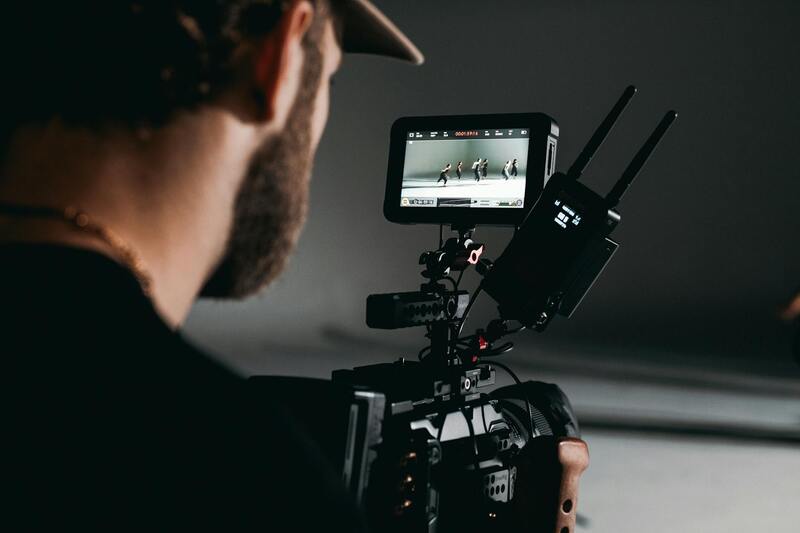
Advanced Techniques for Ensuring Quality and Security in Live Video Stream Production
Achieving a seamless and professional live video stream extends beyond core equipment and setup. It involves employing advanced methodologies that prioritize quality, security, and viewer engagement. These strategies are essential for establishing a reliable broadcast that meets industry standards and audience expectations.
Implementing End-to-End Encryption for Stream Security
One of the foundational aspects of high-quality live video production is safeguarding content against unauthorized access and interference. End-to-end encryption (E2EE) ensures that the stream remains secure from origin to endpoint, preventing interception or tampering. This method encrypts the video data immediately after capture, rendering it unintelligible to any unintended recipients during transmission. Employing strong encryption protocols like AES (Advanced Encryption Standard) combined with secure key exchanges fosters a robust security environment. E2EE is particularly crucial when streaming sensitive or proprietary content, such as corporate presentations or exclusive events.
Utilizing Multi-Format Encoding for Broad Compatibility
To maximize reach and maintain high production standards, adopting multi-format encoding practices is essential. Different streaming platforms and devices may require specific codecs or resolutions. By integrating adaptive bitrate streaming technology and multi-format encoders, producers can automatically adjust video quality based on viewers’ bandwidth. This approach ensures optimal performance across desktops, mobiles, and connected TVs, reducing buffering and playback issues. Employing protocols like HLS (HTTP Live Streaming) and DASH (Dynamic Adaptive Streaming over HTTP) facilitates compatibility across various players and devices, further enhancing viewer experience.
Redundancy and Fail-Safe Measures
Implementing redundancy in both hardware and network infrastructure is vital for continuous operation during live events. Dual streaming setups, with primary and backup encoders, allow the switch-over in case of hardware failure or signal loss. Similarly, maintaining backup internet connections—such as cellular networks or secondary wired connections—ensures uninterrupted data flow even if the primary network encounters issues. Redundant storage solutions help preserve recorded content in real-time, providing immediate access to backup footage if necessary. These fail-safe measures are crucial in maintaining the integrity of the broadcast and avoiding costly downtime.
Real-Time Monitoring and Quality Control
Effective live production requires continuous oversight of the stream’s health and quality metrics. Deploying professional monitoring software enables real-time tracking of key parameters such as bandwidth utilization, latency, and encoding efficiency. Instant alerts alert technicians to potential issues, allowing swift intervention. Implementing hardware-based monitoring tools can provide additional layers of oversight, ensuring that the video quality remains consistent and the stream is free from artifacts or disruptions. This proactive approach minimizes the risk of degraded broadcast quality and maintains viewer satisfaction.
Professional Staff and Training
To operate the complex systems involved in high-level live video stream production, hiring skilled technicians with extensive training is indispensable. Regular training sessions enhance their ability to troubleshoot technological glitches swiftly and efficiently. These professionals should be proficient in managing encoding hardware, network configurations, and security protocols. Developing detailed emergency response procedures ensures rapid resolution of unforeseen challenges, preserving the professionalism and integrity of the broadcast.
Post-Broadcast Analysis and Feedback
After completion of each live stream, conducting comprehensive analysis is crucial for continuous improvement. Reviewing metrics on stream performance, audience engagement, and technical issues identifies areas for enhancement. Soliciting audience feedback can provide insights into the viewing experience and highlight opportunities to refine future productions. Maintaining detailed records of configurations, incidents, and resolutions supports ongoing staff training and informs future planning. Such meticulous post-event evaluation ensures each broadcast builds on previous successes, elevating overall quality and reliability.