
Overview of Live Streaming Production Services
Live streaming production companies serve as essential partners for organizations seeking to broadcast events, conferences, and other vital content in a real-time digital format. These companies specialize in transforming physical events into dynamic online experiences that reach audiences regardless of geographical boundaries. Their core services revolve around creating high-quality live broadcasts that integrate multiple visual and audio components, ensuring seamless delivery to viewers across various digital platforms.
At the foundation, these companies handle a broad array of streaming solutions tailored to the requirements of different clients and industries. They typically offer services such as event broadcasts, corporate presentations, product launches, and live coverage of entertainment events. Each service involves meticulous planning and execution, where the production team dedicates considerable effort toward optimizing video quality, sound fidelity, and broadcast stability.
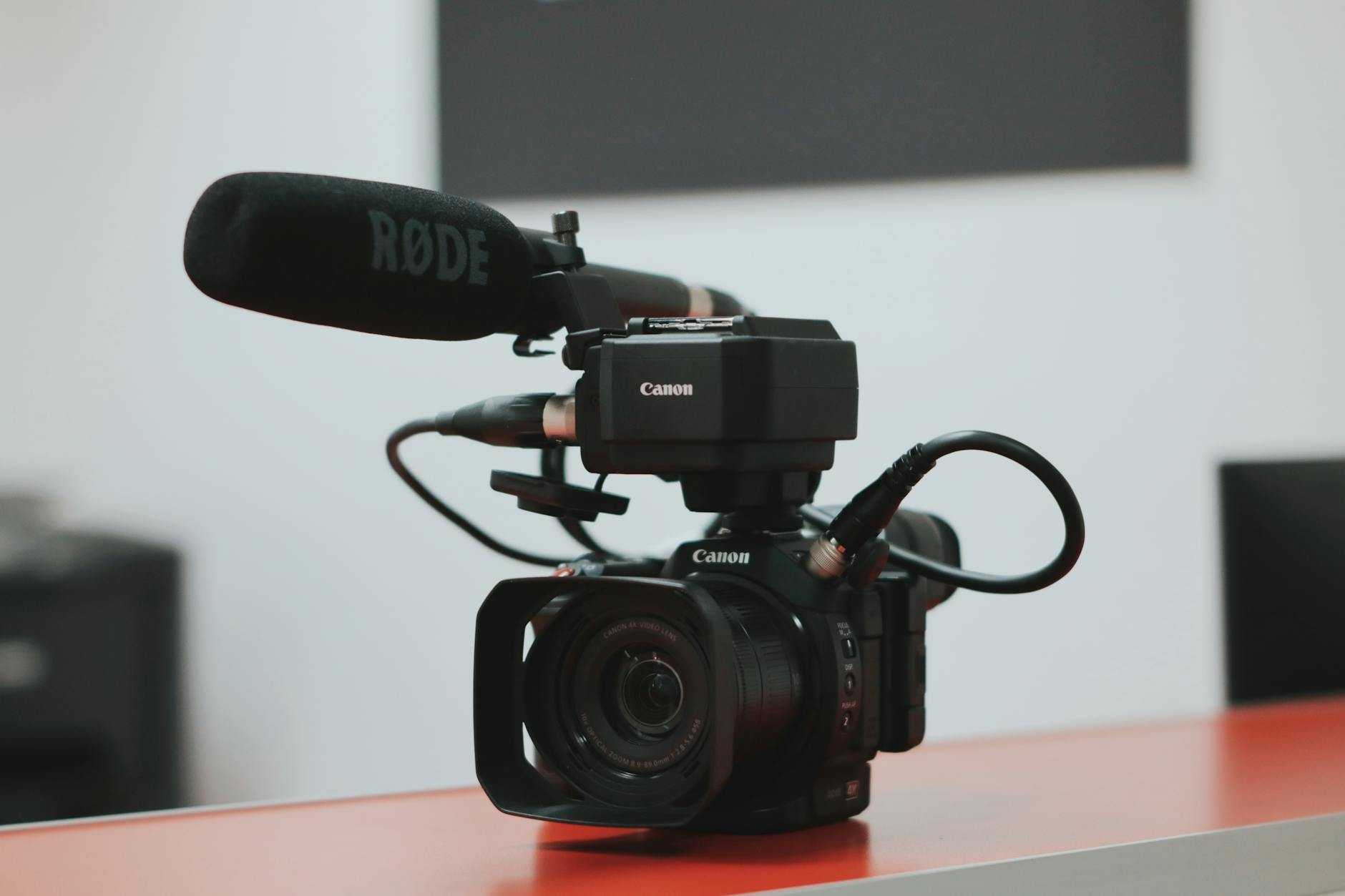
Furthermore, live streaming production companies are deeply involved in content creation during the event itself. This includes camera management, audio mixing, graphic overlays, and sometimes even real-time audience interaction. They work closely with clients to ensure the content aligns with their branding, messaging, and event objectives, all while maintaining technical excellence.
Beyond the technical execution, these companies often provide consultation and strategic planning. They analyze the event’s scope to recommend the optimal streaming platforms, equipment, and media formats for achieving the desired outreach and engagement. Their expertise ensures that each broadcast runs smoothly, free from interruptions or technical issues that could detract from the event experience.
The scope of services extends further into post-production activities such as content archiving, editing, and distribution. This allows organizations to repurpose live content for on-demand viewing, promotional material, or future reference.
As the digital landscape evolves, live streaming production companies continually upgrade their service offerings to incorporate new technologies, ensuring that clients stay ahead in an increasingly connected world. Whether it's live event production, corporate communication, or interactive webinars, these organizations provide the infrastructure and expertise necessary to produce compelling live content that engages audiences and achieves strategic communication goals.
Technical Equipment and Technology Used
Advanced technical equipment forms the backbone of professional live streaming services. Top-tier production companies invest in high-resolution cameras, such as 4K or even 8K models, to ensure crystal clear visuals that captivate viewers. These cameras are often mounted on stabilized rigs or remote-controlled cranes to provide dynamic perspectives and smooth footage transitions.
Audio quality is equally critical, necessitating the use of professional-grade mixers, microphones, and soundproofing measures to deliver clear, balanced audio regardless of ambient noise levels. Audio interfaces and digital signal processors ensure real-time modulation and enhancement, aligning with the event’s tone and audience expectations.
Graphics and overlays are integrated through sophisticated broadcasting software, allowing real-time branding, captions, and interactive elements to appear seamlessly within the stream. Multiviewers and switchers enable operators to alternate between multiple camera feeds, media clips, and graphical elements swiftly, maintaining a polished and engaging broadcast.
Emerging technologies, including IP-based transmission systems, cloud-based encoding, and adaptive streaming protocols, have expanded the flexibility and reach of live broadcasts. These innovations facilitate multi-platform streaming, ensuring content is accessible across social media, dedicated portals, and embedded website players without compromising quality.
Types of Live Streaming Events Handled
Production companies specialize in a diverse range of event types, each presenting unique technical and creative challenges. Corporate events such as product launches, webinars, and virtual conferences demand seamless integration of branding elements and interactive features to actively engage remote audiences. These broadcasts often require multiple camera angles, real-time presentations, and chat moderation to mimic in-person interactions.
Entertainment events, including concerts, festivals, and award ceremonies, benefit from high-quality visuals, synchronized multi-camera setups, and sophisticated lighting effects. Complex production elements such as pre-recorded segments, special effects, and audience interaction amplify the overall viewer experience.
Educational and training sessions are increasingly streamed live to reach broader audiences while maintaining instructional clarity. Here, the focus is on clear audio and visual aids, so production companies often incorporate screenshare capabilities, multi-language subtitles, and interactive quizzes to facilitate learning outcomes.
Religious gatherings, community celebrations, and local governmental functions also increasingly depend on professional live streaming services to extend their reach beyond physical attendees. These events typically require sensitivity to spiritual or cultural elements, ensuring content authenticity and respectful presentation.
Technical equipment and technology used
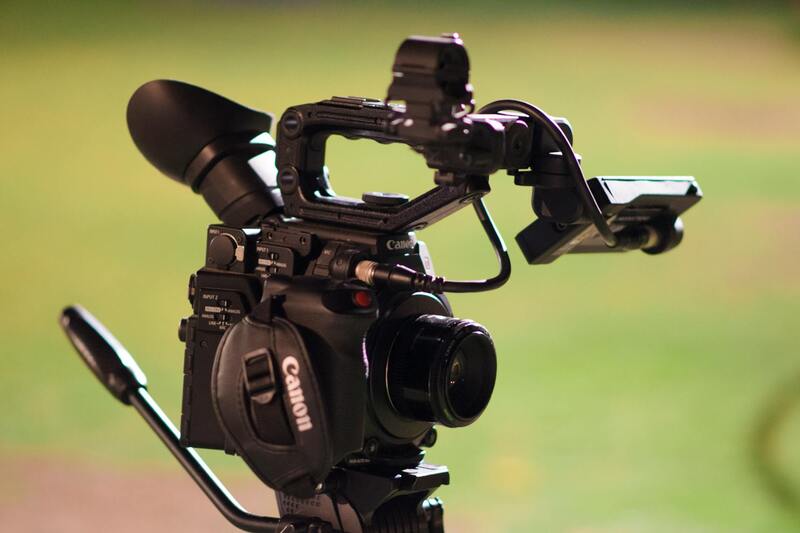
Successful live streaming production hinges on the deployment of advanced and reliable technical equipment, ensuring high-quality broadcasts that meet professional standards. At the core are high-definition cameras, capable of capturing crisp, clear visuals across various configurations—single lens for straightforward setups, or multi-camera arrays that provide dynamic, multi-angle perspectives. These cameras often feature remote control capabilities to facilitate seamless switching during live events.
Encoders play a vital role in converting raw footage into streams compatible with different platforms and bandwidth conditions. Hardware encoders are preferred for their stability and low latency, especially during complex productions or events with multiple feeds. Software encoders offer flexibility and are often integrated into broader production workflows, providing on-the-fly editing options and overlays.
Ensuring the continuous flow of a live broadcast demands robust streaming platforms that can handle high viewer volumes without interruption. Many production companies utilize cloud-based streaming services that offer scalable solutions, seamless transcoding, and multi-platform distribution. These platforms often support features such as adaptive bitrate streaming to optimize quality across devices with varying internet speeds.
Backup systems are also critical. Redundant internet connections, backup power supplies, and secondary streaming hardware provide fail-safes against technical failures, safeguarding the event's uninterrupted broadcast. Additionally, audio equipment—including professional microphones and mixing consoles—must work in tandem with visual components to deliver clear, balanced sound, essential for maintaining audience engagement.
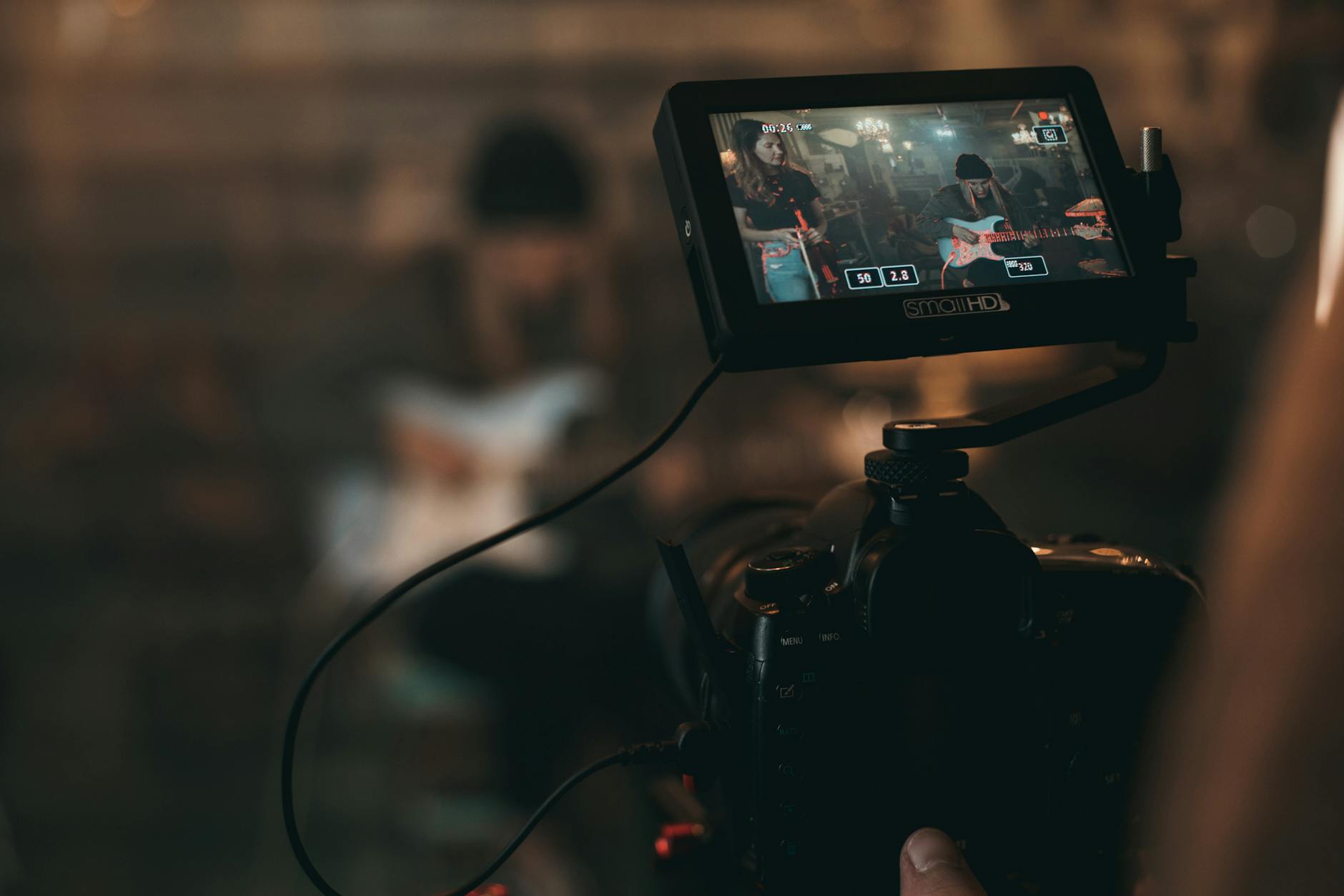
Complementary accessories such as wireless transmitters, gimbals for mobile shots, and teleprompters facilitate smooth production workflows and elevate the overall broadcast quality. The integration of these tools enables production teams to adapt swiftly to changing event dynamics, ensuring a polished viewing experience for remote audiences.
Technical Equipment and Technology Used in Live Streaming Production
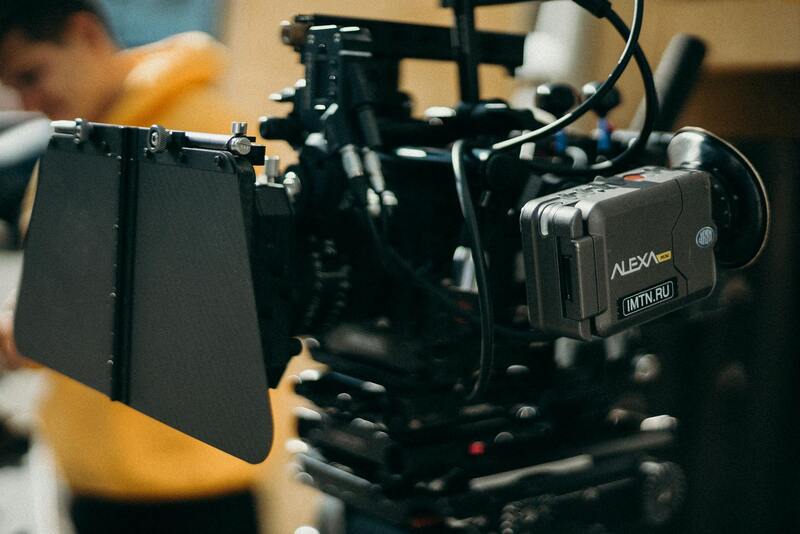
Live streaming production companies leverage a comprehensive suite of advanced technical equipment and innovative technology to ensure high-quality broadcasts. Central to this setup are professional cameras, which include robotic and PTZ (pan-tilt-zoom) models that provide flexibility in capturing diverse shot angles. These cameras are often paired with high-definition lenses and stabilized mounts to deliver sharp, smooth footage, even in dynamic or challenging environments.
Encoding solutions are pivotal in transforming raw video signals into streams compatible with various platforms. Hardware encoders offer dedicated, reliable performance, while software encoders provide versatile options integrated with editing tools. Many companies combine both approaches to optimize quality and reliability. These encoders support multiple streaming protocols to ensure compatibility across streaming services, from social media to corporate portals.
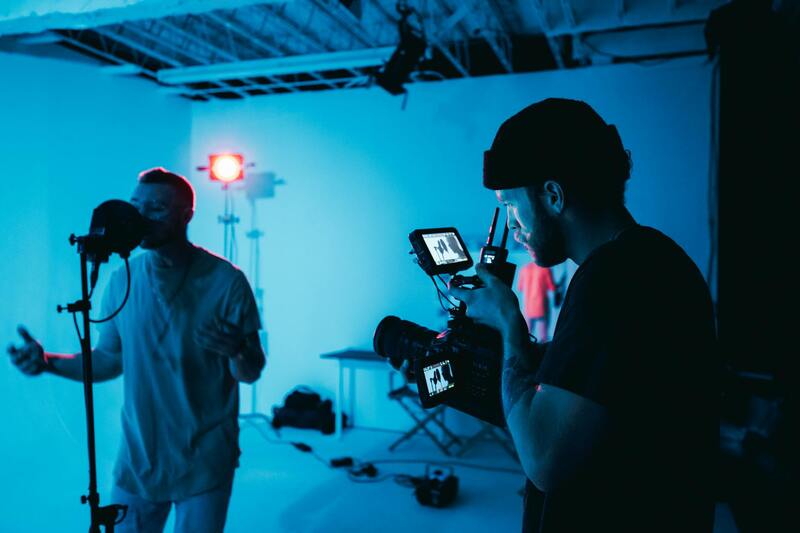
Lighting plays a crucial role in visual clarity and overall production value. Professional lighting kits, including LED panels and softboxes, are calibrated to eliminate shadows and create a consistent, flattering appearance for on-camera talent. Complementing this are audio systems that encompass professional microphones—such as shotgun, lavalier, and handheld models—and digital mixing consoles. These audio tools ensure clear, balanced sound delivery, vital for maintaining viewer engagement.
Auxiliary accessories significantly enhance production quality and operational efficiency. Wireless transmitters allow mobility for speakers and performers, while gimbals and steadicams enable smooth mobile shots. Teleprompters assist hosts and speakers with seamless script delivery, ensuring professionalism. The combination of these tools allows production teams to swiftly adapt to live event dynamics, manage multiple visual and audio sources, and deliver an engaging experience to remote audiences.
Modern Infrastructure Supporting Live Streaming Excellence
Reliable internet connectivity is fundamental in live streaming. Production companies often incorporate redundant internet lines, including fiber optic connections and wireless broadband, to prevent disruptions. Backup power supplies, such as uninterruptible power supplies (UPS) and generators, safeguard against power failures during critical moments.
Cloud-based streaming platforms form the backbone of scalable broadcasting solutions. These platforms handle transcoding, adaptive bitrate streaming, and multi-platform distribution, allowing viewers to access streamed content seamlessly across devices. The integration of real-time analytics provides valuable insights into viewer engagement and streaming performance, supporting continuous improvement of live broadcasts.
Overall, technological competence combined with high-grade equipment ensures that live streaming production companies deliver professional, high-quality broadcasts capable of meeting diverse client needs, from intimate corporate events to large-scale concerts and sports fixtures.
Technical Equipment and Technology Used
Live streaming production companies employ cutting-edge equipment and advanced technology to ensure high-quality broadcasts that meet the expectations of diverse clients. The foundation of a reliable live stream begins with professional-grade cameras capable of capturing crisp, high-definition visuals. These cameras range from studio-style broadcast cameras to portable, multi-purpose units that can adapt to various venues and event types.
Encoding hardware plays a vital role in converting raw video footage into digital signals suitable for streaming. Many companies utilize hardware encoders that support multiple inputs and facilitate real-time transcoding, ensuring seamless delivery across multiple platforms. Software encoders are also popular, especially for smaller-scale productions, offering flexibility and ease of use.
Lighting systems are essential for creating visually appealing content, particularly in indoor settings or controlled environments. Myriad lighting options include LED panels, softboxes, and spotlights that enhance image clarity and color accuracy.
Audio equipment is equally crucial, with professional microphones—such as lavalier, shotgun, and condenser mics—used to capture clear, noise-free sound. Mixing consoles and audio interfaces are integrated to manage multiple audio sources, providing balanced sound output.
In terms of connectivity, production companies rely on robust internet solutions. Redundant internet setups, including fiber optic lines and wireless broadband, are standard to prevent streaming interruptions. Network infrastructure often incorporates load balancing and failover configurations to ensure continuous operation.
The integration of cloud-based streaming platforms significantly enhances scalability and accessibility. These platforms handle real-time transcoding, adaptive bitrate streaming, and multi-device distribution, broadening the reach of the broadcast. Analytics tools embedded within these platforms offer insights into viewer engagement, helping producers refine future streams.
Types of Live Streaming Events Handled
Live streaming production companies in Miami are experienced in managing a broad spectrum of events, catering to corporate, entertainment, educational, and community needs. Corporate events such as conferences, product launches, and webinars benefit tremendously from professional live streams, which expand their reach beyond physical venues and enable real-time engagement with remote audiences.
Entertainment events, including concerts, festivals, and theater performances, require high-quality audiovisual setups to capture the energy and atmosphere effectively. These productions often incorporate multiple camera angles, live graphics, and interactive elements to heighten spectator immersion.
Educational institutions and training organizations leverage live streaming to deliver lectures, seminars, and workshops to wider audiences. This method facilitates real-time interaction and allows for recording sessions that can be accessed asynchronously.
Community and religious events such as church services and local celebrations also benefit from the reach and accessibility provided by professional live streaming services, ensuring community engagement regardless of physical distance.
Each event type demands a tailored approach, including specific technical setups and content strategies, to maximize audience satisfaction and engagement. Effective management of these various event types underscores the versatility and expertise of Miami's live streaming production companies.
Technical Equipment and Technology Used
High-quality live streaming production relies heavily on advanced technical equipment and innovative technology to deliver seamless, professional broadcasts. Top-tier production companies utilize a combination of hardware and software solutions designed to optimize visual and audio clarity, ensure reliable transmission, and provide engaging viewer experiences.
At the core of these setups are multiple high-definition cameras, including 4K and ultra-wide options, which capture detailed visuals from various angles. These cameras are often combined with professional-grade switching equipment to facilitate smooth transitions and multi-camera editing in real time. Additionally, wireless video transmission systems offer flexibility in camera placement, especially for dynamic outdoor or large-scale events.
Audio quality is equally critical, with companies deploying directional microphones, mixing consoles, and soundboards to ensure crisp, clear sound. These are synchronized with the video feeds to produce a cohesive, immersive experience for viewers. Live audio mixers enable real-time adjustments, managing multiple sources such as guest microphones, music, and ambient sounds.
On the software side, robust streaming platforms like Wowza, vMix, and OBS Studio are utilized to encode, manage, and broadcast content across multiple channels simultaneously. These platforms allow for customizable overlays, real-time graphics, and interactive features that enhance viewer engagement. Cloud-based solutions also enable remote monitoring and control, providing flexibility for production teams working from different locations.
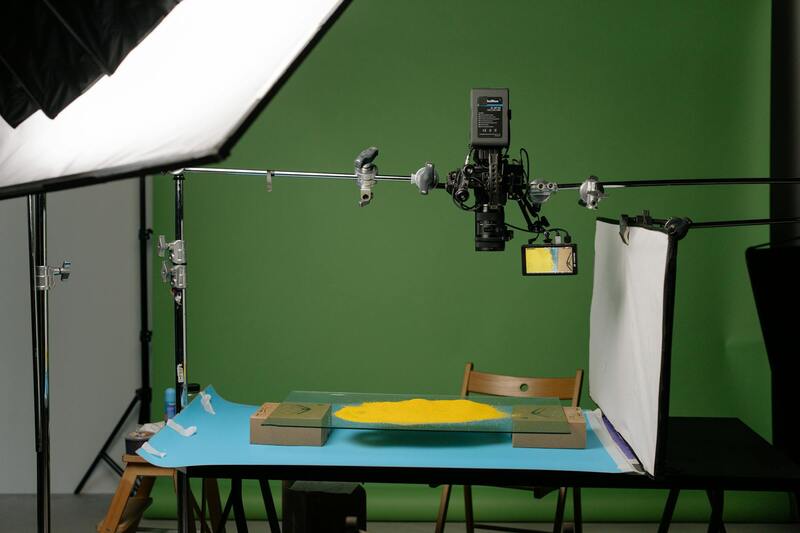
Furthermore, additional technology such as green screens or virtual studio setups can be incorporated to enhance customization, allowing for branded backgrounds, immersive environments, or special effects tailored to each event’s theme. Integration of live chat modules, viewer polls, and interactive media pushes further elevates audience participation.
Redundancy systems are integral to any live streaming setup, ensuring continuous operation even if primary equipment encounters issues. Backup power supplies, secondary internet connections, and duplicate hardware components safeguard against interruptions, maintaining professionalism and reliability throughout the event.
Types of Live Streaming Events Handled
Miami-based live streaming production companies are adept at managing a wide array of event formats, each with specific technical and creative requirements:
- Corporate Conferences and Webinars: Require professional graphics, synchronized slides, and multiple camera views to present speakers clearly and highlight key content.
- Music and Entertainment Concerts: Demand high bandwidth, multi-camera feeds, and live mixing to capture the energy and atmosphere of performances.
- Religious Services and Community Gatherings: Focus on accessibility, seamless streaming, and clear audio for congregation participation from afar.
- Educational Workshops and Training: Emphasize clarity, interactivity, and recording capabilities for asynchronous access.
- Product Launches and Promotional Events: Utilize dynamic visuals, backstage coverage, and real-time engagement tools to create excitement and reach broad audiences.
Each event type involves tailored technical setups and execution strategies to achieve optimal results. Incorporating multi-camera feeds, live graphics, and viewer interaction tools enhances the overall experience, driving greater engagement and outreach.
Technical Equipment and Technology Used
When evaluating live streaming production companies, the quality and sophistication of technical equipment are crucial indicators of their capability to deliver professional-grade broadcasts. Leading firms deploy high-definition cameras, often utilizing 4K UHD resolution, to capture every detail with clarity and precision. Multiple camera setups enable dynamic switching between wide shots, close-ups, and specialty angles to enhance the visual storytelling of an event.
State-of-the-art audio systems are integrated to ensure clear, crisp sound quality, which is essential for maintaining audience engagement. This includes the use of professional microphones, sound mixers, and audio processors that can adapt to different environments and content types.
The backbone of any successful live stream is robust internet connectivity. Production companies leverage dedicated fiber-optic lines, multiple internet connections, and bonding technology to achieve sufficient bandwidth and redundancy. This setup minimizes latency and prevents interruptions caused by bandwidth fluctuations.
Broadcasting hardware such as video switchers, encoder devices, and streaming software are meticulously selected to facilitate seamless live output. Encoders are configured to optimize video quality while maintaining manageable data rates, ensuring compatibility across various streaming platforms.
Additional technological innovations include real-time graphics insertion, social media integration tools, and interactive features like live polls and Q&A modules. These elements not only elevate viewer engagement but also provide valuable insights into audience preferences.
Advanced Technologies and Innovations in Live Streaming Production
As the live streaming industry continues to evolve, production companies are adopting cutting-edge hardware and software solutions to deliver superior quality broadcasts. The integration of 4K resolution streaming has become increasingly common, providing viewers with sharper visuals and enhanced clarity that elevate the overall viewing experience. This higher resolution demands robust encoding hardware capable of processing high-quality video streams efficiently without latency or buffering issues, ensuring seamless delivery across multiple devices and platforms.
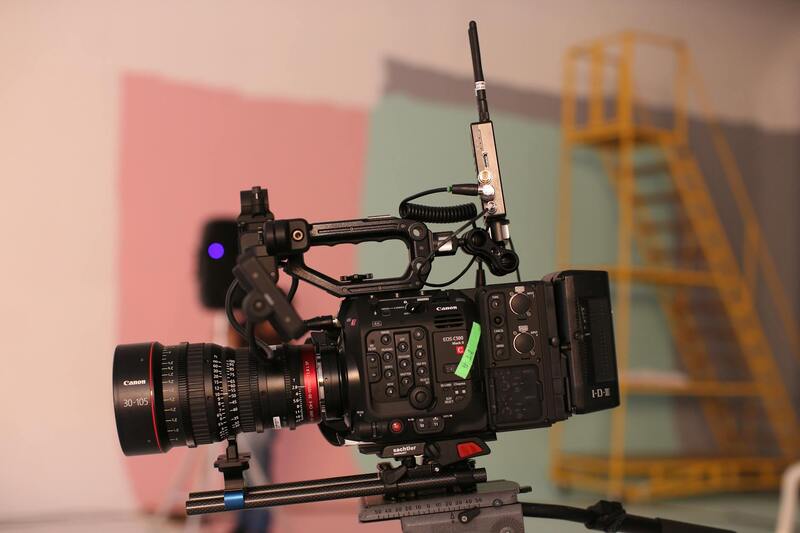
In addition to high-definition video, the utilization of multiple camera angles and robotic camera systems has expanded the creative possibilities for live broadcasts. These advanced camera systems can be operated remotely, allowing for dynamic shot changes, complex multi-camera productions, and the ability to capture diverse perspectives—be it a corporate event, a concert, or a sports competition. Combined with professional switching equipment, these tools facilitate live editing for a polished, television-grade production that engages viewers at every moment.
The rise of cloud-based management platforms has further enhanced operational flexibility. These systems enable remote monitoring, control, and troubleshooting of live streams from virtually any location, providing broadcast teams with real-time oversight and swift problem resolution. By leveraging cloud infrastructure, companies can scale their services to accommodate events of varying sizes— from intimate corporate seminars to large-scale festivals— without compromising quality or stability.
Artificial intelligence (AI) and automation are also making significant impacts on live streaming workflows. AI-powered analytics can monitor stream health, viewer engagement, and technical performance, offering valuable insights for ongoing improvement. Automated content recognition tools facilitate real-time captioning, language translation, and metadata management, making broadcasts more accessible and user-friendly. As these technologies mature, they enable production teams to optimize workflows, reduce operational costs, and deliver more personalized viewer experiences.
Enhancements in Graphics, Social Media Integration, and Engagement Tools
Modern live streaming services incorporate sophisticated graphics overlays, lower thirds, and animated transitions to maintain viewer interest and reinforce branding. Real-time graphics insertion allows the addition of event information, sponsor logos, or interactive polls, directly engaging viewers and providing live updates. These visual enhancements are typically managed through dedicated software integrated into the broadcast workflow, ensuring synchronization and high-quality rendering.
Social media integration serves as a vital extension of live streaming productions. Platforms like Facebook Live, YouTube Live, and Instagram are seamlessly embedded into the broadcast setup, allowing real-time sharing, comments, and viewer interactions. Interactive features, such as live polls, Q&A sessions, and viewer chat, foster a participative environment that boosts engagement and creates a sense of community around the event.
Emerging Technologies and Future Outlook
As the demand for higher quality and more immersive content grows, 8K streaming is poised to become a future standard, offering unprecedented detail and clarity. Augmented reality (AR) and virtual reality (VR) are also gaining traction in live streaming, especially for product launches, concerts, and immersive experiences. These innovations enable viewers to feel virtually present at the event, encouraging deeper engagement and brand interaction.
In Miami's vibrant entertainment and corporate landscape, the integration of these evolving technologies will continue to shape the next generation of live streaming production. Companies investing in this area are positioned to deliver innovative, high-impact broadcasts that resonate with diverse audiences and set new standards for professionalism and quality in live streaming services.