
Understanding Live Event Streaming Production
Live event streaming production is a sophisticated process that involves the seamless capture, management, and broadcast of live events through digital channels. This technology allows audiences worldwide to experience real-time events from their locations, making it a vital component for entertainment, corporate gatherings, conferences, and cultural festivals in Miami. The process begins with meticulous planning to ensure all aspects of the event are prepared for a smooth broadcast, from audiovisual setup to internet connectivity. The importance of professional live event streaming lies in its ability to expand an event's reach, engage broader audiences, and provide high-quality viewing experiences. In Miami’s vibrant event scene, which frequently hosts concerts, sports events, and business conferences, having reliable live streaming production is essential for maximizing audience engagement and brand visibility.
Ultimately, live event streaming connects organizers and audiences through dynamic, real-time content delivery. When executed professionally, it enhances the event’s impact, increases accessibility for remote viewers, and supports a robust digital presence for Miami-based organizations and event planners.
Key Components of Live Event Streaming
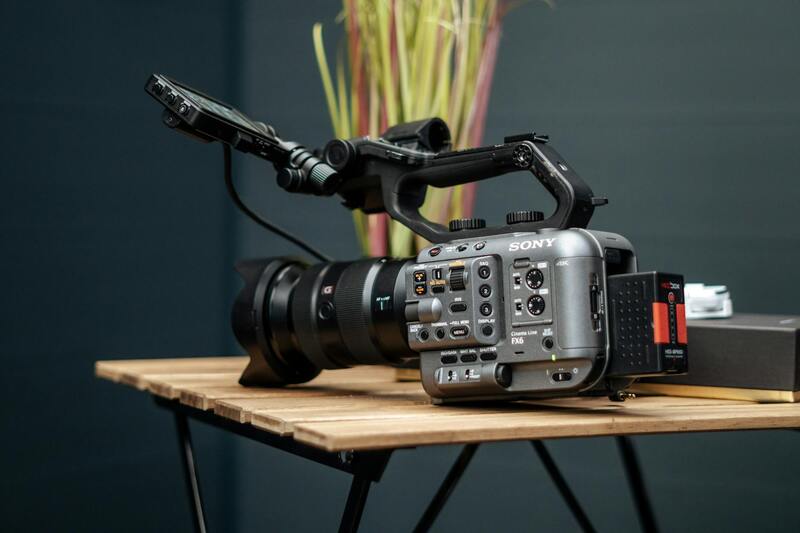
Achieving a professional-grade live event stream requires a well-orchestrated integration of various specialized components. High-definition cameras serve as the foundation for capturing event visuals with clarity and depth, whether utilizing robotic cameras for dynamic shots or fixed cameras for stable footage. These cameras are connected to high-performance video encoders, which convert raw video signals into compressed, streamable formats while maintaining optimal quality. Modern encoding solutions provide adaptive bitrate streaming, ensuring smooth playback regardless of viewers' internet speeds.
Streaming platforms play a pivotal role as the distribution channels that deliver content efficiently to audiences across different devices and networks. These platforms must support high bandwidth, multiple simultaneous connections, and robust security measures to protect the content. CDN (Content Delivery Network) integration further enhances reliability by distributing the live stream across geographically dispersed servers, minimizing latency and buffering.
Audio quality is equally critical, often achieved through digital mixers and wireless microphones that deliver clear sound regardless of environmental challenges. Supplementary elements such as graphics overlay, lower thirds, and real-time captions are integrated into the production to enhance viewer engagement and clarity.
Lastly, reliable internet connectivity infrastructure, including backup solutions such as dedicated fiber lines and LTE/5G failover systems, ensures uninterrupted transmission during the event. The synchronization of these components under professional management guarantees a high-quality, engaging live streaming experience for remote viewers.
Planning and Pre-Production Strategies
Effective live event streaming begins long before the event starts. Detailed planning involves defining goals, identifying target audiences, and selecting appropriate streaming platforms. Pre-production encompasses site surveys to assess infrastructure needs, especially if the event occurs at unique or challenging venues, such as outdoor Miami festivals or conference centers.
Key pre-event activities include creating a detailed production plan, which outlines camera shots, graphics integration, and visual branding. Technical rehearsals allow the team to test equipment, internet connectivity, and audio-visual synchronization, minimizing surprises during the live broadcast. This stage also involves coordinating with event organizers, performers, and speakers to ensure seamless integration of live content with scheduled segments.
Content security and rights management are critical considerations during pre-production. Implementing secure streaming protocols and digital watermarking prevents unauthorized redistribution and preserves content value.
Setting Up for a Live Stream in Miami
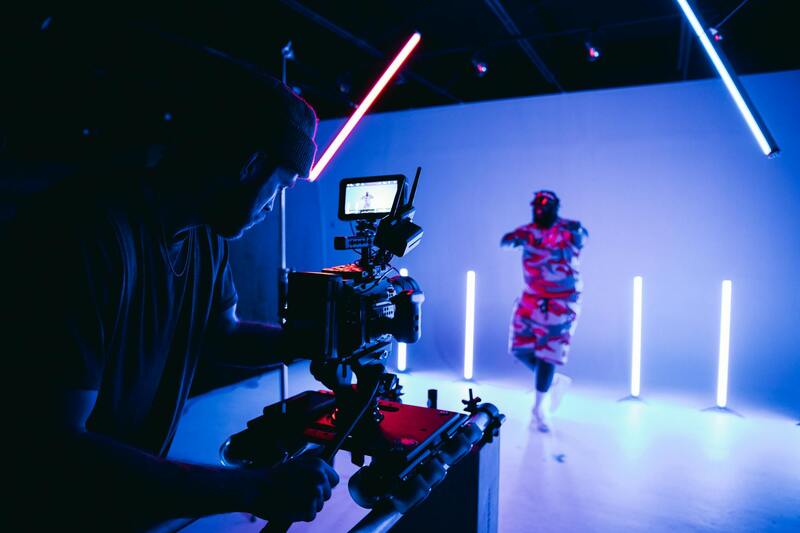
Setting up for a live stream in Miami involves meticulous logistical planning, especially given the city’s diverse venues and infrastructure. On-site setup includes deploying cameras, audio equipment, lighting, and internet access points, often requiring specialized rental gear and onsite technicians.
The selection of internet connectivity options is crucial; fiber-optic lines are preferred for their speed and stability, but backup options like LTE or 5G connections ensure redundancy. Proper placement of cameras and microphones ensures optimal coverage of the event without obstructing sightlines or degrading attendee experience.
Technicians verify all connections, perform sound checks, and run test streams to validate system performance before going live. Adjustments are made in real-time if needed, based on initial test results or unforeseen conditions on-site.
Production Execution and Live Operation
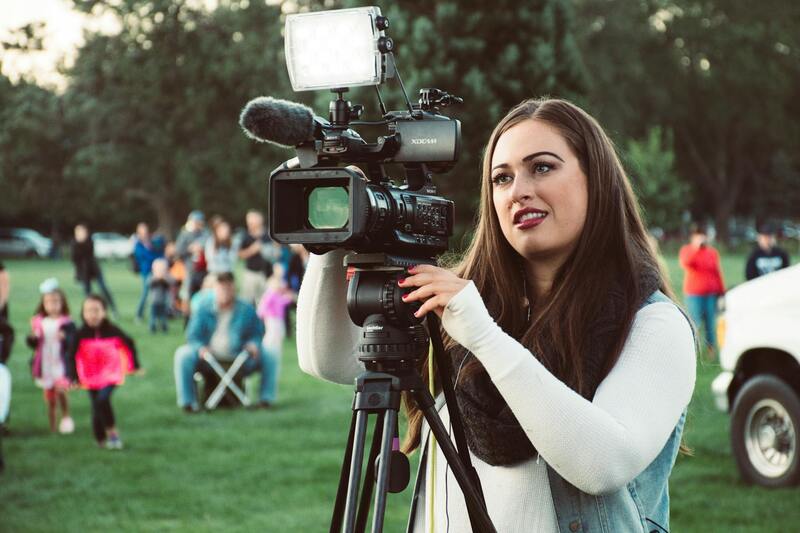
During the live event, experienced operators manage all technical elements to deliver a consistent, high-quality broadcast. Camera operators follow the event's flow, capturing key moments and establishing engaging visuals, often guided by a director or production coordinator.
Real-time switching between camera feeds, graphics overlays, and pre-recorded segments creates a polished presentation. Audio engineers monitor and manage sound levels, mitigating issues such as feedback or interference.
Centralized control rooms host the production team, which adjusts streaming parameters, troubleshoots technical issues, and communicates seamlessly to maintain broadcast continuity. Effective coordination between on-site personnel and remote support teams ensures swift responses to any challenges.
Post-Event Content Management
Following the event, the focus shifts to content management and distribution. Recorded footage can be edited for highlight reels, promotional materials, or on-demand access, extending the lifespan and reach of the original broadcast.
Metadata tagging, proper archiving, and quality control are essential to preserve the content’s integrity. Organizers often distribute recordings through various channels, including social media, websites, and proprietary streaming portals.
Analyzing viewer metrics, engagement statistics, and technical performance data helps refine future live streaming strategies. Feedback from viewers and stakeholders provides insights into what worked well and areas for improvement.
Technical Considerations and Live Streaming Software
Implementing a successful live event stream requires precise technical planning and robust software solutions. High-quality streaming necessitates reliable encoding hardware and software capable of managing multiple high-definition video feeds simultaneously. Choosing the right streaming platform is equally critical, as it affects latency, scalability, and viewer engagement. Professional-grade encoding software, such as Wirecast, vMix, or OBS Studio, provides advanced features like multi-camera switching, real-time graphics overlays, and integrated audio mixing. These tools enable production teams to customize the broadcast experience, ensuring a polished and professional presentation.
High-speed internet connectivity forms the backbone of smooth streaming. Dedicated fiber optic lines or bonded internet solutions are preferred to prevent disruptions. Redundant internet connections serve as fail-safes, ensuring continuous broadcast even if primary connections encounter issues. Furthermore, network security measures—such as firewalls, VPNs, and secure encryption protocols—protect the streaming infrastructure from cyber threats and unauthorized access, maintaining broadcast integrity and safety.
Equipment Setup and Technical Workflow
Setting up for live event streaming in Miami involves meticulous coordination of audiovisual hardware and network components. Cameras should be strategically positioned to capture all angles of the event, with professional camera operators controlling focus, framing, and zoom. Audio equipment must be calibrated to deliver clear sound, utilizing microphones, mixers, and soundboards to balance ambient noise and presenter audio.
The technical workflow includes several stages:
- Pre-Event Testing: Conduct comprehensive system checks to verify camera feeds, audio levels, internet stability, and streaming parameters.
- Signal Transmission: Use high-quality SDI or HDMI cables for video signals, ensuring minimal latency and high fidelity.
- Encoding: Transmit video and audio to the encoder, which compresses and packages the data for streaming.
- Streaming: Send the live feed to the chosen platform or CDN, where viewers can access it seamlessly.
Monitoring and Troubleshooting During the Broadcast
Throughout the live event, continuous monitoring is essential to ensure optimal broadcast quality. A dedicated technical team oversees bandwidth utilization, stream health, and audio-visual synchronization. Real-time analytics provide insights into viewer engagement and technical performance, allowing for prompt adjustments.
Common challenges such as dropped connections, audio feedback, or video lag require swift troubleshooting. Backup plans, including secondary internet lines and alternative camera views, help mitigate disruptions. Clear communication channels among on-site technicians and remote support staff are vital for promptly resolving issues and maintaining a smooth viewing experience.
Technical Configuration and Network Optimization
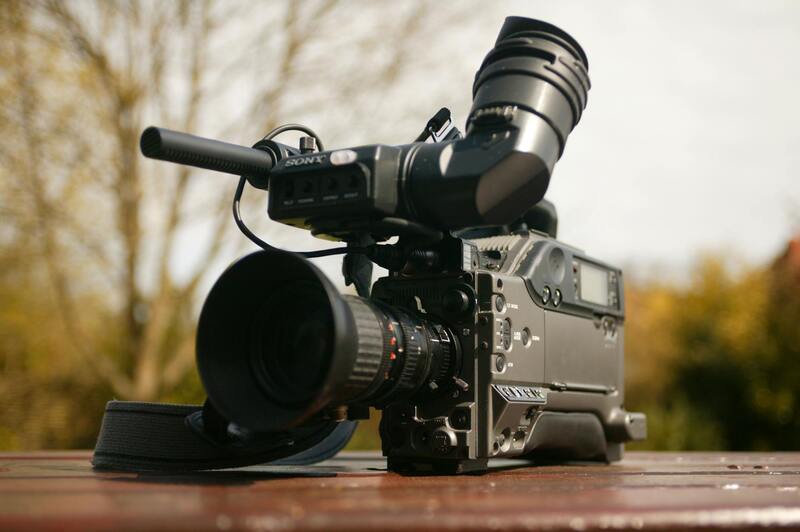
To achieve a high-quality live event stream, meticulous attention to the technical setup is crucial. This begins with establishing a robust internet connection, which serves as the backbone of the live broadcast. Fiber optic networks are preferred in Miami due to their high bandwidth capacity and low latency, ensuring stable streaming even during high-traffic events. Prior to the event, a comprehensive network assessment should be conducted to identify potential bottlenecks and to implement necessary bandwidth upgrades.
Additionally, redundant internet connections, such as secondary fiber lines or LTE failover options, provide fail-safes in case of primary network failure. This redundancy minimizes the risk of interruptions, ensuring viewers experience seamless streaming regardless of unforeseen issues. Proper network configuration, including Quality of Service (QoS) settings, helps prioritize streaming data over other network traffic, which is essential in a busy venue environment.
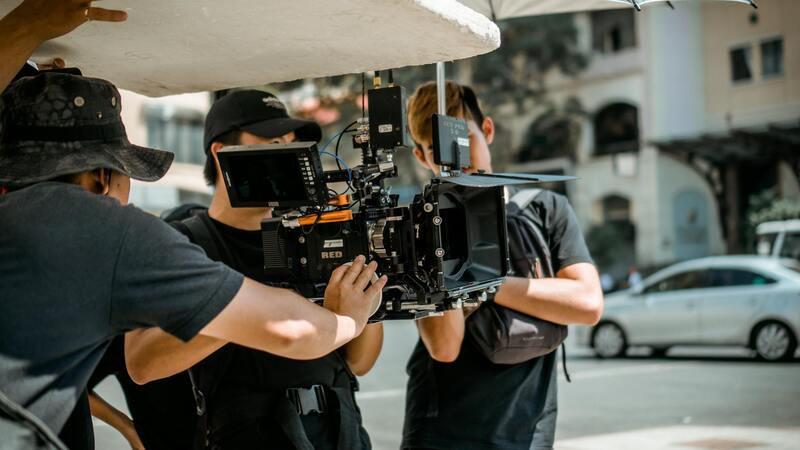
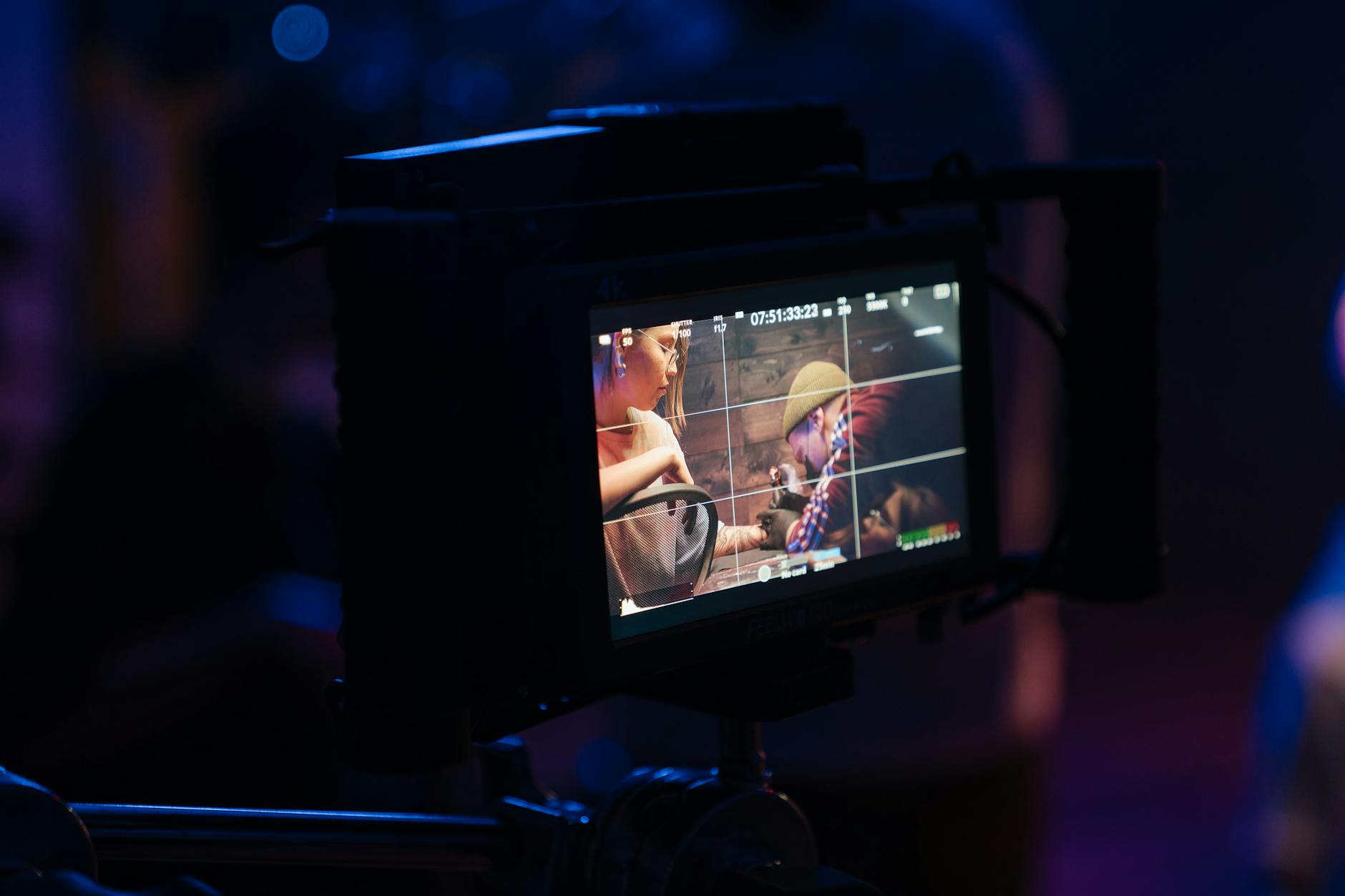
Camera placement within the venue must consider sightlines, lighting conditions, and the flow of the event. Using multiple camera angles—not only adds visual interest but also provides flexibility in production. Remote control systems enable real-time adjustments, ensuring that the footage remains engaging and professional. High-definition cameras, equipped with high-quality lenses and stabilized mounts, capture sharp images regardless of movement or lighting variability.
Audio quality significantly impacts viewer experience. Professional-grade microphones and in-ear monitoring systems help achieve clear sound, free of feedback or background noise. Strategic microphone placement around the venue captures the atmosphere effectively, whether broadcasting a concert, conference, or festival. Syncing audio and video feeds accurately is vital for a polished production.
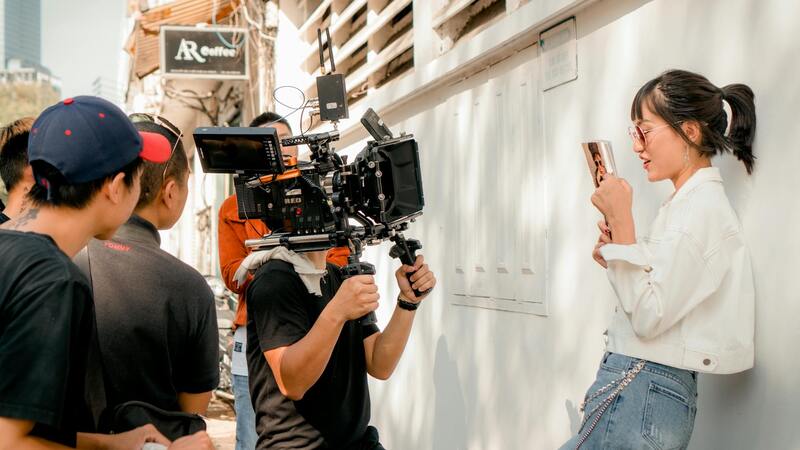
Backup systems are a key component of operational readiness. Uninterruptible Power Supplies (UPS) ensure that equipment remains powered during outages. Portable generators can provide additional backup in outdoor or large-scale venues. Redundant hardware, such as secondary encoders and switchers, allows seamless transition if primary devices encounter issues. These measures collectively secure the continuity of your live stream, giving both organizers and viewers confidence in the broadcast quality.
Signal testing and rehearsals should be scheduled well before the event. This process helps identify potential points of failure and allows technical teams to fine-tune settings for optimal performance. During live operation, real-time monitoring tools track streaming metrics, including bit rate, latency, and viewer engagement. Immediate adjustments can be made based on these analytics, maintaining the professional caliber of the broadcast.
In Miami’s dynamic event landscape, leveraging official and proven streaming methods ensures a robust and engaging live experience. Proper infrastructure, comprehensive planning, and contingency preparations form the foundation for successful live event streaming production.
Production Execution and Live Operation
Executing a live event stream requires precise coordination among various technical components to ensure a seamless broadcast. During the live operation, skilled directors and technical operators manage camera switching, ensuring the most compelling angles are prioritized to capture the event’s essence. Real-time editing involves selecting shots, adjusting audio levels, and integrating graphics that enhance viewer engagement without disrupting the broadcast flow.
Audio mixing in live streaming is crucial for delivering clear, balanced sound. This involves managing multiple microphone feeds, adjusting levels on the fly, and applying sound processing techniques such as equalization and compression to optimize audio clarity. In an outdoor Miami setting, ambient noise and environmental factors can present challenges; thus, professionals must adapt their audio strategies accordingly.
Switching between multiple live feeds is managed through broadcast switchers, which allow seamless transitions and overlays. These devices enable the integration of pre-produced graphics, titles, and branding elements that maintain a polished look throughout the event. Properly synchronized graphics not only reinforce branding but also provide viewers with valuable information about the event schedule, speaker profiles, or live stats.
Managing the live stream also involves real-time monitoring of streaming metrics. Technical teams keep an eye on bit rate, frame rate, latency, and viewer engagement statistics. Using sophisticated monitoring tools, they can identify issues such as buffering, lag, or signal loss immediately. This proactive approach allows for quick adjustments, like shifting to backup streams or modifying encoding settings, to keep the broadcast stable and professional.
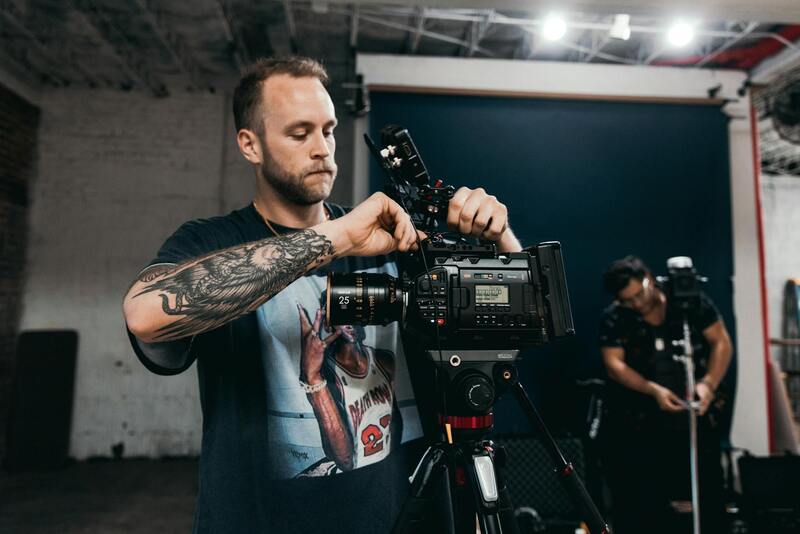
Throughout the live operation, backup systems remain on standby. Redundant hardware, such as secondary encoders and distribution servers, ensures continuity should primary equipment encounter technical difficulties. Maintaining a structured communication workflow among production staff guarantees swift responses to any unexpected complications. This disciplined approach is essential in the fast-paced environment of Miami’s vibrant event scene, where keeping the live broadcast flawless enhances overall audience experience.
Technical Quality and Stream Optimization
Achieving a high-quality live stream in Miami requires meticulous attention to technical quality. This encompasses several critical aspects, including proper encoding, adaptive streaming protocols, and effective bandwidth management. Encoding settings must be configured to balance video quality and stability, utilizing hardware or software encoders that can deliver consistent performance under demanding conditions. The use of adaptive bitrate streaming plays an essential role in accommodating diverse viewer internet speeds, ensuring a smooth experience regardless of device or network quality.
To optimize the viewing experience, streaming platforms employ protocols such as HLS (HTTP Live Streaming) or DASH (Dynamic Adaptive Streaming over HTTP). These standards dynamically adjust video quality in real-time based on viewer bandwidth, minimizing buffering or interruption issues. It’s vital that production teams continuously monitor these metrics throughout the event to identify potential bottlenecks or signal degradation, enabling swift corrective action.
Besides technical configurations, ensuring robust infrastructure is fundamental. Multiple servers and CDNs (Content Delivery Networks) distribute the live stream across various geographic locations, reducing latency and preventing overload on any single network point. Pre-event testing and bandwidth assessments help preempt potential problems, guaranteeing that the live broadcast runs without hitch. This comprehensive approach forms the backbone of professional live event streaming production, directly impacting audience retention and overall event success.
Social Media and Multi-Platform Streaming
Expanding the reach of Miami-based events involves streaming across multiple platforms simultaneously. Incorporating social media channels such as Facebook Live, YouTube Live, or Twitter’s Periscope extends the event’s visibility, engaging a broader audience segment. This requires integrating multi-streaming solutions that can distribute the feed concurrently while maintaining synchronization.
- Stream synchronization: Ensuring all streams are synchronized to avoid latency discrepancies between platforms.
- Stream management: Utilizing centralized control dashboards for monitoring and adjusting streams in real-time.
- Quality assurance: Maintaining consistent video quality across platforms, which may have different bandwidth constraints.
Leveraging social media for live event streaming also facilitates interactive engagement. Features such as live chats, polls, and Q&A sessions increase viewer participation, making the event more dynamic and memorable. Proper planning and execution in multi-platform streaming elevate the overall production quality and extend the event’s impact well beyond the physical venue.
Data Analytics and Viewer Engagement Tracking
Post-stream analysis offers invaluable insights into viewer behavior and engagement levels. Using analytics tools, production teams can track metrics such as concurrent viewers, average watch time, geographic distribution, and device usage. Understanding these parameters enables better content tailoring and strategic planning for future events.
Implementation of viewer engagement features like real-time comments, social sharing options, and personalized content recommendations enhances overall interactivity. Data-driven decisions regarding content timing, graphical overlays, or supplementary media are vital in refining the streaming approach, ultimately boosting audience satisfaction and boosting ROI.
Technical Quality Assurance in Live Event Streaming
Achieving optimal technical quality during a live event stream is critical for audience satisfaction and professionalism. It is essential to implement rigorous quality assurance protocols before and during the broadcast. This includes comprehensive equipment testing, such as verifying camera functionality, audio clarity, and network stability to prevent interruptions and degradation of video quality. High-definition video streaming typically requires encoders capable of handling at least 4K resolution, combined with reliable bandwidth to support the data transfer rates necessary for seamless transmission.
Proper encoding settings and adaptive bitrate streaming enable the broadcast to adjust quality dynamically, based on the viewer’s internet speed. This minimizes buffering and lag issues, providing a smoother viewing experience across devices and platforms. Additionally, employing multi-bitrate streams allows viewers with varying connection qualities to access the event without sacrificing quality. Tiered streaming ensures that all viewers, regardless of their internet capabilities, can enjoy the content consistently.
Another critical aspect is the use of professional-grade audio equipment, including external mixers and directional microphones, to capture clear sound that matches the visual quality. Audio levels must be monitored continuously to prevent distortions or unwanted noise, which can detract from the overall experience. The integration of audio feedback and real-time adjustments plays a vital role in maintaining consistency.
Network infrastructure should be robust, with dedicated fiber optic lines or partnerships with high-capacity internet service providers to ensure sufficient upload speeds. Redundant network setups and failover protocols help minimize the risk of disruptions. Deploying Content Delivery Networks (CDNs) allows the stream to be distributed efficiently across multiple geographical locations, which is particularly beneficial in Miami’s diverse and densely populated area.
Monitoring and Troubleshooting During Live Streams
Continuous monitoring of the streaming process is indispensable for proactive troubleshooting. Using centralized control dashboards, production teams can oversee multiple data points such as kilobits per second (Kbps), frame rates, and error logs in real-time. This visibility allows for quick detection of issues like packet loss, jitter, or latency spikes and facilitates immediate corrective actions.
To address latency discrepancies between platforms, synchronization algorithms are employed to align video and audio streams precisely. This synchronization minimizes viewer perception of delays, ensuring a cohesive viewing experience regardless of the device or platform. Implementing automated alerts and having a trained technical team ready for emergency adjustments further safeguards the live stream’s integrity.
Quality assurance extends beyond technical hardware. It encompasses consistent connectivity testing, sound checks, and visual inspections during pre-production runs. Thorough rehearsals help identify potential points of failure, allowing teams to fine-tune camera angles, lighting, and audio levels. These preparations are crucial for delivering a professional and engaging live event broadcast.
Enhancing Post-Event Content Management for Live Streamed Events
Effective post-event content management is vital for maximizing the longevity and reach of your live streaming efforts in Miami. Once the live broadcast concludes, the focus shifts to organizing, editing, and distributing the recorded footage to ensure it continues to engage audiences and bolster your event's impact.
High-quality post-production editing is crucial for refining raw footage captured during the live stream. This process involves trimming unnecessary segments, enhancing audio and video clarity, and adding graphical elements such as lower thirds, logos, or subtitles to reinforce branding and messaging. Skilled editors utilize professional-grade software to produce polished content that can be repurposed for promotional campaigns or on-demand viewing platforms.
Storage and archival of live stream recordings are equally important. Secure cloud-based systems or dedicated servers should be employed to preserve high-resolution copies of all event footage. Efficient storage tactics facilitate quick retrieval for future editing, repurposing, or historical documentation, ensuring that valuable event content remains accessible over time.
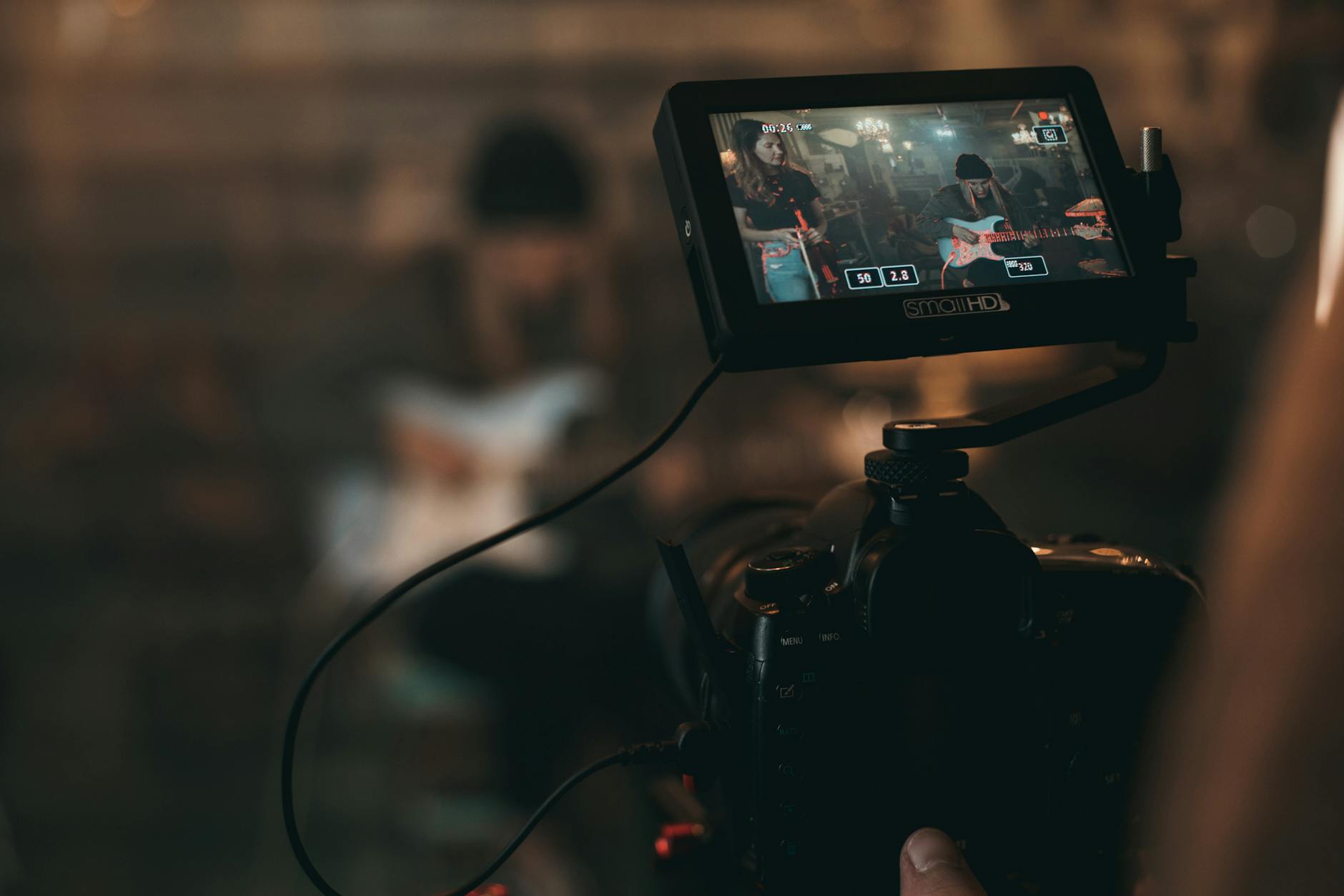
Optimized distribution channels further amplify the reach of your live streamed events. Uploading recordings to popular video-sharing platforms, embedding sessions on your website, and sharing clips across social media channels can attract a broader audience. Tailoring content formats to suit each platform ensures maximum engagement and viewer retention.
Analytics and feedback collection are integral to understanding the success of your live event. Tracking viewer metrics such as watch time, engagement rates, and audience demographics provides insights into content performance. Incorporating survey responses and viewer comments helps identify areas for improvement, guiding future live streaming strategies in Miami.
Furthermore, integrating your post-event content with marketing campaigns can generate sustained interest and foster community engagement. Highlight reels, behind-the-scenes footage, and participant interviews serve to maintain momentum long after the live event concludes, nurturing relationships with your audience and expanding your brand presence.
In Miami’s dynamic environment, staying committed to robust post-production workflows and strategic content distribution ensures that every live event leaves a lasting impression. This comprehensive approach guarantees that the investments made in live streaming translate into continued visibility, audience loyalty, and measurable success.