
Understanding Live Stream Production Services
In an era where digital connectivity shapes how audiences engage with content, live stream production services have become indispensable for organizations, brands, and event organizers. These services encompass a comprehensive suite of solutions designed to broadcast live content seamlessly over the internet, reaching viewers in real-time regardless of their geographical location. The primary objective of live stream production is to deliver high-quality, uninterrupted video and audio experiences that mirror the professionalism of traditional broadcasting, while leveraging the flexibility and accessibility of online platforms.
Live stream production involves a combination of specialized equipment, expert operators, and strategic planning to ensure that every aspect of the broadcast aligns with the intended message and audience expectations. Whether it is a corporate conference, a concert, a sports event, or a product launch, live streaming transforms static events into dynamic digital experiences that can be interacted with and shared instantaneously. As the popularity of digital content continues to rise, the demand for reliable live stream production services has increased significantly, making it essential for content creators and organizers to partner with specialized providers who understand the nuances of digital broadcasting.

Choosing the right live stream production service involves understanding the multitude of processes involved—from pre-event planning and content design to real-time technical execution and post-broadcast analysis. These services are not merely about pushing video content online; they are about delivering a cohesive, engaging viewer experience that maintains technical integrity and visual appeal. With advancements in streaming technology, modern providers now utilize scalable, cloud-based solutions, multiple camera feeds, real-time graphics, and interactive features to enhance viewer engagement and ensure a smooth broadcast for all participants.
In summary, live stream production services facilitate the transformation of physical experiences into accessible digital content through sophisticated technical solutions and dedicated expertise. They are vital tools for organizations aiming to expand their reach, increase engagement, and deliver impactful content to diverse audiences across the globe. Understanding the core elements and strategic importance of these services is the first step toward leveraging their full potential in today’s competitive digital landscape.
Core Components of Live Stream Production
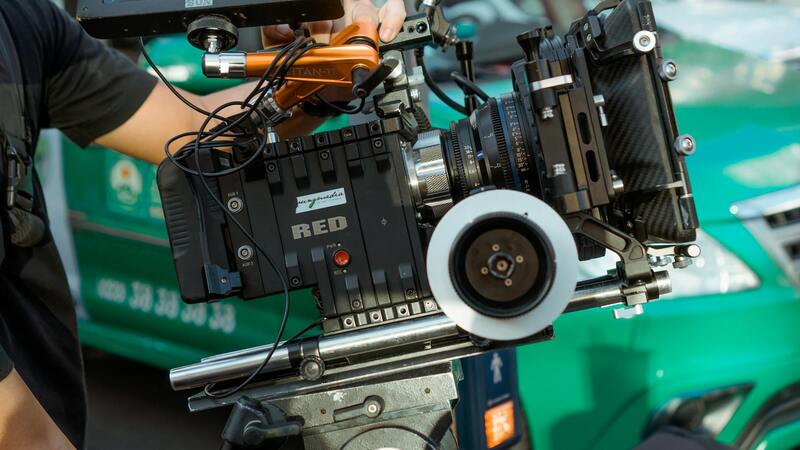
Effective live stream production hinges on the seamless integration of multiple sophisticated elements that work collectively to deliver high-quality visual content to audiences. Initially, the process begins with video capture, where professional-grade cameras capture live action from multiple angles. These cameras are often supported by specialized tripods, gimbals, and wireless transmission systems, allowing flexibility and stability in diverse environments. High-definition video capture ensures that viewers experience crisp visuals, regardless of the platform or device used.
Streaming hardware forms the backbone of the transmission process. This includes high-performance encoders—either hardware-based or software solutions—that convert raw video feeds into optimized, internet-ready streams. Encoders are configured to adjust parameters like resolution, bitrate, and frame rate to match network conditions and platform requirements, ensuring minimal latency and maximum clarity.
Encoding and Distribution Technologies
Encoding is a critical step that compresses the video data to facilitate efficient transmission without compromising quality. Advanced encoding solutions support multiple streams simultaneously, enabling multi-camera feeds, picture-in-picture setups, or graphic overlays. Once encoded, the live feed is transmitted via robust internet protocols to distribution platforms such as Content Delivery Networks (CDNs). These networks ensure that the stream reaches viewers across different locations quickly and reliably, maintaining a consistent quality of experience.
Content Management and Graphics
Modern live streaming integrates advanced content management systems that enable real-time insertion of graphics, branding, or overlays. Real-time graphics including lower thirds, titles, or live polls enhance viewer engagement and reinforce the event’s branding. Additionally, professional live stream setups often incorporate media server solutions for switching between camera feeds, overlays, and pre-recorded segments seamlessly, creating a polished broadcast experience.
Audio Considerations
Audio quality remains integral to engaging live streams. High-fidelity microphones, audio mixers, and digital signal processors work together to capture clear sound, suppress noise, and balance multiple audio sources. Proper audio levels and synchronization with video are maintained to prevent disorienting delays or mismatches that can diminish viewer experience.
Post-Event Storage and Analysis
Following the live event, high-quality recordings are archived for on-demand access or further editing. Data analytics tools used by streaming services provide insights into viewer engagement metrics, such as viewership numbers, drop-off points, and interaction levels. Analyzing this data enables content creators and organizers to refine their future streaming strategies and enhance overall viewer satisfaction.
In essence, the combination of advanced video capture, encoding, graphics, audio management, and distribution technologies underpin a successful live stream production. Integrating these components with precision ensures a visually appealing, technically impeccable broadcast that can adapt to the evolving demands of digital audiences.
Understanding Live Stream Production Services
Proficient live stream production services encompass a wide range of technical and creative elements that come together to deliver high-quality digital broadcasts. These services are meticulously designed to handle the complexities of a live event, ensuring that every frame, sound, and transition aligns perfectly to engage viewers and communicate the intended message effectively. From pre-production planning to on-site setup and post-event analysis, live stream production involves a multi-faceted approach that prioritizes seamless execution, visual appeal, and audio clarity.
Core Components of Live Stream Production
Successful live stream production is rooted in the integration of several essential components that work in harmony to produce a professional broadcast. Each element plays a vital role in elevating the overall viewer experience and ensuring the event's objectives are met with precision.
- Video Capture and Encoding: High-definition cameras capture live footage, which is then encoded using advanced software or hardware encoders. This process compresses the video data for smooth, real-time transmission over the internet, balancing quality with bandwidth considerations.
- Graphics and Overlays: To enhance visual engagement, live stream services incorporate branding elements such as logos, lower thirds, titles, and real-time data overlays. Custom graphics can also be used for interactive features like live polls or viewer comments, increasing audience interaction.
- Media Server Solutions: Media servers facilitate switching between multiple camera feeds, pre-recorded segments, and graphical overlays. These solutions enable dynamic switching and visual effects that create a polished viewing experience comparable to traditional television broadcasts.
- Audio Management: Clear and balanced sound is critical. High-quality microphones, digital mixers, and noise suppressors are employed to capture and optimize audio. Synchronization between audio and video is maintained to prevent delays that could disrupt viewer engagement.
- Distribution Platforms: Selecting the right streaming platforms and content delivery networks (CDNs) ensures broad reach and stable transmission. This component often involves configuring media players and embedding streams into websites or social media channels for maximum accessibility.
- Post-Event Storage and Analysis: After the live event, recordings are archived for on-demand access or future use. Data analytics tools evaluate viewer engagement, offering insights into metrics like peak viewership, engagement duration, and geographic distribution, informing future content strategies.
Visualizing the Production Workflow
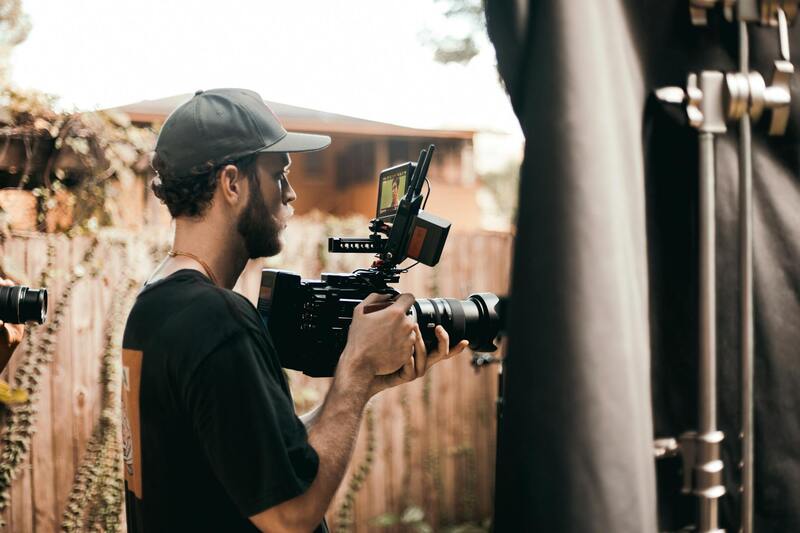
Implementing a seamless live stream requires meticulous planning, coordination, and technical expertise. Starting with detailed pre-production planning, including content layout, camera angles, graphics, and schedule, ensures smooth execution. During the event, real-time monitoring and technical support are vital to address unexpected issues swiftly. Post-event, editing, archiving, and performance analysis help maximize the content's lifecycle and reach.
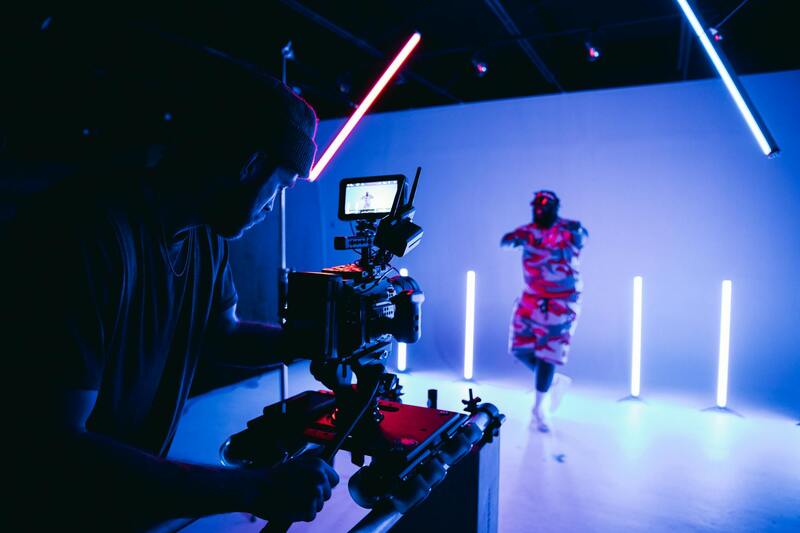
The combination of high-end equipment, skilled technicians, and strategic planning defines the strength of professional live stream production services. By integrating these essential elements, organizers can deliver captivating, reliable broadcasts that meet the increasing demands of digital audiences and elevate their event presence on a broader scale.
Understanding Live Stream Production Services
Live stream production services encompass a comprehensive suite of technical and creative solutions designed to deliver high-quality digital broadcasts of live events. These services involve meticulous planning, state-of-the-art equipment, and expert execution to ensure seamless delivery across various digital platforms. They cater to a diverse range of events, including corporate conferences, product launches, music concerts, sports tournaments, and community festivals, transforming physical gatherings into dynamic online experiences. By leveraging advanced streaming technology, production teams can optimize video quality, audio clarity, and real-time interaction, allowing audiences worldwide to engage with the content without geographic limitations.
Professional live stream production is more than just transmitting video footage; it involves orchestrating visual storytelling, managing multiple camera feeds, integrating graphics and overlays, and ensuring reliable connectivity throughout the broadcast. This holistic approach requires coordination among technical operators, content producers, and on-site personnel to deliver a polished, engaging viewing experience. A critical component of these services is the utilization of robust hardware and software platforms that facilitate multi-camera switching, real-time editing, and adaptive streaming to accommodate varying viewer bandwidths.
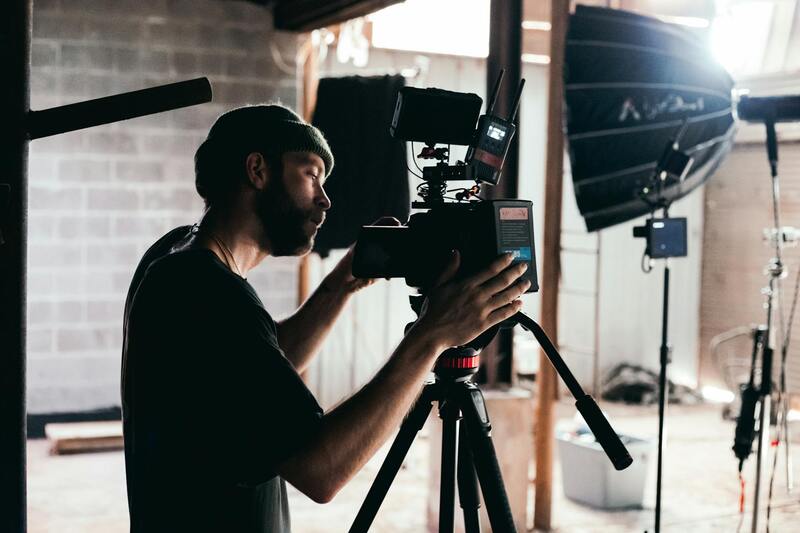
In addition, live stream production services include supplementary features such as interactive chat integration, multilingual captioning, and surveillance of broadcast quality. These enhancements serve to increase audience participation, accessibility, and overall engagement. The expertise involved ensures that all technical elements work harmoniously, minimizing disruptions and maximizing the impact of every live event. As digital consumption continues to expand, professional live streaming is increasingly essential for organizations seeking to amplify their reach, uphold brand reputation, and foster real-time community interaction.
Core Components of Live Stream Production
- Pre-Production Planning: Defining objectives, content layout, camera positioning, scheduling, and technical requirements to lay a solid foundation for the broadcast.
- Technical Setup: Equipment installation, network configuration, and testing to ensure reliable signal transmission and high-quality output.
- Capture and Encoding: Using professional cameras and encoders to transmit clear audio-visual content ready for streaming platform ingestion.
- Streaming Delivery: Employing Content Delivery Networks (CDNs) and streaming protocols to ensure stable and scalable broadcast distribution.
- Real-Time Monitoring: Continuous oversight of signal integrity, video quality, and audience engagement throughout the event.
- Post-Event Processing: Archiving recordings, performing edits if needed, and analyzing viewer data to inform future productions.
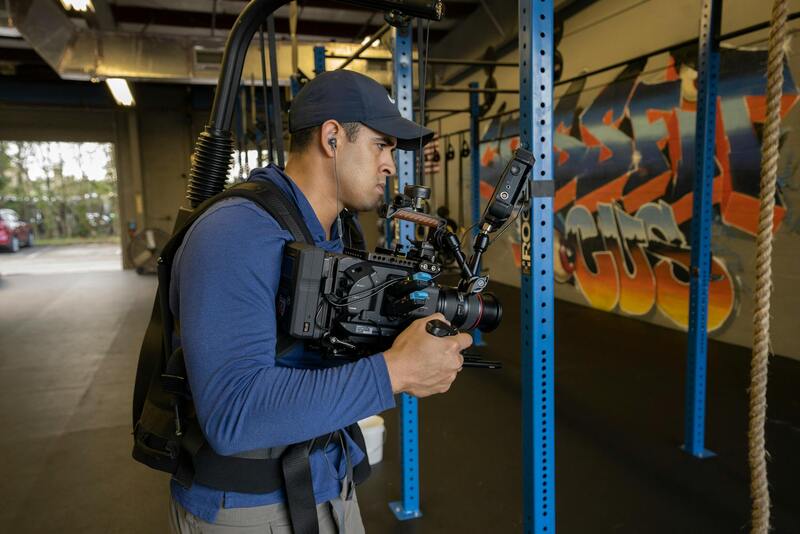
Implementing these core elements within a structured workflow ensures consistent broadcast quality, enhances viewer experience, and supports the successful delivery of content. From on-site technical support to post-event data analysis, each component is integral to maintaining high standards and achieving organizational objectives through live streaming.
Understanding Live Stream Production Services
Live stream production services encompass a comprehensive suite of technical and creative processes designed to deliver real-time digital broadcasts of events, presentations, or entertainment to online audiences. These services involve meticulous planning, advanced technology deployment, and skilled execution to ensure seamless transmission and high-quality viewing experiences. As organizations increasingly rely on digital platforms to reach their audiences, the importance of professional live streaming becomes paramount in maintaining engagement, enhancing brand visibility, and creating interactive opportunities that were previously limited to physical venues.
Key Elements of Effective Live Stream Production
- Strategic Planning: Establishing clear objectives, identifying target demographics, and determining content flow and visual aesthetic.
- Technical Preparation: Selection and setup of audiovisual equipment, network optimization, and contingency planning for potential technical disruptions.
- Content Capture: Utilization of high-definition cameras, professional lighting, and reliable audio gear to capture engaging visuals and sounds.
- Encoding and Compression: Using advanced encoder hardware and software to convert footage into stream-ready formats compatible with various platforms.
- Streaming Infrastructure: Engagement of Content Delivery Networks (CDNs) and streaming protocols to distribute online content smoothly across multiple viewerships and devices.
- Real-Time Oversight: Continuous monitoring of signal quality, latency, and viewer engagement metrics for immediate adjustments if necessary.
- Post-Event Delivery: Archiving recorded streams, editing as needed, and analyzing performance data to optimize future broadcasts.

Ensuring Quality Through Professional Services
Partnering with seasoned live stream production providers ensures access to cutting-edge technology, experienced technical staff, and tailored solutions that match the unique needs of each event. These providers manage all aspects, from pre-production planning to on-site execution and post-broadcast analytics, allowing clients to focus on content and audience engagement without concern for technical complexities. The resulting broadcasts are characterized by clarity, stability, and interactivity, which collectively bolster audience retention and brand reputation.
Importance of Structured Workflow and Expertise
A layered workflow, integrated with industry best practices, guarantees consistency and reliability in live streaming. Such workflows cover every stage—from initial concept development and content design to technical setup, live execution, and detailed post-event reviews. By leveraging industry expertise, Miami-based live stream production agencies can troubleshoot potential issues proactively, adapt dynamically to on-site conditions, and incorporate innovative trends in streaming technology, thus elevating the overall quality of each broadcast.
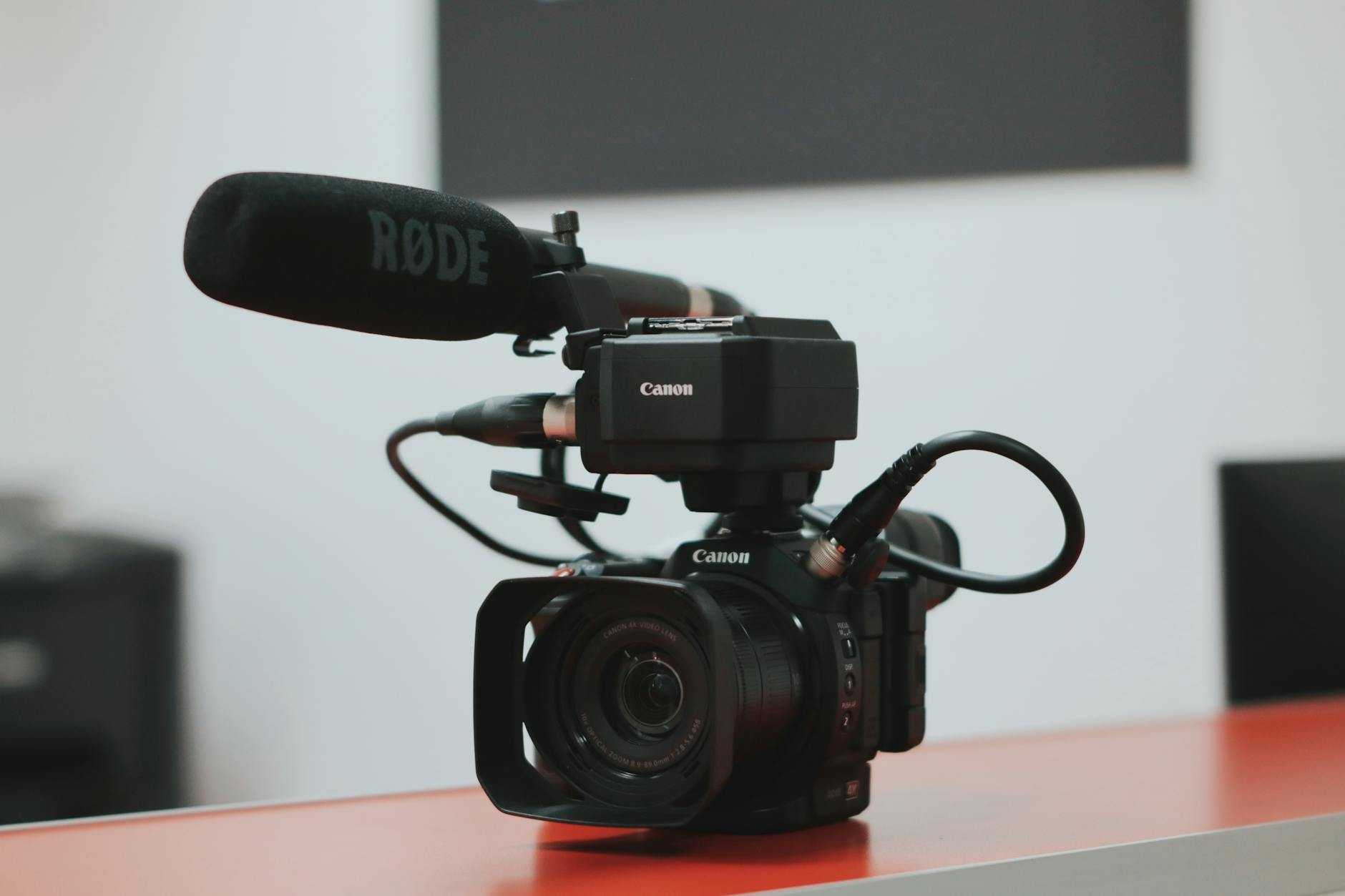
Understanding Live Stream Production Services
Live stream production services encompass the comprehensive processes and technical expertise required to broadcast live events over the internet seamlessly and professionally. These services are designed to handle every aspect of a live broadcast, ensuring that content reaches audiences with clarity, stability, and engaging interactivity. They involve a combination of pre-event planning, real-time technical management, and post-event analysis to optimize audience experience and content delivery. Reliable live stream production is essential for organizations seeking to extend their reach, enhance engagement, or elevate the professionalism of their communications, whether for corporate conferences, product launches, entertainment performances, or educational seminars.
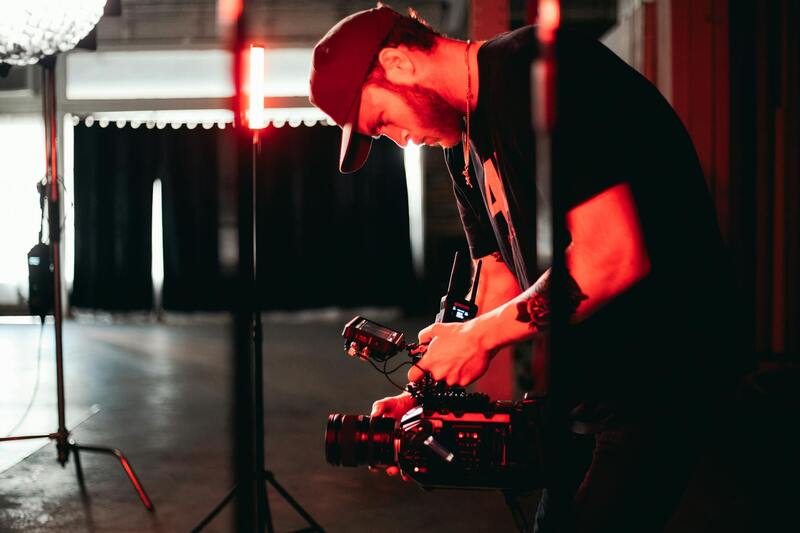
Every successful live stream begins with a clear understanding of the core components that collectively ensure a smooth broadcast. This involves sophisticated equipment such as professional cameras, multi-source switchers, high-bandwidth internet connections, and advanced audio systems. Furthermore, live stream production integrates specialized software for encoding, mixing, and streaming, which converts raw footage into a format suitable for online distribution. The alignment of these elements, managed by skilled technicians and production managers, guarantees a broadcast that is not only visually engaging but also technically sound, minimizing issues like latency, buffering, or signal disruptions.
Core Components of Live Stream Production
- Video Capture Equipment: High-definition cameras and switchers facilitate multiple camera angles and dynamic visual storytelling.
- Audio Management: Professional microphones and sound mixers ensure clear, balanced audio that complements visual content.
- Encoding and Streaming Software: Platforms and software solutions convert live footage into broadcast-ready streams, supporting various streaming channels and devices.
- Internet Connectivity: Reliable, high-speed internet connections are vital for maintaining stream stability and reducing latency.
- On-site Technical Support: Experienced technicians monitor all technical aspects during the event, ready to address any unexpected issues promptly.
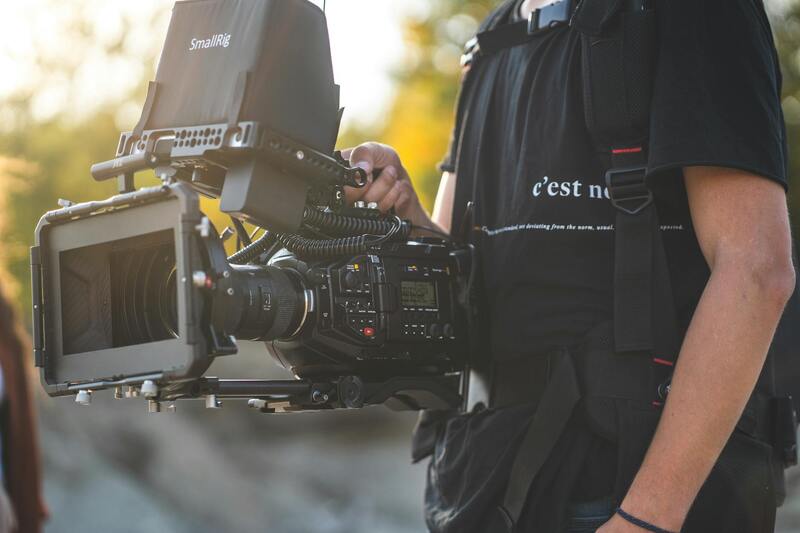
Types of Events and Content Suitable for Live Streaming
Live streaming adapts effectively to a wide array of events, providing real-time engagement across diverse industries. Corporate events such as annual meetings, product unveilings, and training sessions benefit from professional streaming, facilitating broader participation and archival value. Entertainment sectors leverage live broadcast technology for concerts, theater performances, or fashion shows, allowing audiences worldwide to experience the event authentically. Educational institutions use live streaming for lectures, workshops, and conferences, expanding access for remote learners. Nonprofit organizations, political campaigns, and religious groups also utilize live streams to connect with their communities, promote transparency, and increase outreach efforts.
Role of a Miami Production Agency in Live Streaming
A Miami-based live stream production agency offers localized expertise combined with access to cutting-edge technology. These agencies coordinate all technical and creative elements for a seamless broadcast, working closely with clients to customize solutions aligned with their specific goals. They provide end-to-end services, encompassing pre-production planning, content creation, equipment setup, and live execution, along with post-broadcast analytics and reporting. Their proximity allows for real-time troubleshooting, personalized service, and adaptation to Miami’s unique event landscape, whether live concerts on South Beach, corporate conferences downtown, or community festivals in the Miami-Dade area.
Key Factors to Consider When Choosing Live Stream Services
- Technical Expertise: Ensure the provider has a proven track record in handling similar events and technology sophistication.
- Equipment Quality: Opt for agencies utilizing high-grade cameras, encoding hardware, and reliable streaming platforms.
- Customization and Flexibility: The ability to tailor the broadcast to specific content, audience, and interaction needs is essential.
- Scalability: Choose providers capable of supporting multiple streams simultaneously and adapting to varying audience sizes.
- Support and Reliability: 24/7 technical support and contingency plans are critical for minimizing disruptions during live events.
- Post-Event Analytics: Access to comprehensive reports helps evaluate viewer engagement and improve future broadcasts.
Understanding Live Stream Production Services
Live stream production services encompass a comprehensive range of technical and creative solutions designed to broadcast live events with professionalism and precision. These services are essential for organizations, artists, and brands aiming to reach audiences beyond geographic limitations through high-quality video content. A reputable live stream production provider manages all aspects of the broadcast, from pre-event planning and content development to the live execution and post-event evaluation. By leveraging industry-standard equipment and expert personnel, these services ensure that each event is displayed seamlessly, delivering an engaging viewer experience that maintains the integrity of the original content.
Effective live stream production requires integrating multiple components such as video capture, switching, encoding, transmission, and viewer interaction. It involves a team of specialists who coordinate technical workflows and creative elements to produce a broadcast that feels polished and engaging. This collaborative approach guarantees that whether the event is a corporate presentation, music concert, or community festival, the broadcast remains consistent, with minimal technical issues and maximum audience engagement.
Core Components of Live Stream Production
- Pre-Production Planning: This phase involves defining the event objectives, schedule, content structure, and technical requirements. It lays the groundwork for a smooth broadcast by establishing clear communication channels and contingency plans.
- Content Creation and Setup: Content includes camera angles, graphics, overlays, and audio. Proper setup ensures that the visual and audio quality meet broadcast standards, utilizing professional-grade cameras, microphones, and mixers.
- Technical Equipment and Platform Integration: High-end hardware such as streaming encoders, switchers, and reliable internet connections are vital for uninterrupted broadcast quality. Choosing the right streaming platform can also influence viewer accessibility and interaction capabilities.
- Live Execution: During the event, technical personnel manage camera switching, audio mixing, graphics insertion, and stream encoding. Real-time troubleshooting and seamless coordination are critical to handle unexpected technical challenges swiftly.
- Post-Event Analysis: After the broadcast, comprehensive reports on viewer engagement, stream stability, and technical performance help refine future productions and enhance audience outreach strategies.
Types of Events and Content Suitable for Live Streaming
Various event types benefit significantly from professional live streaming, including corporate conferences, product launches, music and entertainment concerts, religious services, sports competitions, and community festivals. Live streaming enables real-time interaction with audiences, fostering engagement through features like live chats, polls, and Q&A sessions. Content that has a visual or performative element, such as theater productions or panel discussions, can be effectively broadcast to extend reach and elevate brand visibility.
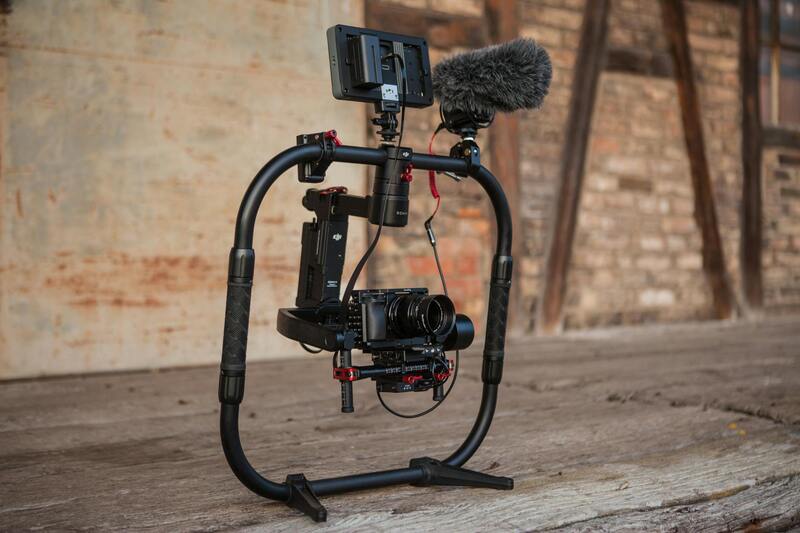
For organizations and creators aiming to maximize engagement, the choice of event type and content should align with their strategic goals. Events emphasizing real-time interaction, behind-the-scenes content, or exclusive access significantly benefit from professional production quality, ensuring clarity, consistency, and a polished appearance that resonates with viewers.
Role of a Miami Production Agency in Live Streaming
A Miami-based production agency offers localized expertise, understanding the unique dynamics of the city's vibrant event scene. These agencies act as strategic partners, coordinating all elements necessary for a successful broadcast tailored to Miami’s diverse venues and audience preferences. Their proximity facilitates face-to-face planning, real-time adjustments, and direct technical support, minimizing disruptions during live events.
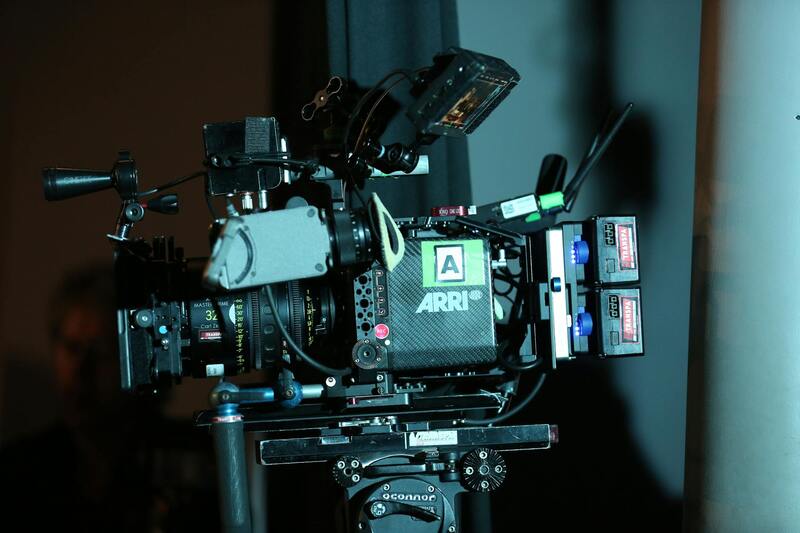
Partnership with a Miami production agency ensures access to seasoned professionals familiar with local infrastructure, permitting requirements, and audience expectations. Their comprehensive services cover everything from content development, gear procurement, and site setup to live camera directing, audio management, and streaming platform integration. Additionally, they provide contingency plans and rapid troubleshooting, which are crucial given Miami’s busy event schedule and varied venue conditions.
Key Factors to Consider When Choosing Live Stream Services
- Technical Expertise: The provider should demonstrate extensive experience with diverse event types and possess sophisticated technical skills to manage high-pressure situations efficiently.
- Equipment Quality: High-grade cameras, reliable encoders, and stable internet connections are non-negotiable for ensuring broadcast consistency and clarity.
- Customization Capabilities: The service must allow tailored solutions, including branding overlays, interactive features, and multi-camera setups to meet specific event goals.
- Scalability: Support for simultaneous streams, audience size adjustments, and future growth indicates a provider's capacity to handle expanding needs.
- Support and Reliability: 24/7 technical support, on-site troubleshooting, and backup systems are essential for minimizing potential disruptions.
- Post-Broadcast Reporting: Access to detailed analytics helps evaluate viewer engagement, peak viewing times, and content performance, informing strategy for subsequent events.
Advanced Techniques and Ensuring Quality in Live Stream Production
Maximizing the quality and professionalism of a live streaming event hinges on deploying advanced production techniques coupled with meticulous planning and execution. One key aspect is the integration of multi-camera setups, which allows for dynamic scene changes, close-ups, and wide-angle shots that enhance viewer engagement. Employing seamless transitions and real-time graphics ensures a polished presentation, especially for corporate webinars, product launches, or entertainment events.
In addition, utilizing high-quality audio equipment is paramount. Clear, unobstructed sound, synchronized with the video feed, creates an immersive experience. This often involves multiple microphones, sound mixers, and audio processing tools to eliminate background noise and optimize speech intelligibility.
Video encoding and compression technologies also play crucial roles in maintaining stream stability. Advanced encoders enable adaptive bitrate streaming, which dynamically adjusts video quality based on viewer bandwidth, reducing buffering and latency issues. Maintaining a robust internet connection through wired Ethernet connections, backup links, and dedicated bandwidth guarantees uninterrupted streaming even in high-traffic scenarios.
To uphold a high standard, continuous monitoring of stream health during live broadcasts is essential. Real-time analytics tools help detect issues proactively, allowing operators to address potential problems before they impact viewers. Moreover, implementing redundancy systems—such as backup power supplies and alternative streaming routes—ensures resilience against technical failures.
Content delivery networks (CDNs) further enhance broadcast reliability. By distributing the stream across multiple servers worldwide, CDNs reduce latency and ensure smooth playback for audiences scattered across different geographic locations. This is particularly beneficial for internationally targeted events, where consistent quality across time zones is critical.
Technical teams should also plan for post-production options. Recording the entire live event enables high-quality on-demand content, which can serve marketing purposes or extend the event’s lifespan. Additionally, detailed analytics gather viewer engagement data, helping content creators refine future live streams based on audience preferences and behavior.
Implementing Interactive Elements for Audience Engagement
Engagement techniques such as live chat interactions, polls, Q&A sessions, and social media integration increase spectator involvement. These features foster a sense of community and give viewers a more personalized experience, which is essential in building loyalty and enhancing brand perception. A professional live stream service can seamlessly incorporate these interactive elements without disrupting the flow of the broadcast.
Ensuring Secure and Smooth Streaming Operations
Security measures, including encrypted data transmission and access controls, protect content from piracy and unauthorized viewing. Additionally, stream authentication protocols verify viewer identities, which is especially important for ticketed or exclusive events.
Comprehensive pre-event testing, including dry runs and equipment checks, helps identify and resolve potential issues early. During the event, dedicated technical support teams monitor system performance, ready to intervene instantly if any anomalies occur.
Conclusion
Investing in advanced live stream production techniques and robust infrastructure ensures a reliable, engaging, and high-quality viewing experience. A thorough understanding of technology, continuous monitoring, and strategic planning are vital attributes of successful live streaming endeavors, positioning content to reach audiences effectively while maintaining a professional standard across various event types.