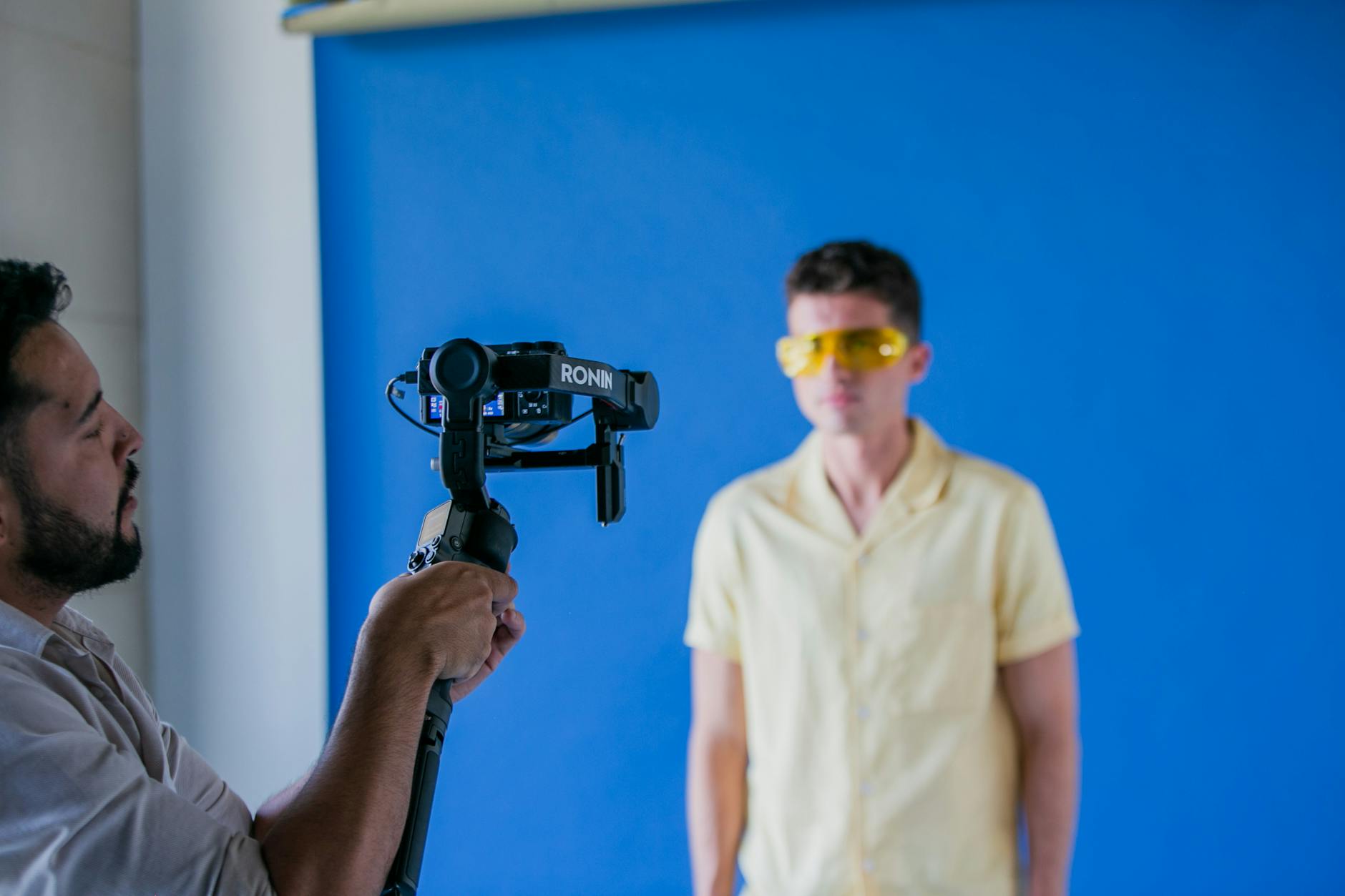
Overview of Live Video Production Services
Live video production has become an essential component of modern event and broadcast strategies, offering dynamic and real-time visual content that engages viewers instantly. A professional live video production company specializes in crafting seamless live events, whether for corporate conferences, concerts, sports events, or online broadcasts. These companies provide end-to-end solutions—from concept development and technical setup to live streaming and post-event analysis—ensuring every aspect of the visual presentation is polished and professional.
In Miami, a vibrant hub for entertainment, sports, and business, the demand for high-quality live video services has risen significantly. Companies in this sector are equipped to manage complex live productions tailored to diverse industries, allowing clients to reach audiences on multiple platforms efficiently. The importance of such services extends beyond mere broadcasting; they facilitate audience interaction, improve brand visibility, and amplify marketing efforts while providing a reliable channel for real-time communication.
Whether it’s a large-scale conference broadcasting to remote attendees or a live music festival capturing every moment for online viewers, a live video production company ensures the event runs smoothly with high-definition visuals, professional audio, and seamless streaming capabilities. Their expertise in managing multiple camera angles, switching between feeds, and integrating visual effects makes the content compelling and engaging for viewers across Miami and beyond.
Furthermore, in an age where digital content is king, live productions serve as a powerful tool for online engagement. Organizations leverage these services to boost audience participation, foster community building, and elevate their brand reputation. The strategic use of live video can attract new clients, maintain customer relationships, and showcase products or services with authenticity and immediacy that static content cannot match.
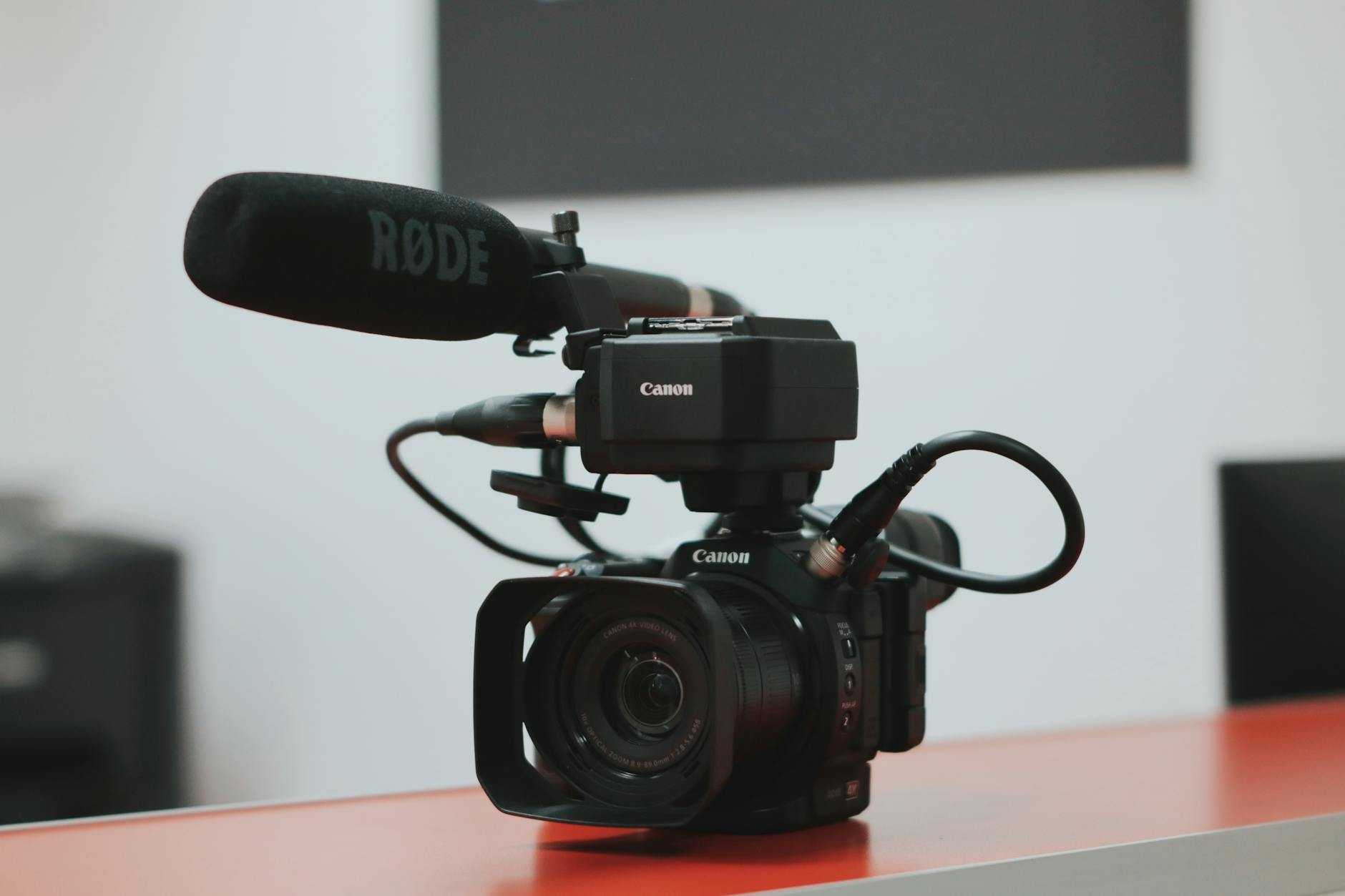
Choosing the right live video production company in Miami is crucial for ensuring a successful broadcast. Their expertise directly impacts the quality, reliability, and overall impact of your live content. From technical planning and equipment management to post-event analysis, professional companies work diligently to deliver compelling visual experiences that resonate with your target audience.
As Miami continues to grow as a hub for entertainment, business, and cultural events, the need for local, highly skilled live video production companies becomes more significant. They understand the regional dynamics, audience preferences, and technical considerations unique to Miami, enabling them to tailor services to meet specific demands efficiently and effectively.
Technology and Equipment Utilized
Effective live video production hinges on the deployment of advanced technology and equipment that ensures seamless broadcasting and superior visual quality. A reputable Miami-based live video production company invests in high-definition cameras capable of capturing detailed visuals from multiple angles, crucial for engaging and professional broadcasts. These cameras include pan-tilt-zoom (PTZ) models and 4K resolution devices that provide crisp images, allowing viewers to experience every detail of the event. Additionally, high-quality audio equipment such as wireless microphones, mixers, and soundboards guarantees clear, balanced sound that complements the visual content.
To facilitate smooth transitions and real-time feed switching, production companies utilize robust video switchers and mixing consoles. This equipment allows operators to switch between camera feeds, incorporate graphic overlays, and add visual effects effortlessly during the live event. Cutting-edge production software also plays a vital role, enabling real-time editing, streaming, and synchronization for a polished broadcast. For remote contributions or multiple locations, satellite transmission and internet-based solutions like bonded cellular, LiveU units, or IP streaming facilitate stable and reliable delivery of content to online platforms or broadcast channels.
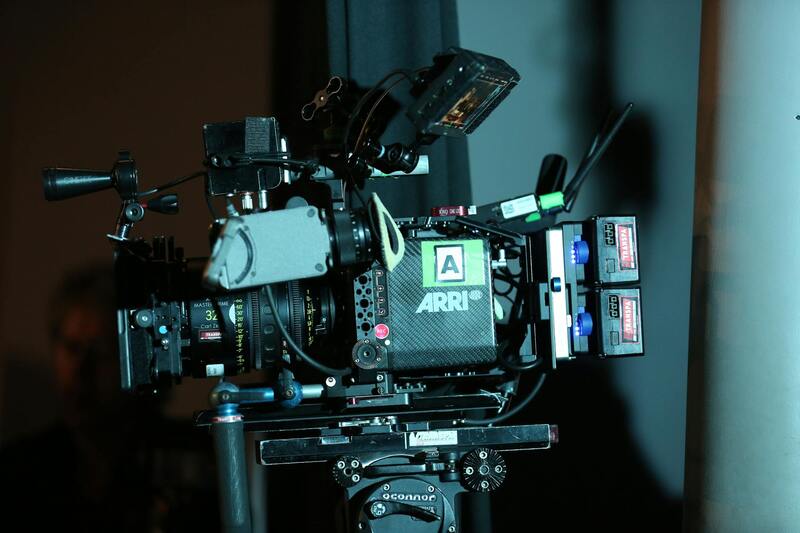
Lighting setups are equally critical, requiring professional-grade lights capable of adapting to various indoor and outdoor conditions. Proper lighting enhances subject appearance, minimizes shadows, and ensures on-camera clarity. Additionally, specialized equipment such as robotic cameras or steadicam systems may be used for dynamic shots and unique perspectives, adding production value to events like concerts, conferences, and product launches.
Beyond hardware, reliable streaming infrastructure is fundamental. Fiber optic internet connections, dedicated bandwidth, and backup systems ensure continuous transmission even in the face of network fluctuations. These technological investments reflect a commitment to delivering flawless live content, critical for building audience trust and engagement.
Technology and Equipment Utilized in Live Video Production
To achieve seamless live broadcasts, Miami's leading live video production companies leverage an extensive array of advanced technological tools and equipment. Central to this are high-definition cameras capable of capturing crisp, detailed visuals under diverse lighting conditions. These cameras, often robotic or stabilized with gimbal systems, allow for versatile angles and dynamic movement that enhance the viewer experience. Complementing the cameras are professional-grade audio devices like shotgun microphones, wireless lapels, and mixers that ensure clear and balanced sound quality, critical for engaging live content.
Another cornerstone of live production technology includes switching and control systems. Video switchers enable real-time switching between multiple camera feeds, overlaying graphics or video inserts, and managing visual transitions. Integration of graphic overlays, lower thirds, and branding elements is handled through advanced production software, which provides operators with intuitive control over visual content during the broadcast.
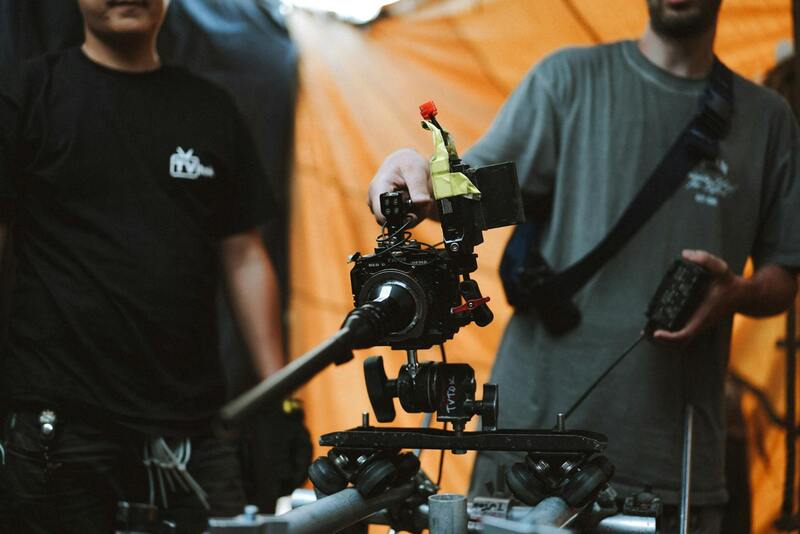
For remote and multi-location productions, technology such as bonded cellular, satellite transmission, and IP streaming solutions are essential. Devices like LiveU units facilitate reliable, high-quality video feeds over cellular networks, even in challenging environments. Fiber optic internet connections and dedicated bandwidth are standard infrastructure components that guarantee uninterrupted streams. Backup systems and redundant hardware are also integral, providing reliable fail-safes in case of technical disruptions.
Furthermore, innovative equipment such as robotic cameras, remote PTZ (pan-tilt-zoom) systems, and stabilizers contribute to dynamic, cinematic shots that elevate production value. Advanced lighting setups — including LED panels, spotlights, and diffusers — are employed to optimize subject visibility and overall ambience. The combination of these technologies ensures that every live broadcast maintains professionalism, clarity, and visual appeal, regardless of the event's scope or location.
Process of Planning and Executing a Live Video Event
Successfully delivering a live video event requires meticulous planning and coordination between the client and production team. The process begins with detailed consultations to understand the event's objectives, audience expectations, and desired outcomes. This initial phase helps establish the scope, necessary equipment, and personnel required for the production.
Once the goals are outlined, a comprehensive pre-production plan is developed. This includes selecting appropriate venues, designing stage layouts, and scheduling rehearsals to ensure seamless integration of all technical elements. The production team assesses potential logistical challenges, such as internet connectivity requirements, lighting conditions, and power sources, to preemptively address any issues that might impact the broadcast quality.
During the event, a dedicated director oversees the live production, coordinating camera operators, audio engineers, graphic operators, and technical crew members. The team executes the shot selection, graphic overlays, and live switching based on cues and real-time input. Realtime communication is facilitated through intercom systems, allowing the director to guide the production flow efficiently.
Post-event, the team often provides supplementary services such as recording the live feed for on-demand availability, creating highlight reels, and analyzing broadcast performance to improve future events. Clear, ongoing communication throughout each phase ensures the final product aligns with the client's vision and technical specifications, resulting in a polished and engaging live stream.
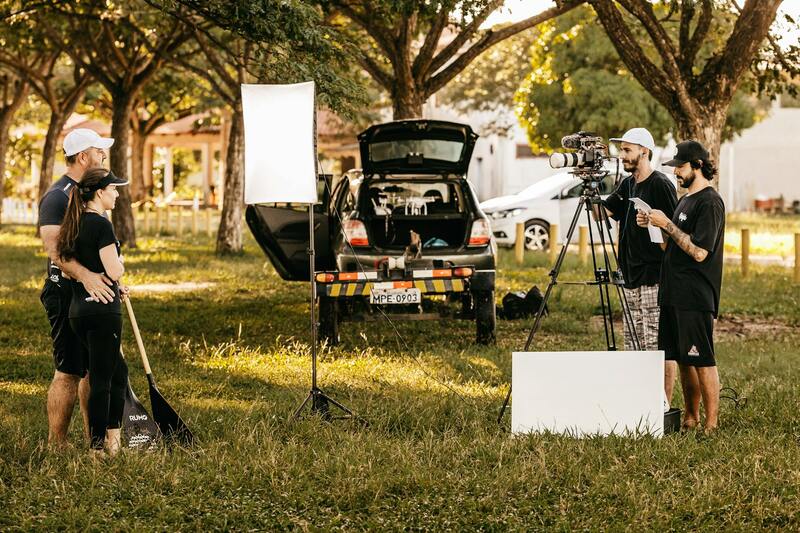
Technology and Equipment Utilized
Advanced technology forms the backbone of professional live video productions. Equipment such as multi-camera switchers, high-definition video cameras, and professional-grade audio systems deliver crisp visuals and clear sound. Robotic cameras and remote PTZ units enable dynamic shots and versatile angles that enhance viewer engagement.
Graphics engines and overlay software allow real-time insertion of lower thirds, branding elements, and visual effects, elevating the production’s professionalism. Integrated communication systems keep the crew synchronized, ensuring smooth transitions and timely cues.
To guarantee seamless streams, Miami-based production companies rely on high-bandwidth internet solutions—fiber optic connections, bonded cellular networks, and satellite links—that provide redundancy and reliability. Encapsulating these with backup hardware like redundant servers and power supplies ensures stability and continuity even during unexpected disruptions.
Innovations like on-set LED lighting, diffusers, and reflectors optimize lighting conditions, contributing to visually appealing broadcasts. Stabilizers, gimbals, and robotic camera heads enable cinematic shots, adding a professional polish to live coverage.
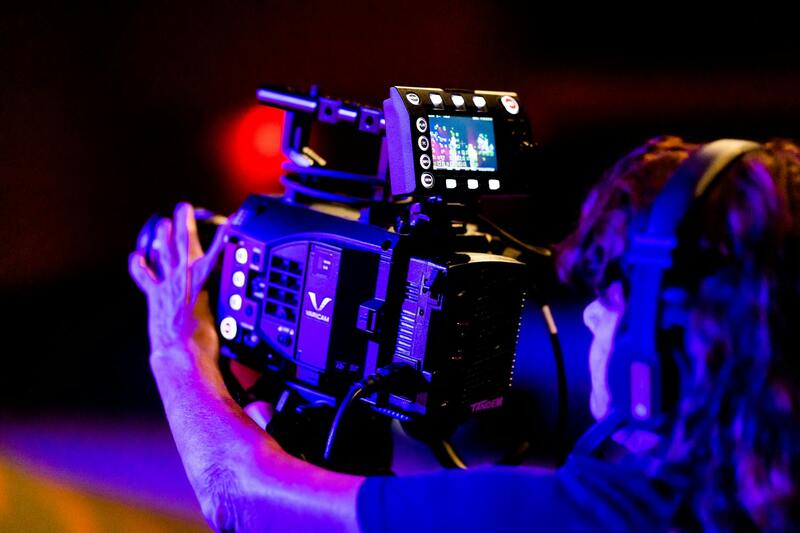
Cost Factors and Budgeting for Live Video Productions
Budget considerations for live video production encompass various elements, including equipment rental or purchase, crew salaries, venue fees, and post-production services. The scale of the event directly influences the overall cost, with larger productions requiring more extensive staffing, equipment, and technology investments.
Additional expenses such as graphic design, custom overlays, and multi-camera setups should be factored into the budget. Travel and accommodation for personnel, especially for remote locations or multi-site events, also contribute to costs. Technical contingencies, like backup hardware and redundant internet connections, provide safety nets but may increase expenses.
Broadly, a well-balanced budget prioritizes quality and reliability to ensure the live stream meets professional standards and audience expectations. Transparent discussions with the production company help define a scope that aligns with financial constraints while delivering impactful results.
Technology and Equipment Utilized
In the realm of professional live video production, the use of advanced technology and state-of-the-art equipment is paramount to delivering seamless broadcasts. A reputable Miami live video production company invests in a comprehensive array of tools designed to enhance video and audio quality, ensure stability, and facilitate dynamic content delivery. This includes high-definition cameras equipped with cinema lenses and robotic heads capable of capturing cinematic shots. These cameras often feature high frame rates and low-light capabilities, which are essential for maintaining clarity and detail under varying lighting conditions.
Another critical component is the video switcher or vision mixer, which allows for real-time transitions, overlays, and multiple camera feeds. These devices support multi-camera setups, enabling producers to switch smoothly between different angles and shots, creating an engaging viewer experience. Additionally, professional-grade audio mixing consoles and microphones ensure that sound remains crisp and balanced throughout the broadcast.
The backbone of any live production is reliable streaming technology. High-bandwidth internet connections, often supplemented with backup solutions like redundant fiber lines or satellite internet, maintain uninterrupted streams. Encoders convert raw video into digital formats suitable for streaming platforms, and hardware or software solutions are used for encoding and transmitting content efficiently.
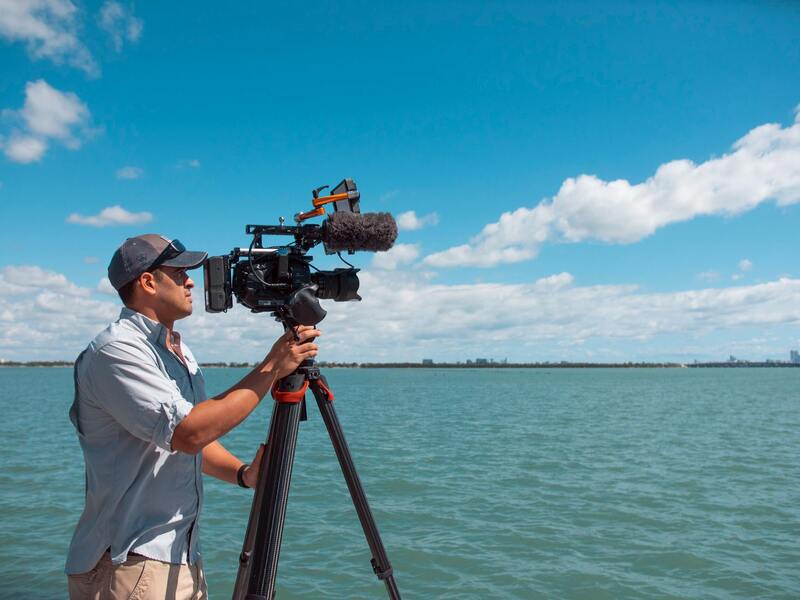
Lighting and stabilization play a significant role in the visual quality of broadcasts. Portable LED lighting panels with adjustable temperature and intensity, combined with reflectors and diffusers, optimize the staging environment. Gimbals, steadicams, and robotic camera heads help achieve smooth, cinematic movements even in dynamic or crowded settings.
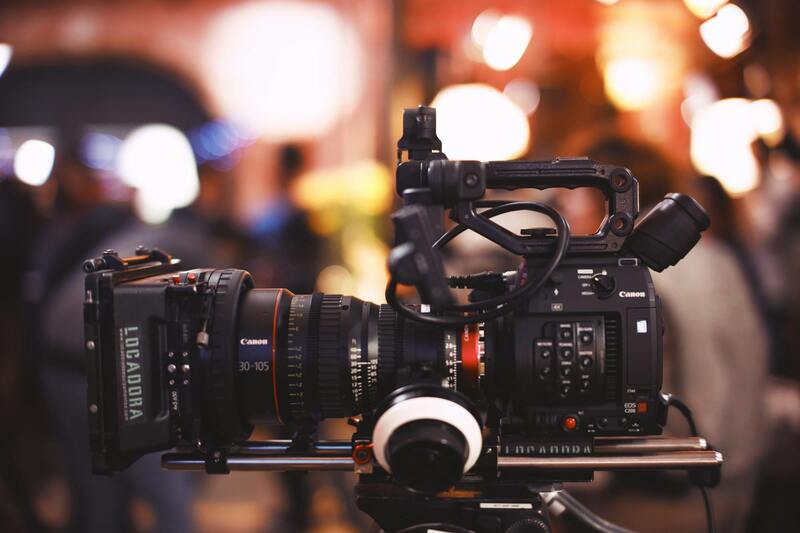
Complementing the technical equipment, production teams utilize broadcasting software, graphics generators, and live editing tools to incorporate real-time overlays, scoreboards, and branding elements that resonate with the audience. This comprehensive approach ensures that every aspect of the live event aligns with the intended presentation, quality, and branding standards.
Process of Planning and Executing a Live Video Event
Successfully executing a live video event requires meticulous planning, coordination, and execution by a skilled team familiar with the nuances of real-time broadcasting. The process begins with a detailed consultation where the production team collaborates with clients to understand the objectives, target audience, and desired outcomes of the event. During this phase, key elements such as event format, venue specifics, content flow, branding requirements, and technical specifications are outlined.
Once the planning stage is complete, the next critical step involves logistical arrangements. This includes site surveys to assess technical infrastructure, power sources, internet connectivity, and audiovisual requirements. Establishing a clear timeline ensures that equipment setup, testing, and rehearsals are seamlessly integrated into the event schedule, reducing the risk of technical issues during the live broadcast.
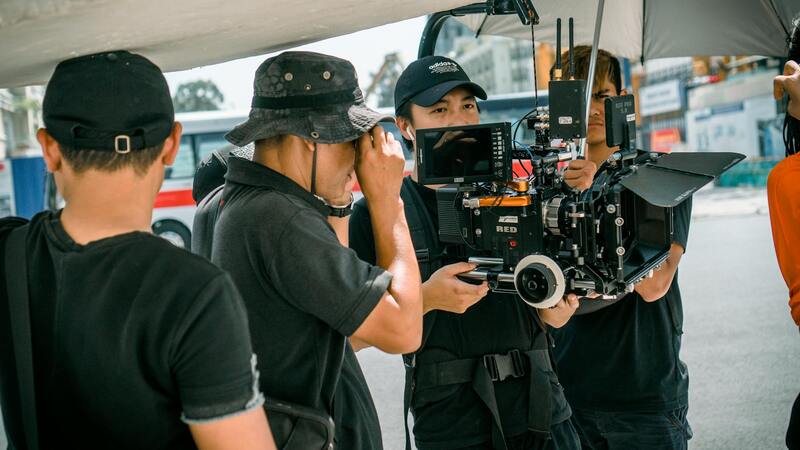
Prior to the event, rigorous testing of all technical components takes place, including cameras, audio equipment, streaming hardware, and software. This pre-event rehearsal also allows the production team to troubleshoot potential issues and familiarize themselves with the venue layout. During the broadcast, a dedicated crew manages different roles — from camera operators capturing varied angles, to audio engineers ensuring sound quality, and directors overseeing the overall flow and switching between different shots.
Effective communication through headsets and real-time monitoring dashboards ensures that everything runs smoothly and adjustments can be made instantaneously. Additionally, any graphical overlays, lower thirds, or branding elements are integrated live, synchronized with the action on screen to enhance viewer engagement and reinforce brand messaging.
Post-event, a debrief helps review the broadcast quality, audience engagement, and technical performance. This analysis informs future improvements, ensuring that subsequent live productions can be refined for even higher quality outcomes. Implementing a systematic approach from initial concept to final broadcast guarantees that each live event achieves its desired impact, providing viewers with an immersive, professional viewing experience.
Technology and Equipment Utilized
Successful live video production relies heavily on cutting-edge technology and high-quality equipment to deliver seamless streaming experiences. A reputable Miami-based live video production company typically invests in professional-grade cameras capable of capturing high-resolution images, ensuring clarity and sharpness that meet broadcast standards. Multiple camera setups allow for dynamic shots, including wide-angle views for environmental context and close-ups for detailed engagement with subjects.
Audio quality is equally critical, making the deployment of sophisticated microphones, mixers, and audio processors essential. These components work together to produce clear, balanced sound that complements the visual elements without distraction. Wireless microphones and in-ear monitors facilitate mobility and flexibility during live events, enabling smooth interactions and spontaneous moments that add authenticity to the broadcast.

Streaming hardware, such as encoders and servers, convert audio-visual signals into internet-friendly formats and transmit them to streaming platforms or proprietary servers. High-capacity encoders ensure minimal latency and buffering, which are vital for real-time viewing experiences. Additionally, redundant systems and backup equipment are often integrated to maintain broadcast continuity in case of hardware failure.
Lighting setups are carefully designed to enhance subject visibility, highlight key areas, and create appropriate moods according to the event's nature. Advanced lighting solutions provide versatility, allowing production crews to modify scenes instantaneously to adapt to different segments during the live event.
Graphics, overlays, and branding elements are incorporated live using specialized software. These tools enable real-time insertion of lower thirds, logos, and event information, enriching the visual appeal and reinforcing brand messaging throughout the broadcast.
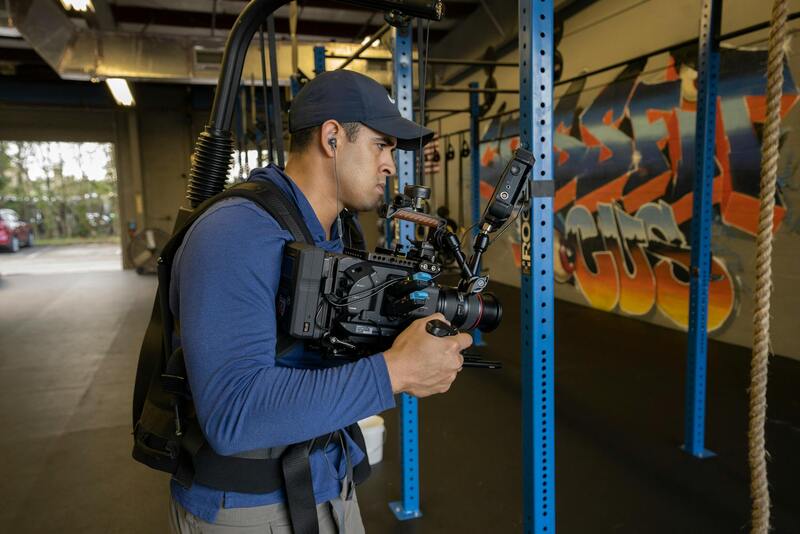
Integration of these sophisticated tools forms a cohesive system that guarantees production quality, reliability, and viewer engagement. Regular maintenance, calibration, and staff training on equipment operation are crucial practices that uphold the highest standards in live video production, ensuring the final broadcast meets client expectations and industry standards.
Advanced Techniques and Industry Standards in Live Video Production
To ensure a superior quality broadcast, a Miami-based live video production company employs a variety of advanced techniques aligned with current industry standards. These include multi-camera setups to capture different angles, ensuring a dynamic and engaging viewing experience. Seamless switching between multiple video feeds is facilitated by professional switchers, allowing real-time editing that enhances storytelling and viewer engagement. Additionally, the integration of high-definition and 4K cameras guarantees crisp, clear visuals that meet the expectations of modern audiences.
Audio quality is equally prioritized, with industry-grade microphones and sound mixing consoles used to capture clean, balanced audio. Surround sound techniques and live audio mixing help in creating an immersive experience, which is especially essential for live events like concerts, conferences, or sports broadcasts.
Advanced live streaming protocols, including RTMP (Real-Time Messaging Protocol), SRT (Secure Reliable Transport), and WebRTC, are utilized for stable transmission over the internet. These protocols minimize latency and ensure reliable delivery, even under challenging network conditions. To further enhance reliability, companies implement redundant streaming paths and backup internet connections, guaranteeing uninterrupted broadcasts.
In addition to hardware, professional-grade software solutions are employed for real-time graphics, overlays, and interactive elements. These tools enable live insertion of branding, lower thirds, scoreboards, and viewer engagement features, directly contributing to the professionalism and visual appeal of the broadcast.
Moreover, ongoing staff training and adherence to industry certification standards are pivotal. Production teams regularly update their skills and knowledge through specialized training programs, workshops, and industry seminars. This dedication to continuous improvement ensures that live productions meet the latest technological advancements and broadcasting standards, resulting in high-quality content delivery.