
Overview of Live Video Production Services
Live video production services encompass a comprehensive suite of solutions designed to deliver real-time broadcast-quality video content for a wide array of events and organizational needs. These services are integral to effectively transceiving live events, corporate presentations, concerts, sports competitions, and webinars, ensuring seamless visuals and audio for remote audiences. The primary objective of live video production is to create an engaging, professional viewing experience that accurately captures the event’s atmosphere while maintaining high technical standards. This process demands specialized expertise, advanced equipment, and meticulous planning to produce content that meets both the visual and technical expectations of clients and viewers alike.

In today’s digital landscape, live video has become essential for organizations aiming to expand their reach, engage their audience, and enhance brand visibility. Whether broadcasting a corporate seminar, a cultural event, or a sports match, live production services ensure that audiences receive a clear, uninterrupted stream. The integration of innovative technologies and skilled operators allows for real-time switching between camera feeds, graphic overlays, and multimedia elements, providing a dynamic viewing experience. Moreover, these services facilitate instant audience interaction, enabling real-time feedback, Q&A sessions, and social media engagement, thereby amplifying the event’s impact.
Professionally managed live video production also offers a level of reliability and quality assurance that DIY streaming methods cannot match. Experienced production teams meticulously handle every aspect from camera angles and lighting to sound quality and streaming stability. This dedication results in a polished, broadcast-standard output that can be tailored to meet specific branding or technical requirements. As a result, companies and organizations in Miami and beyond benefit from live video production services that help elevate their events and communication efforts to new heights.
Smart use of live video production can transform traditional events into interactive, media-rich experiences that reach broader audiences across multiple platforms. It plays a vital role in live marketing, virtual conferences, training webinars, and social outreach initiatives, making it a versatile tool for modern content dissemination. As the demand for real-time content continues to grow, the expertise and infrastructure provided by specialized live video production services have become indispensable for successful event execution in today's fast-paced digital environment.
Types of Live Video Production Services Offered
Live video production services encompass a broad spectrum of tailored solutions designed to meet diverse organizational and event-specific needs. In Miami, production experts offer specialized services such as professional event broadcasting, which includes live concerts, sports events, and cultural festivals. These broadcasts ensure high-quality streaming that captures the essence and energy of the event, effectively reaching viewers indoors and around the globe.
Corporate live streams are another pivotal service, allowing businesses to broadcast product launches, annual meetings, and shareholder presentations with flawless execution. Such streams promote transparency and engagement, providing real-time updates to stakeholders and customers.
Webinars and virtual conferences are increasingly prevalent, facilitated by live video production teams who manage comprehensive technical workflows—from seamless audio and video integration to interactive Q&A sessions. These events enable organizations to expand their educational outreach and corporate communication efforts efficiently.
Social media live sessions represent a significant opportunity for brands seeking to foster direct interaction with their audiences. These live streams prioritize quick turnarounds and optimized content delivery, utilizing platform-specific equipment and strategies to maximize engagement.
Key Equipment and Technologies Used
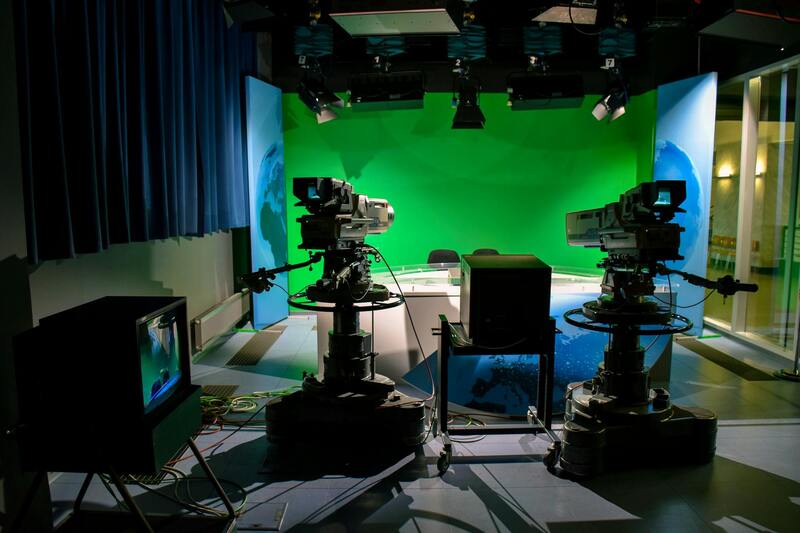
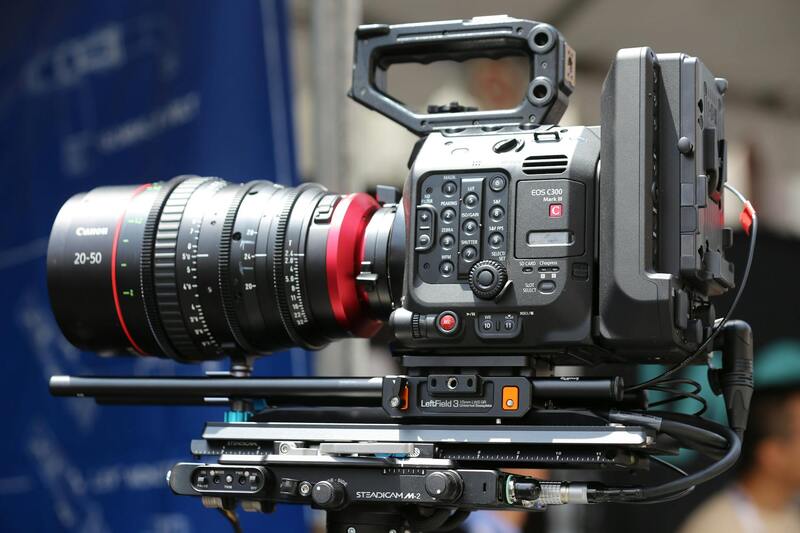
Professional live video production relies on advanced equipment that ensures seamless broadcast quality. High-definition cameras with external lens options are crucial for capturing crisp visuals, whether in controlled studio settings or dynamic outdoor environments. Multi-camera setups provide varied angles that add depth and professionalism to live streams.
Audio quality is maintained through lavalier and shotgun microphones, along with digital audio mixers that balance sound levels in real-time. Video switchers allow operators to transition smoothly between camera feeds, graphics, and multimedia content, creating a cohesive viewing experience.
Streaming hardware and software solutions, such as encoders and content delivery networks (CDNs), facilitate stable, high-bitrate transmissions to multiple platforms simultaneously. These technologies include cloud-based solutions that enable remote management and real-time monitoring of the broadcast quality.
Supporting infrastructure encompasses lighting setups optimized for various environments, ensuring subjects are well-lit and visually appealing across all camera feeds. Additionally, backup power supplies and redundant internet connections safeguard against interruptions, enhancing reliability.
Planning and Pre-Production Processes
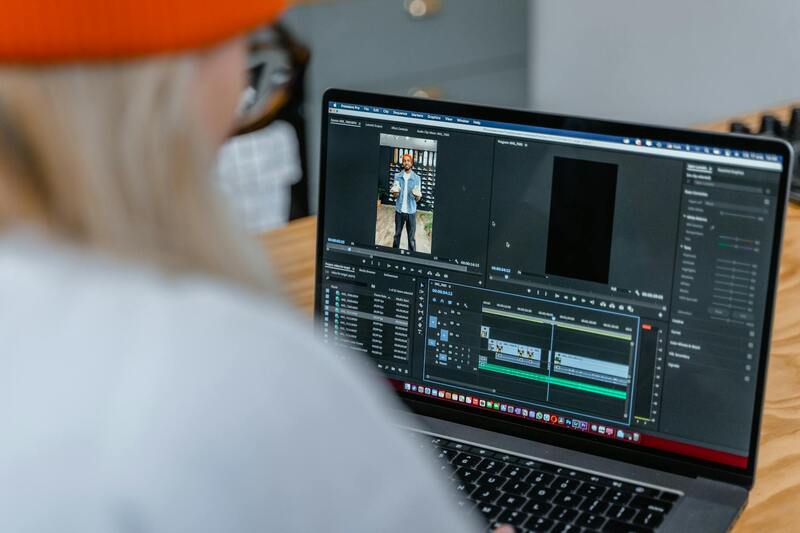
Effective live video production begins long before the actual event. In the planning phase, production teams collaborate with clients to define objectives, target audiences, and key messaging. They conduct site surveys and technical assessments to determine logistical requirements, power needs, and internet stability.
Developing a comprehensive script and shot list helps streamline on-site operations, ensuring all visual and audio elements align with the event’s goals. Visual branding elements, overlays, and graphic templates are created during this stage to augment the broadcast’s professionalism.
Technical rehearsals are integral, allowing teams to test equipment, troubleshoot potential issues, and synchronize all components—from camera cues to live graphics. These rehearsals facilitate a smooth transition during the event, minimizing delays and technical glitches.
Coordination with venue staff and talent is critical for logistical success. Clear communication channels are established, and contingency plans are prepared to handle unforeseen circumstances effectively.
On-Site Production and Live Streaming Execution
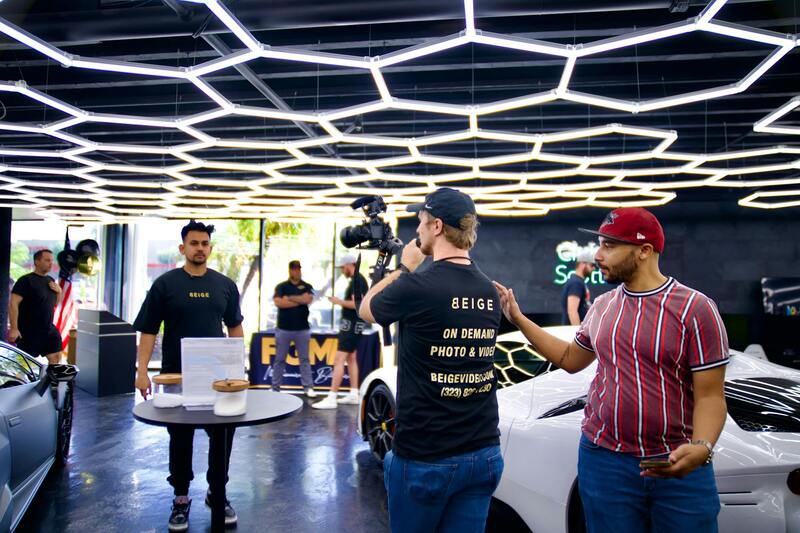
During the event, on-site production teams manage all technical aspects with precision. Camera operators execute shot compositions based on the predetermined shot list and real-time director instructions. They switch between camera feeds using professional switchers to keep the broadcast engaging.
Sound engineers monitor audio feeds continuously, ensuring clarity and eliminating feedback or noise. Lighting technicians adjust setups as needed to enhance visual quality, especially in quickly changing lighting conditions.
The live broadcast is streamed via secure internet connections, often utilizing multiple redundant feeds or bonded internet solutions to prevent disruptions. Social media teams may also integrate live chat and audience feedback into the broadcast, creating an interactive experience.
Throughout the event, quality control measures such as real-time monitoring of stream stability, resolution, and audio ensure a professional output. Communication between on-site personnel and remote operators enables rapid response to any issues that arise.
Post-Production and Content Repurposing
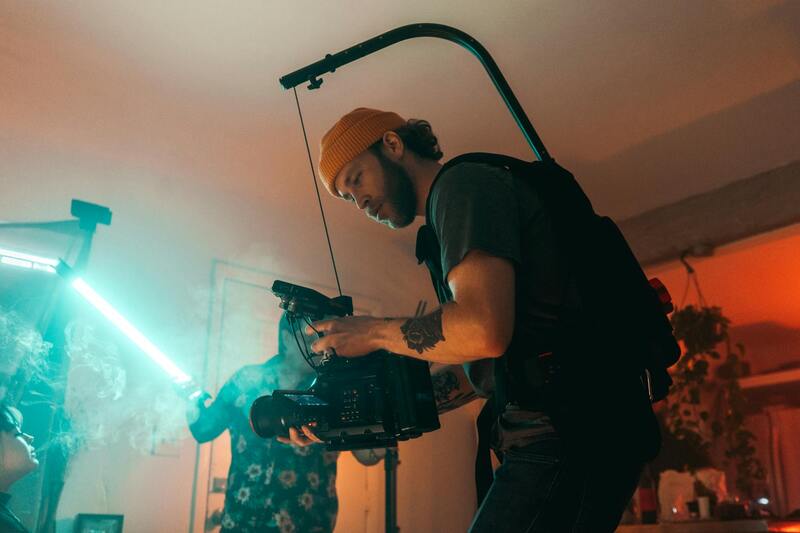
After the live event concludes, editing and post-production processes further enhance the content. Footage and recordings are archived, allowing for on-demand availability or future marketing initiatives.
Post-production editing can include inserting additional graphics, captions, or sponsor messages, as well as color correction and sound enhancement. These edits refine the broadcast, making the content suitable for multiple distribution channels.
Repurposing content—such as creating highlight reels, shorter clips for social media, or educational segments—extends the event’s reach. This strategic redistribution maximizes ROI by maintaining audience engagement beyond the live broadcast.
Detailed analytics and viewer data collected post-event inform insights into audience behavior and content effectiveness, guiding future live video strategies.
Essential Equipment and Technologies for Professional Live Video Production
Implementing a flawless live video production hinges on the utilization of high-caliber equipment designed to deliver crystal-clear visuals and pristine audio. The backbone of any successful broadcast comprises advanced camera systems capable of dynamic shot selection, whether fixed, handheld, or robotic, each offering precise control and flexibility to capture the event from multiple angles. These cameras must be paired with reliable switchers or vision mixers that enable seamless transition between different video feeds, incorporating effects, overlays, and picture-in-picture capabilities to enhance storytelling.
Encoding hardware, or encoders, play a pivotal role by compressing and transmitting the video stream efficiently to various platforms. Professional-grade encoders ensure minimal latency and consistent quality, accommodating multiple streaming formats to reach audiences across diverse devices. Audio equipment, including high-quality microphones, mixers, and wireless transmitters, guarantee clear sound, vital for engaging and professional broadcasts.
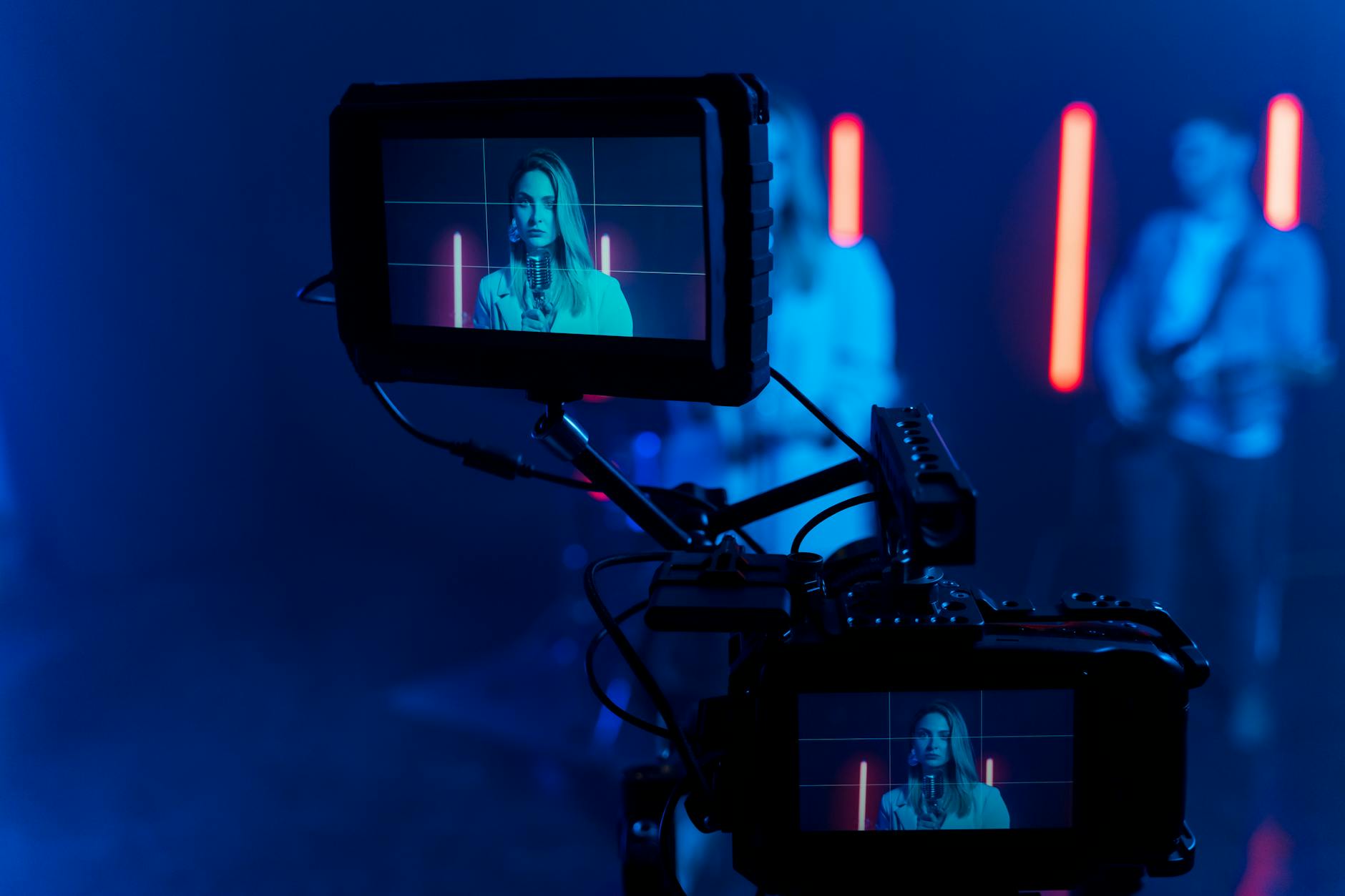
Modern live video production also leverages cutting-edge technology such as robotics for automated camera movements, wireless transmission systems to untether cameras from traditional cabling constraints, and multi-view monitors enabling producers to oversee several feeds simultaneously. Video switchers are often integrated with software solutions that facilitate remote control and real-time editing, streamlining live production workflows.
Transitioning from input to output, encoders and streaming servers coordinate to relay content securely and with high fidelity. These systems are equipped with redundant setups—such as backup encoders and internet feeds—enabling continuous, uninterrupted streams even in the event of equipment or connectivity issues.
Audio gear, including digital audio workstations (DAWs) and digital mixers, provide layered sound control, EQ adjustments, and post-production fine-tuning. Additionally, graphic generators and titling machines introduce dynamic overlays, branding, and informational graphics to keep viewer engagement high and reinforce key messages.
Integrating these technical components requires extensive expertise to ensure synchronization, proper calibration, and problem-resolution capabilities, all of which are hallmarks of a professional live video production service. This technical acumen guarantees the delivery of a smooth, high-quality broadcast that meets the standards and expectations of clients and viewers alike.
Advanced Technologies in Live Video Production
Delivering professional live video broadcasts hinges on sophisticated technical solutions that enhance the overall quality and reliability of the stream. One such innovation is the deployment of robotic cameras, which enable precise, automated camera movements that would be challenging to achieve with traditional operators. These robotic systems can be programmed for complex shots, providing dynamic angles and consistent motion, thereby elevating the visual storytelling experience.
Wireless transmission systems have revolutionized live production by removing the limitations of wired setups. These systems facilitate clean, clutter-free environments and allow for rapid camera repositioning without the hassle of securing cables. Wireless solutions also contribute to safety and flexibility, especially in large venues or outdoor settings where traditional cabling might pose obstacles.
Multi-view monitors play a critical role in managing multiple video feeds simultaneously. Producers can observe various camera angles, graphics, and picture-in-picture overlays in real-time, facilitating swift decision-making. Combined with advanced video switchers integrated with software control interfaces, these tools enable quick scene changes, transitions, and overlays, all choreographed precisely during the live event.
Encoding hardware and streaming servers are pivotal in ensuring secure data transmission and high-fidelity output. Redundancy features such as backup encoders and dual internet connections safeguard against interruptions, maintaining an uninterrupted broadcast regardless of network stability issues. Additionally, high-quality audio equipment, like digital mixers and audio processors, enhance sound clarity, mixing multiple sources and adjusting sound levels on the fly.
The integration of graphic generators and titling tools allows for real-time insertion of branding, captions, and informational graphics. These visual elements reinforce brand identity and provide context, enhancing viewer engagement and comprehension.
Executing these technologies proficiently requires specialized expertise. The ability to synchronize diverse systems, calibrate equipment, and troubleshoot efficiently is essential for delivering flawless live streams. This technical skill set is fundamental in professional live video production, ensuring the final broadcast aligns with expectations for quality and smooth operation.
On-Site Production and Live Streaming Execution
Executing a successful live video production requires meticulous on-site coordination and management. The team tasked with on-site production is responsible for setting up all necessary equipment, ensuring seamless connectivity, and preparing the venue for multi-camera shoots. This includes positioning camera operators, managing lighting setups, and configuring audio inputs to guarantee optimal visual and audio quality throughout the broadcast. A well-organized on-site team minimizes technical disruptions and allows for real-time adjustments essential for maintaining broadcast fluidity.
During the actual event, the director plays a pivotal role in orchestrating the live video feed. They oversee the switching of camera angles, incorporate graphics, and manage transitions to create a cohesive viewing experience. The director’s decisions are supported by a team of technical specialists operating video switchers, audio mixers, and graphic generators, ensuring that every visual element aligns precisely with the event's rhythm and messaging.
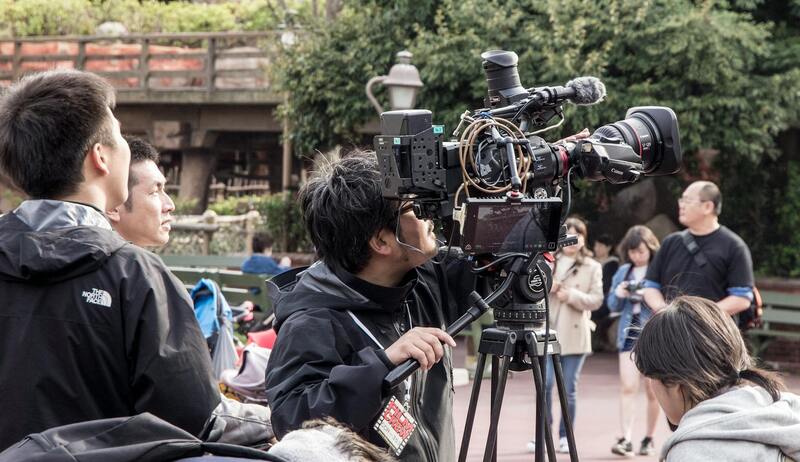
Managing the live stream feed involves more than just capturing footage—it encompasses encoding, buffering, and transmitting the data to viewers through streaming platforms or other delivery channels. During implementation, continuous monitoring is vital to detect and resolve any issues promptly. Technical staff constantly observe stream health metrics, such as latency and connectivity, to prevent interruptions. They adjust encoding settings if necessary, optimizing for bandwidth constraints without compromising visual quality. This vigilance guarantees an uninterrupted experience for the audience, regardless of fluctuating network conditions.
Integral to this process is the use of specialized hardware and software tools. Hardware encoders convert live video signals into digital streams compatible with streaming protocols. Streaming servers distribute the data to multiple platforms simultaneously, enabling broader reach. These servers often include failover mechanisms, ensuring the stream remains live even if primary servers encounter issues. Simultaneously, audio management remains critical; digital mixers enable real-time sound adjustments, ensuring clarity and consistency throughout the broadcast.
The entire process demands a high level of technical proficiency and coordinated teamwork. Skilled professionals who understand network configurations, signal flow, and live editing are essential. Their expertise ensures that transitions are smooth, graphics are synchronized, and any unforeseen technical challenges are addressed swiftly, ultimately delivering a professional-grade live video experience for viewers across all platforms.
On-Site Production and Live Streaming Execution
Executing a successful live video production requires meticulous on-site coordination and technical expertise. This phase involves setting up all necessary equipment, conducting test runs, and ensuring all systems function seamlessly prior to the broadcast. It begins with a comprehensive site survey to determine optimal camera placements, lighting arrangements, and audio setups. Effective planning for camera angles, movement, and shot composition is pivotal; this ensures dynamic visual storytelling that engages viewers across platforms.
During the live event, the production team manages multiple responsibilities simultaneously. Camera operators execute planned shots while capturing spontaneous moments to maintain authentic content flow. On-site audio engineers monitor microphone levels, eliminate background noise, and balance sound sources for pristine audio quality throughout the broadcast. Meanwhile, technical directors oversee switching between camera feeds, overlays, and graphics—ensuring fluid transitions and visual coherence.
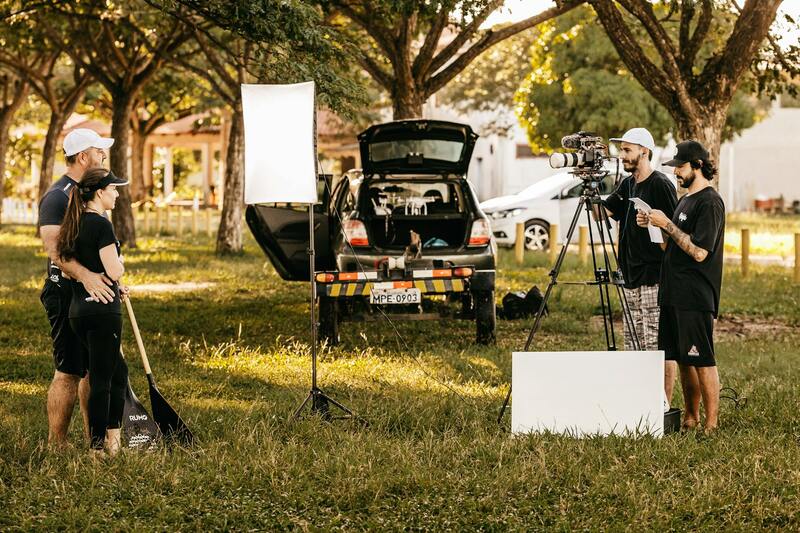
Real-time monitoring is essential to identify and rectify issues promptly. Technical staff utilize production control systems, such as production switchers and streaming hardware, to manage video feeds, overlays, and audio channels efficiently. They also collaborate with remote operators and coordinators, facilitating smooth transitions despite potential unforeseen challenges. Effective communication among team members ensures that any technical anomalies are addressed swiftly, minimizing disruptions and ensuring a seamless viewing experience.
Modern live video production leverages advanced streaming technologies to broadcast content across multiple digital platforms simultaneously. These technologies include cloud-based streaming servers and Content Delivery Networks (CDNs) that distribute the live feed efficiently across geographically dispersed audiences. By employing adaptive bitrate streaming, the broadcast automatically adjusts quality according to viewers’ internet speeds, providing optimal viewing experiences regardless of network conditions.
Additionally, robust encoding hardware and software play a key role in maintaining high visual quality and minimizing latency. Digital encoders convert raw video signals into streams suitable for various streaming protocols, ensuring compatibility with social media platforms, websites, and dedicated apps. The integration of multiple audio sources, such as microphones and media players, is managed through digital mixers, allowing real-time audio adjustments for clarity and consistency throughout the broadcast.
Behind the scenes, skilled professionals dedicated to live production—such as technical directors, camera operators, audio engineers, and broadcast supervisors—coordinate seamlessly to produce a polished final product. Their expertise ensures precise timing, sharp visuals, synchronized graphics, and an engaging stream that captivates the audience from start to finish. Meticulous on-site execution combined with advanced streaming infrastructure culminates in a professional-grade live event capable of reaching vast online audiences with reliability and high quality.
Post-Production and Content Repurposing
Following the live broadcast, the focus shifts to post-production workflows that enhance the content’s value and extend its reach. High-quality recordings of the live event serve as raw material for editing, sharpening visuals, refining audio, and adding contextual graphics or overlays. Skilled editors utilize professional editing software to craft highlight reels, teaser clips, and full event videos that can be utilized across multiple digital channels. This process not only preserves the event’s memory but also provides content for future marketing campaigns, client follow-ups, and social media engagement.
Metadata optimization plays a crucial role in ensuring the repurposed content gains visibility online. Proper titling, keyword tagging, and detailed descriptions aid search engines in indexing the videos effectively, increasing discoverability. For content that is uploaded to video hosting platforms or social media, strategic customization in aspect ratio, captioning, and branding helps to tailor the content for targeted audiences and platform-specific formats.
Content repurposing also involves extracting key moments from live streams to create shorter, shareable clips. These snippets can significantly boost online engagement by highlighting compelling statements, impressive visuals, or notable interactions during the event. Additionally, the creation of behind-the-scenes footage or interviews with speakers and performers offers audiences exclusive insights and fosters a deeper connection with the brand or organization hosting the event.
Developing a comprehensive content distribution plan ensures that these assets are disseminated strategically across social media, email campaigns, websites, and other digital platforms. Utilizing scheduling tools grants consistent visibility and engagement long after the live event concludes. Ultimately, thoughtful post-production and content repurposing extend the reach of the original broadcast, fostering greater audience interaction, brand recognition, and return on investment.
Advanced Strategies for Maximizing Live Video Content Impact
Once the live broadcast concludes, the strategic focus shifts toward optimizing the content for extended reach and audience engagement. A comprehensive post-production plan is essential for transforming the raw footage into versatile content assets that serve multiple marketing objectives. This process involves editing highlights, adding branding elements, integrating captions, and optimizing visual quality to ensure the final product aligns with brand standards and audience expectations.
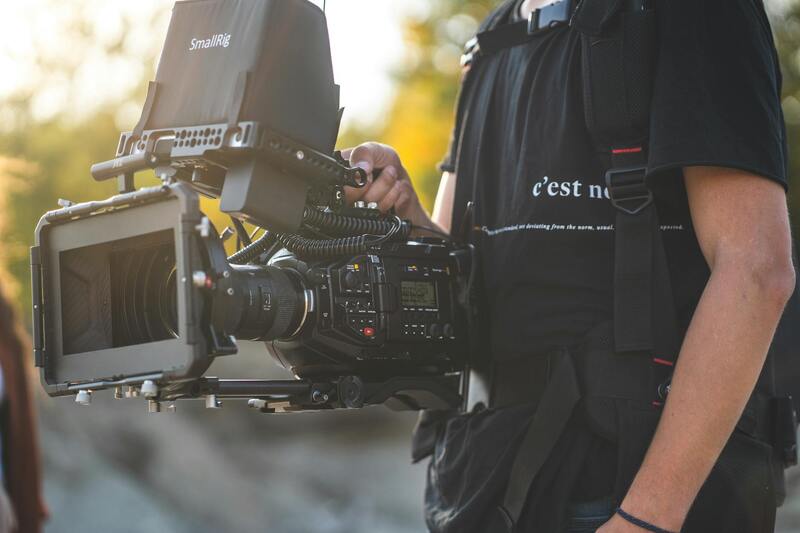
Content Clipping and Highlight Reels
Creating highlight reels from the live stream captures the most engaging moments, offering digestible content that appeals to viewers with limited time. These clips not only serve as standalone promotional material but also facilitate shareability across social media platforms, amplifying event visibility. Strategic editing ensures that each highlight emphasizes key messages, impactful visuals, and memorable interactions, thereby reinforcing brand storytelling.
Integrating Interactive Elements and Branding
Effective post-production includes adding branded graphics, lower thirds, and call-to-action prompts to maintain a consistent visual identity and encourage viewer interaction. Incorporating interactive elements such as polls, overlays, and annotations can enhance engagement and foster real-time participation even after the live event ends.
Transcriptions, Captions, and Accessibility
Enhancing the accessibility of live video content involves generating accurate transcriptions and captions. This effort not only broadens audience reach to include those with hearing impairments but also improves content discoverability via search engines. Proper captioning and language options ensure the content appeals to a diverse demographic, increasing overall engagement and brand inclusion.
Content Distribution and Repurposing
After tailoring the content, deploying it across various digital channels amplifies its impact. Strategic distribution includes uploading to multiple social media platforms, embedding videos on websites, and incorporating clips into email marketing campaigns. Repurposing content into blog posts, short-form videos, and infographics further maximizes return on investment by catering to different content consumption preferences.
Measuring Success and Audience Insights
Implementing analytics tools to evaluate viewer engagement and reach provides valuable insights into content performance. Tracking metrics such as view counts, watch time, engagement rates, and click-throughs guides future production strategies. These data-driven insights enable continuous improvement, ensuring that each live video event generates measurable value and aligns with overarching marketing goals.
Final Considerations for Streamlining Live Video Content Workflows
Effective management of live video production involves meticulous planning, execution, and post-event activities. Establishing clear workflows, utilizing advanced editing software, and leveraging analytical tools contribute to a seamless process that maximizes content quality and audience impact. Collaborating with experienced production teams specializing in live video services ensures that every phase—from pre-event planning to content repurposing—is executed with precision, creative flair, and strategic intent. This approach guarantees a professional presentation that reflects your brand’s values and resonates with your target audience, ultimately elevating your digital presence in a highly competitive online landscape.