
Understanding Streaming Video Production
Streaming video production refers to the process of planning, creating, and delivering live or pre-recorded video content over the internet in real time. This method has become a vital component of modern media communications, enabling organizations, businesses, and content creators to reach global audiences instantly. Unlike traditional video formats, such as DVDs or broadcast television, streaming allows for immediate access and interaction, which significantly enhances viewer engagement and accessibility.
The core of streaming video production involves several crucial stages: conceptualization, technical setup, content creation, and delivery. In the initial phase, defining the purpose of the video and understanding the target audience shapes the overall content strategy. During technical setup, specific equipment and software are employed to ensure seamless live or on-demand streaming. Content creation involves capturing high-quality video and audio, often requiring specialized cameras, microphones, and lighting gear. The final step, distribution, ensures that the content is delivered efficiently through various streaming platforms, optimizing user experience and minimizing latency.

Streaming video production has distinctly evolved from traditional media methods by leveraging digital technology that allows for real-time interaction, immediate feedback, and customization options. These capabilities empower businesses and content providers to adapt swiftly to audience preferences, improve content based on live analytics, and harness interactive features such as live Q&A or polling. This dynamism not only elevates content relevance but also fosters a more engaged viewer base, leading to greater return on investment and brand visibility.
Furthermore, the scalability of streaming production makes it suitable for a broad spectrum of applications. Corporate webinars, online education, virtual conferences, product launches, and entertainment events all benefit from high-quality streaming solutions. The ability to deliver these events live creates a sense of immediacy and exclusivity that is challenging to replicate through traditional media channels.
Why Streaming Video Production Matters Today
- Global Reach: Streaming allows content to be accessible worldwide without geographical restrictions.
- Cost-Effectiveness: Reduces expenses related to physical distribution, logistics, and traditional broadcast setups.
- Enhanced Engagement: Live interactions and immediate viewer feedback foster a deeper connection with audiences.
- Flexibility: Producing on-demand or live content that adapts to different platforms and viewer preferences.
- Analytics and Insights: Tracking viewer behavior helps refine future content strategies and improve engagement metrics.

In summary, streaming video production represents a versatile and impactful medium for contemporary communication, blending advanced technology with creative storytelling techniques. Mastering this process ensures that content creators and organizations can deliver compelling, accessible, and interactive experiences that resonate in an increasingly digital world.
Key Equipment and Software for Streaming
To achieve professional-grade streaming video production, it is vital to utilize the appropriate combination of hardware and software solutions. These components form the backbone of a seamless streaming experience, ensuring that content is delivered with clarity, stability, and high visual quality.
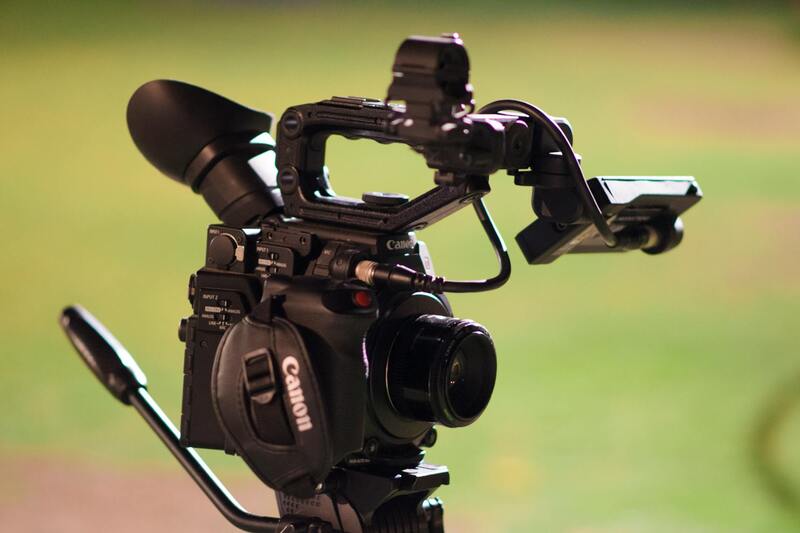
High-definition cameras are fundamental for capturing sharp, vibrant footage. Modern models often incorporate features such as autofocus, image stabilization, and low-light performance to adapt to various shooting environments. Professional cameras may also support multiple HDMI or SDI outputs, allowing for versatile integration into complex setups.
Encoding hardware or software is critical for compressing video signals into formats suitable for streaming while preserving quality. Hardware encoders are dedicated devices that convert camera feeds into streaming-compatible data, offering reliability and real-time processing. Software encoders, such as OBS Studio or vMix, provide flexible solutions, especially for smaller productions, enabling operators to manage multiple sources, overlays, and transitions effectively.
Streaming platforms and content delivery networks (CDNs) play key roles in distributing content efficiently. These platforms facilitate real-time broadcasting and can integrate features like chat, analytics, and multi-platform streaming. Selecting a platform that offers robust security, scalability, and ease of use aligns with the demands of high-quality live events.
Additional peripherals such as professional microphones, audio mixers, and lighting gear enhance the production quality. Maintaining a stable internet connection using wired Ethernet connections is paramount to prevent disruptions. For larger productions, a dedicated internet line with sufficient upload bandwidth ensures smooth transmission without buffering or lag.
Incorporating software tools like teleprompters, graphic overlays, and automated switching systems can streamline production workflows and increase the professionalism of the final output. Cloud-based management solutions also facilitate remote collaboration, allowing multiple operators to oversee different aspects of the stream from diverse locations.
Choosing the right combination of these equipment and software components requires understanding the specific needs of each production, the target audience, and the complexity of the content being streamed. Investing in reputable hardware brands and trusted software providers plays a crucial role in delivering reliable, high-quality streaming video experiences.
Advanced Techniques for Enhancing Streaming Video Quality
Achieving professional-grade streaming video demands a meticulous approach to technical execution. Utilizing multi-camera setups allows producers to offer dynamic and engaging content, providing different perspectives and close-ups that captivate viewers. Strategically switching between camera feeds enhances storytelling and maintains audience interest throughout the broadcast.
Incorporating high-quality graphics and overlays can significantly elevate the visual appeal of the stream. Custom lower thirds, watermarks, and real-time scoreboards or event information deliver a polished appearance and improve viewer comprehension. These visual enhancements require integrated graphic engines or software plugins that sync seamlessly with the streaming platform.
Proper audio management is equally crucial. Employing professional microphones aligned with acoustic environments ensures clear, crisp sound. Ambient noise reduction and audio mixing allow for balanced levels, preventing distractions. Using audio interfaces that support multiple inputs can streamline complex sound setups, especially when multiple speakers or sources are involved.
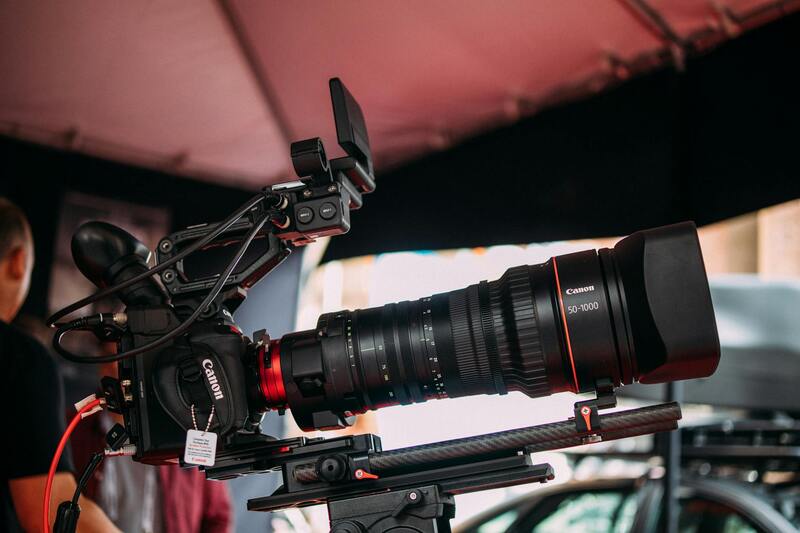
Encoding quality directly impacts stream clarity and stability. Selecting hardware encoders designed for live video, or reliable software encoders such as OBS Studio or vMix, offers flexibility and control over compression settings. Adjusting bitrate and resolution based on the audience's bandwidth capabilities ensures smooth viewing experiences across various devices and internet speeds.
Implementing robust streaming protocols, including adaptive bitrate streaming, allows the broadcast to automatically adjust quality in real-time, minimizing buffering and ensuring a consistent viewer experience. Advanced streaming configurations may incorporate multi-bitrate streaming, which provides viewers with the best possible quality irrespective of their connection speed.
Integrating Real-Time Data and Audience Interaction
Engaging content is often enhanced through live data feeds such as social media comments, polls, or live statistics. Integrating these elements requires dedicated software tools that can pull in external data sources and display them interactively during the broadcast. This not only fosters viewer participation but also creates a more immersive and interactive experience.
Chat modules embedded within the stream or external platforms facilitate direct communication with the audience, allowing hosts to respond to questions and comments in real-time. Proper moderation and filtering are essential to maintain a positive environment and ensure that the interaction adds value to the broadcast.

For large-scale productions, integrating multiple data feeds and interaction sources necessitates a sophisticated control room setup. Utilizing a dedicated director’s hardware interface or software dashboards provides real-time control over stream content, overlays, and audience engagement features, ensuring a smooth and professional delivery.
In these ways, the technical execution of streaming video production goes far beyond basic streaming. Optimization of visual quality, audio clarity, and audience interaction demands specialized skills and equipment. Partnering with experienced professionals and leveraging advanced tools guarantees that your streaming broadcasts achieve their intended impact and resonate with viewers effectively.
Technical Setup for Live Streaming
Establishing a reliable technical foundation is vital for successful streaming video production. A robust network connection forms the backbone of a seamless broadcast, requiring a dedicated high-speed internet service with symmetrical upload and download speeds to handle high-quality video data without interruptions. Latency should be minimized to ensure real-time interaction and smooth content delivery.
Camera selection hinges on the production scope, with options ranging from professional-grade camcorders for studio settings to high-resolution webcams for simpler setups. Proper lighting is equally important; well-lit subjects reduce noise and improve image clarity, with adjustable lighting rigs tailored to the environment.
Audio quality directly influences viewer engagement; thus, integrating professional microphones—such as condenser or shotgun mics—and audio mixers can significantly enhance sound clarity. Audio feeds should be synchronized with video to prevent lag or mismatch, which can distract viewers and diminish professionalism.
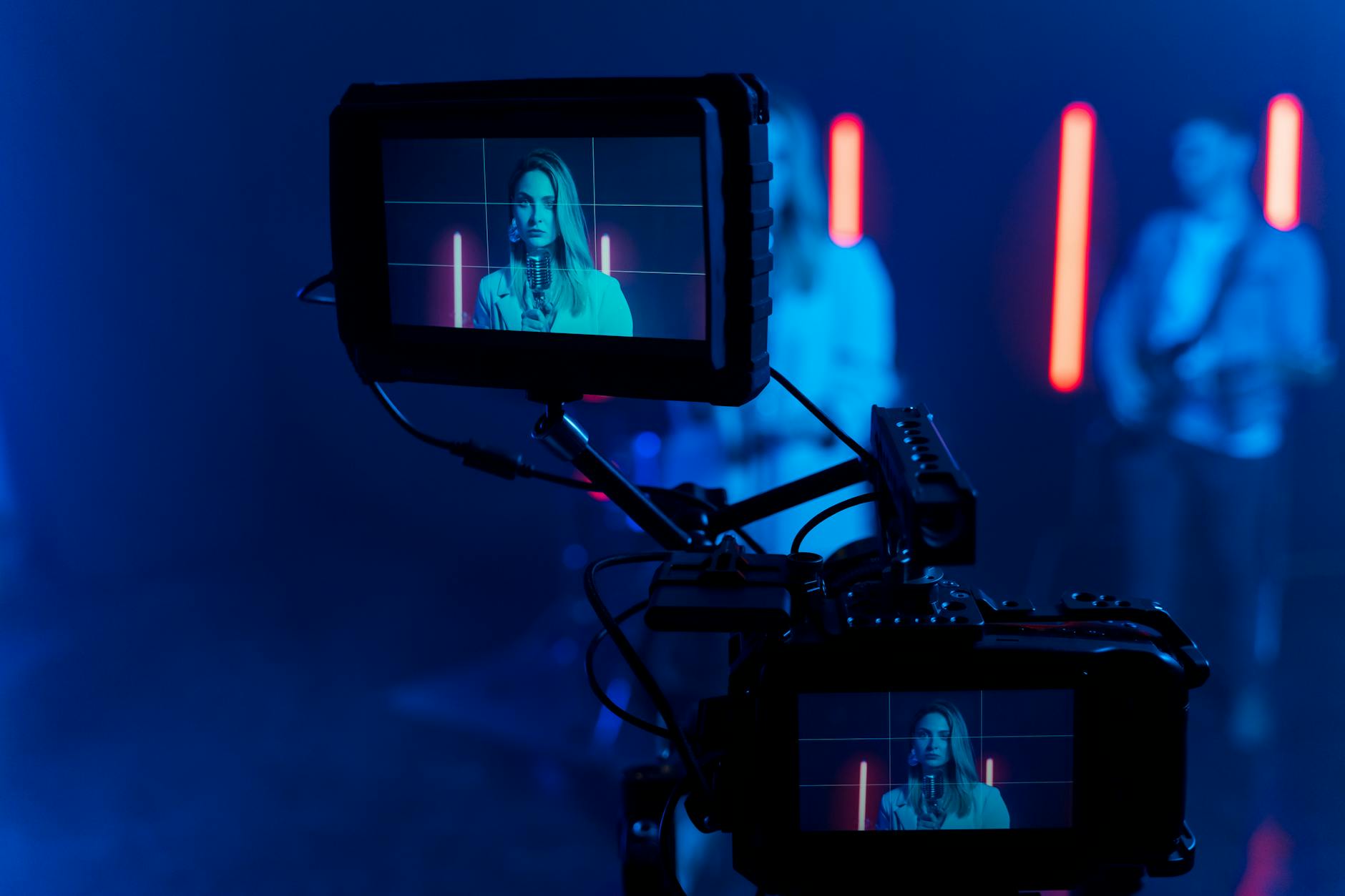
Additionally, reliable streaming hardware, such as encoders and switchers, facilitates efficient management of multiple camera inputs and overlays. Hardware encoders convert high-quality video signals into optimized streams compatible with streaming platforms, ensuring the highest visual fidelity with minimal latency.
To further optimize streaming stability, redundant internet connections and backup power supplies should be considered. These measures safeguard against unforeseen interruptions, maintaining a consistent viewer experience regardless of technical issues.
Producing Engaging Streaming Content
Content quality is the cornerstone of a compelling stream. The broadcasting team should develop a clear content plan that aligns with audience interests and the overall message. Incorporating storytelling techniques, visual aids, and dynamic visuals keeps viewers engaged throughout the broadcast.
Interactive elements such as live polls, Q&A sessions, and chat moderation foster viewer participation, making the audience feel involved and valued. Timing is crucial when scheduling segments, ensuring a balanced flow between informational content, entertainment, and engagement activities.
Visual overlays, graphics, and branding should be professionally designed and aligned with the production’s aesthetic. Transitions and effects, used judiciously, add a polished look without distracting from the core message.
Preparation and rehearsals are essential to identify potential technical or content issues beforehand. This proactive approach ensures smooth transitions during live production and allows presenters to deliver with confidence.
Ensuring Professional Broadcast Quality with Official Equipment and Software
When it comes to streaming video production, the quality of the final output heavily depends on the equipment and software used. Investing in top-tier professional-grade hardware ensures that every frame is captured with clarity and precision, which is vital for maintaining a polished and credible image. High-definition cameras capable of broadcasting in 4K resolution, combined with lens options suitable for various environments, help capture detailed visuals that keep viewers engaged.
In addition to cameras, professional audio equipment such as digital mixers, shotgun microphones, and wireless lapel mics are essential for clear sound quality. Audio clarity is often overlooked but is crucial in conveying messages effectively and sustaining viewer attention. Using high-quality microphones reduces unwanted background noise and ensures that spoken content remains intelligible regardless of the streaming environment.
Lighting plays a vital role in setting a professional tone. Proper lighting setups, including key lights, fill lights, and backlighting, illuminate subjects evenly and eliminate shadows that can distract viewers. Consistent, well-designed lighting schemes enhance the visual appeal and can be adapted to various settings, whether indoors or outdoors.
Software tools form the backbone of seamless streaming production. Advanced encoding and streaming platforms such as Wirecast, vMix, or OBS Studio offer robust features for live switching, overlays, and real-time graphics. These programs facilitate the addition of branding elements, lower thirds, and other visual enhancements, making the broadcast more engaging and professional.
Moreover, integration with reliable streaming platforms ensures smooth delivery to various channels. Choosing platforms with dedicated support and capabilities like multi-bitrate streaming, chat moderation, and analytics enables producers to optimize viewer experience and adapt content accordingly.
To achieve a seamless workflow, professional production teams also utilize redundant systems for internet connectivity—such as dual internet lines—and backup power supplies. These measures drastically reduce the chances of technical issues disrupting the broadcast, thus safeguarding the viewer experience. Establishing clear protocols for troubleshooting technical problems helps teams respond swiftly and maintain broadcast quality under any circumstances.
Maximizing Engagement with Effective Content and Interactive Features
High-quality production equipment alone does not guarantee success; compelling content remains at the core of effective streaming video production. Ensuring your message resonates with your target audience involves strategic content planning. Content should be tailored to interest the viewers, incorporate storytelling elements, and align with your overall objectives. This approach can enhance viewer retention and encourage sharing.
Adding interactive features significantly elevates the engagement level during live streams. Polls, Q&A sessions, and chat moderation create a participatory environment that makes viewers feel involved. Real-time feedback allows for dynamic adjustments and fosters a sense of community around the broadcast.
Visual elements such as overlays, branded graphics, and transitions serve to reinforce your messaging and increase visual interest. They should be designed professionally to match your brand aesthetic and used consistently throughout the broadcast. A balanced integration of these visual tools enhances the overall presentation without overwhelming the core content.
Rehearsals and pre-broadcast testing are essential steps to ensure everything runs smoothly. These dry runs help identify potential issues with equipment, timing, or content flow, giving the production team an opportunity to make necessary adjustments. Well-planned rehearsals foster confidence among presenters and technical staff, ultimately leading to a more polished streaming experience.
Implementing Robust Streaming Protocols and Network Infrastructure
Ensuring reliable streaming video production requires a solid foundation of network infrastructure. High-quality content delivery depends largely on the stability of your internet connection and the implementation of advanced streaming protocols. Adaptive bitrate streaming, for example, dynamically adjusts video quality based on viewer bandwidth, preventing buffering and dropout issues. This technology enhances the viewer experience, particularly when streaming to a diverse audience with varying internet capabilities.
To support seamless live broadcasts, a dedicated and high-bandwidth internet connection is essential. Ethernet connections are preferred over Wi-Fi due to their stability and lower latency. Employing redundant network pathways through dual internet providers can minimize interruptions caused by outages or fluctuations in service. Network devices such as high-performance routers and switches optimize data flow, ensuring the streaming hardware receives a consistent signal.

Utilizing Content Delivery Networks (CDNs)
Content Delivery Networks are critical tools for distributing streaming video content across wide geographical areas efficiently. A CDN minimizes latency by caching content on servers located closer to viewers, thereby decreasing load times and reducing buffering. This technology is vital when broadcasting to large and geographically dispersed audiences, such as national or international events.
Partnering with a reputable CDN provider enables your streaming content to benefit from optimized routing, security enhancements, and scalable bandwidth. The choice of CDN can influence the quality and reliability of your production, making it an integral aspect of planning your distribution strategy. Proper configuration of the CDN ensures smooth, uninterrupted playback for all viewers, regardless of their location.
Implementing Security Measures for Live Streaming
Security is a fundamental consideration in streaming video production, especially when sensitive or proprietary content is involved. Employing encryption protocols such as Secure Sockets Layer (SSL) ensures that data transmitted during live streams remains protected against eavesdropping and unauthorized access. Additionally, Digital Rights Management (DRM) techniques help restrict content from being copied or redistributed without authorization.
Access control mechanisms, including password protections and geo-restrictions, further safeguard your streams. Using token-based authentication systems can verify viewer credentials before granting access to the content. Incorporating these security measures not only preserves content integrity but also enhances viewer trust by demonstrating a commitment to safeguarding their viewing experience.
Monitoring and Analyzing Streaming Performance
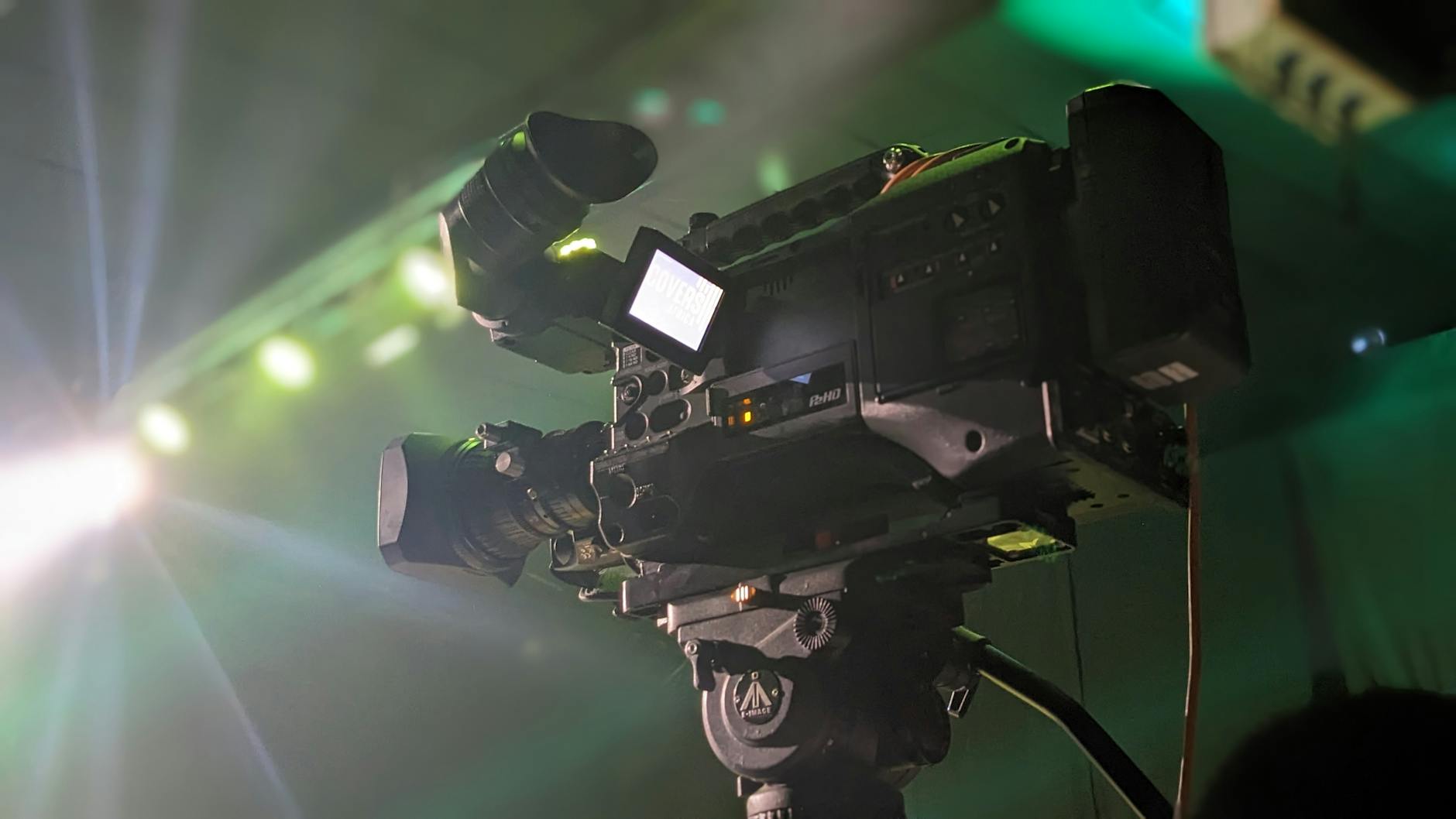
Real-time monitoring tools are essential to maintain high standards during live broadcasts. These systems provide insights into viewer engagement, bandwidth usage, and stream quality, facilitating immediate troubleshooting if issues arise. Metrics such as latency, packet loss, and buffering rates help identify bottlenecks and optimize overall performance.
Post-event analytics are equally important for assessing the success of a streaming production. Detailed reports on viewer demographics, engagement levels, and playback quality inform future content strategies and technical configurations. Data-driven decisions enable continuous improvement, ensuring each broadcast meets the expectations of your audience and aligns with your operational goals.
Comprehensive monitoring involves integrating software solutions that can aggregate data across multiple streams simultaneously. This holistic view helps technical teams coordinate responses effectively, maintaining a reliable and high-quality streaming experience for viewers at all times.
Implementing Secure Streaming Infrastructure
Establishing a robust streaming infrastructure requires careful integration of security practices to protect content and ensure a seamless viewer experience. Utilizing state-of-the-art encryption protocols, such as AES (Advanced Encryption Standard), helps safeguard data during transmission, preventing unauthorized access or interception. Additionally, deploying digital rights management (DRM) systems restricts access to authorized viewers, controlling distribution and preventing unauthorized copying or redistribution of streamed content.
Implementing token-based authentication systems is a recommended approach for controlling access to live streams. These systems verify viewer credentials in real-time, ensuring that only eligible audiences can join the broadcast. Such authentication measures can be integrated with secure login portals or third-party identity verification services, creating a multilayered security framework.
Access control mechanisms, including IP whitelisting and geo-restrictions, further limit stream access to specific regions or networks. This is particularly effective for content that is intended for targeted geographical audiences. Combining these controls with encrypted delivery networks, such as CDN (Content Delivery Networks), guarantees data remains protected across multiple transit points.
Ensuring Compliance and Adherence to Local Regulations in Miami
Successfully executing streaming video production in Miami involves more than just creating compelling content; it requires adherence to specific local regulations governing broadcast standards, content rights, and technical standards. Familiarity with Miami's regional broadcasting policies ensures that your streaming operations align with legal frameworks, avoiding potential penalties and operational disruptions. This encompasses compliance with permits related to digital content delivery, respecting intellectual property rights, and adhering to broadcasting frequency allocations.
In Miami, content providers must also observe local data privacy laws, especially those pertaining to viewer data collection and management. Implementing robust data protection measures not only maintains viewer trust but also ensures compliance with regional regulations. This includes transparent data collection practices, secure storage of viewer information, and providing options for viewers to control their data.
Municipal requirements may involve obtaining specific permissions for live events, especially those held in public spaces or involving large audiences. Coordinating with local authorities enables smooth execution of outdoor broadcasts, street festivals, or community events, ensuring all safety and operational protocols are prioritized. Additionally, certain content types, such as politically sensitive or culturally significant material, may necessitate extra scrutiny or approvals from relevant Miami-based agencies.
Adhering to these jurisdiction-specific guidelines not only enhances the credibility of your streaming project but also ensures a seamless experience for viewers and stakeholders. Staying current with Miami’s evolving regulations involves continuous consultation with legal experts, industry associations, and local government bodies involved in media and telecommunications. Establishing clear operational protocols for regulatory compliance is integral to maintaining a trusted and compliant streaming video production environment.