
Overview of Live Broadcast Production Companies
In the rapidly evolving landscape of digital communication, live broadcast production companies play an integral role in delivering high-quality live streaming and event coverage. These specialized firms combine technical expertise with creative talent to ensure that live events, whether corporate, entertainment, sports, or ceremonial, are transmitted seamlessly to audiences across the globe.
At their core, a live broadcast production company manages every aspect of the live streaming process—from initial planning through execution and post-event content management. Their responsibilities include coordinating camera operation, audio engineering, video switching, graphics integration, and transmission. This comprehensive approach ensures that the broadcast remains engaging, professional, and free of technical issues. In addition, live broadcast production companies are adept at adapting to various event venues and scale requirements, providing tailored solutions that meet specific client needs.
These companies employ a multi-disciplinary team of professionals with skills spanning technical production, content management, and broadcast engineering. Their extensive industry experience allows them to handle complex live events, including conferences, product launches, sports competitions, concerts, and community gatherings. The primary goal is to deliver a flawless viewing experience for remote audiences while maintaining consistency and high quality throughout the broadcast. As a result, choosing a reputable live broadcast production company ensures that your event will be professionally documented, reaching viewers in real-time with clarity and impact.
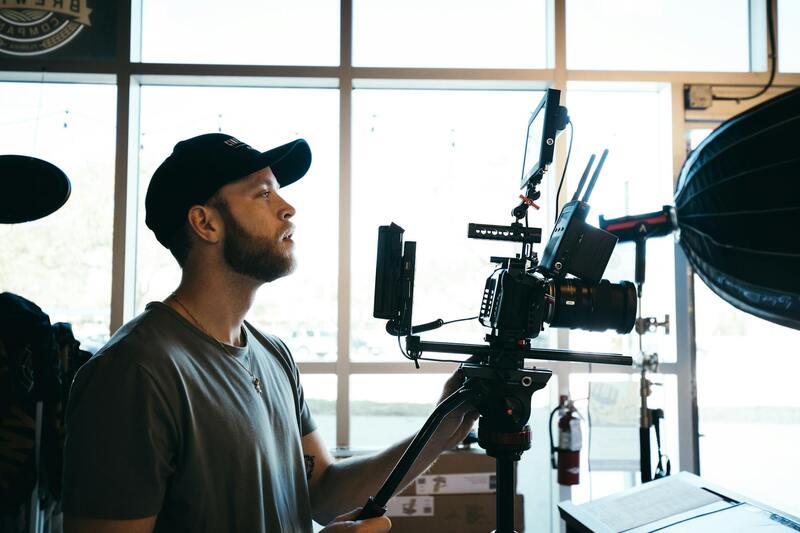
Effective live broadcast production also involves strategic planning, technological integration, and real-time problem-solving. Modern companies leverage cutting-edge equipment and software, such as multi-camera setups, wireless microphones, streaming platforms, and content management systems. This tech-savvy approach not only enhances the quality but also provides flexibility and interactivity options for audiences, including multiple camera angles, live chat, and social media integration. Ultimately, a professional live broadcast production company acts as a partner that transforms your vision into a compelling live event, expanding your reach and engagement with viewers worldwide.
Essential Equipment and Technology in Live Broadcast Production
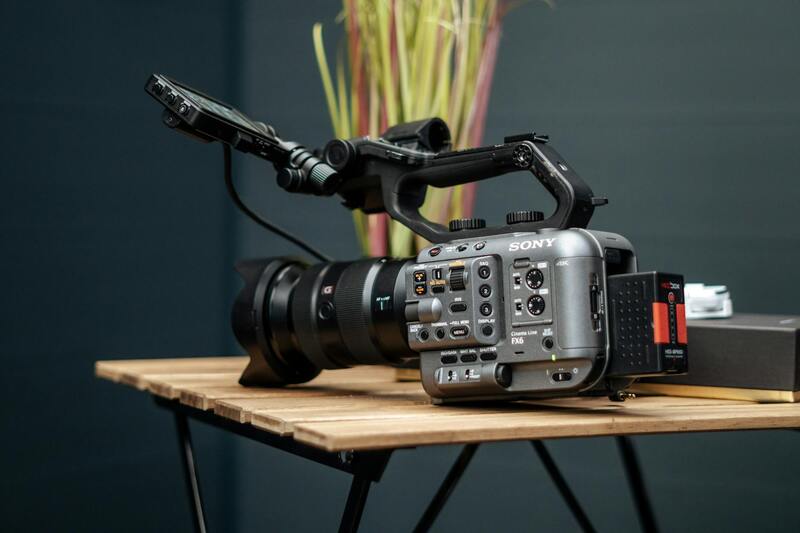
In the realm of live broadcast production, the deployment of advanced equipment and innovative technology is crucial to achieve seamless transmission and high-quality content delivery. Professional companies utilize a diverse array of industry-standard tools, ensuring each event meets precise technical standards and viewer expectations. Core equipment includes high-definition cameras capable of capturing multiple angles, enabling dynamic switching that adds visual interest and clarity. Accompanying these are video switchers and control panels that facilitate real-time editing and seamless transitions between different video feeds.
Audio quality is equally vital, which is why wireless microphones, audio mixers, and amplifiers are integral components. They ensure clear sound transmission, minimizing background noise and distortion. Additionally, robust streaming hardware and software are employed to encode, compress, and transmit live signals efficiently across different platforms. Reliable internet connections, often supplemented with bonded cellular uplinks or dedicated fiber lines, mitigate latency issues and prevent interruptions.
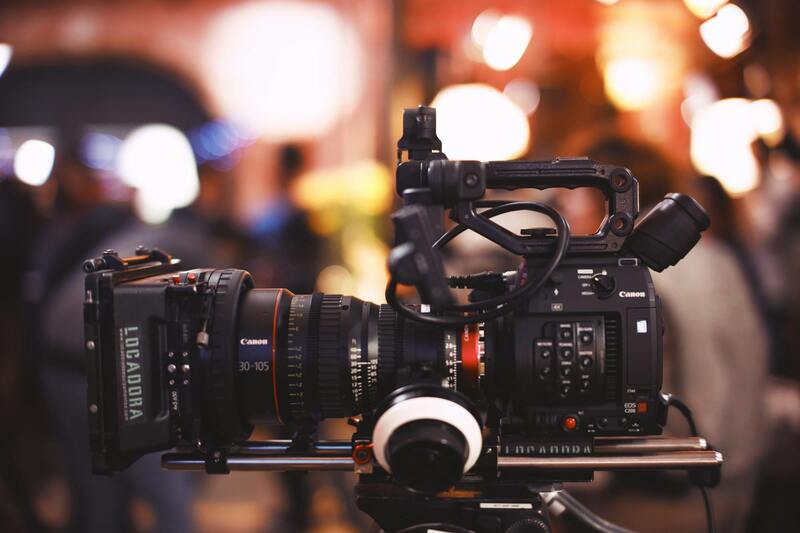
Streaming solutions incorporate content delivery networks (CDNs) and content management systems (CMS), optimizing viewership across various devices and internet speeds. Virtual graphic overlays, lower thirds, and real-time data integration enhance informational depth and branding consistency during broadcasts. Additionally, advanced transition effects and multi-layer compositing enable production teams to craft visually compelling live videos, engaging viewers through professional presentation.
Planning and Pre-production for Live Broadcasts
Effective live broadcasting begins well before the event goes live. Pre-production involves meticulous planning, where production companies collaborate with clients to define objectives, target audiences, and essential messaging. Scripting, storyboarding, and shot listing are part of this process to ensure content flow aligns with event goals. Hardware and software requirements are analyzed to align technical capabilities with creative ideas, minimizing last-minute surprises.
During pre-production, logistical arrangements such as venue layout, power supply, and equipment placement are meticulously coordinated. Permitting, scheduling, and staffing are also addressed to create a comprehensive blueprint for the event. Virtual rehearsals and test runs are performed to identify potential technical issues and verify synchronization among team members and systems. This proactive approach guarantees a smooth live experience that meets client expectations.
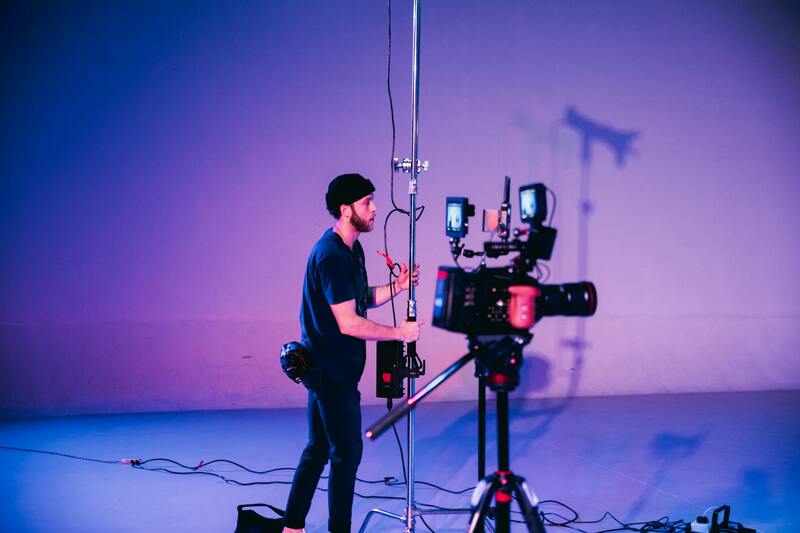
Engaging with experienced producers, camera operators, and technicians during this stage ensures that all aspects of the production are aligned. Specialized software tools assist in scheduling and resource allocation, enabling teams to anticipate needs and adapt swiftly. The detailed planning process ultimately creates a solid foundation, reducing risk and improving the overall quality of the live broadcast.
Overview of Live Broadcast Production Companies
Live broadcast production companies serve as the backbone of seamless, professional live event coverage. These organizations specialize in transforming creative concepts into dynamic visual presentations capable of engaging audiences in real time. Their expertise extends across multiple facets, including technical setup, content management, and real-time coordination, ensuring that each broadcast is executed with precision and high quality. From corporate events and product launches to entertainment festivals and sports competitions, these companies tailor their services to meet diverse event requirements, leveraging extensive industry experience and cutting-edge technology.
Choosing a reliable live broadcast production company is a strategic decision vital to the success of your event. These firms often possess a comprehensive understanding of the latest broadcasting standards, streaming protocols, and audience engagement techniques. Their proactive approach includes detailed pre-event planning, meticulous equipment setup, and rigorous testing to address potential technical challenges beforehand. Skilled professionals, from directors and camera operators to audio engineers and technical directors, work in unison to execute the live event flawlessly. This collaborative effort ensures that the final broadcast not only meets but exceeds client expectations, delivering a captivating viewer experience across multiple platforms.
Key Services Offered by Live Broadcast Production Companies
Live broadcast production companies provide a broad spectrum of services designed to facilitate professional-grade live events. These services typically include:
- Event Planning and Consultation: Strategic planning from concept development to execution, assuring seamless event flow.
- Technical Design and Setup: Designing the technical infrastructure tailored to the event’s scale and format, including equipment procurement and placement.
- Content Development: Crafting engaging visual narratives, scripting, and coordinating multimedia elements to enhance storytelling.
- Production Crew Management: Assembling and managing a team of technicians, camera operators, and producers equipped with industry-leading tools.
- Remote and On-site Streaming: Leveraging advanced streaming platforms and hardware to broadcast live to diverse audiences with minimal latency.
- Rehearsals and Testing: Conducting comprehensive dry runs to identify potential issues and ensure synchronization of all systems.
- Real-time Monitoring and Support: Continuous oversight during the broadcast to address any unforeseen technical issues swiftly and efficiently.
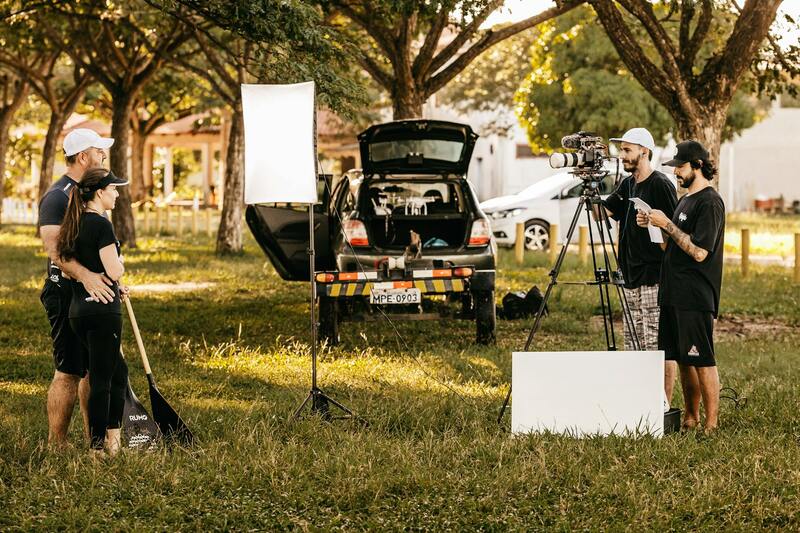
In addition to core services, many production companies offer post-event support, including content editing, audience analytics, and content delivery to various digital channels. This comprehensive approach ensures that every aspect of the live broadcast is professionally managed while aligning with brand goals and audience expectations.
Location Considerations and Venue Setup in Miami
Miami's diverse and vibrant landscape offers a unique backdrop for live broadcasting events, but careful venue selection is critical to ensure a smooth production process. When choosing a location, factors such as accessibility, power supply, acoustics, and available infrastructure play a pivotal role. Popular venues often come equipped with essential technical facilities; however, many events require customized setups to optimize broadcast quality.
Venue layout and space also influence camera angles, lighting arrangements, and audience placement. Adequate space for crew, equipment, and staging must be factored into planning, especially for large-scale productions requiring multiple cameras and complex staging arrangements. Additionally, considering safety protocols, lighting conditions, and potential sound interference helps in designing an optimal environment for both on-camera talent and technical staff.
Collaborating with experienced production partners familiar with Miami’s venues enhances logistical efficiency. These experts possess in-depth knowledge of venue specifics, permitting smoother setup, minimizing technical issues, and ensuring compliance with venue regulations. They can also advise on auxiliary facilities such as backstage areas, catering options, and secure access points, all of which contribute to a professional and hassle-free live broadcast experience.
Post-production and Content Delivery
Following the live event, post-production processes are vital for maximizing content reach and engagement. This phase involves editing captured footage, integrating graphics or subtitles, and enhancing overall visual and audio quality. Post-production ensures the final product aligns with brand standards and audience expectations.
Distribution channels are tailored to target audiences, including digital platforms, social media, and proprietary website content. Strategic content delivery extends the event’s lifespan beyond the live broadcast, allowing viewers to access highlights, full recordings, or promotional snippets. Advanced analytics tools provide insights into viewer engagement, aiding in the planning of future events and refining content strategies.
Effective post-production not only preserves the quality of the live event but also amplifies its impact across various channels. By leveraging professional editing and distribution techniques, a live broadcast can be transformed into a compelling story that resonates with diverse audiences, helping brands establish a strong digital presence.
Execution of Live Broadcasting Events
Effective live broadcast execution requires meticulous coordination across multiple technical domains to deliver a seamless viewing experience. Central to this process is real-time production management, where skilled directors and technical crew monitor and control every aspect of the broadcast. This includes switching between camera feeds, managing graphics overlays, and ensuring smooth transitions that keep viewers engaged.
Audio management plays a vital role in maintaining clarity and consistency throughout the broadcast. Technical teams calibrate sound levels, synchronize audio from multiple sources, and incorporate live commentary or music as needed, all while minimizing background noise and echo. Visual integrations, such as incorporating live feeds, on-screen graphics, and subtitle overlays, enhance viewer understanding and engagement.
During the event, constant communication between operators, directors, and technical staff ensures swift problem resolution, avoiding disruptions and maintaining production quality. The use of professional video switchers and broadcast software enables rapid scene changes, picture-in-picture effects, and multi-camera synchronization, creating a visually dynamic presentation.
Real-time troubleshooting is integral to successful live broadcasts. Technical teams proactively monitor stream stability, bandwidth usage, and hardware performance, troubleshooting issues as they arise. Backup systems for data transmission, redundant power supplies, and contingency plans are established ahead of time to mitigate potential failures or interruptions.
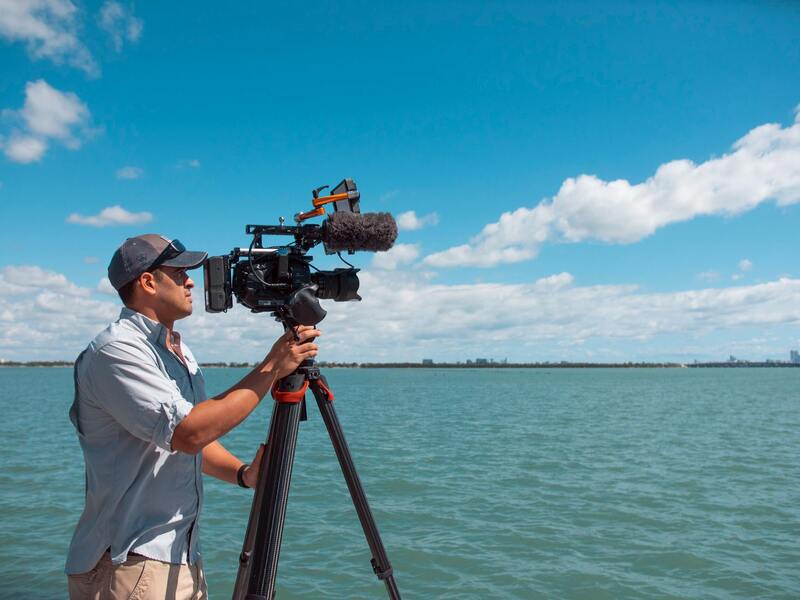
Moreover, audio-visual coordination requires precise timing and synchronization, particularly when blending live feeds with pre-recorded content or Zoom calls. The role of a dedicated technical director is pivotal in overseeing all live production components, ensuring the broadcast aligns with the planned storyline and technical specifications.
The employment of advanced hardware, including professional-grade switchers, multi-view monitors, and high-definition cameras, combined with sophisticated software solutions, provides the backbone for high-quality live streaming. The integration of multiple data streams demands expert handling to preserve the integrity of both visual and audio signals, leading to a polished final product broadcast to viewers across different platforms.
Successfully executing a live broadcast also hinges on robust contingency plans. This involves real-time monitoring of connection stability, fallback options for streaming platforms, and clear communication channels among team members. Such measures guarantee that every aspect of the event remains under control, regardless of unforeseen technical challenges.
Critical Aspects of Location and Venue Setup in Miami
When coordinating a live broadcast in Miami, selecting an optimal venue is essential to achieving a seamless production. The ideal location must cater to technical requirements and logistical considerations, including ample power sources, reliable internet connectivity, and sufficient space for equipment and crew movement. Miami's vibrant urban landscape offers a diverse array of venues, ranging from convention centers and hotel ballrooms to outdoor spaces and specialized event venues, each presenting unique advantages and challenges.
Venues in Miami often come with specific infrastructural features such as built-in audiovisual systems, which can either facilitate or hinder certain production needs. It is critical to evaluate whether these facilities meet the standards necessary for high-definition streaming, multi-camera setups, and immersive sound configurations. Additionally, considerations such as proximity to technical support services, ease of access for equipment transport, and accommodations for crew members influence venue choice.
Venue Setup and Technical Infrastructure
Once a venue is selected, meticulous planning for on-site setup is paramount. This involves installing broadcast booths, configuring lighting and sound systems, and establishing dedicated spaces for technical control and monitoring. Adequate power supply setups, surge protectors, and backup generators should be in place to prevent interruptions during the event.
Another critical aspect is ensuring robust internet connectivity. Fiber optic internet lines are preferred for their high bandwidth capabilities, reducing latency issues and supporting stable live streams. If dedicated internet lines are unavailable, bonded internet solutions or multiple internet sources can be employed as contingency measures.
Miami-Specific Elements Affecting Production Setup
Miami's unique climate and geographic conditions can impact outdoor live broadcasts. For outdoor events, considerations such as weatherproofing equipment, shade, and ventilation become crucial. The city’s vibrant outdoor scenes often add a dynamic element to broadcasts but require specialized planning to mitigate potential disruptions from rain or high humidity.
Moreover, local permitting and compliance with municipal regulations are essential for outdoor setups. Securing the necessary permits in advance ensures smooth operations and avoids legal complications that could delay the event.
Considerations for Efficient Site Management
- Power and Data Infrastructure: Ensure adequate power outlets, backup power systems, and high-speed internet access.
- Accessibility: Facilitate easy access for crew, equipment, and audience to minimize logistical delays.
- Sound and Lighting: Optimize acoustics and lighting conditions suited to the venue’s characteristics.
- Safety and Compliance: Adhere to safety protocols, including fire codes and occupancy limits, especially in high-traffic venues.
- Environmental Factors: Plan for weather contingencies in outdoor setups, including rain covers and cooling systems.
Thorough site assessment and environment-specific adaptations are fundamental to creating a successful live broadcast in Miami. Strategic planning minimizes unforeseen issues and ensures that the technical execution aligns with the production vision for a high-quality viewer experience.
Post-production and Content Delivery
After the live broadcast concludes, the focus shifts to post-production activities that are integral to delivering a polished final product. These tasks include meticulous editing, where raw footage is refined to enhance visual clarity, synchronize audio, and incorporate graphics or effects that bolster the narrative. Professional editors utilize advanced software to ensure consistency in color grading, sound balancing, and overall coherence of the content. This phase allows producers to correct any unforeseen issues that may have arisen during the live event, ensuring the content meets quality standards.
Recording the live event provides an invaluable archive that can be repurposed for various platforms or future broadcasts. High-resolution copies are stored securely for accessibility and potential licensing opportunities. Distribution involves strategic dissemination across digital channels such as social media, streaming platforms, and organizational websites. Properly optimized content ensures maximal engagement and reach, essential for brand promotion and audience retention.
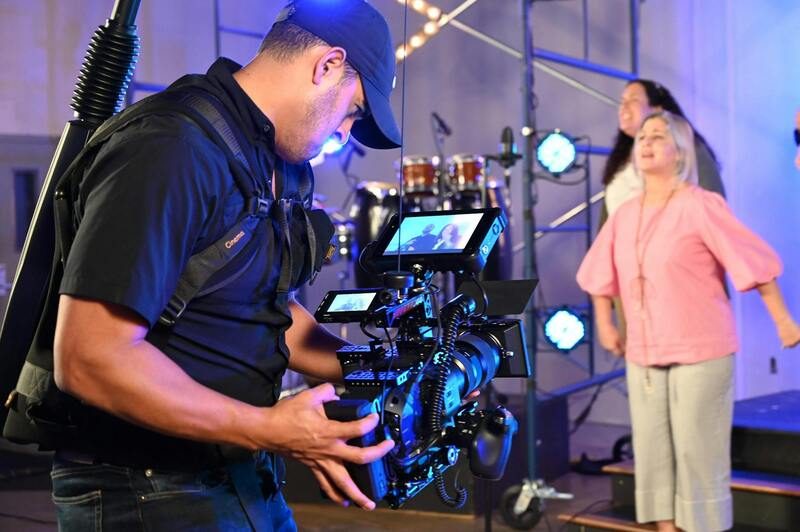
Additionally, analytics and viewer feedback are analyzed to assess the broadcast's performance. These insights help refine future production strategies, tailor content to audience preferences, and improve overall quality. Utilizing professional post-production services guarantees that the content not only preserves the integrity of the live broadcast but also enhances its visual appeal and engagement potential across multiple platforms.
Choosing a Live Broadcast Production Company in Miami
When selecting a live broadcast production company, especially in a vibrant city like Miami, several critical factors come into play. It is essential to evaluate the company's track record in delivering high-caliber live events, with a focus on their technical expertise, creativity, and capacity to handle complex productions. A thorough review of their past projects provides insights into their ability to manage diverse environments, from outdoor festivals to corporate conferences.
Experience with the latest broadcasting technologies and a well-equipped team are paramount. The production company should offer comprehensive services, including pre-planning, equipment provision, on-site execution, and post-production. Local knowledge is invaluable—understanding Miami's unique logistical considerations, weather challenges, and permitting processes ensures smooth operations.
Effective communication and a clear understanding of your production goals are vital in establishing a successful partnership. A trusted live broadcast production company will collaborate closely with clients, offering tailored solutions that align with your vision and budget, ensuring a seamless and engaging viewer experience from start to finish.
Advanced Techniques and Innovations in Live Broadcast Production
Ensuring a seamless and impactful live broadcast in Miami requires leveraging the latest advancements in broadcast technology. Modern live broadcast production companies employ a variety of innovative techniques to elevate the quality and engagement of their broadcasts. One such approach is the integration of high dynamic range (HDR) imaging, which enhances color accuracy and visual depth, providing viewers with a more vibrant and realistic experience. Additionally, 4K and even 8K resolution workflows are becoming standard, offering crisp visuals that captivate audiences across multiple devices.
Furthermore, utilizing remote production capabilities allows for flexible and cost-effective broadcasting. Remote production involves geographically dispersed teams collaborating via high-speed data links, reducing the need for extensive onsite equipment and personnel. This approach is particularly valuable in accommodating the diverse venues and outdoor locations typical of Miami events.
Another pioneering development is the use of augmented reality (AR) and virtual sets, which enable dynamic visual storytelling without the constraints of physical backgrounds. These tools allow producers to incorporate branded graphics, real-time data, and interactive elements, thereby enriching the viewer’s experience and reinforcing event messaging.
Drone surveillance and aerial filming have also gained prominence in live broadcasts, especially for outdoor festivals and sporting events in Miami. By capturing sweeping aerial shots, broadcast companies can provide stunning perspectives that elevate event coverage and create a captivating narrative flow.
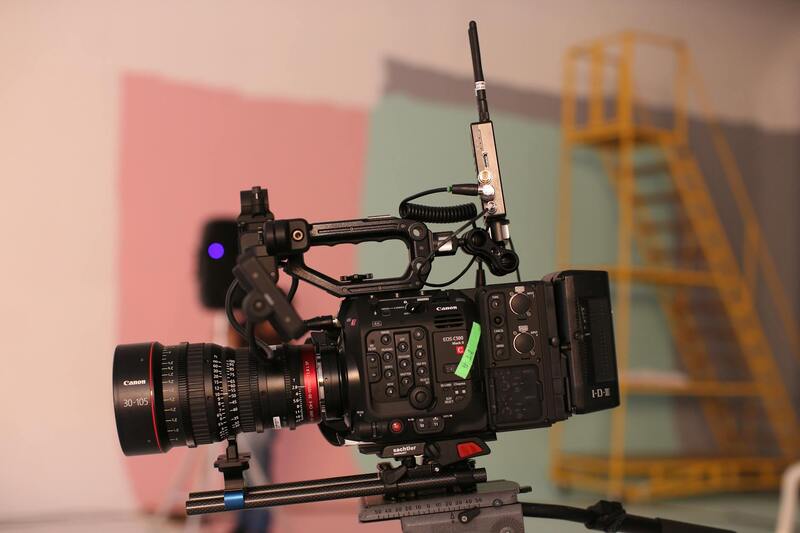
To maximize the effectiveness of these advanced techniques, live broadcast production companies rely on robust content delivery networks (CDNs). CDN integration ensures low-latency streaming and high availability, which are critical when broadcast quality and real-time interactions are priorities. Employing multi-platform streaming strategies further expands the reach, allowing viewers to engage via social media, mobile apps, and traditional broadcast channels simultaneously.
Overall, innovation in live broadcast production not only improves visual fidelity but also enhances audience interactivity and engagement. For Miami-based events, where the audience demographic is diverse and technologically savvy, adopting these cutting-edge techniques can significantly boost brand visibility and event impact.