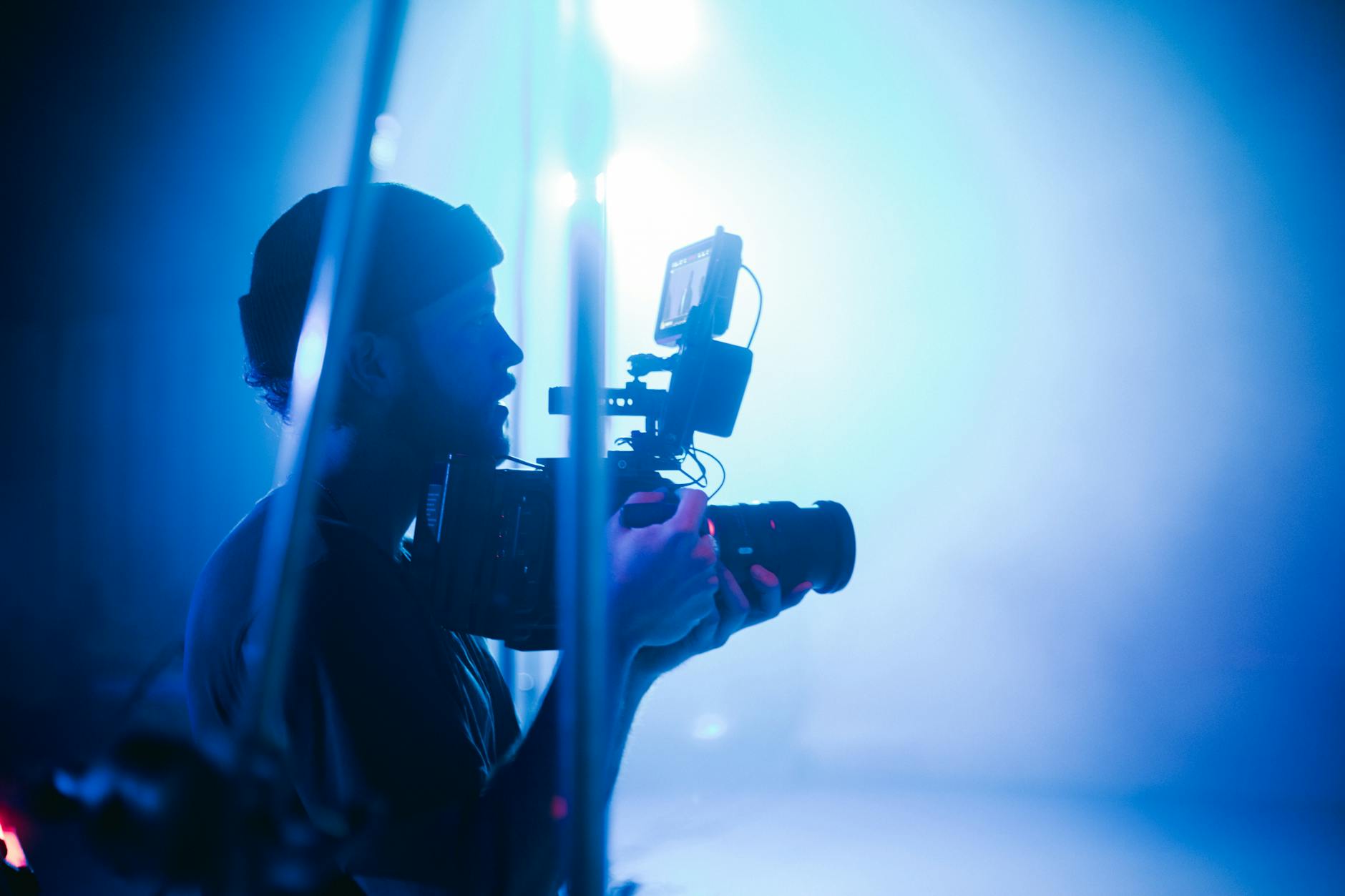
Overview of Live Streaming Video Production Services
Live streaming video production companies serve as essential partners for organizations looking to broadcast events, corporate communications, and digital content to a broad audience in real time. These companies provide end-to-end solutions that encompass everything from pre-production planning to post-broadcast analysis, ensuring seamless delivery of high-quality live content across various online platforms. Their expertise spans a wide spectrum of services aimed at engaging viewers, including professional event streaming, corporate broadcasts, product launches, webinars, and live entertainment shows.
Core services offered by a live streaming video production company include technical setup, including high-definition cameras, professional lighting, and state-of-the-art audio equipment. They also handle the logistical aspects such as internet connectivity, encoding, and stream management to guarantee stability and clarity during transmission. Beyond the technical side, these companies often provide creative services such as on-site content creation, directing, and real-time graphics integration to enhance viewer experience and brand messaging.
In terms of event types, live streaming companies cater to a diverse range including conferences, seminars, trade shows, concerts, and community events. For corporate clients, they deliver solutions tailored to executive presentations, product launches, and training sessions, enabling brands to reach global audiences without geographical constraints. Additionally, many companies now offer social media-specific streaming packages, optimized for platforms like Facebook Live, YouTube Live, and Instagram, allowing for maximum outreach and audience engagement.
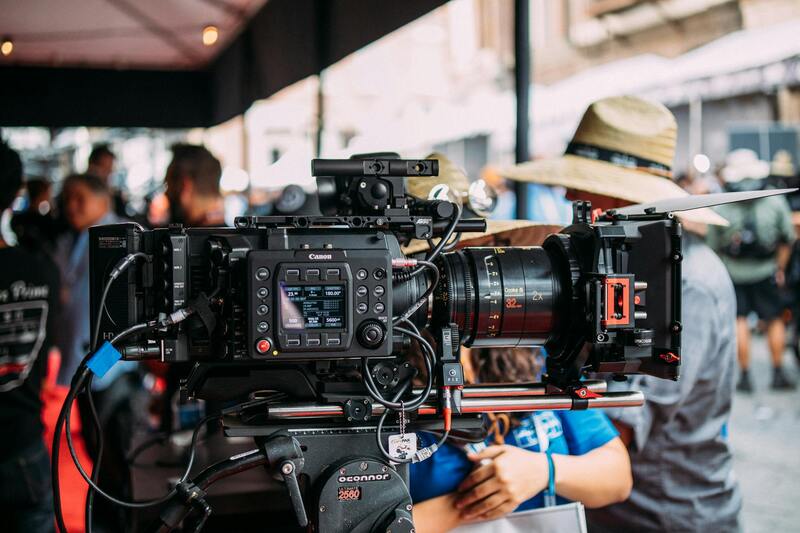
Key Features of a Reliable Live Streaming Company
Choosing a dependable live streaming video production partner hinges on a range of critical attributes. First, their technical proficiency and familiarity with the latest streaming technology ensure consistent, high-quality broadcasts. Second, their experience with diverse event types guarantees tailored solutions for specific client needs. Reliability in delivering scheduled broadcasts without downtime is paramount, and this is often achieved through robust infrastructure and backup systems.
Furthermore, an accomplished company demonstrates a strong understanding of audience engagement strategies, incorporating live graphics, multi-camera setups, and audience interaction features to enhance viewer participation. Clear communication, transparency in pricing, and flexibility to adapt to changing event requirements also mark a reputable provider. Lastly, their ability to provide comprehensive post-production support, including editing, archiving, and on-demand content delivery, adds significant value.
Importance of Local Expertise in Miami
Miami’s vibrant event scene and diverse demographics create a unique environment for live streaming initiatives. Local live streaming video production companies possess in-depth knowledge of the city’s logistical landscape, regional regulations, and favorite venues, which can significantly streamline the planning and execution processes. Their familiarity with local vendors, technicians, and event spaces ensures timely and efficient service delivery, reducing potential complications.
Additionally, local providers understand the cultural nuances and audience preferences specific to Miami, allowing for more targeted content creation and engagement strategies. This regional expertise translates to better coordination during live events and tailored technical support that accounts for the city’s specific technological infrastructure, such as internet connectivity standards and venue-specific requirements.
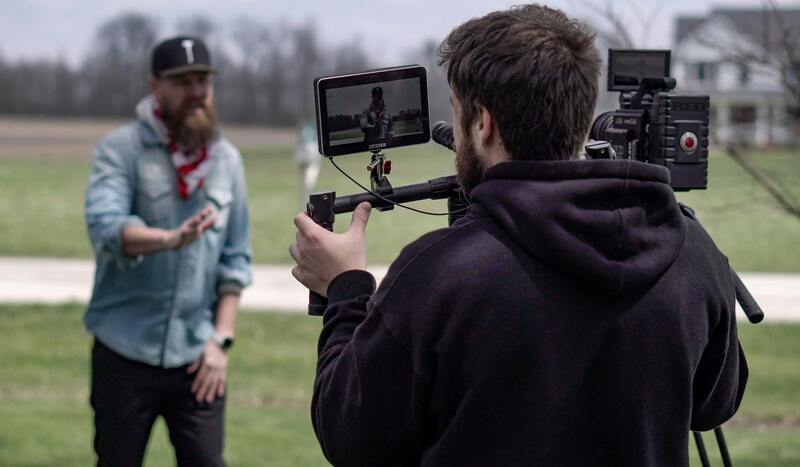
Equipment and Technology Used in Live Streaming
Advanced technology underpins successful live streaming operations. Professional-grade cameras, including multi-camera setups with optical zoom and stabilization, capture high-resolution footage from various angles. Live streaming companies also utilize encoders—hardware or software solutions—that compress video feeds efficiently to ensure smooth transmission across networks.
Audio quality is equally critical; high-definition microphones and sound mixers are employed to produce clear, balanced sound. Lighting equipment tailored for different event environments helps achieve optimal visual clarity, even in challenging lighting conditions. During the broadcast, multiple internet connections, often bonded or utilizing cellular redundancy, prevent interruption due to connectivity issues. Streaming platforms and management software enable real-time monitoring, moderation, and interactive features such as live chat or Q&A sessions.
The integration of cloud-based solutions also offers scalable, remote control over broadcasts, allowing producers to manage streams from virtually anywhere. As technology advances, virtual and augmented reality components are increasingly incorporated into live streams, enhancing viewer immersion and engagement.
Factors Influencing Cost and Budget
The overall investment in live streaming solutions varies based on several key factors. Event complexity and duration directly impact equipment requirements and personnel involvement. Larger venues or multi-camera productions naturally incur higher costs due to additional hardware and crew. Customization levels, such as incorporating graphics, on-screen branding, or real-time interactions, also influence pricing.
Additionally, geographic considerations, like the need for specialized local equipment or expert technicians, and the choice of streaming platform and quality resolution (HD vs. 4K), further affect costs. Broadcast frequency, pre-event planning, and post-production support are other elements to consider when estimating a budget. Detailed assessment and transparent quoting from a reputable provider help ensure the chosen solution aligns with organizational financial parameters while maintaining broadcast standards.
Overview of Live Streaming Video Production Services
Partnering with a professional live streaming video production company ensures a seamless and engaging digital experience for your audience. These services encompass a comprehensive array of offerings, from pre-production planning to post-broadcast analysis. A typical package includes multi-camera setups, high-quality audio systems, advanced switching and encoding equipment, and real-time graphics integration. Furthermore, live streaming providers leverage sophisticated streaming platforms and content delivery networks (CDNs) to optimize delivery speed and quality across various devices and network conditions. The technical backbone of live streaming involves meticulous planning around bandwidth management, latency control, and redundancy protocols. Redundancy measures might include backup servers, multiple internet connections, and failover systems to prevent interruptions. The integration of cloud-based solutions allows for remote management of streams, enabling producers to supervise broadcasts from any location with an internet connection. Additionally, contemporary services incorporate interactive features such as live chat, polling, or real-time Q&A to foster viewer participation. Advanced virtual and augmented reality components are increasingly adopted to elevate viewer immersion in live broadcasts. These enhancements include 3D overlays, virtual sets, and augmented reality graphics that align with event themes or branding. By utilizing cutting-edge technology, live streaming companies deliver dynamic, visually compelling content that captivates audiences and enhances the overall viewing experience.
Factors Influencing Cost and Budget
The financial aspects of live streaming services depend on several critical elements. Event scope and duration directly influence the number of cameras, audio hardware, and personnel required, with larger-scale events necessitating more comprehensive setups. Venue size and complexity also impact logistical needs, especially when multiple cameras and operators are involved. Customization adds another layer to budgeting considerations. Incorporating graphic overlays, branded visuals, multiple language options, or interactive features increases production costs. The choice of streaming platform and desired resolution further affects expenses; streaming in 4K requires more robust encoding hardware and higher bandwidth, escalating costs. Localized requirements, including specialist technical support or equipment tailored to specific regional standards, can also impact overall expenditures. Detailed planning and transparent pricing from a reputable provider are essential to aligning the production scope with your financial parameters. A comprehensive consultation ensures all needs are addressed, and no hidden costs arise during the project execution.
Steps to Choose the Right Miami Live Streaming Company
- Assess Technical Expertise: Ensure the provider has extensive experience in live streaming across various event types, from corporate conferences to large-scale concerts. Check their portfolio and client testimonials for quality assurance.
- Evaluate Equipment and Technology: Confirm they utilize modern, high-resolution cameras, professional audio systems, and robust streaming platforms capable of handling your event’s scale and complexity.
- Consider Customization and Support: Verify their ability to incorporate branding, graphics, and interactive features, along with comprehensive technical support during the event to resolve any unforeseen issues promptly.
- Review Pricing transparency: Obtain detailed quotes that encompass all service components, including setup, streaming, personnel, and contingency plans.
- Check Local Expertise: Opt for a company with in-depth knowledge of Miami’s venues, regulations, and regional network infrastructure to facilitate smooth production and delivery.
Benefits of Hiring a Professional Production Company
- High-quality, reliable streams that minimize disruptions and ensure professional presentation standards.
- Access to cutting-edge technology and equipment that enhance broadcast quality and viewer engagement.
- Expert crew and technical support to troubleshoot issues swiftly during live events.
- Flexibility to customize streams with branding, graphics, and interactive features to align with event goals.
- Efficient project management, allowing organizers to focus on content while the production team handles logistics.
Equipment and Technology Used in Live Streaming
Effective live streaming video production hinges on the deployment of advanced equipment and innovative technology. State-of-the-art cameras, including 4K resolution models, provide high-definition visuals that captivate viewers and elevate the overall production quality. These cameras, often mounted on mobile rigs or fixed tripods, enable versatile angles and dynamic shots, essential for engaging live broadcasts.
Complementing high-quality video capture is the use of professional audio equipment. High-fidelity microphones, audio mixers, and wireless systems ensure that every sound—from speakers and performers to ambient noise—is captured crisply and clearly. This clarity not only enhances viewer immersion but also maintains professionalism throughout the broadcast.
Streaming technology plays a critical role in delivering seamless live content. Reliable encoding hardware converts raw footage into optimized digital streams compatible with multiple platforms. Content delivery networks (CDNs) are utilized to distribute streams efficiently, minimizing buffering and latency issues, especially during high-traffic events.
Utilizing sturdy switching consoles and video mixers allows for real-time switching between multiple camera feeds, graphics, and pre-recorded content. This capability enhances the visual appeal and professionalism of the live stream. Additionally, features such as live overlay graphics, lower thirds, and branding elements are integrated seamlessly to reinforce event identity.
Innovative hardware and software solutions, like multi-camera live switching, remote guest integrations, and interactive elements, expand the scope and engagement level of live productions. Specialized capabilities such as 4K streaming, multi-language subtitles, and multi-platform compatibility ensure the broadcast meets a broad range of audience preferences.
Ultimately, the right combination of equipment and technology ensures a stable, high-quality live stream capable of handling large audiences with minimal technical issues. This foundation of reliable tools supports creative production techniques that elevate the viewer experience and create memorable live events.
Equipment and Technology Used in Live Streaming
Successful live streaming video production heavily relies on utilizing advanced and reliable equipment to ensure a seamless broadcast experience. Professional companies invest in high-definition cameras capable of capturing crisp visuals that meet modern viewing standards. These cameras often support 4K resolution, allowing for future-proof content delivery and greater flexibility in post-production or repurposing content. Alongside cameras, professional-grade video switchers and mixing consoles enable real-time broadcasting of multiple camera feeds, graphics, and pre-recorded segments. This versatility enhances the visual flow and maintains viewer interest throughout the live event.
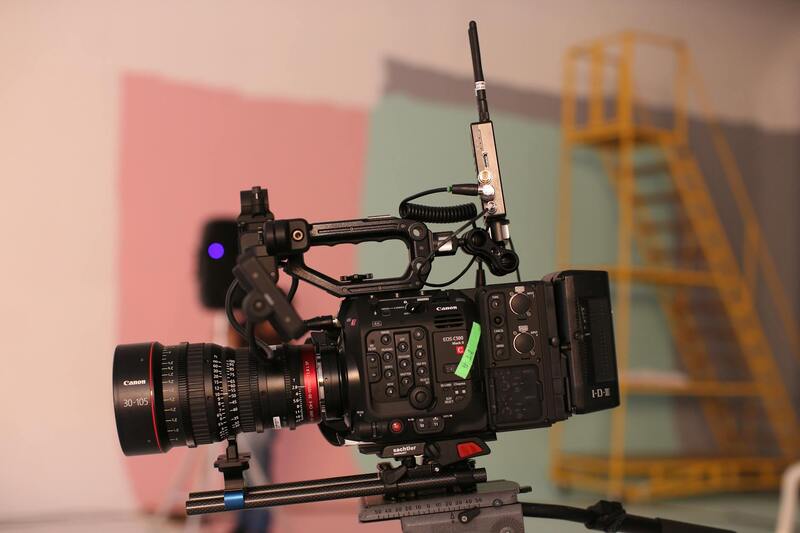
To augment the visual presentation, broadcasters incorporate live graphic overlays, such as lower thirds displaying speaker names or event branding. These visuals are integrated seamlessly through software solutions that allow for dynamic updates during the broadcast. Audio quality is equally prioritized, with the incorporation of high-fidelity microphones and sound mixing hardware that suppresses background noise while emphasizing clarity.
In terms of software, professional streaming companies utilize robust encoding platforms that optimize video and audio data for transmission. These software encoders support adaptive bitrate streaming, which adjusts video quality on the fly based on viewer internet speeds, ensuring buffer-free viewing experiences. Content management systems and streaming platforms enable multi-platform distribution, broadening reach across social media, websites, and dedicated streaming channels.
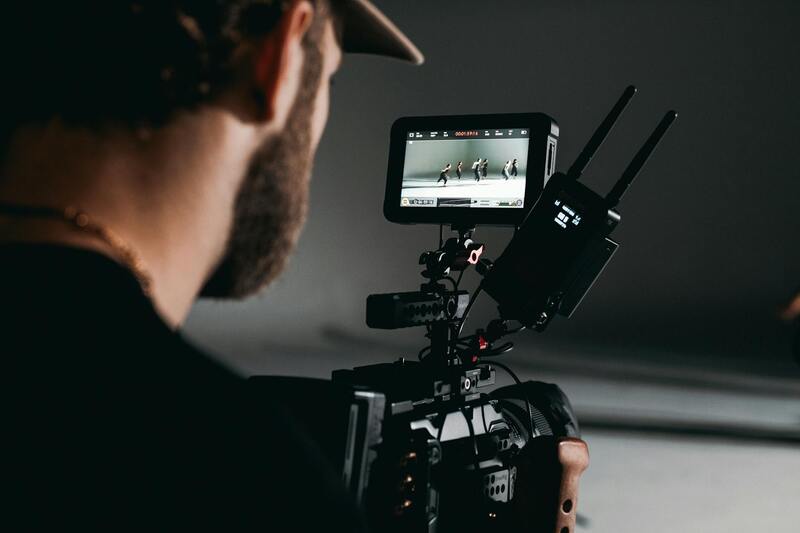
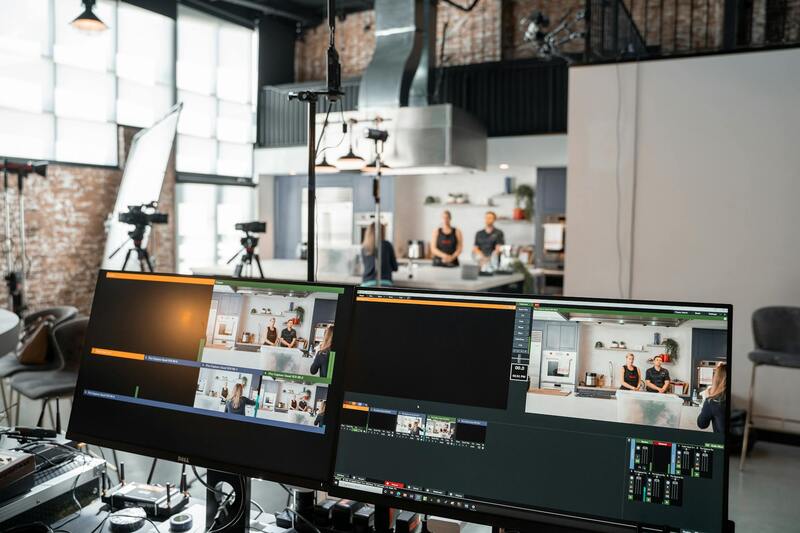
Remote control and monitoring systems are also integral. These allow producers to oversee the live broadcast from different locations, providing flexibility and quick troubleshooting capability. Additionally, hardware such as multi-view monitors help directors and crew keep track of all feeds and sources simultaneously. As innovations grow, more companies adopt cloud-based solutions for greater scalability and collaboration, enabling live event production even across multiple geographic locations.
Overall, the combination of high-end cameras, switching hardware, graphic and audio tools, and sophisticated streaming software creates a resilient infrastructure. This infrastructure is crucial for delivering high-quality live streams that meet professional standards, bolster audience engagement, and elevate the overall event presentation.
Factors Influencing Cost and Budget
Understanding the key factors that impact the overall cost of live streaming video production is essential for organizations seeking a seamless broadcast experience. Several elements contribute to budgeting considerations, each playing a pivotal role in shaping the final investment.
Event Complexity and Scale
The scope and intricacy of the live event significantly influence costs. A straightforward seminar or product launch with minimal visuals and fewer cameras will naturally require fewer resources. Conversely, large-scale concerts, multi-camera productions, or multi-angle broadcasts necessitate advanced equipment, multiple crew members, and comprehensive planning. The complexity often dictates the number of camera operators, switchers, graphic designers, and technical directors involved, directly affecting labor costs.
Duration of the Broadcast
The length of the live stream impacts both manpower and equipment usage. Longer events may require extended set-up times, additional storage for media assets, and increased bandwidth capacity. While shorter productions might have a lower overall cost, extended live streams often necessitate higher bandwidth and more robust infrastructure to prevent buffering or quality degradation.
Equipment and Technology Needs
High-quality visuals and sound are central to engaging live streams. The choice of equipment, including 4K cameras, professional microphones, and graphics systems, can significantly influence the budget. Advanced software for encoding, switching, and real-time editing also factors into costs. Additionally, the need for backup systems, such as redundant servers and power supplies, adds to the overall expenditure but ensures uninterrupted broadcast quality.
Additional Service Requirements
bespoke services like multi-platform distribution, custom animations, live chat moderation, and post-event analytics can elevate the production value but come at an extra expense. Moreover, when aiming for high production value, some clients opt for on-site branding elements or tailored visual effects—these enhancements require specialized personnel and technology investments.
Location and Accessibility
Proximity to Miami's event venues and ease of access for equipment and crew influence logistical costs. Remote or hard-to-access locations may incur additional transportation, setup, and safety measures. Additionally, the need for remote control and monitoring systems in certain environments can add complexity and cost to the event setup.
Client Customization and Specific Demands
Customized branding, specialized graphic overlays, multiple camera feeds, or integrating user-generated content can also influence costs. Each added feature requires technical expertise and additional production time, which can accumulate depending on the client's unique needs.
Summary
In essence, evaluating the overall budget for live streaming video production involves analyzing these interconnected factors. A clear understanding of event requirements, technological scope, and additional services enables businesses to allocate appropriate resources and optimize their return on investment for successful live broadcasts in Miami.
Equipment and Technology Used in Live Streaming
Effective live streaming hinges on the deployment of cutting-edge equipment and advanced technological solutions. A reputable live streaming video production company invests in high-definition cameras, professional audio systems, and robust encoding hardware to ensure seamless transmission of visual and audio content. The use of multiple camera configurations, such as PTZ (pan-tilt-zoom) cameras and robotic cameras, allows for dynamic shot compositions and versatile coverage, enhancing viewer engagement.
Beyond the cameras, the integration of hardware switchers and video mixers is essential for real-time shot changes and overlays. These tools enable the production team to insert graphics, lower thirds, and other visual elements smoothly, maintaining a polished broadcast quality. Additionally, high-performance streaming encoders decode and compress the video signals efficiently, facilitating high-quality streams on multiple platforms concurrently.
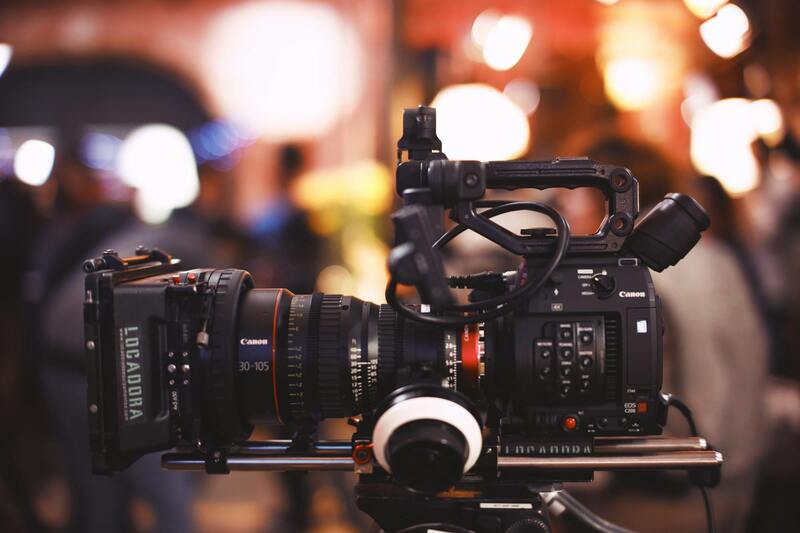
On the software side, reliable streaming platforms and management tools are employed for multi-platform distribution, real-time monitoring, and interactive features. Cloud-based solutions are increasingly common, allowing for scalable and flexible workflows that adjust to event size and complexity. These platforms also support functionalities such as live chat, viewer analytics, and content recording for post-event use.
Network infrastructure plays a pivotal role in live streaming success. Companies often utilize dedicated internet connections or bonded cellular networks to guarantee stable bandwidth and reduce latency. This setup minimizes interruptions, ensuring continuous broadcast even in challenging network conditions.
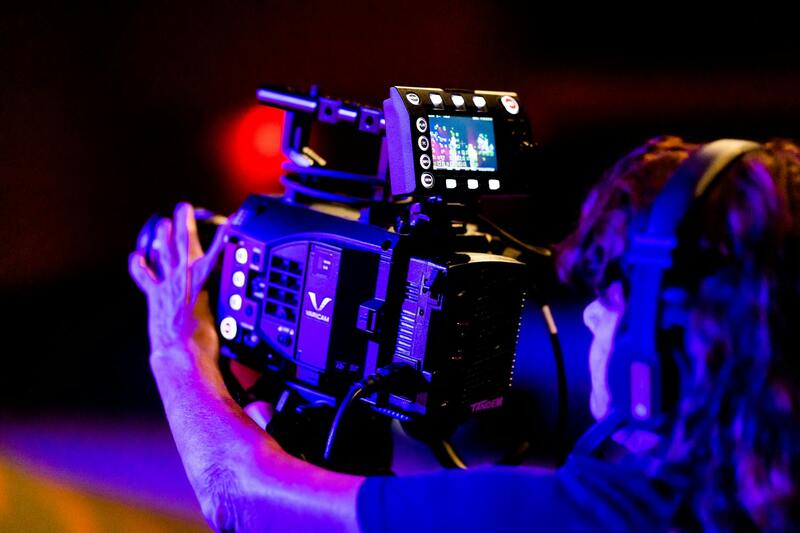
Complementing the core equipment, high-quality lighting systems and professional audio capture devices are vital for visual clarity and sound fidelity. Wireless microphones, directional speakers, and portable lighting kits allow flexibility and mobility during on-location shoots. Moreover, remote control and monitoring systems enable operators to oversee the stream from a distance, addressing technical issues on the fly.
Ultimately, the fusion of state-of-the-art hardware and innovative software solutions constitutes the backbone of a reliable live streaming setup. Clients seeking top-tier service should confirm that their production partner utilizes industry-leading technology tailored to their specific event needs, whether it’s a corporate conference, product launch, or live concert in Miami.
Factors Influencing Cost and Budget
When planning a live streaming video production, understanding the elements that impact the overall cost is crucial for efficient budgeting. A variety of factors come into play, ranging from the complexity of the event to the specific technological requirements needed to deliver a seamless broadcast. These elements are carefully considered by a seasoned live streaming video production company to provide tailored solutions that align with client expectations and financial constraints.
One of the primary cost determinants is the scope of the event. Larger events, such as multi-camera broadcasts for corporate conferences or concerts, naturally demand more equipment, personnel, and planning time. Conversely, smaller, less complex streams may require only minimal setups, which can significantly reduce costs. Additionally, the location within Miami can influence expenses; venues with better infrastructure and fewer logistical challenges often facilitate smoother production workflows and potentially lower costs.
Equipment choice plays a pivotal role as well. High-definition cameras, professional-grade audio equipment, and advanced streaming software all contribute to the quality of the final broadcast but also come with associated costs. The use of rental or purchase options will influence the overall budget, as well as the rental duration for specific hardware components.
Technical support and personnel are integral to a successful live stream. Skilled technicians, including camera operators, directors, audio engineers, and network specialists, ensure the broadcast runs smoothly. The level of expertise required and the number of staff members involved directly affect labor costs. Additionally, real-time support during the event can mitigate technical issues promptly, avoiding costly interruptions.
Network infrastructure is another critical aspect. Companies that invest in dedicated internet connections or bonding multiple networks to guarantee consistent bandwidth will incur higher expenses, but these investments are essential for broadcast stability. In remote or challenging environments within Miami, additional costs might arise from on-site power supplies, portable infrastructure, or contingency planning for unforeseen circumstances.
Post-production services, including content recording, editing, and distribution, can also influence costs. Clients interested in on-demand content or highlights may opt for additional editing services, which are billed separately. Moreover, licensing fees for copyrighted material or special broadcast rights must be considered to ensure compliance and avoid legal complications.
Cost Optimization Strategies
- Engaging a local Miami-based production team often reduces transportation and logistical expenses.
- Pre-event planning and coordination streamline workflows, minimizing on-site hours and associated costs.
- Choosing scalable technology solutions allows flexibility in event size and complexity, optimizing resource allocation.
- Bundling services such as setup, streaming, and post-production often results in cost savings compared to piecemeal arrangements.
By carefully evaluating these factors and collaborating closely with a professional Miami live streaming video production company, clients can ensure their investment aligns with their objectives, resulting in high-quality broadcasts that captivate audiences without exceeding budget constraints.
Advanced Techniques and Customization Options in Live Streaming Video Production
To elevate the quality and engagement level of live streaming events, reputable Miami-based production companies offer advanced techniques and extensive customization options. These innovations are designed to cater to diverse client needs, whether it’s a corporate conference, a music festival, or a community event, ensuring the broadcast aligns precisely with the brand identity and audience expectations.
Use of Multi-Camera Setups and Dynamic Switching
Implementing multi-camera setups allows for varied perspectives, capturing different angles to create a more immersive viewer experience. Skilled video engineers utilize live switching equipment to seamlessly transition between camera feeds, highlighting key moments or focusing on specific speakers or performers. This approach not only enhances visual interest but also helps maintain audience engagement throughout complex event segments.
Incorporation of Graphics, Overlays, and Lower Thirds
Custom graphics, branded overlays, and lower thirds improve the professionalism and clarity of live broadcasts. These visual elements deliver real-time information such as speaker names, event schedules, social media interactions, or sponsor logos, augmenting the event's visual appeal and informational value. Professional production companies leverage high-quality graphics software that integrates smoothly with live feeds for a polished, cohesive presentation.
High-Fidelity Audio Integration and Sound Mixing
Sound quality is critical for a compelling live stream. Top-tier Miami production companies employ advanced audio equipment and skilled sound engineers to ensure clear, balanced acoustics. They integrate multiple audio sources—including microphones and instrument feeds—and perform real-time mixing to eliminate echoes, background noise, and audio lag, delivering an optimal auditory experience for remote viewers.
Advanced Streaming Protocols and Redundancy Measures
Leveraging the latest streaming protocols such as SRT (Secure Reliable Transport) and RTMP (Real-Time Messaging Protocol) ensures stable, low-latency transmissions. Additionally, redundant streaming paths and backup servers are employed to prevent service interruptions, especially during critical live events. These measures provide peace of mind, ensuring the event is broadcast consistently and professionally without technical disruptions.
Interactive Features and Audience Engagement Tools
Modern live streaming solutions incorporate interactive elements such as live chat, polling, virtual Q&A sessions, and social media integration. These features foster real-time audience participation, making the event more engaging and memorable. Customization options also include tailored viewing portals or branded interfaces that align with corporate branding, creating a cohesive experience for viewers across all platforms.
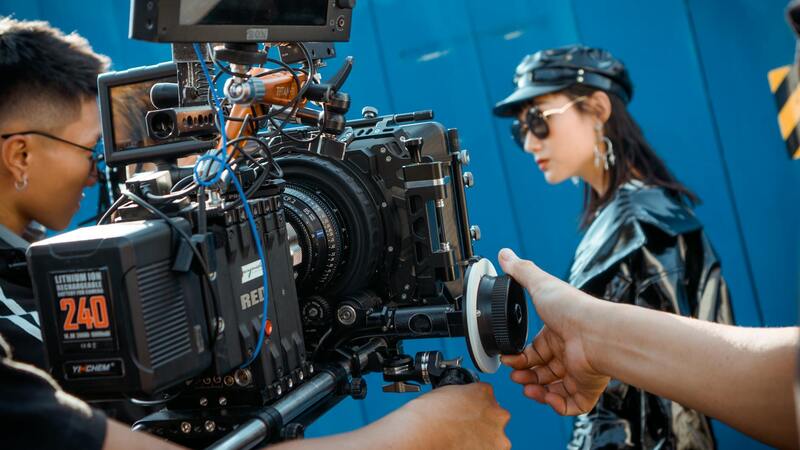
Content Recording and Post-Event Editing
Many production companies offer high-quality content recording during the live event, enabling clients to utilize footage for on-demand viewing, promotional material, or future marketing campaigns. Post-production editing enhances the recorded content by adding graphics, trimming segments, or integrating additional multimedia elements—delivering a polished product that extends the event's impact beyond the live broadcast.
Tailored Package Options and Scalability
Customization extends beyond technical features, as trusted Miami firms provide flexible packages designed to scale with the client’s needs. Whether hosting a small webinar or a large-scale conference, these companies adapt their services to include just the necessary components, offering cost-efficient solutions without compromising quality.