
Understanding Live Streaming Production
Live streaming production is a comprehensive process that transforms a physical event into a seamless digital broadcast, accessible to viewers across the globe. It involves a blend of technical expertise, creative vision, and meticulous planning to ensure that the final broadcast maintains high visual and audio quality, engages audiences, and effectively delivers the intended message. In today’s digital age, live streaming has become an essential tool for corporate events, entertainment shows, educational sessions, and charity functions, enabling organizations to reach wider audiences in real-time.
A successful live streaming production integrates multiple elements—from video shooting and editing to sound engineering and internet transmission—into a cohesive workflow. This process demands a deep understanding of both the technical components and the strategic elements that influence viewer engagement. As digital consumption continues to evolve, the importance of employing skilled professionals who understand the nuances of live broadcast production has grown significantly.
The role of live streaming production experts is pivotal in this landscape. These specialists combine their technical proficiency with creative insight to troubleshoot issues promptly, optimize video quality, and adapt to the various challenges that can arise during a live event. They oversee every stage, from pre-event planning through execution and post-event analysis, ensuring a smooth experience for viewers and clients alike.
Modern live streaming production is not merely about pushing a video feed online; it is about creating an immersive experience that resonates with the target audience. This involves careful consideration of factors such as camera angles, audio clarity, graphic overlays, and internet stability. The expertise of professionals in this field guarantees that every element aligns perfectly for a broadcast that looks professional, engaging, and reliable.
For organizations in Miami and beyond, partnering with experienced live streaming production experts means accessing a dedicated team capable of elevating their digital presence. These experts leverage the latest tools and techniques to deliver broadcasts that stand out, whether for a small corporate seminar or a large-scale public event. Their role is essential in transforming a simple live feed into a polished, professional broadcast that meets high standards of quality and viewer satisfaction.

Essential Equipment and Technology
For a successful live streaming event, the deployment of cutting-edge equipment and technology is indispensable. Live streaming production experts utilize a comprehensive array of hardware and software tools to ensure a smooth, high-quality broadcast. At the core of their setup are professional cameras capable of capturing high-definition video from multiple angles, which adds depth and engagement to the live feed. These cameras are often complemented by switchers that allow seamless editing and transitions between different video sources in real time.
Audio quality is equally critical, necessitating the use of high-fidelity microphones—such as lavalier, shotgun, or condenser microphones—that pick up clear, precise sound. Audio mixers help fine-tune levels to prevent issues like distortion or background noise, ensuring fans, viewers, or participants hear every detail without distraction.
To transmit the data efficiently, robust encoders are employed. These devices convert audio and video signals into streams suitable for distribution over the internet. Many experts favor software encoders integrated within professional streaming platforms, which provide flexibility and advanced features such as latency management and adaptive bitrate streaming.
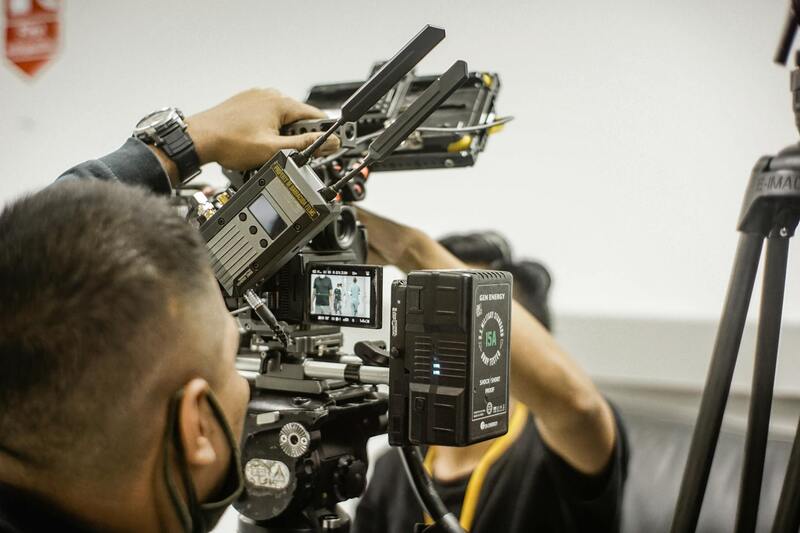
Technical infrastructure supporting these tools includes high-speed internet connections, preferably wired Ethernet, to prevent interruptions. Backup internet options, such as cellular hot spots, are also common to maintain a reliable stream if primary connections falter.
Complementary gear like lighting kits enhances visibility and charts the visual quality of the event, while graphic overlays and on-screen annotations provide extra engagement and clarity. All these components are managed through sophisticated software applications that allow live producers to seamlessly control and monitor the broadcast, ensuring continuity and quality control throughout the event.
Implementing the latest technology also involves leveraging content delivery networks (CDNs), which distribute streams globally with reduced latency and buffering. This widespread distribution capability is vital for organizations aiming to reach larger audiences with minimal technical hiccups or delays. Ensuring compatibility across devices—such as smartphones, tablets, and desktop computers—is a standard consideration, dictating that streaming solutions support multiple formats and adaptive streaming protocols.
Ultimately, the right combination of equipment and technology, operated by skilled experts, forms the backbone of high-quality live streaming production. A well-integrated setup guarantees that the event runs smoothly, delivering a professional experience that aligns with audience expectations and organizational goals.
Essential Equipment and Technology
Successful live streaming production hinges on the deployment of advanced hardware and software tools designed to deliver seamless broadcasts. Central to this are high-performance cameras that capture crisp, professional-quality visuals, capable of operating in various lighting conditions and angles. These cameras are often complemented by multi-camera switchers, allowing live producers to dynamically change perspectives and maintain viewer engagement.
Audio quality is equally critical, requiring microphones with clear sound capture and audio mixers to balance levels and eliminate unwanted noise. Wireless microphone systems are frequently employed for mobility and flexibility during dynamic events. For comprehensive sound management, audio interfaces connect microphones and mixing consoles directly to streaming hardware, ensuring audio synchronization with video.
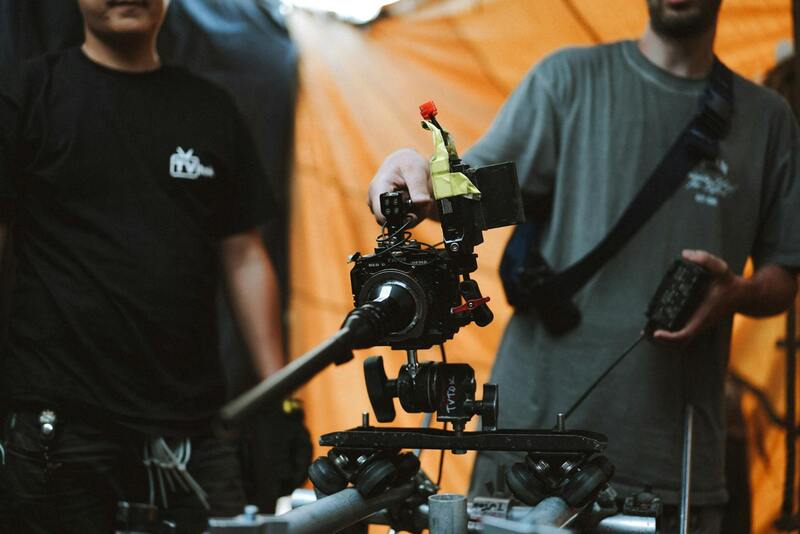
Software tools, including encoders and live production suites, play a pivotal role in encoding streams into formats suitable for online delivery. Popular encoding software offers features like multi-bitrate streaming, scene switching, and real-time graphics overlay, which enhance the viewing experience. Additionally, content delivery networks (CDNs) facilitate the distribution process by ensuring minimal latency and buffering, especially vital when streaming to large, dispersed audiences.
Reliable internet connectivity is the backbone of live streaming, with wired Ethernet connections preferred for their stability. Backup solutions, such as cellular hot spots and secondary internet lines, are integrated to prevent disruptions. The compatibility of equipment across multiple devices—smartphones, tablets, desktops—is also tested to assure a consistent viewer experience, regardless of platform or operating system.
Pre-Production Planning and Coordination
Thorough pre-event planning is essential to align technical requirements with broadcast objectives. Live streaming experts assess event scope, audience size, and venue specifics to develop a detailed execution plan. This includes securing all necessary permits, arranging equipment setup, and testing connectivity. Coordination with event organizers and performers ensures that content, timing, and visual elements are optimized for live delivery.
Script rehearsals and technology dry-runs are conducted to troubleshoot potential issues. Content assets such as graphics, animations, and overlays are prepared and synchronized to ensure they integrate seamlessly during the broadcast. Additionally, establishing clear communication channels among crew members enhances real-time coordination, enabling swift problem resolution and adjustments.
Execution and On-Site Management
During the live event, the expertise of on-site production professionals is instrumental in managing the technical aspects. They oversee camera operation, audio levels, and software controls, ensuring the stream maintains high quality throughout. Real-time monitoring allows for immediate response to technical glitches or unforeseen challenges, such as audio dropouts or camera failures.
Effective coordination with the event schedule ensures that transitions between segments are smooth, and visual cues or graphics are timely. On-site experts also handle equipment adjustments, troubleshooting, and maintaining a stable internet connection. This proactive approach minimizes unexpected disruptions and guarantees a professional broadcast experience for viewers.
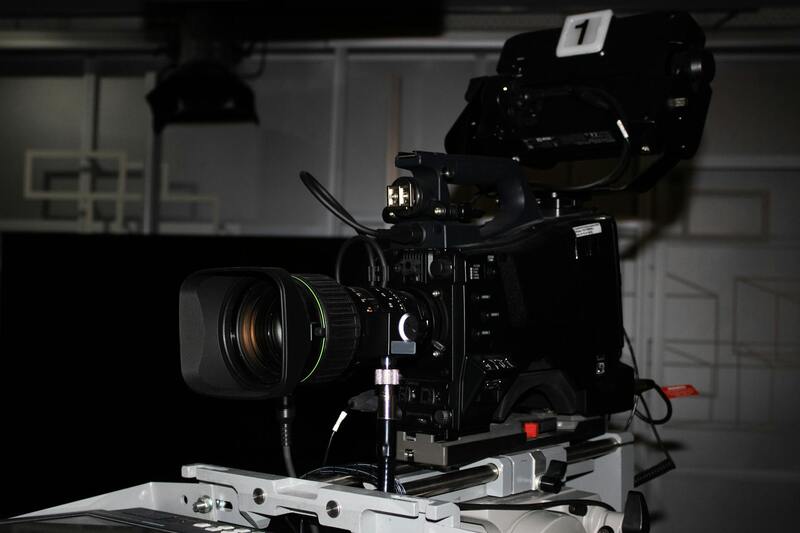
Engagement with the audience can also be managed live, through real-time chat moderation, social media integration, and interactive features. These efforts heighten viewer involvement and extend the event's reach beyond the core broadcast. All these elements require meticulous coordination, technical acumen, and prompt decision-making from live streaming production experts.
Understanding Live Streaming Production
Live streaming production encompasses a comprehensive suite of technical and creative processes that transform a static event into an engaging visual experience accessible in real-time to a global audience. This intricate process involves meticulous planning, precision execution, and real-time management to ensure that the broadcast maintains high-quality standards and delivers seamless content. Central to this operation are the live streaming production experts, whose expertise spans multiple facets of the production workflow, including equipment setup, technical troubleshooting, and audience engagement strategies.
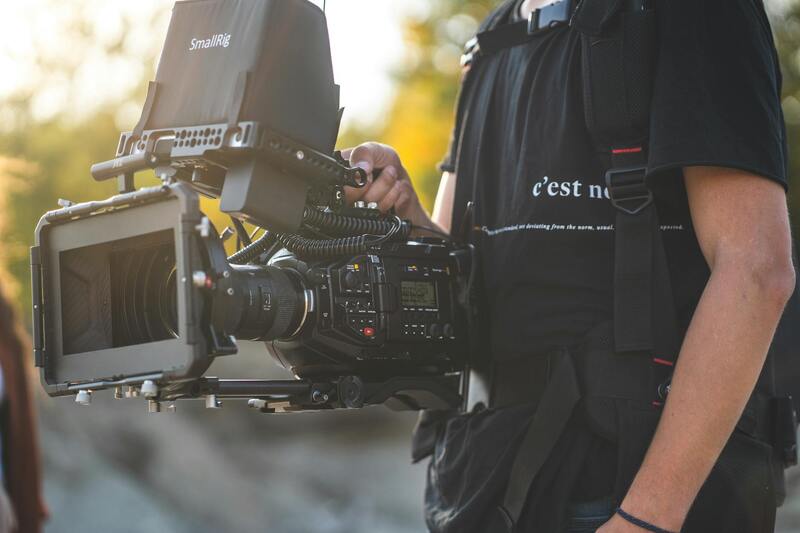
Executing a successful live stream requires a synergy of cutting-edge technology, skilled personnel, and strategic planning. The process begins with pre-production activities that lay the foundation for a smooth broadcast, continues with efficient on-site management during the event, and concludes with post-event content repurposing to maximize reach and engagement. Throughout each phase, the role of seasoned live streaming production experts is pivotal to overcoming challenges, adapting to dynamic conditions, and delivering a polished final product.
Key Skills and Qualifications of Live Streaming Experts
- Technical Proficiency: Mastery of broadcasting equipment, streaming platforms, and software controls is essential. Experts should be familiar with encoders, switchers, audio mixers, and network infrastructure to troubleshoot issues rapidly and adapt to changing circumstances.
- Creative Vision: An eye for visual storytelling, camera framing, and graphic integration enhances the broadcast’s appeal. Live streaming specialists often collaborate with content creators to align technical execution with creative goals.
- Communication Skills: Clear, concise communication with team members, talent, and clients ensures efficient coordination, especially when addressing technical challenges or adjusting live content on the fly.
- Problem-Solving Abilities: The capacity to respond swiftly to unexpected issues, like equipment failure or connectivity loss, minimizes disruptions and maintains broadcast integrity.
- Experience and Certification: Certifications in broadcasting technology or streaming platforms, along with extensive hands-on experience, bolster the credibility and functionality of live streaming teams.
Essential Equipment and Technology
Quality live streaming demands a robust array of equipment designed to deliver consistent, high-resolution output. The core components include:
- Streaming Encoders: Devices or software that convert video signals into formats suitable for streaming across platforms. Advanced encoders support multi-bitrate streaming, enabling adaptability for viewers with diverse internet speeds.
- Cameras and Switchers: Multiple high-definition cameras capture different angles, which are then seamlessly switched using hardware or software switchers to maintain visual flow.
- Audiovisual Equipment: High-fidelity microphones, audio mixers, and speakers ensure clear sound quality, complemented by audio processing tools for noise reduction and balancing.
- Networking Infrastructure: Reliable internet connectivity is critical; often supplemented with backup connections like cellular data links to prevent stream interruptions.
- Graphics and Overlays: Professional-grade graphics, lower thirds, and real-time animations enhance visual engagement and information delivery.
- Monitoring Devices: Real-time monitoring dashboards enable experts to oversee stream quality, identify issues instantly, and respond proactively.
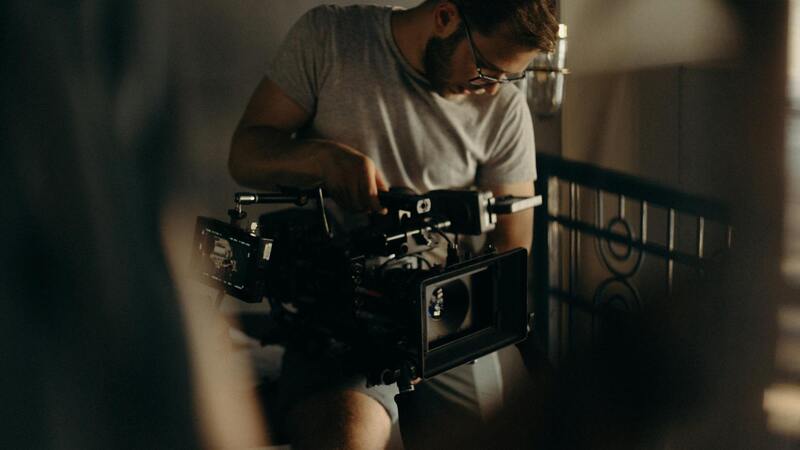
Implementing the right combination of these technologies depends on the scale of the event, the complexity of content, and the target audience. Professional live streaming experts assess these factors and recommend tailored solutions that ensure consistent delivery, high resilience, and scalability for future growth. This proactive approach supports the production of engaging, reliable streams that captivate viewers and uphold the event's reputation for professionalism.
Understanding Live Streaming Production
Effective live streaming production hinges on a meticulous blend of technical expertise, strategic planning, and seamless on-site execution. It involves a comprehensive approach to capturing, managing, and transmitting content in real time, ensuring the viewer experience is immersive, high-quality, and unobstructed. This process requires not just sophisticated equipment but also skilled professionals capable of orchestrating each component of the production pipeline.
Key Skills and Qualifications of Live Streaming Experts
Professionals in this field possess a diverse set of competencies that enable them to manage complex broadcasting scenarios. These include advanced knowledge of audiovisual technology, proficiency in switching and encoding software, and an understanding of networking infrastructure. Excellent problem-solving skills and the ability to make rapid decisions under pressure are essential. Many experts also have backgrounds in media production, broadcast engineering, or related technical disciplines.
Furthermore, a seasoned live streaming expert demonstrates a keen eye for detail—monitoring stream health, adjusting audio levels, and troubleshooting issues such as latency or signal disruptions. Strong communication skills facilitate coordination with clients, presenters, and technical staff to ensure all elements align perfectly during the broadcast. Certifications in broadcast technology or streaming platforms often serve as additional validation of their expertise.
Essential Equipment and Technology
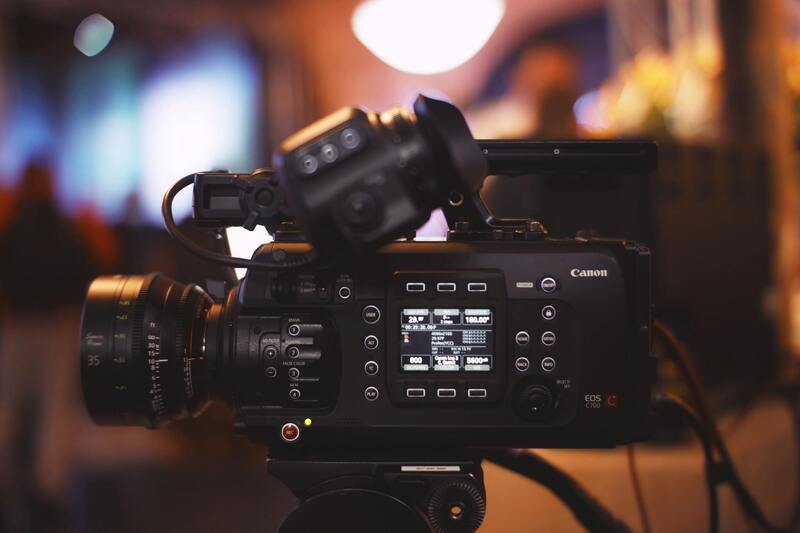
High-quality live streaming production demands a robust array of equipment designed for reliability and flexibility. This includes, but is not limited to:
- Cameras and switchers: Multiple high-definition cameras for capturing diverse angles, integrated with professional switchers to seamlessly transition between shots.
- Audio equipment: High-fidelity microphones, audio mixers, and processing tools for sound clarity and balance.
- Encoding hardware and software: Devices that compress and transmit live feeds efficiently across various platforms.
- Networking infrastructure: High-bandwidth internet connections, supported by backup options like cellular data links for uninterrupted streaming.
- Visual enhancements: Graphics, overlays, and real-time animations to engage viewers and provide contextual information.
- Monitoring systems: Dashboards and analytics tools that allow real-time oversight of stream health and quality metrics.
Pre-Production Planning and Coordination
Effective live streaming begins long before the event takes place. Pre-production involves detailed planning to align technical and content objectives with logistical considerations. This includes defining the broadcast flow, scheduling rehearsals, and conducting equipment checks. A comprehensive production plan ensures that each element—from camera angles to on-screen graphics—works harmoniously to deliver a polished final product.
Coordination among team members is vital, involving roles such as technical director, camera operators, sound engineers, and overlay designers. Scouting the venue to assess power sources, networking points, and lighting conditions ensures a smooth on-site experience. Clear communication channels are established to facilitate quick responses during live transitions and troubleshooting.
An essential aspect of pre-planning is developing contingency procedures for potential disruptions. Whether a camera malfunction or internet interruption, having backup plans helps maintain broadcast continuity and enhances the overall professionalism of the production.
Advanced On-Site Management and Technical Oversight
Executing a live stream with precision requires experienced on-site management, which encompasses both technical oversight and dynamic problem-solving. Live streaming production experts are responsible for continuously monitoring all technical aspects during the broadcast, ensuring each component functions seamlessly. This includes overseeing live camera feeds, audio quality, and transmission stability, which are foundational to maintaining high production standards.
Effective coordination among team members is crucial during on-site operations. The technical director acts as the central communications hub, relaying cues to camera operators, sound engineers, and graphics operators. Clear communication is maintained through dedicated channels, allowing rapid adjustments, such as switching camera angles, adjusting audio levels, or overlaying graphics in real-time. This coordination ensures the viewer’s experience remains smooth and engaging, even as unforeseen issues arise.
Real-time troubleshooting is a core competency of live streaming production experts. Common challenges include internet interruptions, equipment malfunctions, or lighting inconsistencies. Having a well-prepared team and backup gear—such as spare cameras, microphones, and power sources—minimizes the risk of disruptions. Additionally, network backup solutions like cellular or LTE connections serve as fail-safe options in case of primary internet failure.
Monitoring live streams involves sophisticated dashboards and analytics tools that provide instant insights into stream health metrics—video latency, buffer rates, and bitrates. These tools enable on-the-fly adjustments to optimize quality and prevent viewer frustration. Managing multiple feeds and ensuring synchronization across various camera angles require meticulous timing and technical expertise, which is why pairing skilled professionals with advanced equipment is fundamental.
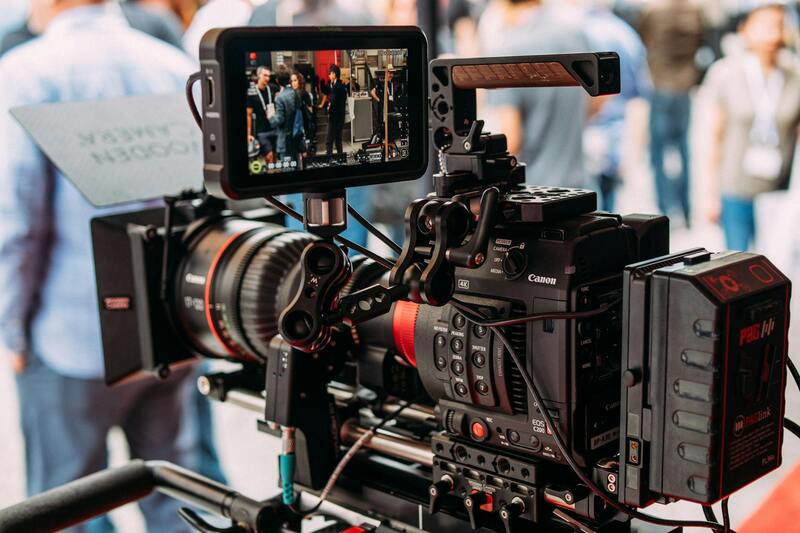
Moreover, on-site management extends to on-the-fly content adjustments, such as adding lower thirds, logos, or other graphics needed for branding or contextual emphasis. These elements are integrated seamlessly to keep the broadcast professional and visually engaging. The versatility and quick decision-making capabilities of live streaming experts ensure that even unpredictable scenarios are handled proficiently, thereby delivering a final product that meets precise expectations for quality and professionalism.
To summarize, the success of a live streaming event hinges on expert on-site management, where technical proficiency, proactive coordination, and rapid adaptation converge to produce a seamless viewing experience. These professionals are adept at leveraging real-time analytics and advanced equipment to maintain high stream integrity, minimize disruptions, and uphold the production’s overall quality standards.
Advanced Techniques in Live Streaming Production Management
Achieving a flawless live broadcast requires more than just basic equipment and prepared content; it demands sophisticated management of various technical components in real time. Live streaming production experts utilize a range of advanced methodologies to ensure stability, high quality, and viewer engagement throughout the event. These techniques encompass comprehensive monitoring, dynamic video switching, real-time content integration, and adaptive streaming protocols.
Real-Time Monitoring and Adaptive Streaming
Effective management starts with continuous, real-time monitoring of stream health. Experts leverage specialized analytics dashboards that track vital metrics such as latency, buffer rates, frame rates, and bitrates. These tools facilitate immediate detection of issues and enable rapid intervention to prevent viewer degradation or stream interruption. Adaptive streaming technologies dynamically adjust video quality based on the viewer’s internet connection, ensuring a consistent viewing experience regardless of network fluctuations.
Sophisticated Video Switching and Graphics Integration
During a live event, seamless transitions between multiple camera angles, video sources, or graphic overlays enhance viewer engagement. Live streaming professionals employ professional-grade switchers and software solutions that allow smooth switching, picture-in-picture effects, and real-time graphic overlays such as lower thirds, logos, and branding elements. These tools support quick adjustments during the event, ensuring the broadcast remains visually engaging and aligned with branding standards.
Managing Multiple Feeds and Synchronization
Handling various video sources requires precise synchronization to prevent desynchronization issues that can disrupt viewer experience. Professionals utilize genlock and timestamp synchronization techniques alongside advanced video mixers to maintain seamless transitions. Additionally, multi-camera setups can include different resolutions or formats, necessitating real-time conversions and conversions to suit streaming platforms, which requires expert oversight.
Content Security and Encryption Protocols
To safeguard proprietary content during live streams, experts also implement encryption protocols and secure data channels. This ensures that unauthorized access, piracy, or tampering are minimized, protecting the integrity of the broadcast and maintaining client confidence. These security measures are integral to the overall management strategy, especially for sensitive or exclusive content.
On-the-Fly Content Modifications and Branding
During live broadcasts, the ability to introduce updates such as real-time graphics, sponsor messages, or audience engagement overlays depends on skilled operators. They utilize professional software to add or modify content on the fly, which enriches the viewer experience and reinforces branding messages without interrupting the broadcast flow. This level of flexibility demands not only technical expertise but also keen visual judgment.
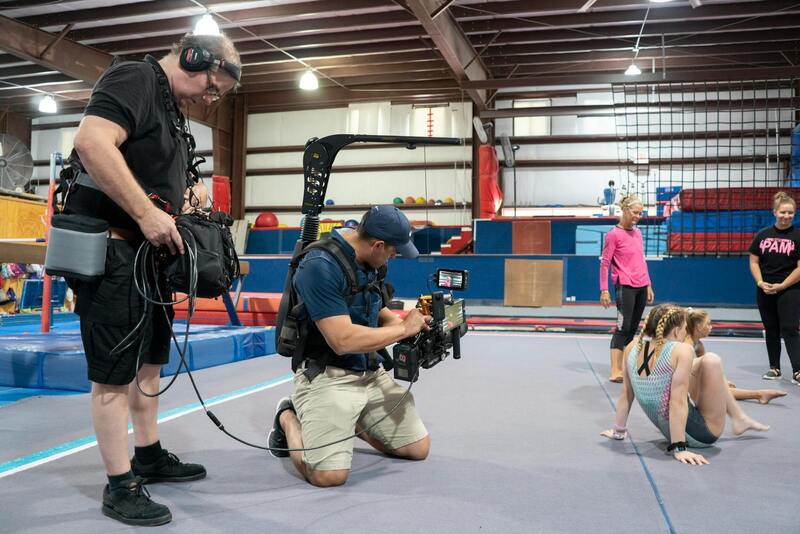
The combination of these advanced techniques ensures a high-quality, stable, and engaging live stream. Experts in this field continuously refine their skills and adapt new technologies to address the ever-evolving landscape of live digital broadcasting. Their proficiency in managing complex workflows directly correlates with successful event outcomes, maintaining professionalism and delivering a seamless experience to viewers.
Advanced Techniques and Future Innovations in Live Streaming Production
Live streaming production experts continually explore and integrate emerging technologies to enhance broadcast quality, security, and interactivity. As digital platforms evolve, the adoption of 4K and even 8K streaming capabilities becomes increasingly prevalent, requiring specialists to optimize workflows and hardware configurations for ultra-high-definition content delivery. This ensures that viewers experience crisp visuals and immersive sound, regardless of device or network constraints.
One significant advancement is the implementation of cloud-based production workflows. Cloud technology enables remote collaboration, scalable resource management, and real-time processing, offering flexibility that traditional on-premise setups cannot match. Live streaming experts leverage cloud platforms for encoding, transcoding, and multi-platform distribution, reducing physical infrastructure costs while increasing reliability and redundancy.
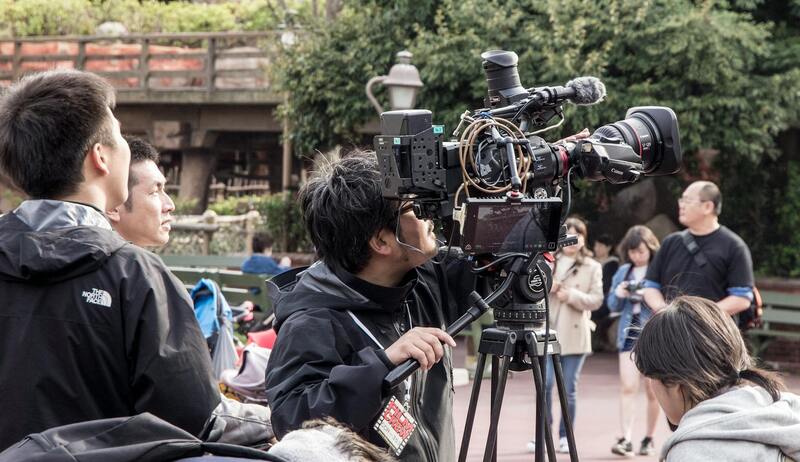
Another frontier is the integration of Artificial Intelligence (AI) and Machine Learning (ML) to enhance various facets of live broadcasts. AI-powered video analytics can monitor stream quality, identify potential issues proactively, and automate adjustments, minimizing downtime. Additionally, ML algorithms can assist with real-time content moderation, ensuring viewer interactions remain relevant and appropriate.
Interactive features like augmented reality (AR) overlays and real-time audience engagement tools are transforming live events into immersive experiences. These innovations enable dynamic branding opportunities, customizable viewer interfaces, and instant feedback mechanisms that deepen audience involvement. Experts proficient in these technologies can tailor broadcasts to meet diverse objectives, from corporate presentations to entertainment festivals.
Emerging Best Practices and Strategic Considerations
- Enhanced Security Protocols: As live content becomes more valuable, protecting intellectual property and sensitive information remains vital. Advanced encryption standards and multi-layered authentication methods are adopted to secure streams against unauthorized access.
- Adaptive Streaming Technologies: To accommodate varied internet speeds and device capabilities, experts utilize adaptive bitrate streaming that dynamically adjusts the quality of the video in real time, ensuring uninterrupted viewing experiences.
- Data-Driven Content Optimization: Post-broadcast analytics provide insights into viewer behavior and engagement trends. These metrics inform future production strategies, content placement, and marketing efforts, maximizing reach and ROI.
- Sustainable Practices: As environmental consciousness grows, live streaming professionals seek to adopt energy-efficient equipment and digital processes that reduce power consumption and minimize carbon footprint without compromising quality.
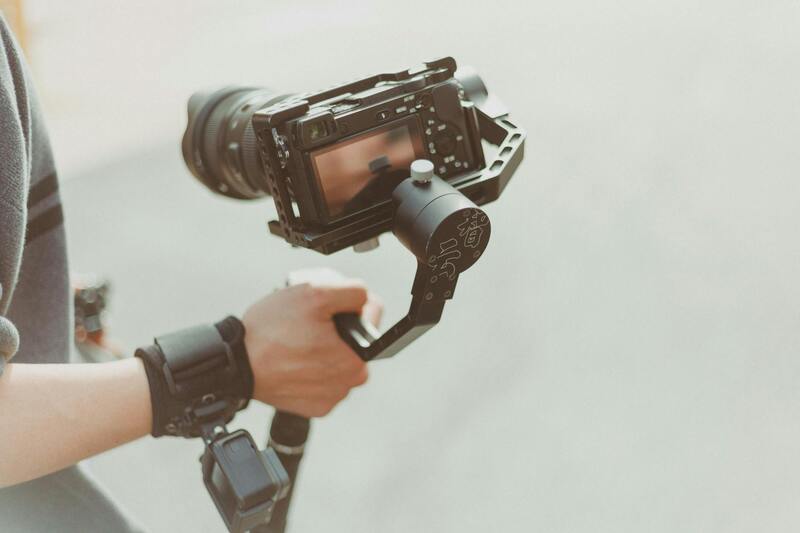
Staying ahead of these technological shifts and leveraging them responsibly allows live streaming production experts to deliver compelling, secure, and high-quality broadcasts that meet the evolving expectations of audiences and clients alike. Continuous education and investment in the latest innovations remain crucial for maintaining competitive advantage in this dynamic industry.