
Understanding Live Stream Services Production
Live stream services production encompasses the comprehensive process of capturing, transmitting, and delivering live video content to audiences across various digital platforms. As live broadcasting becomes an integral part of corporate events, entertainment, sports, education, and church services, understanding the foundational elements of this process is vital for achieving professional and seamless results.
The core of live stream services production involves several critical components working in harmony. These include high-quality video and audio capture, real-time encoding, efficient transmission protocols, and reliable delivery systems. Each of these elements plays a crucial role in ensuring viewers experience smooth, high-definition content without interruptions or delays.
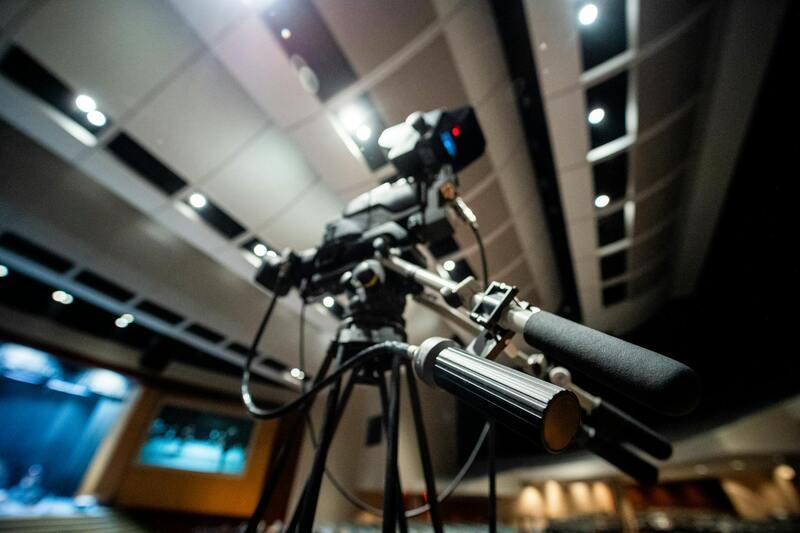
Key Components of Live Stream Services Production
- Video Capture Devices: Professional cameras, switchers, and handheld devices that record live footage with clarity and precision.
- Audio Equipment: Microphones, mixers, and audio processors that ensure clear and balanced sound quality.
- Encoding Technology: Hardware or software solutions that compress video streams into formats suitable for online transmission without sacrificing quality.
- Transmission Protocols: Networks and protocols like RTMP or SRT that facilitate stable and secure delivery of live content.
- Streaming Platforms and CDN Integration: Partnering with content delivery networks (CDNs) to optimize global reach and accessibility.
Typical Workflow of Live Streaming Production
- Planning and Coordination: Defining content objectives, choosing equipment, and scheduling.
- Pre-Production: Setting up camera positions, sound checks, and establishing streaming connections.
- Production: Executing the live recording, switching between camera feeds, and monitoring audio levels.
- Encoding and Transmission: Compressing and sending the stream through secure protocols to the chosen platform.
- Delivery and Audience Engagement: Distributing the live content and interacting with viewers.
- Post-Stream Review: Analyzing performance metrics, archiving content, and refining future broadcasts.
Successful live stream services production demands precise coordination of these elements to deliver engaging and professional broadcasts. Proper understanding of the workflows and components involved sets a solid foundation for executing high-quality live events that meet audience expectations and organizational goals.
Essential Equipment and Technology
Executing a professional live stream relies heavily on selecting the right hardware and software tools tailored to the specific demands of each production. High-definition cameras with reliable zoom and focus capabilities are fundamental for capturing clear visuals, especially in dynamic environments like Miami’s vibrant event scene. Professional-grade video switchers enable seamless transitions between multiple camera feeds, adding a layer of polish to the broadcast. To ensure high-quality audio, equipment such as directional microphones, wireless lapels, and mixing consoles are essential for capturing and balancing sound across different sources.
Stream encoders serve as the critical link between local footage and the online distribution platform. They process live input, compressing the video into formats compatible with streaming protocols while maintaining quality and minimizing latency. Hardware encoders are preferred for their reliability and consistent performance, particularly in environments with unstable internet connections.
Various software solutions also facilitate efficient live streaming management. Platforms like OBS Studio, vMix, or Wirecast allow operators to control multiple video sources, integrate graphics or overlays, and manage audio feeds effectively. Additionally, cloud-based services provide scalable solutions for larger productions, offering features like multi-streaming, real-time analytics, and remote control options.
Reliable internet connectivity, ideally via dedicated fiber or high-speed broadband, is essential to prevent disruptions during broadcasts. Backup internet solutions and load balancing techniques can mitigate potential outages, ensuring a consistent viewing experience. Furthermore, content delivery networks (CDNs) assist in distributing streams globally, minimizing latency and buffering issues, which is particularly important when reaching diverse audiences.

Understanding Live Stream Services Production
Effective live stream services production hinges on meticulous planning and execution, encompassing every aspect from pre-production coordination to post-broadcast analysis. Ensuring that each component aligns with the desired outcomes necessitates a strategic approach rooted in industry best practices and continuous technological adaptation. This segment emphasizes the importance of integrating professional workflows and reliable technology to achieve seamless live streams that meet audience expectations and event objectives.
Strategic Content and Technical Planning
At the core of successful live streaming is detailed pre-production planning. This involves assembling a comprehensive content schedule that aligns with the event's narrative and audience engagement goals. Content creators must consider timing, segment transitions, and interactive elements to enhance viewer experience. Technical rehearsals are crucial to identify potential challenges in audio-video synchronization, graphics integration, or streaming stability. These rehearsals also allow operators to test gear functionality, troubleshoot issues, and refine camera placements for optimal shot coverage.
Coordination among production teams, including technical crew, talent, and content managers, ensures clarity of roles and responsibilities. Establishing clear communication channels facilitates smooth execution, particularly when managing live interactions or on-the-fly adjustments. Adequate preparation of visual assets, such as overlays, lower thirds, or branding elements, enhances professionalism and viewer engagement throughout the broadcast.
Content Security and Compliance Considerations
Maintaining the integrity of live streams involves implementing secure streaming protocols and content management practices. Utilizing encryption methods and secure streaming servers prevents unauthorized access and buffering issues. Clear attribution and rights management ensure content is delivered within approved parameters, aligning with intellectual property standards. It is equally important to monitor streaming metrics and feedback in real-time to swiftly address any technical hiccups or audience concerns, maintaining high standards of broadcast quality.
Staffing and Workflow Optimization
Assembling a proficient team with clearly defined roles ensures operational fluidity. Technical directors, camera operators, sound engineers, and on-screen talent must work cohesively, following a well-structured workflow. Dynamic coordination is vital during live transitions, graphics updates, or troubleshooting, minimizing latency and disruptions. Implementing standardized procedures, checklists, and automation tools streamlines the production process, fostering efficiency and responsiveness under pressure.
Quality Control and Financial Management
Regular quality checks on feeds, audio clarity, and visual clarity are indispensable for a refined broadcast. Budget management also plays a pivotal role, as investing in high-quality equipment and skilled personnel guarantees professional output. Cost-effective practices, such as leveraging cloud-based services or shared resources, can optimize expenditure without compromising production standards. Detailed documentation of workflows and post-event evaluations inform continuous improvement efforts, contributing to the growth of live streaming initiatives.
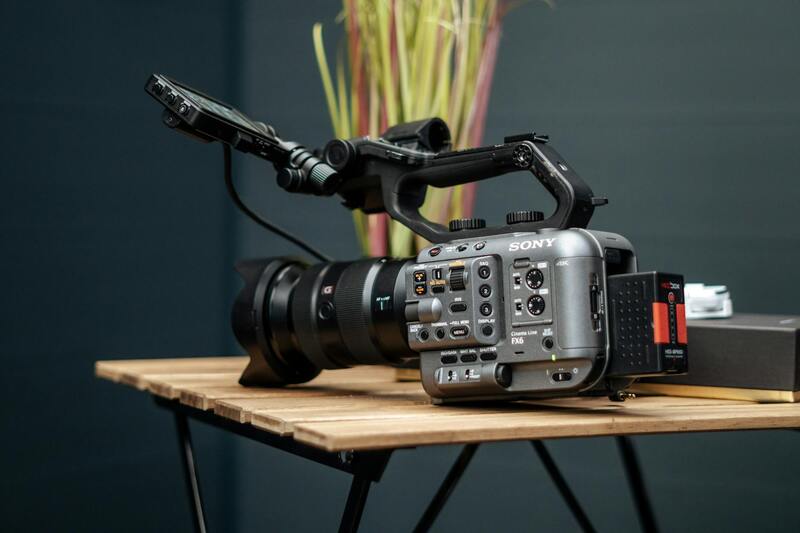
Implementing a comprehensive approach to live stream services production involves harmonizing technology, human resources, and strategic planning. By adhering to industry standards and maintaining flexibility for innovation, production teams can consistently deliver engaging, reliable broadcasts that resonate with diverse Miami audiences.
Preparation of the On-Site Setup for Seamless Broadcasts
One of the critical aspects of live stream services production is meticulous on-site setup, which ensures that every element—audio, video, and communication—is optimized for uninterrupted broadcasting. The setup process begins with selecting an appropriate location that provides sufficient space for equipment and crew. This involves assessing power sources, internet connectivity, lighting conditions, and access for transport and equipment staging.
Equipment arrangement must be thoughtfully planned to facilitate efficient movement and quick adjustments during live events. For visual coverage, multiple camera positions are established to capture different angles, including wide shots, close-ups, and specialty shots depending on the event type. Proper cable management and secure mounts reduce hazards and technical issues, while ensuring camera operators can work comfortably.
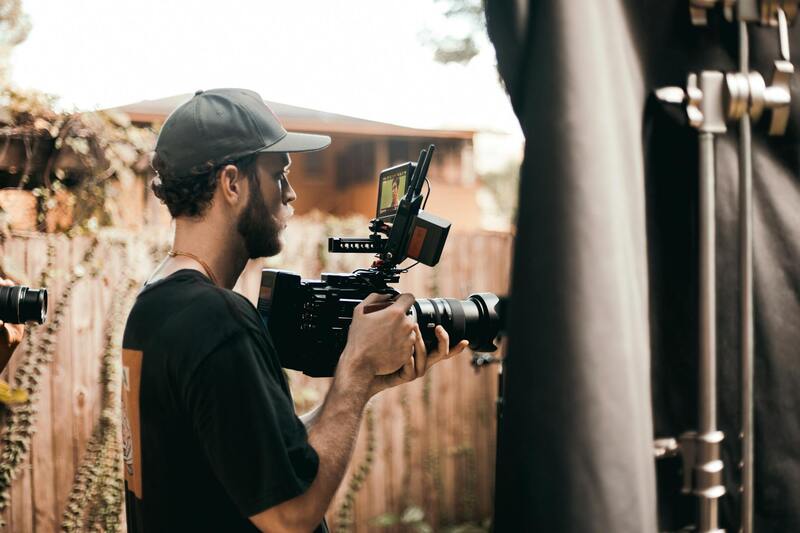
On the audio front, professional microphones and mixers are positioned to capture clean sound from speakers, performers, or audience members. Sound engineers monitor audio levels continuously to prevent feedback, distortion, or volume inconsistencies. Backup audio options, such as wired and wireless microphones, should be available to adapt to unforeseen circumstances.
The role of the on-site director becomes prominent during live execution, coordinating all elements in real time. This includes managing camera feeds, switching shots, overlaying graphics, and ensuring smooth transitions. The director communicates with technical staff via dedicated communication channels, facilitating swift responses to any issues. A designated team is responsible for real-time troubleshooting, which is essential for maintaining broadcast quality.
Running Live Stream Operations During the Event
During the main event, the live streaming team must operate with precision and agility. Monitoring tools display multiple feeds, stream health metrics, and audience engagement statistics to gauge overall performance. Technical and production personnel work cohesively, adhering to a predefined schedule and script, while remaining adaptable to spontaneous developments.
The technical director oversees the entire process, making core decisions on feed switching, graphics, and overlays, while the on-site crew manages camera operation and audio adjustments. Effective communication ensures that visual and audio cues are executed flawlessly, with minimal latency. Real-time quality checks and feedback loops with the control room help preempt or swiftly resolve technical hiccups.
Implementing Redundancies and Safety Measures
To safeguard the integrity of the live broadcast, redundancy systems are incorporated into the setup. This includes backup internet connections, power supplies, and duplicated equipment or pathways for critical components. Such measures reduce the risk of service interruptions, whether due to technical failures or external disruptions.
Safety protocols must also be established for on-site personnel, covering electrical safety, equipment handling, and emergency procedures. Having a contingency plan in place allows teams to respond effectively to unexpected incidents, ensuring both personnel safety and broadcast continuity.
Advanced Techniques for Enhancing Live Stream Quality
To elevate the overall quality and professionalism of live streaming operations, deploying advanced techniques is crucial. This includes multi-camera switching systems that seamlessly transition between different angles, providing viewers with a dynamic visual experience. High-quality graphics overlays, lower thirds, and real-time titling can be integrated using sophisticated software that syncs flawlessly with live feeds.
Furthermore, employing adaptive bitrate streaming ensures that content remains smooth and accessible regardless of viewer bandwidth limitations. This technology dynamically adjusts the stream quality based on the viewer's internet speed, preventing buffering and ensuring consistent playback across devices.
Audio fidelity is equally important. Utilizing digital audio consoles, diversity microphones, and real-time audio processing tools helps maintain clear and balanced sound. Echo suppression, noise reduction, and automatic level adjustments contribute to a professional auditory experience that enhances viewer engagement.
Implementing synchronized video and audio feeds through reliable encoding hardware guarantees minimal latency, which is critical for interactive or live Q&A segments. This synchronization improves the overall flow of the broadcast, creating a cohesive viewing experience that aligns visual cues with audio commentary or music.
On the technical side, integrating cloud-based production tools allows for remote editing, instant replays, and live mixing, giving your team greater flexibility and control. Streaming with multi-location coordination also reduces the risk of service disruptions and allows for broader coverage of large-scale events.
Monitoring and Troubleshooting During Broadcasts
Continuous monitoring of live streams involves using comprehensive dashboards that display key performance indicators such as stream health, bit rate, and viewer engagement data. These tools empower producers to identify potential issues early, such as signal degradation or equipment failures, facilitating prompt intervention.
Proactive troubleshooting procedures include having standby hardware ready to replace any malfunctioning components swiftly. Regular testing and system checks before the event help mitigate unexpected technical challenges. Clear communication channels among the technical team are essential for swift resolution of issues, minimizing downtime and preserving the broadcast's visual and audio quality.
On-site personnel should be trained to handle common incidents such as internet outages or equipment malfunctions. Implementing physical redundancies like backup generators and secondary internet connections guarantees operational stability, even in the face of external disruptions.
Integrating Audience Interaction and Feedback
A vital component of engaging live streams involves real-time interaction with viewers. Incorporating chat overlays, live polls, and social media feeds within the broadcast encourages participation and enhances the viewer experience. These interactive features should be seamlessly integrated through dedicated software that connects directly to the streaming platform's interface.
Monitoring audience feedback allows the production team to make instant adjustments, such as emphasizing popular segments or addressing technical questions. This engagement fosters a sense of community and helps retain viewers throughout the event.
Furthermore, using data analytics post-event offers insights into viewer behavior and preferences, guiding improvements for future live streaming projects. These metrics include viewer count, engagement duration, and interaction rates, providing a comprehensive view of the event's impact.
Post-Production and Content Archiving
Following the conclusion of a live stream event, the post-production phase becomes critical in maximizing the content’s value and extending its reach. Archiving the raw footage offers a comprehensive record of the event, allowing for future edits, repurposing, or additional distribution. During this process, the recorded stream is collected from the streaming platform or recording devices and stored securely in high-capacity servers or cloud-based storage solutions. Proper organization and cataloging ensure quick retrieval for subsequent editing or distribution.
Editing recorded content involves refining the raw footage to highlight key moments, correcting any visual or audio inconsistencies, and adding overlays such as branding, subtitles, or lower thirds. Skilled editors utilize professional software to produce highlight reels, condensed event summaries, or full-length versions suitable for additional marketing channels or internal use. This editing process enhances the content’s professionalism and viewer engagement potential.
Repurposing footage extends the life of the live stream beyond its initial broadcast. Short clips, behind-the-scenes footage, or thematic compilations can be shared across social media platforms, embedded in websites, or used in email campaigns. This strategy not only maximizes ROI but also increases brand visibility and audience engagement well after the event concludes.
Furthermore, organized archiving facilitates compliance with digital asset management standards, simplifies access for multiple team members, and supports continuous content development. Regularly updating archival systems and maintaining detailed metadata about each recording ensure sustained usability and accessibility for content creators and marketers.
In the realm of live stream services production, a seamless blend of meticulous post-production work and strategic content management is essential for transforming live events into valuable multimedia assets. Properly archived and edited content sustains audience interest, supports branding efforts, and provides measurable insights for optimizing future broadcasts.
Understanding Live Stream Services Production
Implementing a professional live stream production requires meticulous planning, technical expertise, and a comprehensive understanding of the various components involved. This process encompasses everything from initial concept development to the final broadcast, ensuring that each element aligns seamlessly to deliver a high-quality viewing experience. Critical to this is selecting the appropriate equipment, coordinating pre-production tasks, executing on-site production, and managing the distribution of content across suitable platforms.
Key Components of Mindful Live Stream Production
- Content Strategy and Goals: Defining the purpose of the live broadcast, target audience, and desired engagement levels informs the entire production process.
- Technical Setup: Incorporating professional-grade cameras, audio gear, lighting, and streaming hardware to capture and transmit high-resolution content.
- Coordination and Staffing: Assembling a skilled team responsible for directing, camera operation, sound engineering, and technical support.
- Content Flow and Schedule: Planning event timing, transitions, and real-time interactions to maintain audience engagement and smooth transitions.
Importance of Skilled Technical Staff
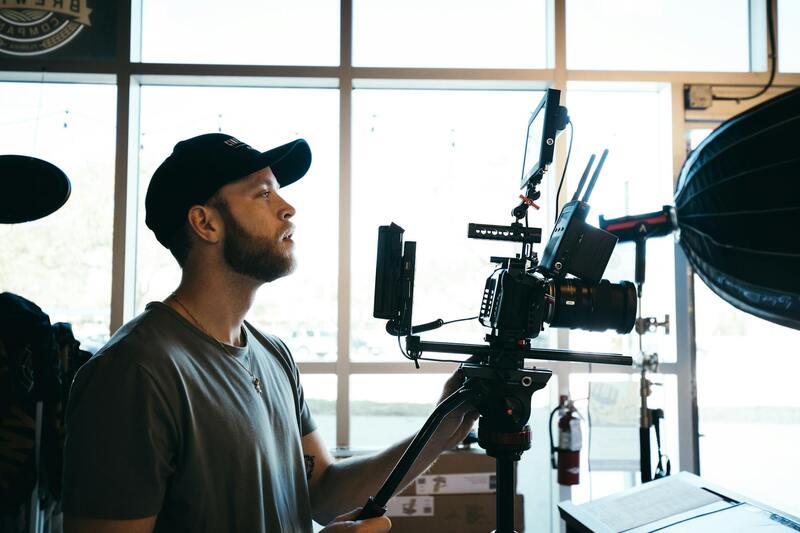
The backbone of a successful live stream includes experienced professionals capable of managing complex equipment and troubleshooting issues swiftly. This expertise ensures minimal disruptions, maintains broadcast quality, and provides a seamless experience for viewers.
Ensuring Content Security and Quality Assurance
Rigorous testing protocols are implemented before the event to verify system integrity. This includes checking internet bandwidth, verifying equipment functionality, and conducting trial runs to adjust settings for optimal performance. Additionally, live monitoring during the event allows operators to swiftly address issues, minimize latency, and prevent technical failures that could compromise the broadcast.

Advanced Delivery Techniques and Content Security Measures
Ensuring that live stream content reaches the intended audience efficiently while maintaining integrity and security is critical in professional live stream services production. Modern delivery methods employ sophisticated streaming protocols such as SRT (Secure Reliable Transport) and CMAF (Common Media Application Format) to optimize low latency and resilience against network fluctuations. These protocols facilitate adaptive bitrate streaming, which dynamically adjusts video quality based on real-time internet conditions, thereby providing viewers with a smooth experience regardless of their connection speed.
Implementing Multi-Streaming enables simultaneous distribution to multiple platforms, broadening viewer reach and safeguarding broadcast continuity. Employing geo-restriction tools and content encryption further enhances security by controlling access and preventing unauthorized viewing or recording of live streams. This combination of technical measures ensures that content delivery remains reliable, swift, and protected against potential breaches or disruptions.
Monitoring and Troubleshooting During Live Broadcasts
Continuous oversight of the live stream is essential to maintain high standards throughout the broadcast. Experienced technical teams utilize advanced monitoring software that tracks key metrics such as viewer engagement, data throughput, and signal stability. Real-time analytics provide immediate feedback, allowing operators to identify and address issues proactively — whether it's a sudden drop in bandwidth, audio discrepancy, or visual artifact.
Standard troubleshooting procedures involve rapid adjustments to encoding settings, switching to backup streams, or rerouting data through alternative servers. Having predefined contingency plans and on-site technical support minimizes downtime and ensures the audience experiences a seamless and professional broadcast, even in the face of unforeseen technical obstacles.
Integration of Emerging Technologies in Live Stream Production
The integration of advancing technologies is revolutionizing live stream production. Artificial intelligence (AI) enhances live editing, automatic captioning, and audience analytics, allowing producers to tailor content in real-time effectively. Augmented reality (AR) and virtual sets introduce immersive visual elements, elevating the production value and audience engagement. 5G connectivity provides the bandwidth needed for ultra-high-definition streaming, reducing latency and expanding possibilities for remote productions.
Additionally, cloud-based production workflows facilitate flexible, scalable, and collaborative environments where multiple team members can coordinate seamlessly from different locations. These innovations not only streamline operations but also elevate the quality of live stream events, meeting the expectations of diverse and expanding audiences.
Customizing Live Streaming Services to Client Needs
Every live event has its unique requirements, and customizing production solutions ensures the final broadcast aligns with the client’s goals and audience expectations. Consultation phases involve detailed discussions to identify key content moments, desired visual effects, and interactive features. Tailored solutions may include multi-camera setups for dynamic coverage, specialized graphics, live viewer polls, or moderated Q&A sessions to foster engagement.
Flexibility in production planning allows for last-minute adjustments in response to client feedback or unforeseen circumstances. Through comprehensive pre-event testing and coordination, live stream providers in Miami can deliver highly personalized experiences that resonate with target audiences and effectively convey the client’s message.