
Understanding Event Livestreaming Services
Event livestreaming services have become a vital component in modern event management, providing a means to broadcast live events to audiences regardless of their physical location. These services encompass a range of technical solutions designed to capture, encode, and transmit live video content over the internet in real-time, ensuring seamless and uninterrupted viewing experiences for viewers worldwide. As an event organizer, partnering with a professional livestreaming company allows you to extend the reach of your event, increase engagement, and create a more inclusive environment for attendees and remote viewers.
Typically, an event livestreaming company manages the entire process—from pre-event planning and technical setup to the actual broadcast and post-event content management. The core goal is to deliver high-quality video streams that are reliable, visually appealing, and easily accessible across various devices. These companies utilize state-of-the-art equipment and expertise to handle diverse event sizes—from small corporate meetings to large conferences, concerts, and cultural festivals.
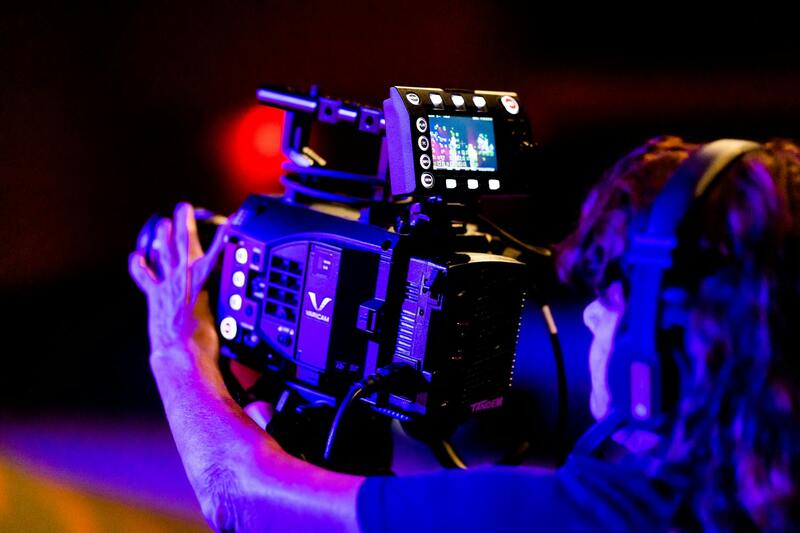
The services often include multi-camera setups, professional audio systems, and live switching to capture different angles and moments during the event. This broadcast can be integrated with social media platforms or dedicated streaming sites, making it convenient for viewers to join from any location. Additionally, livestreaming companies offer auxiliary services like live chat moderation, multiple language options, and video analytics to enhance user experience and maximize engagement.
Beyond merely transmitting content, these companies also provide consultation on the best technological arrangements suited for each event’s specific requirements. This includes assessing venue infrastructure, bandwidth capabilities, audience size expectations, and branding elements. The goal is to craft a tailored solution that ensures a smooth and memorable live experience, boosting the event’s visibility and reach significantly.
Clients benefit from the professionalism and technical acumen that an experienced event livestreaming company brings to the table. Whether it's a corporate product launch, charity fundraiser, or educational seminar, the ability to broadcast professionally ensures that every detail is clearly conveyed, making the event accessible and impactful for all participants. As the demand for virtual content delivery increases, employing a dedicated livestreaming firm in Miami becomes an essential step for event organizers aiming to elevate their event’s success.
Key Technologies Used in Livestreaming
To deliver seamless and professional event broadcasts, livestreaming companies employ a suite of advanced technologies. These tools are critical in ensuring the highest quality of video and audio, minimizing disruptions, and optimizing viewer engagement across multiple platforms.
High-Definition Cameras and Multiple Angles
Utilizing high-definition cameras is foundational for capturing crisp, clear visuals that reflect the vibrancy of any event. Professional-grade cameras capable of multi-angle shots allow operators to switch between different perspectives in real-time, creating a dynamic viewing experience. These cameras are often mounted on stabilizers or tripods to ensure smooth footage, especially during live movements.
Video Encoders and Compressors
Video encoders convert raw footage into digital signals suitable for streaming over the internet. They play a pivotal role in maintaining video quality while optimizing data for bandwidth efficiency. Advanced encoders offer features like adaptive bitrate streaming, which adjusts video quality according to the viewer’s internet speed, reducing buffering and ensuring smooth playback regardless of connection stability.
Audio Equipment and Mixing Consoles
Clear audio is as essential as high-quality visuals. Industry-standard microphones, mixers, and audio processors capture and refine sound from speakers, performers, or panelists. Mixing consoles allow operators to balance audio levels in real time, eliminate background noise, and enhance clarity, providing viewers with an immersive audio-visual experience.
Stream Management and Content Delivery Platforms
Stream management software and dedicated platforms facilitate the efficient distribution of live content. These platforms support multi-platform streaming, integrating feeds directly into social media, websites, and dedicated streaming services. Features like real-time analytics, viewer engagement tools, and chat moderation are incorporated to help organizers monitor content performance and foster interaction with audiences.
Network Infrastructure and Bandwidth Solutions
Robust network infrastructure, including dedicated fiber connections, bolsters the stability of live broadcasts. High bandwidth capacity is essential for transmitting high-quality video without lag or interruptions, particularly for large-scale events with significant viewership. Livestreaming companies often assess venue capabilities and deploy supplemental solutions like mobile bonding or temporary network setups to guarantee reliable connectivity.
Additional Technologies for Enhanced Engagement
- Multiple Language Captioning: Used to reach diverse audiences, with real-time translation options integrating seamlessly into the stream.
- Video Analytics: Offering insights into viewer behavior, engagement levels, and geographic distribution to refine future streaming strategies.
- Live Chat Moderation Tools: Enabling interaction while maintaining a professional environment during the event broadcast.
Integration and Compatibility Considerations
Ensuring compatibility between different technological components and platforms is crucial. Livestreaming companies assess venue infrastructure, working with available Wi-Fi or wired networks, and adapt their equipment to function optimally within the physical environment. Complementary hardware, such as signal boosters or mobile internet solutions, are frequently used in venues with limited connectivity. The goal remains to deliver a resilient infrastructure that supports uninterrupted streaming, regardless of external conditions.
Moreover, advancements like 4K streaming, virtual reality (VR) integration, and 360-degree cameras are increasingly incorporated into event livestreaming technology, offering immersive experiences to remote viewers. These innovations, when executed with precision, elevate the perceived quality of the broadcast and deepen audience engagement across diverse event formats.
Understanding Event Livestreaming Services
Event livestreaming services have become an indispensable element for modern event management, bridging the gap between physical presence and remote participation. These services involve the comprehensive process of capturing, encoding, transmitting, and broadcasting live event footage to a dispersed audience via the internet. The core goal is to deliver seamless, high-quality streams that maintain the integrity of the event's atmosphere while ensuring accessibility to viewers regardless of their geographic location. Providers specializing in event livestreaming deploy advanced audiovisual equipment, robust internet solutions, and sophisticated streaming platforms to cater to a wide range of event scales and formats.
When selecting an event livestreaming company, it’s essential to evaluate the scope of services offered, including multi-camera setups for dynamic content presentation, real-time graphics for branding and information display, and audio enhancements to capture every nuanced sound. Additionally, many providers incorporate interactive features such as live chat, polls, and Q&A sessions to foster engagement and create a participatory experience for viewers. The ability to customize the broadcast according to the event’s nature — whether a corporate conference, concert, or wedding — is a critical advantage in delivering personalized and memorable livestreams.

Key Technologies Used in Livestreaming
Advanced technologies underpin the reliability and quality of live event broadcasts. High-definition cameras, including 4K resolution systems, enable crisp, vibrant visuals that captivate remote viewers. Encoders convert raw video feeds into compressed digital signals compatible with streaming platforms, ensuring minimal latency and maximum compatibility. To provide stable streams, especially in challenging environments, providers often employ bonded internet solutions that aggregate multiple network connections, whether wired Ethernet, Wi-Fi, or cellular data, to maintain bandwidth during the event.
Additional technological innovations include virtual reality (VR) integration and 360-degree camera setups. VR offers immersive experiences that allow viewers to explore the event space interactively, while 360-degree cameras capture panoramic views that heighten engagement and provide a sense of being physically present at the event. Live captioning and translation tools further extend the event’s accessibility to diverse audiences, breaking down language barriers and improving viewer comprehension across different regions.
Integration and Compatibility Considerations
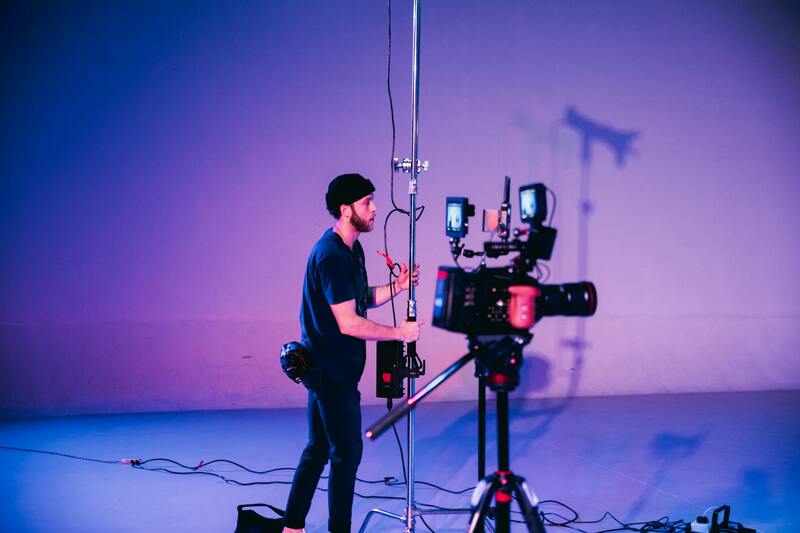
Achieving a flawless livestream setup involves meticulous planning around technological integration. Compatibility between various hardware components — such as cameras, microphones, and encoders — and software platforms is essential for a smooth broadcast. Livestreaming providers assess the venue’s existing infrastructure, including available Wi-Fi or wired internet connections, to determine the optimal configuration. In instances where connectivity is limited, portable solutions like signal boosters or mobile internet hotspots are employed to guarantee a stable stream.
Adapting to different event environments also necessitates flexibility in equipment deployment. For example, outdoor venues may require weatherproofed gear or satellite links to maintain signal quality. Furthermore, advances in streaming technology allow for higher resolutions like 4K, and the inclusion of virtual reality and augmented reality (AR) components enhances viewer engagement and provides a more immersive experience. Effective synchronization of these elements ensures the delivery of a resilient and high-fidelity broadcast, regardless of external conditions.
Choosing a provider with proven expertise in integrating these complex systems benefits the overall success of the livestream. They will conduct thorough pre-event assessments, test all technical components, and adapt their setups to align with the unique requirements of each event — thus minimizing downtime and technical glitches while maximizing audience satisfaction.
Understanding Event Livestreaming Services
Event livestreaming service providers specialize in delivering high-quality live video broadcasts of various gatherings, including conferences, concerts, sports events, corporate seminars, and community festivals. These services encompass a broad spectrum of activities, from initial planning and technical setup to real-time broadcasting and post-event content management. Their primary goal is to ensure that audiences, regardless of location, can experience the event as if they were physically present.
In practice, an event livestreaming company manages every aspect of the digital broadcast process. This includes selecting appropriate video and audio equipment, ensuring seamless integration of multiple visual sources, and managing the streaming platform. The company's team works closely with event organizers to understand the scale, format, and desired audience engagement level. This collaboration facilitates a customized approach, designing a comprehensive livestream solution that aligns with the event’s objectives and logistical constraints.
To achieve optimal broadcast quality, providers analyze the event venue's infrastructure. Whether it’s an indoor auditorium or an outdoor festival ground, evaluating available internet connectivity, power sources, and physical space helps determine the right equipment placement and technical configurations. The integration of multiple camera angles, high-fidelity microphones, real-time graphics, and audience interaction features depends on this initial assessment.
Technical support remains a constant throughout the event, with professionals monitoring the stream’s stability and making real-time adjustments as needed. This continuous oversight reduces the risk of disruptions and guarantees a consistent viewer experience. Additionally, providers often prepare backup systems and contingency plans to swiftly address any unforeseen technical issues, ensuring the stream remains uninterrupted.
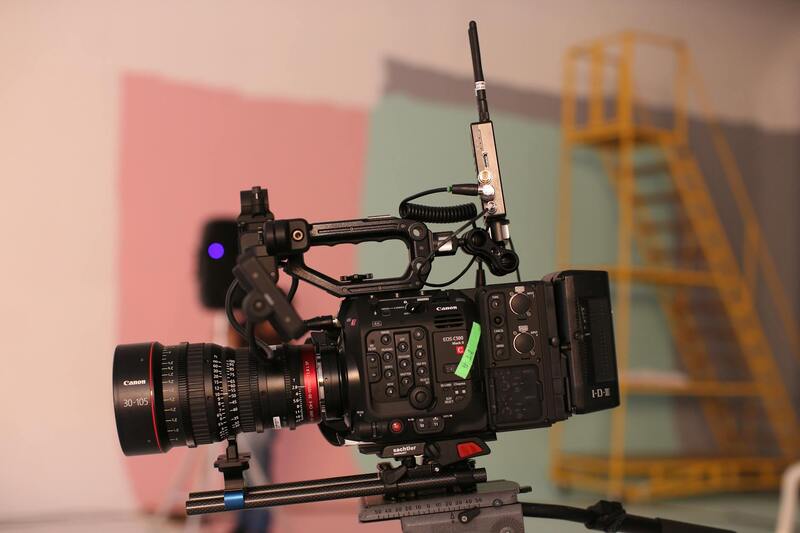
Event livestreaming companies also facilitate integration with various digital platforms and social media channels. By doing so, they broaden the event’s reach, enabling real-time sharing and engaging a wider online audience. The incorporation of live chat, polling features, and interactive overlays further enhances viewer participation, making the online experience more interactive and engaging.
Key Technologies Used in Livestreaming
- High-Definition Video Cameras: Capture crisp visuals from multiple angles for a dynamic presentation.
- Encoder Devices: Convert live footage into streamable formats compatible with delivery platforms.
- Reliable Internet Connections: Wired Ethernet or dedicated wireless solutions ensure continuous data transmission.
- Streaming Software Platforms: Manage live feed broadcasting, viewer analytics, and interaction features.
- Backup Power and Hardware: Prevent disruptions during power outages or hardware failures.
- Content Delivery Networks (CDNs): Distribute the live stream globally, reducing latency and buffering issues.
Advanced streaming solutions now incorporate innovations such as 4K resolution, 360-degree video, virtual and augmented reality integrations, and interactive overlays. These tools elevate the quality, immersion, and engagement of the broadcast, providing viewers with a richer online event experience.
Ensuring High-Quality Broadcasts and Technical Reliability
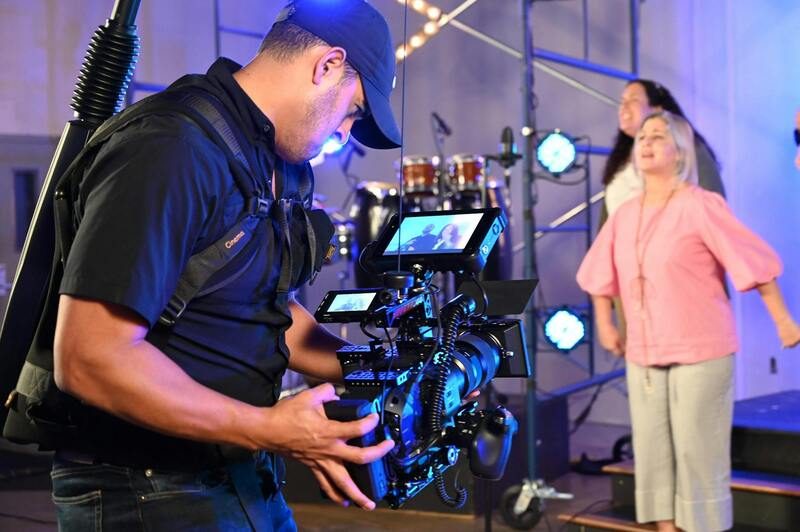
Delivering a seamless live streaming experience hinges on meticulous technical planning and execution. A reputable event livestreaming company prioritizes technical reliability by employing redundant systems and backup equipment. This includes dual internet connections, backup power sources, and duplicated hardware components that can take over instantly if primary systems fail. Such safeguards are crucial to prevent interruptions during high-stakes live events, ensuring that the broadcast remains consistent and professional.
High-quality audio is just as vital as visuals. Professional microphones, mixing consoles, and sound engineers work together to capture crystal-clear audio free of background noise and distortions. The integration of audio processing tools amplifies clarity and ensures synchronized sound with the video feed, providing viewers with an immersive experience. Proper audio management guarantees that speakers, performers, or presenters are heard loud and clear regardless of the event's scale or location.
Furthermore, a comprehensive technical strategy includes rigorous pre-event testing, which involves checking internet speeds, camera angles, audiovisual equipment, and streaming software compatibility. During the event, real-time monitoring allows technicians to address issues immediately, minimizing downtime or quality degradation. This attention to detail not only maintains professional standards but also aligns with the expectations of clients who depend on a dependable online broadcast to reach their audiences.

Post-Event Content Management and Distribution
Following the live event broadcast, the focus shifts to content management and distribution. A skilled event livestreaming company offers services to archive the recorded footage securely and optimize it for various formats. This process includes editing raw footage to highlight key moments, creating highlights reels, and preparing the content for on-demand access across multiple digital platforms.
Secure storage solutions are a vital component, safeguarding valuable event content while facilitating easy retrieval and sharing. Once processed, the recordings can be uploaded to different channels such as websites, social media profiles, or event-specific portals, maximizing reach and engagement. Additionally, companies often distribute edited content via email campaigns, newsletters, or internal networks, ensuring that participants, stakeholders, and wider audiences can revisit or share the event at their convenience.
The distribution process also involves analyzing viewer metrics to assess engagement levels and identify areas for future improvement. These analytics provide insights into viewer behavior, preferences, and peak engagement times, enabling organizers to tailor future events more effectively. High-quality content dissemination after the event completes the lifecycle of the live broadcast, extending its value and impact for all involved.
Implementing Official Streaming Platforms and Protocols
To ensure a seamless and professional livestream, partnering with reputable platforms and adhering to standardized protocols is essential. Leading event livestreaming companies utilize established streaming services such as YouTube Live, Vimeo Livestream, or specialized enterprise platforms that offer reliability, scalability, and robust security features. These platforms are designed to handle high traffic loads during peak viewing times, minimizing buffering and latency issues that can compromise viewer experience.
Official streaming protocols, such as RTMP (Real-Time Messaging Protocol) and HLS (HTTP Live Streaming), are employed to deliver high-quality video content smoothly across various devices and internet speeds. RTMP facilitates real-time data transfer from the encoder to the streaming server, ensuring low latency and minimal delays, which is crucial for interactive elements like live Q&A sessions or audience polls. HLS, on the other hand, enables adaptive streaming, which adjusts video quality dynamically based on the viewer’s bandwidth, providing a stable viewing experience even in fluctuating internet conditions.
Implementing secure streaming protocols through encrypted channels adds another layer of protection, preventing unauthorized access and content piracy. Password-protected streams or streaming via private links are common methods to restrict access exclusively to registered participants or ticket holders. These cybersecurity measures help maintain content exclusivity and enhance the professional image of the event.

Moreover, establishing a dedicated internet connection with sufficient upload bandwidth is a best practice. Standard recommendation suggests at least 10 Mbps upload speed for HD streaming, although higher speeds are preferred for 4K or multi-camera setups. Redundant internet connections or backup networks are often integrated to prevent service disruptions in case of primary connection failure.
Using Content Delivery Networks (CDNs) for Global Reach
To extend the reach of the livestream beyond local audiences, companies employ Content Delivery Networks (CDNs). CDNs distribute the stream across geographically dispersed servers, reducing latency and buffering for viewers regardless of their location. This technology ensures consistent quality and availability, whether viewers are tuning in from Miami, across the United States, or internationally.
By leveraging these established, official methods and technologies, event organizers can guarantee a professional-grade livestream that upholds the event’s reputation and delivers a memorable viewing experience for all participants.
Advanced Methods for Secure and Reliable Streaming
To ensure an uninterrupted viewing experience and protect proprietary content, professional event livestreaming companies employ a range of advanced, legitimate streaming methods. These include the utilization of secure streaming protocols and robust encryption techniques, which safeguard streams against unauthorized access and content theft. Employing secure RTMP (Real-Time Messaging Protocol) channels and SSL encryption, companies can provide encrypted streams that only authorized viewers can access.
Moreover, secure access controls are implemented through token-based authentication systems, which verify viewers' identities before granting access to the stream. These measures are essential for exclusive events, ticketed webinars, corporate presentations, and high-profile conferences where content security and viewer management are paramount.
Another crucial element is bandwidth management. Professional livestreaming companies conduct comprehensive network assessments to ensure sufficient upload speeds and minimal latency. High bandwidth capacity, combined with optimized encoding settings, guarantees consistent video quality without buffering or artifacts. For high-stakes events, redundant internet connections are established, creating failover options that seamlessly switch in case of primary connection issues, thereby maintaining the stream's stability.
Utilizing Content Delivery Networks for Global Audience Engagement
In addition to local streaming infrastructure, the deployment of Content Delivery Networks (CDNs) plays a vital role in extending a stream’s reach globally. CDNs distribute content across a network of strategically positioned servers worldwide, reducing latency and ensuring smooth playback no matter where viewers are located. This approach is particularly valuable for events aiming to attract international audiences, providing a consistent high-quality experience across different regions and network conditions.
By leveraging a combination of encrypted streams, secure access controls, redundant network setups, and CDN distribution, professional livestreaming services uphold high standards of broadcast reliability and content security. These methods enable event organizers to confidently deliver compelling, professional-grade livestreams that reflect well on their brand and event integrity.
Post-Event Content Management and Distribution Strategies
After the livestream concludes, efficient content management practices are essential for maximizing engagement and reach. This involves editing the raw footage to create highlight reels, promotional snippets, and valuable archives that can be distributed across multiple platforms. Professional event livestreaming companies often provide services for editing and optimizing content for various formats, ensuring clips are tailored to different social media channels and marketing strategies.
Archiving the event material allows your organization to repurpose content for future campaigns, training, or on-demand viewing. Secure storage solutions and organized digital libraries ensure that high-quality recordings are readily accessible for updating your content library or creating new engagement opportunities.
Distribution of post-event content should be synchronized with your marketing calendar, utilizing platforms such as YouTube, Vimeo, or social media channels. Sharing polished, shareable videos significantly increases the event’s lifespan, broadens its reach, and boosts brand visibility. Additionally, leveraging email campaigns and website embedding can further enhance viewer engagement and provide ongoing value from the live event.
Ensuring Seamless Transmission with Advanced Streaming Protocols
Implementing robust streaming protocols is fundamental to delivering a stable and high-quality livestream. Protocols such as RTMP (Real-Time Messaging Protocol) remain the backbone for live video transmission due to their low latency and compatibility across various platforms. Many Miami event livestreaming companies leverage RTMP to facilitate real-time broadcasting from the event site to Content Delivery Networks (CDNs), ensuring viewers experience minimal buffering and lag.
Adaptive bitrate streaming is another critical technology, dynamically adjusting video quality based on viewers’ internet speeds. This capability guarantees that audiences with varying connectivity can enjoy smooth streams without interruptions. Successful providers integrate adaptive streaming techniques into their solutions to optimize viewer engagement across all devices.
Integrating Multi-Platform Streaming for Maximum Reach
To expand visibility, professional livestreaming firms employ multi-platform streaming strategies. By simultaneously broadcasting to social media channels, such as Facebook, YouTube, and Twitter, in addition to dedicated websites or custom apps, the event gains access to broader audiences. This approach not only enhances attendee engagement but also maximizes the event’s promotional potential.
Specialized software solutions facilitate multi-streaming capabilities, coordinating multiple outputs without compromising quality. These platforms monitor stream health, manage feed transitions, and provide real-time analytics, allowing event organizers to adjust on the fly and ensure consistency across all platforms.
Implementing Redundancy Measures to Safeguard Live Broadcasts
Redundancy is vital in mitigating risks associated with technical failures. Leading Miami livestreaming providers incorporate backup internet connections, redundant encoding equipment, and failover systems that automatically switch to secondary sources if primary ones experience issues. This layered approach minimizes downtime and preserves the integrity of the live broadcast.
Equipment like backup servers, power supplies, and additional streaming hardware run concurrently alongside main systems. Continuous monitoring software tracks stream performance in real time, alerting technicians immediately if anomalies occur. Such measures ensure the event remains uninterrupted, providing a professional experience for remote viewers.
Providing Real-Time Technical Support and Monitoring
During the live event, a dedicated technical support team continuously oversees all aspects of the transmission. They monitor stream quality, resolve unexpected glitches, and coordinate between on-site personnel and remote viewers. Utilizing sophisticated monitoring tools, support teams can immediately respond to issues like audio imbalances, video lag, or connectivity disruptions.
Proactive communication channels enable quick troubleshooting, ensuring minimal impact on the audience experience. Real-time data and performance dashboards offer detailed insights into stream health, allowing instant adjustments for optimal delivery.
Advanced Post-Event Analytics and Feedback Collection
Post-event, comprehensive analytics are essential for evaluating success and identifying areas for improvement. Metrics such as viewer count, engagement rates, dropout points, and geographic distribution provide valuable insights into audience behavior.
Collected data informs future livestream strategies, helping enhance content delivery, marketing approaches, and platform choices. Additionally, feedback tools can be integrated into post-event content, gathering viewer impressions and satisfaction levels directly from the audience.
Many Miami-based providers offer detailed reports, including visualizations of viewer engagement, technical performance summaries, and recommendations for future broadcasts. This data-driven approach fosters continuous improvement and ensures that each event builds on previous successes.