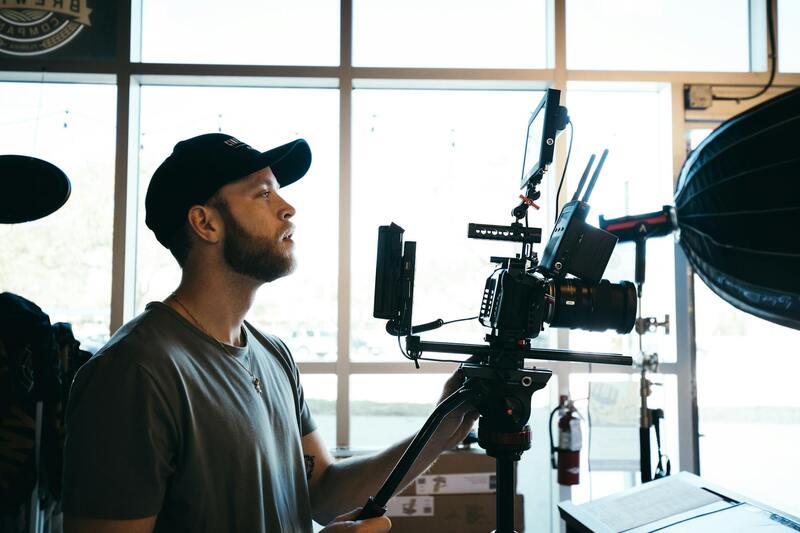
Understanding Live Stream Production
Live stream production is a multifaceted process that involves the seamless execution of real-time video broadcasting over digital platforms. It encompasses a range of technical and creative activities designed to deliver engaging content directly to audiences, whether for marketing, corporate communication, or entertainment purposes. For businesses in Miami looking to enhance their online presence and connect with their target market, mastering live stream production is imperative in today’s digital landscape.
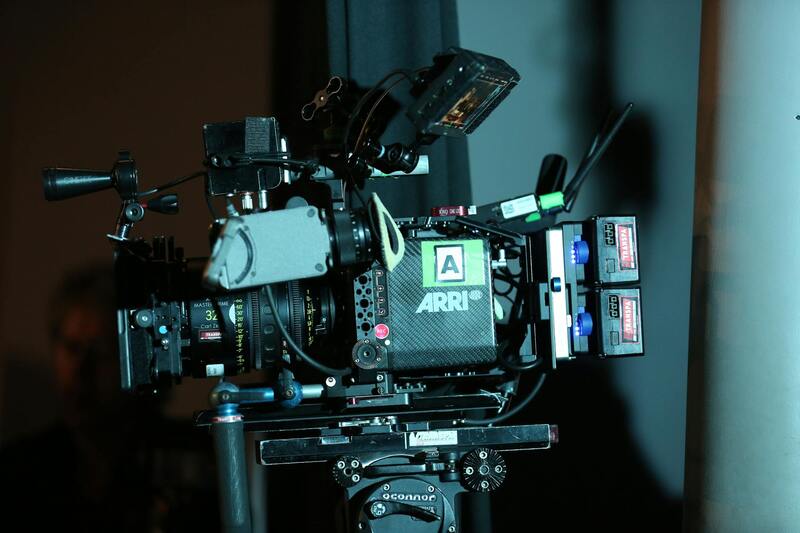
This process begins well before the actual broadcast, requiring meticulous planning and coordination. It involves the integration of professional video cameras, audio equipment, lighting, and reliable internet connections to ensure uninterrupted streaming. The importance of well-executed live stream production lies in its ability to generate real-time engagement, foster authentic interactions with viewers, and elevate brand visibility through polished and dynamic content delivery.
In Miami, where business and technological innovation thrive, live stream production has become an essential component of effective communication strategies. Companies leverage live streaming to showcase products, host webinars, conduct live Q&A sessions, or deliver corporate messages with immediacy and impact. When executed with professionalism, live streaming not only then allows organizations to reach broader audiences but also to create memorable, interactive experiences that resonate long after the broadcast concludes.
Implementing a successful live stream involves understanding its critical role in digital marketing and public relations. It provides a direct line of communication, eliminating geographical barriers and offering real-time feedback opportunities. For brands aiming to stand out in a competitive Miami market, investing in expert live stream production ensures that every detail — from technical setup to content presentation — aligns with strategic goals and audience expectations.
Ultimately, live stream production bridges the gap between traditional marketing methods and modern digital engagement. It transforms passive viewers into active participants, fostering community and loyalty. As technological advancements continue to evolve, the importance of professional live stream production in business growth and reputation management is only expected to increase.
In summary, understanding the core aspects of live stream production reveals its significance as a dynamic platform for brand storytelling, customer engagement, and innovative marketing in Miami’s vibrant business ecosystem.
Understanding Live Stream Production
In the realm of digital broadcasting, live stream production encompasses a sophisticated blend of technical expertise, creative planning, and seamless execution. It involves more than just turning on a camera; it requires meticulous coordination of equipment, content strategy, and live management to deliver a compelling viewing experience. From conceptualization through to post-broadcast analytics, every phase demands precision and professionalism.
Effective live stream production begins with defining clear objectives. Whether the goal is to educate, entertain, promote, or connect, the production approach must align with these aims. A well-structured production plan incorporates detailed content scheduling, visual storytelling techniques, and audience engagement strategies. It also prioritizes technical reliability, ensuring that signal stability, audio clarity, and visual quality meet industry standards.


Legal and Licensing Considerations
Executing a professional live stream involves adherence to multiple regulations that help safeguard the quality and authenticity of the content. Ensuring proper licensing for music, visuals, and other intellectual property used during the broadcast is essential. Content creators must obtain permissions or licenses when incorporating copyrighted material to avoid disruptions or potential claims that could interrupt the stream or lead to content removal.
Additionally, compliance with broadcasting standards related to advertising disclosures, viewer privacy, and data protection is critical. Implementing clear protocols for handling viewer data and safeguarding personal information helps maintain trust and transparency with audiences.
One crucial aspect often overlooked is securing the necessary permits for live events, especially when broadcasting from specific venues or public spaces in Miami. These permits ensure that operations proceed smoothly without legal interruptions. Working with experienced production agencies that understand local regulations and permit requirements can streamline this process, allowing for seamless event execution.

Proper documentation of licenses, permits, and permissions should be maintained meticulously to facilitate any future audits or investigations. Establishing a checklist for licensing requirements at the start of the planning process can prevent last-minute issues that might compromise the broadcast.
Summary
Investing in a comprehensive understanding of legal and licensing requirements forms the backbone of a responsible and professional live streaming operation. It ensures the content respects intellectual property rights, conforms to local regulations, and upholds the integrity of the broadcast. Partnering with production experts familiar with Miami's regulatory landscape can significantly enhance compliance, reduce risks, and elevate the overall quality of the live stream experience.
Best Practices for Live Stream Content Security and Quality Control
Implementing robust security measures during live stream production is essential to safeguard content integrity and maintain audience trust. Content security encompasses several key strategies to prevent unauthorized access, interception, or record-keeping of live broadcasts. Using encrypted streaming protocols ensures that data transmitted between the production source and viewers remains confidential and tamper-proof. Employing secure credential management for access control restricts participation to authorized personnel only, minimizing the risk of content leaks.
To uphold quality standards, real-time monitoring tools should be utilized to oversee audio and video streams continuously. This allows immediate detection of issues such as buffering, lag, or synchronization errors, enabling swift corrective actions. Maintaining redundant streaming pathways also enhances reliability, ensuring that live content remains accessible even if primary servers encounter difficulties.
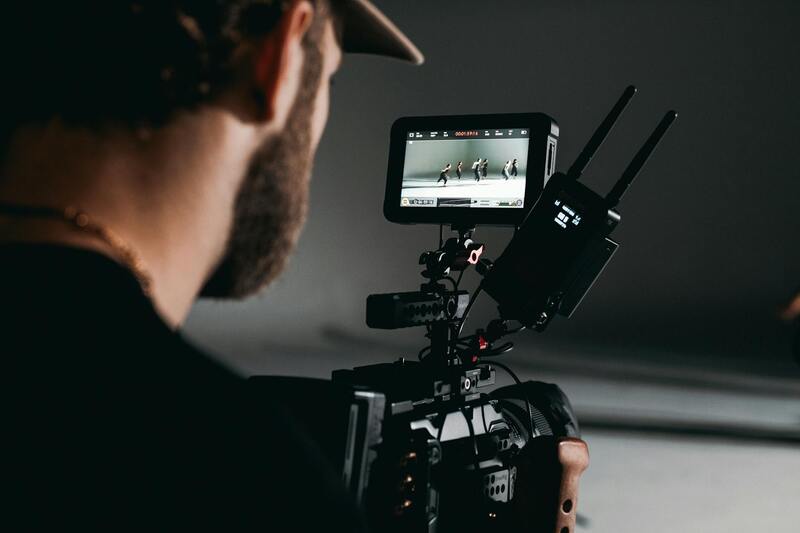
Effective content management also involves preemptive checks on equipment functionality, internet bandwidth robustness, and synchronization of multimedia elements. Conducting thorough technical rehearsal sessions prior to the event provides opportunities to identify and resolve potential issues, confirming that all components work harmoniously. These rehearsals should simulate the actual broadcast environment, including transitions, graphics, and interactive features.
Integration of Interactive Features and Audience Engagement
Enhancing viewer interaction is a vital aspect of live stream production. Incorporating live chat, Q&A sessions, polls, and social media interactions can significantly increase audience involvement. Properly moderating these features ensures a positive experience and maintains focus on the event content. Technical setups for interactive elements should be tested beforehand, with dedicated team members managing real-time responses and technical glitches.
Post-Production Follow-Up and Content Archiving
Once the live streaming event concludes, post-production processes become critical to maximizing content value. Recording the entire broadcast allows for high-quality archiving, enabling future repurposing or on-demand access. Post-event analysis of viewer metrics and engagement statistics offers insights into audience preferences, informing improvements for subsequent streams.
Ensuring that all recorded content is stored securely and organized systematically facilitates easy retrieval for editing, republishing, or promotional use. Moreover, gathering feedback from viewers can guide enhancements in content quality, technical execution, and interactive features, fostering continuous growth in production standards.
Optimal Equipment Setup and Technical Monitoring
Executing a seamless live stream requires meticulous attention to equipment setup and real-time monitoring. This process begins with selecting high-quality cameras capable of capturing footage in varying lighting conditions, ensuring crisp visuals regardless of the environment. Audio equipment must also be prioritized, with directional microphones and mixers set to optimize sound clarity and minimize background noise.
Once the equipment is arranged, the technical team performs comprehensive checks to confirm all devices communicate effectively within the network infrastructure. This includes verifying internet bandwidth, testing streaming codecs, and ensuring backup systems are in place to prevent interruptions. Modern live streams often rely on multiple encoders and streaming platforms; therefore, coordinators monitor data flow continuously to identify and resolve issues promptly.

Throughout the broadcast, a dedicated technician oversees the stream's quality, managing transitions, graphics, and additional overlays that enhance viewer engagement. This monitoring extends to observing viewer reactions and feedback, allowing for on-the-fly adjustments to improve the overall experience.
Real-Time Troubleshooting and Ensuring Stream Stability
Despite thorough preparations, technical hiccups can occur during live productions. An experienced production team operates with redundancies, such as secondary internet connections and backup hardware, to mitigate potential disruptions. Troubleshooting in real-time involves diagnosing issues quickly—be it a sudden loss of video signal, audio delay, or buffering problems—and executing preventive measures immediately.
- Constantly monitoring stream health metrics through specialized software
- Maintaining open communication channels among the technical team for rapid response
- Adjusting bitrate and resolution dynamically to match network capacity
- Implementing audience notification procedures if downtime occurs
This proactive approach ensures viewers experience minimal interruptions, preserving the professionalism and reliability of the live stream.
Post-Broadcast Data Analysis and Quality Assurance
After concluding the live session, analysts review detailed data reports focusing on viewer engagement, latency issues, and streaming quality metrics. These insights help identify areas for technical improvement, ensuring subsequent broadcasts operate with even greater efficiency. Additionally, high-quality recordings are archived in a structured manner, facilitating easy access for editing, republishing, or distribution across various platforms.
Feedback collection from viewers plays a critical role in refining production processes. Details regarding audio clarity, visual quality, and interactive features are gathered through surveys or direct comments. This feedback loop informs future strategies, enhancing the overall impact of live streaming efforts and fostering continuous innovation in production techniques.

Legal and Licensing Considerations
When planning a live stream production, understanding the legal and licensing landscape is crucial to ensure smooth and compliant broadcasting. Acquiring the appropriate rights and permissions safeguards against potential disruptions and legal complications. This involves securing permissions for any copyrighted material included in the stream, such as music, videos, or branded content, to prevent infringement issues. Additionally, it is important to verify that all content used aligns with local broadcasting regulations and standards to avoid penalties or broadcast disruptions.
In Miami, specific rules govern the use of public spaces and private properties for live streaming, especially for outdoor events or large-scale productions. Permits from municipal authorities might be necessary for certain locations or event types. Working with legal experts familiar with Miami’s broadcasting laws can streamline this process, ensuring all necessary documentation is obtained before the live event begins.
Furthermore, understanding privacy laws related to live streaming is vital. It’s important to inform participants and audiences about recording and broadcasting activities, particularly in sensitive environments or private settings. Written consent may be required from individuals who appear prominently in the broadcast to respect their privacy rights and avoid potential disputes.
In terms of licensing, liaising with rights organizations such as performing rights societies and content licensing agencies ensures proper clearance for music and multimedia used during the production. These agencies help clarify the scope of use, licensing fees, and required attributions, minimizing the risk of copyright claims. They also provide standardized licensing options suitable for various types of live stream content, from corporate webinars to entertainment festivals.
Considering these legal and licensing aspects in the planning phase not only protects the production team but also enhances credibility and audience trust. Clear, compliant broadcasting practices are key to maintaining a professional image and ensuring the uninterrupted flow of your live stream. An experienced Miami-based production agency can assist in navigating these complexities effectively, providing guidance on licensing requirements, permits, and regulatory standards specific to the region.

Legal and Licensing Considerations
Ensuring that your live stream adheres to established legal and licensing standards is a critical component of professional production. This involves obtaining necessary rights and permissions for any copyrighted material incorporated into the broadcast, such as music, videos, or images. Engaging with content licensing agencies and performing rights organizations helps clarify the scope of use and secures proper licensing agreements, which can prevent potential disruptions during the broadcast.
It is also essential to implement measures that respect privacy rights. Clearly informing participants and viewers about the recording and live broadcasting of the event helps establish transparency. When individuals are prominently featured, acquiring written consent guarantees that their privacy preferences are honored and reduces the risk of disputes. In sensitive environments, such as corporate settings or private events, securing explicit permissions before the live stream ensures compliance with privacy standards.

Furthermore, regional regulations may require permits or specific documentation for broadcasting certain content or using particular venues. Partnering with an experienced live stream production team in Miami that is familiar with local rules and licensing procedures can significantly streamline this process. They can provide guidance on obtaining necessary permits and ensuring all content—including music, logos, and multimedia—meets licensing requirements. This proactive approach not only prevents legal complications but also demonstrates professionalism, which can be crucial for corporate branding and audience trust.
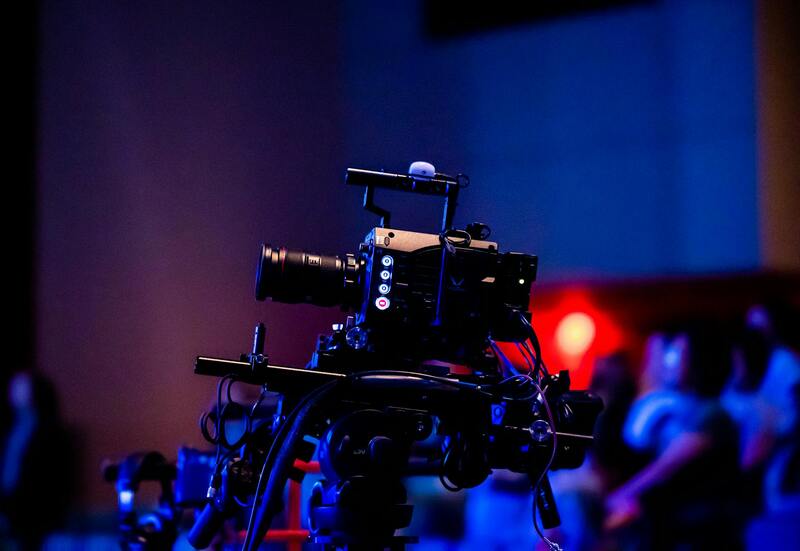
In addition to copyrights, broadcasters should stay informed about regional and national regulations that govern live streaming activities. This includes understanding reporting obligations, content restrictions, and intellectual property rights. An adept live stream production agency in Miami maintains an up-to-date knowledge base of these standards, offering tailored advice to meet specific project needs.
Adopting a thorough approach to legal and licensing matters enhances the credibility of your live streaming efforts. It reassures viewers and stakeholders that your content adheres to best practices, fostering trust and safeguarding your reputation. Meticulous planning around licensing and permissions ensures that the event proceeds without unnecessary interruptions, making the live stream a reliable tool for engagement and communication.
Ensuring Quality and Reliability in Live Stream Production
Maintaining high standards of quality and reliability is fundamental to the success of any live stream production. As live streaming increasingly becomes a core component of marketing, corporate communications, and entertainment, the technical robustness of the broadcast significantly impacts audience engagement and brand perception. A professional live stream production in Miami leverages advanced technology and meticulous planning to deliver seamless content experiences that captivate viewers in real time.
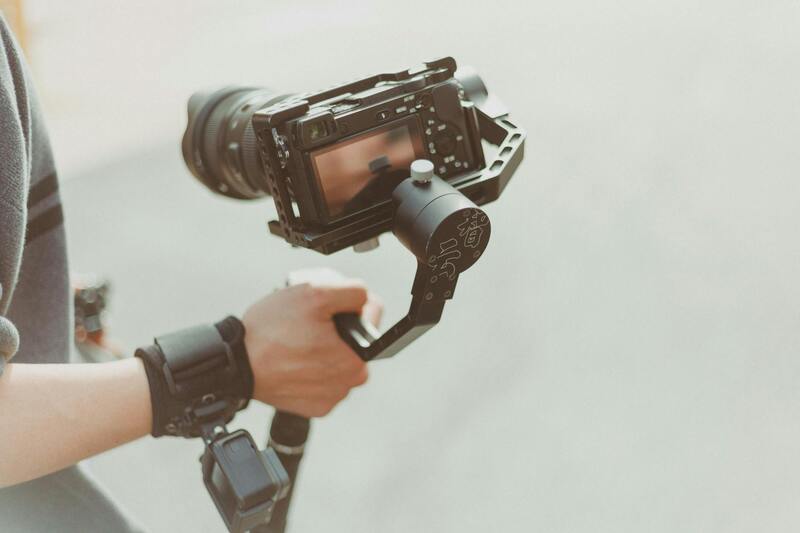
Key elements of quality assurance include robust bandwidth management, which minimizes latency and buffering, allowing viewers to enjoy uninterrupted content irrespective of their location or device. Implementing redundant streaming servers and backup systems mitigates potential technical failures, ensuring uptime even in the face of unexpected disruptions. Furthermore, high-quality camera equipment, professional lighting, and multiple audio sources contribute to a polished production that maintains viewer interest throughout the event.
Reliability in live streaming also involves comprehensive testing prior to the event. This encompasses connectivity tests, sound and video checks, and run-throughs with all technical staff involved. Properly briefing your production team about the event flow, emergency procedures, and contingency plans helps address unforeseen issues swiftly, keeping the live broadcast on schedule and maintaining professionalism.
Role of Skilled Technical Workforce
Having a skilled technical crew is paramount. Experienced engineers and technicians oversee the entire production, including camera operations, audio mixing, switching, and encoding. Their expertise ensures that visual transitions are smooth, audio is well-balanced, and graphics or overlays are accurately synchronized with the live content. This team also manages live interactions, such as integrating social media feeds or real-time viewer comments, which enhance engagement and community building.
Leveraging Advanced Streaming Platforms
Utilizing cutting-edge streaming platforms and software provides additional layers of customization and analytics. These tools enable precise control over stream quality, adaptive bitrate streaming to accommodate viewers with varying internet speeds, and detailed analytics for post-event review. Analytics data illuminate viewer behavior, engagement levels, and technical performance, guiding future stream improvements.
Importance of Post-Stream Evaluation
After the event, thorough analysis of the live stream’s technical performance helps identify strengths and areas for improvement. Metrics such as viewer retention, buffering incidents, and audio or video quality reports shape the foundation for refining future productions. Incorporating feedback from viewers and stakeholders further enhances the quality assurance process, ensuring that each live stream evolves to meet higher standards of professionalism and viewer satisfaction.