
Overview of Broadcast Streaming Production Services
Broadcast streaming production services are an integral part of modern media distribution, enabling the delivery of live and pre-recorded content across diverse digital platforms. These services provide a comprehensive solution for organizations, media outlets, corporate clients, and event organizers looking to reach global audiences with high-quality, reliable live streaming. The process involves a combination of technical expertise, sophisticated equipment, meticulous planning, and seamless execution to ensure the intended content is delivered smoothly and effectively to viewers regardless of their location.
At their core, broadcast streaming production services encompass the entire workflow from content creation to distribution. This includes multi-camera recording, video switching, encoding, live editing, and real-time transmission. The demand for these services has grown exponentially with the proliferation of internet-enabled devices and the increasing consumer preference for online digital content. As a result, professional broadcast streaming solutions are tailored to meet the specific needs of various industries such as entertainment, corporate communications, education, and religious organizations.
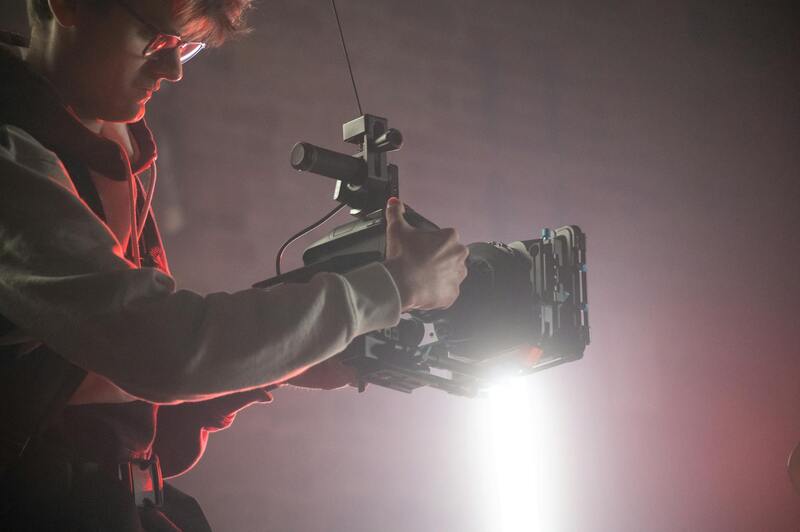
Reliable broadcast streaming production services play a vital role in ensuring that live content maintains professional standards while adapting to the dynamic nature of digital broadcasting. These services leverage cutting-edge technology and industry best practices to provide stable connectivity, real-time data management, and high-fidelity video production. Additionally, they offer customizable solutions for different formats and platforms, whether broadcasting on social media, dedicated streaming websites, or traditional broadcast channels. The ever-evolving landscape of digital content consumption underscores the importance of engaging, technically proficient streaming services that can adapt quickly to changing requirements.
Such services also emphasize security protocols, redundancy measures, and technical support to prevent disruptions and ensure peace of mind for clients. As live streaming becomes an essential component of strategic communication and content dissemination, choosing the right broadcast streaming production partner becomes crucial for the success of any digital outreach effort.
Key Components of Broadcast Streaming Production
Achieving a professional-level broadcast stream involves meticulous integration of various technological elements, each designed to enhance the overall quality, stability, and interactivity of the content delivered. A comprehensive approach to production ensures that the final product not only meets technical standards but also aligns with the strategic goals of the client.
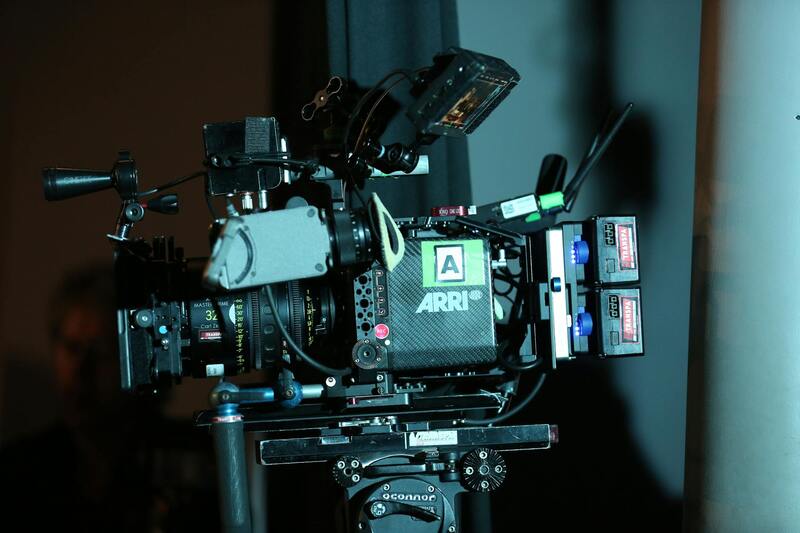
- Camera Equipment: High-definition professional cameras are the backbone of any live broadcast. These cameras support multiple angles and shot compositions, providing flexibility in storytelling. PTZ (pan-tilt-zoom) cameras and robotic systems are often employed for dynamic shots and remote operation, reducing crew requirements and increasing reliability.
- Streaming Hardware: Hardware encoders play a critical role in converting live video signals into optimized digital streams suitable for transmission over the internet. Devices such as live switchers, audio mixers, and wireless transmission units ensure seamless integration of video, audio, graphics, and overlays, resulting in a polished final broadcast.
- Software Platforms: Reliable streaming software facilitates encoding, playback, and monitoring capabilities. These platforms support multiple formats and streaming protocols, enabling broadcasting across diverse platforms like social media, streaming websites, and internal networks. Features such as real-time analytics, chat integration, and adaptive bitrate streaming further elevate audience engagement and stream stability.
- Technical Crew and Support Staff: Skilled technicians oversee each phase of the production—from setup to monitoring to troubleshooting. They coordinate camera operation, audio management, graphics insertion, and network connectivity, ensuring that every element functions harmoniously throughout the broadcast.
- Network Infrastructure: Dedicated high-bandwidth internet connections, often with redundancy measures such as backup lines, are vital in preventing disruptions. Quality of Service (QoS) protocols prioritize streaming data, minimizing latency and buffering issues, and ensuring a smooth viewing experience.

Technology and Equipment Used in Miami
Miami’s broadcasting ecosystem is characterized by state-of-the-art technology tailored to meet the demands of diverse live streaming projects. The rapid advancement of streaming hardware and software within the city ensures that clients benefit from the latest innovations in broadcast quality and reliability.
- 4K and HDR Cameras: Miami production companies leverage ultra-high-definition cameras that support 4K resolution and High Dynamic Range (HDR), capturing crisp visuals with vibrant color depth, ideal for sports, concerts, or fashion events.
- Live Streaming Servers: On-site and cloud-based streaming servers facilitate high-capacity delivery, allowing multiple simultaneous streams and ensuring low latency connections across different regions.
- Advanced Audio Equipment: Premium microphones, audio mixing consoles, and noise-canceling technology ensure high-fidelity sound, crucial for engagement and clarity.
- Wireless Transmission Technologies: Cutting-edge wireless solutions like 5G transmitters and Wi-Fi 6 networks support flexible camera placements and mobility during live productions, especially in outdoor or large-scale event settings.
- Graphics and Augmentation Software: Real-time graphics overlay tools enhance live streams with branding elements, lower thirds, and interactive components, elevating the visual appeal and professionalism of the broadcast.
Detailed Elements of Broadcast Streaming Production Services
Broadcast streaming production services encompass a comprehensive range of technical and creative processes designed to deliver high-quality live content across diverse platforms. These services are tailored to meet the unique requirements of each project, whether it’s a corporate event, live concert, sports broadcast, or special event coverage.
Central to these services is careful planning and coordination. This involves detailed pre-production strategies to ensure all technical aspects are aligned with the artistic vision. A thorough understanding of the client’s objectives guides decisions regarding camera placement, lighting, audio setup, and graphics integration. Detailed storyboard and script development facilitate seamless transitions during the live stream, ensuring a polished final product.
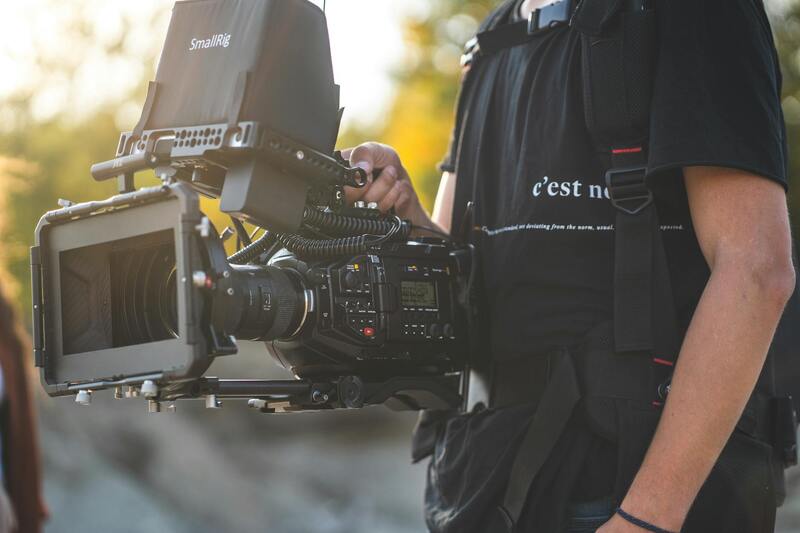
On the day of the event, professional broadcast operators manage multiple technical elements simultaneously. Camera crews work with advanced equipment, such as 4K UHD cameras and stabilized rigs, to capture dynamic visuals from various angles. Live audio technicians optimize sound quality using high-fidelity microphones and digital mixing consoles, ensuring crystal-clear dialogue and ambient sounds. Simultaneously, real-time graphics and branding overlays are incorporated to enhance visual engagement and provide contextual information to viewers.
Advanced streaming servers transmit these visual and audio signals to viewers across multiple platforms like social media, dedicated streaming sites, and internal corporate portals. The choice of streaming protocol, such as RTMP or HLS, is optimized to reduce latency and buffer times, facilitating a smooth viewing experience for audiences worldwide.
Creative and Technical Support During Live Broadcasts
During the live event, a team of technical supervisors oversee the operation of all equipment, troubleshoot potential issues, and make real-time adjustments to ensure flawless execution. This includes managing audio levels, switching camera feeds, integrating graphic overlays, and monitoring stream health. Specialized equipment like wireless transmitters and 5G backbones grants mobility to camera operators, allowing for dynamic shots without compromising signal stability.
Post-broadcast, the coverage is often archived for further editing or repurposing. Professional editors employ sophisticated editing software to refine the raw footage, incorporate additional graphics, and prepare highlights or full-length recordings for on-demand access. Content management systems facilitate secure storage and easy dissemination of the final media assets.
Technical Precision and Security in Broadcast Streaming
Ensuring the security and integrity of live streams is a critical aspect of broadcast streaming production services. Secure encoding methods and encrypted transmission channels prevent unauthorized access. Furthermore, redundancy measures, such as backup servers and alternative streaming pathways, safeguard against potential outages, keeping the broadcast uninterrupted.
Clients benefit from a dedicated project management team that coordinates all phases—from pre-production through post-event analysis—keeping stakeholders informed and engaged. This meticulous approach guarantees the delivery of a professional, reliable, and engaging live streaming experience tailored precisely to the project’s needs.
Production and Streaming Execution
Executing a broadcast stream with precision requires meticulous coordination of technical elements and seamless integration of multiple media sources. During the live event, operators handle critical functions such as switching camera feeds, adjusting audio levels, and overlaying graphics to enhance viewer experience. Real-time monitoring ensures that all elements function harmoniously, with immediate adjustments made to address any issues that may arise. This includes managing latency, ensuring synchronization between audio and video, and maintaining a stable connection with the streaming platform.
High-quality broadcast production services utilize advanced hardware like video switchers, encoders, and streaming servers to ensure the delivery of crisp, clear content. Wireless transmission devices and 5G technology support mobility and flexibility, allowing camera operators to capture engaging shots from varied angles without compromising signal integrity. Furthermore, dedicated redundant systems are employed to prevent interruptions, automatically switching to backup feeds if primary sources encounter issues. Effective management of these technical details guarantees a professional and engaging live broadcast that meets client expectations.

During the event, the production team continuously monitors stream health, viewer engagement metrics, and bandwidth utilization. Should bandwidth fluctuations occur, adjustments are swiftly made to maintain stream stability. Audio mixing, camera transitions, and graphic insertions are executed with precision to ensure that the live content is polished and professional. The use of remote control applications and software allows directors to manage multiple video feeds from a centralized location, enhancing the overall production workflow.
Post-Production and Content Management
Post-event, the media assets captured during live streaming are subject to thorough post-production processes. Editing involves refining video and audio quality, adding titles, graphics, and supplemental footage to create engaging highlights, full-length recordings, or promotional clips. The use of robust editing software enables editors to synchronize multiple data streams, enhance visual effects, and incorporate branding elements seamlessly.
Archived content is managed through secure digital asset management systems, allowing clients easy access for downloading, editing, or repurposing content. Proper organization and storage protocols ensure that all media remains accessible for future use, whether for marketing, training, or archival purposes. Additionally, detailed reports on stream performance, viewer engagement, and technical metrics are provided to aid in evaluating the success of the broadcast and planning future productions.
Advanced Techniques and Best Practices in Broadcast Streaming Production
Executing a successful broadcast streaming production entails a meticulous application of industry best practices and innovative techniques that elevate the quality and reliability of live content delivery. Experienced production teams leverage a combination of strategic planning, cutting-edge technology, and real-time management to ensure seamless streaming experiences.
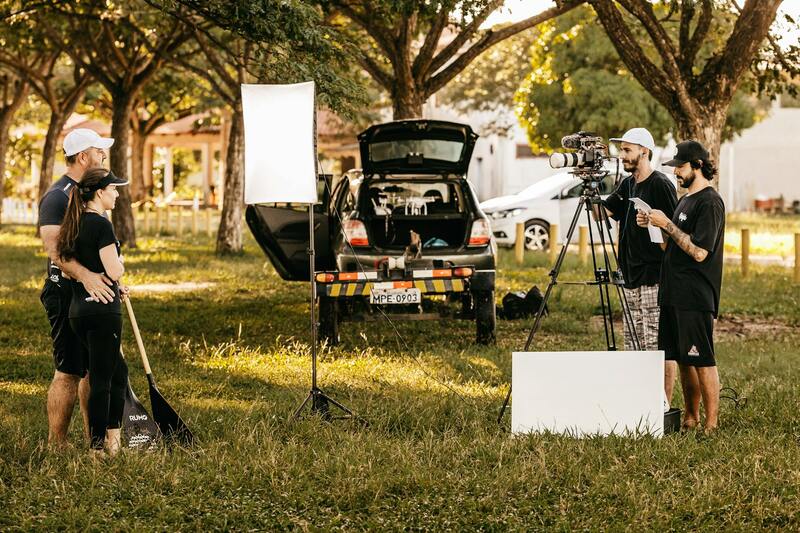
One crucial aspect involves comprehensive pre-production planning, which encompasses detailed choreography of camera shots, script synchronization, and contingency strategies for potential disruptions. Utilizing professional multimedia tools, production teams create shot lists and storyboard visualizations that guide camera operators and directors during live events. This level of planning minimizes errors and ensures efficient transitions between segments, maintaining viewer engagement throughout the broadcast.
On the technical side, adaptive encoding techniques play a significant role in optimizing stream quality across diverse network conditions. Multi-bitrate encoding allows viewers with varying internet speeds to access high-quality content without buffering or interruptions. Additionally, the implementation of real-time monitoring systems alerts operators to possible issues such as signal fluctuations, audio disruptions, or hardware failures, allowing immediate corrective actions.
Furthermore, integrating multi-platform streaming technologies expands reach and accessibility. Simultaneous distribution across popular social media channels, proprietary websites, and industry-specific platforms ensures broad audience engagement. Consistent branding, synchronized graphics, and dynamic overlays enhance the visual appeal and reinforce messaging, transforming a simple live feed into a polished, compelling broadcast.
To uphold high standards, teams often perform iterative test runs, evaluating audio, video, and streaming stability ahead of the live event. These rehearsals identify potential bottlenecks and technical vulnerabilities, allowing for adjustments that ensure an optimal viewing experience. During the event, real-time data analytics provide insights into viewer engagement patterns, enabling live adjustments to content or streaming parameters if needed.
Utilizing Professional Tools and Software
- High-definition video switchers for seamless camera transitions
- Advanced audio mixing consoles ensuring clear sound quality
- Robust streaming encoders capable of handling multiple data streams
- Integrated graphic software for real-time overlays and branding elements
- Network redundancy systems to provide backup data pathways
Implementing these methods bolsters the resilience and professionalism of live streaming productions, ultimately delivering a high-value experience for the audience and reinforcing the client’s brand integrity.
Production and Streaming Execution
Executing a live broadcast requires meticulous coordination of all technical and logistical elements to ensure a seamless viewing experience. In Miami, professional broadcast streaming production services employ a comprehensive approach that includes real-time management of audio-visual components, network stability, and viewer engagement metrics. The core objective is to deliver a stable, high-quality stream that maintains viewers' interest and ensures uninterrupted access to content.
At the heart of execution is the deployment of advanced broadcasting technology, which facilitates smooth camera switching, synchronized graphics, and high-fidelity audio management. Multi-camera setups offer dynamic angles, capturing every critical moment with clarity, while robotic camera systems enhance flexibility and precision without the need for extensive crew. Key aspects of streaming execution include:
- Stream Stabilization: Utilization of adaptive bitrate streaming ensures viewers receive the best quality possible based on their internet connection, reducing buffering and lag issues.
- Redundancy Systems: Implementation of backup streams and failover protocols guarantees continuous broadcasting even if primary systems encounter issues.
- Real-Time Monitoring: Constant oversight of streaming metrics, audio levels, and video quality allows technicians to make immediate adjustments during live events.
- Audience Interaction: Integrating live chat, polls, and social media feeds enhances engagement and provides instant feedback from viewers.
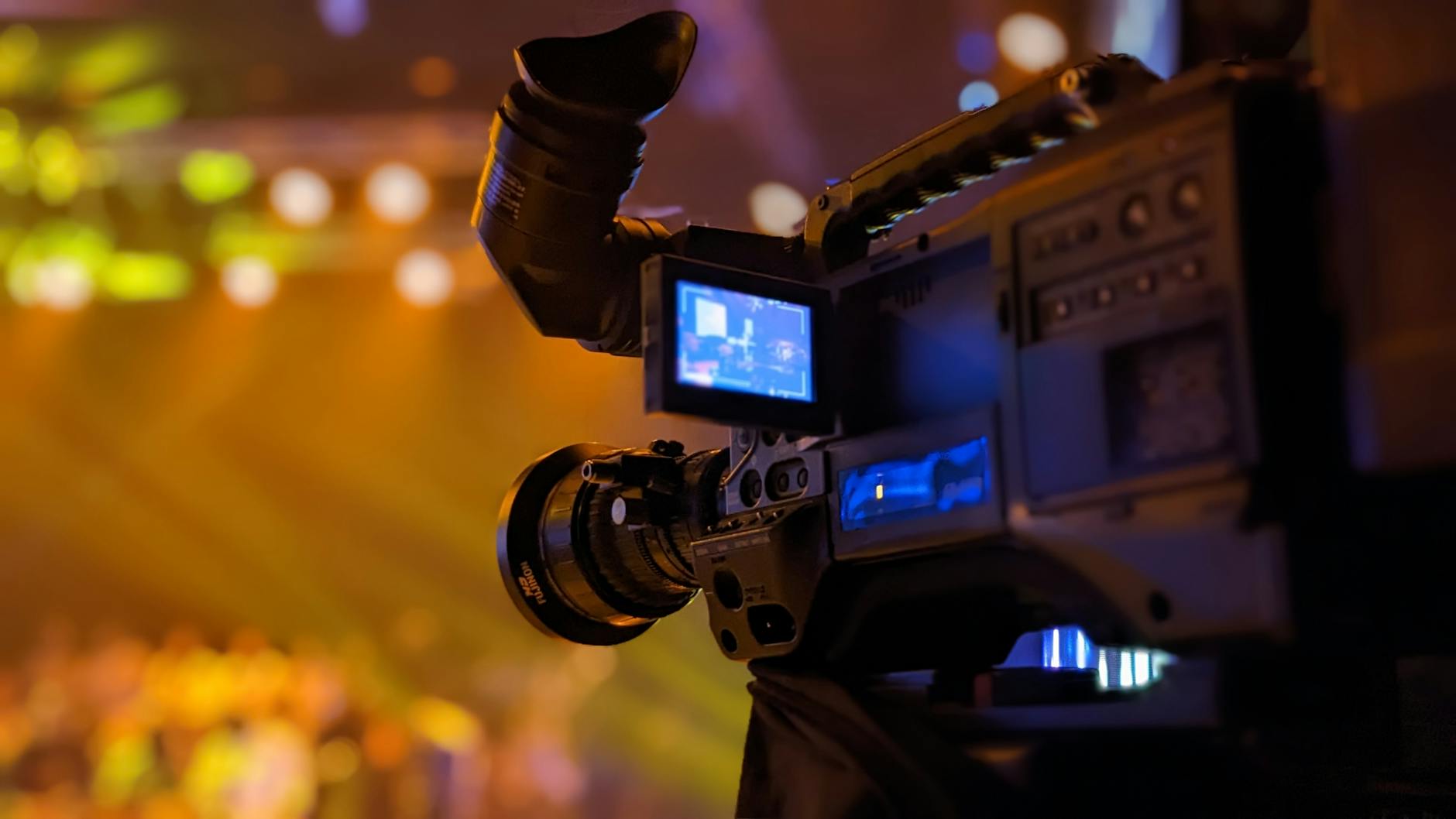
The combination of sophisticated hardware, such as high-definition video switchers and robust encoders, with state-of-the-art software provides the foundation for resilient operations. Video switchers enable quick transitions and overlays that add a professional touch, while encoders compress and transmit multiple data streams efficiently. Additionally, integrated graphic software allows for real-time branding, titles, and visual effects to enhance the broadcast’s aesthetic appeal.
Implementing network redundancy measures, such as multiple internet connections and data pathways, is critical. These systems safeguard against unexpected disruptions, ensuring the stream remains stable regardless of unforeseen technical challenges. The deployment of cloud-based management platforms further optimizes workflow coordination, facilitating remote control and rapid response to emerging issues.
Beyond technical execution, live event production teams prepare comprehensive run sheets, cue sheets, and contingency plans, addressing every detail from camera angles to technical troubleshooting. Proper rehearsals and iterative test runs help identify potential vulnerabilities, allowing for adjustments before the actual event. The goal is a flawless broadcast that embodies quality, professionalism, and audience engagement.
By leveraging these advanced techniques and tools, Miami-based providers deliver broadcast streaming production services that meet high standards of excellence. They turn complex live events into captivating experiences, elevating the client’s brand and ensuring the content reaches audiences with clarity and impact.
Post-Production and Content Management
Effective post-production processes are essential in ensuring the final broadcast meets the highest standards of quality and professionalism. Once the live event concludes, the recorded footage undergoes meticulous editing to refine visual and audio elements, correct color grading, and add any necessary visual effects or graphics. This stage allows for the integration of essential branding assets, promotional materials, and additional visual overlays that can enhance viewer engagement and reinforce the client’s messaging.
Content management extends beyond editing, encompassing the storage, organization, and distribution of media files. Utilizing secure and efficient digital asset management systems helps streamline the process, enabling quick retrieval and deployment of content across multiple channels. This is especially important for events that require multiple versions of the broadcast, or if the content will be repurposed for on-demand viewing, social media snippets, or international distribution.
Quality control is a cornerstone of post-production, involving rigorous review procedures to identify and rectify any technical issues or inconsistencies. This step guarantees that the final product maintains high resolution, clear audio, and seamless visual transitions. Detailed review sessions also facilitate feedback integration, ensuring that the finished content aligns with client expectations and branding guidelines.

Content distribution strategies are then devised to maximize reach and audience engagement. This includes selecting appropriate platforms, optimizing content formats, and scheduling releases for maximum visibility. Modern content management solutions allow remote access and facilitate real-time monitoring of distribution channels, ensuring consistent quality and prompt responses to viewer interactions.
In addition, comprehensive reporting and analytics are integral to post-production services. They provide valuable insights into viewer demographics, engagement levels, and overall stream performance. These data-driven insights help clients assess the success of their broadcasts, inform future event planning, and refine their marketing strategies.
Miami production providers utilize state-of-the-art content management tools and professional workflows to ensure that every stage—from initial recording to final delivery—meets high standards of excellence. Through these methods, live events are transformed into compelling, polished content capable of resonating with diverse audiences, boosting brand presence, and achieving targeted communication goals.
Post-Production and Content Delivery Optimization
Effective post-production processes are vital in transforming raw footage into a polished, engaging broadcast. Once the live event concludes, skilled editors and content managers step in to handle color correction, audio refinement, graphics, and visual effects that enhance the overall viewer experience. High-quality post-production ensures the final product aligns with branding standards and meets professional broadcast quality, reinforcing the client's presence in competitive markets.
Beyond editing, content delivery optimization encompasses strategic distribution to maximize audience engagement. This involves tailoring formats suitable for various platforms—such as social media, streaming services, or corporate websites—and scheduling content release times to capitalize on peak viewer activity. These strategies ensure consistent content visibility and accessibility across diverse channels.
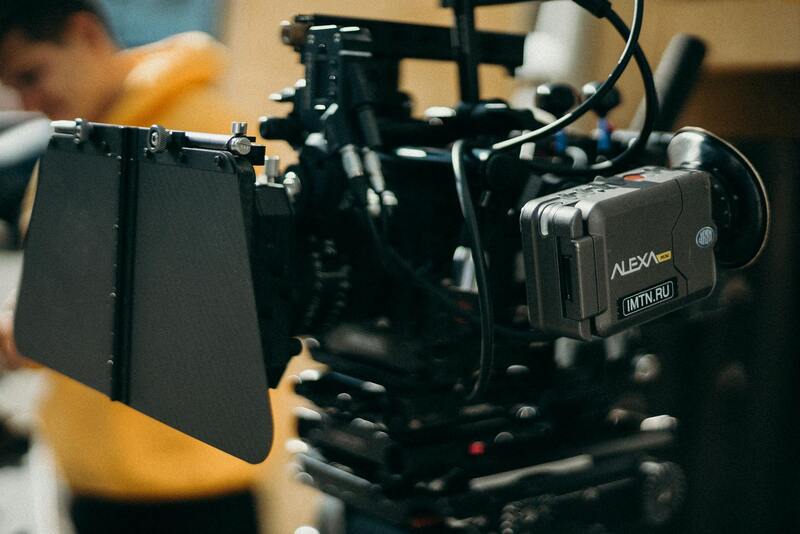
Modern content management systems play a critical role in overseeing the distribution process. They enable remote monitoring and control over live streams, archive management, and real-time viewer analytics. These tools provide immediate insights into viewer behavior, allowing broadcasters to adapt and respond promptly during ongoing transmissions or subsequent content releases.
Analytics data capture every aspect of the broadcast, from viewer demographics to engagement levels. Analyzing this information helps clients understand audience preferences, evaluate campaign effectiveness, and refine future broadcast strategies. These insights drive decisions regarding content topics, formats, and distribution timings, ensuring ongoing improvement in broadcast reach and impact.
Advanced content management solutions also facilitate compliance with broadcast standards and copyright regulations. They incorporate security measures to protect intellectual property and prevent unauthorized access, safeguarding the client's assets throughout the entire content lifecycle. This comprehensive approach ensures that every piece of content delivered through Miami-based production services maintains the highest standards of quality, security, and audience engagement.
In the rapidly evolving landscape of digital streaming, staying current with emerging tools and techniques is essential. Miami's production companies leverage innovative workflows and cutting-edge technologies—such as cloud-based content delivery networks (CDNs) and adaptive streaming protocols—to ensure smooth, high-quality broadcasts regardless of viewer location or device. These capabilities help brands and organizations reach larger audiences with minimal latency, maximizing the impact and reach of each broadcast.