
Understanding Livestream Production Services
Livestream production services have become an integral component of modern event broadcasting, especially within the vibrant city of Miami. These specialized services encompass the planning, execution, and delivery of live video content through digital platforms, enabling organizations and individuals to reach broad audiences in real time. Whether it’s a corporate conference, a product launch, a music festival, or a community gathering, professional livestream production ensures the event’s visual and audio elements are captured and broadcasted with high quality, engaging viewers across geographical boundaries.
The significance of these services extends beyond mere video streaming. They include comprehensive solutions such as multi-camera setups, professional audio engineering, dynamic graphics, live switching, and seamless integration with social media and other digital channels. In Miami’s diverse and fast-paced environment, leveraging expert livestream production can significantly enhance brand visibility, foster audience engagement, and facilitate remote participation, making events accessible and impactful for both local and global viewers.
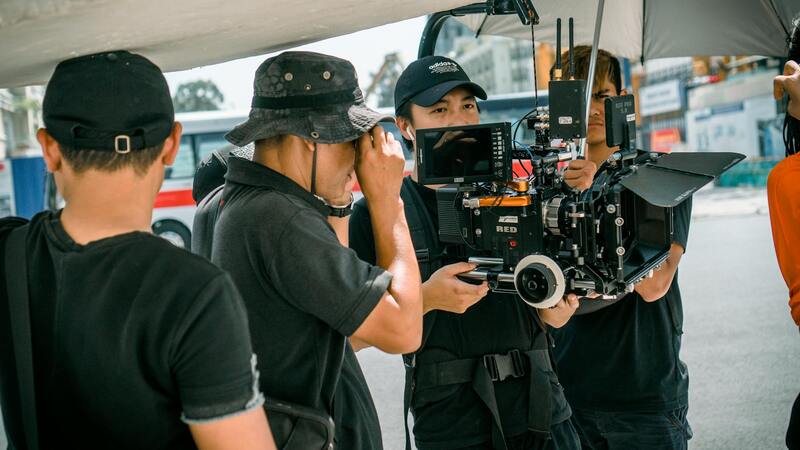
As businesses and organizations recognize the power of live digital content, the demand for professional livestream production services continues to grow. These providers bring technical expertise, creative vision, and strategic planning to ensure each event’s success, offering tailored solutions that meet specific objectives and audience expectations. In the Miami area, where innovation and media presence are thriving, professional livestream production is a vital tool for effective communication and brand promotion.
Understanding the intricacies of livestream production services is essential for anyone looking to leverage live streaming as part of their communication strategy. It involves careful coordination of technical resources, creative planning, and risk management to deliver a flawless viewing experience. From pre-production preparations to post-event analysis, partnering with skilled providers in Miami equips organizations with the capabilities to maximize their event’s impact and achieve their communication goals.
Key Components of Livestream Production
Executing a professional livestream requires a sophisticated blend of hardware, software, and expert personnel. These components work together to ensure a seamless and high-quality broadcast capable of engaging viewers across various platforms.
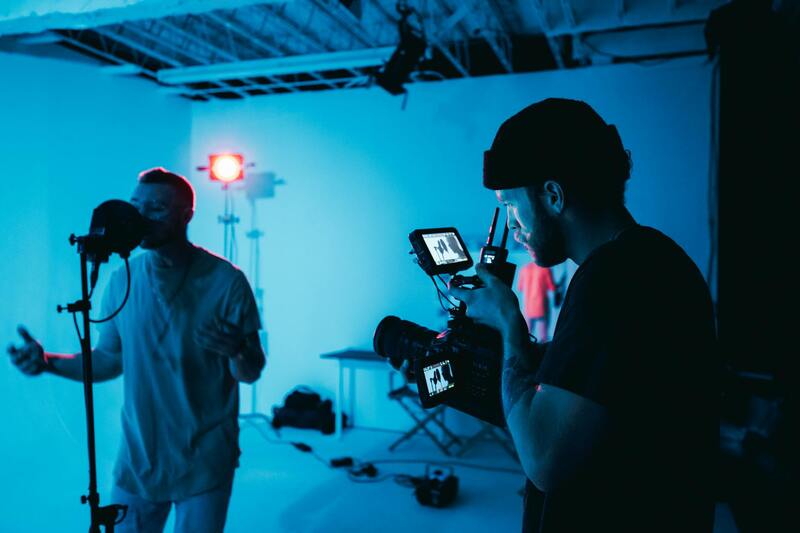
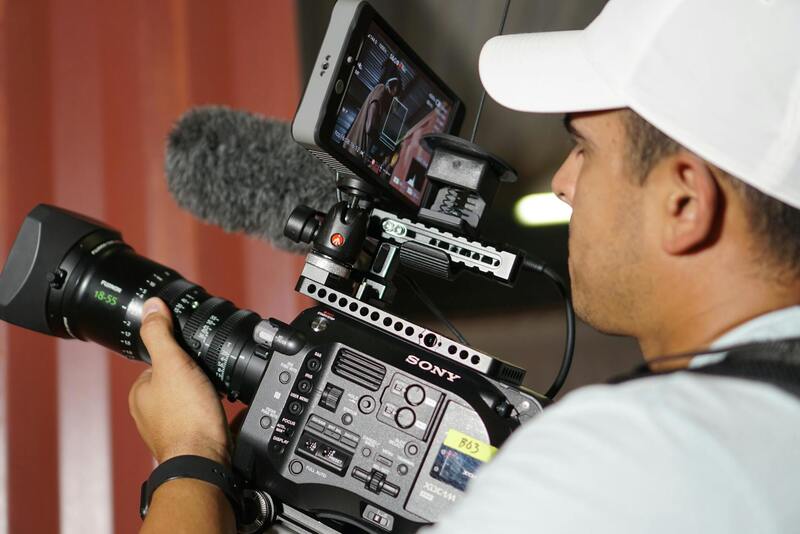
Essential equipment begins with high-definition cameras capable of capturing detailed visuals from multiple angles. Live switchers or video mixers enable real-time editing, allowing the producer to switch between different camera feeds effectively. Audio quality is equally critical; professional microphones and mixing consoles help deliver clear, balanced sound that enhances overall viewer experience.
Streaming hardware such as encoders and robust internet connections are vital to transmit content smoothly without interruptions. Hardware redundancy, including backup devices, safeguards against technical failures during live events. In tandem, specialized software handles real-time editing, overlay graphics, and interactive elements that can elevate engagement.
Behind the scenes, a skilled technical crew manages the operation of this equipment, troubleshooting issues swiftly to avoid disruptions. Their expertise ensures that complex logistics, such as multi-camera setups, real-time graphics, and live chat integration, run smoothly within the event timeline.
In addition to core equipment, integrated streaming platforms and content management systems facilitate broadcasting across social media, websites, and enterprise portals. This multi-channel distribution maximizes audience reach and provides flexibility for viewers to access content on their preferred devices.
Planning for these components begins well ahead of the event. It includes site surveys, equipment testing, and technical rehearsals to identify potential issues and optimize performance. Such preparation aligns the technical aspects with creative and operational goals, creating a cohesive experience for viewers and organizers alike.
For Miami-based organizations, partnering with experienced livestream production providers ensures access to cutting-edge technology and technical expertise. This collaboration enables tailored solutions capable of handling complex projects—from corporate seminars and product launches to entertainment festivals and community events.
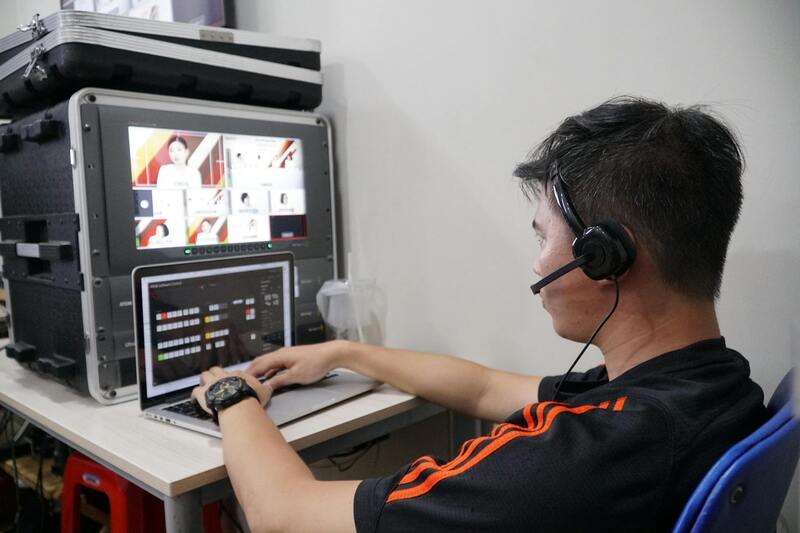
Investing in quality components and a skilled technical team fosters reliability, enhances viewer satisfaction, and helps meet the strategic objectives of each event. When these elements are harmonized, the final product delivers a professional-grade broadcast that boosts brand reputation and audience engagement across Miami and beyond.
Ensuring Compliance with Streaming Platform Requirements
One of the fundamental aspects of legitimate livestream production involves adhering to the technical and content guidelines set forth by streaming platforms. These platforms often have specific requirements, including permitted content types, resolution standards, audio quality, and broadcasting formats. Operating within these parameters ensures a smooth streaming experience without interruptions or content disputes, which can negatively impact reputation and viewer trust.
To comply effectively, professional livestream production services employ pre-broadcast checks that include verifying video and audio signal quality, encoding formats, and stream stability. Additionally, they ensure that the content adheres to the platform’s community standards and policies, avoiding copyrighted material or restricted content, which could lead to takedowns or account penalties.
Utilizing official streaming solutions and verified accounts further reduces the risk of disruptions. These specialists leverage reputable streaming servers and content delivery networks (CDNs) authorized by the platforms, ensuring high availability and minimal latency during live broadcasts. This approach not only maintains broadcast quality but also upholds the integrity of the streaming process, fostering trust among viewers and content partners.
Implementing Authentic Content Acquisition and Rights Management
Legitimate livestreaming relies heavily on acquiring appropriate rights for all visual and audio content being broadcast. This includes securing permissions for music, video clips, images, and proprietary brand materials. Using authorized content prevents copyright infringements, which can lead to legal complications, revenue losses, and damage to credibility.
Professional production teams facilitate clear documentation of rights and permissions before going live. They work closely with event organizers to compile licensing agreements and ensure that all content complies with legal and contractual obligations. This diligence helps maintain a transparent content ecosystem, building trust with clients and audiences alike.
Moreover, employing official content management systems allows for precise tracking and attribution, safeguarding the project against potential disputes. Proper rights management not only protects the organization from potential conflicts but also enhances its reputation for integrity and adherence to industry standards.
Utilizing Certified Equipment and Infrastructure
Legitimacy in livestream production is reinforced through the use of certified and high-quality equipment. This includes broadcast-grade cameras, encoders, switchers, and audio devices that meet industry standards. Certified equipment guarantees reliable performance, consistent signal quality, and compatibility with official streaming protocols, minimizing technical issues during the broadcast.
Employing recognized infrastructure such as professional-grade servers and CDNs ensures that the content delivery is secure and resilient against interruptions or cyber threats. This sophisticated setup is crucial for maintaining uninterrupted streams, especially for high-profile or large-scale events where broadcasting failure is not an option.
Ultimately, the credibility of the livestream relies on the robustness of the technical foundation. Engagement with providers that utilize certified tools and infrastructure signals a commitment to delivering a high-standard viewing experience, reinforcing trust and professionalism in Miami’s competitive event landscape.
Legal Considerations for Live Streaming Content
Ensuring all content streamed live adheres to applicable regulations is a fundamental aspect of professional livestream production. This involves thoroughly verifying the rights associated with any media elements incorporated into the broadcast, including music, videos, images, and third-party content. Implementing comprehensive rights management protocols helps prevent potential content disputes and ensures that all streamed material is authorized for public display.
In addition to verifying content rights, it’s essential to adhere to industry standards for data security and user privacy. Employing encrypted transmission methods and secure servers safeguards viewer information and prevents unauthorized access during the broadcast. This adherence not only fosters trust with the audience but also aligns with best practices for responsible content dissemination.
For live events that feature performances or copyrighted material, obtaining official permissions and clearances beforehand establishes a transparent and compliant streaming process. This proactive approach reduces risks associated with content takedowns or legal notices that can interrupt or compromise the integrity of a livestream.
Implementing official methods for content verification and rights management demonstrates a commitment to maintaining high standards of professionalism. It reassures clients and viewers alike that the production team prioritizes compliance, accuracy, and quality throughout the live streaming process.
Ensuring Robust Content Rights Management and Data Security in Livestreams
Maintaining the integrity of a livestream requires more than just technical setup; it demands meticulous attention to content rights management and data security protocols. Streamers must verify that all media used within the broadcast—whether music, video clips, images, or third-party content—are appropriately licensed and authorized for public dissemination. This process involves comprehensive checks and documentation to confirm the origin and licensing status of each element, reducing the risk of infringements or takedown notices during live transmission.
In an era where audience trust depends heavily on privacy and security, implementing encrypted data transmission methods is critical. Secure protocols such as Secure Sockets Layer (SSL) and Transport Layer Security (TLS) encrypt viewer data and stream content during transmission, safeguarding against interception and unauthorized access. Reliable streaming servers with advanced firewalls and security features further enhance the protection of sensitive information and ensure uninterrupted streaming experiences for viewers.
Content clearance is especially vital for features involving copyrighted music, visuals, or performances. Prior to the event, producers should obtain all necessary permissions, including performance rights, synchronization licenses, and usage rights, from respective rights holders. This proactive step minimizes disruptions and maintains a smooth streaming operation, avoiding potential legal complications or content removal requests.
Integration of digital rights management (DRM) solutions can further control how content is accessed and shared during and after a livestream, providing an added layer of security. Regular audits and content verification protocols are essential to ensure ongoing compliance, especially in multi-user or collaborative production environments. Equally important are staff training and adherence to industry standards for data protection, which contribute to minimizing vulnerabilities. Ultimately, a focus on official, legally sound methods for managing media rights and safeguarding viewer information exemplifies a high standard of professionalism. It reassures clients of the production team's dedication to quality, compliance, and viewer experience—cornerstones of successful, reputable livestream events.
Cost Factors and Budgeting for Livestream Projects
Understanding the financial aspects of livestream production is crucial for efficient planning and successful execution. Various elements influence the overall cost, allowing clients to allocate resources effectively and make informed decisions that align with their event goals. One of the primary considerations is the scope of the project. Larger events with multiple camera feeds, complex graphics, or interactive features naturally require more extensive setup, additional personnel, and advanced equipment, contributing to higher expenses. Conversely, smaller or more straightforward productions may be more budget-friendly while still delivering high-quality results.
Equipment costs significantly impact the budget. High-definition cameras, professional lighting, audio mixers, and production switchers are essential for creating visually compelling streams that meet industry standards. Renting versus purchasing equipment can influence expenses, with rental options preferred for short-term projects to optimize costs. Additionally, software licenses for video editing, live streaming platforms, and interactive features are vital components that should be factored into the budget.
Service levels also determine pricing. Basic packages typically include core streaming services, while comprehensive offerings may encompass pre-production planning, on-site technical support, multi-camera setups, real-time graphics, and post-event analytics. Tailoring service packages to specific event needs ensures optimal resource allocation while maintaining quality standards.
Other factors affecting costs include geographic considerations, such as travel expenses for personnel and equipment in Miami, as well as the complexity of content delivery and audience engagement features. For instance, integrating social media interactions, live polls, or multiple streaming platforms can add to the overall budget but significantly enhance viewer participation and event impact.
Transparent communication with a professional production team about desired outcomes helps establish clear budgets. When planning a livestream project, clients should prioritize essential elements that align with their objectives, allowing flexibility for optional enhancements that can elevate the event experience. Budgeting effectively ensures the delivery of a polished, professional broadcast without compromising quality or technical reliability.
Understanding Livestream Production Services
Livestream production services encompass a comprehensive suite of technical and operational tasks designed to broadcast live events over digital platforms. These services integrate multiple elements such as video capture, audio management, live switching, graphics, and real-time interaction features to deliver an engaging viewer experience. Professional livestream providers utilize state-of-the-art equipment and software to ensure high-quality output, minimal latency, and seamless connectivity across various devices and networks.
Providers often handle end-to-end production, including pre-event planning, logistics coordination, content scheduling, and post-event analytics. Such comprehensive support guarantees that the event's objectives—whether informational, promotional, or entertainment—are met with precision and consistency. Additionally, specialized services like multi-camera setups, live embedded graphics, and audience interaction tools enrich the broadcast, increasing viewer engagement and event reach.
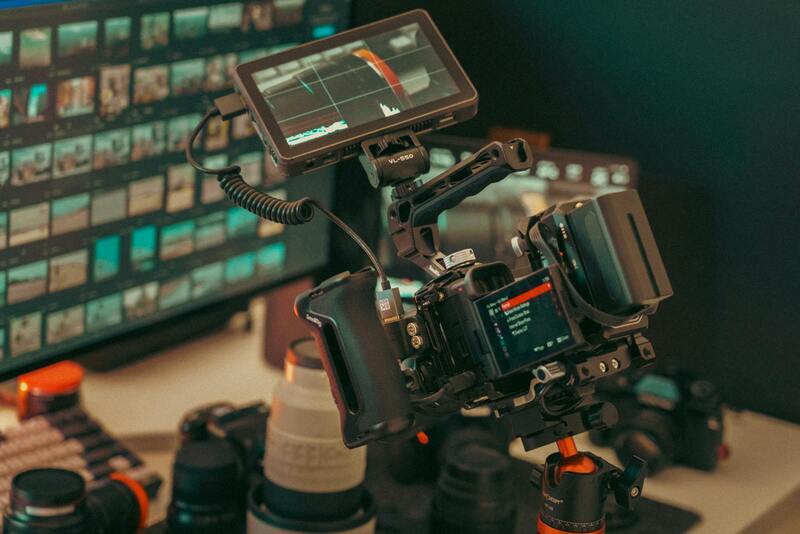
Choosing the right vendor involves evaluating their technical capabilities, experience with similar events, and the flexibility to adapt to unique production requirements. An experienced team can also provide on-site support, troubleshoot issues in real-time, and coordinate with event organizers to ensure a polished final product. The importance of professionalism in documentation, adherence to deadlines, and maintaining consistent communication cannot be overstated when selecting a livestream production partner.
Key Components of Livestream Production
- Video Acquisition: High-definition cameras and captures to ensure crisp visuals.
- Audio Management: Employing quality microphones and mixers for clear sound.
- Video Switching & Mixing: Real-time editing of multiple feeds for a dynamic broadcast.
- Graphics & Overlays: Incorporating branding, titles, and interactive elements.
- Streaming Platforms Integration: Connecting with reliable platforms like Facebook Live, YouTube Live, or proprietary solutions.
- Audience Engagement Tools: Live polls, Q&A, chat features, and social media integration to foster interaction.
Furthermore, technical infrastructure such as redundant internet connections, backup power supplies, and dedicated support staff help mitigate potential disruptions during live events. Proper planning and execution of these components are vital to delivering a consistent, professional broadcast from start to finish.
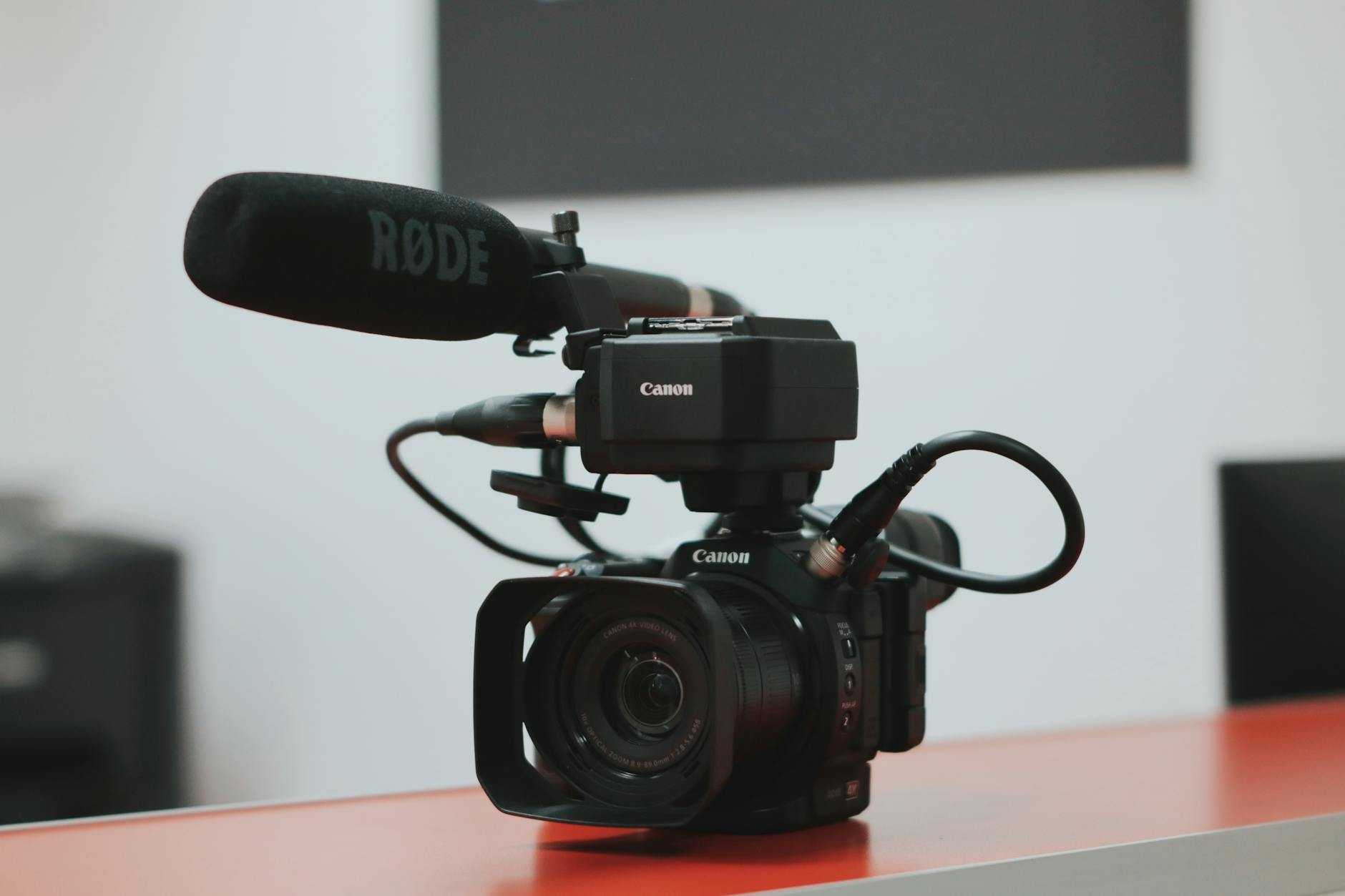
Effective livestream production relies heavily on meticulous coordination of these elements, underscoring the need for experienced professionals. Implementing strategies for seamless transitions, synchronized audio-visual delivery, and real-time monitoring ensures the broadcast maintains integrity and audience satisfaction throughout the event.
Future Trends in Livestream Production for Miami
As the landscape of livestream production continues to evolve, Miami stands at the forefront of adopting innovative technologies that enhance content delivery and audience engagement. One of the prominent trends is the integration of 4K and even 8K video capabilities, which provide sharper visuals and greater detail, making broadcasts more immersive and visually compelling. This technological advancement demands higher bandwidth and robust infrastructure but significantly elevates the viewing experience.
Artificial Intelligence (AI) and machine learning are increasingly being incorporated into livestream production processes. These tools facilitate real-time analytics, adaptive streaming quality adjustments, and automatic content moderation, enabling producers to deliver smooth and professional broadcasts while tailoring content to audience preferences. AI-driven captioning and translation services also broaden accessibility, allowing diverse demographics to engage seamlessly.

Virtual and augmented reality (VR/AR) are creating new opportunities for immersive viewer experiences. For instance, VR can transport remote audiences into virtual event spaces, offering a 360-degree perspective that mimics onsite presence. AR overlays can enhance live presentations with interactive graphics or real-time statistics, enriching the storytelling aspect of broadcasts.
Cloud-based production solutions are gaining popularity due to their scalability, flexibility, and cost-effectiveness. These platforms enable seamless collaboration among remote production teams, facilitate complex multi-camera setups, and simplify live editing workflows. Transitioning to cloud infrastructure helps Miami-based production services adapt swiftly to changing project demands and audience expectations.
Consumer preferences are shifting towards more interactive and personalized content. Livestream producers are leveraging integrated social media features, real-time chat, polls, and interactive overlays to foster a two-way engagement with viewers. Platforms that support multi-streaming across various channels simultaneously are becoming more prevalent, ensuring maximum reach and engagement.
Data security and privacy are increasingly vital in livestream production. Implementing end-to-end encryption, secure streaming protocols, and compliance measures protect broadcaster and viewer data, especially during high-profile or sensitive events. This focus on security builds trust and enhances the reputation of Miami production companies as responsible service providers.
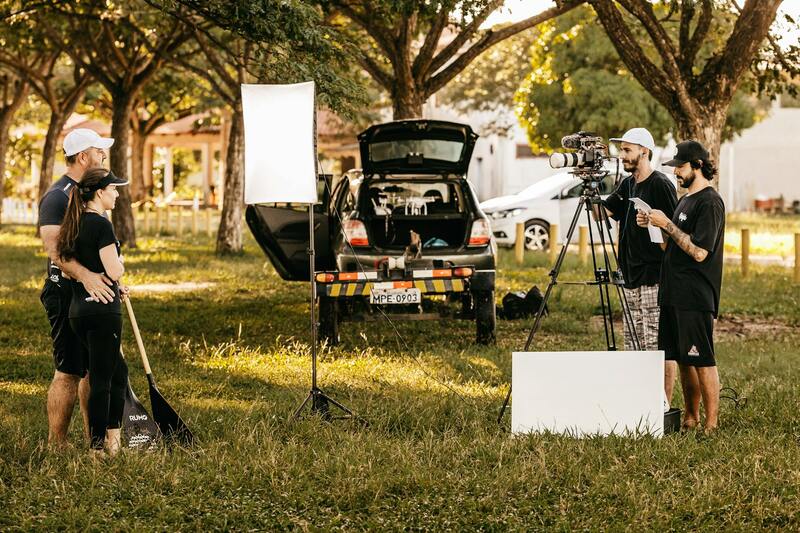
As Miami continues to thrive as a hub for entertainment, corporate events, and cultural festivals, the adoption of these advanced technologies will set new standards for the quality, accessibility, and interactivity of livestream content. Producers who stay ahead of these trends and continually invest in cutting-edge solutions will maintain a competitive edge, delivering exceptional experiences that resonate with modern audiences.