
Overview of Live Streaming Video Production Services
In today’s digital era, live streaming video production services have become a vital component for organizations, corporations, and event organizers looking to extend their reach beyond traditional audiences. These services enable real-time broadcasting of events, seminars, product launches, and corporate meetings, offering a seamless and engaging experience for viewers across multiple platforms. In Miami, a city known for its vibrant cultural scene and bustling business environment, professional live streaming is increasingly essential for maximizing event visibility and engagement.
High-quality live streaming involves a combination of specialized equipment, experienced technical personnel, and strategic planning to deliver broadcast-quality content. For businesses and organizations in Miami, partnering with skilled live streaming providers ensures that every facet—from camera work and audio fidelity to broadcasting and post-production—is handled with precision. Whether it’s a live webinar, a training session, or a major conference, professional live streaming services facilitate broad, real-time interaction with audiences, increasing participation and brand exposure.
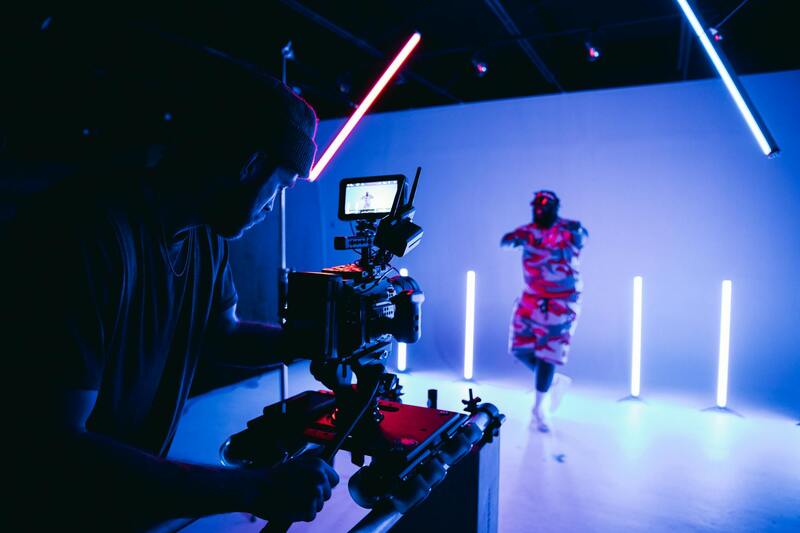
Additionally, live streaming services serve as a powerful marketing tool, providing valuable content that can be repurposed for social media engagement and marketing campaigns. As Miami continues to grow as a hub for tourism, entertainment, and business, the demand for specialized live streaming solutions designed to meet the city’s unique needs is surging. The ability to broadcast live, with professional quality and reliability, offers organizations a competitive edge, elevating their presence and ensuring that their message reaches a broader audience with impact.
Key Components of Live Streaming Production
Effective live streaming involves several critical components:
- Cameras and Video Equipment: High-definition cameras and encoders capture the event content with clarity and precision.
- Audio Systems: Professional microphones and sound mixers ensure crisp, clear audio to complement the visual content.
- Streaming Platforms: Integration with platforms such as YouTube, Facebook Live, or custom solutions facilitates broad distribution.
- Networking Infrastructure: Robust internet and network support are vital for uninterrupted streaming, especially in densely populated Miami areas.
- Technical Support and Production Crew: Experienced operators manage the technical aspects, troubleshoot issues, and adapt on-the-fly for optimal results.
Types of Live Streaming Events Supported
From small corporate meetings to large-scale music festivals, Miami-based live streaming providers support a diverse array of event types:
- Corporate webinars and meetings
- Music and entertainment festivals
- Educational seminars and workshops
- Product launches and demonstrations
- Community and cultural events
- Sports tournaments and competitions
Key Components of Live Streaming Production
Executing a successful live streaming event requires meticulous planning and the integration of several sophisticated components. The core elements encompass advanced video and audio technology, robust streaming infrastructure, and highly skilled technical teams. Ensuring seamless operation across these domains is essential for maintaining professional quality and viewer engagement throughout the broadcast.
Top-tier video capture devices include high-resolution cameras capable of delivering crisp images, along with multiple angles to enhance the viewer experience. Video encoders are used to compress and transmit live footage efficiently, ensuring minimal latency and smooth playback. These components work together to produce broadcast-quality visuals that resonate with audiences.
Audio fidelity plays an equally vital role. Professional microphones—such as lapel, shotgun, and dynamic mics—capture clear and natural sound. Sound mixers and audio processors are employed to balance levels, eliminate noise, and deliver consistent audio quality. This meticulous attention to sound detail ensures that the message is conveyed clearly, whether during a corporate presentation, concert, or conference.
Once the visual and audio signals are prepared, they are transmitted through a resilient networking infrastructure. This involves high-bandwidth internet connections, dedicated streaming servers, and possibly backup systems to prevent interruptions. For events held in Miami’s bustling venues, establishing reliable and secure connectivity is vital to avoid delays or signal drops that could disrupt the live broadcast.
Technical support personnel and experienced production crews play an essential role in managing these components. They oversee camera work, audio quality, encoding, and network stability, swiftly addressing any technical issues that may arise during the event. Their expertise ensures a seamless flow from start to finish, producing a broadcast that meets professional standards and client expectations.
Technical Equipment and Technology Used in Live Streaming Video Production
Achieving high-quality live streaming video production requires state-of-the-art technology and precision equipment curated to meet the demands of diverse event types. From professional cameras to broadcasting hardware, each element is selected for reliability, clarity, and seamless operation. Use of multiple high-definition cameras, such as shoulder-mounted or cinema-style rigs, provides dynamic angles and comprehensive coverage, enriching the viewer experience through varied perspectives. Camera switches are managed by experienced directors or technical directors who ensure smooth transitions, maintaining a professional broadcast flow.
For capturing crisp, clear visuals, broadcast-grade cameras are employed, often equipped with high-quality lenses, zoom capabilities, and image stabilization features. Video switchers or mixers compile feeds from multiple cameras, allowing live production crews to switch angles, add effects, or overlay graphics instantaneously, creating a polished and engaging presentation.
Audio quality, equally important, hinges on the use of professional-grade microphones and sound equipment. Directional shotgun mics, lavalier (lapel) microphones, and dynamic handheld mics are selected based on the event's environment and requirements. Audio mixers and processors refine sound input, reduce background noise, and ensure consistent volume levels, which are critical for audience retention and clarity.
To facilitate real-time transmission, robust encoding hardware and software solutions are utilized. These convert raw video and audio signals into optimized streams compatible with various platforms. Streaming servers—either cloud-based or dedicated—redistribute content efficiently, allowing for high-resolution broadcasts to a broad audience without buffering delays.
Network infrastructure is tailored to Miami’s vibrant event scene, often involving redundant internet pathways, fiber optic connections, and backup power systems to prevent stream interruptions. These elements, combined with real-time monitoring tools, help maintain stability and quality throughout the broadcast.
Supplementing the hardware, skilled technical teams oversee all operations—from camera operation, audio management, to network performance—ensuring an uninterrupted, high-quality viewing experience. Their expertise enables swift troubleshooting of any technical issues, minimizing downtime and preserving broadcast standards.
Core Technologies Ensuring High-Quality Live Streaming Production
Achieving superior live streaming video production begins with deploying cutting-edge technologies designed to provide seamless, high-definition broadcasts. The backbone of a successful live stream involves the integration of powerful hardware and sophisticated software that work in tandem to encode, transmit, and manage live content efficiently.
Encoding hardware and software solutions convert raw video footage into bandwidth-optimized streams compatible with diverse streaming platforms. Hardware encoders offer dedicated processing power, reducing latency and ensuring consistent quality, especially vital during high-stakes events. Software encoders, often more flexible and cost-effective, are used in lower-scale productions or where on-the-fly adjustments are necessary.
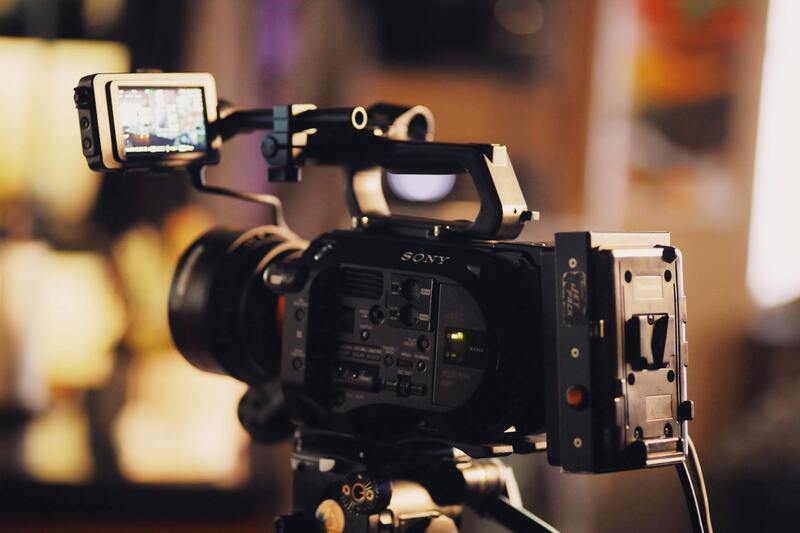
Next, reliable streaming servers—either cloud-based or standalone—distribute content to viewers worldwide. These servers mitigate traffic spikes and ensure uninterrupted delivery, even under high demand conditions. The use of Content Delivery Networks (CDNs) further enhances distribution, reducing latency and minimizing buffering issues for viewers across Miami and beyond.
Robust network infrastructure is equally critical. For Miami’s frequent high-profile events, providers often employ redundant internet pathways, including fiber optic connections, to maintain stable and consistent streaming. Backup power systems safeguard against outages, ensuring that production proceeds without interruption, regardless of unforeseen technical hiccups.
Complementing hardware and network setup, real-time monitoring tools track stream health, bandwidth use, and equipment performance. Technical teams utilize these insights to make immediate adjustments, troubleshoot issues proactively, and maintain the highest broadcast standards. This proactive approach ensures that the live streaming experience remains professional, reliable, and engaging for audiences.

Ultimately, the synchronization of advanced technology and expert operational oversight creates a dependable environment where live streams are delivered with clarity, consistency, and professionalism. This emphasis on technological excellence directly translates into viewer satisfaction, heightened engagement, and the ability to reach broader audiences, establishing a trusted presence for any event or brand in Miami’s competitive landscape.
Tailored Solutions for Diverse Live Streaming Needs
Effective live streaming video production services require meticulous planning and customization to ensure that every event meets the unique needs of the client and resonates with the target audience. Customization begins with understanding the nature of the event, whether it’s a corporate conference, product launch, concert, or educational seminar. Each of these scenarios demands different technical setups, content arrangements, and branding considerations.
Key facets of tailored live streaming solutions include:
- Content Integration: Seamless incorporation of pre-recorded videos, live feeds from multiple camera angles, and multimedia overlays to enhance viewer engagement and provide a dynamic viewing experience.
- Branding and Graphics: Incorporating branding elements such as logos, lower thirds, and customized overlays ensures brand consistency and professional presentation throughout the live stream.
- Technical Setup: Adapting equipment and bandwidth allocation based on the event scope, expected viewership, and content complexity. High-profile events may require multiple high-definition cameras, professional switching equipment, and optimized encoding solutions.
- Interactivity Features: Integrating live polls, Q&A sessions, and chat functionalities to foster audience interaction and increase engagement during the event.
- Multi-platform Distribution: Planning distribution channels for maximum reach across social media, websites, and dedicated streaming platforms, ensuring accessibility for diverse viewer groups.
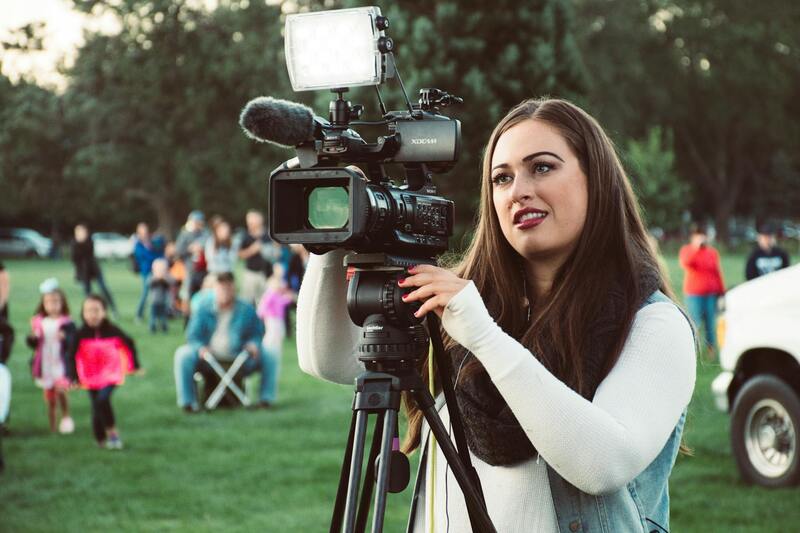
Developing a comprehensive production plan involves collaborating closely with clients to outline the event’s goals, technical specifications, and logistical details. This collaborative approach ensures that each element—from camera placement to encoding settings—is aligned with the desired outcome, thereby delivering a polished and professional live stream that reflects the client's vision.
Additionally, flexibility in equipment and technical support allows for adjustments in real-time, accommodating unexpected changes or technical challenges during the event. The expertise of a dedicated production team ensures smooth handling of all technical aspects, from setting up broadcast gear to managing live switching, audio mixing, and stream distribution.
Ultimately, the goal of customized live streaming solutions is to create a seamless viewer experience while safeguarding the integrity and professionalism of the event. Whether it is a small corporate gathering or a large-scale conference, detailed planning combined with tailored technical execution elevates the quality of the live stream, provides measurable value for the client, and maximizes viewer engagement.
Official Methods for Ensuring High-Quality Live Streaming
Achieving seamless and professional-quality live streaming video production requires adherence to established protocols that guarantee reliability and viewer satisfaction. The selection of official methods encompasses a range of proven techniques and industry best practices that ensure every broadcast meets high standards of technical excellence. Proper planning begins with comprehensive pre-production assessments, including site surveys to identify optimal camera positions, acoustical evaluations for sound quality, and infrastructure checks for stable internet connectivity. These measures facilitate the identification of potential challenges before the event, enabling corrective actions to be implemented proactively.
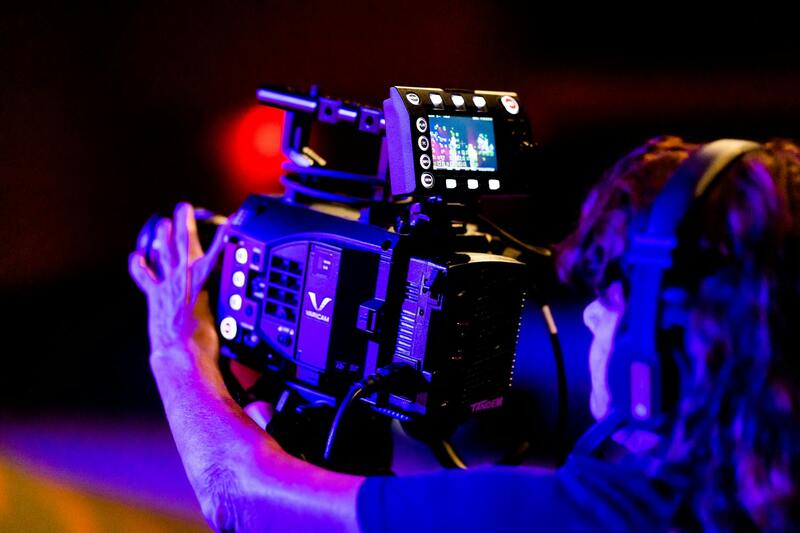
Technical setup involves the deployment of certified broadcast equipment, such as high-definition cameras, professional-grade switchers, encoders, and backup power supplies. All equipment used should comply with manufacturer standards and industry certifications to ensure safety and compatibility. When live streaming, encoding settings must be meticulously configured to balance quality and bandwidth constraints, ensuring a buffer against network fluctuations. Accurate synchronization of audio and video signals is essential, achieved through precise calibration of encoders and use of redundant audio feeds when necessary.
During the event, an experienced technical team oversees all aspects of production, including live camera switching, graphics integration, and audio management. These professionals employ industry-standard software and hardware to control the broadcast flow, providing real-time monitoring to detect and resolve issues swiftly. Implementing layered security protocols protects the stream from potential disruptions, safeguarding sensitive content and viewer data. Authentication measures, firewalls, and secure transmission protocols are integral to maintaining stream integrity.
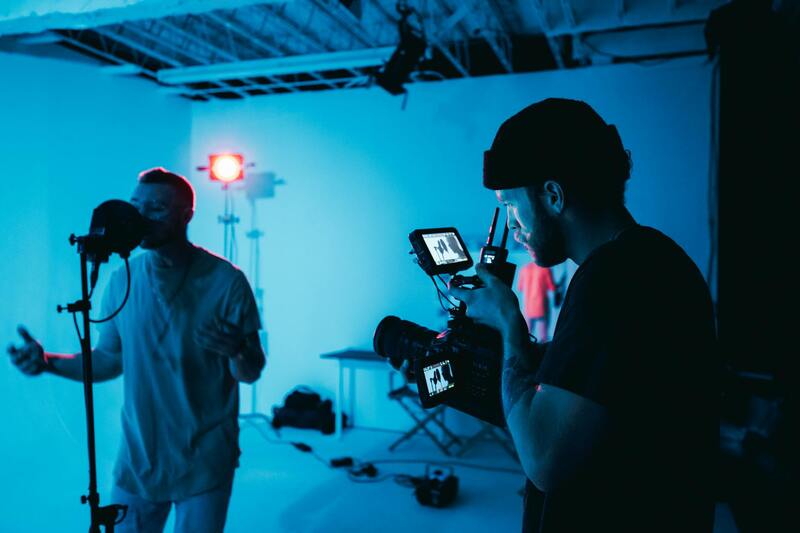
Post-broadcast analysis using certified analytics tools allows for comprehensive review of stream performance, viewer engagement metrics, and technical stability. This data informs future productions and highlights areas for improvement, ensuring continuous enhancement of live streaming quality. Maintaining official documentation of procedures, equipment certifications, and compliance reports further supports quality assurance and technical accountability.
To guarantee a smooth live streaming experience, it is essential to work with reputable providers who utilize licensed equipment and follow industry standards. This approach not only enhances the professionalism of the broadcast but also provides clients with confidence in the technical execution of their events. Training and certification of staff members ensure that they stay updated on the latest official methods, maintaining a high level of technical proficiency and adaptive capabilities during live events.
Local Considerations for Miami-Based Live Streaming
Miami’s vibrant cultural scene, diverse business environment, and international appeal make it an ideal hub for live streaming video production services. For organizations and event organizers in Miami, understanding specific local factors can significantly impact the success of live broadcasts. These include logistical considerations, regional regulations, and access to premium infrastructure.
One of the primary advantages of choosing a Miami-based live streaming provider is the proximity to major event venues and corporate offices. This proximity allows for quicker deployment of equipment, on-site technical support, and real-time troubleshooting, reducing the chances of delays or technical glitches. Additionally, local providers have an in-depth understanding of Miami’s unique logistical landscape, including traffic patterns, venue restrictions, and technical environment, ensuring seamless integration of production elements.
Leveraging Miami's highly developed telecommunications infrastructure is crucial for high-bandwidth live streaming. Providers often work closely with regional internet service providers to ensure robust connectivity capable of supporting high-definition streams without interruption. This reliability is vital for maintaining a professional quality broadcast, especially during large-scale events or multi-camera productions.
Regional compliance and understanding of local regulations also play a role in planning live streams. While broadcast licensing is generally standardized, certain content types or live events—such as concerts or public gatherings—may require specific permits or adherence to city guidelines. A professional Miami-based service provider navigates these requirements efficiently, ensuring legal compliance and smooth event execution.
Environmental factors specific to Miami, such as weather conditions, necessitate contingency planning. Providers often incorporate backup power sources, weather-resistant equipment, and sheltered setup areas to mitigate the impact of sudden weather changes, ensuring uninterrupted streams regardless of outdoor conditions.
Another vital aspect is audience engagement tailored to Miami’s demographic diversity. Regional specialists can optimize streaming packages to include multilingual support, synchronized social media integration, and interactive features that resonate with local viewers. This regional customization enhances viewer engagement and expands the reach of live events beyond traditional audiences.
Working with local experts also facilitates effective communication and coordination. Having a team familiar with Miami’s cultural nuances and logistical landscape ensures that all aspects of the live stream are executed with precision and professionalism. From pre-production planning through post-event analysis, local providers contribute invaluable insights that elevate the overall quality of the live streaming experience.
Enhanced Strategies for Effective Live Streaming Video Production in Miami
Implementing sophisticated techniques and leveraging cutting-edge technology can significantly elevate the quality and impact of live streaming events in Miami. Exposure to diverse cultural audiences, vibrant cityscapes, and innovative technological environments creates a unique landscape for live streaming professionals to showcase their expertise and adapt strategies for optimal results.
Advanced Technologies and Equipment Utilization
Utilizing the latest in camera technology, such as 4K ultra-high-definition cameras, allows producers to deliver crisp, detailed visuals that captivate viewers. These high-resolution streams create an immersive experience, especially beneficial for events like product launches, fashion shows, or live concerts, where visual impact is paramount. Complementing camera upgrades, employing professional-grade audio equipment ensures clear sound quality, which is critical for audience engagement and overall production professionalism.
Incorporating real-time switching software and multi-camera control systems allows seamless transitions and dynamic broadcasting, making live streams more engaging. Additionally, integrating wireless transmission methods reduces cable clutter and affords greater flexibility during setup and performances, especially in outdoor or unconventional venues across Miami.
Streamlined Workflow and Cloud-Based Solutions
Adopting cloud-based streaming platforms facilitates efficient content management, scalable bandwidth allocation, and remote monitoring capabilities. This approach simplifies the live streaming process, enabling producers to adjust streaming parameters on the fly, troubleshoot issues instantly, and provide viewers with a smooth experience regardless of network fluctuations. Cloud solutions also support multi-device compatibility, ensuring accessibility on desktops, smartphones, and tablets simultaneously.
Content Delivery Optimization
Utilizing Content Delivery Networks (CDNs) ensures high-quality streaming by distributing the content across multiple servers close to the viewer's location. This reduces buffering, latency, and lag, which are critical factors in maintaining viewer retention and satisfaction. Especially in a bustling city like Miami, with diverse internet infrastructure, CDN optimization ensures consistency and reliability during large-scale live events.
Effective Engagement and Interactive Features
Enhancing live streams with interactive elements such as real-time polling, chat features, and social media integrations encourages audience participation. Implementing multilingual support can broaden reach within Miami's multicultural community, fostering a sense of inclusivity and engagement. These features not only elevate viewer experience but also provide valuable insights into audience preferences, enabling future content refinement.
Post-Production and Analytics
Post-event editing and analytics play a vital role in measuring success and improving future broadcasts. Utilizing professional editing tools allows for highlight reels, captioning, and brand integration. Detailed analytics on viewer demographics, engagement rates, and streaming quality provide actionable data, guiding strategic decisions for ongoing content development and ensuring continuous enhancement of live streaming services.