
Understanding Live Streaming in Video Production
Live streaming has revolutionized the way organizations, businesses, and content creators reach their audiences in real-time. Unlike traditional video recording and subsequent editing, live streaming offers an immediate broadcasting experience that fosters direct engagement and interaction. This technology leverages high-speed internet connections, advanced encoding hardware, and streaming platforms to transmit live video footage to viewers across various digital channels.
The core advantage of live streaming is the immediacy it provides. Viewers are able to watch an event, presentation, or announcement as it happens, creating a sense of participation and urgency. This real-time aspect is particularly beneficial for live events such as corporate webinars, product launches, concerts, or community gatherings. It ensures instant dissemination of information, which can be crucial for time-sensitive content.
Moreover, live streaming enhances accessibility. Viewers from different geographical locations can tune in without physical presence, expanding the reach beyond traditional boundaries. It also enables real-time interaction through live chat, Q&A sessions, and social media integration, fostering a more dynamic viewer experience.
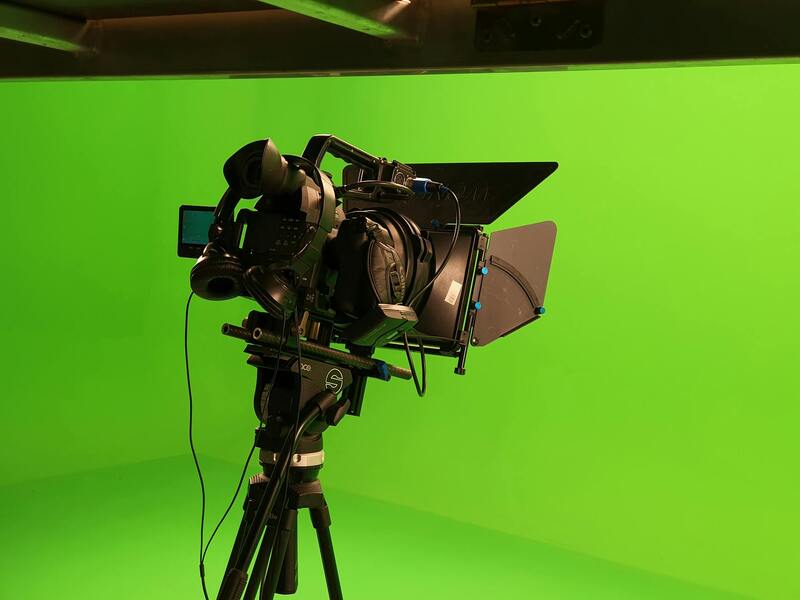
In terms of production value, live streaming demands reliable technology to ensure seamless transmission. Unlike pre-recorded content, which provides editing flexibility, live broadcasts require meticulous planning and robust equipment to prevent disruptions. The staging, lighting, audio, and camera work must be synchronized to deliver a polished presentation in real-time.
Distinguishing live streaming from traditional video recording comes down to timing and interaction. With traditional methods, content is captured, edited, and published at a later date, allowing for meticulous refinement. On the other hand, live streaming is immediate, which means producers must be prepared for unexpected challenges and ready to adapt on the spot. This immediacy adds a layer of complexity but also offers unique opportunities for authentic, unfiltered engagement with viewers.
Overall, integrating live streaming into a comprehensive video production strategy amplifies an organization’s communication channels. It allows for real-time storytelling, enhances audience engagement, and provides measurable data that can inform future content efforts. When executed with precision and professionalism, live streaming becomes a powerful tool for expanding reach and creating memorable, interactive experiences for audiences worldwide.
Key Equipment and Technology for Live Streaming
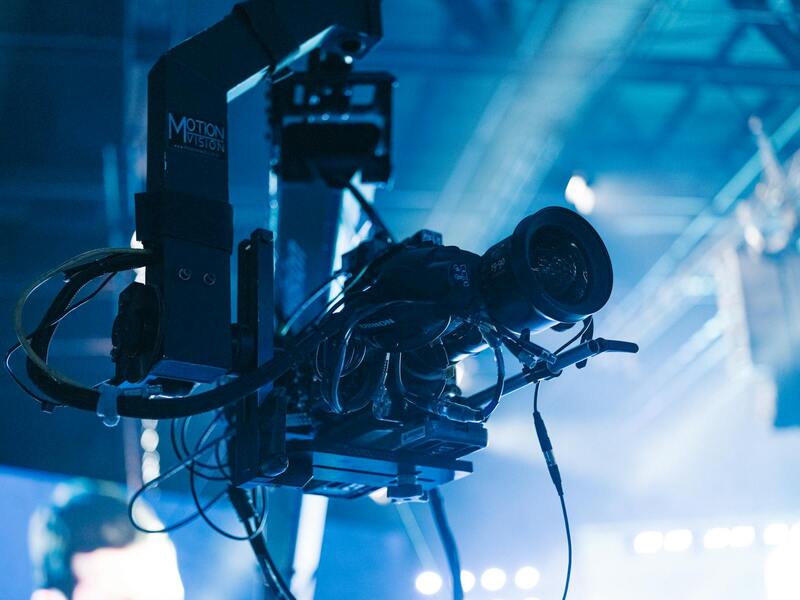
Achieving a professional-grade live stream hinges on the selection and integration of reliable hardware and software components. The foundation for a smooth live broadcast starts with high-quality cameras capable of capturing detailed images under various lighting conditions. Typically, broadcasters opt for professional camcorders or high-end DSLR/mirrorless cameras with clean HDMI output, ensuring crisp visuals without compression artifacts. Complementing these are external video switchers that enable real-time switching between multiple camera feeds, adding dynamism to the broadcast.

Centering the production process is a robust encoder, which translates video signals into a digital format suitable for internet streaming. Hardware encoders are often preferred for their stability and lower latency compared to software-based options. These devices connect directly to the camera outputs and the internet, ensuring minimal signal degradation during transmission. Software encoders, while more flexible, require dedicated computing resources and a stable network environment.
Once encoded, the stream must be delivered via a trustworthy streaming platform or server. Enterprise-grade streaming platforms offer high uptime, adaptive bitrate streaming, and extensive analytics, essential for professional broadcasts. Additionally, network infrastructure plays a pivotal role; high-bandwidth internet connections with redundancy options (such as dual ISP setups) safeguard against interruptions. Use of wired Ethernet connections is strongly recommended over Wi-Fi due to their superior stability and speed.
Audio quality is equally critical in live streaming. High-definition microphones and audio mixers ensure clear sound capture and allow for on-the-fly audio adjustments. Unwanted background noise and echoes can detract from viewer experience, so soundproofing and careful microphone placement are key on-site considerations.
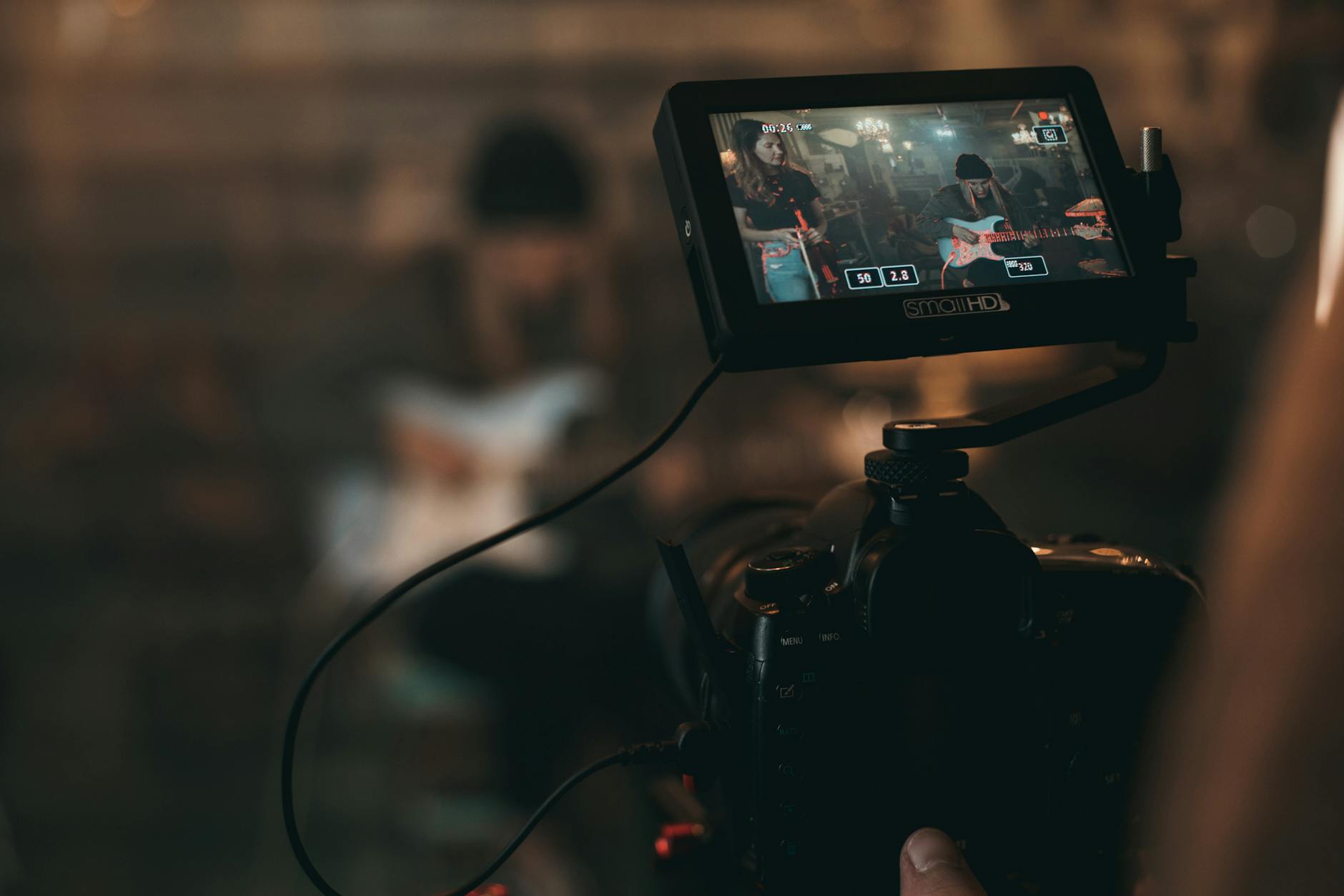
Finally, auxiliary equipment such as lighting, teleprompters, and monitor displays contribute to a polished and professional presentation. Proper lighting eliminates shadows and enhances facial features, while teleprompters facilitate smooth delivery of scripted content. Multiple monitors allow directors and producers to oversee the live feed and make quick decisions.

Integrating these technical components is vital for producing live streams that are visually stunning, audibly clear, and broadcast reliably. Each piece of equipment must be selected to match the scale and scope of the event, with an emphasis on durability and ease of operation to handle real-time demands.
Production Setup and Execution
Effective execution of a live stream hinges on meticulous planning and seamless coordination of all technical facets. Prior to going live, comprehensive setup routines are essential, involving the calibration of equipment, configuration of streaming platforms, and detailed checks to ensure optimal performance. Deployment of redundant systems, such as backup codecs and alternative internet connections, mitigates the risk of unintended outages. Having a dedicated production team on-site — including a director, camera operators, audio engineers, and technical support — ensures real-time troubleshooting and rapid response to any unforeseen issues.
Positioning and operating cameras with precision allows for dynamic shots that enhance viewer engagement. Wide-angle lenses provide contextual scenery, while zoom-ins highlight key moments or speakers. Proper lighting setup is indispensable for maintaining consistent image quality, avoiding shadows, and highlighting hosts or performers effectively. Clear audio pickup depends on the strategic placement of microphones and the use of professional audio mixers to balance sound levels throughout the broadcast.
Technical rehearsals serve as the final quality check and are crucial for ensuring your production crew is familiar with the entire setup. During these rehearsals, the team verifies connectivity, tests all audiovisual feeds, and practices transitions or cues. Live switching between camera feeds and managing graphics overlays require skillful operation, often supported by dedicated switching software or hardware. This ensures smooth transitions and maintains the professional appearance of the broadcast.
The director’s role is pivotal in overseeing the entire operation, making real-time decisions to optimize the viewer experience. Communication between team members should be seamless, often facilitated by intercom systems, to coordinate actions discreetly and efficiently. Employing a detailed run sheet or storyboard helps keep the live stream aligned with the planned schedule, preventing delays or miscommunication during the event.
Furthermore, strict adherence to technical and timing protocols supports a polished presentation. This involves monitoring internet stability, ensuring streaming hardware remains operational, and managing on-screen graphics, lower thirds, and subtitles as needed. Having contingency plans, including backup streaming methods and quick-access troubleshooting tools, enhances the production's resilience against potential disruptions.
Ultimately, a combination of thorough preparation and real-time management ensures each live stream is visually engaging, audio clear, and executed with professionalism. By entrusting this process to experienced technicians and coordinators, organizations can deliver compelling virtual events that resonate with their audiences and meet high-quality standards.
Production Setup and Execution
Effective live streaming hinges on meticulous setup and precise execution. The initial phase involves strategic camera placement. Multiple angles enhance viewer engagement by providing dynamic perspectives, which require careful planning to avoid obstructed shots and ensure comprehensive coverage of the event space. Typically, a primary camera stays fixed on the main subject or stage, while secondary cameras capture audience reactions, close-ups, or wide shots. Professional operators control these feeds, switching seamlessly to maintain viewer interest.
Audio management is equally critical. High-quality microphones, including lavalier and shotgun types, are utilized to capture clear sound, minimizing background noise. Audio levels should be monitored constantly to prevent distortion or imbalance, especially when integrating multiple sources. Sound mixers and audio processors help balance levels in real-time, ensuring consistent audio quality throughout the broadcast.
Lighting plays a pivotal role in delivering vibrant, visually appealing streams. Properly illuminated subjects are essential for high-definition cameras to produce sharp images. Softboxes and LED panel lights are common tools for achieving uniform lighting, reducing shadows, and highlighting key subjects. Whether indoors or outdoors, ambient light conditions must be assessed beforehand, and supplemental lighting should be employed accordingly.

Managing multiple camera angles involves a well-organized switcher or streaming software that allows real-time transitions. This setup should be tested extensively prior to the event to ensure smooth operation. Additionally, incorporating graphics, lower thirds, and on-screen text can enhance information delivery without overwhelming the content. These elements should be pre-designed and integrated into the live feed, with operators controlling when and how they appear.
Audio and visual feeds must be synchronized to prevent disjointed presentation, which may distract viewers. Wireless and wired connections are both used, with wired options preferred for their stability, especially in high-stakes broadcasts. It’s crucial to have backup internet connections and redundant equipment available to address potential technical failures swiftly.
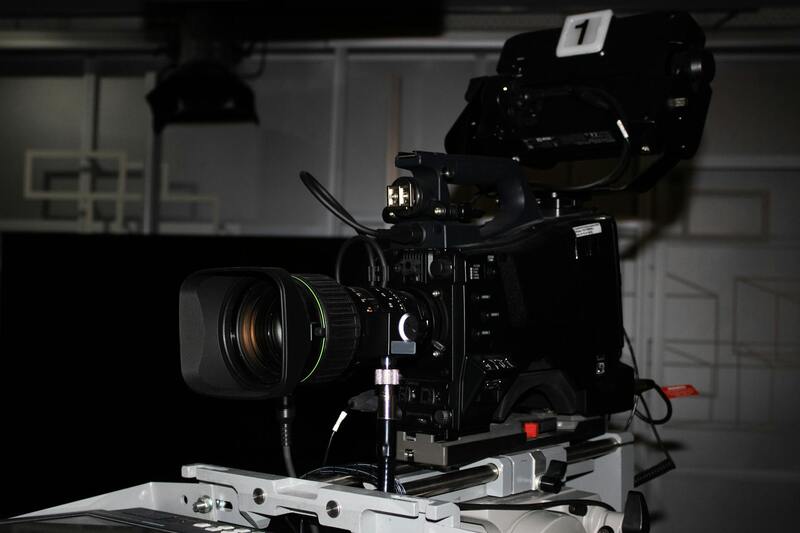
Execution also involves personnel coordination. Operators, camera crews, and technical staff should be briefed thoroughly on their roles to ensure a cohesive workflow. Rehearsals are vital, allowing teams to familiarize themselves with the setup, troubleshoot potential issues, and fine-tune transitions.
Throughout the live stream, monitoring systems for internet stability, hardware functionality, and audience engagement metrics help maintain high standards. Real-time communication tools, such as intercom systems, enable instant responses to emerging challenges, preserving a smooth viewing experience. Detailed run sheets or event schedules mitigate the risk of missed cues or delays, supporting a flawless broadcast.
Understanding Live Streaming in Video Production
Live streaming has become a cornerstone of contemporary video production, offering real-time engagement with audiences across various platforms. It combines the immediacy of live broadcasts with the high-quality visuals and audio that viewers expect, making it an ideal method for corporate events, concerts, product launches, and educational seminars. Its ability to reach vast audiences instantly provides an edge in brand visibility and audience interaction, provided it's executed with precision. Leveraging live streaming effectively requires a comprehensive understanding of the technical aspects, including platform selection, encoding processes, and stream quality optimization. These elements ensure the content delivered on-screen remains crisp, synchronized, and accessible, fostering trust and credibility among viewers.
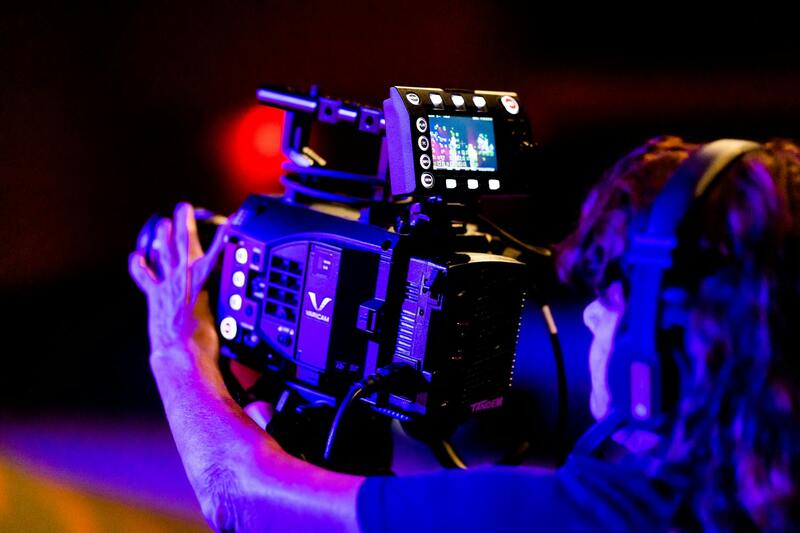
Importance of Reliable Streaming Platforms
The choice of platform plays a significant role in the success of a live stream. Reliable platforms offer robust infrastructure, scalability options, and interactive features such as chat, polls, and viewer analytics. They support multiple streaming protocols, including RTMP (Real-Time Messaging Protocol) and HLS (HTTP Live Streaming), to provide compatibility across different devices and network conditions. Ensuring high uptime, minimal latency, and sufficient bandwidth are key factors that influence the viewer experience. Additionally, integration capabilities with content management systems and social media channels enhance outreach and engagement, vital for broad campaign reach or event holography in Miami’s vibrant market.
Technical Considerations for Smooth Streaming
Successful live streaming depends heavily on technical precision. This includes high-quality cameras capable of capturing detailed visuals, professional audio equipment for clear sound, and encoding hardware or software that converts raw signals into digital streams efficiently. It’s crucial to test all equipment thoroughly before the event, checking for signal stability, color accuracy, and audio clarity. Network stability is paramount; a dedicated internet connection with sufficient upload speeds helps prevent buffering and pixelation. Backup solutions, such as secondary internet connections and redundant hardware, mitigate risks of failure, especially during high-profile or large-scale broadcasts. Properly calibrated hardware, along with the latest streaming protocols, ensures a dependable and high-quality feed to the audience.
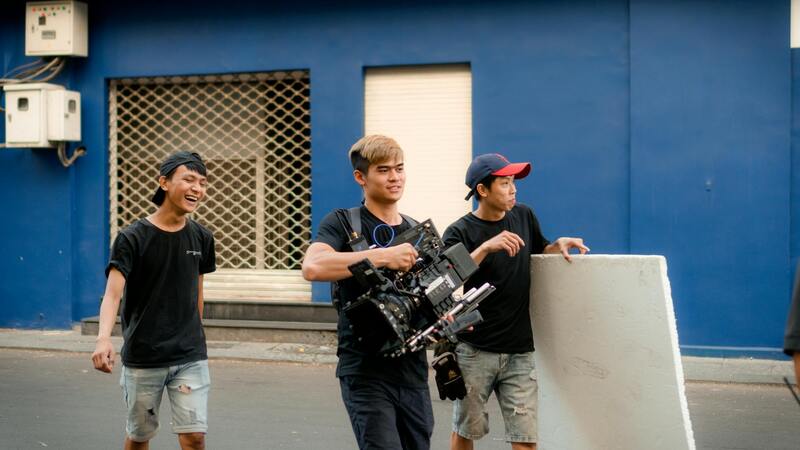
Monitoring and Audience Interaction During Live Streams
Active monitoring during a live event is essential. Technical teams should track stream health, audience engagement metrics, and platform performance continuously. Real-time adjustments may be necessary to address issues such as latency, dropped feeds, or audio sync problems. Integrating interactive tools encourages viewer participation, enhancing the overall experience. Live chat moderation, real-time polls, and Q&A sessions foster engagement and provide immediate feedback. Employing analytics tools allows for collecting data on viewer demographics, peak engagement times, and device preferences, which inform future content strategies and ensure ongoing improvement of live stream quality.
Legal and Security Considerations
Implementing best practices for legal and security considerations is essential in professional live streaming to ensure compliance with industry standards and protect sensitive content. Proper permissions and clear rights management are fundamental. This includes securing licenses for copyrighted material, such as music, videos, or images used during the broadcast. A comprehensive review of licensing agreements guarantees that all content aired is authorized for live dissemination, thereby avoiding potential disputes or takedown notices.
Data protection is another critical facet. Live streams often involve the collection of viewer data, requiring adherence to privacy policies and secure handling of personal information. Utilizing encrypted data transmission protocols safeguards against unauthorized access and potential breaches. Regular system audits and security updates help identify vulnerabilities, ensuring the integrity of the streaming infrastructure remains intact.
Access control measures are vital as well. Limiting stream access through secure authentication methods—such as login credentials or token-based systems—prevents unauthorized entry. For events with sensitive content or proprietary information, employing digital rights management (DRM) tools can restrict redistribution and copying. These protocols are especially relevant in corporate or confidential presentations, where content integrity and confidentiality are paramount.
Furthermore, establishing clear operational protocols for emergency situations, such as technical failures or security breaches, minimizes potential disruptions. Having a dedicated response plan that includes rapid communication channels and fallback procedures ensures the continuity and safety of the broadcast. All team members involved should be trained on these protocols to respond swiftly and effectively.
In summary, meticulous attention to legal rights, data security, access control, and emergency procedures forms the backbone of a reliable and compliant live streaming operation. Adhering to these practices not only mitigates risks but also upholds the professional integrity of the production, fostering trust and confidence among clients and audiences.
Advanced Techniques for Enhancing Video Quality in Live Streams
Achieving high-quality visuals during a live stream involves leveraging a combination of professional-grade hardware, optimized settings, and real-time signal processing. High-definition cameras with excellent low-light performance are essential for capturing clear and vibrant images, especially in diverse environmental conditions typical of live events. Incorporating multiple camera angles through camera switching systems allows for dynamic storytelling, engaging viewers with varied perspectives.
To ensure the best possible image quality, utilizing adapters and lensing options such as prime lenses or zoom capabilities enables precise framing and focus control. Additionally, advanced video codecs like H.264 or H.265 are crucial for compressing video streams efficiently without compromising clarity. These codecs help reduce data bandwidth requirements, which is especially important for streams transmitted over networks with variable speeds.
Low latency streaming technology is vital to minimize delay between the live event and its online broadcast. This involves configuring streaming software and hardware to prioritize real-time data transmission, thus providing viewers with a seamless and synchronized experience. Employing hardware encoders dedicated to live streaming helps maintain consistent quality and reduce artifacts or buffering that degrade viewer engagement.
Furthermore, adaptive bitrate streaming dynamically adjusts the quality of the video based on the viewer’s internet connection strength. This technique ensures uninterrupted viewing experiences, regardless of network fluctuations. During the live broadcast, continuous monitoring of video quality metrics enables real-time adjustments, preventing issues before they impact the audience.

Legal and Security Considerations
Ensuring the integrity and security of a live stream is fundamental for maintaining audience trust and protecting proprietary content. Implementing robust cybersecurity measures prevents unauthorized access, interception, or tampering of the broadcast feed. These measures include secure encoding protocols, encrypted data transmission, and firewalls specifically configured for media streaming environments.
Access controls form a critical layer of security, limiting stream access to authorized personnel and viewers through password protection, token-based authentication, or geo-restrictions. This not only helps in managing viewer access but also in preventing content theft or unauthorized redistribution.
Considering the sensitivity of the content being streamed—be it confidential corporate events, high-profile conferences, or copyrighted entertainment—integrating digital rights management (DRM) solutions can add a layer of protection by controlling how viewers can record, download, or redistribute the stream.
Network security is equally vital. Utilizing dedicated, high-bandwidth internet connections, along with multiple fail-safe systems such as backup internet services, can mitigate risks associated with connectivity issues. Continuous network monitoring during the event helps detect and address potential breaches or instability immediately.
On-site physical security measures, including restricted access to streaming equipment and secure storage of broadcasting hardware, ensure that sensitive devices are protected from sabotage or theft. Additionally, maintaining accurate logs of personnel involved in the production allows for accountability and oversight.
To enhance viewer safety, GDPR and other data protection compliance measures should be rigorously followed, especially when collecting user information or engaging in interactive features during a live stream.
Regular security audits and compliance reviews of streaming infrastructure help identify vulnerabilities proactively, allowing technology teams to implement necessary updates and reinforce defenses. It is essential to partner with experienced professionals well-versed in the latest security standards for live video production.