
Overview of Live Stream Production Services
In an era where digital connectivity enhances engagement and expands reach, live stream production companies play a critical role in delivering dynamic, high-quality broadcasts. Specializing in a spectrum of event coverage, these companies provide comprehensive solutions that encompass pre-event planning, on-site production, and post-event content management. For clients in Miami seeking to elevate their events—be it corporate conferences, concerts, seminars, or community initiatives—a professional live stream production service ensures seamless execution, professional presentation, and broad audience accessibility.
Core services typically include multi-camera event coverage that captures multiple angles and perspectives, delivering a cinematic quality to viewers regardless of their location. Broadcast management extends beyond simple streaming, involving real-time switching, overlay graphics, audio mixing, and video encoding. These elements are designed to create a polished, engaging viewer experience that mirrors traditional broadcasting standards.
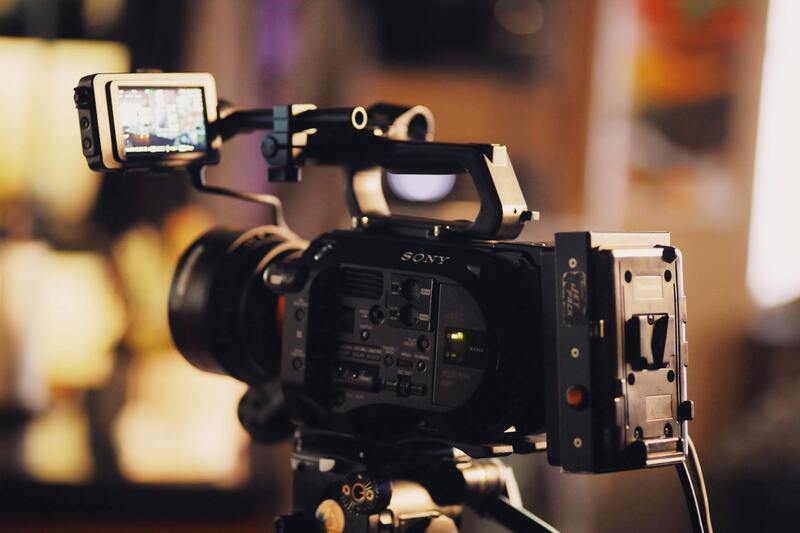
Miami, with its vibrant entertainment scene, corporate hub, and diverse cultural festivals, demands specialized live streaming services capable of handling large-scale productions with precision. Local live stream production companies possess a nuanced understanding of the city’s logistical landscape, technological infrastructure, and audience preferences, which translates into tailored solutions that maximize impact and viewer engagement.
Beyond basic streaming, these companies also offer services like real-time social media integration, multilingual broadcast options, and interactive features that foster viewer participation. This comprehensive approach ensures that every event—whether a high-profile business summit or a community celebration—achieves its communication goals effectively and professionally.
In addition, Miami-based live stream production providers bring valuable experience managing the unique challenges posed by local venues, permitting processes, and technical environments. Their ability to coordinate efficiently with event organizers and venue staff helps mitigate potential disruptions, ensuring an uninterrupted broadcast that projects a professional image to a global online audience.
Choosing a live stream production partner in Miami involves assessing their technical capabilities, portfolio of past events, and understanding of local requirements. A partner with proven expertise not only guarantees technical excellence but also provides strategic advice on content presentation, branding, and audience engagement tactics.
To summarize, the core offerings of a live stream production company extend beyond simple broadcasting. They include meticulous planning, advanced technology deployment, and a keen understanding of Miami’s unique market dynamics, all aimed at delivering memorable, impactful live events that reach audiences anywhere in the world.
Key Equipment and Technologies Used
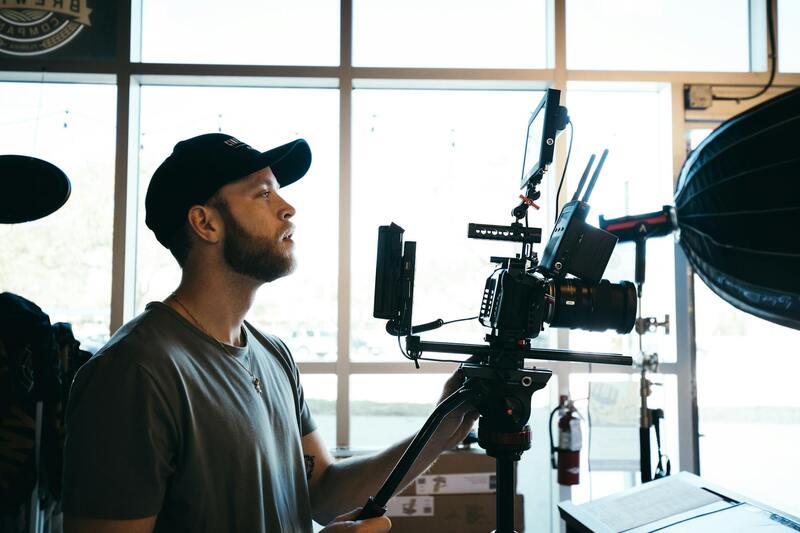
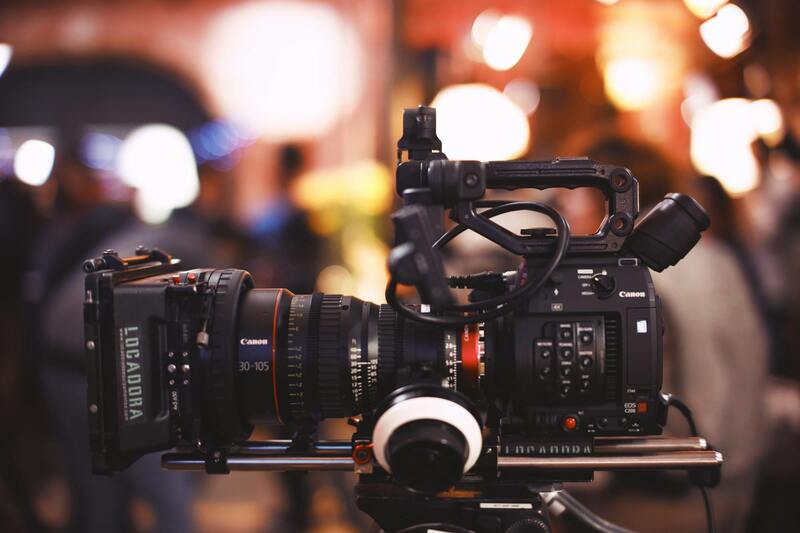
Successful live stream production relies heavily on a carefully selected arsenal of advanced equipment and innovative technologies. High-definition cameras are fundamental, capturing crisp, clear footage that ensures viewers experience every detail of the event as if they were physically present. These cameras range from professional broadcast-grade models to versatile handheld and robotic units, enabling dynamic shot composition that enhances viewer engagement.
Video switchers and mixers serve as the central hub for seamlessly transitioning between camera feeds, overlaying graphics, and integrating pre-recorded content. Modern switchers support multi-view monitoring, real-time effects, and attribute automation, allowing for smooth, professional transitions that elevate the production quality. They are often accompanied by streaming encoders that compress and transmit audio-video signals to multiple platforms concurrently, maintaining high quality despite varying bandwidth conditions.
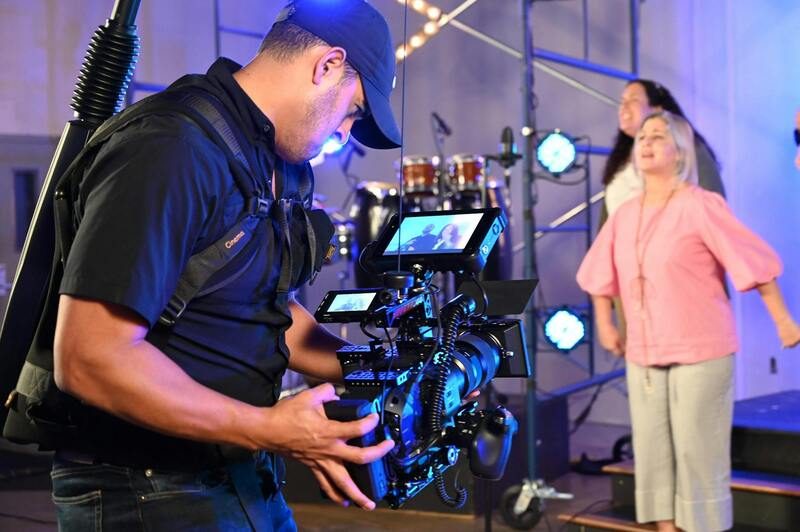
Audio equipment is equally critical. High-fidelity microphones, mixers, and wireless systems ensure clear, natural sound that complements the visual content. Proper audio processing techniques, including noise reduction and equalization, help deliver an immersive experience for remote viewers.
Auxiliary tools such as teleprompters, lighting rigs, and stabilization equipment contribute to the overall professionalism of the broadcast. Proper lighting mitigates shadows and highlights the subjects, while stabilization devices ensure steady shots, particularly in mobile or outdoor environments.
On the software front, reliable streaming platforms and content delivery networks (CDNs) are essential. These platforms facilitate multicast streams to diverse online destinations, providing viewers with accessible, buffer-free viewing experiences. Additionally, interactive tools like chat modules, polls, and live annotations enable real-time engagement, fostering a two-way connection between broadcasters and audiences.
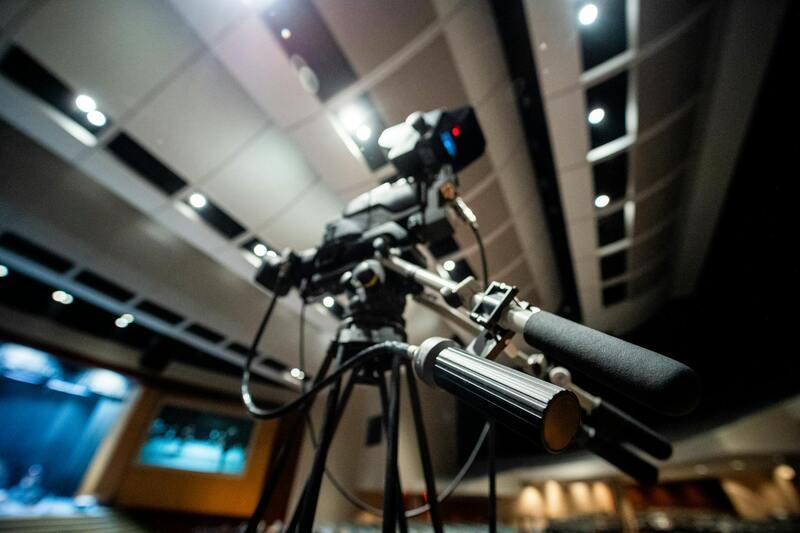
Integrating these components into a cohesive workflow requires expert technical knowledge. A professional live stream production company not only possesses this equipment but also ensures compatibility, proper configuration, and real-time monitoring, thereby maintaining the highest standards throughout the broadcast.
Customization and Planning of Live Events
Effective live stream production begins with meticulous planning tailored to each event’s unique requirements. A skilled live stream production company collaborates closely with clients to understand their objectives, target audience, and desired outcomes. This collaborative approach ensures that every aspect of the broadcast aligns with the client’s vision, from content format to branding elements.
During the planning phase, detailed scripts and shot lists are developed to streamline on-site activities and camera setups. Technical logistics, such as internet bandwidth requirements, backup plans for equipment failure, and contingency strategies for unforeseen circumstances, are addressed proactively. This foresight reduces the risk of disruptions and guarantees a smooth streaming experience.
A comprehensive timeline is established, covering pre-production, live broadcast, and post-event activities. Pre-production includes setting up the necessary equipment, rehearsals, and technical run-throughs. The live event itself demands real-time coordination among camera operators, directors, and technical staff to adapt to any live changes seamlessly.
Moreover, content customization is vital for engaging viewers. This involves integrating branded graphics, sponsor overlays, and interactive elements that resonate with the audience. The inclusion of multi-camera angles, dynamic transitions, and engaging visual effects enhances viewer engagement and creates a professional, polished broadcast.
The planning phase also incorporates audience interaction strategies, such as live polls or Q&A sessions, to foster engagement and provide real-time feedback. These elements require careful integration within the streaming workflow, emphasizing the importance of experienced technical teams.
Overall, detailed planning and clear communication between the production team and client serve as the foundation for a successful live stream event, ensuring smooth execution, engaging content delivery, and a memorable viewing experience for remote audiences.

Key Equipment and Technologies Used
To deliver high-quality live streaming content that meets professional standards, a live stream production company leverages state-of-the-art equipment and advanced technologies. Central to these operations are high-definition cameras capable of capturing detailed visuals from multiple angles. These cameras are often supported by remote control systems that allow operators to adjust framing, focus, and zoom seamlessly during live broadcasts, ensuring dynamic and engaging visual storytelling.
Complementing the cameras are professional audio systems, including wireless microphones, mixers, and soundboards. Clear, crisp audio is crucial for audience retention, and high-quality microphones ensure that every spoken word, musical note, or ambient sound is captured accurately with minimal distortion.
For real-time content management, production professionals utilize mixing consoles and switchers, enabling smooth transitions between camera feeds, overlays, and graphics. This technology supports multi-camera setups, allowing for a more polished and cinematic presentation. Live switchers also facilitate dynamic visual effects, picture-in-picture options, and instant replays, elevating the overall production value.
To ensure a reliable streaming experience, robust encoders are employed. These devices compress and transmit video signals over the internet, maintaining high quality while minimizing latency. Cloud-based encoding solutions further enhance flexibility, allowing for scalable and remotely monitored broadcasts.
Network infrastructure plays a critical role in live stream production. High-bandwidth internet connections, redundant backup links, and network security measures are implemented to prevent disruptions. The use of Content Delivery Networks (CDNs) amplifies the reach of the stream, ensuring viewers across different geographic locations receive seamless, buffer-free content.
Emerging advancements include 4K streaming technology, mobile live streaming solutions, and interactive platforms that enable real-time viewer engagement. Integrating these innovations results in immersive live experiences that captivate audiences and deliver brand messages effectively.
Customization and Planning of Live Events
Effective live stream production hinges on meticulous planning and customization tailored to each client’s unique objectives. The initial phase involves detailed discussions to understand the purpose, target audience, and desired outcome of the event. This enables the creation of a comprehensive production plan that aligns technical setups with content strategies.
Customization extends beyond visuals to include branding elements such as overlays, lower thirds, logos, and sponsor banners. These visual enhancements reinforce brand identity and ensure cohesive presentation throughout the broadcast. Interactive features like live polls, chat integrations, and Q&A sessions are incorporated to foster audience engagement and generate real-time feedback.
Event planners coordinate the logistical aspects, including venue layout, camera placement, lighting, and sound setup, to optimize the viewing experience. Rehearsals are scheduled to fine-tune camera cues, sound levels, and graphic elements, minimizing the risk of issues during the actual event. Production teams also prepare contingency plans to address potential technical failures or unforeseen circumstances.
Moreover, content adaptation is vital for maintaining viewer interest. This can involve segmenting the live event into themed parts, scheduling guest appearances, or incorporating multimedia elements like pre-recorded videos and animations. Such strategies ensure dynamic and engaging content delivery that resonates with the audience.
Ultimately, comprehensive planning and customization translate into a seamless, professional broadcast that meets client expectations and maximizes viewer engagement. Clear communication throughout the process guarantees all technical and creative elements are aligned, resulting in a memorable live streaming experience.
Factors to Consider When Choosing a Live Stream Production Company in Miami
Selecting the right live stream production partner is essential for ensuring a successful event that meets your specific objectives. A key consideration is the company's experience and background within the industry, particularly their track record with similar events. An established provider with a solid portfolio demonstrates an understanding of diverse event formats, from corporate conferences to live concerts, and possesses the adaptability to handle various production demands.
Moreover, evaluating the technological capabilities of a live stream production company is crucial. This includes their access to high-definition cameras, robust streaming hardware, multi-platform distribution tools, and reliable internet connectivity solutions. Advanced encoding and switching technology enable seamless transitions between different content sources and graphic overlays, resulting in a polished broadcast. The company's familiarity with live streaming platforms and their ability to customize streams for different audiences are also significant advantages.
Pricing structures vary among providers, with options typically including flat rates, hourly billing, or package deals. Transparent and detailed quotes help clients understand what services are included and manage budgets effectively. Essential components to scrutinize include pre-production planning, on-site crew, technical support, post-event editing, and content delivery. It’s equally important to assess the level of client support offered, such as dedicated project managers and real-time troubleshooting during broadcasts, to address unforeseen issues promptly.
Customer testimonials and references can offer insights into a company’s professionalism, reliability, and ability to meet deadlines. Ensuring open communication and a clear understanding of project scope from the outset fosters a smoother collaboration, ultimately translating into a high-quality live stream that delivers value to viewers and organizers alike.
Post-Event Services and Content Distribution
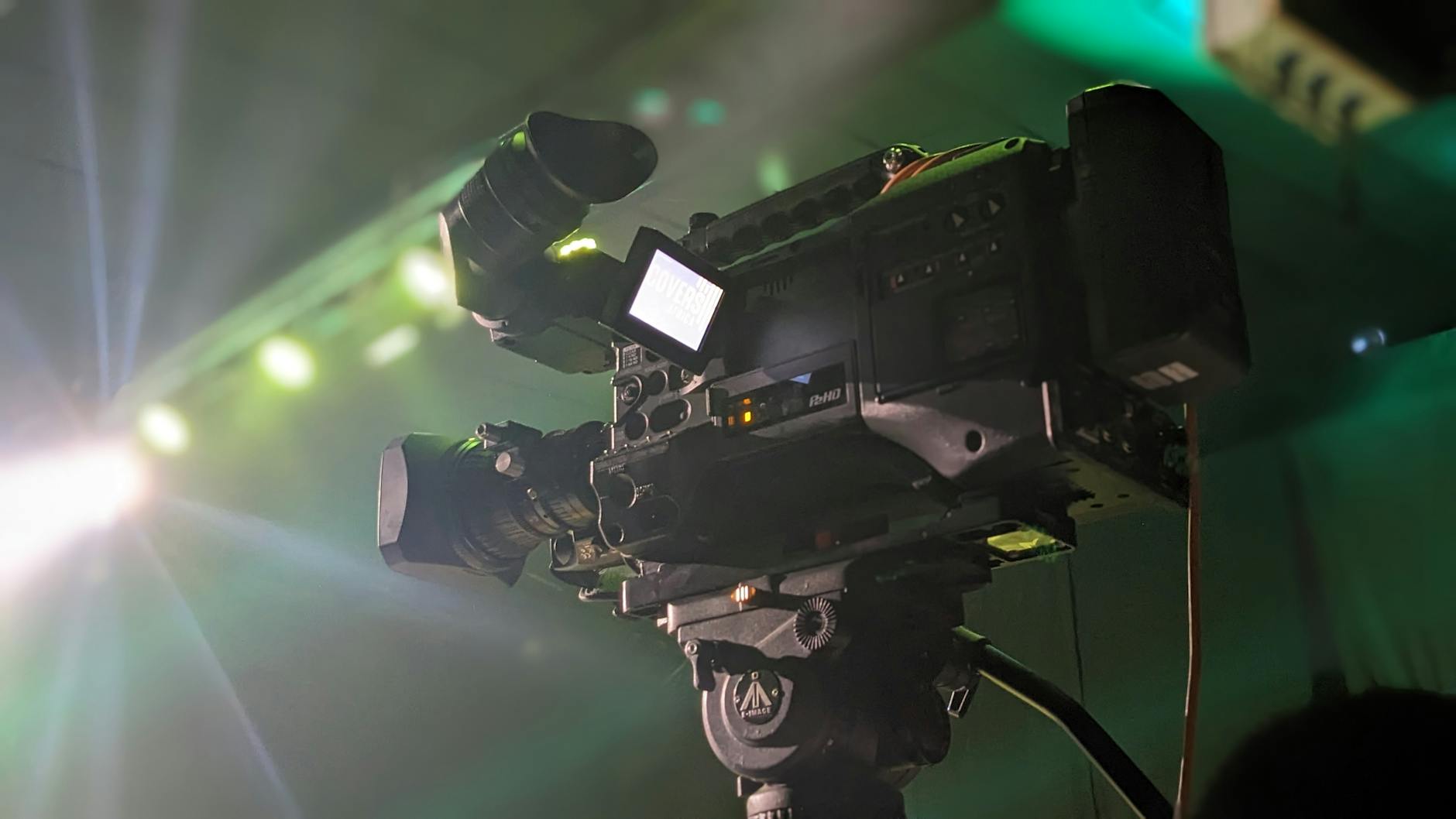
Post-event processes are vital for maximizing the reach and impact of your live streaming project. After the event concludes, comprehensive editing, archiving, and content repurposing ensure your broadcast extends its value beyond the live moment. High-quality editing involves cutting unnecessary segments, enhancing visuals, and adding branding elements or call-to-actions that reinforce your event’s message. Done right, these videos can be reused for promotional purposes, training, or future marketing efforts. Content distribution strategies significantly influence audience engagement and brand visibility. Publishing recorded streams across multiple platforms, such as social media networks, official websites, and video hosting sites, broadens your audience base. Optimizing content with relevant metadata and compelling thumbnails improves discoverability, while strategic scheduling of releases maintains viewer interest over time. Additionally, utilizing analytics tools enables detailed insights into viewer demographics, engagement rates, and drop-off points. This data informs future event planning and content customization, leading to enhanced viewer retention and increased interaction. A dependable provider not only manages live production but also offers post-event services, ensuring your content is polished, properly distributed, and effectively aligned with your overall media strategy. This end-to-end approach amplifies your event’s impact and builds a stronger connection with your target audience.
Factors to Consider When Choosing a Live Stream Production Company in Miami
Selecting the right live stream production partner in Miami requires a comprehensive understanding of various operational, technical, and service-oriented factors. This decision can significantly influence the quality, professionalism, and overall success of your event. It’s essential to evaluate providers based on their experience, technical capabilities, and ability to deliver customized solutions in line with your specific event goals.
Technical Expertise and Capabilities
A proficient live stream production company must possess advanced technical skills and state-of-the-art equipment. This includes high-definition cameras, multiple professional-grade video switchers, reliable streaming hardware, and redundant internet connections. Their technical team should be well-versed in managing live broadcasts, troubleshooting issues on the fly, and ensuring seamless transitions between various content sources.
Creative and Technical Planning
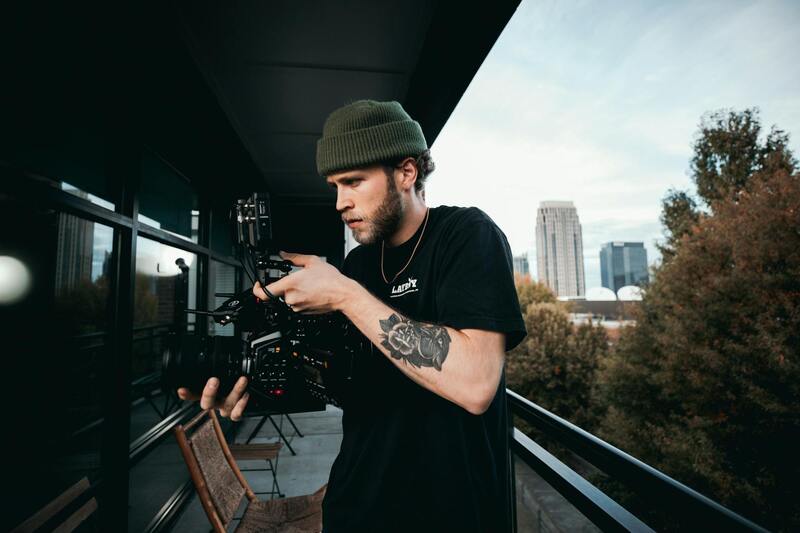
Effective planning encompasses content layout, camera angles, graphics, branding elements, and audience engagement strategies. A knowledgeable provider collaborates with clients to craft a detailed event blueprint, integrating visual storytelling techniques, social media integration, and interactive features to enhance viewer engagement and satisfaction.
Experience with Different Event Types
Whether hosting a corporate webinar, music concert, or multi-day conference, the company's proven track record in managing diverse formats demonstrates their versatility. Experience ensures that they can adapt quickly to unique event requirements, technical challenges, and scale the production accordingly.
Client Portfolio and Reputation
Reviewing past projects and client testimonials provides insights into the provider's consistency and quality standards. A reputable company will showcase a portfolio that highlights their expertise in delivering high-quality live streams across different industries and event types, reinforcing their capability to meet your expectations.
Scalability and Flexibility
Flexibility in service offerings — from simple single-camera streams to complex multi-camera productions with remote guest involvement — enables event organizers to tailor solutions as needed. Additionally, scalability means the provider can handle both small and large events, adjusting resources to match event scope without compromising quality.
Customer Support and Communication
Transparent communication and proactive support are vital throughout the planning and broadcast phases. An ideal partner maintains clear channels for updates, troubleshooting, and post-event follow-up, ensuring all stakeholders remain informed and confident in the process.
Technological Innovation and Trends
Leaders in live stream production actively incorporate emerging technologies such as 4K streaming, virtual sets, augmented reality, and AI-driven analytics. Staying ahead of trends enables the delivery of immersive, engaging, and future-proof broadcasts that maximize audience reach and interaction.
Ultimately, a well-chosen live stream production company in Miami combines technical mastery, creative vision, and exceptional client service, ensuring your event not only meets but exceeds expectations. The thorough evaluation of their capabilities aligns with your strategic goals and guarantees a professional-grade broadcast that enhances your brand image and audience engagement.
Post-Event Content Distribution and Performance Analysis
After the successful live stream broadcast, the focus shifts to effectively distributing the recorded content and analyzing its impact. Efficient post-event content strategies ensure that your event reaches audiences beyond the live moment, maximizing engagement and value. Distributing the recorded event across multiple platforms—such as social media channels, company websites, and dedicated video hosting services—helps extend its reach. High-quality editing, captioning, and branding consistency are essential to reinforce your message and maintain professional presentation standards. Content distribution also involves tailoring formats to suit each platform's specifications. For instance, shorter clips or highlights can be created for social media promotion, while the full recording suits on-demand viewing options. This multi-channel approach not only increases visibility but also appeals to diverse audience preferences.
Monitoring and Analytics
Critical to understanding event performance are comprehensive analytics, which provide insights into viewer engagement, geographic reach, viewing durations, and interactive features. Advanced live stream production companies in Miami utilize data-driven tools that track real-time metrics, helping organizers identify what resonated most with viewers and areas for improvement. These insights guide future event planning, content creation, and marketing strategies. For example, if analytics indicate high engagement during certain segments, similar content themes can be prioritized for subsequent events. Conversely, lower engagement data can signal the need for content adjustments or different promotional tactics.
Audience Engagement and Feedback
Post-event engagement extends beyond mere content distribution. Soliciting viewer feedback through surveys, comments, and social media interaction provides valuable insights into audience preferences and perceptions. This direct engagement fosters community building and enhances brand loyalty. Incorporating live chat replays, Q&A summaries, and viewer polls into the post-event content further boosts engagement levels. These interactive elements encourage ongoing dialogue and keep your audience connected long after the live broadcast concludes.
Archiving and Future Accessibility
Establishing a secure, well-organized archive of your live stream content ensures that valuable material remains accessible for future reference, training, or promotional use. Proper management of video files, including tagging and indexing, simplifies retrieval for repurposing in marketing campaigns or internal documentation. Additionally, archiving supports content repurposing by enabling snippets, behind-the-scenes footage, or extended interviews to be extracted and revitalized for different campaigns, maximizing the ROI of your live stream production investment.
Continuous Improvement and Innovation
Feedback from analytics and audience interactions fuels continuous enhancement of your live streaming approach. Staying attuned to emerging technologies, such as AI-driven content recommendations or interactive virtual environments, allows your organization to innovate continually. Partnering with a forward-thinking live stream production company in Miami ensures regular integration of new tools and methods, keeping your broadcasting efforts competitive and engaging. This proactive approach helps secure a leadership position within your industry and builds robust connections with your audience.