
Understanding Live Streaming Video Services
Live streaming video services have transformed the way businesses connect with their audience in real time, offering dynamic, immediate, and interactive content delivery. These platforms enable organizations to broadcast live video content over the internet, reaching viewers across Miami and beyond without geographical limitations. The core functionality involves encoding video content into a digital format, then transmitting it through a streaming server to multiple viewers simultaneously. This process ensures minimal latency and smooth playback for audiences, whether they're attending a corporate event, product launch, or virtual seminar.
Modern live streaming solutions are characterized by features designed for professional use, including high-definition broadcasting, adaptive bitrate streaming, and integrated chat or engagement tools to promote interaction. For Miami-based businesses seeking to leverage these services, understanding the underlying technology and key features is crucial. Efficient live streaming depends on a robust infrastructure—comprising reliable internet connections, quality encoding hardware or software, and a scalable platform capable of handling significant viewer traffic.
Key aspects such as security protocols, content management, and analytics are integral to professional live streaming solutions. Businesses can track viewer engagement, optimize content delivery, and ensure content protection through advanced encryption and access controls. As Miami continues to grow as a hub for events, conferences, and entertainment, the demand for high-quality, reliable live streaming services becomes increasingly vital for local enterprises aiming to expand their reach and enhance audience engagement.
Moreover, live streaming services are adaptable to various formats and platforms, including social media, proprietary websites, and dedicated apps. This flexibility allows Miami businesses to customize their live broadcasts to suit specific marketing and communication goals, thus maximizing impact and local visibility. Understanding the core functionalities and capabilities of live streaming video services ensures organizations can select solutions that meet their operational needs while providing a seamless experience for viewers.
Types of Live Streaming Platforms
Choosing the appropriate live streaming platform is pivotal for ensuring effective outreach and audience engagement. Various options are available, each designed to cater to different needs and operational scales. The primary categories include social media integrations, dedicated streaming services, and enterprise solutions, all offering distinct features and functionalities.
- Social Media Platforms: Popular platforms such as Facebook Live, Instagram Live, LinkedIn Live, and TikTok Live provide seamless integration with existing social media accounts. These platforms are ideal for real-time engagement, instantaneous sharing, and broad audience reach. They offer user-friendly interfaces with built-in analytics tools to track viewer interactions.
- Dedicated Streaming Services: Platforms like YouTube Live, Vimeo Livestream, and Twitch serve organizations requiring advanced streaming capabilities. They typically provide higher quality feeds, customizable player options, monetization features, and comprehensive analytics. Businesses can embed these streams directly into their websites for a unified viewing experience.
- Enterprise Solutions: For large-scale enterprises, specialized solutions such as IBM Cloud Video, Wowza Streaming Cloud, and DaCast offer enterprise-grade features. These include secure streaming, customization options, content management, and extensive scalability. Such platforms often support multi-bitrate streaming, adaptive delivery, and integrated CDN services for reliable performance across geographies.

Advantages of Different Streaming Platforms
Each platform type offers unique benefits suited to specific goals:
- Social Media Platforms: Ease of access, instant audience engagement, and extensive reach with minimal setup.
- Dedicated Streaming Services: Higher production quality, customization, and detailed analytics for targeted marketing.
- Enterprise Solutions: Robust security, scalability, and integration capabilities ideal for large events and corporate communications.
By understanding these options, Miami-based businesses can tailor their live streaming approach to match their operational needs and audience expectations effectively. Proper platform selection enhances content delivery, optimizes viewer experience, and supports strategic marketing objectives.
Understanding Live Streaming Video Services
Live streaming video services have become an essential tool for organizations seeking real-time engagement with their audiences. These services utilize advanced encoding, content delivery networks (CDNs), and adaptive bitrate technology to ensure seamless viewing experiences across various devices and connection speeds. Selecting the appropriate platform involves evaluating factors such as latency, scalability, security features, and integrations with other marketing or content management tools. Modern live streaming solutions often support high-definition streaming, multi-camera setups, and interactive features that enhance viewer participation. Companies in Miami are leveraging these capabilities to foster closer connections with their clients, promote products, and broadcast crucial corporate events. The reliability of the streaming infrastructure directly impacts viewer satisfaction and brand reputation, making it vital to choose established providers with proven track records of performance and support.
Types of Live Streaming Platforms
Different live streaming platforms cater to specific organizational needs, from small business promotions to large-scale enterprise events. The spectrum includes social media channels, dedicated streaming platforms, and enterprise-grade solutions that offer extensive customization and security. Each type offers distinct advantages that help organizations optimize their content delivery and audience engagement.
Social Media Platforms
- Ease of use and wide reach
- Integration with existing social media channels such as Facebook, YouTube, and Instagram
- Real-time comments and engagement tools
Dedicated Streaming Services
- High-quality streaming with minimal latency
- Advanced analytics for audience insights
- Custom branding options and interactive features
Enterprise Solutions
- Scalable platforms supporting large audiences and complex event needs
- Robust security features for sensitive content
- Integration with enterprise content management and marketing systems
Choosing the Right Live Streaming Service
To select an optimal live streaming solution, Miami-based businesses must consider their specific goals, audience size, technical capabilities, and budget. Ensuring compatibility with existing hardware and software infrastructures is crucial, as is evaluating the platform’s ability to deliver consistent, high-quality streams across all devices. Features such as adaptive bitrate streaming enhance viewer experience by dynamically adjusting video quality based on internet connection speeds. Additionally, the platform’s support for interactive elements, such as live chat, polls, and Q&A sessions, can significantly boost audience participation. Security measures—including encrypted streams, access controls, and compliance with industry standards—are vital for protecting proprietary content and maintaining viewer trust. It is equally important to assess customer support and technical assistance services, especially for live events where downtime or technical issues can impact reputation and engagement.
Technical Aspects of Live Streaming
Effective live streaming for Miami businesses hinges on understanding several technical components that ensure a seamless viewer experience. These elements include encoding, bandwidth, content delivery networks, and compatibility with various devices.
Encoding involves converting raw video footage into digital signals suitable for internet transmission. Using professional-grade encoders, either hardware or software-based, ensures that streams maintain high quality while minimizing latency. Adaptive bitrate streaming is crucial; it dynamically adjusts video quality based on the user’s internet speed, providing uninterrupted viewing even during fluctuating connection conditions. This technology prevents buffering and enhances overall user satisfaction.
Bandwidth is another critical factor. Sufficient upload speeds are necessary to transmit high-definition video without lag. For larger audiences, dedicated internet connections or cloud-based streaming services with scalable bandwidth options can significantly improve reliability.
Content Delivery Networks (CDNs) play a pivotal role in distributing streams globally. They reduce latency and improve streaming stability by caching content at multiple locations closer to viewers. Ensuring the chosen service integrates with reliable CDN providers is essential for delivering a consistent experience across all devices and geographic locations.
Device compatibility is also vital. An effective live streaming platform should support various formats and protocols, enabling audiences to access streams via desktops, tablets, smartphones, and smart TVs seamlessly. This multiplatform approach ensures maximum reach and engagement for Miami-based businesses targeting diverse demographics.

Best Practices for Live Streaming Events
To maximize the impact of live streaming efforts, Miami organizations should adopt a set of best practices tailored to ensure professional delivery and audience engagement. Proper planning, technical preparation, and audience interaction strategies form the foundation of successful live events.
- Pre-event Testing: Conduct thorough technical rehearsals, including internet speed tests, audio and video quality checks, and platform functionalities. Early preparation helps identify potential issues and mitigates disruptions during the live event.
- Multiple Camera Angles and Visuals: Using various camera feeds and incorporating graphics or overlays can enhance visual interest and professionalism.
- Engage the Audience: Integrate live chat, polls, or Q&A sessions to foster participation. Interactive features keep viewers engaged and encourage sharing of the stream.
- Clear Communication: Promote the event in advance with detailed instructions for joining, technical requirements, and available interactive elements.
- Content Monitoring: Assign dedicated personnel to oversee the live feed, address technical issues promptly, and moderate audience interactions.
- Post-Event Analysis: Review analytics to evaluate viewer engagement, stream quality, and overall performance. This feedback informs improvements for future events.
Implementing these practices ensures that live streaming events for Miami businesses are professional, engaging, and impactful, strengthening brand presence and reaching wider audiences effectively.
Technical Aspects of Live Streaming
Ensuring a seamless live streaming experience requires meticulous attention to technical details that form the backbone of broadcast quality. High-quality video and audio equipment are fundamental; professional cameras capable of HD or 4K resolution, combined with high-fidelity microphones, guarantee crisp visuals and clear sound. Proper lighting setups enhance image clarity and viewer engagement by making the visuals more appealing and professional-looking.
Reliable internet connectivity is paramount. Businesses should utilize wired Ethernet connections whenever possible to maintain a stable upload speed and reduce latency, preventing buffering issues during the stream. For environments where Wi-Fi is unavoidable, investing in enterprise-grade routers or mesh networks enhances stability and bandwidth capacity.

Encoding hardware or software converts raw video feeds into a digital stream compatible with the chosen platform. Hardware encoders, like dedicated units, provide consistent performance, whereas software options such as OBS Studio or Wirecast offer flexibility and cost-efficiency. Choosing the right encoding solution involves assessing factors like streaming resolution, bitrate, and latency requirements.
Security measures are critical in safeguarding live streams from interruptions or unauthorized access. Implementing secure streaming protocols, such as RTMPS (Real-Time Messaging Protocol Secure), encrypts data transfer. Additionally, access controls like password protections or token authentication restrict entry to authorized viewers, ensuring the integrity of the broadcast.
Best Practices for Live Streaming Events
Implementing effective strategies enhances audience engagement and stream quality. This includes comprehensive pre-event testing, where technical equipment and internet stability are verified several times before the live event. Conducting test runs helps identify potential issues and allows adjustments to be made in advance.
Visual diversity such as multiple camera angles, graphics, and overlays provide a dynamic viewing experience. Integrating branding elements seamlessly into visuals reinforces brand identity while maintaining a professional appearance.
Real-time interaction significantly boosts viewer participation. Features like live chat, polls, or dedicated Q&A sessions encourage audience involvement, fostering a sense of community and shared experience. Clear instructions for joining and participating should be communicated beforehand to avoid confusion.
Dedicated personnel should oversee the live stream, monitoring the feed for technical issues, moderating interactions, and responding swiftly to any disruptions or questions. Post-event analytics should then be reviewed to gauge audience engagement, identify technical bottlenecks, and inform improvements for future streams.
Legal and Licensing Considerations
Adhering to content rights and licensing requirements is essential when broadcasting live. Content creators and organizations must ensure they own or have permission to use all visual and audio components included in the stream. This includes music, videos, images, and any third-party media.
Proper licensing agreements or licenses obtained through authorized distributors provide legal coverage and prevent infringement issues. For businesses broadcasting branded content or proprietary visuals, securing clear rights and understanding usage limitations are crucial steps to avoid disputes.
Implementing stream moderation tools helps manage copyright claims and prevent unauthorized content from being displayed. It also allows for real-time removal of infringing material should any issues arise during the broadcast.
Future Trends in Live Streaming Services
The evolution of live streaming technology continues to open new avenues for content delivery. Advances in 5G networks promise higher bandwidth and lower latency, enabling more interactive and high-definition streams even on mobile devices. Artificial intelligence (AI) and machine learning are becoming valuable tools for real-time video enhancement, automatic captioning, and personalized content suggestions.
Augmented reality (AR) and virtual reality (VR) integrations are transforming live experiences, making broadcasts more immersive and engaging. These technologies allow viewers to participate in virtual environments or view products from multiple perspectives, creating new opportunities for e-commerce and experiential marketing.
Hybrid event models combining physical and virtual participation are gaining popularity, facilitated by robust live streaming capabilities. Such formats expand reach, allowing organizations to include larger audiences across diverse locations without compromising quality or interaction.
As a result, businesses investing in the latest live streaming innovations position themselves advantageously by delivering richer, more engaging content while leveraging emerging technological trends to stand out in competitive markets.
Technical Aspects of Live Streaming
Efficient and high-quality live streaming relies heavily on several core technical components. Reliable internet connectivity forms the backbone of successful broadcasts, demanding high bandwidth to support seamless video transmission without buffering or lag. Using wired Ethernet connections whenever possible can significantly reduce fluctuations in connection quality compared to wireless networks. Additionally, employing a dedicated live streaming hardware encoder ensures optimal video quality and stability, converting raw footage into stream-ready formats that can be transmitted over the internet consistently.
Video and audio quality are paramount, necessitating the use of professional-grade cameras and microphones tailored to the event’s scope. Proper lighting enhances image clarity, while sound equipment minimizes background noise and ensures clear audio delivery. Compression technology plays a vital role in balancing video quality and stream latency; codecs like H.264 or HEVC are industry standards that optimize streaming efficiency while maintaining high resolution.
Content delivery networks (CDNs) are integral to scalable live streaming, distributing the broadcast from servers located geographically close to viewers. This reduces latency and prevents server overloads, particularly during high-traffic events. Adaptive bitrate streaming adjusts video quality in real-time based on viewers’ network conditions, ensuring a smooth experience regardless of individual connection speeds.

Effective use of streaming platforms involves configuring security settings to protect intellectual property and prevent unauthorized access. Implementing encryption protocols and secure tokens further safeguards content from interception or misuse. Additionally, pre-event testing of all equipment and internet connections minimizes the risk of technical disruptions during the live broadcast. Skilled operators and technical support teams are essential for monitoring streams in real-time, swiftly addressing any issues that arise to ensure a polished presentation.
Understanding these complex technical details helps businesses deliver polished, reliable live streams that engage audiences and convey messages effectively. Choosing the right combination of equipment, software, and support mechanisms tailored to specific event requirements maximizes quality and minimizes potential issues, ultimately enhancing brand reputation and viewer satisfaction.
Technical Aspects of Live Streaming
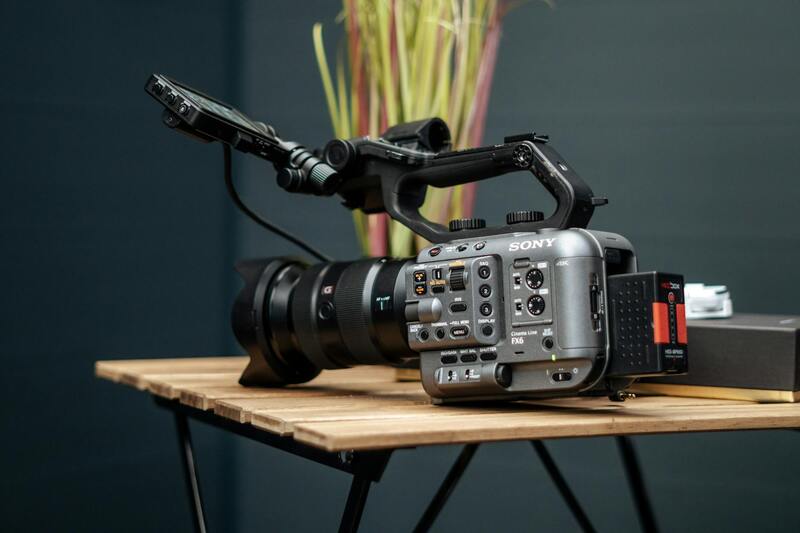
Implementing a successful live streaming event requires a comprehensive understanding of the technical infrastructure involved. High-quality professional equipment, including ultra-high-definition cameras, audio mixing consoles, and encoders, forms the backbone of a seamless broadcast. These tools ensure crisp visuals and clear sound, critical elements in maintaining audience engagement.
Effective configuration of streaming software is equally vital. This involves setting up encoding parameters, selecting appropriate bitrates, and integrating overlays or graphics to enhance visual appeal. For large-scale events, utilizing multi-camera setups with seamless switching capabilities can dramatically improve viewer experience by providing varied perspectives.
Connectivity infrastructure plays a crucial role in preventing interruptions during a live broadcast. Businesses should invest in high-speed, reliable internet connections with sufficient upload bandwidth. Redundant internet options or backup connections help mitigate risks associated with network failures.
Stream stabilization equipment, such as tripods, gimbals, and stabilization rigs, enhance the visual quality, especially during mobile shoots. For audio, using lapel or shotgun microphones connected to audio mixers ensures consistent sound levels and clarity across the broadcast. The integration of an efficient streaming platform with robust Content Delivery Network (CDN) support helps distribute content globally with minimal latency, maintaining high-quality playback for viewers regardless of their location.
Pre-broadcast testing is integral to a smooth livestream. Running comprehensive checks on all cameras, audio devices, encoders, and internet connections helps identify and resolve potential problems beforehand. During the event, real-time monitoring by technical support teams is essential. These teams oversee the transmission, handle issues swiftly, and make adjustments as necessary to maintain stream integrity.
Security and Content Protection
Ensuring content security during live streams involves employing encryption protocols that safeguard against unauthorized access. Secure streaming tokens can restrict access to authorized viewers only, adding an extra layer of protection. Additionally, DRM (Digital Rights Management) solutions help protect proprietary content, ensuring that the broadcast remains exclusive to intended audiences.
Effective management of live streaming security measures not only preserves intellectual property rights but also fosters viewer trust in the brand or organization hosting the event. Setting up access controls and monitoring viewer activity throughout the live event helps detect and prevent any malicious attempts to intercept or hijack the stream.
Team and Support
A dedicated team comprising technical operators, producers, and support staff maximizes the chances of a successful live event. Technical operators manage equipment and internet connections, producers coordinate the content flow, and support personnel troubleshoot on-the-fly issues. Having a clear communication plan and backup procedures ensures a swift response to any unforeseen challenges, preserving the broadcast's professionalism.

Ensuring High-Quality Content Delivery through Proper Infrastructure
One of the fundamental aspects of professional live streaming involves establishing a robust technological infrastructure. This includes reliable high-speed internet connections with sufficient bandwidth to accommodate the broadcast’s data requirements, minimizing latency and preventing buffering issues that can diminish viewer experience. For larger streams or events with high viewer counts, dedicated internet lines or bonded internet solutions are recommended to ensure uninterrupted transmission. Additionally, choosing servers and Content Delivery Networks (CDNs) with global presence enhances the stream’s accessibility and responsiveness, especially for geographically dispersed audiences.
Implementing redundancy in network infrastructure — such as backup internet connections and failover systems — provides extra assurance against connectivity failures. Employing adaptable encoding settings can optimize the video quality based on real-time network conditions, maintaining a balance between visual fidelity and stream stability. Regular testing and monitoring of the entire setup prior to the event are crucial steps to identify potential bottlenecks or issues in advance, allowing adjustments that ensure a seamless viewing experience.
Furthermore, integrating professional streaming hardware — including high-definition cameras, external encoders, audio equipment, and streaming management software — contributes heavily to the overall quality. These tools facilitate live production controls, such as switching between camera angles, adjusting audio levels, and adding overlays or graphics to enhance engagement. Having skilled technical personnel on hand to coordinate these elements guarantees a polished and professional output.
Implementing Content Delivery Strategies
An effective content delivery strategy involves determining the right balance of server locations, content distribution methods, and viewer access management. For instance, utilizing multiple CDN nodes across different regions can significantly reduce latency, ensuring viewers in Miami and beyond receive a consistent experience. Employing adaptive bitrate streaming allows the quality of the video to adjust dynamically based on each viewer’s internet speed; this minimizes interruptions and supports a wider audience reach.
Beyond technical setup, establishing clear protocols for content pre-production, live switching, and post-broadcast analysis leads to smoother execution of live events. Incorporating engagement features such as live chat, polls, and social media integrations can enrich viewer participation and extend audience interaction. These elements, combined with meticulous planning, secure transmission channels, and reliable hardware, underpin a successful live streaming campaign for Miami-based enterprises, event organizers, and content creators.