
Understanding Live Broadcasting Services
Live broadcasting services have become an essential component in the modern digital landscape, enabling organizations, event organizers, and content creators to reach audiences in real time with high-quality video streams. These services are designed to facilitate the seamless delivery of live events, ranging from corporate conferences and trade shows to concerts and community gatherings. Their primary role is to transmit live content over the internet, ensuring viewers experience smooth, uninterrupted streams that mirror the immediacy and engagement of in-person events.
At its core, a live broadcasting service provides the infrastructure, technology, and expertise necessary to capture, encode, and distribute live video content. This includes high-definition video capture equipment, efficient encoding software, powerful streaming servers, and content delivery networks (CDNs) that optimize stream performance for viewers regardless of their location or device. Additionally, professional live broadcasting services often incorporate features such as multi-camera setups, real-time graphics, overlay integration, and live switching to enhance the viewing experience.
The growing demand for live streaming is driven by various factors, including the need for remote engagement, global reach, and cost-effective solutions for broadcasting events without geographical limitations. Whether it's a small business hosting a product launch or a large organization broadcasting a conference, the ability to deliver a professional, reliable live stream significantly increases audience engagement and visibility. Furthermore, these services help to record the broadcast, providing on-demand access after the live event, which adds long-term value and content longevity.
Understanding Live Broadcasting Services
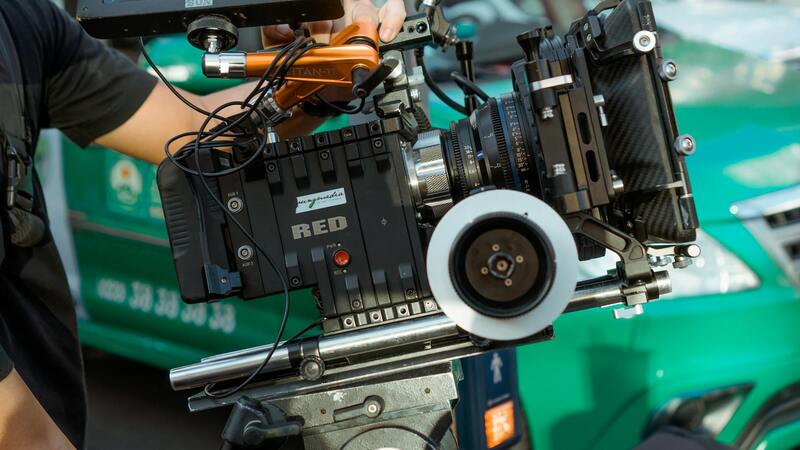
Live broadcasting services have revolutionized the way organizations, businesses, and event organizers share their content in real-time. These services operate on sophisticated infrastructure that ensures high-quality streams are delivered seamlessly across diverse networks and devices. This infrastructure encompasses professional-grade video cameras capable of capturing in high definition, robust encoding hardware and software that compress and amplify video signals for efficient transmission, and content delivery networks (CDNs) that distribute the data globally with minimal latency.
The versatility of live broadcasting technology allows for various production enhancements. For example, multi-camera setups enable dynamic switching between different angles, creating a more engaging viewing experience. Real-time graphics, overlays, and lower-thirds can be integrated swiftly to provide additional context or branding. Live switching capabilities facilitate seamless transitions that elevate the production value. These features ensure that the broadcast appears professional, polished, and engaging, mimicking traditional broadcast standards.
The importance of reliable streaming infrastructure cannot be overstated. It not only ensures minimal downtime during critical moments but also manages adaptive bitrate streaming to accommodate viewers with varying internet speeds. This adaptability is crucial for maintaining viewer satisfaction, especially during large-scale events such as conferences, concerts, or corporate launches.
Many live broadcasting services also incorporate recording features, which allow content to be archived automatically during the live stream. This recorded version can then be made available on-demand, extending the event’s reach and providing valuable content for post-event marketing or training purposes. This dual capability of live transmission coupled with content storage significantly enhances the overall return on investment for event organizers.
Furthermore, technical support teams are integral to the successful execution of live streams. Skilled professionals monitor the broadcast in real-time, troubleshoot issues proactively, and manage the technical aspects to ensure a smooth delivery. Their expertise minimizes the risk of disruptions and maintains high production standards.
Understanding Live Broadcasting Services
Live broadcasting services involve the professional transmission of real-time video content over the internet to audiences across various geographic locations. These services encompass a broad spectrum of operations, including content planning, encoding, streaming, and distribution, all handled by specialized teams equipped with advanced technology. They are designed not only to deliver high-quality video streams but also to manage all technical aspects crucial for a seamless viewing experience. This includes encoding audio and visual signals, managing bandwidth requirements, and implementing adaptive streaming techniques to adjust quality based on viewers' internet speeds.
Furthermore, live broadcasting services often incorporate comprehensive support systems such as real-time monitoring and troubleshooting to identify and resolve issues promptly. This proactive approach minimizes disruptions and ensures that the final broadcast maintains a consistent level of professionalism. The integration of multiple camera setups, high-definition visuals, professional lighting, and high-grade audio equipment enhances the overall production, catering to audiences with high expectations for clarity and engagement.
Another essential element of these services is content management, which involves scheduled playback, transition effects, graphics, and branding elements that reinforce the event's purpose and identity. Additionally, many providers offer post-broadcast analytics and reporting, providing valuable insights into viewer engagement, geographic reach, and overall performance. This combination of advanced technology and skilled personnel results in a reliable platform capable of handling everything from corporate webinars and product launches to large-scale virtual conferences and entertainment events.

Given the importance of seamless delivery, investing in reputable live broadcasting services is crucial for organizations aiming to broaden their reach and enhance audience interaction. By utilizing such services, businesses and event organizers in Miami can achieve professional-grade streams that elevate their brand presence and provide engaging, on-demand content for future use.
Implementing Effective Content Delivery and Viewer Engagement Strategies
Successful live broadcasting hinges not only on the quality of the stream but also on how effectively the content is delivered and perceived by the audience. Using professional live broadcasting services, organizations can leverage a variety of advanced tools designed to enhance viewer engagement. These include real-time chat functionalities, interactive Q&A sessions, poll integrations, and dynamic overlay graphics that keep the audience actively involved throughout the broadcast.
Furthermore, choosing platforms that support adaptive streaming ensures that viewers receive the best possible experience regardless of their device or internet speed. Adaptive streaming detects viewer bandwidth and dynamically adjusts video quality, preventing buffering issues and ensuring continuous play. This technology is critical for maintaining professionalism and audience satisfaction, especially during large-scale events or high-profile presentations.
Content delivery also benefits significantly from strategic pre-broadcast planning. This involves scheduling content, preparing graphics, and setting up transition effects that create a seamless viewing experience. Well-structured broadcasts minimize downtime, avoid visual distractions, and reinforce branding elements, making the event memorable and impactful.
Another key aspect of viewer engagement is analytics integration. Post-broadcast data collection offers insights into viewer behavior, geographic distribution, and engagement metrics. These insights inform future broadcast strategies, allowing organizers to tailor content, optimize distribution channels, and improve overall audience retention.
Ensuring Reliable Live Streaming with Adequate Technical Support
Reliable live broadcasting depends heavily on professional-grade technical support. Service providers offering comprehensive technical assistance can troubleshoot issues instantly, ensuring minimal disruptions during the live event. This includes real-time monitoring of streaming performance, server load management, and swift resolution of common technical challenges such as audio-video sync errors or connectivity drops.
Many providers also invest in redundant systems—backup servers and failover protocols—that kick in automatically if the primary stream encounters issues. This layer of security guarantees uninterrupted delivery even in unexpected circumstances, maintaining the event’s integrity and the organization’s reputation.
Effective technical support extends beyond equipment to include comprehensive training for staff. Event organizers and hosts should be familiar with basic troubleshooting procedures, platform functionalities, and interaction tools. This preparation reduces dependency on technical teams, enabling smoother execution of the live broadcast and a more engaging experience for viewers.
Optimizing Broadcast Quality for Different Event Types
Each live event has unique requirements that influence technical setup, content presentation, and interaction levels. Corporate seminars demand polished visuals, professional audio, and branded overlays that reinforce corporate identity. Product launches benefit from high-resolution visuals that showcase features in detail, along with synchronized multimedia presentations for dramatic effect.
For entertainment events, dynamic camera angles, high-quality lighting, and captivating graphics create an immersive experience. Meanwhile, large conferences or webinars require robust streaming infrastructure to accommodate thousands of virtual attendees, ensuring that everyone receives a seamless feed regardless of their location.
Customizing the technical parameters to suit each specific event type enhances credibility, audience satisfaction, and overall impact. Consulting with live broadcasting professionals enables organizers to select the optimal content delivery approach and technological enhancements necessary for success.
By focusing on content delivery, engagement strategies, technical reliability, and tailored presentation, organizations elevate their live broadcasting endeavors. This comprehensive approach guarantees that every live event maintains high standards of professionalism, audience interaction, and technological excellence.
Essential Equipment and Infrastructure for Reliable Live Broadcasting
Achieving a high-quality live broadcast necessitates a comprehensive setup that encompasses both hardware and network infrastructure. Professional-grade cameras are the cornerstone of crisp visuals, often utilizing multiple angles to create a dynamic viewing experience. These cameras should support high-definition (HD) or 4K resolutions, depending on the event’s nature, to ensure viewers receive sharp, clear imagery.
Audio fidelity is equally critical; thus, professional microphones, mixers, and sound systems are employed to deliver clear, balanced sound. The audio setup must mitigate background noise and echo, providing an immersive experience for remote viewers.
Networking infrastructure forms the backbone of seamless streaming. High-speed internet connections with sufficient bandwidth are crucial to prevent interruptions, delays, or buffering. Redundant internet options, such as backup connections or wired Ethernet connections, help ensure stability even when primary networks face issues. Content delivery networks (CDNs) may also be integrated to distribute streams efficiently across different geographic locations, reducing latency and enhancing stream reliability.
Role of Video Production Teams in Live Broadcasts
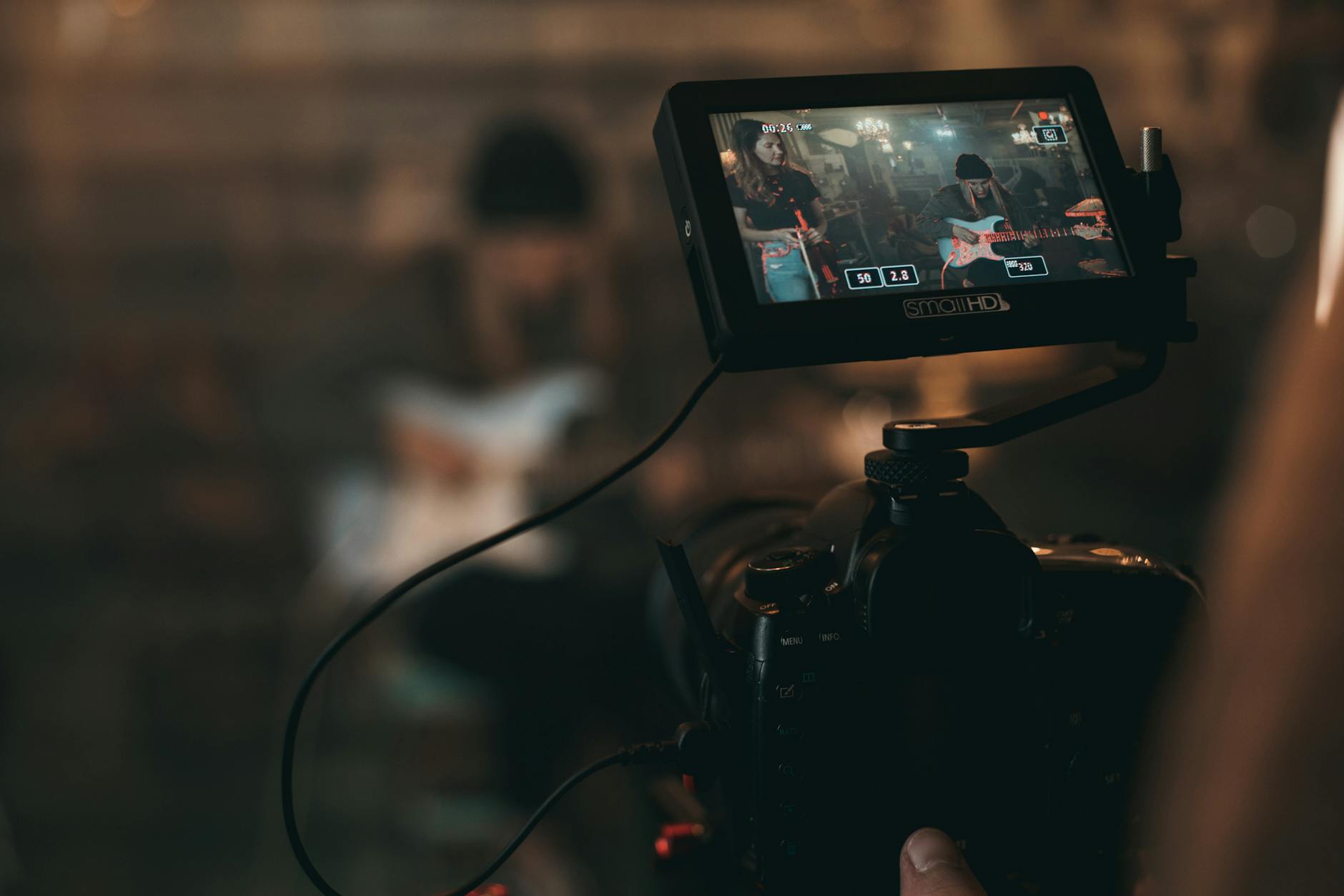
Behind every successful live broadcast is a team of skilled video production professionals. These specialists coordinate camera operations, switch between different video sources, and manage graphic overlays to produce a polished presentation. They are also responsible for implementing real-time editing, such as overlaying branding elements, inserting multimedia content, or highlighting key moments during the stream.
Audio technicians monitor sound quality continuously, adjusting levels and addressing issues promptly to maintain clarity. Technical directors oversee the entire production, ensuring synchronization between video feeds, managing transitions, and troubleshooting technical problems that may arise during the event.
Effective communication within the team, often facilitated through headsets and real-time management software, is essential for smooth operation, especially during complex live events with multiple camera angles or multimedia integration.
Strategies to Maximize Audience Engagement During Live Streams
Keeping viewers engaged throughout a live broadcast requires strategic content management and audience interaction. Incorporating real-time polls, Q&A sessions, or chat functionalities encourages active participation and makes viewers feel part of the event. Dynamic graphics, lower thirds featuring speaker names, and branded overlays enhance visual interest and reinforce event branding.
Interactive segments such as live surveys or giving shout-outs to viewers can boost engagement levels. Ensuring the broadcast features diverse camera angles and live reactions adds to the immersive experience, especially for entertainment or product launch events.
Pre-event promotion and post-event follow-up are also vital. Announcing key moments in advance, sharing behind-the-scenes content, and providing highlights after the event help sustain interest and expand reach beyond the live window.

Understanding Live Broadcasting Services
Live broadcasting services serve as essential tools for transmitting real-time content across various platforms, enabling organizations and individuals to reach audiences instantaneously. These services encompass a combination of hardware, software, and expert technical support designed to ensure seamless transmission, high-quality video and audio output, and reliable connectivity. Utilizing these services allows for dynamic event coverage, including conferences, product launches, sporting events, and entertainment shows, providing audiences with immediate access to live content regardless of their geographical location.

Advanced live broadcasting solutions integrate professional-grade cameras, audio equipment, switching boards, and streaming encoders—all managed by experienced technicians who optimize performance and troubleshoot issues in real-time. Moreover, the integration of cloud-based streaming platforms enhances scalability and accessibility, allowing for simultaneous broadcasting across multiple channels. This flexibility ensures that content can be customized and tailored to specific audience segments, maximizing engagement and impact.
Advantages of Professional Live Broadcasting
- Superior video and audio quality that aligns with modern viewer expectations
- Reliability and stability thanks to specialized infrastructure and expert oversight
- Real-time monitoring and troubleshooting to minimize disruptions
- Customizable features including graphics, overlays, and multimedia integration
- Enhanced audience interaction through integrated chat and interactive features
Investing in professional live broadcasting services leverages technical expertise and experience to elevate the quality and reach of streams. This approach reduces the risk of technical mishaps, ensuring that the broadcast’s message is delivered without interruption, which is especially vital for branding, marketing, and outreach efforts.

Secure and Scalable Transmission Methods
Effective live broadcasting relies on a combination of secure transmission protocols and scalable infrastructure. By employing dedicated IP streams and content delivery networks (CDNs), broadcasters ensure that content is delivered quickly and securely, accommodating high viewer counts without compromising stream quality. These technologies also minimize latency, which is critical for maintaining synchronization between audio and video. For live events with significant viewer participation, scalable solutions allow for seamless handling of sudden spikes in viewership, preventing buffering and stream failure.
Technical Support and Consultation
A comprehensive live broadcasting setup includes ongoing technical support to handle unforeseen issues swiftly, thus preventing costly delays and disruptions. Consulting with experienced professionals ensures that the right hardware, software, and network configurations are used, tailored to the specific needs and scale of each event. This personalized approach guarantees a smooth broadcast experience that aligns with the goals of the content provider and expectations of the audience.
Ensuring Quality and Reliability in Live Broadcasting Services
When selecting live broadcasting services, it is essential to prioritize the quality and consistency of the stream. High-definition video output and clear audio are foundational elements that significantly influence viewer engagement and perceived professionalism. Organizations should verify that the service provider employs robust encoding hardware capable of handling high-resolution streams without compression artifacts or delays. Additionally, stability of the internet connection and network infrastructure are critical components to maintain uninterrupted broadcasts, especially during high-traffic events.
A dedicated server environment, utilizing advanced content delivery network (CDN) technology, can distribute streams efficiently across multiple geographic locations. Such distribution mitigates latency issues and reduces the load on individual servers, ensuring viewers receive a seamless experience regardless of their location. To further enhance reliability, service providers often implement redundancy measures, such as backup feeds and failover systems, that automatically activate if primary streams encounter disruptions.
Technical Expertise and Support
Professional live broadcasting involves more than just the hardware and software; it requires experienced technicians to manage and troubleshoot the process in real time. Prior to the event, comprehensive testing ensures compatibility of all equipment, from cameras to streaming servers. During the broadcast, real-time monitoring allows for immediate intervention if issues arise, minimizing downtime and disruption. Knowledgeable staff can adjust encoder settings, optimize bandwidth usage, and coordinate with presenters or performers to maintain a high-quality stream.
Scalability and Flexibility
Flexibility is vital when handling different types of events with varying audience sizes and technological requirements. The best service providers offer scalable solutions that can adapt quickly to fluctuating viewership levels. This includes the ability to upgrade streaming capabilities dynamically or integrate additional platforms to expand reach. Customizable broadcast packages enable content owners to select features such as multi-camera setups, overlay graphics, interactive chat, and real-time analytics, ensuring the broadcast aligns precisely with the event’s objectives.
Security Measures for Live Streaming
Incorporating security protocols safeguards the broadcast content and viewer data against unauthorized access or hacking attempts. Encryption of data streams is fundamental to prevent interception during transmission. Additionally, access controls, such as secure login credentials and geo-restrictions, limit viewer access to permitted audiences. Service providers often employ digital rights management (DRM) and watermarking techniques to prevent piracy and unauthorized redistribution of content.
Post-Broadcast Support and Analytics
Effective live broadcasting does not end once the stream concludes. Post-event analytics provide valuable insights into viewer engagement, geographic distribution, and technical performance. These metrics help content providers refine future broadcasts for increased impact. Furthermore, high-quality recordings of live streams can serve as valuable assets for on-demand content, marketing materials, or archival purposes, extending the lifetime value of each event.
Enhancing Broadcast Quality with Reliable Infrastructure and Support
To ensure seamless live broadcasts, leveraging robust infrastructure and expert technical support is paramount. High-quality internet connectivity forms the backbone of an uninterrupted stream, minimizing latency and preventing buffering issues. Employing dedicated bandwidth solutions, such as fiber optic connections, guarantees the stability needed for high-definition content delivery. redundancy systems, including backup internet lines and power supplies, help prevent disruptions caused by outages or technical failures, maintaining a consistent viewing experience.
Furthermore, comprehensive technical support during the event is crucial. Skilled technicians monitor the live stream in real-time, swiftly addressing any emerging issues such as audio-visual synchronization problems, hardware malfunctions, or unexpected software glitches. Their expertise ensures that each technical element—from camera operation to encoding settings—is optimized for peak performance.
Investing in Advanced Equipment for Premium Broadcasts
The quality of a live broadcast heavily relies on the equipment used. High-resolution cameras equipped with optical zoom and image stabilization capture clear, vibrant visuals that attract and retain viewers. Professional audio equipment, including lavalier microphones, wireless handheld mics, and mixing consoles, ensures crisp sound quality, which is vital for audience engagement.
Additionally, utilizing state-of-the-art streaming encoders allows for adaptive bitrate streaming, automatically adjusting video quality based on viewer internet speeds to prevent buffering and loss of quality. Multi-camera setups provide dynamic shot changes, making the broadcast more engaging. Graphics overlay, lower-thirds, and real-time captions enhance professionalism and clarity, especially for detailed presentations or event analysis.
Ensuring a Smooth Transition from Production to Broadcast
The transition from pre-production planning to live execution involves meticulous coordination. Pre-event rehearsals enable the production team to test equipment, run through the streaming workflow, and troubleshoot potential issues. Clear communication channels among camera operators, audio engineers, and technical directors facilitate synchronized operations.
Having a well-defined contingency plan is essential. This includes readiness for sudden technical failures, weather disruptions during outdoor events, or unforeseen delays. Quick access to backup equipment and flexible streaming solutions allows the team to adapt swiftly without compromising broadcast quality.