
Overview of Live Streaming Production

Live streaming production has revolutionized the way organizations, entertainers, and content creators share information and experiences with global audiences. This dynamic process involves capturing live audio and video signals, encoding them in real-time, and transmitting the data through various digital channels for immediate viewing. As rapid internet advancements continue to expand bandwidth and access, the significance of expertly managing live streaming productions has grown exponentially across multiple industries.
In sectors such as corporate communications, live events, education, sports, and entertainment, high-quality live streaming ensures real-time engagement with audiences regardless of geographical barriers. Corporations leverage live streams for product launches, staff training, and shareholder meetings, enabling seamless interaction and instant dissemination of vital information. Event organizers utilize live streaming to broaden reach, enhance attendance, and generate revenue through pay-per-view or sponsorship opportunities. Educational institutions adopt live streaming to facilitate remote learning, breaking down physical classroom limitations and reaching students worldwide.
Furthermore, live streaming serves as a valuable tool for grassroots activism, religious ceremonies, and cultural festivals, allowing organizers to amplify their messages and celebrate traditions on a broader scale. Its capability to deliver immediate, interactive experiences has cemented its role as a critical component in modern digital communication landscapes.
The ongoing evolution in live streaming technology includes improvements in video resolution, stabilization, audio clarity, and real-time analytics. These advancements enable production teams to craft professional-grade broadcasts that maintain high viewer engagement and uphold brand integrity. The importance of meticulous planning, technical expertise, and innovative production techniques remains central to delivering compelling live streaming experiences that meet the expectations of diverse audiences.
As the landscape continues to innovate, understanding the fundamental aspects of live streaming production — from initial planning to post-broadcast analysis — is essential for organizations aiming to establish a reliable and impactful digital presence. This comprehensive approach ensures that live streaming projects not only run smoothly but also resonate effectively with viewers, fostering trust and long-term engagement.
Overview of Live Streaming Production
Effective live streaming production hinges on a combination of strategic planning, technical expertise, and advanced equipment. It begins long before the first frame is broadcasted, with meticulous pre-production arrangements that ensure a seamless viewer experience. This process encompasses everything from content scripting and scheduling to coordinating team roles and testing technical setups. High-quality production requires an understanding of visual storytelling, sound design, and live event dynamics to craft engaging broadcasts that resonate with audiences. As viewers demand increasingly immersive and professional content, production teams need to employ cutting-edge technology and innovative techniques to meet these expectations.
Implementing robust infrastructure is vital for successful live streaming, including reliable internet connections capable of supporting high data transfer rates, professional-grade cameras, and reliable encoders. The selection and configuration of these components directly influence the clarity of video and audio, the stability of the stream, and the capacity for real-time interactions. Advanced video switching equipment, multiple camera angles, and sophisticated audio mixers elevate the broadcast quality, offering viewers a rich visual and auditory experience. Additionally, incorporating multiple streaming platforms allows for broader reach and redundancy, minimizing the risk of interruptions. Often, these setups involve redundant internet links, backup power supplies, and network optimization strategies to ensure uninterrupted delivery, especially during critical live events.
The technical foundation also requires well-structured data encoding protocols, which compress high-quality video into manageable streams compatible with various platforms. Employing reliable encoders ensures minimal latency and robust streaming, essential for maintaining viewer engagement during live interactions. Network monitoring tools are equally crucial, providing real-time insights into bandwidth usage and connection stability, enabling immediate troubleshooting if issues arise. Proper setup of these elements allows production teams to deliver visually compelling, smooth broadcasts that meet high standards of quality and professionalism.
Pre-Production Planning for Live Streaming
Effective pre-production planning is fundamental to a successful live stream. This phase involves detailed content planning, audience targeting, and logistical arrangements. Creating a comprehensive script or outline helps keep the broadcast organized and ensures all key messages are conveyed effectively. During this stage, technical rehearsals are conducted to verify equipment functionality, test internet connections, and practice camera cues and transitions. It’s also essential to prepare backup plans for potential technical failures, including backup hardware and alternative streaming options.
Coordination among all participants—be it hosts, presenters, or technical staff—is critical for a smooth operation. Pre-event meetings clarify roles, establish communication protocols, and set expectations. Obtaining necessary permits or permissions, especially for large or sensitive events, helps avoid disruptions during the live broadcast. Additionally, promotional efforts should be synchronized with the event timeline to maximize audience awareness and engagement. By addressing these elements thoroughly, production teams lay a solid foundation for a successful live streaming experience.
Production Process and Techniques
Executing a seamless live streaming production requires a mastery of various technical processes and the deployment of professional techniques. This involves real-time management of multiple elements, including video switchers, audio mixers, encoding hardware, and camera operations. Advanced multi-camera setups enable dynamic angles and professional visual storytelling, demanding precise coordination among camera operators and directors to ensure smooth transitions and engaging content delivery. Additionally, proper use of live graphics, overlays, and lower thirds enhances the visual experience while maintaining clarity and branding consistency.
During the broadcast, technical teams continuously monitor streaming quality metrics such as bitrate, latency, and packet loss. This vigilance facilitates immediate troubleshooting should issues like audio dropouts or video lag emerge. Video encoding settings are optimized for various delivery platforms to ensure high-quality visuals across devices, whether viewers are tuning in via desktops, smartphones, or streaming boxes. Audio management is equally critical, requiring balanced sound levels and synchronization with visuals to guarantee an immersive experience.
Effective live streaming also involves the strategic use of switchers and mixers to seamlessly transition between sources, incorporate live effects, and adjust audio feeds. Employing professional-grade switchers allows for real-time input switching based on the flow of the event, enabling smooth guest transitions, overlays, and multi-angle views. Automation tools and preset configurations can further streamline production workflows, reducing the likelihood of technical errors.
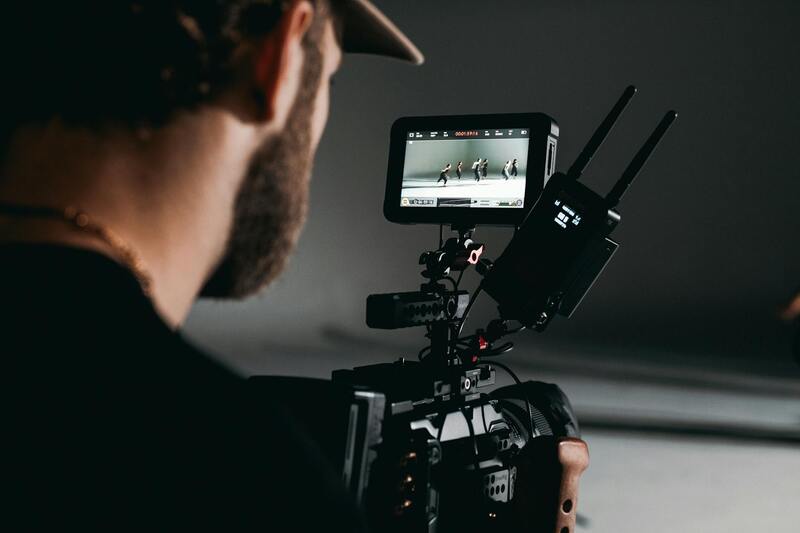
Encoding hardware and software play vital roles in the transmission process, converting raw video signals into formats suitable for online streaming. It is crucial to select the right encoding settings, including resolution, frame rate, and bit rate, based on the expected audience's bandwidth and the platform's specifications. Live streams must also incorporate redundancy measures, such as backup encoders or internet connections, to guarantee uninterrupted broadcast even amidst unforeseen technical issues.
Audio capture is enhanced through high-fidelity microphones and soundboards, allowing for clear speech, music, or environmental sounds. Properly placed microphones, along with real-time audio adjustments, prevent issues such as echo, background noise, or imbalance. Integrating pre-recorded segments or media clips into the live stream adds versatility and professionalism. These can be queued in advance and triggered during the broadcast to maintain flow and provide varied content.
The dynamic nature of live production necessitates a skilled crew capable of adapting swiftly to on-the-fly changes. Regular training and familiarity with the equipment enable quick problem resolution and ensure the broadcast remains engaging and free of technical hiccups. Employing well-organized workflows, clear communication channels, and comprehensive checklists fosters a controlled environment where quality standards are consistently met.
Production Process and Techniques
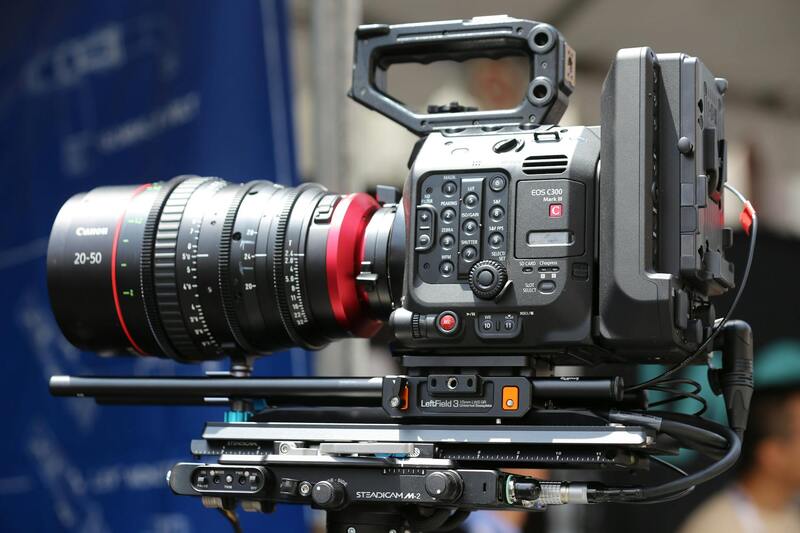
Executing a seamless live streaming production requires meticulous coordination of various technical elements to ensure broadcast quality matches professional standards. Central to this process is real-time camera management, where multiple camera feeds are captured and switched smoothly to focus on different angles or important moments. Skilled operators use dedicated switchers or control panels to transition between shots, incorporate picture-in-picture effects, or overlay graphics, all while maintaining visual continuity.
Audio balancing forms an integral part of the production workflow. Employing high-quality microphones, audio mixers, and noise suppression tools ensures dialogues, performances, or ambient sounds are crisp and clear. This involves constant monitoring to adjust levels dynamically, preventing issues such as audio dropouts, distortions, or imbalance between multiple sound sources. Proper synchronization of audio and video feeds guarantees a cohesive viewing experience, vital for maintaining audience engagement.
Graphics and visual overlays are included to enhance the production's professionalism. This can involve lower thirds, titles, branding elements, or live data feeds integrated seamlessly into the video stream. Advanced live streaming setups utilize software solutions or hardware systems capable of overlaying dynamic content in real time, aligning with the flow of the broadcast and responding to on-screen events or viewer interactions.
To maintain broadcast quality, smooth switching between camera feeds, stable streaming rates, and consistent media delivery are essential. Employing hardware encoders with error correction capabilities helps prevent interruptions caused by network inconsistencies. Additionally, implementing adaptive bitrate streaming ensures viewers receive the best possible quality based on their internet speed, reducing buffering and increasing overall satisfaction.

Strategies for Optimizing Live Streaming Production Quality
Achieving the highest possible production quality in live streaming requires meticulous attention to multiple technical and operational elements. Implementing these strategies not only enhances viewer experience but also bolsters the overall professionalism of your broadcasts.
Hardware and Equipment Calibration
Ensuring all hardware components are properly calibrated prior to streaming is fundamental. Cameras must be adjusted for optimal focus, exposure, and white balance to produce clear, vibrant images. Audio equipment, including microphones and mixers, should be tested for consistent sound levels and clarity, minimizing background noise and distortion. Regular maintenance and calibration routines keep equipment functioning at peak performance, reducing unexpected technical issues during live broadcasts.
Reliable Network Infrastructure
A stable and high-capacity network connection serves as the backbone of smooth live streaming. This involves utilizing dedicated internet lines with sufficient bandwidth to handle high-definition video transmission. Network redundancy, such as backup connections or failover systems, ensures uninterrupted streaming in case of primary network issues. Continuous network monitoring allows operators to identify and rectify potential problems proactively, maintaining the integrity of the broadcast.
Advanced Encoding Techniques
Employing professional hardware encoders with multiple encoding profiles optimizes media delivery. These devices support adaptive bitrate streaming, which adjusts video quality in real-time based on viewer bandwidth, preventing buffering or dropouts. Error correction protocols and packet management further enhance stream stability, handling network fluctuations gracefully and preserving the viewer's experience.
Camera and Shot Composition
Thoughtful camera placement and shot composition are essential for engaging live streams. Utilizing multiple camera angles provides dynamic visuals that keep viewers interested. Smooth camera transitions, achieved through robotic or manual switching, add professionalism and help maintain narrative flow. Adequate lighting setup, with soft, even illumination, ensures subjects are well-defined and visually appealing, especially in high-definition streams.
Graphics, Branding, and Visual Overlays
Incorporating visual overlays such as logos, lower thirds, and real-time data feeds enhances the broadcast's visual identity. These elements should be carefully integrated to avoid distraction while reinforcing branding and conveying key information clearly. Utilizing software or hardware solutions that support real-time graphic overlays simplifies the process, allowing quick updates and seamless integration during live production.
Effective Switching and Media Management
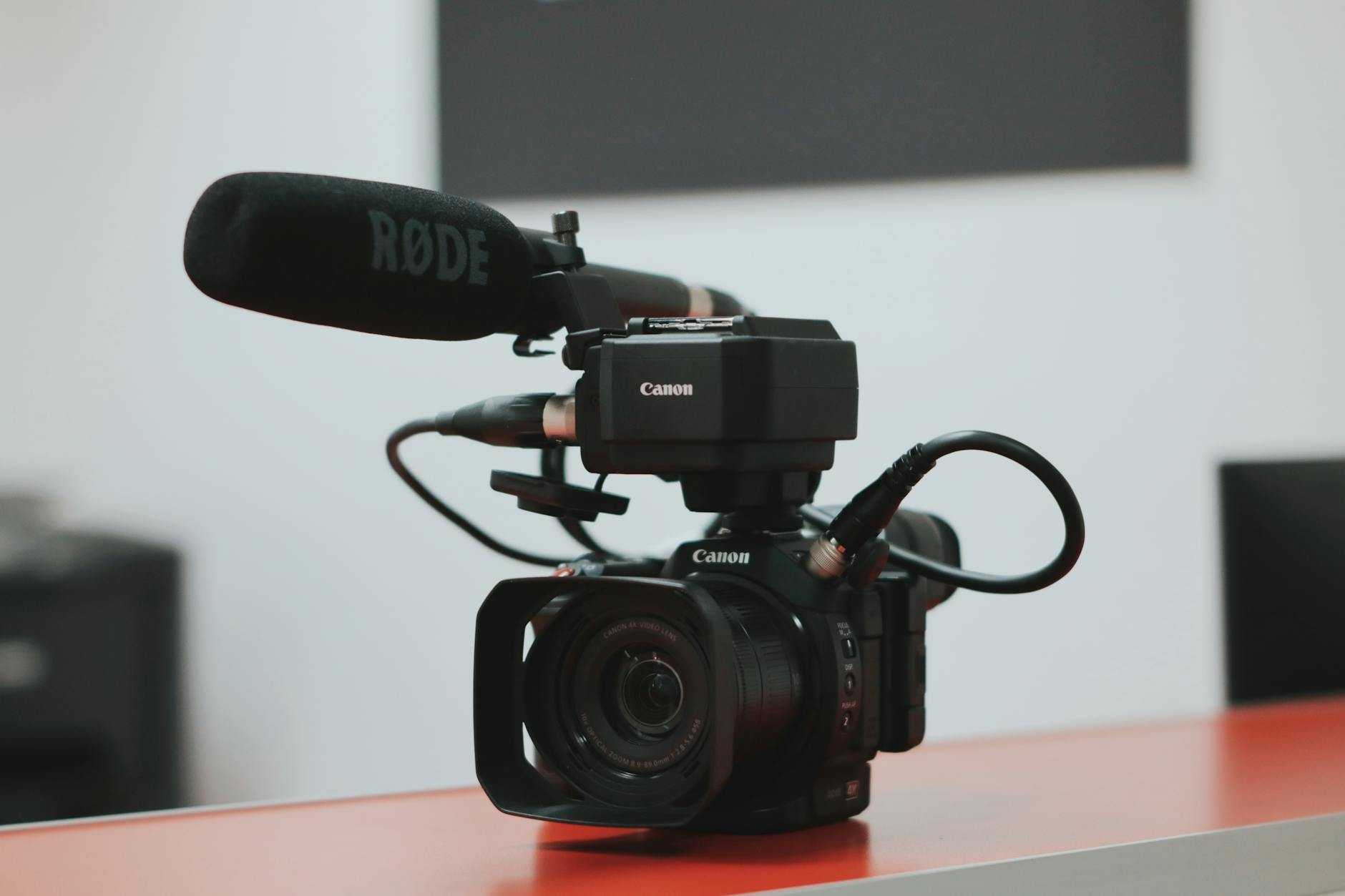
Transitioning between camera feeds and managing media sources with precision is crucial. Employing professional switchers or software solutions allows for seamless transitions, picture-in-picture effects, and layering of multiple visual elements. Coordinated audio and video switching maintains a consistent and professional broadcast flow, avoiding abrupt changes that might confuse or disorient viewers.
Monitoring and Feedback Systems
Implementing real-time monitoring of stream health, audio levels, and video quality enables producers to respond instantly to issues. Feedback tools can alert operators to fluctuations in bandwidth, audio distortion, or video artifacts, facilitating immediate corrective measures.
Conclusion
Optimizing live streaming production involves a comprehensive approach that combines high-quality hardware, robust network infrastructure, sophisticated encoding, and meticulous content management. These official and proven methods collectively foster high-caliber broadcasts that captivate audiences and uphold a professional standard throughout the live streaming process.
Secure Streaming Protocols and Transmission Technologies
Ensuring the security and integrity of live streaming content is a fundamental aspect of a professional setup. Implementing encryption protocols such as Secure Real-time Transport Protocol (SRTP) and Transport Layer Security (TLS) helps protect streams from unauthorized access and potential tampering. Additionally, using Virtual Private Networks (VPNs) or dedicated leased lines minimizes exposure to external interference, providing a more reliable transmission pathway. These measures are essential for confidential or sensitive broadcasts, such as corporate communications, financial updates, or exclusive events.
Content Delivery Network (CDN) Optimization
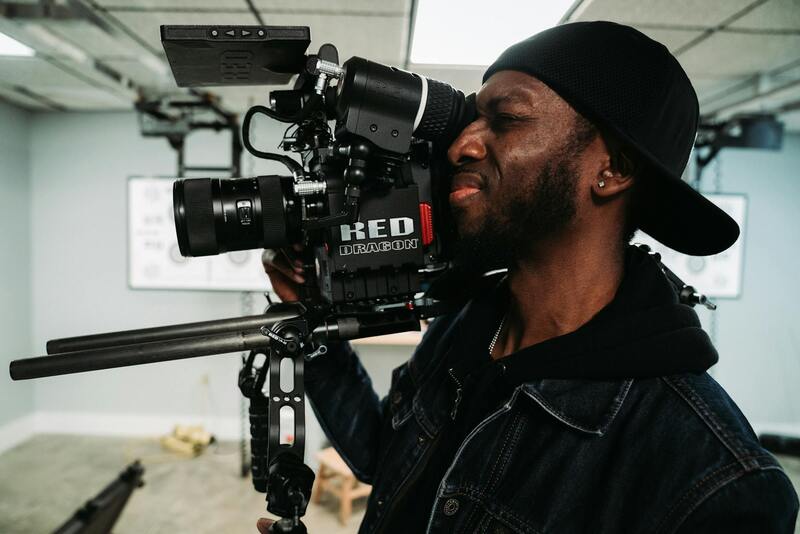
Employing a robust Content Delivery Network (CDN) is crucial for scaling live streams to reach a broad audience efficiently. CDNs distribute the streaming load across multiple servers geographically dispersed, reducing latency and buffering issues. Proper CDN configuration involves selecting providers with extensive global reach and high capacity, ensuring that viewers experience consistent quality regardless of their location. Additionally, configuring adaptive bitrate streaming within the CDN dynamically adjusts video quality based on viewers’ bandwidth, maintaining smooth playback under varying network conditions.

Integration of Live Data and Interactive Elements
Advanced live streaming presentations increasingly incorporate real-time data feeds and interactive features to enhance viewer engagement. Integrating live polls, chat functions, and on-screen statistics requires reliable APIs and seamless synchronization with the streaming platform. To maintain synchronization and avoid latency issues, it is vital to choose hardware and software solutions with proven performance. Properly integrated, these features create an immersive experience, encouraging audience participation and providing valuable insights during live events.
Quality Assurance and Continuous Improvement
Implementing rigorous quality assurance protocols throughout the live streaming production process ensures that every broadcast maintains a professional standard. Regular system testing, including camera calibration, audio checks, and network bandwidth validation, minimizes technical hiccups. Post-event analysis, including reviewing stream metrics and viewer feedback, provides valuable insights for refining future productions. Ongoing staff training on new technologies and emerging best practices is essential, fostering a culture of continuous improvement that keeps the live streaming operation competitive and confident in its delivery.
Production Process and Techniques
Achieving a professional and seamless live streaming experience hinges upon meticulous execution of production techniques. From camera operation to audio management, each element must be flawlessly integrated to deliver high-quality content. Deployment of multiple camera angles allows for dynamic visuals, requiring skilled camera operators who can switch between shots smoothly using switchers or software controllers. Proper lighting setup is crucial to ensure clear and vibrant images, while consistent audio quality demands high-fidelity microphones and real-time audio mixing to eliminate background noise and ensure clarity.
In terms of video transmission, encoding practices play a significant role. Hardware or software encoders convert raw footage into optimized streaming formats, balancing quality with bandwidth considerations. Adaptive bitrate streaming is essential to accommodate varying internet speeds among viewers, providing continuous playback without buffering. Implementing reliable switching between different streams based on viewer bandwidth results in a more resilient and accessible broadcast.
Furthermore, real-time graphics and overlays enhance content delivery by integrating branding, live stats, and interactive elements directly onto the stream. This involves coordination between graphic designers and technical operators to ensure synchronization and visual consistency.

Post-Production and Video Archiving
Once the live streaming session concludes, the work does not end. Post-production processes are essential to maximize the content’s longevity and accessibility. This involves transferring the live broadcast recordings to secure storage systems, where they can be organized and preserved for future use. High-quality archiving ensures that the raw footage remains intact, providing valuable resources for promotional materials, highlights, or subsequent editorial edits.
Editing live stream recordings allows content creators to refine the footage by trimming unnecessary sections, enhancing visual and audio quality, and integrating post-event graphics or annotations. This step ensures the content remains engaging and meets professional standards for distribution across different platforms.
Additionally, metadata tagging during archiving improves discoverability. Properly categorized footage with relevant keywords, timestamps, and descriptions facilitates efficient retrieval for future projects or content repurposing. Cloud storage solutions and dedicated media servers are popular choices to ensure reliable access and sharing capabilities.
Best Practices and Tips for Successful Live Streaming
Achieving a seamless live streaming experience depends on meticulous planning and adherence to industry best practices. Here are crucial guidelines to enhance your production quality:
- Comprehensive Planning: Define clear objectives, schedule rehearsals, and confirm all technical elements. This reduces unforeseen issues during the broadcast.
- Reliable Equipment: Invest in high-grade cameras, audio gear, and streaming hardware to prevent technical failures.
- Stable Internet Connection: Use dedicated high-bandwidth internet connections with backup options available to ensure continuous streaming without interruptions.
- Technical Rehearsals: Conduct dry runs to test all equipment, communication protocols, and streaming settings. This helps identify potential issues in advance.
- Audience Engagement: Integrate interactive features such as live polls, Q&A sessions, and real-time chat moderation to boost viewer participation.
- Quality Control: Monitor stream quality continuously, checking for latency, buffering, or resolution issues. Having a technical team on standby is vital for quick troubleshooting.
- Compliance and Content Management: Ensure content adheres to platform policies, copyright regulations, and branding guidelines for a professional presentation.
Implementing these practices creates a robust framework that supports consistent, high-quality live streaming events. Investing in proper training for technical staff and establishing clear communication channels throughout the production process further enhances operational efficiency and content integrity. Ultimately, a well-executed live stream builds confidence with the audience and establishes your brand’s reputation within the competitive Miami media landscape.