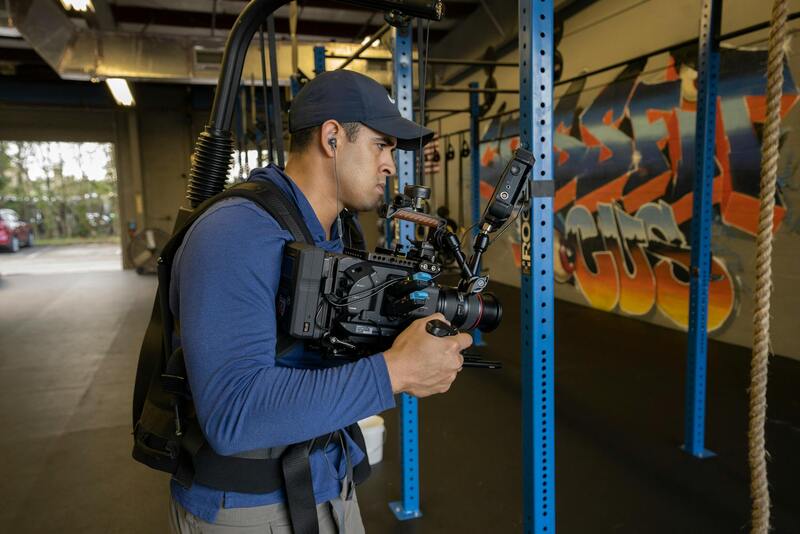
Understanding Live Streaming in Video Production
Live streaming has revolutionized the way content is delivered, enabling real-time broadcasts to audiences around the globe. Within the realm of video production, live streaming involves capturing video footage, encoding it into a digital format, and transmitting it over the internet for immediate viewing. This process is integral to various sectors, including corporate events, entertainment, education, and sports, offering a dynamic platform to reach viewers without delay.
The significance of live streaming in contemporary video production lies in its ability to foster instant interaction and engagement. Unlike pre-recorded content, live streams create a sense of immediacy and authenticity, which resonates strongly with viewers. It allows brands and content creators to showcase live events, product launches, or behind-the-scenes moments while facilitating real-time audience interaction through chat and feedback features.
From a technical perspective, live streaming combines high-quality video capture, robust internet connectivity, and advanced streaming software to ensure a seamless experience. The benefits are multifaceted: audiences enjoy immediate access to content, increasing the potential for higher engagement and sharing. For organizations, live streaming expands reach, reduces production costs compared to traditional broadcasting, and promotes a more personal connection with viewers.

Implementing effective live streaming demands meticulous planning and execution. It requires an understanding of the viewers’ preferences, the technical capabilities of streaming platforms, and the environment in which the broadcast will occur. When properly executed, live streaming becomes a powerful tool to elevate content delivery, enhance brand visibility, and foster interactive engagement with audiences across diverse industries.
Key Equipment for Live Streaming
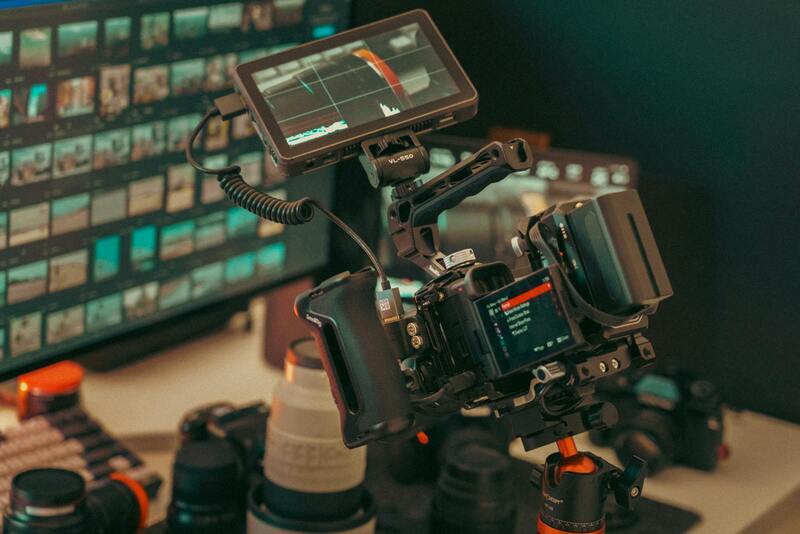
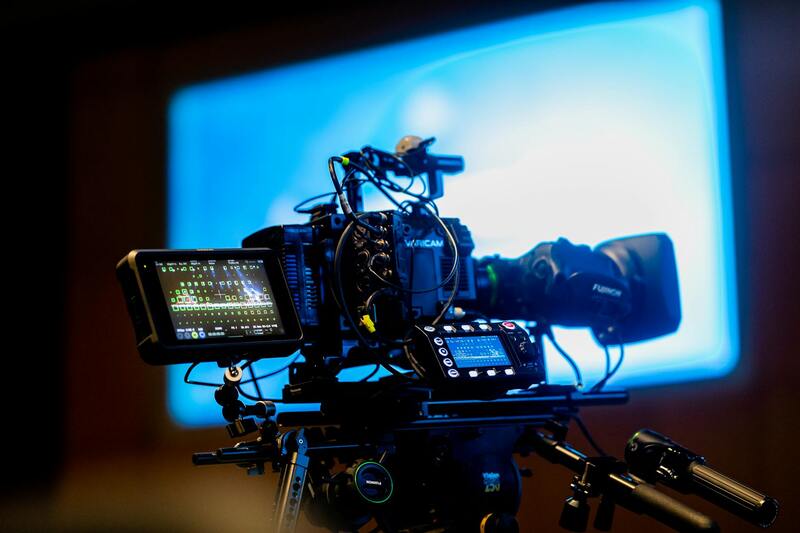
Successful live streaming hinges on the selection and proper setup of essential hardware and software components. The backbone of any high-quality broadcast begins with the right video capture devices. Professional-grade cameras—ranging from camcorders to multi-camera setups—provide clear, crisp visuals that elevate the viewer experience. These cameras should support high-definition or 4K resolutions to ensure sharp image quality, especially for events requiring detailed visuals or broadcast on larger screens.
Alongside cameras, audio quality plays a vital role. Condenser microphones, wireless lavalier mics, or shotgun microphones are employed to capture clear sound, minimizing background noise and ensuring that every spoken detail reaches viewers without distortion.
Encoding devices or software are equally crucial. Hardware encoders convert the raw video and audio signals into a digital format suitable for streaming, while software encoders—such as OBS Studio, Wirecast, or vMix—offer flexibility, customization, and compatibility with various streaming platforms. These encoders allow for live switching between multiple video sources, overlays, and graphics, creating a more engaging broadcast.
A reliable internet connection is non-negotiable; high-bandwidth, wired Ethernet connections are preferred over Wi-Fi to reduce latency and prevent buffering. Additionally, an impressive network infrastructure minimizes interruptions during the stream.
To distribute content effectively, broadcasters utilize streaming platforms that support high-quality video delivery—integrating with content delivery networks (CDNs) to handle large audiences seamlessly. These platforms also offer analytics and audience engagement tools, providing valuable insights into viewer behavior.
Supplementary equipment such as lighting kits enhances image quality by ensuring proper illumination, even in challenging environments. Green screens or backgrounds can be used for virtual sets, adding professionalism and branding to streams.
Thus, comprehensive planning of this technical setup is critical for delivering professional-grade live streams that captivate audiences and meet the expectations of viewers accustomed to high-quality content.
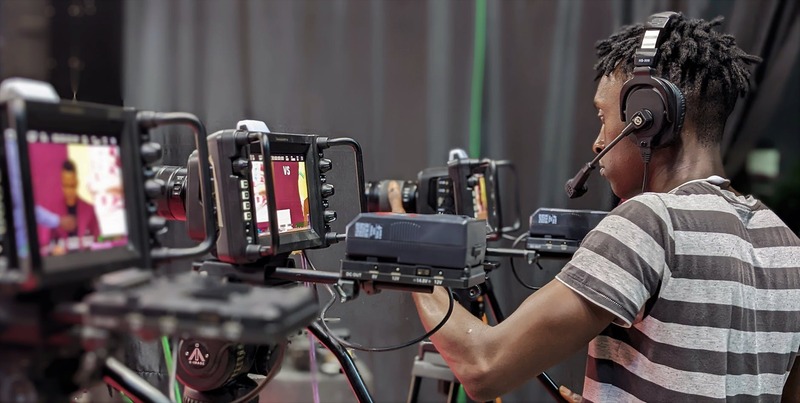
Understanding Live Streaming in Video Production
Effective live streaming in video production hinges on a comprehensive understanding of the entire process, from initial planning to post-event review. In essence, it involves broadcasting real-time video content over the internet to reach audiences across diverse locations with minimal latency and maximum clarity. This method not only enables immediate interaction and feedback but also broadens the accessibility of any event or presentation, making it an ideal solution for businesses, organizations, and content creators aiming for expansive reach and high engagement.
Implementing a successful live stream requires meticulous coordination of various components—technological, logistical, and creative—that work synergistically to deliver a seamless viewing experience. The importance of quality equipment, reliable infrastructure, and strategic content planning cannot be overstated, as these elements directly impact the professionalism, reliability, and overall impact of the broadcast.
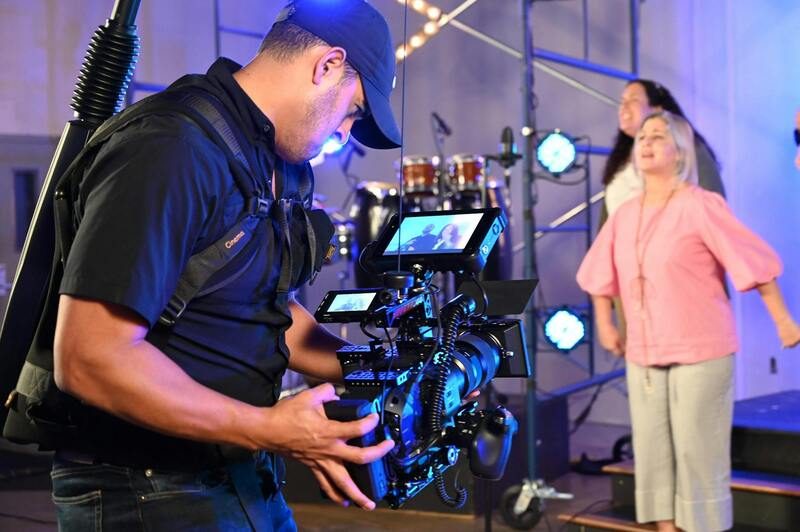
Fundamentals of Live Streaming in Video Production
At its core, live streaming involves capturing audiovisual signals through professional-grade cameras and microphones, encoding these signals into digital formats suitable for internet transmission, and then distributing the content through robust streaming platforms. The process is supported by a suite of hardware and software tools designed to ensure high-quality output and viewer engagement. With rapid advancements in technology, live streaming now encompasses features like real-time graphics, multi-camera switching, and audience interaction modules, making it more interactive and dynamic than traditional broadcast methods.
The Role of Internet Connectivity
An uninterrupted, high-speed internet connection forms the backbone of successful live streaming. Wired Ethernet connections are generally preferred over Wi-Fi due to their stability and capacity to handle high bandwidth demands. This connection must support consistent upload speeds to prevent buffering and ensure synchronization between audio and video signals. Network infrastructure, including routers, switches, and firewalls, should be optimized for streaming requirements, with minimal latency and maximum reliability. Redundancy options, such as secondary internet links, are also advisable to mitigate the risk of unexpected disruptions during live broadcasts.
Integration with Streaming Platforms
To maximize reach and performance, streams are often delivered via reputable streaming platforms integrated with content delivery networks (CDNs). These platforms facilitate the redistribution of content to global audiences while maintaining high video quality. They provide essential features such as adaptive bitrate streaming, which adjusts video quality according to viewer bandwidth, and analytics tools to monitor performance and engagement metrics. Managers can leverage these insights to refine future broadcasts, improve audience targeting, and enhance overall streaming effectiveness.
Supplementary Equipment and Environment Setup
High-caliber cameras capture crisp, professional visuals, while directional microphones deliver clear audio. Proper lighting ensures the subject is well-illuminated, reducing shadows and enhancing image quality, especially in indoor settings. Additional gear like green screens or custom backdrops aids in creating branded virtual environments, adding a polished look to the stream. Managing all these elements involves careful planning and setup to ensure that the technical environment supports the goals of the live event.
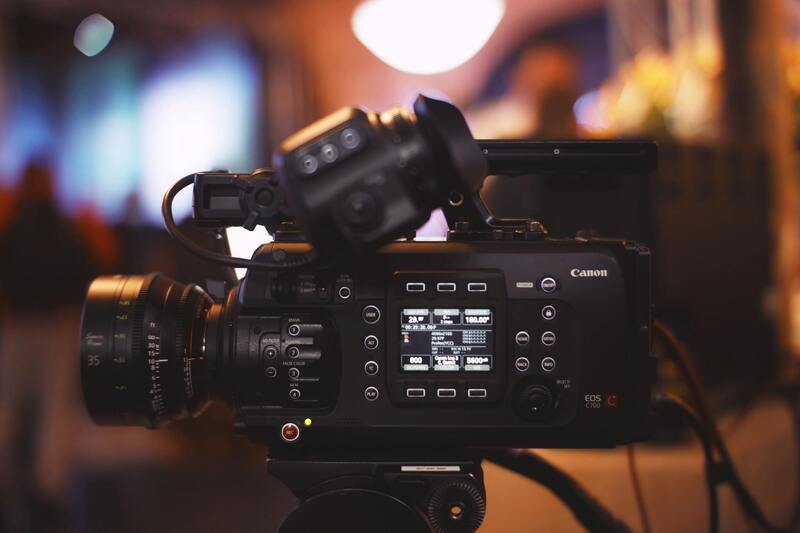
Visualization of Technical Workflow
- Video and audio collection via professional-grade equipment
- Signal encoding using hardware encoders or software solutions
- Distribution through streaming platforms and CDNs
- Audience engagement via chat functions and interactive graphics
Understanding and mastering each step in this workflow ensures that the live stream meets high standards of quality, reliability, and engagement.
Understanding Live Streaming in Video Production
Live streaming in video production involves the real-time transmission of video content to an online audience, demanding a high level of technical precision and coordination. It requires a seamless integration of various elements—video capturing, signal encoding, distribution, and audience interaction—executed concurrently to deliver a professional viewing experience. The process begins with meticulous pre-production planning to outline the event's format, content flow, and technical requirements, ensuring that all components work harmoniously during the broadcast.
Effective live streaming hinges on the deployment of advanced hardware and software solutions that support real-time encoding, adaptive bitrate streaming, and reliable content distribution via Content Delivery Networks (CDNs). These networks help mitigate latency issues and ensure consistent delivery across diverse internet speeds and geographic locations. Critical to this setup is the selection of platforms and streaming protocols that maximize quality and accessibility for viewers, whether they are watching on desktops, tablets, or smartphones.
The Role of Content Delivery Networks (CDNs)
CDNs play a vital role in live streaming by distributing the content to multiple servers geographically dispersed to reduce latency and prevent buffering. They help maintain stream stability during high traffic volumes, especially for large-scale events. When choosing a CDN, broadcasters consider factors such as global reach, bandwidth capacity, security features, and integration capabilities with streaming hardware and software. This ensures a seamless viewing experience that aligns with brand standards and viewer expectations.

Additionally, good network infrastructure, including wired internet connections, dedicated bandwidth, and redundancy measures, is essential in maintaining uninterrupted live streams. Having backup systems and failover protocols in place helps counteract unexpected technical difficulties, ensuring the event proceeds smoothly without lapses in quality or viewer access.
Key Software Solutions for Live Streaming
- Real-time encoding software such as OBS (Open Broadcaster Software) or vMix, which converts video signals into streamable formats.
- Stream management platforms that facilitate multi-platform distribution and allow for real-time monitoring of stream health.
- Interactive tools and plugins that enable viewer engagement, including live chat overlays, polls, and graphics.
Choosing the right combination of hardware and software ensures that technical workflows operate efficiently, delivering high-quality streams that meet production standards and audience expectations.
Final Considerations for a Successful Live Stream
Achieving professionalism in live streaming requires attention to detail in the setup phase. This includes verifying all equipment functions properly, conducting test runs to identify potential issues, and having technical personnel on standby during the broadcast to address any unforeseen challenges swiftly. Synchronizing audio and video sources, optimizing lighting, and managing camera transitions contribute significantly to the overall production quality.
Moreover, understanding audience demographics and viewing habits allows producers to customize the streaming experience, incorporating targeted content, branding elements, and interactive features that increase engagement and viewer retention.
Optimizing Live Streams for Viewer Engagement
Achieving maximum viewer engagement during a live streaming event hinges on strategic implementation of various interactive and quality-focused techniques. High-definition video quality, combined with seamless audio, forms the foundational layer that attracts and retains viewers. Regularly monitoring stream performance metrics ensures that viewers experience minimal buffering or lag, fostering a sense of professionalism and reliability.
Integrating interactive features into live streams transforms passive viewing into an active, immersive experience. Chat overlays, live polls, and Q&A sessions encourage real-time audience participation, which increases engagement metrics and creates a community atmosphere. Employing engaging graphics, branded overlays, and dynamic transitions can further elevate visual appeal, making the stream more memorable.
Choosing the right platform for streaming is equally important. Platforms with broad reach, stable infrastructure, and interactive capabilities help connect with diverse audience segments. Facebook Live, YouTube Live, and specialized enterprise solutions each offer unique benefits that can be aligned with the specific objectives of the event.
Quality control measures play a vital role in viewer satisfaction. Continuous testing before the event ensures optimal video and audio quality, proper server configurations, and bandwidth adequacy. During the broadcast, real-time adjustments to bitrate and resolution based on network conditions help prevent disruptions.
Another essential aspect involves leveraging data analytics to understand audience behavior. Tracking viewership patterns, engagement rates, and feedback provides valuable insights for refining future live streams. Tailoring content and interactive elements based on these insights results in a more engaged and loyal viewer base.
Legal and Privacy Considerations
When planning and executing a live streaming event, it is essential to adhere to established protocols that protect both the content creators and the audience. This includes obtaining appropriate rights and permissions for all multimedia elements used during the stream, such as music, video clips, and visual assets. Ensuring that licensed content is appropriately credited and cleared helps prevent potential disputes and ensures a smooth broadcast.
Auditing the content prior to going live allows producers to identify and remove copyrighted material that may infringe on intellectual property rights. Additionally, implementing clear policies on viewer data collection and usage aligns with industry standards for online privacy and encourages viewer trust.
Managing data privacy is particularly crucial given the rise of regulations that govern online information exchange. Implementing secure data handling procedures, including encrypted data transmission and storage, safeguards sensitive information such as user login credentials or personal preferences. Transparent privacy notices and easy-to-understand terms of service further enhance user confidence and compliance.
For live streams involving participant interaction, consent protocols must be established. This includes informing attendees about recording policies, obtaining necessary permissions for participation, and providing options to opt-out of data collection features. These measures not only uphold ethical standards but also contribute to a professional and reputable streaming environment.

Ensuring Proper Licensing and Rights Management for Live Streaming
Securing the appropriate licenses for all multimedia content integrated into live streams is fundamental to maintaining a professional and compliant broadcast. This includes obtaining music licenses from performing rights organizations, rights clearances for video clips, images, and other visual assets, as well as ensuring that third-party software or tools used during the production are properly licensed. By verifying licensing agreements beforehand, producers mitigate risks associated with copyright infringement, which can lead to stream interruptions or legal actions.
Implementing a thorough rights management protocol involves auditing all content before the live event. This process includes confirming that all visual and audio elements are either licensed, original, or in the public domain. Maintaining an organized record of licenses, permissions, and correspondence with rights holders streamlines this process and provides documentation should questions arise during or after the broadcast.
Clear communication with clients and stakeholders about content rights is essential. This includes establishing expectations regarding the use of copyrighted material and ensuring that contracts explicitly state the permissions granted. Furthermore, creating comprehensive checklists for pre-event review ensures that all content adheres to licensing requirements, thereby reducing the likelihood of disputes or content takedowns during a live stream.
Developing Ethical Participant and Audience Interaction Policies
Online live streams often incorporate real-time interaction, such as viewer comments, Q&A sessions, or live polling. Establishing clear policies around participant engagement ensures compliance with privacy standards and fosters a respectful environment. Prior to the event, inform participants about how their data will be used, obtain necessary permissions for recordings, and provide opt-out options where applicable.
This proactive approach to participant consent upholds transparency and builds trust. It also helps in preventing potential misunderstandings related to recording or data collection. During the stream, moderation tools should be utilized to enforce community guidelines, prevent misuse, and manage inappropriate interactions effectively. These measures create a secure and respectful atmosphere for all viewers and participants.
Implementing Data Protection and Privacy Measures
Handling viewer and participant data responsibly is a critical aspect of live streaming operations. This encompasses encrypting data streams, secure storage of contact information, and compliance with industry standards related to user privacy. Transparent privacy policies should be readily accessible, informing users how their information is collected, stored, and used. This transparency enhances user confidence and aligns with best practices for data stewardship.
Additionally, live streams involving participant contributions must include clear consent procedures, especially when recording or sharing content externally. Consent forms and registration processes should be straightforward and easy to understand, ensuring users are fully aware of their rights and obligations. With the increasing emphasis on data security, employing advanced encryption technologies and regular system audits fortify the trustworthiness of live streaming operations.

Advanced Strategies for Enhancing Live Streaming Success
Achieving high-quality video production through live streaming extends beyond fundamental equipment and planning; it requires the application of advanced strategies that maximize reach, engagement, and overall production value. Implementing these techniques ensures that streaming content resonates with audiences and meets professional standards, making the event or broadcast memorable and impactful.
Implementing Adaptive Streaming Technology
Adaptive streaming plays a crucial role in delivering seamless viewing experiences across diverse internet bandwidths. By dynamically adjusting video quality in real-time, this technology guarantees uninterrupted streams regardless of viewer connection speed. It mitigates buffering issues and maintains high resolution for viewers on stable connections, while gracefully scaling down for those with limited bandwidth. This adaptability ensures a broader audience can engage without frustration, thereby expanding reach and viewer satisfaction.
Utilizing Multi-Platform Streaming
Streamlining content across multiple platforms simultaneously amplifies audience engagement and visibility. Utilizing professional multistreaming software enables broadcasters to deliver content to social media channels, dedicated streaming services, and websites simultaneously. This approach not only increases exposure but also caters to diverse viewer preferences, from Facebook Live and YouTube to specialized industry platforms. A comprehensive multi-platform strategy ensures that the message reaches the widest possible audience, optimizing engagement and brand exposure.
Enhancing Audio and Visual Quality
Superior audio and visual quality are essential components of professional live streaming. High-fidelity microphones and balanced audio setups eliminate background noise and ensure clear communication, while professional-grade cameras capture content in high resolution, providing crisp, vibrant visuals. Proper lighting enhances image clarity and creates a compelling atmosphere. Investing in these elements contributes to a polished final product that reflects credibility and professionalism, which resonates deeply with viewers and enhances their overall experience.
Incorporating Interactive Elements
Engagement-driven features such as live chat, polls, Q&A sessions, and on-screen graphics foster active participation. These tools make viewers feel involved and valued, encouraging sustained interest and interaction. Moderation tools are integral to maintain a respectful environment and manage viewer contributions effectively. Interactive elements also provide real-time feedback, enabling presenters to adapt content dynamically and address audience interests promptly, resulting in a more personalized and engaging broadcast.
Leveraging Analytics for Continuous Improvement
Post-broadcast analytics provide actionable insights into viewer behavior, engagement levels, and technical performance. Analyzing data such as viewer retention rates, peak viewing times, and interaction metrics allows producers to fine-tune future live streams. This data-driven approach helps identify what resonates most with the audience and highlights areas for technical or content improvements. Consistent evaluation ensures that each live streaming event evolves in quality and effectiveness, fostering sustained growth and greater audience loyalty.