Understanding Live Streaming Video Production
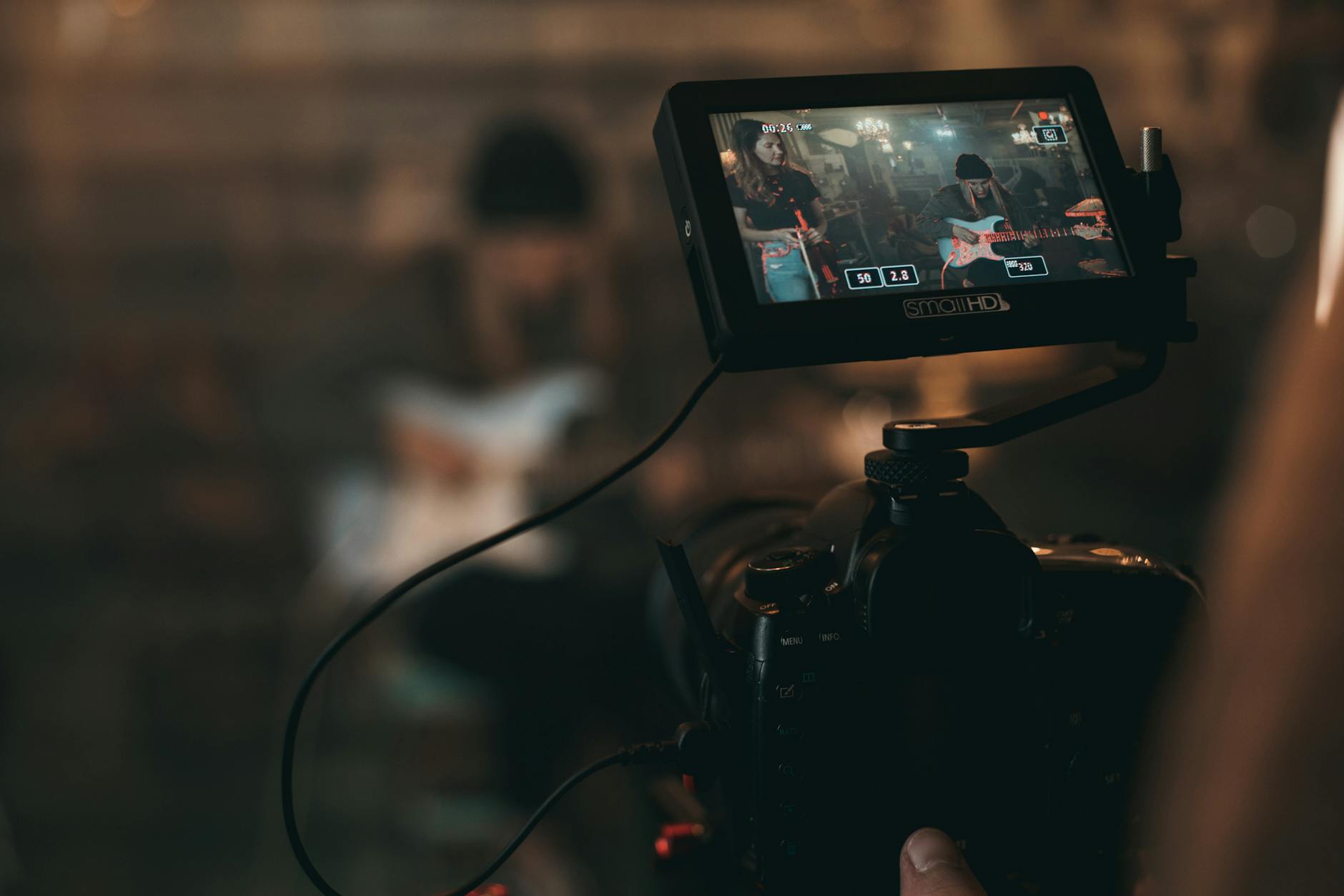
Live streaming video production encompasses the end-to-end process of capturing, encoding, transmitting, and displaying real-time video content over the internet. It serves as a pivotal technology for broadcasting live events, corporate communications, webinars, concerts, sports, and other engagements that benefit from immediate viewer interaction and engagement. In essence, live streaming bridges content creators and audiences worldwide, providing a seamless viewing experience that mimics traditional broadcast channels.
This production process involves a complex integration of hardware and software components designed to ensure the smooth transmission of high-quality video streams. It allows organizations and individuals to reach large audiences without geographic constraints, significantly expanding their reach and engagement opportunities.
Live streaming video production is integral for events looking to provide an interactive and immersive experience. It requires meticulous planning to handle various variables such as internet connectivity, video quality, latency, and audience interaction. When executed professionally, it can elevate a brand's visibility, create new revenue streams, and foster direct communication with viewers.
Technical Setup and Equipment Requirements
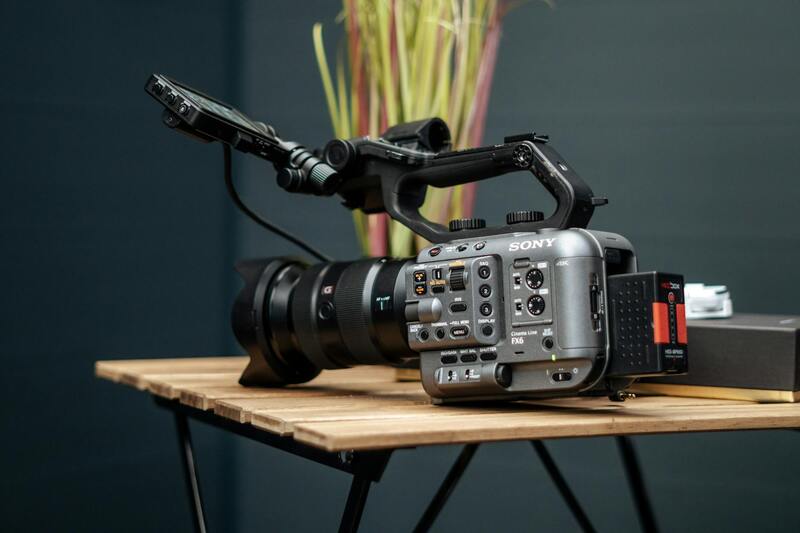
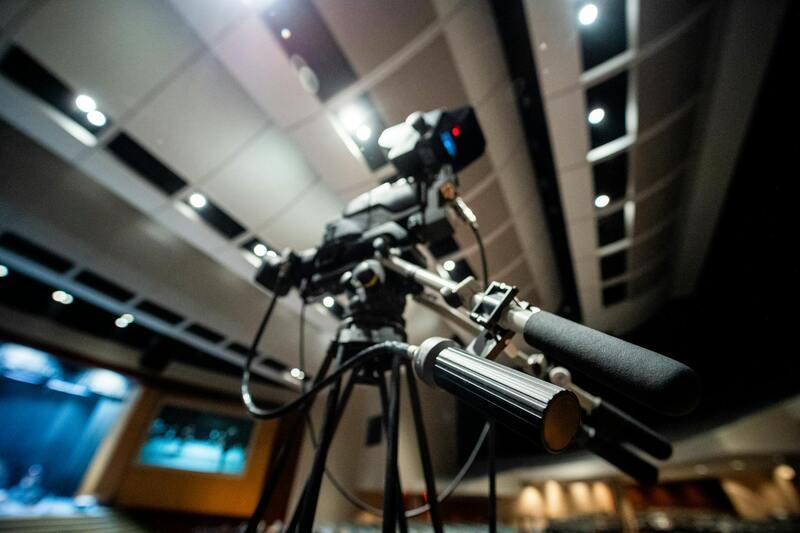
Achieving a seamless and professional live streaming event hinges on meticulous technical setup and the selection of appropriate equipment. High-quality production starts with the right hardware that can handle high-definition video and audio signals, ensuring clarity and consistency throughout the broadcast. Essential components include professional-grade cameras capable of capturing high-resolution footage, switchers for seamless transitions between multiple camera angles, and reliable audio capture devices such as lapel or shotgun microphones to preserve sound fidelity.
Beyond camera equipment, a robust encoding setup is vital. Hardware encoders are typically favored for their stability and performance in live scenarios, converting raw video feeds into compressed streams suitable for internet transmission. Complementing this hardware are software encoders, which offer flexibility and customization options, particularly for smaller productions.
Network infrastructure also plays a crucial role. A dedicated, high-bandwidth internet connection with sufficient upload capacity minimizes latency and reduces buffering issues. Redundant internet connections and backup systems are standard practice to prevent disruptions in case of connectivity failure.
Integration of streaming platforms with hardware is achieved through specialized software or hardware solutions that facilitate real-time data transmission. These systems often include features like multi-channel audio mixing, real-time graphics overlays, and live chat integration, all managed by technicians to maintain broadcast quality.
Production Execution and Live Management
During the actual live stream, effective management of the production process is critical. Technical teams oversee the operation of all equipment, switch between camera feeds, and monitor audio levels to maintain optimal output. Multitasking in this environment requires a clear communication protocol, typically facilitated by intercom systems allowing the director and camera operators to coordinate seamlessly.
Proactive troubleshooting and real-time adjustments are essential to address any unforeseen issues promptly. Skilled professionals are adept at managing live graphics, commentary, and audience interaction, ensuring the broadcast remains engaging and error-free.
Using advanced control interfaces, producers can incorporate pre-designed graphics, lower-thirds, and branding elements, enriching the content without interrupting the flow. Multi-camera switching combined with real-time effects creates a dynamic visual experience, mimicking traditional broadcast standards.
Effective live management also involves continuous monitoring of stream quality across multiple platforms to ensure consistent delivery to all viewers. Additionally, moderation of live chat and audience questions can enhance engagement, making the broadcast more interactive and personalized.
Technical Setup and Equipment Requirements
Executing a successful live streaming video production hinges on meticulous technical setup and the deployment of reliable, high-quality equipment. Central to this process is a robust encoding system, which converts raw audio and video signals into a digital format suitable for streaming. Encoder choices include hardware solutions like dedicated professional encoders or software-based options running on powerful computers, depending on the scale and complexity of the production.
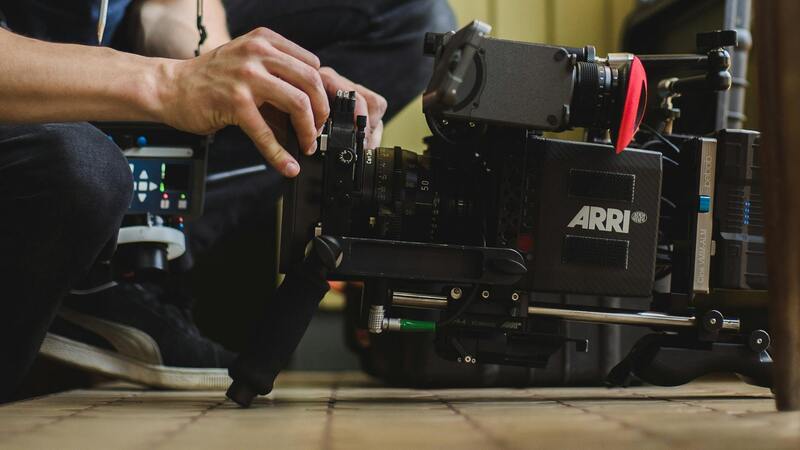
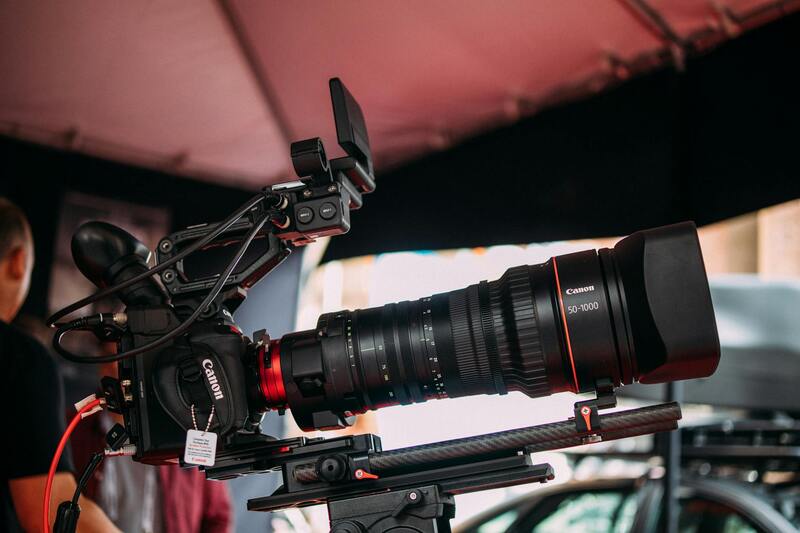
Alongside encoding, video capture devices such as professional-grade cameras are essential. These cameras should offer high resolution, excellent low-light performance, and the ability to connect seamlessly with the production system. Multiple camera setups facilitate dynamic shots, providing viewers with a richer and more engaging viewing experience.
An audio system with professional microphones, mixers, and sound processors ensures crystal-clear sound quality, which is pivotal for viewer retention and engagement. Proper microphone placement and sound balancing can eliminate disturbances such as background noise or audio lag.
Networking infrastructure significantly impacts stream stability. Employing wired Ethernet connections over Wi-Fi minimizes latency and dropouts, particularly during high-traffic broadcasts. The use of dedicated internet lines with sufficient bandwidth is critical to accommodate the data-intensive nature of live streaming, ensuring smooth delivery across multiple platforms.
Additional equipment such as lighting rigs, teleprompters, and staging setups enhance the visual appeal and professionalism of the broadcast. All components should be tested thoroughly during rehearsals to identify potential issues and make necessary adjustments.
To facilitate multi-camera switching and live graphics integration, a broadcast switcher or production mixer is utilized. This device allows the operator to seamlessly switch between camera feeds, overlay graphics, and add effects, creating a polished end product.
In addition, implementing backup systems, such as secondary internet connections and redundant streaming hardware, ensures continuity if primary systems encounter issues. This layer of redundancy helps maintain broadcast integrity, avoiding interruptions and ensuring that the target audience receives a consistent viewing experience.
Understanding Live Streaming Video Production
Effective live streaming video production hinges on meticulous technical setup and comprehensive planning. Modern broadcasters utilize a combination of high-quality cameras, professional audio equipment, and robust streaming platforms to deliver content that captivates viewers. The integration of these elements requires a nuanced understanding of their individual capabilities and how they function collectively to create a seamless viewing experience. High-definition cameras with high frame rates are essential for capturing sharp video footage, particularly in fast-paced settings such as sports events or corporate presentations. Coupled with a multi-microphone setup—including lavalier, shotgun, and boundary microphones—sound quality is optimized, ensuring clarity and immersion for the audience.
The choice of streaming platform is also a critical decision, as it determines reach, accessibility, and broadcast stability. Popular options offer various features, from real-time analytics to multistream capabilities that allow simultaneous broadcasting across multiple channels. Reliable internet connectivity remains a cornerstone of successful live streams; wired Ethernet connections or fiber-optic links are preferred to maintain consistent bandwidth and reduce latency. Before going live, comprehensive testing of all equipment and connections helps identify potential issues, allowing teams to troubleshoot and optimize the setup in advance.
Technical Setup and Equipment Requirements
Implementing a robust live streaming system involves careful selection and configuration of hardware and software components. The core equipment includes:
- Cameras: Professional-grade cameras capable of broadcasting in HD or 4K, with features conducive to live switching and remote control.
- Microphones: A variety of microphones suited for different environments, ensuring clear audio capture for all spoken content and ambient sounds.
- Streaming Hardware: Encoders and broadcast switchers facilitate live mixing, switching, and overlay of graphics for a polished output.
- Audio and Video Interfaces: Devices that connect microphones and cameras to the streaming hardware while maintaining signal integrity.
- Reliable Internet Connection: Dedicated high-bandwidth internet lines or fiber-optic connections to sustain uninterrupted streaming sessions, especially during high-traffic broadcasts.
Ensuring all equipment is compatible and functioning correctly involves routine maintenance checks and firmware updates. Additionally, having standby backup systems—such as secondary encoders or internet sources—is vital for tackling unforeseen technical issues without disrupting the stream.
Production Execution and Live Management
Executing a live stream requires real-time management, which is typically handled by a trained production team. During the broadcast, team members monitor multiple video feeds, adjust audio levels, and manage graphics overlays to enhance production quality. The use of professional-grade broadcast switchers simplifies transitions, allows for multi-camera control, and supports overlays that can include branding, titles, or live statistics. Communication between the director and camera operators is maintained through intercom systems to coordinate seamless scene changes and troubleshoot issues swiftly.
Pre-programmed cues and rehearsals are critical components—especially for events with scripted segments or complex visuals. These rehearsals enable the team to identify potential delays or technical issues, streamlining on-the-fly decision-making during the live event. Incorporating chat moderation and real-time analytics can also help gauge viewer engagement and respond promptly to audience feedback or technical hitches.
Technical Setup and Equipment Requirements
Establishing a reliable and high-quality live streaming production demands meticulous technical preparation. This involves selecting the appropriate hardware to capture, encode, and transmit video content seamlessly. Essential components include professional-grade cameras capable of capturing high-resolution footage with consistent frame rates, ensuring crisp and smooth visuals during broadcast. Coupled with high-quality microphones and audio mixers, the sound must be clear and free from distortion to engage viewers effectively.
The backbone of any successful live stream is the encoding equipment, which compresses raw video signals into a format suitable for internet transmission. Hardware encoders provide stability and lower latency, especially critical during live events with multiple camera feeds. Alternatively, software encoders installed on powerful computers can be used for more flexible setups, allowing extensive customization and integration with production software.
A robust internet connection is paramount to prevent interruptions. For high-profile or lengthy broadcasts, multiple internet sources—such as wired Ethernet, primary and backup Wi-Fi, or dedicated fiber connections—should be employed to ensure uninterrupted streaming capabilities. Bonding devices or network aggregation solutions can combine multiple internet channels, providing redundant pathways and load balancing.
Additional equipment such as video switchers enables smooth transitions between different camera angles and sources. Professional broadcast switchers support features like picture-in-picture, graphics overlay, and multi-view monitoring, contributing to a polished broadcast presentation.
To facilitate communication among the production team, intercom systems are indispensable. They enable real-time coordination, quick troubleshooting, and precise timing of scene changes throughout the broadcast.
In terms of auxiliary gear, including lighting kits, power supply backups, and dedicated cooling systems, further enhances the production's overall stability and visual quality. Routine maintenance checks and firmware updates on all equipment are necessary to identify potential issues proactively, minimizing the risk of technical failures during live events.
Production Execution and Live Management
Effective execution during a live streaming event hinges on meticulous management of all technical and operational aspects. This phase requires a dedicated production team skilled in handling real-time scenarios, ensuring seamless transitions and consistent broadcast quality. Multi-camera setups are typically employed to provide varied perspectives, engaging viewers and conveying a comprehensive experience. Cameras should be configured with stable mounts and high-definition lenses to deliver sharp visuals, while operator coordination guarantees smooth switching between feeds.
Video switchers are at the heart of live production, allowing operators to select and toggle between sources efficiently. Advanced switchers support features like transitions, overlays, and effect inserts, which enhance production value. Simultaneously, audio management is critical; mixing consoles or digital audio workstations ensure clear sound quality, appropriate levels, and synchronization with video feeds. Incorporating audio cues and monitoring systems enables producers to identify issues swiftly, maintaining audio-visual harmony throughout the broadcast.
Managing Content and Visual Elements
Integrating graphics, advertisements, lower thirds, and branding elements adds polish and professionalism to the broadcast. Graphics generators connected to the production system can overlay dynamic visuals, making the event more visually appealing and helping convey critical information efficiently. Real-time score updates, sponsor logos, or hashtags can be seamlessly inserted without disrupting the flow.
Coordination and Communication
During live streams, clear communication channels among directors, camera operators, audio engineers, and technical support are essential. Intercom systems facilitate instant dialogue, enabling the team to address issues quickly and make real-time adjustments. This coordination ensures that scene changes, camera angles, and audio levels meet predetermined standards, fostering a smooth viewing experience.
Monitoring and Troubleshooting
Continuous monitoring of the streaming process allows for immediate troubleshooting if disruptions occur. Dedicated technicians should oversee internet stability, streaming platform performance, and encoding health. Having backup plans, such as secondary internet connections or redundant streaming servers, helps prevent data loss or downtime. Real-time analytics tools can be used to track viewer engagement, stream health, and encoding status, providing insights that inform live adjustments.
Ensuring a stable and high-performing network infrastructure is crucial, with multi-source internet connections and bonding devices providing redundancy. Additionally, proper power backup systems support uninterrupted operation, especially during extended broadcasts or in areas prone to power fluctuations. Routine checks and firmware updates on all equipment minimize potential failures, allowing the production team to respond swiftly to unexpected glitches.
Understanding Live Streaming Video Production
Live streaming video production has become an indispensable component of modern digital communication, enabling organizations, brands, and content creators to reach audiences in real-time across multiple platforms. It involves a complex interplay of technical expertise, creative vision, and meticulous planning to deliver seamless, engaging live content. Professionals in this field must master everything from setting up high-quality broadcasting equipment to managing complex synchronization of audio, video, and graphics. The goal is to produce a broadcast that is not only visually compelling but also technically robust enough to sustain uninterrupted streaming, regardless of external challenges or network disruptions.
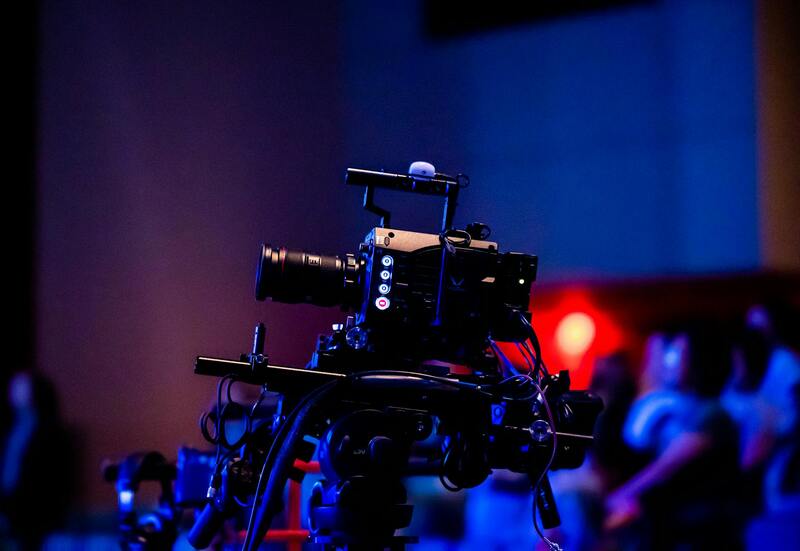
In Miami, leveraging local expertise in live streaming production offers significant advantages for brands and event organizers seeking to connect with diverse audiences. As the city continues to be a hub for cultural, corporate, and entertainment events, the demand for professional live streaming services has surged. These services encompass comprehensive solutions—from initial concept development and technical setup to real-time monitoring and post-broadcast content management. By deploying cutting-edge technology and experienced production teams, Miami-based providers ensure that every moment of a live event is captured, transmitted, and optimized for viewer engagement across different devices and viewing environments.
Key Components of Live Streaming Video Production
A successful live stream hinges on several critical components, each functioning cohesively to ensure high-quality delivery. These include:
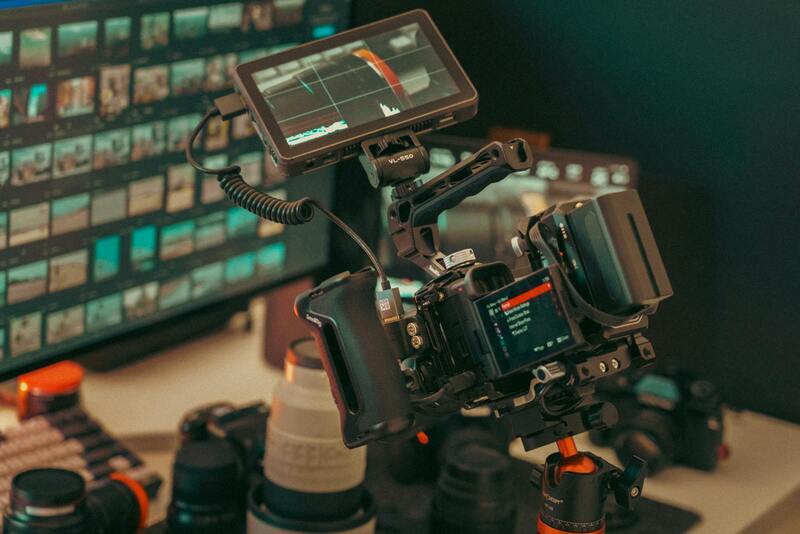
- Video Capture Equipment: High-definition cameras, professional lenses, and camera operators work together to capture the visual content effectively. Multiple camera angles and preset shot compositions create dynamic and engaging visuals.
- Audio Systems: Clear and balanced audio is vital. This involves high-quality microphones, audio mixing consoles, and sound engineers dedicated to managing sound levels and eliminating unwanted noise.
- Encoding and Compression: Video encoding devices and software convert raw footage into streaming-compatible formats while compressing the data to ensure smooth transmission over the internet.
- Streaming Platforms and CDN: Content Delivery Networks (CDNs) distribute the live stream across multiple servers worldwide, minimizing latency and buffering issues for viewers.
- Graphics and Overlay: Incorporating real-time graphics, titles, and branding elements enhances visual appeal and maintains viewer engagement.
Planning and Pre-Production Strategies
Preparation plays a critical role in ensuring a smooth live streaming experience. Effective planning involves defining clear objectives, identifying target audiences, and selecting suitable streaming platforms. Developing a comprehensive storyboard helps coordinate camera shots, graphics, and stage setups. Site surveys and technical assessments ensure all equipment functions optimally within the environment, accounting for lighting, acoustics, and internet connectivity. Collaborating with a production team early in the process allows for aligning creative visions with technical requirements, setting expectations, and establishing contingency plans for unforeseen issues.
Technical Setup and Equipment Requirements
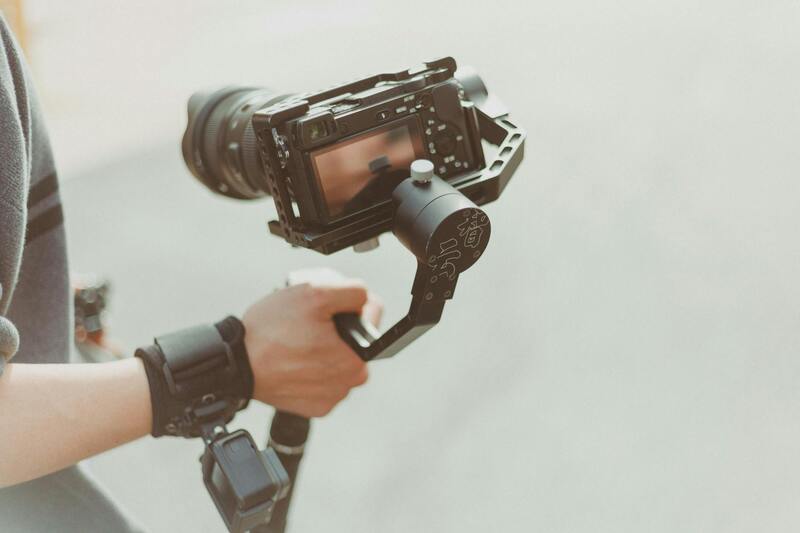
The foundation of a standout live stream is robust technical infrastructure. High-speed fiber internet connections or dedicated broadband lines are necessary to handle the bandwidth demands. Redundant internet sources, such as bonded cellular networks, mitigate the risk of connectivity failures. Key equipment includes professional-grade cameras capable of broadcasting in 4K or higher resolutions, audio mixers, switchers for seamless transitions, and streaming encoders optimized for low latency. Proper lighting setups and stabilization gear, such as tripods and gimbals, contribute to producing visually consistent footage. Additionally, a dedicated control room equipped with monitors, audio stations, and streaming hardware ensures all aspects are managed and monitored effectively.
Production Execution and Live Management
During a live event, real-time management is critical. Directors and technical directors oversee camera coordination, audio mixing, and graphic overlays, ensuring the content aligns with the planned storyline. Use of intercom systems facilitates instant communication among crew members, allowing swift responses to technical or content-related issues. Continuous monitoring of internet stability and streaming health ensures prompt action if performance dips. Backup systems—such as secondary encoders or alternative internet connections—are essential for preventing interruptions. Skilled operators handle camera switching, graphic insertion, and live overlays, maintaining a polished and professional broadcast at all times.
Post-Production and Content Archiving
Once the live event concludes, the focus shifts to post-production and archival management. The recorded stream can be edited, segmented, or repurposed for marketing, training, or on-demand viewing. High-quality recordings are stored securely for future use, ensuring content longevity. Detailed analytics, including viewer metrics, engagement rates, and technical performance data, provide insights to refine future live streaming strategies. Proper archiving also facilitates content repurposing across different channels, enhancing overall outreach and engagement.
Advanced Techniques to Enhance Live Streaming Video Production in Miami
To ensure a seamless and engaging live streaming experience, employing advanced production techniques is essential. These methods elevate the quality of broadcasts, provide smoother viewer experiences, and amplify audience engagement. In Miami’s vibrant event landscape, leveraging state-of-the-art methodologies can significantly differentiate your live streams from competitors.
Utilizing Multi-Camera Setups for Dynamic Coverage
Implementing multi-camera configurations allows producers to capture different angles, reaction shots, and immersive views, thereby creating a more engaging narrative. Skilled camera operators and switchers can fluidly transition between shots, adding visual interest and emphasizing key moments. For larger events, remote cameras and robotic systems can extend coverage without physical presence, providing expansive coverage with minimal logistical constraints.
Incorporating Real-Time Graphics and Interactive Elements
Dynamic overlays, lower thirds, and real-time graphics facilitate clear communication and visual branding. Interactive features, such as live polls, Q&As, and chat integrations, deepen viewer engagement and foster a participatory environment. These elements are synchronized with the live feed, requiring precise timing and technological integration to maintain a professional presentation.
Advanced Audio Engineering for Clear Sound Quality
Sound quality is pivotal in delivering a professional broadcast. Utilizing industry-grade microphones, audio mixers, and acoustic treatments ensures clarity and balance. Audio feeds from multiple sources—such as interviewees, presenters, and background music—must be mixed seamlessly, with attention to latency and feedback control. Proper use of wireless microphones and in-ear monitors allows speakers to communicate discreetly with technical staff, ensuring smooth transitions and minimal disruptions.
Implementing Live Encoding and Network Optimization
High-quality live streams rely on robust encoding hardware and software that compress video efficiently without sacrificing quality. Adaptive bitrate streaming dynamically adjusts resolution based on viewer internet speeds, reducing buffering and maintaining a smooth viewing experience. Network redundancy—such as multiple internet connections—ensures uninterrupted streaming even during network fluctuations. Regular pre-broadcast tests help identify potential issues, allowing technicians to proactively address connectivity or performance concerns.
Advanced Monitoring and Quality Assurance Measures
Continuous real-time monitoring tools track stream health, bitrate stability, and viewer metrics. Alerts notify operators instantly of any technical anomalies, enabling immediate corrective actions. Employing analytics software helps evaluate engagement levels, drop-off points, and viewer demographics, offering insights to tailor future productions more effectively.
Training and Skill Development for Production Teams
Investing in ongoing training ensures production personnel stay updated on the latest technologies and best practices. Skilled teams are crucial for executing complex sequences, troubleshooting issues swiftly, and maintaining a professional standard throughout the broadcast. Regular drills and simulations can prepare staff for a range of scenarios, reducing the risk of disruptions during live events.