
Understanding Live-Streaming Production
Live-streaming production is a sophisticated process that combines advanced technological tools, strategic planning, and creative execution to broadcast events in real-time over the internet. This method has become essential for various sectors, including corporate communications, entertainment, education, and sports, especially in vibrant and dynamic markets like Miami. The significance of live-streaming lies in its ability to reach a global audience instantaneously, fostering engagement and interaction that traditional broadcast methods often cannot match.
At its core, live-streaming production involves capturing high-quality video and audio footage, processing the content through a series of technical workflows, and transmitting it seamlessly to viewers across multiple devices and platforms. This process demands meticulous coordination among production teams to ensure that every element — from camera angles to sound quality — aligns perfectly to deliver a professional broadcast experience.
The Growing Role of Live-Streaming in Miami
Miami stands out as a hub for innovative live-streaming production due to its diverse and thriving cultural scene, substantial business community, and world-renowned events. Whether it’s a high-profile concert, a corporate conference, or a local festival, the ability to broadcast live increases accessibility, enhances outreach, and creates new opportunities for audience engagement. As the demand for high-quality streaming grows, so does the need for expert production teams capable of executing complex live projects with precision.
Core Components of Live-Streaming Production
Effective live-streaming production hinges on several fundamental components:
- Video Capture: High-definition cameras and proper framing are necessary to produce clear, engaging visuals.
- Audio Quality: Professional microphones and sound mixing ensure that audio remains crisp, balanced, and intelligible throughout the broadcast.
- Production Control: A control room equipped with switching systems for seamless transitions and special effects during the stream enhances viewer experience.
- Encoding Equipment: Devices that compress and prepare video signals for transmission play a vital role in maintaining stream stability and quality.
- Network Infrastructure: Reliable internet connectivity and redundant systems are critical for preventing interruptions and buffering issues.
Implementing these components with precision and expertise results in a polished, professional live-stream that effectively communicates your message and keeps audiences engaged.
Understanding Live-Streaming Production
Effective live-streaming production demands a comprehensive understanding of the integral technical and logistical components that ensure a smooth, high-quality broadcast. It involves meticulous planning, coordination, and execution across various stages, from pre-production preparation to post-event analysis. Mastery of these elements guarantees that content reaches audiences seamlessly, regardless of location.

The Critical Phases of Live-Streaming Production
- Pre-Production: This phase involves comprehensive planning, content scheduling, crew coordination, and equipment checks to establish a solid foundation for the live event.
- Production: Actual event execution where video and audio inputs are captured, mixed, and streamed live. Real-time decision-making and technical adjustments are crucial during this phase.
- Post-Production: Once the live event concludes, this stage focuses on evaluating performance metrics, editing recorded footage if needed, and implementing improvements for future streams.
Technical Precision in Live-Streaming
Achieving top-tier quality in live-streaming involves precision across several technical domains:
- Visual Clarity: Employing high-definition cameras with proper framing to deliver sharp, immersive visuals that captivate viewers.
- Sound Fidelity: Utilizing premium microphones, sound mixers, and equalizers to ensure sound clarity and direct audience engagement without distractions.
- Seamless Transitions: Implementing switchers and effects that facilitate smooth scene changes, keeping the flow natural and professional.
- Encoding Stability: Using advanced encoding devices to compress video feeds efficiently while maintaining optimal quality for various internet speeds.
- Network Reliability: Establishing redundant internet connections and backup systems to mitigate disruptions and ensure a consistent streaming experience.
Workflow Optimization for Live Events
A well-structured workflow is vital for handling live-streaming projects. This typically includes:
- Pre-Event Technical Rehearsals: Testing all equipment, internet connections, and signal flows to identify potential issues beforehand.
- Production Timeline Development: Creating a detailed schedule that aligns camera cues, graphics, transitions, and commentary.
- Real-Time Monitoring: Continual oversight of technical performance, with team members ready to troubleshoot any issues immediately.
- Post-Event Review: Gathering feedback and analytics to assess stream quality, viewer engagement, and technical performance for continual improvement.
Advanced Technology and Equipment
The backbone of professional live-streaming is built upon reliable, high-performance gear. Essential tools include:
- Professional Cameras: Multiple HD or 4K cameras for versatile shot options and clarity.
- Video Encoders: Hardware or software solutions that convert raw footage into streams optimized for the internet.
- Switchers and Mixer Boards: Devices that facilitate live switching between camera feeds and integrate graphics or video inserts seamlessly.
- Audio Systems: Lavalier and shotgun microphones paired with digital mixers ensure pristine sound quality.
- Stream Management Software: Platforms that assist in scheduling, overlay graphics, and multistream broadcasting to various platforms simultaneously.
Continuing to Enhance Live-Streaming Quality
To maintain excellence in live-streaming production, ongoing investments in the latest technologies, regular staff training, and adherence to industry standards are essential. As the landscape evolves, integrating new innovations like multi-angle streaming, augmented reality overlays, and enhanced viewer interaction tools can significantly elevate the overall broadcast experience.
Advanced Methods for Enhancing Live-Streaming Production
Achieving a superior live-streaming broadcast often involves integrating advanced methods that optimize both the viewer experience and the production process. These strategies go beyond standard equipment, emphasizing professional techniques and innovative solutions that ensure consistency, engagement, and high-quality delivery.
Utilizing Multi-Camera Setups for Dynamic Shoots
One of the most effective ways to enrich live-streamed content is through a multi-camera setup. This approach offers several advantages, including varied perspectives, enhanced storytelling, and a more engaging visual narrative. Coordinating multiple cameras requires meticulous planning, including camera positioning, synchronization, and operator training. By switching seamlessly between different angles, hosts, or subjects, streamers can create a cinematic feel that captivates viewers and encourages longer engagement times.
Implementing Real-Time Graphics and Overlays
Professionally produced live streams often include dynamic graphics, overlays, and lower thirds to communicate key information, promote branding, or display real-time updates. Using specialized software, production teams can integrate these visual elements smoothly, maintaining viewer focus and providing an immersive experience. Crafting synchronized graphics that respond to the flow of the live event requires precise timing and coordination, often supported by automation tools that trigger visuals based on predefined cues.
Incorporating Audience Interaction Technologies
Engagement is a crucial aspect of modern live-streaming productions. Incorporating audience interaction features, such as live polls, Q&A sessions, or chat integrations, fosters a community atmosphere and boosts viewer retention. Advanced solutions enable real-time moderation and interaction management, ensuring a smooth and professional presentation of audience contributions. These tools often include overlay notifications, live comments, and voting mechanisms to integrate audience feedback directly into the broadcast.
Employing Stream Optimization and Adaptive Bitrate Technologies
To deliver a consistently high-quality stream across varied network conditions, adaptive bitrate streaming technology is essential. This method dynamically adjusts video quality based on the viewer's internet speed, minimizing buffering and ensuring smooth playback. High-performance streaming servers and content delivery networks (CDNs) are critical components that distribute the stream efficiently, reducing latency and increasing reliability, especially for large audiences.
Leveraging Augmented Reality (AR) Overlays and Virtual Sets
Innovative live production employs augmented reality overlays and virtual sets to create immersive environments that captivate viewers. AR elements can display real-time data, interactive graphics, or branding messages, while virtual sets allow hosts and speakers to appear in digital environments that match the event's theme. These tools require specialized hardware and software, as well as skilled operators to manipulate digital assets seamlessly during live broadcasts.
Implementing Remote Production Capabilities
Remote production technology enables teams to operate and manage live streams from different locations, reducing logistical constraints and expanding creative options. Cloud-based production systems facilitate multi-user collaboration, remote camera control, and synchronized switching. This approach is particularly valuable for large events, multi-venue coverage, or situations where on-site presence is limited, ensuring a cohesive broadcast despite geographical distances.
Continuous Training and Industry Best Practices
Maintaining cutting-edge live-streaming production standards demands ongoing staff education. Training programs encompass equipment operation, industry standards, troubleshooting protocols, and emerging technologies. Adherence to best practices for content sequencing, technical checks, and disaster preparedness mitigates risks and ensures a professional broadcast at all times.
Integration of these advanced techniques requires a comprehensive understanding of the production workflow, skilled personnel, and investment in reliable hardware and software. By systematically incorporating these elements, live streams can achieve higher production values, deliver engaging content, and meet the evolving expectations of modern audiences.
Optimizing Delivery Networks for Reliable Streaming
To ensure seamless delivery of live content, professionals leverage advanced network infrastructure and content delivery techniques. A robust Internet connection with high bandwidth capacity is fundamental, often supplemented by dedicated fiber-optic links or bonded internet solutions that aggregate multiple connections for increased stability. Employing multiple Content Delivery Networks (CDNs) allows for load balancing across different geographical regions, minimizing latency and reducing the risk of buffering or interruptions. These CDNs cache content strategically, enabling viewers from diverse locations to access streams with minimal delay, even during peak traffic periods.
Adaptive bitrate streaming is a critical component of modern live-streaming strategies. It dynamically adjusts the quality of the stream based on the viewer's internet speed, providing a fluid viewing experience across devices and connection qualities. This method not only enhances viewer satisfaction but also reduces the likelihood of stream disconnections. Live stream encrypting with secure protocols, such as HTTPS and RTMPS, safeguards content from unauthorized access, ensuring privacy and integrity throughout the transmission process.
Implementing End-to-End Encoder Solutions
Encoding is a vital step in delivering professional-quality live streams. Hardware encoders, such as dedicated streaming appliances, offer high reliability and low latency, enabling consistent encoding of high-resolution content. Software-based encoders provide flexibility, allowing customization and integration with various production tools. Modern encoders support multiple codecs and resolutions, facilitating adaptive streaming and multi-platform compatibility.
Choosing the right encoder depends on the scale of the event, content complexity, and existing infrastructure. Proper configuration of encoding parameters, including bit rate, resolution, and frame rate, is essential to balance quality and bandwidth consumption. Regular calibration and testing are key to maintaining encoder performance, especially for longer broadcasts or events with complex production elements.
Integrating Backup and Redundancy Measures
Ensuring uninterrupted live streams requires comprehensive backup strategies. Redundant hardware, such as secondary encoders and audio systems, can instantly take over if primary equipment fails, preventing signal loss. Multiple internet connections, including cellular and satellite links, act as fail-safes in case of primary network disruptions. Additionally, pre-configured backup streams can be activated automatically if real-time issues are detected, maintaining continuous broadcast flow.
Monitoring tools play a crucial role in identifying potential issues during the event. Real-time analytics and alert systems notify operators of signal degradation, latency spikes, or technical faults, empowering prompt intervention. Properly coordinated backup procedures and staff training ensure rapid responses, minimizing downtime and maintaining production quality across all platforms.
Optimizing Live-Stream Transmission for Reliable Delivery
When it comes to delivering high-quality live content, the choice of transmission method is critical for maintaining consistency and reaching the audience effectively. This involves selecting robust streaming protocols and distribution channels tailored to the specific needs of each event. Adaptive bitrate streaming stands out as a preferred method because it allows the stream quality to adjust dynamically based on the viewer's internet speed, thereby minimizing buffering and ensuring a seamless experience.
To implement adaptive streaming, content providers often utilize platforms that support protocols such as HLS (HTTP Live Streaming) and DASH (Dynamic Adaptive Streaming over HTTP). These protocols enable segmented delivery of video data, which can be adjusted in real-time according to network conditions and device capabilities. As a result, viewers accessing the live stream on mobile devices, tablets, or desktops experience minimal interruptions, regardless of fluctuations in bandwidth.
Another reliable delivery strategy involves leveraging Content Delivery Networks (CDNs). CDNs are distributed servers positioned worldwide, designed to cache and distribute content swiftly and efficiently. By integrating a CDN into the live-streaming workflow, broadcasters can ensure that the stream is served from a geographically closer location to the viewer, reducing latency and mitigating congestion on the primary network. This distribution method significantly enhances the scalability of a live event, especially when targeting diverse and widespread audiences.
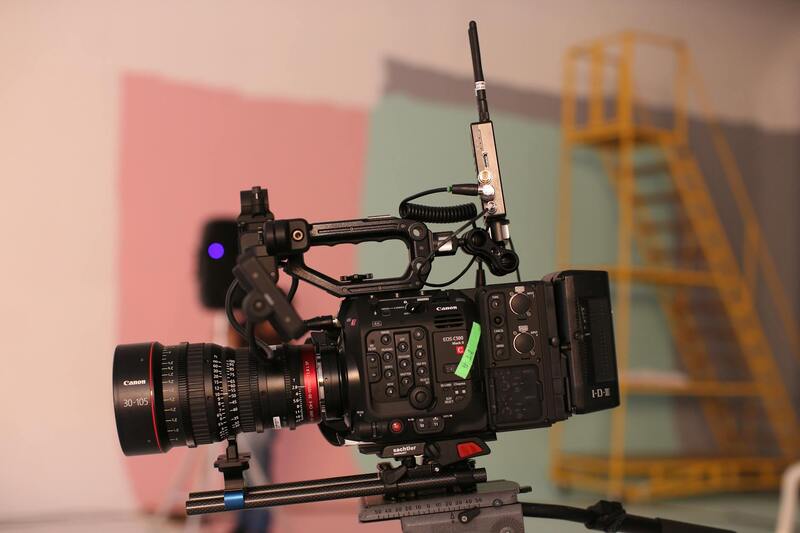
For continuous and stable delivery, deploying multiple transmission pathways, such as dedicated fiber optic links or bonded internet connections, can provide additional resilience. These links work concurrently to carry the same stream, and in case one pathway experiences issues, the others automatically take over. This failover mechanism ensures uninterrupted broadcast even during unforeseen network problems.
Monitoring tools play an integral role in maintaining streaming quality throughout the event. Network analytics, real-time health checks, and automated alerts help identify potential bottlenecks or signal degradation early. With proactive monitoring, technical teams can swiftly implement corrective actions, like switching to backup servers or adjusting encoding settings, to uphold a high standard of stream reliability.
Best Practices for Maximal Reach and Viewer Experience
- Pre-broadcast bandwidth assessment: Conduct thorough testing of all transmission routes well before the live event to identify and mitigate potential bottlenecks.
- Multiple delivery channels: Use a combination of protocols and CDN strategies to maximize reach and reliability across different devices and network conditions.
- Fail-safe configurations: Implement redundant hardware and network connections, along with automatic failover systems, to prevent signal loss.
- Real-time analytics: Keep a close eye on stream performance metrics to dynamically address issues as they arise during the broadcast.
Understanding Live-Streaming Production
Effective live-streaming production involves a sophisticated integration of various technological components and meticulous planning. The process begins with setting clear objectives for the broadcast, including target audience, content type, and platform distribution. This clarity guides all technical and logistical decisions to ensure a seamless delivery experience. Transitioning from planning to execution, the production entails capturing high-quality video and audio, encoding the signals for digital transmission, and coordinating the flow of data across multiple channels. It requires a team of skilled professionals who meticulously manage each phase—from camera operation to audio mixing, graphics overlay, and real-time switching—ensuring the visual narrative aligns with the intended message.

A comprehensive understanding of live-streaming production emphasizes the importance of precision and reliability. As the digital landscape evolves, so does the complexity of maintaining a high-quality stream. Ensuring minimal latency, crisp audio, high-resolution visuals, and synchronized subtitles are critical for viewer engagement and satisfaction. To achieve this, production teams employ advanced hardware such as switchers, vision mixers, and audio consoles, complemented by robust software solutions for encoding, streaming, and monitoring. This infrastructure enables real-time adjustments, ensuring the broadcast remains professional and engaging throughout.
Key Equipment and Technology
The foundation of a successful live-streaming event is built upon high-grade equipment tailored to the scale and scope of the production. Essential hardware includes professional cameras with HD or 4K capabilities, depending on the desired resolution. Video switchers facilitate seamless scene transitions, while audio mixers manage multiple input sources to deliver clear sound, free of background noise and distortion. Graphical overlays, lower thirds, and real-time captioning systems enhance viewer understanding and engagement.
On the software side, encoding solutions are crucial for compressing and transmitting video signals without sacrificing quality. Reliable streaming servers and content delivery networks (CDNs) distribute the content worldwide by minimizing latency and buffering issues. Additionally, monitoring tools integrated into the workflow allow for real-time assessment of stream health, enabling quick identification and resolution of problems before viewers are impacted.
Pre-Production Planning and Setup
Pre-production phases are vital in establishing a solid foundation for the broadcast. This stage involves detailed checks of all equipment, sound and lighting rehearsals, and coordination meetings to synchronize the technical team with content creators. Programming schedules should be finalized to ensure timely transitions and cue points for graphics or live feeds. Setting up test streams helps in troubleshooting potential issues related to bandwidth, hardware compatibility, and software configuration.
Environmental considerations, like lighting conditions and soundproofing, are also addressed during pre-production. Diligent planning minimizes unexpected disruptions during the live event, ensuring the focus remains on delivering a seamless experience to viewers.
Production Workflow and Execution
During live execution, a structured workflow guarantees a smooth broadcast. A dedicated director oversees the live feed, making real-time decisions on camera angles, graphic inserts, and audio levels. The use of multi-camera setups allows dynamic storytelling, capturing different perspectives and maintaining viewer interest. Visual operators support the director by managing on-screen graphics, while the audio technician ensures consistent sound quality and levels throughout the stream.
Architecting effective communication channels amongst the crew, via intercoms and real-time chat, is essential to coordinate switching commands and address on-the-fly adjustments swiftly. Backup systems are activated as needed, ready to take over in case of equipment failure or technical glitches. Throughout the event, continuous monitoring tools provide immediate feedback on stream quality, enabling proactive troubleshooting that minimizes viewer impact.
Streaming Platforms and Delivery Methods
Choosing suitable streaming platforms depends on target audience demographics, content nature, and desired interactivity levels. Popular platforms like Vimeo, YouTube Live, and Facebook Live offer varied functionalities, from high-definition playback to integrated chat and analytics. For more controlled environments, custom streaming solutions utilizing dedicated servers or Content Delivery Networks (CDNs) can enhance reliability and reach, especially for large-scale corporate or enterprise broadcasts.
Multiple delivery methods ensure resilience and expanded accessibility. Adaptive bitrate streaming dynamically adjusts video quality based on viewer bandwidth, reducing buffering and increasing satisfaction. Multi-CDN strategies distribute the stream across several networks, further reducing latency and avoiding outages caused by network congestion. Employing standard protocols such as RTMP, HLS, and DASH facilitates compatibility across devices and ensures a consistent viewing experience.

Ensuring Seamless Broadcasts Through Robust Transmission Methods
Effective live-streaming production hinges on deploying reliable transmission methods that guarantee high-quality, uninterrupted content delivery to viewers. The process involves choosing designated protocols and infrastructure that maintain stream integrity, adapt to varying network conditions, and simplify the distribution process across multiple platforms. Central to this are standard streaming protocols such as RTMP (Real-Time Messaging Protocol), HLS (HTTP Live Streaming), and DASH (Dynamic Adaptive Streaming over HTTP). Mastery of these protocols ensures compatibility with diverse devices and streaming platforms, providing a dynamic experience.
RTMP continues to be a cornerstone for live broadcasting, especially in the initial stages of stream transmission from the source to the server. It offers low latency, which is essential for real-time interactions during live events, making it popular for professional setups. Once the stream reaches the server, adaptive protocols like HLS and DASH come into play, dynamically adjusting video quality according to the viewer's bandwidth. This adaptive bitrate streaming reduces buffering and maintains smooth playback, even in environments with inconsistent internet speeds.
Implementation of Content Delivery Networks (CDNs)
To enhance stream delivery capacity and resilience, leveraging Content Delivery Networks (CDNs) is essential. CDNs distribute the streaming load across geographically dispersed servers, minimizing latency and improving access speed for viewers across different regions. This distributed approach ensures that content reaches audiences with minimal delay and reduced buffering, crucial during high-traffic live events or broadcast periods with large viewer engagement.
Multi-CDN strategies further fortify content delivery by deploying multiple CDN providers to serve the same stream. This redundancy not only increases reach and scalability but also provides a fallback in case of failures with a specific network. Integrating such systems involves configuring routing and load balancing, often supported by specialized software tools that monitor stream health and optimize traffic dynamically.
Optimizing Network Infrastructure for Streaming
Underlying network structure plays a pivotal role in successful live streams. Dedicated internet connections, such as fiber-optic lines, reduce latency and prevent congestion issues common with shared bandwidth. Implementing Quality of Service (QoS) rules helps prioritize streaming data over lesser essential network traffic, ensuring a steady, high-quality broadcast. Furthermore, using professional-grade encoders and switches ensures optimal data compression and transmission without sacrificing quality. Regular network assessments and bandwidth tests pre-event set the stage for identifying potential bottlenecks, allowing technical teams to allocate resources effectively and adapt to unforeseen network dynamics promptly.
Strategies for Managing Large-Scale Broadcasts
High-demand live streams necessitate advanced planning and infrastructure to accommodate significant viewer volume confidently. Employing scalable cloud-based solutions allows real-time resource expansion in response to viewer influx, preventing stream degradation. Additionally, configuring redundant pathways with failover mechanisms ensures continuity if primary transmission routes experience faults. Integrating advanced monitoring systems provides real-time feedback on stream health, bandwidth usage, and viewer engagement metrics. These insights enable operators to make informed decisions during the live event, rapidly addressing issues such as latency spikes or technical failures before they impact a large segment of the audience.

Implementing Robust Security Measures for Live-Streaming Production
In the realm of live-streaming production, safeguarding your content from unauthorized access and potential disruptions is essential. Reliable security measures not only protect your intellectual property but also ensure viewer confidence and maintain the integrity of your broadcast. Implementing comprehensive security protocols encompasses several strategies tailored to the dynamic environment of live streaming.
Encryption of Data Streams
Encryption stands as a cornerstone in securing live streams. Utilizing protocols such as Secure Real-Time Transport Protocol (SRTP) or Transport Layer Security (TLS) encrypts the data transmitted between the encoder, CDN, and end-users. This protection prevents eavesdropping and data interception during transmission, safeguarding sensitive content from being accessed by unintended parties.
Secure Authentication and Access Controls
Restricting access through robust authentication mechanisms is vital. This includes implementing login credentials, multi-factor authentication (MFA), and digital rights management (DRM) systems to verify authorized personnel and viewers. Access controls ensure that only designated users can manage the production infrastructure or view the live content, reducing the risk of unauthorized interventions or leaks.
Utilizing Content Delivery Networks (CDNs) with Security Features
Partnership with CDNs that offer advanced security features, such as geofencing, token authentication, and real-time threat detection, adds an extra layer of defense. These measures help prevent unauthorized access, facilitate distribution efficiency, and allow monitoring of potential security threats during live broadcasts.
Implementing Redundant Systems and Fail-Safes
Developing redundancy within the streaming setup ensures that any technical failure does not compromise the broadcast. Employing backup encoders, multiple internet connections, and failover routing mechanisms helps maintain continuous transmission under adverse conditions. This preparedness limits downtime and preserves the viewer experience while reducing vulnerabilities to technical attacks.
Regular Security Audits and Updates
Ongoing assessment of security protocols is crucial. Conducting vulnerability scans, penetration testing, and updating software components protect the infrastructure against emerging threats. Staying current with the latest security patches and best practices minimizes risks associated with cyber threats and ensures a resilient live-streaming environment.
Monitoring and Incident Response Planning
Active monitoring provides real-time insights into stream health and security breaches. Establishing protocols for incident response enables swift action if suspicious activity is detected, mitigating potential damage. Having a dedicated team or partner with expertise in cybersecurity ensures readiness to respond effectively to any issue that arises during or after the broadcast.

Incorporating these security measures into your live-streaming production not only fortifies your content against external threats but also instills confidence among your viewers, partners, and stakeholders. A proactive approach to security is a fundamental element of professional live streaming, ensuring a smooth and trustworthy broadcast every time.