
Overview of Live Streaming Production
Live streaming production has become a vital component for organizations seeking to connect with their audience in real-time through digital platforms. This process encompasses the planning, execution, and management of live broadcasts, allowing brands, event organizers, and content creators to deliver engaging visual content directly to viewers around the world. When executed properly, live streaming elevates event visibility, enhances audience engagement, and provides a seamless communication channel that can significantly boost brand recognition and customer interaction.
At its core, live streaming production involves several essential elements that ensure a smooth and professional broadcast. These include high-quality video and audio capture, stable internet connectivity, real-time switching between camera feeds, and the integration of graphics or overlays to enhance visual appeal. These components must work harmoniously to deliver a polished final product that resonates with viewers and maintains their interest throughout the broadcast.
For businesses and event organizers, understanding the significance of live streaming production is crucial. It offers an opportunity to reach a broader audience beyond geographical limitations, providing a flexible platform to showcase product launches, corporate events, webinars, and other live experiences. As technology advances, live streaming has evolved from a basic broadcast to a sophisticated production process that demands meticulous planning and technical expertise.
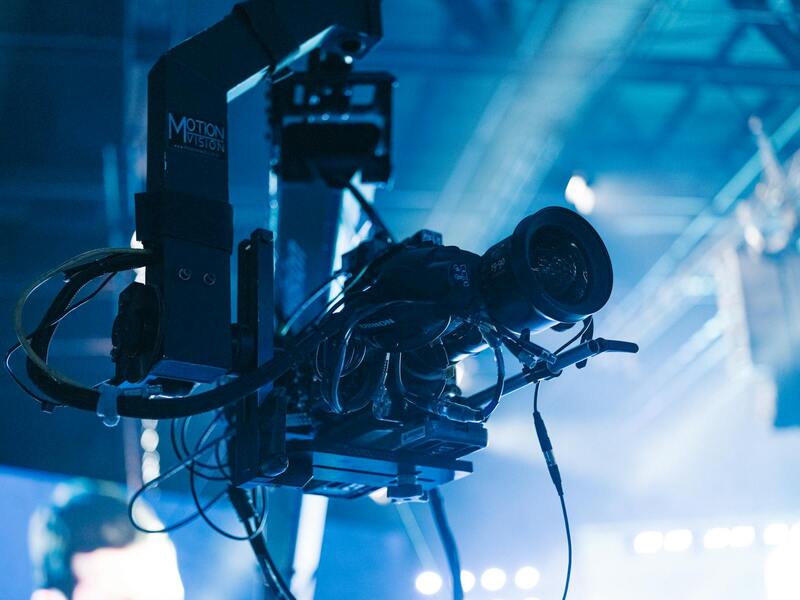
The success of a live streaming event depends heavily on the collaboration between technical teams and content creators, emphasizing the importance of specialized skills and strategic execution. Proper planning is essential to avoiding disruptions, managing unexpected issues, and ensuring a professional presentation that aligns with the organization's goals. Whether it involves a small-scale webinar or a large-scale corporate event, investing in robust production infrastructure and expert support forms the foundation of impactful live streaming experiences.
In summary, live streaming production is a dynamic and multifaceted process that enables real-time content delivery with a focus on quality and engagement. It requires a combination of planning, technology, and execution to effectively connect audiences and convey messages with clarity and professionalism. As digital communication continues to expand, mastering the art of live streaming becomes indispensable for businesses aiming to thrive in the competitive online landscape.
Equipment and Technology Essentials
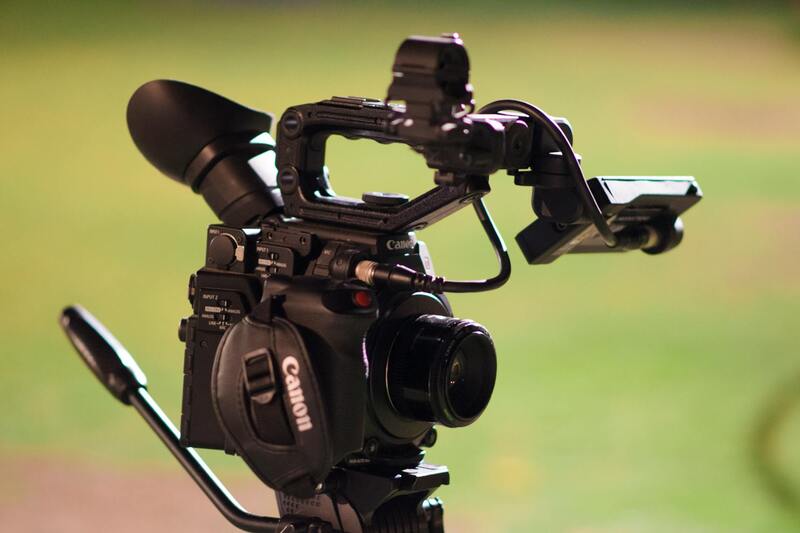
Successful live streaming production hinges on the deployment of advanced equipment and technology that guarantees high-quality transmission and viewer engagement. Selecting the appropriate hardware involves assessing several technical specifications, including camera capabilities, audio clarity, and bandwidth requirements. Professional-grade cameras, such as 4K or HD models, ensure crisp visuals, while high-fidelity microphones capture clear sound, essential for maintaining viewer interest and conveying professionalism.
Beyond cameras and microphones, a reliable streaming encoder is vital. Encoders convert raw video signals into digital formats compatible with streaming platforms, enabling live broadcast over the internet. Hardware encoders offer superior stability compared to software solutions, especially in high-stakes events. Additionally, video switchers allow producers to seamlessly transition between multiple camera feeds, adding visual dynamism to the stream. Advanced switchers can incorporate overlays, graphics, and real-time effects, heightening production value.

Network infrastructure forms the backbone of any live streaming operation. A robust, wired internet connection with adequate upload speed ensures minimal buffering and latency issues. Redundant internet solutions, such as secondary connections or failover systems, help mitigate disruptions caused by network outages. Content delivery networks (CDNs) are often employed to optimize delivery over large geographic regions, ensuring viewers receive a continuous, high-quality stream regardless of their location.
Additional technological tools include monitoring software to oversee stream health in real time, adjusting settings as needed to prevent interruptions. Integrated audio mixers and video monitors enable remotely managing multiple audio and visual sources, providing flexibility during live events. Advanced graphics software enables adding overlays, lower thirds, and branding elements, contributing to a polished presentation that aligns with organizational branding guidelines.
Moreover, the emergence of IP-based video transmission allows for greater scalability, supporting remote production workflows where multiple locations and remote contributors collaborate on a single event. Employing cloud-based solutions can further streamline operations, offering flexibility and scalability that traditional setups might lack.
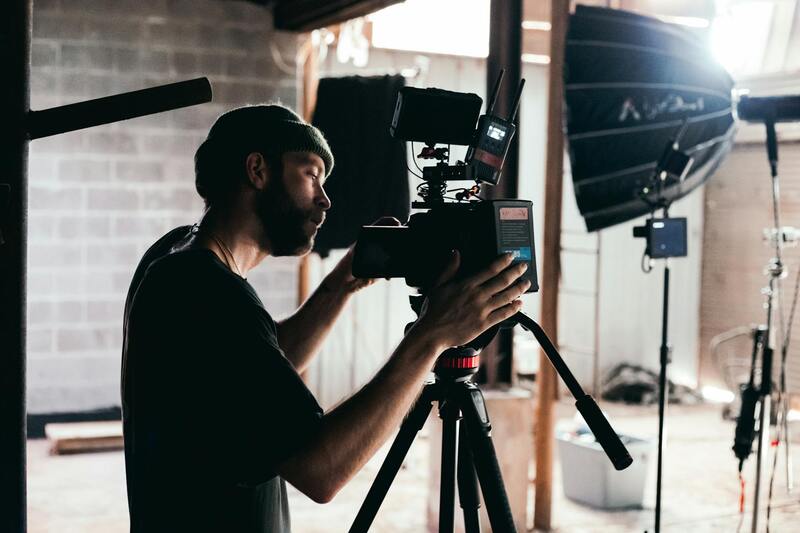
In essence, investing in top-tier equipment and leveraging reliable technology are critical for delivering smooth, high-definition live streams that meet the expectations of diverse audiences. Proper integration of these tools creates a seamless experience, fostering trust and engagement while positioning the organization as a professional content provider within the digital landscape.
Equipment and Technology Essentials
To ensure a seamless live streaming experience, the selection of appropriate equipment and technology is paramount. High-quality cameras form the backbone of any professional live production, enabling crisp visuals and clear image delivery to viewers. Depending on the event's scale and nature, options may range from compact camcorders for smaller gatherings to advanced robotic cameras capable of remote operation for larger productions. These cameras should support high-definition (HD) or 4K resolution to meet viewer expectations for clarity and detail.
Complementing the cameras, professional-grade microphones are essential for capturing audio with clarity, reducing ambient noise, and ensuring voices are intelligible across different environments. Microphone choices vary from lapel and handheld mics to shotgun microphones, selected based on the setting and number of speakers.
Encoding hardware is another critical component that translates the audio-visual signals into digital streams suitable for online distribution. Hardware encoders often offer superior performance and reliability compared to software-based solutions, providing real-time compression and transmission to streaming platforms or content delivery networks (CDNs).
Streaming platforms and services tailored for Miami-based operations—including advanced content management, monetization, and analytics solutions—play a key role in expanding reach and engaging audiences effectively. These platforms facilitate live chat features, multiple bitrate streams, and analytics tracking, all essential for maintaining quality and understanding viewer engagement.

Innovative software tools further enhance live stream production, including real-time switching and graphics overlay software, which help create a polished presentation with live branding elements, lower thirds, and engaging visuals. Cloud-based solutions are increasingly popular, allowing production teams to operate remotely, collaborate across locations, and scale resources dynamically, adapting to the demands of various events in Miami and beyond.
Investing in reliable, scalable hardware and software infrastructure ensures the delivery of high-definition, uninterrupted streams that satisfy both organizational standards and viewer expectations. Furthermore, this robust setup reduces technical issues during live broadcasts, fostering viewer trust and loyalty through consistent quality.
Optimizing Your Live Streaming Setup for Seamless Broadcasting
Executing a successful live streaming production in Miami requires meticulous attention to the technical setup. Once the location and equipment are prepared, it’s crucial to focus on ensuring that the entire system is optimized for reliability and quality. Proper configuration of streaming software, encoding settings, and network parameters will prevent disruptions and maintain high-definition output throughout the broadcast.
Begin by verifying the stability and bandwidth capacity of your internet connection. A dedicated, wired Ethernet connection is highly recommended over Wi-Fi, as it minimizes latency and reduces the risk of signal interference. Employing a dual-network setup can provide redundancy; if one network encounters issues, the other can take over seamlessly, ensuring uninterrupted streaming.
Choosing the right encoder is paramount. Hardware encoders, such as professional-grade streaming machines, offer low latency and high reliability, capable of managing complex encoding tasks without interference. Meanwhile, software encoders like OBS Studio or vMix provide flexibility and customization, suitable for content with dynamic graphics or multiple sources.
Set up audio and video feeds with precision. Use high-quality microphones and cameras integrated with your encoder to capture clear visuals and crisp sound. Incorporate audio mixers to fine-tune sound levels across multiple microphones, reducing background noise and ensuring consistent audio quality. The visual feed should be adjusted for optimal lighting, framing, and focus, particularly in dynamic environments.
Implement real-time monitoring tools. These allow your production team to observe stream health, latency, viewer feedback, and potential technical issues during the live event. Immediate detection and correction of problems are essential to maintain professional standards and viewer satisfaction.
Optimizing Broadcast Quality and Engagement Strategy
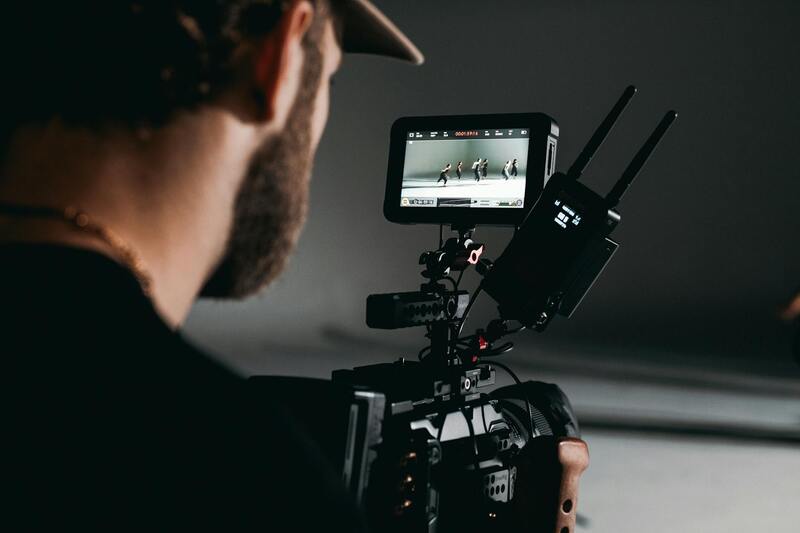
Achieving a high level of broadcast quality in live streaming production involves more than just capturing footage; it requires meticulous attention to detail in both technical execution and viewer interaction. Utilizing advanced camera operation techniques ensures that visuals are sharp, well-framed, and visually appealing, which is crucial for retaining viewer interest. Proper lighting schemes, along with precise focus control, contribute to a professional appearance, especially in dynamic environments where movement and changing lighting conditions are common.
Sound quality directly impacts viewer experience, making robust audio management essential. Employing quality microphones, sound mixing consoles, and echo-cancellation tools helps deliver clear, balanced audio free of background noise or distortions. Incorporating real-time audio monitoring further guarantees consistent sound delivery throughout the broadcast.
Graphics integration plays a vital role in capturing viewer attention and conveying key messages effectively. Using graphic overlays such as titles, lower thirds, and dynamic transitions can create a seamless viewing experience. Multi-camera switching allows the production team to present different angles or scenes, maintaining viewer engagement and providing a dynamic presentation style.
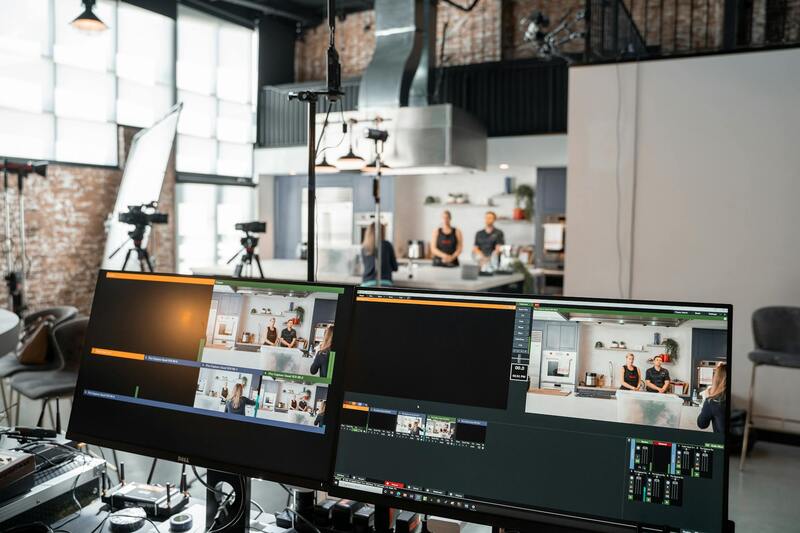
Strategies for viewer engagement should be embedded into the live streaming plan. This includes real-time polling, chat moderation, and interactive Q&A sessions, which foster a sense of community and keep audiences involved. Additionally, utilizing instant replays and on-screen statistics can add an extra layer of professionalism and interactivity to the broadcast.
Comprehending and applying these techniques require a combination of robust equipment, skilled operators, and strategic planning. Regular training for staff on the latest camera technologies, streaming software updates, and engagement tools ensures the production team remains adept at delivering compelling content. Monitoring viewer feedback, stream analytics, and technical performance during broadcasts allows for immediate adjustments, maintaining high standards of quality and viewer satisfaction.
Executing these practices consistently results in a polished, engaging live stream that not only captures audience attention but also elevates the overall professional reputation of your Miami-based production efforts. Whether for corporate events, live concerts, or product launches, this comprehensive approach ensures your broadcast stands out in a competitive digital landscape.
Post-Production and Content Repurposing
Once the live stream concludes, the post-production phase begins, offering opportunities to transform the live content into a versatile array of marketing assets and on-demand resources. High-quality recordings serve as a foundation for creating polished videos that can be repurposed across multiple platforms, such as social media, company websites, and email marketing campaigns. Effective editing involves trimming unnecessary segments, enhancing audio and visuals, and adding introductory titles, lower thirds, and branding elements to maintain consistency and professionalism.
Strategic content repurposing maximizes the value of your live streaming efforts. For instance, highlight key moments from the stream for short clips to boost engagement on platforms like Instagram and TikTok. These clips can serve as teasers or promotional tools ahead of future live events, building anticipation and expanding your reach within targeted demographics. Moreover, full recordings can be hosted as on-demand content, allowing audience members to access valuable information at their convenience, increasing overall content lifespan.
Beyond direct utilization, recordings are an asset for ongoing marketing initiatives. They can be embedded into email campaigns, used in training materials, or incorporated into case studies demonstrating your brand’s expertise and authority in your industry. Repurposing content also enables analytics tracking, providing insights into viewer engagement and preferences, which inform the planning of subsequent live streams or video productions. Proper storage, cataloging, and metadata tagging of these recordings ensure easy retrieval and seamless integration into your content library.
Working with a Miami Live Streaming Production Agency
Partnering with a seasoned production agency in Miami offers a strategic advantage in executing seamless live streaming events. These agencies provide a comprehensive suite of services including technical expertise, creative consultation, and operational support, ensuring each broadcast aligns with your brand’s objectives. Local agencies bring valuable knowledge of the regional market, audience preferences, and optimal venues, facilitating smooth logistics and coordination.
Collaborating with professionals helps mitigate common challenges such as technical glitches, audio-visual inconsistencies, and coordination issues. Their team of experienced technicians and producers can design a customized workflow tailored to your event’s scale and complexity. This includes selecting appropriate cameras, audio equipment, streaming platforms, and ancillary services like on-site setup, multi-camera switching, and real-time graphics. Moreover, agencies often offer additional services such as content planning, scripting, and post-production editing, providing a one-stop solution for all your live streaming needs.
Engagement with a Miami-based live streaming partner ensures your event benefits from dedicated support, swift troubleshooting, and strategic insights that enhance overall quality and viewer experience. The region’s competitive landscape means that working with local specialists can significantly elevate your brand’s visibility and professionalism in every broadcast. From corporate conventions to live product launches, employing expert production partners contributes to a polished, professional outcome that resonates with your target audience.
Future Trends in Live Streaming Production
Staying ahead in the realm of live streaming production necessitates a keen awareness of emerging trends and technological advancements that are shaping the industry. As demand for high-quality, engaging live content continues to grow, production professionals are adopting innovative strategies to enhance viewer experience, operational efficiency, and content versatility.
Integration of 4K and 8K Resolution
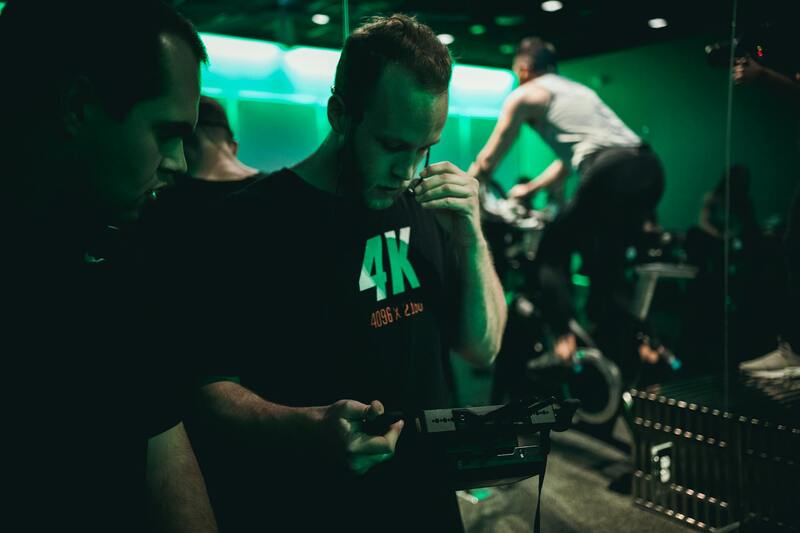
One of the most significant trends is the shift towards ultra-high-definition broadcasting. Moving beyond traditional HD, 4K and 8K resolutions are becoming standard in live streaming environments, offering crystal-clear visuals that elevate the production value. Such advancements require state-of-the-art cameras, robust encoding hardware, and high-bandwidth internet connections to handle increased data loads effectively. Incorporating these resolutions provides audiences with a more immersive viewing experience, particularly when streaming live sports, concerts, or corporate events where visual clarity is paramount.
Artificial Intelligence and Machine Learning
Artificial intelligence (AI) and machine learning (ML) are increasingly integrated into live streaming workflows, optimizing various aspects of production. AI-driven tools facilitate automatic camera tracking, image stabilization, and intelligent scene switching, reducing manual operation and enhancing broadcast fluidity. Furthermore, AI algorithms help with real-time analytics, providing insights into viewer engagement, demographic data, and content performance, enabling producers to make data-driven adjustments during the broadcast. These technologies also streamline post-production processes, such as content editing and subtitling, allowing for faster delivery and repurposing of live content.
Enhanced Interactivity and Viewer Engagement
The future of live streaming is deeply intertwined with interactive features that increase audience participation. Live polls, Q&A sessions, chat integrations, and real-time reactions create a more dynamic viewing environment. Advanced streaming platforms now support multiscreen synchronization, enabling viewers to interact seamlessly across devices. Incorporating augmented reality (AR) and virtual reality (VR) elements into broadcasts opens new avenues for immersive experiences, especially in virtual events, product launches, or educational seminars. These innovations are transforming passive viewership into active engagement, fostering stronger brand connections.
Cloud-Based Production and Distribution
Cloud technology continues to revolutionize live streaming by offering scalable, flexible, and cost-effective solutions. Cloud-based production tools facilitate remote collaboration among distributed teams, enabling real-time editing, switching, and graphics addition from multiple locations. Additionally, cloud distribution allows for effortless content delivery to multiple platforms, expanding reach without the need for extensive on-site infrastructure. This approach simplifies the logistics of live streaming, reduces overhead costs, and accelerates content dissemination, making it suitable for both large-scale broadcasts and smaller, targeted events.
Green and Sustainable Production Practices
As awareness of environmental impact increases, live streaming production is adopting greener practices. Utilizing energy-efficient equipment, minimizing waste through digital workflows, and optimizing travel logistics for crew and equipment contribute to more sustainable operations. Virtual set designs and remote production capabilities reduce the need for physical setups and transportation, further lowering carbon footprints. These environmentally conscious approaches not only meet growing regulatory and societal expectations but also resonate with eco-aware audiences, enhancing brand reputation.
Expert Strategies for Live Streaming Production in Miami
Maximizing the impact of live streaming requires adherence to proven production standards that ensure content quality, technical reliability, and audience engagement. Employing multi-camera setups allows for dynamic, cinematic visuals, providing viewers with varied perspectives that enhance storytelling. Integrating professional audio equipment, such as lapel and shotgun microphones, guarantees crystal-clear sound that maintains viewer attention and complements high-quality visuals.
To elevate production value, utilizing real-time graphics, on-screen annotations, and branding elements is essential. These enhancements not only reinforce brand identity but also offer additional context and information that enrich the viewing experience. The use of reliable streaming encoding devices ensures smooth data transmission, reducing buffering issues and maintaining broadcast stability regardless of network fluctuations.

Achieving professional-level live streams involves meticulous attention to audio-visual synchronization. Employing hardware switchers allows seamless transitions between camera feeds, while software-based solutions enable real-time editing and overlay creation. Regular testing before the event mitigates potential technical issues, ensuring a flawless broadcast.
Ensuring Compliance and Content Security
Maintaining the integrity of live content involves implementing secure streaming protocols and access controls. Utilizing encryption helps prevent unauthorized interception, while secure login credentials restrict platform access to designated team members. Proper management of digital rights ensures that content is distributed appropriately across subscribed channels, with licensing agreements in place to respect copyright laws.
Audience Interaction and Engagement
Integrating live chat functions, polls, and interactive overlays invites real-time audience participation, which boosts engagement metrics and viewer loyalty. Additionally, employing multilingual subtitles broadens accessibility, allowing diverse demographic groups to connect with the content seamlessly. Strategic placement of call-to-actions encourages viewers to share the stream or follow social media profiles, expanding reach organically.
From a logistical standpoint, real-time monitoring of streaming metrics helps identify potential dropout points and optimize bandwidth usage. This ongoing analysis supports adaptive streaming practices, adjusting video quality based on viewer bandwidth and maintaining a high-quality experience across all devices and locations.
Final Considerations for Producing High-Impact Live Streams
Effective live streaming production in Miami depends on a combination of technical expertise, strategic planning, and cutting-edge gear. Partnering with skilled professionals who understand the nuances of live content delivery ensures a polished presentation that captivates viewers from start to finish. With consistent quality control measures and a proactive approach to troubleshooting, creators can deliver memorable live experiences that resonate long after the broadcast concludes.