
Overview of Live Broadcast Services
Live broadcast services have become an integral part of modern media, transforming the way events, corporate functions, and media content are delivered to audiences. In Miami, a vibrant hub for business, entertainment, and cultural activities, these services facilitate real-time communication and interaction across various platforms. Whether it involves streaming a corporate presentation, broadcasting a music festival, or covering a news event, live broadcast services enable organizations to reach their target viewers instantly and efficiently.
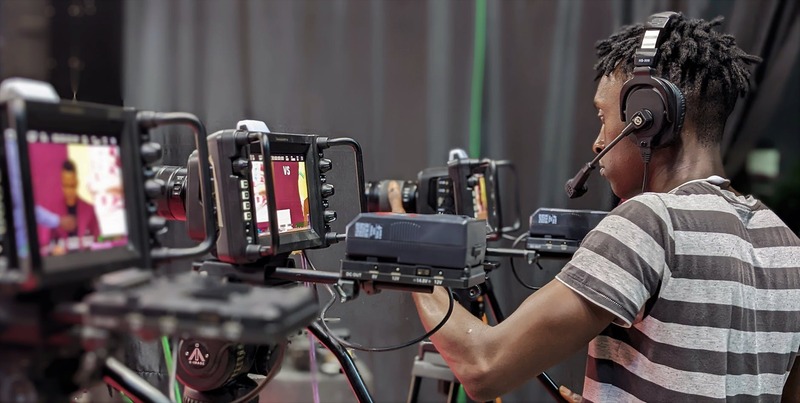
At its core, live broadcast services encompass the entire process of transmitting live video and audio to a remote audience. This encompasses event coverage, webcasting, real-time streaming for marketing or informational purposes, and even remote participation in conferences. The relevance of these services in Miami is particularly prominent given the city’s diverse event calendar, including music festivals, sports events, corporate gatherings, and cultural festivals. Utilizing professional live broadcast services ensures these events are accessible to a broader audience, enhances engagement, and provides opportunities for real-time interaction.
- Real-time engagement: Connecting audiences instantly during live events.
- Global reach: Extending the event’s visibility beyond physical boundaries.
- Professional quality: Ensuring broadcast consistency and clarity for viewers worldwide.
- Interactivity options: Incorporating live chats, Q&As, and social media integrations.
Miami’s bustling event scene, with its mix of corporate functions, festivals, and media productions, benefits significantly from these services by delivering seamless, high-definition live content. This makes live broadcast services an essential component for elevating event visibility, enhancing audience experience, and maximizing engagement in the region's competitive environment.
Types of Live Broadcast Services Offered
Miami’s dynamic event landscape demands a diverse array of live broadcast solutions tailored to meet specific client needs. Among these, live streaming remains the cornerstone, providing real-time video delivery directly to online viewers through various platforms. Multi-camera production enhances the viewer experience by offering dynamic angles and professional switching, ideal for concerts, corporate events, and sports competitions. Remote broadcasting capabilities enable organizers to connect multiple locations seamlessly, creating a unified event experience or covering geographically dispersed activities.
Additionally, hybrid event solutions combine in-person and virtual elements, facilitating audience participation both physically and online. Specialized feed services are also available, allowing exclusive or encrypted broadcasts for private events such as board meetings or product launches. In Miami, where events range from high-profile galas to vibrant music festivals, these varied broadcasting options enable organizers to select bespoke solutions that maximize reach, engagement, and overall event impact.
Advantages of Customized Broadcast Solutions
- Enhanced Engagement: Multi-camera setups and interactive features keep viewers actively involved.
- Broader Accessibility: Live streaming on multiple platforms ensures content reaches diverse audiences.
- Professional Presentation: High-quality broadcast production boosts the credibility and appeal of events.
- Cost Efficiency: Remote and hybrid solutions reduce travel and venue hosting costs.
- Real-Time Feedback: Interactive features allow organizers to gauge audience response instantly, enabling timely adjustments.
By leveraging the right combination of services, event organizers in Miami craft compelling live experiences that resonate with both local attendees and global viewers, ultimately expanding their event’s footprint and recognition.
Key Equipment and Technologies Used
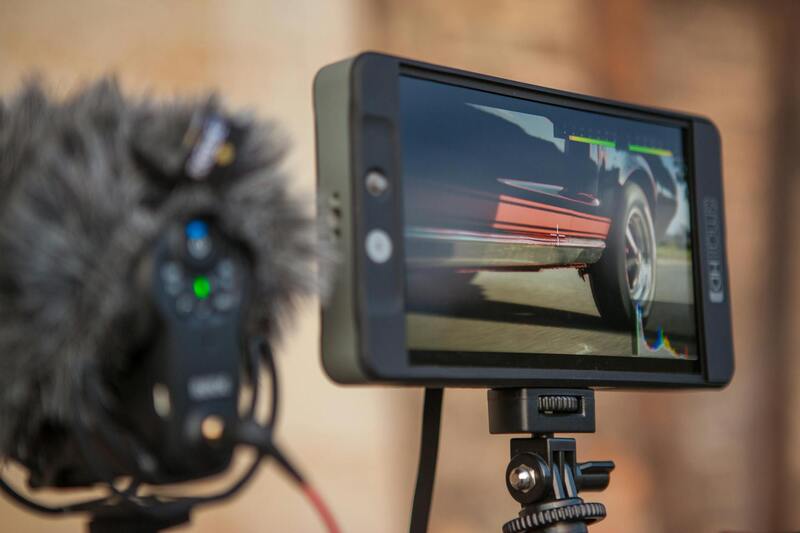
Delivering seamless live broadcast services requires a suite of specialized equipment and advanced technologies. High-definition cameras form the backbone of any professional broadcast, capturing intricate details and vibrant visuals that elevate the viewer experience. These cameras are often supplemented by multiple angles and perspectives, allowing for dynamic shots that engage audiences effectively. Additionally, video switchers enable real-time transitions between camera feeds, graphics, and overlays, ensuring a polished presentation without delays.
State-of-the-art audio equipment, including microphones and mixers, guarantees clear sound quality, which is as vital as the visuals. Background noise is minimized, and sound levels are balanced to maintain clarity regardless of the event environment.
To connect all elements smoothly, high-bandwidth internet connections are fundamental. Reliable streaming platforms and encoders are employed to transmit high-definition video data efficiently, minimizing lag and buffering issues. Technologies such as adaptive bit-rate streaming adjust video quality in real-time based on viewer bandwidth, delivering a consistently superior experience across devices.
Emerging innovations like 4K ultra-high-definition broadcasting, virtual reality (VR), and augmented reality (AR) integrations are increasingly integrated into live services. These technologies offer immersive experiences, allowing remote viewers to feel as if they are physically present at the event. Cloud-based solutions facilitate scalable and flexible broadcasting options, making it easier to manage large-scale productions and deliver content across multiple channels simultaneously.

Production and Live Broadcasting Process
Executing a successful live broadcast necessitates meticulous coordination between pre-production, technical setup, and real-time management. This process begins with comprehensive rehearsals and dry runs, ensuring all technical elements—from camera angles to audio levels—operate seamlessly. During the broadcast, operators monitor multiple feeds, adjusting camera angles and audio inputs on the fly to adapt to the dynamic nature of live events.
A core component of the production phase is the management of transmission equipment. High-definition cameras capture detailed visuals, while video switchers enable real-time scene transitions that maintain viewer engagement. Audio mixers balance sound inputs from microphones, instruments, or other sources, ensuring clarity and consistency.
Utilization of live encoding hardware ensures the real-time compression of video streams without latency issues. Encoders transform the raw video signals into digital streams compatible with internet transmission protocols. This real-time processing is vital for minimizing delays, buffering, and ensuring that viewers receive a smooth, synchronized broadcast.
Simultaneously, quality control specialists oversee the broadcast infrastructure, addressing technical glitches immediately to prevent disruptions. This proactive approach involves constant monitoring of internet stability, stream health metrics, and hardware performance to swiftly implement solutions as needed.

Types of Live Broadcast Services Offered
Miami production experts provide a comprehensive array of live broadcast services, each tailored to meet specific event needs and audience expectations. These services range from traditional broadcast formats to innovative digital streaming solutions, ensuring seamless delivery across various platforms and devices.
One of the most common offerings is multi-camera live streaming, which integrates several camera feeds to create dynamic and engaging coverage. This setup is ideal for large-scale events like conferences, sports events, and festivals, where capturing different angles and perspectives enriches the viewing experience.
Webcast services enable clients to reach remote audiences through high-quality streams transmitted over the internet. These solutions often encompass secure login options, interactive features, and real-time chat functionalities, allowing for a highly engaging virtual event environment.
Additionally, live event streaming for social media platforms such as Facebook, YouTube, and Instagram is increasingly popular. These services include platform-specific customization to optimize quality, aspect ratios, and user engagement tools, maximizing reach and interaction.
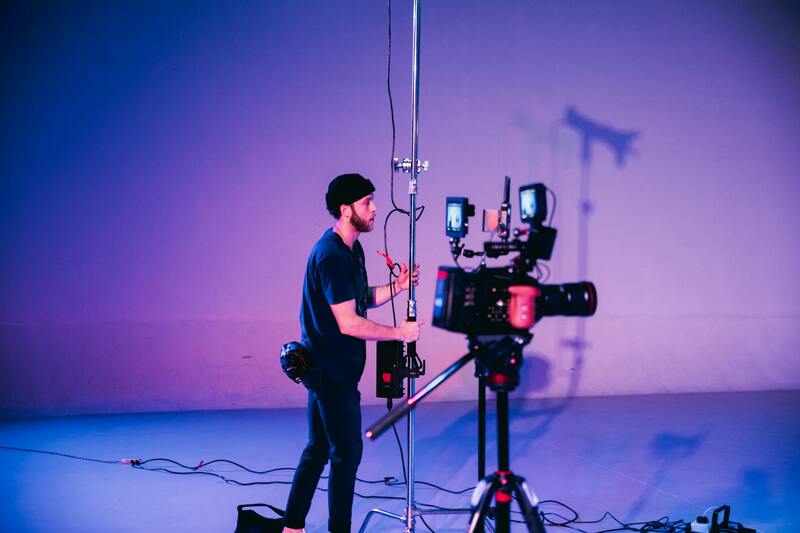
Another specialized service involves hybrid event broadcasting, combining in-person and virtual attendance. This method ensures physical event quality while expanding audience reach beyond geographic limitations. It also incorporates advanced chat moderation, audience polling, and Q&A features to foster interaction in real-time.
Live coverage for corporate communications and product launches also benefits from tailored solutions. These broadcasts emphasize professionalism and branding consistency, integrating graphics, overlays, and pre-produced content seamlessly into the live feed. The focus is on delivering a polished presentation that aligns with brand objectives and enhances audience impact.
For niche events, such as religious ceremonies or cultural performances, customized live broadcast packages are designed to accommodate specific requirements, including audience interaction, multilingual streams, and archival recordings for future reference.

Overall, the range of live broadcast services offered ensures each client can find a tailored solution that maximizes engagement, professionalism, and technical excellence. These services capitalize on current broadcast technologies and integrate the latest trends to deliver compelling content that resonates with viewers.
Distribution and Streaming Platforms
Effective distribution of live broadcast content hinges on selecting the appropriate streaming platforms and ensuring seamless multi-channel delivery. Recognized platforms such as YouTube Live, Facebook Live, and Twitch remain staples for reaching broad audiences with user-friendly interfaces and extensive reach. Additionally, professional-grade streaming solutions often incorporate custom CDN (Content Delivery Network) integrations, which optimize delivery speed and reduce buffering, especially for high-definition streams.
Distributing live content can also involve dedicated enterprise portals and proprietary streaming servers designed for corporate or event-specific needs. These tailored solutions provide enhanced control over security, branding, and content management, enabling clients to maintain a consistent presentation across various platforms.
Utilizing multi-platform streaming tools allows simultaneous broadcasting to multiple social media channels, website embeds, and streaming services. This multilayered approach not only broadens audience engagement but also enhances data collection and viewer analytics, providing valuable insights for future event planning.
Furthermore, integration with mobile broadcasting applications ensures viewers can access streams on the go, favoring platforms that support adaptive bitrate streaming. This technology automatically adjusts video quality based on the viewer's internet connection, ensuring smooth playback regardless of device or connection speed.
Placement and timing of content release are equally crucial. Live broadcast services often include scheduled or scheduled pre-event content, early access features, and delayed replays. These strategies increase viewer engagement and allow audiences to access content at their convenience, boosting overall reach.
Adopting robust distribution strategies ensures broadcasts are accessible, engaging, and synchronized across multiple channels. This comprehensive approach maximizes audience interaction and ensures events are viewed and shared widely in real-time and afterward, amplifying overall impact.
Future Trends in Live Broadcast Services
Emergence of 4K and 8K Streaming Technologies
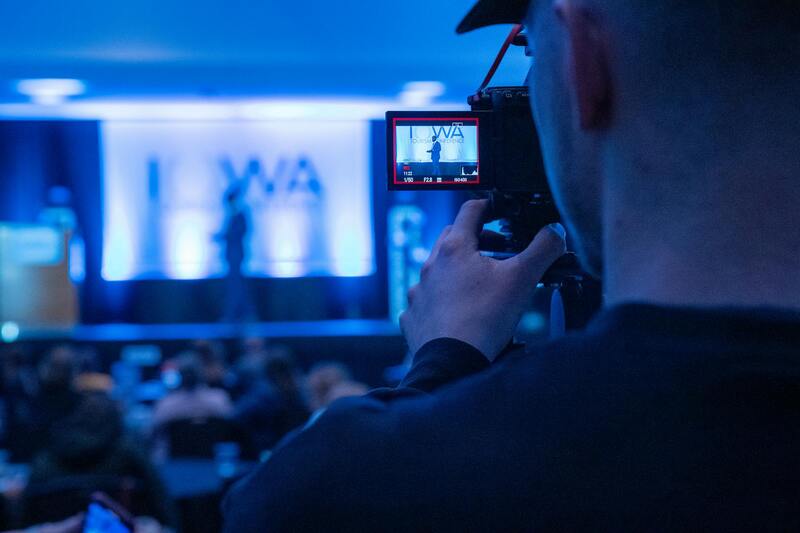
Advancements in video resolution technology are driving live broadcast services toward ultra-high-definition streams. The adoption of 4K and 8K resolution ensures crystal-clear visuals that elevate the viewer experience. These higher resolutions demand more robust encoding and transmission capabilities, making the assessment of bandwidth requirements and compression technologies crucial for seamless streaming. As internet infrastructure continues to improve, broadcasters are increasingly capable of delivering ultra-high-definition content without interruptions, appealing to audiences who seek professional-grade quality for events ranging from concerts to corporate conferences.
Integration of 5G and Edge Computing
The rollout of 5G networks is transforming live broadcast capabilities by providing significantly faster data transfer speeds and reduced latency. This technological advancement allows for real-time streaming with minimal delay, even in congested environments. Coupling 5G with edge computing reduces the need for data to travel long distances, enabling data processing closer to the source. Consequently, broadcasters can manage high-volume content more efficiently, facilitate mobile live streams from remote locations, and provide viewers with a more responsive and interactive experience. This convergence of technologies paves the way for innovative live broadcast formats and dynamic content delivery methods.
Enhanced Interactivity and Viewer Engagement
Interactive features embedded within live streams are becoming a standard expectation. Incorporating live chat, real-time polls, augmented reality overlays, and multi-angle viewing options increases audience participation. Advanced data analytics can now track viewer behaviors and preferences in real time, allowing broadcasters to tailor content dynamically. This two-way communication approach enriches the viewing experience, makes events more engaging, and fosters a stronger connection between the audience and content creators. As interactivity tools evolve, they will become integral to live broadcast services, especially for marketing campaigns, esports events, and large-scale conferences.
Use of AI and Machine Learning
Artificial Intelligence (AI) and Machine Learning (ML) are increasingly incorporated into live broadcast workflows. These technologies automate parts of the production process, such as content tagging, scene switching, and even facial recognition for personalized content delivery. AI-driven analytics help improve streaming quality by predicting potential issues and adjusting parameters proactively. Additionally, AI-powered captioning and translation services enhance accessibility, allowing global audiences to engage with content seamlessly. As AI continues to evolve, its integration will lead to more intelligent, efficient, and immersive live broadcasting solutions.
Advanced Features and Enhancements in Live Broadcast Services
Modern live broadcast services are continually integrating cutting-edge features to elevate the viewer experience and meet the demands of diverse audiences. One of the most significant advancements is the implementation of multi-platform streaming capabilities, which ensure content reaches audiences across various channels such as social media, dedicated apps, and websites simultaneously. This multi-channel approach maximizes exposure, allowing viewers to access content through their preferred platforms without interruption.
Another noteworthy development is the adoption of real-time viewer analytics. Broadcast providers utilize sophisticated software to monitor viewer engagement levels, demographic data, and viewing patterns. This data-driven approach enables content creators to make immediate adjustments, optimizing content delivery and ensuring the audience remains engaged throughout the event.

Incorporating high dynamic range (HDR) and 4K resolutions into live streams has become increasingly prevalent, significantly enhancing visual clarity and color accuracy. These advancements deliver a more immersive and vibrant viewing experience, particularly for high-profile events, concerts, and esports competitions. Moreover, adaptive bitrate streaming technology is employed to automatically adjust quality based on viewers' internet speeds, reducing buffering and ensuring smooth playback regardless of network conditions.
Live broadcast services are also moving towards more personalized viewer interactions through augmented reality (AR) and virtual reality (VR) overlays. These features not only enhance the aesthetic appeal of broadcasts but also provide interactive opportunities such as virtual tours, real-time annotations, and 3D visualizations. As these innovations become more mainstream, they offer new avenues for engagement and branding opportunities.
Integration of Artificial Intelligence for Enhanced Services
Artificial Intelligence (AI) is playing a crucial role in refining live broadcast experiences. AI algorithms facilitate automated editing, allowing for instant highlight creation, scene switching, and content curation based on viewer preferences. Additionally, AI-powered moderation tools ensure a clean, distraction-free viewing environment by filtering out inappropriate comments and managing live chat interactions.
Facial recognition and sentiment analysis harnessed through AI enable broadcasters to gauge audience reactions in real time, tailoring the content flow to maximize engagement. AI-driven captioning and translation services also increase accessibility for global audiences, breaking language barriers and fostering inclusivity.
Security and Reliability Measures
With the increasing importance of live streaming, ensuring the security and uninterrupted quality of broadcasts is paramount. Modern live broadcast providers implement robust cybersecurity protocols, including encrypted data transmission and secure login procedures, to safeguard content and user data. Redundancy systems and multiple CDN (Content Delivery Network) configurations are also employed to mitigate risks associated with technical failures, guaranteeing a seamless streaming experience even in adverse conditions.
Furthermore, continuous monitoring and real-time troubleshooting are integral to maintaining broadcast reliability. These measures not only protect the integrity of live events but also build trust with clients by ensuring their content is delivered smoothly and securely.
Conclusion
Incorporating the latest advancements in technology, security, and audience engagement, live broadcast services continue to evolve rapidly. By leveraging multi-platform streaming, high-resolution visuals, AI-driven enhancements, and robust security measures, providers enable organizations to deliver compelling, high-quality live content that resonates with viewers and helps achieve strategic goals. For businesses and content creators in Miami and beyond, partnering with experienced live broadcast agencies ensures access to state-of-the-art solutions tailored to their specific needs, fostering memorable and impactful live experiences.