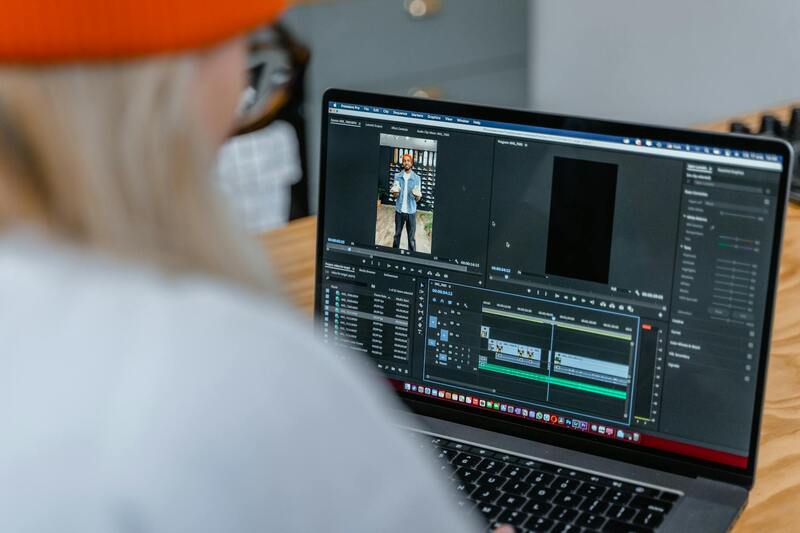
Understanding On Site Streaming Services
What Are On Site Streaming Companies?
On site streaming companies specialize in providing live broadcasting solutions directly from the event location. These entities deploy advanced hardware and software to facilitate real-time video capture, encoding, and transmission, ensuring seamless delivery of live content to audiences across various digital platforms. Their operations are integral to the success of live event coverage, including concerts, corporate events, conferences, and sports in Miami.
In essence, on site streaming involves setting up a temporary or permanent broadcast infrastructure at the event site. This setup includes high-definition cameras, live switchers, encoders, and network equipment designed to handle large data flows. The company manages all technical aspects, from capturing the event to transmitting the live feed to viewers, often via internet streaming services or dedicated content delivery networks (CDNs).

Role in Live Event Broadcasting and Content Delivery
On site streaming companies serve as the backbone for real-time content delivery during live events. Their expertise ensures high-quality audio-visual output, minimizes latency, and guarantees stable streaming even in challenging network conditions. They coordinate closely with event organizers, production teams, and digital platforms to provide a synchronized viewing experience for remote audiences.
Beyond live broadcasting, these services often include multi-camera management, instant replays, graphics overlay, and audience interaction features. This comprehensive approach enhances engagement and provides a polished viewing experience that rivals traditional broadcast methods.
In Miami, where vibrant cultural events and large conferences are prevalent, the demand for reliable on site streaming solutions continues to grow. Event organizers rely heavily on these service providers to reach wider audiences, extend the event’s reach, and increase engagement through digital channels.
Choosing an on site streaming company involves evaluating their technical capabilities, experience with similar events, and their ability to deliver a seamless, high-quality broadcast. As technology advances, these companies are continuously adapting to incorporate more sophisticated features and improve overall service reliability.
Key Technologies Used in On Site Streaming
Effective on site streaming relies on a combination of advanced technologies that ensure seamless delivery and high-quality visuals. At the core are robust encoding hardware and software which convert raw audio-visual signals into digital formats suitable for transmission. These encoders are typically equipped with multiple input channels, allowing operators to switch between cameras, microphones, and graphics feeds effortlessly, ensuring a dynamic live presentation.
Complementing encoding devices are content delivery networks (CDNs) designed specifically for live streaming. These CDNs distribute streams to viewers via optimized routes, reducing latency and buffering issues. By deploying multiple geographically dispersed servers, on site streaming companies can ensure rapid content distribution, even in areas with fluctuating network performance.
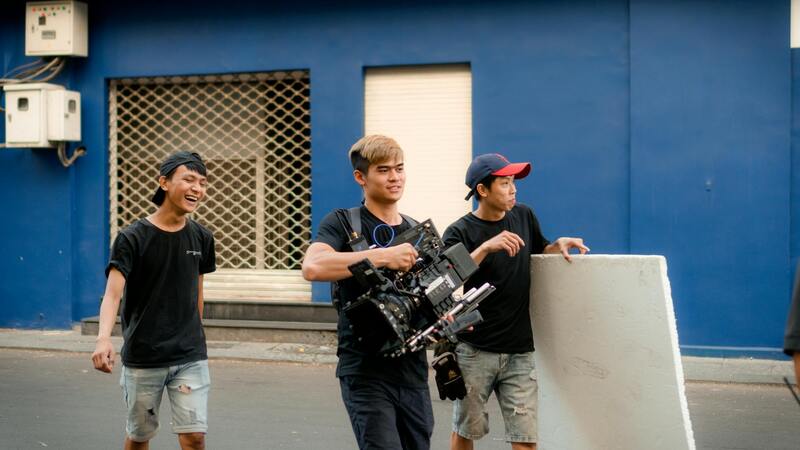
In addition, reliable networking equipment is vital. This includes high-capacity switches, routers, and redundant internet connections that provide failover options. Such infrastructure guarantees that a single network failure doesn't disrupt the broadcast, maintaining continuous coverage throughout the event.
Another technological cornerstone is multi-camera management systems. These setups allow live editors to switch camera feeds seamlessly, incorporate graphics overlays, and incorporate instant replays or highlight reels. These tools enable a professional broadcast feel, comparable to traditional television production quality.
Advanced audio engineering and synchronization technology also play a critical role. They ensure balanced sound, clear speech, and synchronized video and audio streams, which are essential for audience engagement and clarity. Microphone arrays, sound mixers, and digital signal processors are meticulously configured to deliver pristine audio.
Furthermore, audience interaction features such as live chat, polls, and Q&A sessions are integrated into the streaming setup. This involves specialized software that captures viewer engagement in real time and displays it alongside the main broadcast, creating an interactive experience.
All these technological systems are managed by skilled technical teams who monitor performance continuously. Their proactive approach in troubleshooting and fine-tuning ensures that the live stream maintains a professional standard, regardless of the complexity or scale of the event.
Key Technologies Used in On Site Streaming
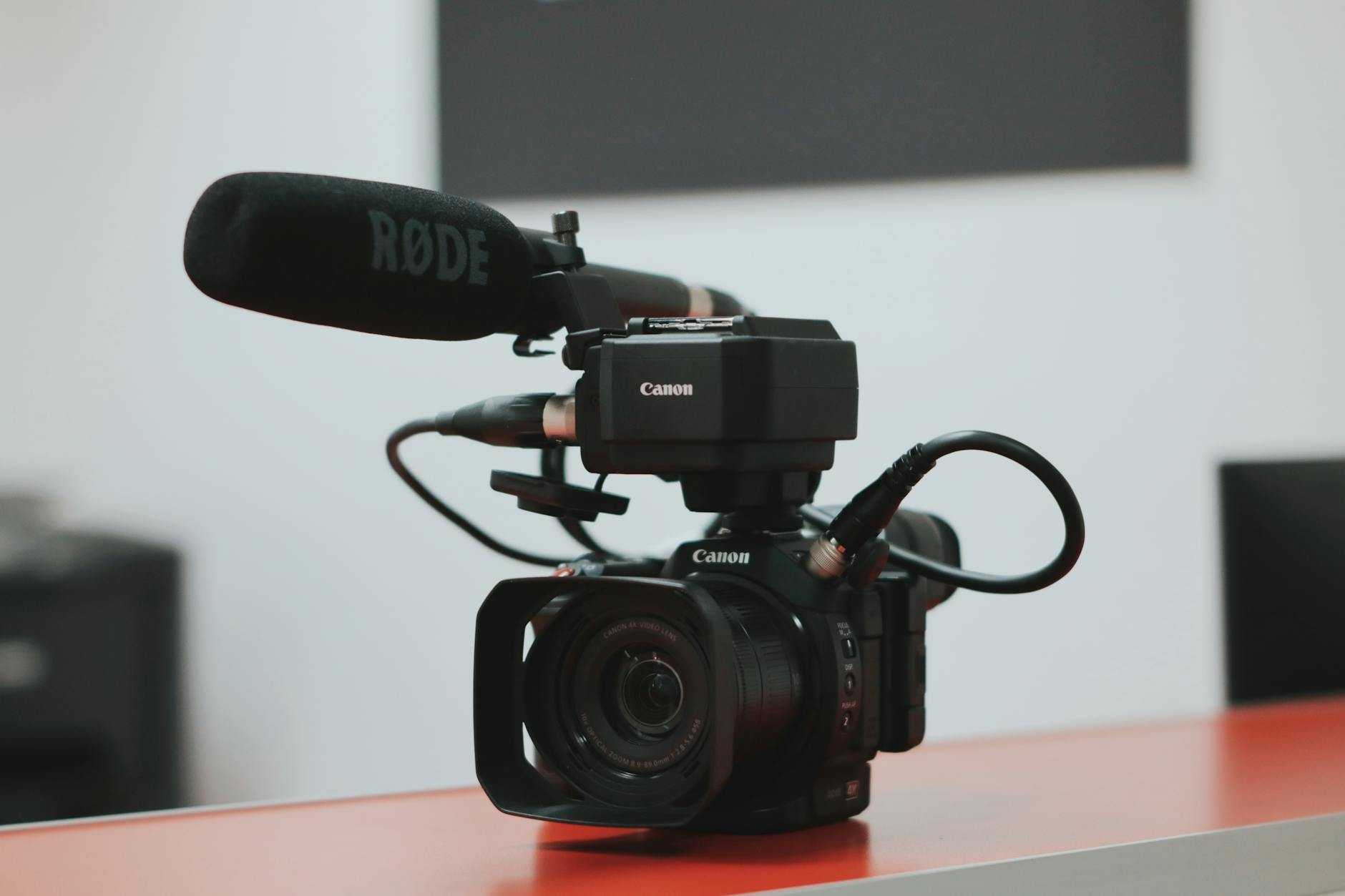
Implementing a seamless on site streaming experience relies heavily on advanced hardware and software solutions. High-definition professional cameras serve as the backbone of the live broadcast, capturing crisp, detailed visuals from multiple angles to enrich viewer engagement. These cameras often feature 4K resolution capabilities, optical zoom, and remote control functionalities, enabling flexible and dynamic shot compositions.
Encoders are another critical component in on site streaming setups. These devices compress the video feed into a digital format suitable for live transmission over the internet, ensuring minimal latency and maximum quality. Modern encoders support multiple streaming protocols and adaptive bitrate technology, automatically adjusting the stream quality based on network performance, thus maintaining uninterrupted coverage.
Reliable internet connectivity forms the foundation of a successful live stream. Multiple internet sources, including fiber optic connections, LTE/5G networks, and satellite links, are often aggregated through bonding solutions. This redundancy ensures that any local network disruptions do not affect the broadcast. Network hardware, such as high-speed switches and routers with QoS (Quality of Service) features, prioritize streaming traffic to prevent lag or interruption.
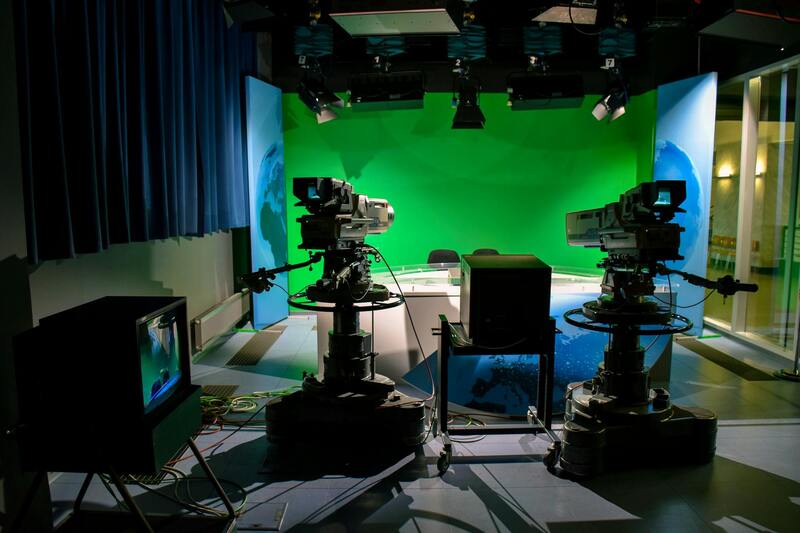
Software solutions are equally integral, providing real-time editing, graphics overlay, and multi-platform streaming capabilities. Live production software allows operators to seamlessly switch between camera feeds, add branding or informational graphics, and incorporate live chats or viewer polls. Integration of these tools creates a professional, engaging broadcast, similar to traditional television production.
Monitoring systems are employed to oversee stream health continuously. These systems track bandwidth usage, error rates, and video quality metrics, alerting technicians to issues before they impact viewers. Such proactive monitoring helps maintain high standards and ensures a smooth viewing experience.
Key Technologies Used in On Site Streaming
Achieving a high-quality live stream involves the integration of advanced technological tools designed to deliver seamless, professional broadcasts. Central to this are modern encoders, which play a crucial role in converting raw video signals into digital streams suitable for online delivery. These encoders support multiple streaming protocols such as RTMP, HLS, and DASH, ensuring compatibility across various platforms and devices. Adaptive bitrate streaming technology is also vital; it dynamically adjusts video quality based on real-time network conditions, minimizing buffering and providing viewers with a consistently smooth experience.

Reliable internet connectivity forms the foundation of any successful on site broadcast. To mitigate potential disruptions, multiple internet sources—including fiber optic connections, LTE/5G networks, and satellite links—are often bonded together using specialized solutions. This network bonding creates a resilient connection that automatically switches between sources if one fails, maintaining uninterrupted coverage. State-of-the-art network hardware, such as high-capacity switches and routers with Quality of Service (QoS) features, prioritizes streaming data to prevent latency and packet loss.
In addition to hardware, sophisticated software solutions facilitate real-time editing, graphics overlay, and multi-platform streaming. Live production software enables operators to effortlessly switch between camera feeds, add branding elements, and incorporate informational graphics or viewer interactions like chats and polls. These functions elevate the broadcast, providing a polished, engaging viewer experience similar to traditional television shows.
Monitoring and Quality Control Systems
Continuous stream monitoring is essential to identify and address issues proactively. Monitoring systems track various parameters such as bandwidth usage, latency, error rates, and video quality metrics. They generate alerts for technicians if anomalies are detected, enabling immediate intervention before viewers experience disruptions. This proactive approach helps sustain high broadcast standards and ensures a reliable viewing experience for audiences watching live from Miami or across other regions.
Combining these technological elements creates a robust infrastructure capable of supporting large-scale, high-quality live events. The integration of top-tier hardware, software, and monitoring systems ensures that every broadcast is smooth and visually impressive, meeting the expectations of event organizers and viewers alike.
Ensuring Optimal Quality and Reliability in On Site Streaming
When selecting an on site streaming company in Miami, it is imperative to evaluate their adherence to stringent operational standards and their capacity to deliver consistent, high-quality broadcasts. This includes verifying their use of advanced hardware such as professional-grade encoders, high-capacity servers, and redundant internet connections, which minimize the risk of disruptions during live events.
Additionally, a reputable provider should employ real-time monitoring tools that continuously track video quality, signal strength, and network health. These tools facilitate immediate troubleshooting, reducing latency and preventing buffering issues that can detract from the viewer experience. The deployment of intelligent error correction algorithms and adaptive bit-rate streaming ensures viewers receive the best possible quality regardless of fluctuating network conditions.
Furthermore, the company's team of experienced technicians and broadcast engineers plays a crucial role in maintaining seamless operation. Their expertise in configuring and managing complex streaming setups ensures smooth transitions between camera angles, instant switching, and integration of graphical overlays, all synchronized to deliver a cohesive production that aligns with the event’s branding and messaging.
It's also vital for an on site streaming company to have comprehensive backup plans, including spare hardware and alternative network routes, to safeguard against unforeseen technical failures. This level of preparedness guarantees uninterrupted live coverage, which is paramount for high-stakes events like corporate conferences, music festivals, or sports tournaments held in Miami.
Ultimately, the choice hinges on the company’s ability to customize solutions tailored to specific event requirements, scale appropriately for audience size, and adhere strictly to timelines, ensuring that every stream is executed flawlessly from initial setup to final broadcast.

Understanding On Site Streaming Services
On site streaming services involve the deployment of specialized equipment directly at the event location to broadcast live video content to remote audiences. This approach provides a robust alternative to traditional broadcast methods, allowing for real-time engagement and interaction. These services typically include high-definition cameras, professional audio systems, encoding hardware, and reliable internet connectivity setups designed to handle intense data transmission demands. The essence of on site streaming lies in its ability to capture live action in high quality, process it efficiently, and distribute it seamlessly across various online platforms.
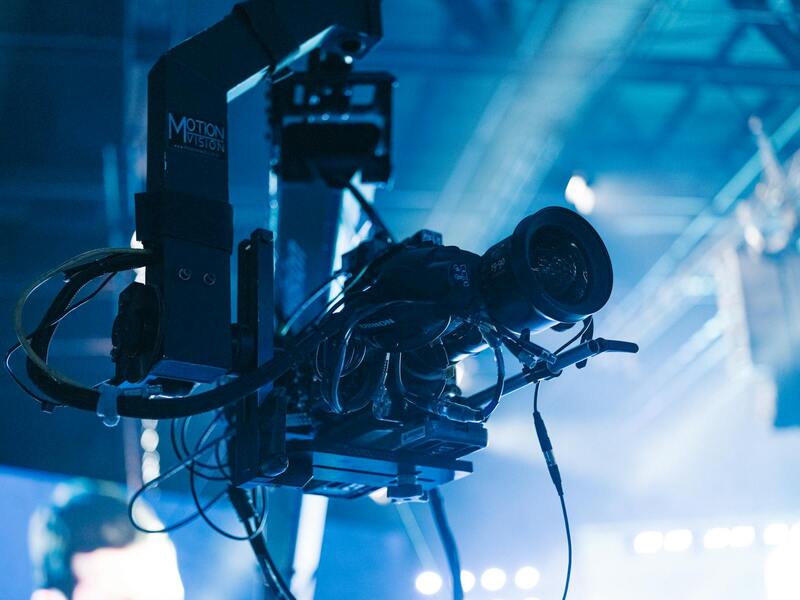
Implementing on site streaming requires meticulous planning and coordination among technical teams. This includes ensuring the event venue has adequate internet bandwidth, installing appropriate cameras and sound equipment, and configuring encoding systems for optimal data compression without sacrificing quality. The physical setup must be adaptable to different event types—whether it's a conference, concert, or sports event—while maintaining the flexibility to incorporate live graphics, multiple camera angles, and real-time commentary. Additionally, on site streaming services often utilize advanced hardware such as professional switchers, video mixers, and backup power supplies to ensure continuous broadcast operations even under unforeseen circumstances.
Benefits of On Site Streaming for Miami Events
Opting for on site streaming in Miami offers numerous advantages that enhance the overall quality and reach of events. First, it ensures high-quality video and audio delivery, which is vital for engaging audiences and creating memorable experiences. Real-time broadcasting encourages viewer interaction, whether through live chats, social media integration, or participation in virtual Q&A sessions. This immediacy expands audience engagement beyond geographic boundaries, allowing Miami-based events to reach a global demographic without delays or disruptions.
Moreover, on site streaming provides event organizers with greater control over the production process. Unlike relying solely on external platforms, on site solutions facilitate on-the-fly adjustments to camera angles, graphics, and overlays, ensuring the broadcast maintains a professional appearance aligned with the event’s branding. The technology enables live editing and switching, giving organizers a dynamic presentation that captivates viewers.
Security is another critical benefit. When managed by a dedicated on site streaming company, sensitive content is protected through secure connections, encrypted data transfer, and controlled access. This setup minimizes risks associated with unauthorized recordings or potential data breaches, safeguarding the interests of organizers and participants alike.
Key Technologies Used in On Site Streaming
Effective on site streaming relies on a suite of advanced technologies designed to deliver reliable, high-quality broadcasts. Central to these are high-definition cameras capable of capturing detailed footage from multiple angles. These cameras are often coupled with professional audio equipment, including microphones and sound mixers, to capture clear, crisp sound. For encoding, hardware encoders are preferred over software solutions because they offer lower latency and higher stability under demanding conditions.
Networking hardware such as professional routers, switches, and dedicated internet lines are vital to handle high bandwidth requirements. Many Miami event streaming providers utilize bonded internet solutions or multiple internet connections to ensure continuous data flow even if one connection experiences issues. Adaptive streaming protocols like HLS (HTTP Live Streaming) and DASH (Dynamic Adaptive Streaming over HTTP) facilitate smooth playback by dynamically adjusting video quality based on current network conditions.
Furthermore, the integration of live graphics, overlays, and real-time analytics enhances the viewer experience. These features are managed via sophisticated software platforms that enable on-the-fly editing and instant content updates during the live broadcast.
Choosing an On Site Streaming Company in Miami
Selecting the right on site streaming partner in Miami involves evaluating several critical factors. It is essential to verify the company’s experience with similar events, ensuring they have a proven track record of delivering high-quality live streams under varying conditions. Technical expertise is paramount; the provider should employ skilled broadcast engineers familiar with the latest streaming technologies and troubleshooting techniques.
Assessments should also include equipment quality, network solutions, and their capacity to scale operations based on event size. Customization capabilities are equally important, as each event has unique requirements—whether it’s multiple camera feeds, specialized graphics, or integrated social media features. A transparent approach to planning and execution, including detailed pre-event consultations and on-site support, ensures alignment with the event's objectives.
Pricing and package options vary among providers, but clarity and comprehensive service descriptions help avoid hidden costs. Long-term partnerships often foster better integration and smoother execution, especially for recurring events in Miami’s vibrant event scene.

Understanding On Site Streaming Services
On site streaming services involve deploying advanced broadcast technology directly at an event location to deliver high-quality live video feeds to remote audiences. This process requires a combination of professional equipment, skilled technical staff, and robust connectivity solutions to ensure seamless transmission. Unlike remotely hosted streams, on site setups allow for greater control over the broadcast environment, enabling real-time content management, multiple camera feeds, and interactive features that enhance viewer engagement. The core components include high-definition cameras, professional audio systems, encoders, switchers, and reliable internet connections, all synchronized to produce a polished live stream.

Benefits of On Site Streaming for Miami Events
- Enhanced Audience Reach: Allows organizations to extend their event’s visibility beyond physical attendees, tapping into global audiences who can access live content from anywhere in real time.
- Improved Engagement: Interactive features such as live chats, Q&A sessions, and social media integration foster direct viewer involvement, increasing overall engagement levels.
- Professional Presentation: The use of high-end equipment and experienced operators ensures high production value, reflecting positively on the event's reputation.
- Real-Time Content Updates: Flexibility to add graphics, overlays, or adjust content on the fly, creating a dynamic viewing experience tailored to live developments.
- Versatility in Event Types: Suitable for corporate conferences, concerts, sports events, and community gatherings, on site streaming adapts to various formats and scale needs.
Key Technologies Used in On Site Streaming
Behind the scenes, several cutting-edge technologies are integral to successful on site streaming. Ultra-fast broadband and dedicated internet lines provide the backbone for uninterrupted transmission. High-definition digital cameras equipped with multiple lenses capture various angles, while professional audio mixers ensure clear sound quality. Advanced encoders compress and convert video streams into formats optimal for streaming across platforms. Video switchers and graphics generators add live overlays and visual effects, enhancing the broadcast's professional appearance. Additionally, wireless transmission systems enable mobility, allowing cameras and equipment to be repositioned seamlessly during the event.
Choosing an On Site Streaming Company in Miami
When selecting an on site streaming partner, it's essential to evaluate their technical expertise, experience with local venues, and capacity to handle event-specific demands. A reputable provider should demonstrate a comprehensive portfolio of past projects, showcasing proficiency in delivering high-quality streams across various event types and sizes. Their team should include certified broadcast engineers, camera operators, and on-site support staff aware of Miami’s unique logistical considerations. Equipment quality is another critical factor; state-of-the-art cameras, reliable networking solutions, and backup systems minimize the risk of technical failures. Customization options, such as multi-camera setups, graphics integration, and social media feeds, allow the stream to align with the event’s branding and objectives.
- Assess Experience: Review their portfolio for similar events and client testimonials to verify expertise.
- Evaluate Equipment and Infrastructure: Ensure they utilize current-generation technology capable of accommodating your event’s scale.
- Check Network Capabilities: Confirm they have dedicated bandwidth and failover solutions for uninterrupted streaming.
- Discuss Customization Options: Clarify their ability to incorporate branded graphics, multi-camera feeds, and social media integrations.
- Review Support Services: On-site presence during the event, pre-event planning, and post-event support are essential to ensure seamless delivery.
Integration with Event Production and Management
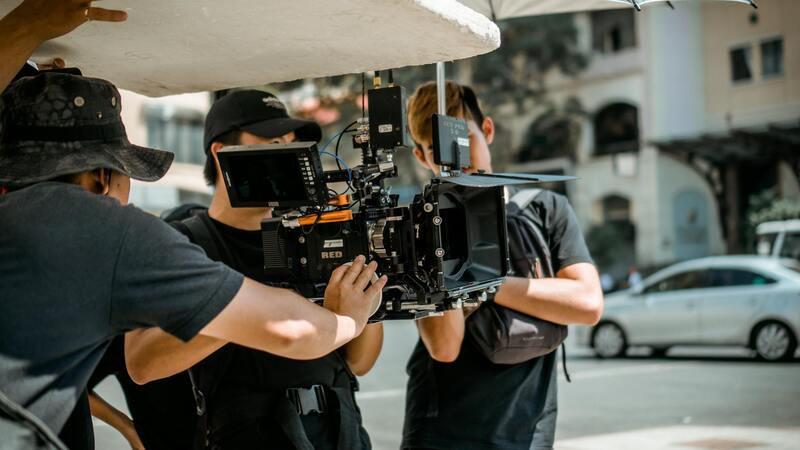
Successful on site streaming is deeply integrated into the overall event production process. From initial planning to post-event analysis, coordination between event organizers, technical teams, and broadcast professionals ensures that streaming aligns with event goals. During setup, equipment is carefully tested to match the event’s schedule and technical requirements. Live production involves coordinating camera feeds, monitoring audio quality, and dynamically updating graphics or information displays. Effective communication channels between on site teams and remote operators enable quick adjustments in response to live developments. Moreover, integrating streaming data into event management allows for real-time audience interaction, instant survey responses, or live social media updates, creating an immersive experience for remote viewers while maintaining smooth onsite operations.
Understanding On Site Streaming Services
On site streaming services have transformed the way live events are experienced by audiences both onsite and remote. These services involve deploying advanced broadcasting equipment directly at event venues, allowing high-quality live feeds to be captured, processed, and transmitted over the internet in real-time. This setup ensures that audiences watching remotely receive a seamless viewing experience comparable to attending in person. Modern on site streaming solutions typically encompass multi-camera configurations, professional audio management, real-time graphics overlay, and robust internet bandwidth management to handle the demanding data flow. The core of effective on site streaming is meticulous planning coupled with technical precision. Event organizers must collaborate closely with experienced streaming providers to define their event’s scope, audience expectations, and desired viewing quality. Carefully selected hardware, including high-definition cameras, encoders, and dedicated networking equipment, are essential to deliver HD or 4K content. Additionally, redundancy measures such as backup internet connections and power supplies are implemented to minimize the risk of interruptions. By integrating these technologies and processes, on site streaming companies in Miami ensure that live event content reaches audiences without perceptible delays or quality degradation, regardless of venue size or event complexity.
Benefits of On Site Streaming for Miami Events
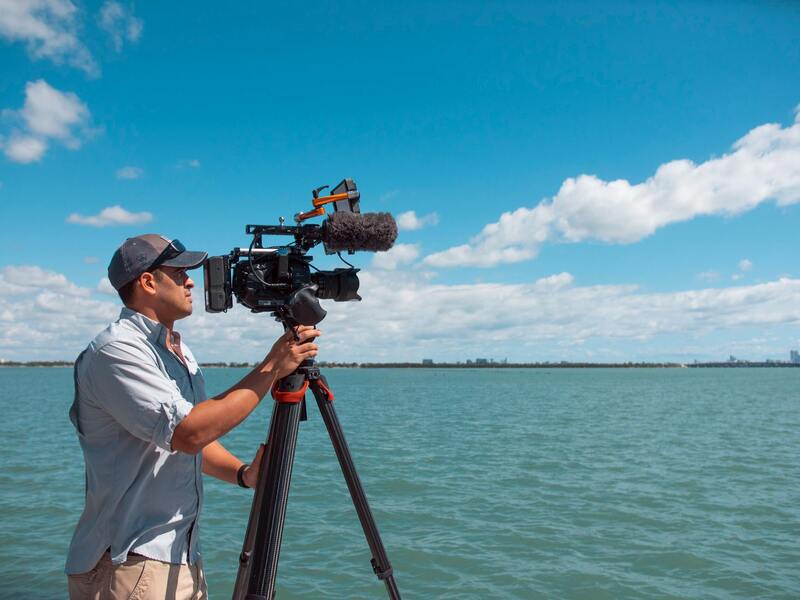
Implementing on site streaming offers numerous advantages for events around Miami, ranging from expanding audience reach to enhancing the overall event experience. By utilizing on site streaming services, organizers can engage a broader, geographically dispersed audience, delivering live content directly to viewers’ devices through secure internet connections. This increased accessibility can significantly boost event visibility, attract sponsors, and generate additional revenue streams. Furthermore, on site streaming facilitates real-time interaction and engagement. Live Q&A sessions, social media integration, and instant feedback mechanisms create a dynamic connection between onsite attendees and remote viewers. This interactive dimension encourages higher participation levels and enriches the overall event atmosphere. From a logistical standpoint, on site streaming reduces the need for multiple event sessions, enabling the sharing of key moments through online broadcasts. It also allows for comprehensive event documentation, which can be repurposed for marketing, post-event analysis, or archival purposes. In densely populated, competitive markets like Miami, leveraging on site streaming technology provides a competitive edge by delivering innovative and accessible experiences that meet the evolving expectations of modern audiences.
Key Technologies Used in On Site Streaming
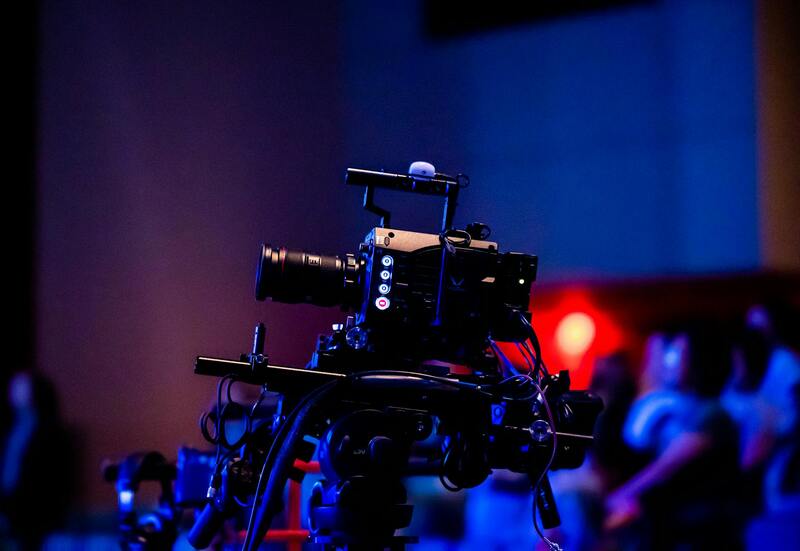
- High-Definition Cameras: Capture crisp visuals essential for engaging broadcast quality.
- Encoding Devices: Convert captured footage into streamable digital formats with minimal latency.
- Robust Internet Connectivity: Dedicated fiber-optic or high-bandwidth connections ensure stable transmission.
- Network Failover Solutions: Redundant internet links safeguard against disruptions during broadcast.
- Streaming Platforms and Servers: Distribute live feeds securely and efficiently to multiple viewing channels.
- Audio Equipment: Preserve sound quality to complement high-definition video streams.
- Real-Time Graphics and overlays: Enhance viewer engagement with integrated visuals, titles, and branding.
Choosing an On Site Streaming Company in Miami
Selecting the right provider involves assessing their technical capacity, experience, and reputation within the Miami market. Prospective clients should request detailed proposals illustrating their equipment specifications, network infrastructure, and support services. It is crucial to verify that the company has a track record of handling events similar in scale and complexity, whether it’s a corporate conference, concert, or festival. Consulting with previous clients or reviewing case studies can provide insights into their reliability and service quality. Additionally, the company’s ability to customize solutions, accommodate specific branding needs, and provide on-site technical support during the event are vital considerations. Ensuring transparent communication about setup timelines, contingency plans, and post-event delivery guarantees will lead to a smoother streaming experience. Ultimately, partnering with a Miami-based on site streaming provider that aligns with your event goals will significantly enhance the overall production quality and audience engagement.