Overview of Remote Live Stream Production
Remote live stream production has transformed the landscape of multimedia broadcasting, offering a flexible, efficient, and high-quality solution for broadcasting events, corporate meetings, and entertainment across Miami and beyond. This approach involves managing video, audio, graphics, and other media content remotely, utilizing cloud-based platforms and advanced broadcasting technology. Remote production enables organizers to deliver seamless live content without the constraints of traditional on-site setups, making it an ideal choice for diverse events spanning small conferences to large-scale concerts.
In the vibrant Miami scene, where events often draw international audiences, remote live stream production provides a means to reach global viewers with clarity and professionalism. It facilitates real-time engagement, boosts event visibility, and enhances branding opportunities for local businesses and organizations. Moreover, the operational advantages include reduced logistical costs, increased scalability, and the ability to incorporate multiple geographically dispersed production teams, all working together through secure, high-speed data connections.

Key Benefits of Remote Live Stream Production
- Expanded Reach: Connect with audiences worldwide without geographical constraints.
- Cost Efficiency: Reduce expenses linked to on-site staffing, equipment rental, and logistics.
- Flexibility and Scalability: Easily adapt to different event sizes and formats, scaling resources as needed.
- Enhanced Production Quality: Utilize cutting-edge technology to ensure high-definition visual and audio quality.
- Real-Time Collaboration: Coordinate with remote team members, speakers, and presenters effortlessly.
- Data and Analytics: Gather detailed viewer insights to optimize future events and marketing strategies.
Given Miami’s dynamic event scene, embracing remote live stream production allows organizations to increase their outreach, improve engagement, and deliver professional content that resonates with their audiences. The evolving technological landscape continues to make remote broadcasting more reliable, secure, and accessible, underpinning its importance as a foundational element of contemporary event management.
Essential Equipment and Technology for Remote Live Stream Production
Executing a seamless remote live stream requires a combination of high-quality hardware and sophisticated software solutions. The foundation of a successful broadcast begins with reliable equipment that ensures clear visuals and crisp audio, complemented by robust internet infrastructure that facilitates uninterrupted data transmission. Below, we explore the critical components involved in setting up an effective remote live stream production system.

Cameras and Audio Equipment
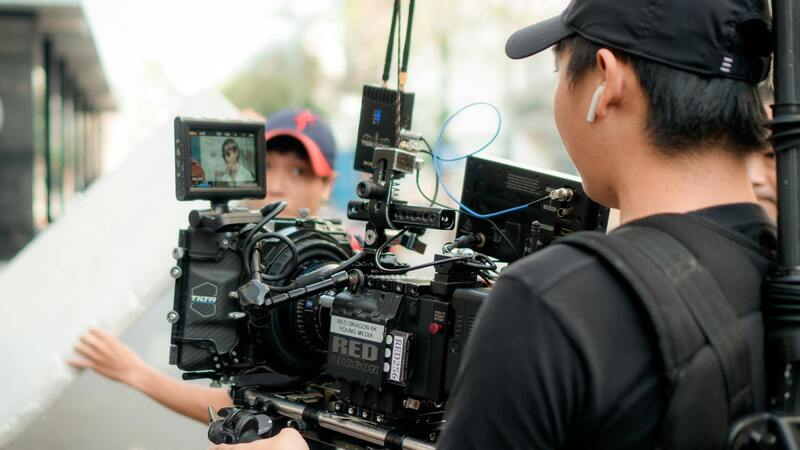
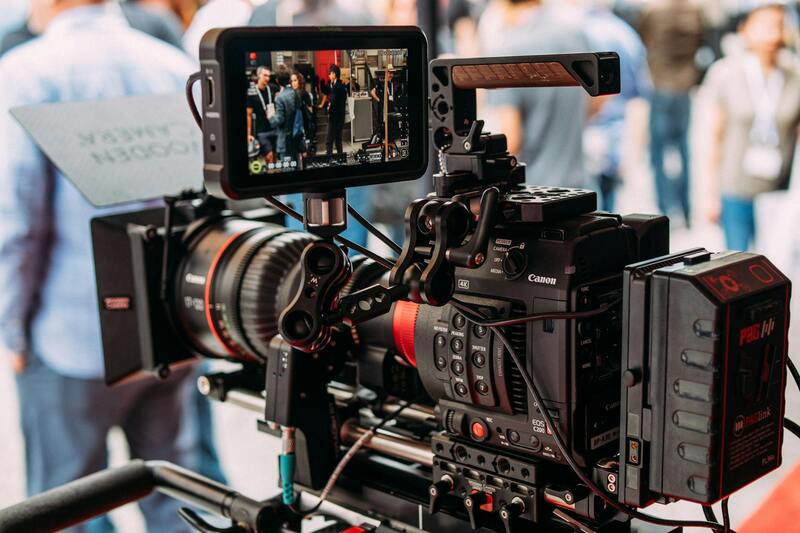
Investing in professional-grade cameras capable of capturing high-definition video is fundamental. PTZ (pan-tilt-zoom) cameras automate framing and focus, enabling remote operators to control shots accurately. Complementing video hardware, high-quality microphones ensure audio clarity, with options such as shotgun microphones or wireless lavaliers providing flexibility for different event formats.
Encoding and Streaming Hardware
Encoding devices are responsible for converting raw audio and video signals into a digital format suitable for streaming. Hardware encoders offer superior stability and lower latency compared to software alternatives, making them essential for live broadcasts. Selecting encoders with multiple input options guarantees compatibility with various cameras and audio sources.
Network Infrastructure
Stable, high-bandwidth internet connections are non-negotiable in remote live stream production. Ideally, dedicated fiber-optic lines or bonded internet connections combine multiple networks to achieve the necessary upload speeds, minimizing latency and buffering issues. Network switches and firewalls should be configured to prioritize streaming data, providing enhanced security and performance.
Production Control and Monitoring Tools
Remote producers rely on professional software platforms that facilitate multi-camera switching, graphics insertion, and real-time overlays. These solutions enable seamless control over the broadcast, ensuring a polished presentation. Additionally, monitoring tools that display latency, stream health, and viewer engagement metrics are vital for maintaining quality during live events.
Additional Accessories
- Tripods and stabilizers for camera stability
- Light fixtures to ensure appropriate illumination
- Backup power supplies (UPS) to prevent interruptions
- Cables and connectors for reliable connectivity
Implications of Evolving Technology
The landscape of remote live streaming continuously advances, driven by innovations such as 4K resolution support, AI-powered video analytics, and integrated cloud-based management platforms. Streamlined workflows now integrate hardware and software solutions that offer greater automation, improved security, and enhanced viewer interactivity. Staying abreast of these technological developments ensures that Miami-based organizations can maintain competitive, high-quality remote production capabilities.
Production Workflow and Setup
Implementing an effective remote live stream production workflow requires meticulous planning and precise setup of all technical components to ensure a smooth broadcast. Key phases include initial content preparation, equipment configuration, test runs, and live execution. Establishing a clear sequence of operations allows the production team to manage each aspect efficiently, reducing the risk of technical issues during the event.

Technical Setup and Integration
Configuring the technical environment involves integrating multiple hardware devices with software solutions tailored for remote workflows. This includes setting up professional cameras, audio equipment, and streaming encoders to transmit high-quality signals. The integration process also entails syncing all equipment to ensure synchronized feeds, which is crucial for maintaining the visual and audio integrity of the broadcast.
Software Configuration
Utilizing robust production software platforms allows remote producers to switch between multiple camera feeds, insert graphics, and create video overlays seamlessly. Effective configuration of these tools—such as selecting appropriate layouts, overlays, and transition effects—enhances the visual professionalism of the stream. Automations and presets can further streamline the process, enabling quicker reactions to live scenarios and minimizing manual intervention.
Network Optimization
Ensuring a stable and high-capacity internet connection is pivotal. Dedicated bandwidth allocations prevent fluctuations that could disrupt the broadcast quality. Techniques such as bonding multiple internet sources and employing content delivery networks (CDNs) help distribute the streaming load more evenly and reduce latency. These measures collectively contribute to a consistent viewer experience, even in dynamic remote settings.
Testing and Rehearsals
Comprehensive testing prior to going live is vital. Conducting rehearsals that simulate actual streaming conditions enables the technical team to identify potential issues and resolve them proactively. Testing both the equipment setup and the streaming paths ensures synchronization, audio-visual quality, and overall reliability of the broadcast. Rehearsals provide an opportunity for all personnel involved—from camera operators to remote directors—to familiarize themselves with the workflow and address any discrepancies.
Continuous Monitoring During Live Stream
Monitoring tools must be actively engaged throughout the event. These tools provide real-time insights into stream health, viewer engagement, and latency levels. Prompt identification of issues allows immediate corrective actions, such as switching to backup streams or adjusting bitrate settings. Maintaining open communication channels among the technical team is critical for swiftly managing unforeseen challenges during a live event.

Optimizing Transmission Protocols and Infrastructure
To ensure the integrity and quality of remote live stream production, selecting the appropriate transmission protocols is fundamental. Protocols like Real-Time Messaging Protocol (RTMP), Secure Reliable Transport (SRT), and Hypertext Transfer Protocol Live Streaming (HLS or DASH) are commonly employed to facilitate efficient and secure streaming. Each protocol offers unique advantages; for example, SRT is designed to deliver low latency and resilience against packet loss, making it ideal for high-quality broadcasts where maintaining synchronization is critical.
Implementing these protocols requires careful infrastructure planning. Dedicated servers or cloud-based platforms can be used to relay streams between production sites and viewers, minimizing latency and buffering. Using Content Delivery Networks (CDNs) enhances distribution efficiency, especially when streaming to a broad audience across multiple geographic locations. These CDNs cached segments of the stream closer to viewers, reducing load on the primary infrastructure and decreasing latency for end-users.
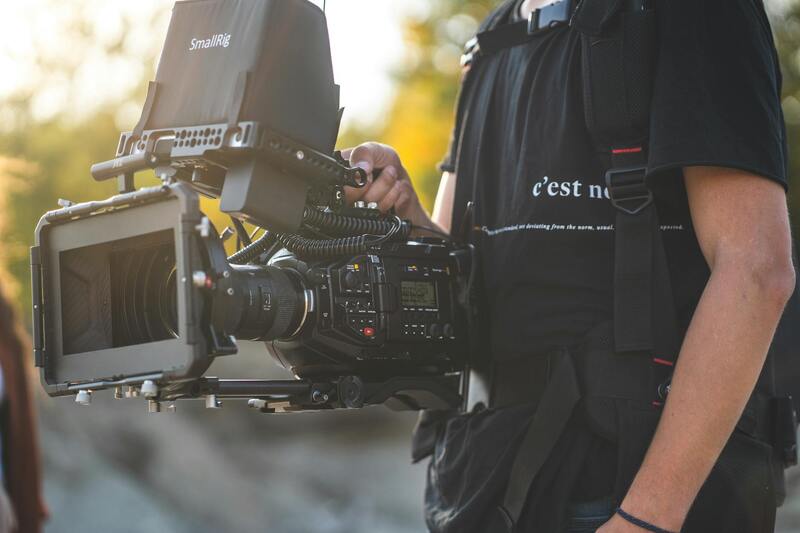
Implementing Multi-Path Network Bonding provides an additional layer of reliability. This technology consolidates multiple internet connections—such as wired broadband, LTE, and 5G—into a single, more stable stream. The process monitors connection quality in real time, rerouting data packets dynamically to maintain a steady stream even when individual connections encounter issues. This redundancy is especially valuable in remote or outdoor locations where network stability can be unpredictable.
Utilizing Encoder and Transcoding Technology
Professional-grade encoders are pivotal in managing high-quality streams. Hardware encoders are preferred for their robustness and reliability under demanding conditions, whereas software encoders offer flexibility and easier updates. Advanced encoders support multiple input formats, resolutions, and bitrates, enabling producers to adapt streams to various platform specifications seamlessly.
Transcoding allows live streams to be converted into multiple formats and resolutions simultaneously. This ensures compatibility across diverse devices—from smartphones to 4K TVs—without requiring multiple dedicated streams. Adaptive bitrate streaming techniques dynamically adjust stream quality based on viewer bandwidth, providing a buffer-free experience regardless of fluctuating internet speeds.

Leveraging Network Optimization Tools and Redundancies
Network optimization tools such as Quality of Service (QoS) configurations prioritizing streaming traffic on local networks help reduce latency and packet loss. Employing VPNs and dedicated internet lines can further enhance security and stability, particularly when multiple data streams are handled simultaneously.
Redundancy strategies include deploying backup internet connections and hardware failover systems. During a live broadcast, real-time switching to secondary feeds or backup servers allows the production team to address connectivity disruptions instantaneously, ensuring uninterrupted streaming. The integration of automated failover mechanisms minimizes human intervention during critical moments, safeguarding the consistency of broadcast quality.
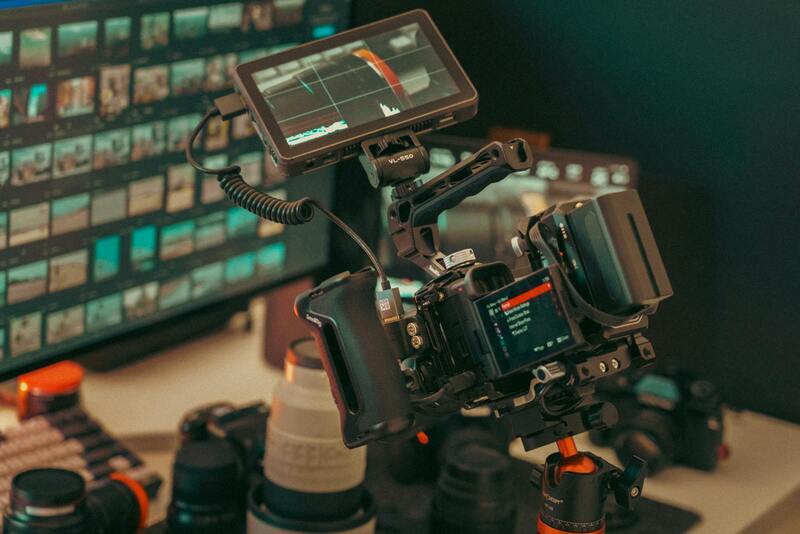
Maintaining an adaptive network infrastructure supplemented by strategic redundancies is vital for high-stakes productions. As remote live stream production continues to evolve, leveraging these proven methods ensures a resilient framework capable of supporting complex broadcast scenarios with minimal risk of interruption.
Production Workflow and Setup
Executing a seamless remote live stream requires meticulous planning and precise setup of the production workflow. Central to this process is a detailed signal flow diagram that maps each stage of the broadcast, from camera capture to audience delivery. This diagram ensures all team members understand their roles and the pathways through which video and audio data travel, reducing the likelihood of technical missteps.
Effective remote live stream production relies heavily on a robust infrastructure that can accommodate multiple data sources and outputs. Production teams typically utilize high-performance encoding hardware capable of compressing video feeds efficiently without compromising quality. These encoders often come equipped with multiple input options—SDI, HDMI, or IP-based—to facilitate diverse connection types from various cameras or media sources.
Dedicated control rooms or remote operator stations are established, often equipped with specialized software that integrates multiple feeds, overlays, and graphics. These control centers allow operators to switch between sources, adjust audio levels, and manage live graphics in real-time, ensuring a polished broadcast. Synchronization of audio and video streams is critical, often achieved through timestamping protocols like Precision Time Protocol (PTP) that enhance overall stream stability.

Optimizing network settings during production is essential for maintaining stream quality. This involves configuring Quality of Service (QoS) rules on local and remote networks to prioritize live video traffic, minimizing latency and jitter. Additionally, employing multi-bitrate streaming strategies allows the production to adapt dynamically to viewers' varying internet capabilities, switching seamlessly between quality levels to prevent buffering and drops.
An often-overlooked aspect of remote live production is audio management. Professional audio mixers and digital audio workstations (DAWs) are integrated into the workflow, enabling engineers to monitor, balance, and synchronize sound sources accurately. Clear audio is just as critical as video quality for creating an engaging viewer experience, especially during multi-camera shoots or interviews.

Throughout the setup process, rigorous testing occurs to identify potential points of failure. This includes stress testing network bandwidth, simulating connectivity disruptions, and verifying backup systems' functionality. By addressing these scenarios beforehand, production teams can confidently execute live streams, knowing contingencies are in place for any unforeseen issues.
Stream management software serves as the central hub for monitoring all signals during the broadcast. It provides real-time analytics on video and audio quality, network health, and encoding performance. Automated alerts notify operators immediately if anomalies occur, allowing rapid troubleshooting. This proactive approach significantly reduces downtime and ensures a consistent, high-quality viewer experience.
Overall, the integration of specialized hardware, strategic workflow design, and comprehensive testing forms the backbone of effective remote live stream production. These elements collectively ensure that the broadcast runs smoothly, efficiently handling live inputs and delivering a professional-grade stream to audiences regardless of geographical or technical challenges.
Security and Compliance Measures
Ensuring the safety and integrity of remote live stream production involves implementing robust security protocols to protect data streams, production equipment, and viewer information. Encryption methods play a vital role in safeguarding live video and audio feeds from interception or tampering during transmission. Industry-standard encryption protocols such as Secure Real-time Transport Protocol (SRTP) and Transport Layer Security (TLS) are employed to secure communication channels between equipment and servers.
In addition to encryption, access control mechanisms are critical. Strict authentication procedures, including multi-factor authentication (MFA), ensure that only authorized personnel can access live production controls, management consoles, and streaming endpoints. Role-based access controls (RBAC) also limit the ability to modify or influence the stream based on individual responsibilities, reducing the risk of accidental or malicious interference.
Data privacy is another fundamental aspect of remote live stream production. Personal information collected from viewers, such as registration details or subscriber data, must be handled in compliance with relevant regulations. Employing secure storage solutions and anonymization techniques helps to prevent data leaks and unauthorized disclosures.
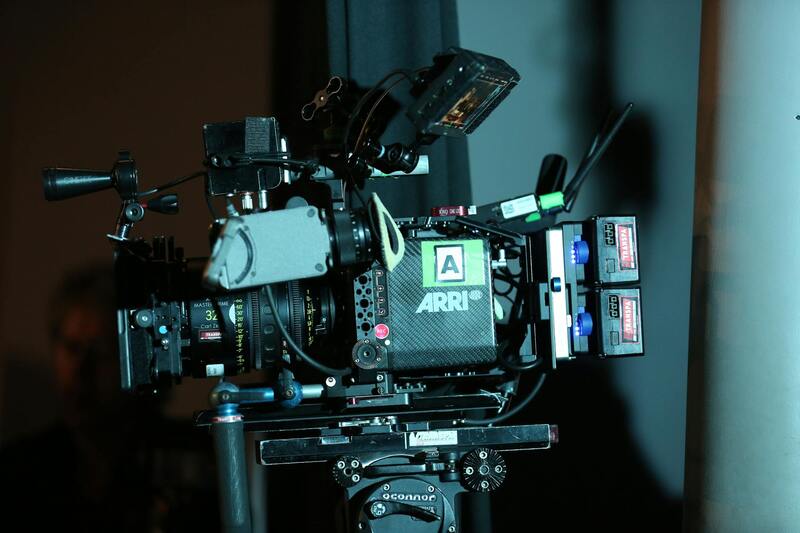
Physical security measures are equally important. Producing teams should safeguard production hardware against theft or damage, especially when handling portable equipment used in various locations. Remote management tools should include real-time monitoring capabilities to detect anomalies or breaches swiftly, allowing teams to respond promptly to potential security threats.
Regular security audits and vulnerability assessments ensure that all systems stay up-to-date with the latest security patches and configurations. These audits often include penetration testing to evaluate the resilience of the entire production environment against potential cyberattacks.
Compliance with broadcasting licenses and content rights is vital for legal operation. Production teams must verify that all multimedia assets, music, and visual content used in the stream are authorized for public sharing. Adhering to these standards facilitates smooth operation and shields the production from legal disputes.
Implementing comprehensive security and compliance measures builds trust with broadcasters, sponsors, and viewers. It establishes a framework where high-quality content can be delivered with confidence, free from interruptions caused by security breaches or regulatory violations.
Remote Live Stream Production Security and Compliance
In the realm of remote live stream production, ensuring security and adherence to operational standards is paramount for delivering seamless and trustworthy content. This involves implementing advanced security protocols across every facet of production, from data management to hardware safeguards. Protecting sensitive registration information, subscriber data, and audience interactions requires robust encryption methods and secure storage solutions. These measures prevent unauthorized access and data breaches, which can compromise the integrity of the broadcast and erode audience trust.

Physical security of equipment is equally critical. Production teams should employ lockable cases, surveillance systems, and controlled access to prevent theft or tampering with portable devices, servers, and broadcast hardware. Given the distributed nature of remote streaming, utilizing real-time monitoring tools enables teams to track hardware performance, network health, and security anomalies proactively. Prompt detection of irregular activities allows for immediate response, minimizing potential disruptions.
Security audits and vulnerability assessments should be part of routine operational checks. These evaluations identify potential weak points within the infrastructure, guiding necessary updates and patches. Regular testing, including penetration testing, simulates attack scenarios to evaluate system resilience and resilience against cyber threats. Upholding these standards ensures that the production environment remains resilient against emerging threats and technological vulnerabilities.
Content Rights and Regulatory Compliance
Maintaining compliance with broadcasting licenses and content rights is fundamental for lawful and uninterrupted remote streaming. Production teams must verify that all multimedia assets—such as music, videos, and visual graphics—are properly licensed and authorized for public dissemination. This oversight not only prevents copyright infringements but also fosters transparency and professionalism within the streaming process.
Additionally, adherence to regional broadcasting regulations and content standards enhances the stream’s credibility. Clear documentation of content rights and regulatory compliance procedures helps avoid potential disputes and facilitates smoother approval processes if required by oversight authorities.
Building Viewer Confidence and Content Reliability
By rigorously applying security and compliance measures, production teams build trust with stakeholders, sponsors, and audiences. Secure systems minimize the likelihood of interruptions caused by cyberattacks or technical failures, ensuring consistent delivery of high-quality content. Moreover, transparent communication about security practices and content rights reassures viewers that the broadcast aligns with legal standards and industry best practices.
Advanced Techniques for Secure and Reliable Remote Live Stream Production
Executing a remote live stream that maintains high fidelity, security, and audience engagement involves meticulous implementation of sophisticated methods and technologies. These advanced techniques ensure the seamless delivery of content while safeguarding the production environment from disruptions and unauthorized access.
Implementing End-to-End Encryption
One of the most effective measures for securing remote live streams is end-to-end encryption (E2EE). E2EE encrypts all audio, video, and data transmissions from the source to the end viewer, preventing interception or tampering during transit. This requires utilizing platforms and hardware capable of supporting robust encryption protocols, such as AES-256, and ensuring that all endpoints—cameras, encoders, and viewers’ devices—are configured with secure keys. Regularly updating encryption protocols and conducting security audits are vital for maintaining protection against evolving cyber threats.
Utilizing Multi-Source Redundancy
To enhance reliability, employing multi-source redundancy ensures continuous streaming even if one feed encounters issues. This involves setting up multiple internet connections with different service providers, configured in a load-balanced or failover arrangement. Additionally, multiple hardware encoders can be synchronized to deliver identical streams, allowing switchovers with minimal latency if any component fails. This level of redundancy not only maintains a consistent viewer experience but also prevents data loss during critical moments.
Implementing Quality of Service (QoS) Strategies
QoS prioritizes streaming traffic over other network activities, helping to manage bandwidth and reduce latency. Configuring network devices with QoS settings ensures that live stream data packets are transmitted promptly and with preferred priority, minimizing lag and buffering issues. Monitoring network performance in real-time allows production teams to identify and address bottlenecks immediately, ensuring stable and high-quality delivery throughout the broadcast.
Deploying Robust Monitoring and Redundancy Systems
Real-time monitoring tools are essential for detecting anomalies in bandwidth, latency, or data packet loss. These systems provide immediate alerts, enabling quick intervention before viewer impact occurs. Pairing these with automatic failover protocols—such as redundant streaming paths—ensures that the live feed continues without noticeable interruption, even during network fluctuations. Comprehensive logging and analysis of performance metrics further assist in refining streaming strategies and troubleshooting issues.
Advanced Security Protocols and Access Control
Integrating multi-factor authentication (MFA) and strict access controls limits system entry to authorized personnel only. Role-based permissions ensure that only designated operators can modify stream settings, reducing the risk of accidental or malicious disruptions. Additionally, secure VPN access for remote team members creates a layered security barrier, protecting sensitive production environments from unauthorized intrusion. Regular security drills and updates are fundamental to adapting to new vulnerabilities and maintaining a robust defense strategy.
Content Delivery Network (CDN) Optimization
Leveraging geographically dispersed content delivery networks enhances stream distribution speed and resilience. CDNs cache content at edge locations closer to viewers, reducing latency and load on the central servers. Proper configuration of CDN settings ensures that high-quality streams are delivered efficiently, even during peak traffic or regional connectivity issues. Continuous monitoring of CDN performance metrics allows for timely adjustments and troubleshooting, ensuring consistent viewership quality.