
Understanding Corporate Live Streaming Needs
In today’s dynamic business environment, live streaming has become an essential tool for companies aiming to communicate effectively with their audiences. For corporations based in Miami, hosting live events—whether product launches, corporate meetings, training sessions, or investor presentations—requires a tailored approach that addresses unique operational and branding objectives. The first step in crafting an impactful live streaming strategy is comprehending the specific needs of these organizations.
Corporate events demand a high level of professionalism, as they serve as a visual representation of the company's brand identity. Quality audio and video are non-negotiable, ensuring that messages are conveyed clearly across all channels. Moreover, these streams often target diverse audiences, including remote employees, international partners, and media outlets, which underscores the importance of multi-platform delivery capabilities.
Engagement is another crucial factor. Unlike standard video broadcasts, corporate live streams should facilitate real-time interaction—be it through Q&A sessions, polls, or live chat—to foster a sense of community and participation. This dynamic interaction helps reinforce brand presence and strengthens stakeholder relationships.
Delivery methods must be robust enough to support streaming across multiple platforms simultaneously, ensuring maximum reach. This involves selecting solutions capable of managing high-bitrate streams, adaptive playback, and reliable content delivery networks (CDNs). As Miami continues to grow as a hub for international business and innovation, it is essential that corporate live streaming solutions are capable of supporting both local and global audiences seamlessly.
Another critical aspect is scalability. Companies must plan for potential growth—whether in audience size, geographic spread, or content complexity—and choose platforms and technologies that can scale correspondingly. Additionally, compliance with corporate security policies and data privacy regulations should be integrated into the streaming solution design to protect sensitive information.

Effectively addressing these needs enables companies to create memorable, engaging, and professional live streaming experiences that enhance brand reputation, facilitate strategic communication, and drive measurable results. Success in this area begins with a comprehensive understanding of the specific requirements of each corporate event, setting the stage for choosing the most suitable technologies and strategies to achieve objectives.
Choosing the Right Equipment and Technology
Selecting the appropriate equipment and technology is crucial for delivering a seamless and professional live streaming experience for corporate events. High-definition (HD) cameras are fundamental in capturing clear, crisp visuals that accurately represent the event's atmosphere and branding. Depending on the event size and location, a combination of stationary and mobile cameras may be employed to provide dynamic angles and comprehensive coverage.
Audio quality plays an equally vital role. Lavalier microphones, shotgun mics, and audio mixers should be utilized to ensure clear sound reproduction, minimizing background noise and echo. This not only enhances viewer engagement but also maintains the professionalism of the broadcast.

Streaming Hardware and Infrastructure
Reliable streaming hardware, such as encoders, is necessary to convert video signals into digital streams compatible with online platforms. These encoders should support adaptive bitrate streaming, allowing viewers with varying internet speeds to access the content smoothly. Hardware-based solutions typically offer higher stability than software encoders, which is critical for large-scale corporate events.
Furthermore, robust internet connectivity is imperative. Companies must secure dedicated bandwidth with high upload speeds to prevent buffering or disconnections during live broadcasts. Redundant internet connections, like backup fiber lines or LTE failover systems, are recommended to mitigate any potential disruptions.
Content Delivery Network (CDN) Utilization
The use of Content Delivery Networks (CDNs) ensures efficient distribution of live streams by caching content at multiple geographically dispersed servers. This approach reduces latency and decreases load on the primary server, resulting in a smoother viewing experience across different locations. For corporate events with a wide audience, CDN integration guarantees consistent quality regardless of viewer location.
Interactive Technologies and Tools
Incorporating interactive elements such as live chat, polls, and Q&A sessions enhances engagement and allows real-time communication between presenters and viewers. Platforms supporting such features often come with integrated tools that simplify the setup and moderation process. These enhancements foster a more dynamic and participatory environment, aligning with the interactive expectations of modern audiences.
Security and Compliance Measures
Protection of sensitive corporate content is paramount. Streaming solutions should include encryption protocols such as SSL/TLS to secure data transmission. Additionally, access controls, login verification, and secure tokens prevent unauthorized viewing. Compliance with data privacy standards should be ensured through secure storage and handling of any recorded content, supporting corporate governance policies.
Future-Proofing with Scalable Solutions
Technology investments must also consider scalability. As audience sizes increase or event complexity grows, the equipment and infrastructure should adapt without requiring a complete overhaul. Cloud-based streaming platforms and modular hardware setups enable organizations to expand capacity swiftly and cost-effectively, supporting initiatives like global conferences or multi-location broadcasts.
Choosing the Right Equipment and Technology
Establishing a professional-grade live streaming setup for corporate events necessitates a careful selection of both hardware and software components. High-quality cameras are fundamental, with options ranging from professional PTZ (pan-tilt-zoom) cameras to DSLR cameras equipped with live streaming capabilities. These provide clarity and stability essential for engaging presentations and panel discussions. Coupled with that are encoding systems—hardware encoders or software-based solutions—that convert raw video signals into streams compatible with distribution platforms. Hardware encoders are prized for their reliability and low latency, making them ideal for live events where seamless broadcast quality is paramount.

Backup systems are equally critical to prevent disruptions. These may include secondary encoders, redundant internet connections, and uninterruptible power supplies (UPS). redundancy ensures continuous broadcasting even when unforeseen technical issues arise, safeguarding the event’s professionalism. Simultaneously, selecting the appropriate streaming software—whether proprietary platforms or integrated solutions—facilitates live editing, overlays, and branding, elevating the production quality.
Connectivity plays a decisive role in live streaming. Organizations should opt for robust internet upload speeds, ideally exceeding 10 Mbps for HD quality, to handle high data transmission requirements. For larger broadcasts, dedicated fiber connections are preferred. Additionally, employing multi-bitrate encoding enables adaptive streaming, automatically adjusting quality to match viewers’ bandwidth, thus ensuring a smooth experience across diverse locations and devices.
On the software front, platforms supporting multi-camera switching, real-time graphics, and integrated chat enhance professionalism and viewer engagement. Cloud-based solutions further streamline operation, offering flexibility to manage streams from various locations without extensive on-site hardware. Integrating these tools with automation and scheduling features can simplify complex event execution, saving preparation time and minimizing errors.
Maintaining a Seamless Flow: Pre-Event and On-Site Technical Coordination
Efficient technical management hinges on meticulous planning and on-site coordination. Pre-event checks include verifying equipment functionality, internet stability, and synchronization between cameras and encoders. Establishing clear communication channels among technical staff ensures a swift response to potential issues. During the event, real-time monitoring of stream quality is vital; dedicated personnel should oversee the transmission and swiftly address any disruptions that emerge.

Advanced monitoring tools can provide live feedback on stream health, viewer metrics, and potential buffering problems. These insights facilitate immediate corrective actions, maintaining a consistent delivery. In addition, technical staff should be fluent with all hardware, including cameras, mixers, and streaming platforms, to ensure smooth transitions and minimal delays. Properly prepared backup plans, such as secondary internet connections and alternative streaming setups, are essential for handling unforeseen failures gracefully.
Distribution Strategies for Corporate Live Streams
The success of a corporate live stream hinges on strategic distribution. Choosing the right streaming channels is fundamental; platforms should be selected based on target audience preferences, device compatibility, and security features. Multi-platform broadcasting—simultaneously streaming to websites, social media, and internal portals—maximizes reach and ensures accessibility for diverse viewer demographics.
Embedding streams on internal networks requires careful integration to ensure seamless access. For external audiences, utilizing content delivery networks (CDNs) enhances performance by distributing content across multiple servers worldwide, reducing latency and buffering. Incorporating geographic restrictions and secure access points prevents unauthorized viewing, ensuring that sensitive content reaches only intended audiences.
The distribution plan should also include clear scheduling and communication with stakeholders. Pre-event testing on selected devices and networks eliminates compatibility issues, while real-time analytics offer insights into viewer engagement and technical performance. These insights can guide on-the-fly adjustments to improve viewer satisfaction and uphold professional standards.
Harnessing Engagement and Interaction Technologies
Delivering a compelling corporate live stream extends beyond quality visuals; it involves actively engaging viewers through interactive features. Options like live chat, Q&A sessions, and polls foster real-time dialogue, making the experience more participatory and memorable. Platforms supporting these features often integrate moderation tools, allowing hosts to manage interactions smoothly and filter inappropriate content.
Implementing these technologies requires careful planning. Assigning dedicated moderators ensures that viewer questions are addressed promptly, maintaining a dynamic and professional atmosphere. Using overlay graphics and real-time annotations can highlight key messages or data points, reinforcing the presentation’s impact. For multi-camera setups, switching between perspectives during interactions can offer a more engaging viewing experience.
Integrating engagement tools with analytics provides valuable data on viewer participation levels and preferences. These insights inform future content strategies, tailor engagement methods, and optimize audience retention. Ultimately, leveraging interaction technologies transforms passive viewing into a collaborative experience, aligning with corporate communication objectives and enhancing brand reputation.
On-Site Production and Technical Management
Effective on-site production forms the backbone of a successful corporate live streaming event. This stage involves meticulous coordination of all technical elements, from audio-visual setup to network stability, to ensure a smooth broadcast. The production team must plan for redundancy in key equipment, such as backup internet connections and power supplies, to prevent disruptions that could compromise the stream's quality and reliability.
Pre-event site surveys are crucial for identifying potential challenges related to venue acoustics, lighting, and space constraints. Such assessments inform decisions on camera placement, sound system configurations, and lighting arrangements, enhancing visual clarity and audio fidelity. Proper calibration of equipment prior to the event ensures that all components perform optimally during the live broadcast.
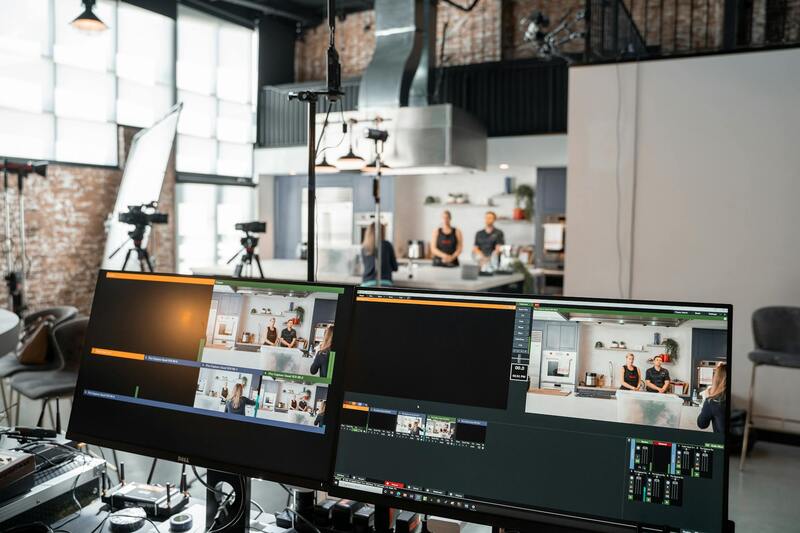
Technical management also includes real-time monitoring of all broadcast parameters. Dedicated operators oversee video feeds, audio levels, and network status to promptly address any issues. Using advanced encoder systems enables seamless encoding of live video content for distribution across multiple platforms, ensuring low latency and high quality.
Communication among the production team, host, and technical staff is vital during the event. Clear protocols and communication channels help coordinate camera cues, slide transitions, and troubleshooting efforts. Having a comprehensive checklist and contingency plans minimizes the risks associated with technical failures, allowing the team to respond swiftly and keep the stream on track.
Ensuring Network and Connectivity Reliability
Network stability remains one of the most critical factors in maintaining broadcast continuity. Conducting detailed bandwidth assessments of the venue ensures sufficient upload speeds for high-definition streaming. Utilizing dedicated internet connections, possibly supplemented with mobile LTE/5G backup links, provides additional security against connectivity issues. Employing content delivery networks (CDNs) can optimize stream distribution, reducing buffering and latency for viewers regardless of their geographic locations.
Audio-Visual Equipment and Setup
Quality audio and video are fundamental for engaging corporate streams. High-definition cameras with professional-grade lenses allow for crisp visuals, while wireless microphones ensure mobility and clarity for speakers and presenters. Incorporating multiple camera angles and shot options enables dynamic presentation styles. In addition, professional lighting setups highlight presenters and key elements, making visuals more appealing and comprehensible.
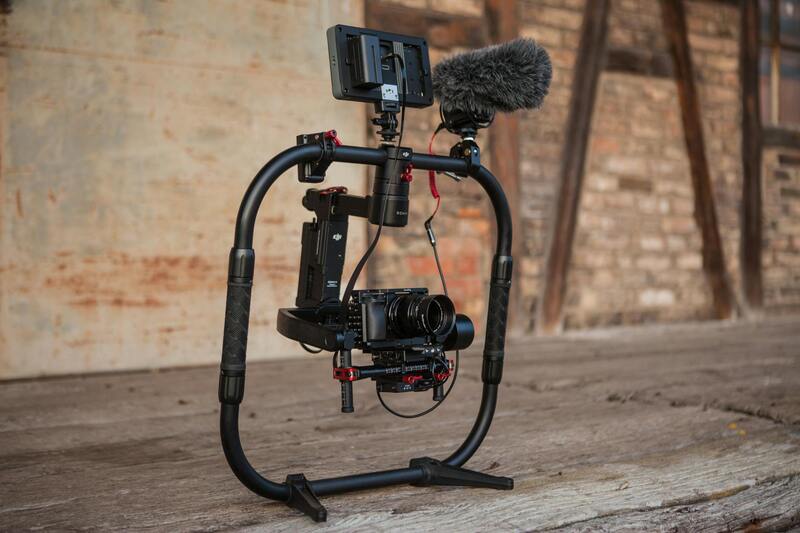
Integration of presentation tools, such as slide decks or live data feeds, should be tested ahead of time for compatibility and smooth transition during the event. Audio mixing boards and video switchers facilitate real-time adjustments, creating a polished and professional viewer experience.
Summary
On-site production and technical management form the core of professional corporate live streams. Focused planning, reliable equipment, and vigilant monitoring ensure that the broadcast meets the highest standards of quality and reliability. Investing in robust infrastructure and skilled personnel directly translates into seamless streaming experiences that reinforce corporate messaging and elevate brand image.
Understanding Corporate Live Streaming Needs
Effective corporate live streaming solutions must address specific operational and strategic requirements to ensure seamless communication and engagement. Companies often seek platforms that combine reliability, scalability, and security to support various event sizes, from small board meetings to large-scale product launches. Ensuring high-quality video and audio transmission is critical, as visuals often communicate key messages more effectively than text or static imagery. Additionally, content protection and data privacy have become core considerations, especially when sensitive information is shared during live broadcasts.
Operational needs extend beyond video delivery; they encompass audience management features such as multi-platform access, real-time analytics, and interactive components like Q&A and polling integrations. A comprehensive solution should also facilitate easy scheduling, on-demand content repurposing, and robust support for diverse devices and network conditions. These elements collectively contribute to a professional appearance and foster engagement across geographically dispersed teams, clients, or stakeholders.
Key Features of Effective Corporate Live Streaming Solutions
- High-Quality Video and Audio Streaming: Ensures crisp visuals and clear sound to maintain professionalism and viewer engagement.
- Multi-Platform Compatibility: Supports streaming across desktops, tablets, and smartphones, accommodating varying user preferences and locations.
- Content Security: Implements encryption and access controls to protect sensitive information during transmission.
- Scalability and Load Management: Adapts seamlessly to audience size fluctuations, avoiding buffering issues or stream interruptions.
- Interactive Features: Integrates live chat, Q&A sessions, and polls to boost audience participation and feedback.
- Analytics and Reporting: Provides insights into viewer engagement, platform performance, and content effectiveness to inform future strategies.
- Reliability and Redundancy: Employs backup systems and content delivery networks (CDNs) to ensure uninterrupted viewing experiences regardless of network variations.
- Ease of Use and Support: Offers user-friendly interfaces and dedicated technical support to facilitate smooth operations.
How These Features Enhance Corporate Events
Implementing these features ensures that corporate broadcasts not only run smoothly but also leave a lasting impression on viewers. High-definition quality maintains professionalism, while security measures safeguard corporate interests. Interactive tools foster engagement, making the experiences more dynamic and memorable. Additionally, comprehensive analytics help organizations fine-tune their communication approach, enhance future events, and demonstrate ROI to stakeholders.
Engagement and Interaction During Live Streams
Effective engagement strategies play a crucial role in maintaining viewer interest and fostering active participation during corporate live streams. Incorporating real-time interaction tools transforms passive viewership into an immersive experience, promoting brand loyalty and message retention. To facilitate this, utilize features such as live chat, Q&A sessions, and audience polls that are seamlessly integrated with your streaming platform.
Live chat enables instant dialogue between hosts and viewers, encouraging feedback and clarifying points in real-time. Ensure moderation capabilities are in place to manage discussions effectively, preventing distractions or inappropriate content. Q&A sessions allow attendees to submit questions, which host or panelists can respond to during the broadcast, creating a sense of inclusivity and engagement.
Polls and interactive surveys provide instant insights into audience opinions, guiding the flow of the event and tailoring content dynamically. These tools also increase viewer investment, making participants feel valued and heard. To maximize engagement, consider gamification elements or challenges that incentivize participation, such as giveaways or recognition for contributors.

Despite technological sophistication, the success of live interaction depends heavily on well-trained staff and clear moderation policies. Technical support teams should be available during the broadcast to resolve any connectivity issues swiftly, ensuring a smooth experience for both hosts and viewers. Pre-event testing of all interactive features helps identify technical challenges beforehand and guarantees optimal functionality.
Another pivotal component involves analyzing viewer behavior and feedback during the event. Collecting data on participation rates in chats, polls, and Q&A sessions offers valuable insights into audience interests and engagement patterns. This data can influence how future streams are designed, making content more tailored and impactful.
Leveraging Multi-Platform Engagement
To broaden reach, distribute your live stream across multiple channels such as corporate websites, social media platforms, and third-party streaming services. Each channel may have unique engagement tools and audience behaviors, so customizing your approach for each platform ensures maximum interaction. Encourage viewers to share content and participate via social media hashtags or live interactions, amplifying your event's visibility within the Miami community and beyond.
Creating a unified experience across different platforms requires synchronizing content delivery and engagement features. Robust streaming solutions handle this seamlessly, allowing for real-time updates across channels, thus expanding your event’s reach while maintaining consistent viewer interaction.
Engagement and Interaction During Live Streams
Maintaining active viewer engagement is a critical component of successful corporate live streaming. Real-time interaction not only enhances the viewer experience but also fosters a sense of community and brand loyalty. To achieve this, organizations should incorporate a variety of engagement tools that facilitate direct communication between hosts and viewers.
Tools for Enhanced Viewer Participation
- Live Q&A Sessions: Integrating live question-and-answer segments enables audiences to submit questions directly to speakers, fostering transparency and immediacy. Moderators can curate and prioritize questions to ensure relevance and flow.
- Interactive Polls and Surveys: Conducting instant polls allows for audience input on specific topics, making sessions more dynamic and responsive to viewer interests. Poll results can be displayed in real-time, increasing participation.
- Social Media Integration: Embedding social media feeds and utilizing hashtags creates a seamless way for viewers to share insights and opinions. This also promotes broader engagement beyond the live stream platform.
Strategies for Driving Engagement
- Clear Call-to-Action (CTA): Encourage viewers to participate actively by prompting them to ask questions, vote in polls, or share content. Well-designed CTAs guide audience behavior effectively.
- Moderator Presence: Skilled moderators are essential for managing live interactions, filtering inappropriate content, and maintaining a professional environment. They also facilitate smooth transitions between segments and audience engagement activities.
- Timely Feedback and Recognition: Acknowledge viewer contributions during the stream, such as highlighting interesting questions or comments. This recognition boosts engagement and makes viewers feel valued.
Leveraging Engagement Data for Future Improvement
It is vital to analyze engagement metrics, including participation rates in chats, polls, and social media interactions. These insights reveal the effectiveness of engagement strategies and inform adjustments for subsequent streams. Tracking viewer behavior helps tailor content delivery, optimize interactivity features, and refine moderation practices to enhance overall viewer satisfaction.

Implementing Secure and Reliable Streaming Infrastructure
For organizations opting for a professional live streaming solution, ensuring the security and stability of the streaming infrastructure is paramount. This involves deploying robust content delivery networks (CDNs) that effectively distribute live content across geographically dispersed audiences, reducing latency and buffering issues. Selecting CDN providers with a proven track record of high uptime and DDoS protection helps safeguard streams from interruptions and malicious attacks.

Adopting encryption protocols such as SSL/TLS during data transmission guarantees that the stream cannot be intercepted or tampered with by unauthorized parties. Encryption not only enhances security but also fosters trust among corporate clients and participants. Additionally, utilizing multi-bitrate streaming ensures that viewers with varying internet speeds can access high-quality content without experiencing disruptions.
Monitoring and Support During Live Broadcasts
Real-time monitoring tools are critical for overseeing stream health, viewer metrics, and system performance. These tools enable technical teams to identify and address issues swiftly, minimizing downtime. A dedicated support team should be on standby during broadcasts to handle any technical challenges, coordinate content delivery, and ensure seamless operation.
- Implementing multi-layered failover mechanisms to switch to backup servers instantly if primary streams encounter problems.
- Continuous health checks of streaming equipment and network connections.
- Maintaining a detailed incident response plan to swiftly manage unexpected disruptions.
Leveraging Cloud Services and Scalable Solutions
Cloud-based streaming platforms provide flexibility and scalability, enabling corporate streaming solutions to adapt to fluctuating audience sizes. These services often come with integrated security features, analytics, and support, simplifying the management of large-scale live events. Cloud infrastructure supports load balancing, which distributes bandwidth and processing power effectively to handle surges in viewership without compromising quality.

By integrating cloud solutions with existing corporate IT systems, organizations can streamline content management and distribution. This integration allows for easier customization, control, and rapid deployment of streaming events, ensuring the delivery of professional-grade content regardless of event size or complexity. The flexibility of cloud platforms also simplifies updates and maintenance, keeping the streaming infrastructure current and resilient.
Implementing Post-Stream Security Measures and Feedback Collection
Once the live stream concludes, securing the recorded content becomes essential. Protected storage solutions with restricted access prevent unauthorized viewing or distribution of sensitive material. Analyzing viewer engagement data and collecting feedback help refine future streams and enhance overall quality.
- Applying digital rights management (DRM) to control access to on-demand recordings.
- Using analytics tools to evaluate viewer behavior, engagement levels, and technical performance.
- Surveying viewers and stakeholders post-event to gather insights and suggestions for improvement.
Comprehensive reporting and data analysis inform strategic decisions, ensuring continuous enhancement of corporate live streaming initiatives. By maintaining a proactive approach to security and analytics, organizations uphold professionalism and foster greater trust in their digital communication channels.