Understanding Production Live Streaming
Production live streaming is a sophisticated process that involves the real-time broadcasting of events, performances, conferences, or presentations over the internet. Its purpose extends beyond mere transmission; it is integral to achieving broader reach, fostering immediate audience interaction, and elevating brand visibility. This method enables organizations, event organizers, and content creators to connect with a global audience without geographical limitations. The core objective of production live streaming is to deliver a seamless, high-quality viewing experience that captures the energy, details, and essence of the live event as it unfolds. In today’s digital landscape, live streaming has become a vital tool for event promotion and audience engagement. It allows organizers to extend their event’s impact by enabling remote viewers to participate virtually. This form of broadcasting supports interactive features such as live chat, Q&A sessions, and audience polling, which can significantly enhance viewer involvement. Moreover, a well-executed live stream provides opportunities for immediate feedback, data collection, and social media sharing, amplifying the event’s reach and influence. Effective production live streaming requires a comprehensive approach that combines strategic planning, technical expertise, and creative storytelling. It is not simply about pressing a record button; it demands an understanding of how to capture compelling visuals, maintain audio clarity, and adapt to varying environmental conditions. The goal is to create a broadcast that resonates with viewers and accurately reflects the physical event’s atmosphere. Furthermore, live streaming serves as a powerful tool for post-event content strategy. Recordings of streams can be repurposed for on-demand viewing, promotional clips, or educational content, extending the lifespan and utility of the original event. Given its expanding role within marketing communications and entertainment sectors, mastering production live streaming has become essential for organizations seeking to stay competitive and innovative. In essence, production live streaming combines advanced technology with creative execution to produce professional broadcasts that engage audiences effectively. It is a multifunctional approach that not only enhances event visibility but also builds a dynamic platform for ongoing interaction, making it an indispensable element in any modern event portfolio.
Key Equipment and Technology Requirements
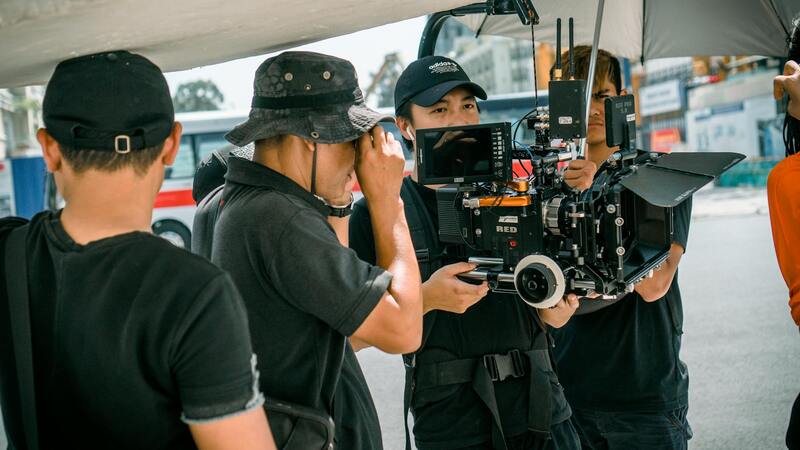
To execute a seamless production live streaming, the integration of reliable hardware and advanced software is crucial. The core components include high-definition cameras capable of capturing clear visuals in various lighting conditions, which form the foundation of professional broadcasts. These cameras should be compatible with high-quality lenses to allow detailed and dynamic shots, catering to different event types and environments.
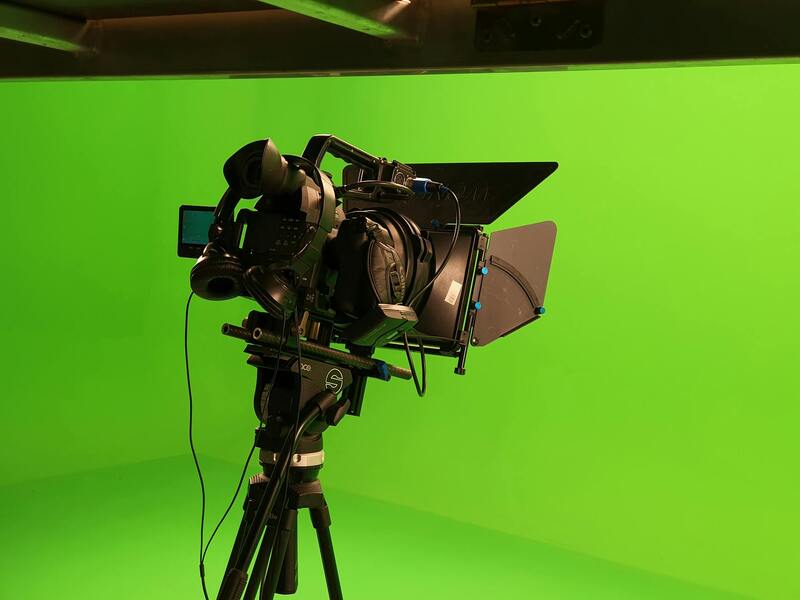
Encoders serve as the bridge between your video sources and streaming platforms, converting raw footage into a format suitable for online transmission. Hardware encoders offer superior reliability and real-time processing capabilities, essential for live events with multiple feeds. Software encoders, meanwhile, provide flexibility and ease of use, making them suitable for smaller productions or those with limited technical staff.
Sound quality plays an equally critical role in production live streaming. High-fidelity microphones, including wireless lavaliers, shotgun mics, and mixer/audio interfaces, ensure that audio remains clear, consistent, and free from background noise. Proper sound management prevents distractions and maintains viewer engagement throughout the broadcast.
These technical components are complemented by robust network infrastructure. A stable, high-bandwidth internet connection, preferably with multiple redundancies such as backup connections, reduces risks of buffering and disconnections. Additionally, streaming servers or content delivery networks (CDNs) help distribute content efficiently across different viewer locations, enhancing accessibility.
For control and monitoring, production teams rely on switchers, monitors, and streaming consoles. These tools enable real-time adjustments to video feeds, overlays, and transitions, ensuring a polished, professional broadcast. Incorporating live video switchers offers the flexibility to switch between multiple camera angles, add graphics, or incorporate pre-recorded segments seamlessly.
Emerging Technologies Elevating Production Live Streaming
- 4K and HDR video capabilities for higher resolution broadcasts with vivid colors and greater detail.
- Wireless camera systems for dynamic shots and flexible shooting angles, especially in large or complex venues.
- IP-based streaming solutions that leverage digital infrastructure for improved scalability and control.
- Integration of live graphics, real-time data, and social media overlays to enhance viewer interaction and engagement.
Investing in the correct combination of these technologies ensures a smooth, professional, and captivating live streaming experience that resonates with audiences and meets production standards.
Understanding Production Live Streaming
Producing an effective live stream involves more than just capturing video and broadcasting it online; it is a complex process that requires meticulous planning, advanced technology, and expert execution. Within the realm of professional live production, several foundational elements work together to create a seamless viewing experience. These include comprehensive pre-production preparation, the deployment of state-of-the-art equipment, and strategic coordination among all stakeholders involved.
The core of successful production live streaming hinges on an integrated approach where each component, from hardware to personnel, is optimized for real-time content delivery. This process begins with detailed planning—defining clear objectives, understanding the target audience, and outlining the event’s flow. It involves selecting appropriate content formats, scheduling technical rehearsals, and preparing contingency plans to address potential disruptions. Such preparatory steps are vital to ensure the stream remains engaging, professional, and free from technical hiccups.
Key Equipment and Technology Requirements
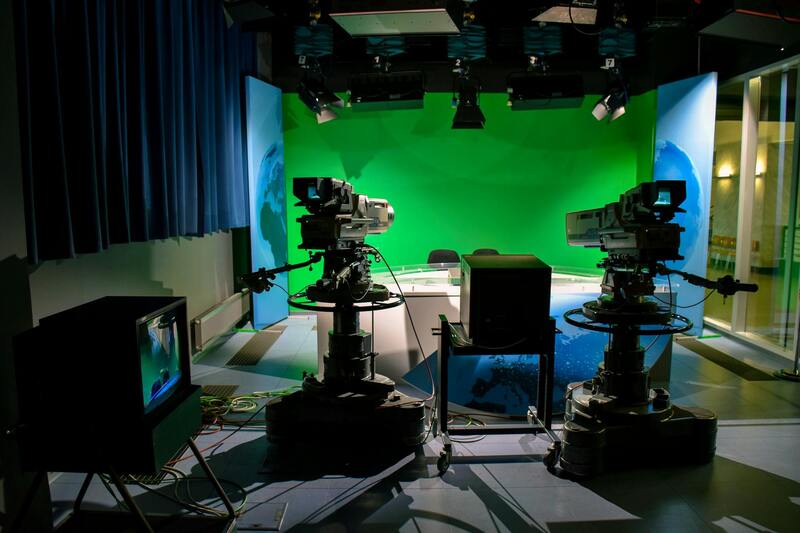
Achieving a high-quality live stream mandates investment in reliable, professional-grade equipment. This includes multiple high-definition cameras capable of capturing various angles, along with high-definition video switchers that enable smooth transitions and dynamic scene changes. For audio clarity, professional microphones, audio mixers, and sound processors are essential components that ensure crisp sound quality and proper mixing.
In addition to capture devices, powerful encoding hardware or software is necessary to compress and transmit video streams efficiently. Streaming hardware encoders or dedicated software solutions like live broadcasting suites provide stability and control, allowing producers to handle multiple video inputs and add overlays or graphics in real time.
Network infrastructure plays a critical role; a wired, high-bandwidth internet connection guarantees stability, while secondary connections or mobile hotspots serve as backups to mitigate potential disruptions. Content delivery networks (CDNs) are employed to distribute live footage to viewers worldwide rapidly and efficiently, reducing latency and buffering issues.
Advanced Features Enhancing Production Quality
- 4K and HDR Broadcasting: Delivers ultra-high resolution and vibrant colors, engaging viewers with crisp visuals.
- Wireless Camera Systems: Enable dynamic shots, especially in large venues or hard-to-reach areas.
- IP-Based Streaming Solutions: Improve scalability and allow remote control over the entire production pipeline.
- Real-Time Graphics and Overlays: Incorporate live data, social media feeds, or branding elements to boost viewer interaction.
The right combination of these technologies not only elevates production value but also ensures a reliable, professional broadcast that can adapt to various production demands and viewer expectations.
Advanced Techniques for Engaging Live Streams
Implementing innovative production techniques is essential for creating compelling live streams that captivate audiences and deliver seamless viewing experiences. High-quality visuals, professional audio, effective graphics, and dynamic camera work are foundational elements that elevate a broadcast’s overall appeal. Utilizing multiple camera angles allows for a diverse and engaging visual narrative, particularly for sports, concerts, or multi-session events. These can include handheld, tripod-mounted, or drone-mounted cameras, each offering unique perspectives.
Real-time integration of graphical overlays, such as lower thirds, dynamic transitions, and branding elements, also enhances the professional look of a live stream. Modern streaming software supports the inclusion of live data feeds, social media interactions, and audience polls, fostering higher engagement levels. Moreover, employing virtual sets or augmented reality elements can provide immersive visual backgrounds without the need for extensive physical production setups.
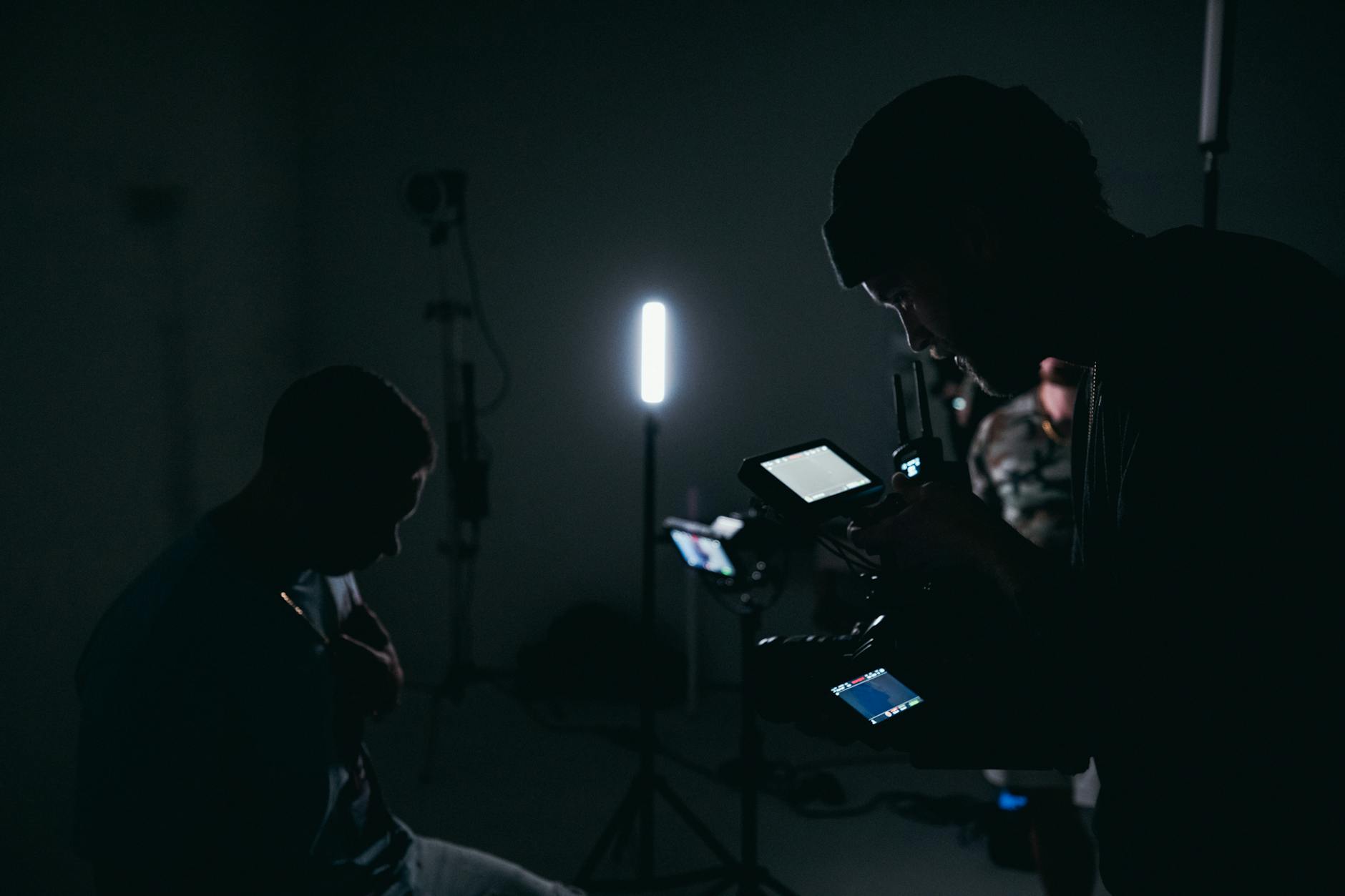
To maintain viewer interest throughout the event, creative storytelling techniques are employed alongside a well-structured broadcast schedule. Transition effects, synchronized music cues, and timely replays help maintain rhythm and excitement. Additionally, live commentators or hosts can guide audiences through the event, providing context and commentary that enriches the viewing experience.
For productions seeking to stand out, incorporating interactive elements such as live chat participation, viewer polls, or incentivized social media integration can significantly boost audience involvement. These strategies help cultivate a sense of community and participation, making spectators feel more connected to the event.
Furthermore, employing high-quality audio equipment, including directional microphones, mixers, and speaker systems, ensures that sound quality remains pristine, even in noisy venues. This, combined with meticulous planning of camera placement, lighting setups, and staging, guarantees a polished production that resonates with viewers.
Understanding Production Live Streaming
Production live streaming involves a complex integration of various technical and creative elements to broadcast high-quality content in real time. It requires a strategic approach to ensure that every aspect of the broadcast aligns with the event’s objectives and audience expectations. From camera work and sound design to graphics and interactivity, every detail contributes to the overall viewer experience. When executed correctly, production live streaming serves as a powerful tool for engaging audiences, expanding reach, and enhancing brand visibility.
Technical Foundations of Production Live Streaming
At its core, production live streaming hinges on robust infrastructure. High-speed internet connections, typically fiber optic, form the backbone that supports the seamless transmission of high-definition video and audio data. This ensures minimal latency and buffering during broadcast, which is critical for maintaining viewer engagement. Additionally, encoding hardware or software compresses live video feeds into streaming-compatible formats, optimizing bandwidth usage while preserving visual fidelity.
Key Equipment and Technology Requirements
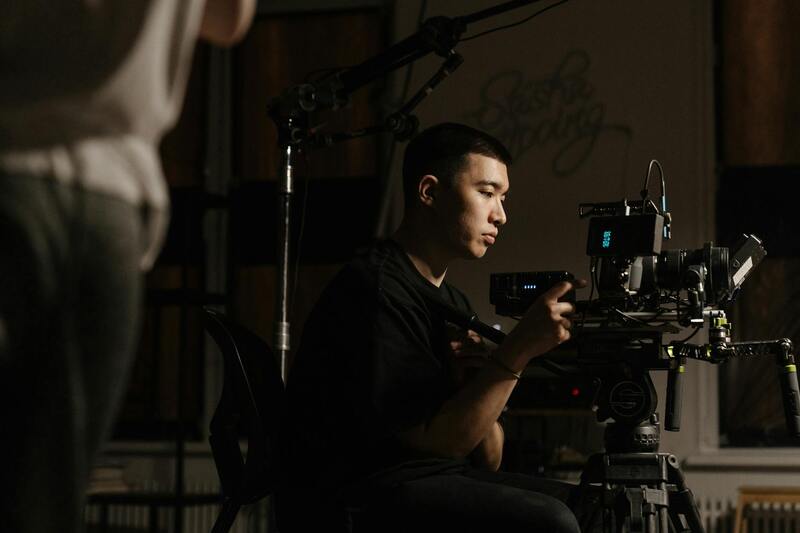
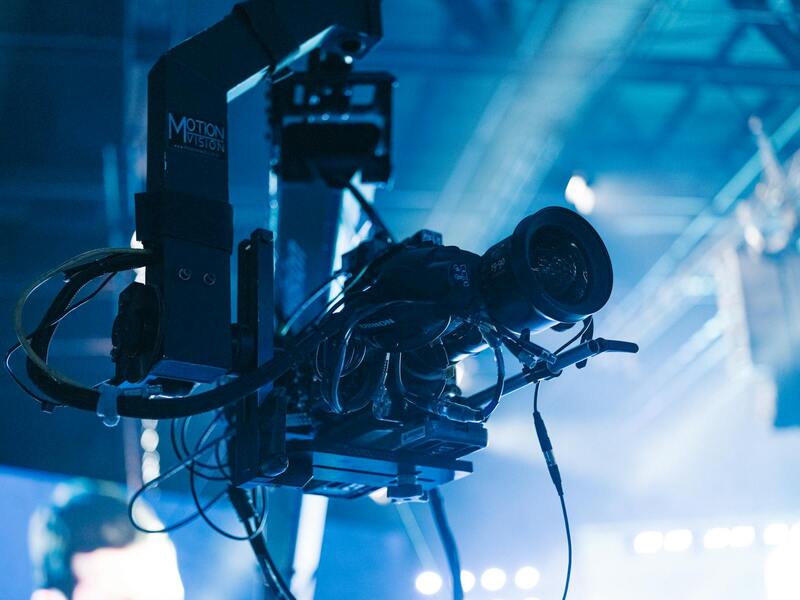
The production of a professional live stream relies heavily on specialized hardware and software. Multi-camera setups, including PTZ (pan-tilt-zoom) cameras, provide versatile angles that keep viewers engaged. High-quality microphones and mixing consoles capture and balance sound, ensuring audio clarity regardless of ambient noise levels. Production switchers allow editors to switch between camera feeds, incorporate graphics, and add effects on the fly, creating a dynamic broadcast.
Lighting plays a crucial role in ensuring subjects are well-illuminated and visually appealing. Depending on the event's scope, additional elements such as virtual sets, augmented reality overlays, and real-time graphics enhance the visual storytelling. Reliable streaming software, equipped with features like multi-platform output, real-time chat integration, and overlay management, forms the control hub for the entire production.
Pre-Production Planning and Coordination
Meticulous pre-production planning is vital for delivering a smooth live stream. This involves defining clear objectives, creating detailed production schedules, and assigning roles to team members. Effective coordination between the technical crew, hosts, and performers ensures that everyone is prepared for their responsibilities. Content rehearsals, test runs, and adjustments to camera angles or lighting are essential to identify potential issues beforehand.
Content designers create visual cues, graphics, and script outlines to guide the live event. Backup plans for technical failures, such as redundant internet connections and standby equipment, safeguard against disruptions. Confirming platform compatibility, ensuring smooth integration of multimedia elements, and performing comprehensive system checks contribute to a professionally managed production.
Choosing the Right Streaming Platforms
Selecting an appropriate platform is critical for maximizing reach and ensuring optimal viewer experience. Factors to consider include platform stability, audience accessibility, and content monetization options. Popular choices include dedicated professional streaming services, social media sites known for live features, and industry-specific broadcasting networks.
When evaluating options, consider platform support for high-definition streams, engagement tools like chat or reaction features, and analytics capabilities to monitor performance metrics. Multi-platform streaming can extend the audience base, allowing broadcasts to appear simultaneously on multiple channels tailored to different viewer segments.
Ensuring Quality and Reliable Broadcasts
Maintaining a high standard of broadcast quality is essential for engaging viewers and projecting professionalism during live streaming events. This involves meticulous attention to several critical aspects, including troubleshooting procedures, robust internet connectivity, backup systems, and quality control measures.
Addressing Troubleshooting
Proactive troubleshooting begins with thorough system checks before the event. Technical teams should verify all equipment functions correctly and that software configurations are optimized for smooth operation. During the live stream, dedicated personnel should monitor audio and video feeds continuously, ready to address any anomalies swiftly. Quick identification of issues like audio delays, video lag, or synchronization problems minimizes disruptions and ensures a seamless viewing experience.
Internet Connectivity Stability
Reliable internet connection remains the backbone of any successful live stream. Multiple internet sources, such as wired Ethernet connections combined with high-quality Wi-Fi, should be employed to prevent interruptions. In areas prone to unstable internet, consider dedicated broadband links or leased lines specifically for streaming purposes. Utilizing network bonding technology can aggregate multiple connections, providing increased bandwidth and redundancy, significantly reducing the risk of signal dropouts.
Backup Systems and Redundancy
Implementing backup systems is crucial for uninterrupted broadcasting. This includes standby camera equipment, generators for power backup, and secondary streaming devices that can take over if primary systems fail. Having redundant hardware and software solutions ensures that minor technical issues do not escalate into broadcast failures. Regularly testing these backup components before the event provides confidence in their functionality when needed.
Quality Control Measures
Consistent quality assurance involves real-time monitoring of video and audio feeds, adjusting parameters to optimize clarity and color balance as required. Employ professional-grade switchers and mixers that allow seamless transitions between camera angles and multimedia elements. Employing encoding settings that balance video quality with bandwidth limitations ensures viewers receive a crisp, buffer-free stream. Advanced streaming platforms often include analytics tools to monitor stream health, viewer engagement, and potential buffering issues, enabling immediate corrective actions.
By strategically addressing these areas, production teams can significantly improve stream reliability, minimize technical disruptions, and deliver engaging content that maintains the audience's interest throughout the live event.
Advanced Techniques for a Professional Live Stream
To elevate live streaming productions to a professional level, production teams in Miami are adopting advanced techniques that ensure not only quality but also engagement. One key approach involves implementing multi-camera setups with sophisticated switchers, allowing seamless transitions between different perspectives that can capture every aspect of the event. High-definition cameras with optical zoom capabilities enable close-ups and wide shots, catering to the dynamic needs of live events. Coupled with professional-grade lighting, this setup ensures optimal visual clarity regardless of venue lighting conditions.
Audio quality plays an equally critical role in delivering a compelling live stream. Using directional microphones and audio mixers allows for clear sound capture from multiple sources, reducing background noise and ensuring that every word and musical note is heard distinctly. Incorporating real-time audio monitoring and adjustments enables the production team to maintain consistency throughout the broadcast.
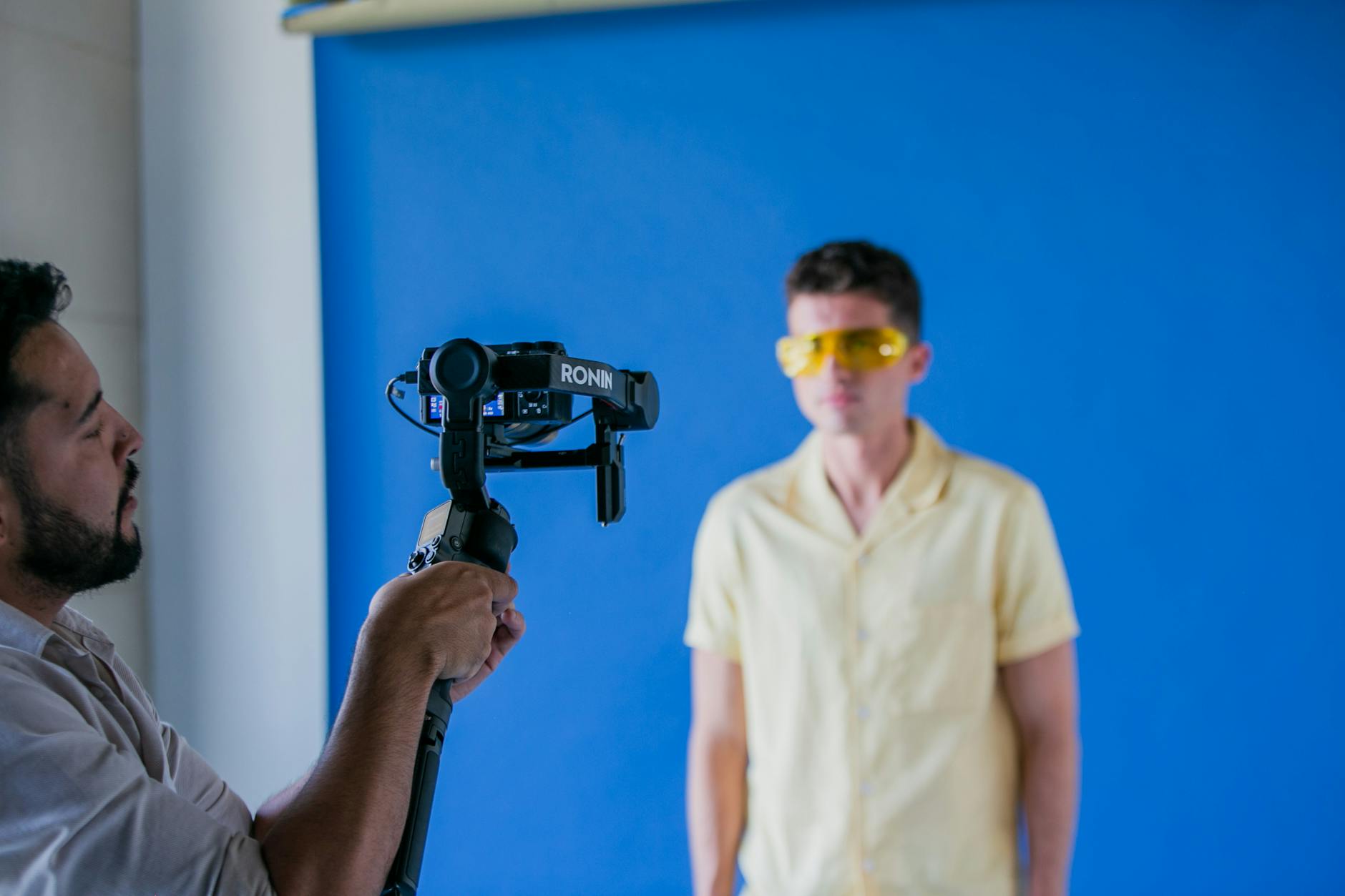
Furthermore, producers often leverage real-time graphics and overlays to communicate information effectively. This could include live scores, participant names, or promotional content that enhances viewer engagement. Utilizing graphics engines integrated with live streaming software allows swift updates and dynamic visual elements, making the stream more interactive and informative for viewers.
Utilizing Stream Optimization and Monitoring Tools
In-depth stream optimization tools are vital for maintaining the highest quality. Software solutions that analyze bandwidth usage, encoding settings, and viewer feedback enable immediate adjustments to minimize buffering and latency issues. Live monitoring dashboards provide instant insights into stream health, allowing producers to respond promptly to any technical challenges, ensuring a smooth broadcast from start to finish.
Security Measures for Live Content
Implementing security protocols is essential to protect live streams against unauthorized access and cyber threats. Encryption technology secures data transmission, while secure token authentication restricts access to authorized viewers only. Additionally, firewalls and intrusion detection systems help safeguard the streaming infrastructure. These measures ensure that the live broadcast remains private and secure, preserving the integrity of the event and the privacy of its audience.
By refining technical techniques and leveraging advanced tools, Miami production teams deliver live streams that are not only visually and audibly superior but also engaging and securely transmitted to audiences worldwide.
Mastering the Final Stages of Production Live Streaming
When the live broadcast has concluded, the work does not end. Post-production activities are crucial for maximizing the impact of the live stream, ensuring content longevity, and enhancing future broadcasts. Effective evaluation and strategic repurposing of content can significantly extend the value of your live streaming efforts.
Conducting a Comprehensive Post-Stream Review
Analyzing the performance of a live stream involves examining various metrics such as viewer engagement, peak concurrent viewers, dropout points, and platform-specific analytics. These insights help identify strengths and areas for improvement, shaping the strategy for subsequent broadcasts. Reviewing the technical performance of the stream—such as encoding stability, latency issues, and audio-visual synchronization—provides actionable data to refine your technical approach.
Gathering feedback from viewers through surveys or direct interactions can offer qualitative insights into audience satisfaction and preferences. This holistic evaluation ensures the production team understands what resonated well and what requires adjustment.
Content Repurposing for Extended Engagement
The recorded footage from a live stream holds immense potential beyond the initial broadcast. Segmenting key moments into shorter clips enables targeted content distribution across multiple channels, such as social media platforms, websites, and email campaigns. Highlight reels, behind-the-scenes footage, and exclusive interviews can attract new audiences and maintain engagement with existing followers.
- Creating highlight reels for social media sharing
- Developing tutorial videos or behind-the-scenes content
- Embedding recordings on your website to increase traffic and dwell time
Additionally, transcripts and captions derived from the broadcast can improve accessibility and SEO, ensuring your content reaches a broader audience.
Implementing Content Management and Archiving Strategies
Proper archiving of live streams facilitates easy retrieval for future use and reference. Cloud storage solutions with robust tagging and metadata capabilities streamline content management. Labeling recordings with relevant keywords, event details, and date information improves searchability and organizational efficiency.
Maintaining a well-structured archive supports ongoing content marketing efforts and allows teams to efficiently repurpose material for new projects or promotional campaigns.
Ongoing Optimization for Future Live Streams
Applying lessons learned from previous broadcasts is essential for continuous improvement. This involves updating equipment, refining technical setups, and adjusting on-air talent performance based on post-stream analysis. Regular training and rehearsal sessions help ensure the production team remains adept at managing live challenges and executing dynamic content seamlessly.
Investing in emerging technologies, such as AI-driven analytics and virtual production tools, can further enhance the quality and interactivity of future streams. Staying informed about industry advancements allows Miami-based production teams to pioneer innovative solutions and maintain competitive excellence in the live streaming landscape.