
Overview of Live Feed Services
Live feed services have become an essential component in modern video production, broadcasting, and event coverage. They enable real-time transmission of high-quality video and audio content from a source to viewers across various platforms. This technology allows Miami-based agencies to deliver live events, conferences, sports, concerts, and news coverage with immediacy and clarity, reaching audiences instantly regardless of geographical barriers. The core purpose of live feed services is to facilitate seamless broadcasting that ensures viewers receive an uninterrupted and high-definition feed, thus enhancing engagement and interactivity. In the vibrant media ecosystem of Miami, live feed services are particularly valuable for the dynamic needs of event organizers, broadcasters, and corporate clients. These services support a wide array of applications including live streaming of fashion shows down Ocean Drive, real-time coverage of sports events at Miami-Dade Arena, or virtual participation in corporate webinars hosted by local firms. The adaptability of live feed solutions to diverse environments and event scales makes them indispensable to Miami’s thriving media production landscape. Common uses of live feed services extend beyond entertainment; they are pivotal for news agencies covering breaking stories, real-time updates of city events, or cultural festivals across Miami and South Florida. These services also play a critical role in enabling remote production workflows, reducing the need for extensive on-site equipment, and allowing broadcasters to maintain high production quality without geographical constraints. An effective live feed service hinges on a combination of robust technology, reliable connectivity, and expert handling to ensure precise synchronization, minimal latency, and fault-tolerance. As Miami continues to grow as a hub for entertainment, sports, and corporate events, the demand for dependable live feed solutions intensifies, positioning these services as vital tools in the region’s media and production industry.

Key Features of Live Feed Services
Professional live feed services offered in Miami are distinguished by several core features that ensure seamless and high-quality broadcasting. These features are essential for delivering an engaging viewer experience and maintaining the professional standards required for various types of events and productions.
High-Quality Streaming
At the forefront of live feed services is the ability to provide high-definition streaming that captures every detail with clarity and precision. Advanced encoding technologies and adaptive bitrate streaming enable the delivery of smooth video playback, even in fluctuating network conditions. This results in reduced buffering and an uninterrupted viewing experience, which is crucial during live broadcasts such as concerts, sports, or corporate presentations.
Multiple Camera Integration
Flexibility in camera setup enhances the production value by offering various angles and perspectives. Live feed services support multiple camera inputs, allowing operators to switch seamlessly between different shots based on the event's dynamics. This feature is particularly valuable during multi-camera productions like panel discussions or large-scale performances, where visual variety maintains audience engagement.
Reliability and Redundancy
In a live broadcast, moments of failure are unacceptable. Therefore, robust live feed platforms incorporate redundancy systems—such as backup internet connections and secondary data paths—to minimize downtime. Failover protocols ensure that the feed remains continuous even if primary systems encounter issues, safeguarding the broadcast integrity and reputation of Miami-based production agencies.
Low Latency Transmission
Latency impacts the immediacy of the live experience. Reliable live feed services employ optimized data transmission techniques to minimize delay, sometimes to as low as a few seconds. This feature is vital for real-time interactions, audience participation, or synchronized broadcasts where timing is critical, such as live auctions or interactive webinars.
Secure Data Handling and Access Control
With the increasing demand for secure streaming, providers implement encryption protocols and access controls to safeguard content from unauthorized access. Whether for corporate internal events or proprietary broadcasts, these security measures assure clients that their live streams are protected from potential breaches or leaks.
Scalability and Flexibility
Miami’s vibrant event scene requires live feed services that can scale according to event size. Whether it’s a small business webinar or a large music festival, scalable solutions adapt quickly to changing demands, expanding bandwidth or adding extra camera feeds as needed, ensuring optimal coverage regardless of the scope.
Technical Requirements and Infrastructure
Implementing a reliable live feed service within Miami’s dynamic event environment necessitates a robust technical infrastructure. A core component is a high-bandwidth internet connection capable of supporting continuous high-definition data transmission without interruptions. Fiber optic connectivity is often preferred for its capacity and stability, especially during large-scale events or high-traffic broadcasts.
Beyond internet connectivity, specialized hardware is essential for ensuring seamless streaming. This includes professional-grade encoders that convert live video signals into digitally manageable formats, and switches that facilitate smooth transitions among multiple camera feeds. High-quality audio equipment, including mixers and microphones, are crucial to maintain professional sound clarity, which significantly impacts viewer engagement.
Network Redundancy and Backup Solutions
Given Miami’s complex network environment, implementing redundancy measures is critical. Dual internet connections from different providers can mitigate the risk of service disruption. Backup power supplies, such as uninterruptible power supplies (UPS), ensure that vital equipment remains operational during outages, preserving ongoing streams.
Content Delivery Network (CDN) Integration
Effective use of Content Delivery Networks (CDNs) optimizes the distribution of live streams, minimizing latency and buffering issues. CDNs cache content across geographically distributed servers, facilitating quicker access for viewers and reducing server load. For Miami-based events with an international audience, CDN integration ensures high-quality viewing experiences regardless of geographic location.
Compliance with Local Regulations and Standards
Adherence to local regulations concerning broadcasting and data handling is mandatory. Proper licensing, permits, and compliance with industry standards ensure smooth operation, avoiding potential legal complications. Employing certified equipment and following best practices into the setup not only enhances broadcast quality but also safeguards against operational issues.
Monitoring and Maintenance
Continuous monitoring of network performance and equipment is vital to detect and rectify issues promptly. Regular maintenance schedules, including hardware updates and calibration, ensure the longevity and reliability of live feed systems. Advanced monitoring tools provide real-time analytics, allowing technicians to anticipate and resolve potential disruptions swiftly.
Overview of Live Feed Services
Live feed services serve as the backbone for real-time content transmission, playing a crucial role in broadcasting major events, corporate presentations, and entertainment productions in Miami. These services encompass a comprehensive suite of technical solutions designed to capture, encode, transmit, and deliver live video streams to audiences across various platforms and devices. Utilizing state-of-the-art hardware and network infrastructure, live feed providers ensure seamless, high-quality streaming experiences that meet the evolving demands of diverse clients and viewers.
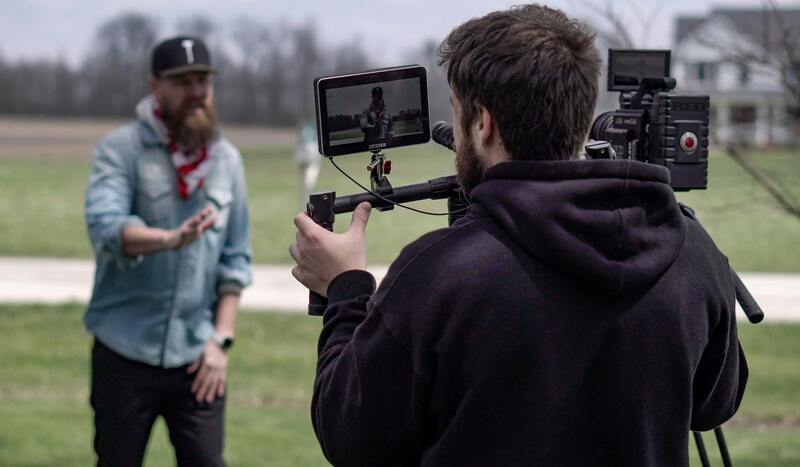
In Miami, where events vary from large-scale conferences to vibrant cultural festivals, the need for reliable live feed services is paramount. These services facilitate real-time broadcasting via multiple channels, including social media platforms, dedicated streaming websites, and corporate networks. By integrating robust hardware elements like encoders, switches, and servers with advanced networking solutions, live feed providers ensure minimal downtime and superior content delivery.
Key Features of Live Feed Services
- High-Quality Video Transmission: Utilizing 4K, HD, and SD formats, ensuring crisp visuals tailored to event needs.
- Multi-Platform Compatibility: Seamless integration with popular streaming platforms, social media, and proprietary websites.
- Scalability: Ability to handle increased viewer loads during high-traffic events without compromising quality.
- Redundancy and Failover Systems: Backup hardware and internet connections to prevent stream interruptions.
- Real-Time Monitoring and Analytics: Tools to oversee stream performance, detect issues early, and optimize delivery.
Benefits for Miami Production Agencies
For production agencies operating in Miami, leveraging professional live feed services translates into enhanced operational efficiency and broader audience reach. These services enable agencies to deliver high-impact live events that resonate with viewers while minimizing technical challenges. The precision in setup and execution ensures broadcasts meet the highest standards, reinforcing the client’s brand reputation.

Furthermore, the integration of advanced networking and hardware solutions allows agencies to support complex productions, including multi-camera setups, augmented reality overlays, and interactive features. This technical robustness provides the flexibility to adapt to different event scales and formats, whether it’s a corporate webcast or large-scale public event. By investing in reliable live feed services, Miami-based agencies can confidently deliver engaging content, increase audience engagement, and deliver measurable results for their clients.
Technical Requirements and Infrastructure
Implementing effective live feed services in Miami hinges on a meticulous setup of technical infrastructure. Essential hardware components include high-definition cameras, professional-grade encoders, resilient networking equipment, and backup power solutions such as UPS systems. Sufficient bandwidth allocation is critical; typically, a dedicated internet connection with symmetrical upload and download speeds ensures a stable streaming environment capable of handling high data throughput.
Technical expertise is equally vital. Skilled technicians are needed to configure encoding parameters, troubleshoot network issues, and perform regular maintenance. Compatibility with various streaming platforms requires understanding of different protocols and codecs, such as RTMP, SRT, and HLS. Moreover, on-site technical teams must be prepared for real-time problem resolution, ensuring that live streams remain uninterrupted regardless of unforeseen challenges.
Future Trends in Live Feed Technology
The landscape of live feed technology is continuously evolving, with emerging trends promising enhanced features and improved experiences. 5G connectivity is poised to revolutionize real-time streaming by offering ultra-low latency and increased bandwidth, enabling higher video quality and greater mobility during events. Cloud-based encoding and distribution solutions are gaining popularity for their scalability and cost-efficiency, allowing event organizers to manage streams remotely with minimal infrastructure.
Artificial intelligence and machine learning are being integrated into live feed systems to optimize streaming quality dynamically, detect potential issues proactively, and automate workflows. Augmented reality (AR) overlays and interactive streaming features are making broadcasts more engaging, transforming how audiences experience live events. As these technologies mature, Miami's event production sector will be at the forefront of delivering immersive, seamless live content tailored to modern viewer preferences.
Implementing Live Feed Services in Miami Projects
Implementing live feed services in Miami requires meticulous planning and integration of advanced technology to ensure seamless broadcasting. Establishing robust infrastructure begins with selecting appropriate hardware, such as high-quality cameras, encoders, and reliable network equipment capable of handling high data throughput. The integration process involves configuring encoding settings tailored to the specific needs of the event or production, ensuring optimal video quality and minimal latency. This includes selecting suitable codecs and streaming protocols compatible with various content delivery platforms.
Furthermore, configuring the network infrastructure is essential. This involves deploying high-bandwidth internet connections, often with redundant links to prevent disruptions during live broadcasts. In scenarios where cellular connectivity is used, especially for remote locations, leveraging 4G/5G technology enhances mobility and reduces latency. Adequate bandwidth management and network security measures safeguard the live feed against interruptions and malicious threats, thereby maintaining broadcast integrity.
On-site technical teams play a critical role during implementation. They conduct comprehensive tests before the event, including video quality assessments, latency checks, and redundancy verification. Troubleshooting capabilities must be in place to swiftly address any issues with signal quality, encoding errors, or network interruptions. Coordinating with streaming platform providers ensures compatibility and proper integration, whether for social media, dedicated streaming portals, or enterprise delivery networks.
Moreover, establishing a scalable workflow permits multi-camera setups, real-time graphics overlay, and instant switching between feeds, enhancing the overall production quality. Stream monitoring tools are employed to observe stream health continuously, allowing operators to respond proactively to any anomalies. Fine-tuning these elements ensures the live feed reaches viewers with clarity and reliability, regardless of location or device.
Implementing live feed services extends beyond just hardware and software; it involves comprehensive planning, adequate staff training, and adherence to best practices. Consistent evaluation and upgrades aligned with technological advancements enable Miami-based production agencies to deliver compelling live content that stands out in a competitive market.
Popular Platforms and Technologies
Successful deployment of live feed services in Miami hinges on leveraging the right platforms and technologies that ensure seamless broadcast quality and scalability. Leading streaming solutions such as dedicated media servers, cloud-based streaming platforms, and proprietary content delivery networks (CDNs) form the core infrastructure supporting live feed services. These platforms are engineered to handle high bandwidth demands, minimize latency, and support multiple concurrent viewers without compromising quality.
Media server solutions like Wowza Streaming Engine and Adobe Media Server offer reliable on-premises hosting options, providing full control over stream management, encoding formats, and security features. On the other hand, cloud platforms such as Amazon Web Services (AWS) Elemental Media Services, Microsoft Azure Media Services, and Google Cloud Video Intelligence enable flexible, on-demand scaling that accommodates fluctuating viewer numbers and diverse event types.
These technologies often integrate with advanced encoding hardware and software that optimize video quality while reducing data consumption. Adaptive bitrate streaming techniques dynamically adjust stream quality based on viewers’ internet connection speeds, ensuring smooth playback across various devices and network conditions.
Furthermore, the implementation of robust content delivery networks (CDNs) like Akamai, Cloudflare, and Limelight Networks is crucial for distributing live streams efficiently across Miami and beyond. CDNs deploy geographically dispersed servers that reduce latency and provide load balancing, ensuring viewers experience uninterrupted, high-definition feeds regardless of their location.
Emerging innovations such as 5G integration, ultra-low latency streaming protocols like WebRTC and SRT (Secure Reliable Transport), and AI-powered stream optimization are revolutionizing live feed services. These advancements enable real-time interactivity, enhanced security, and superior viewer engagement, positioning Miami production agencies at the forefront of live broadcasting excellence.
Overview of Live Feed Services
Live feed services are essential components in modern broadcasting, event coverage, and content delivery. They enable real-time transmission of high-quality video streams directly to audiences across various platforms and devices. These services comprise a combination of hardware, software, and network infrastructure designed to capture, encode, transmit, and deliver live content seamlessly. In Miami, a vibrant hub for media production, leveraging sophisticated live feed solutions enhances the quality and reach of broadcast projects, corporate events, concerts, and sports coverage. Efficient live feed services not only provide uninterrupted streams but also incorporate features like interactive chat, multi-camera switching, and real-time analytics to keep viewers engaged and informed.

Key Features of Live Feed Services
- High-Definition Streaming: Support for HD and ultra-high-definition formats ensures clear visuals, essential for professional broadcasts and premium content.
- Low Latency Transmission: Minimizing delay between the source and the viewer is critical, especially for live sports, auctions, and interactive events.
- Adaptive Bitrate Streaming: Dynamically adjusts video quality based on viewer bandwidth, maintaining smooth playback across diverse internet connections.
- Scalability and Flexibility: Cloud-based infrastructures allow for easy scaling during event spikes, providing stable performance regardless of viewer numbers.
- Multi-Platform Compatibility: Compatibility with various devices, including smartphones, tablets, smart TVs, and desktop computers, broadens reach and accessibility.
- Security and Encryption: Stream encryption and access controls safeguard content from unauthorized viewing and piracy.
- Interactive Features: Incorporation of chat functions, real-time polling, and viewer engagement tools enhances user participation.
Benefits for Miami Production Agencies
Miami’s production agencies benefit substantially from advanced live feed services. These include increased production quality, expanded audience reach, and improved viewer engagement. The ability to broadcast live across multiple platforms enables agencies to serve clients in diverse sectors such as entertainment, sports, corporate communications, and government. Additionally, integrating live feed technologies allows for more dynamic storytelling with multi-camera setups, augmented reality overlays, and real-time graphics, enriching the overall viewing experience.
Employing reliable live feed systems also minimizes downtime and technical issues, ensuring professional operation during critical events. For agencies, this means delivering top-tier content consistently, which enhances reputation and client trust. Moreover, comprehensive monitoring and analytics embedded in these services provide insights into viewer behavior and stream performance, facilitating data-driven decisions to optimize future broadcasts.
Technical Requirements and Infrastructure
Implementing high-quality live feed services in Miami involves establishing a robust technical infrastructure. This includes high-performance encoding hardware capable of compressing video signals efficiently while retaining image fidelity. Integration with reliable data transmission networks, such as fiber optic internet and 5G wireless technology, ensures sufficient bandwidth and low latency.
Content Delivery Networks (CDNs) are pivotal in distributing streams efficiently across geographic locations, reducing lag and buffering. The setup also necessitates redundant hardware and network pathways to prevent service interruptions. For live events with high viewer counts, load balancing and auto-scaling cloud solutions are critical to accommodate traffic fluctuations without compromising stream integrity.
Software tools for stream management, including encoding software, broadcast control panels, and monitoring dashboards, provide operators with real-time control and troubleshooting capabilities. These tools facilitate seamless switching between camera feeds, adjusting broadcast parameters on-the-fly, and ensuring synchronization across multiple inputs.
Popular Platforms and Technologies
Miami production teams leverage several industry-leading platforms and technologies to deliver dependable live feed services. Media servers such as Wowza, Vimeo Livestream, and Brightcove offer comprehensive solutions for encoding, hosting, and distributing live content. Their integration with cloud services like AWS Media Services, Microsoft Azure Media, and Google Cloud enables scalable and flexible streaming architectures.
Emerging protocols like WebRTC and SRT (Secure Reliable Transport) enhance low-latency, real-time communication, making live interactions more immediate and seamless. Content management systems and streaming solvers also incorporate AI-powered analytics, optimizing stream quality and providing valuable audience insights.

Implementing Live Feed Services in Miami Projects
Successful deployment of live feed services in Miami requires meticulous planning and adherence to best practices. Initial assessment involves understanding the scope of the event, expected audience size, and distribution channels. Selecting the appropriate platform and infrastructure is crucial, considering factors such as bandwidth availability, security requirements, and viewer engagement objectives.
Coordination with technical teams for hardware setup, network configuration, and software integration follows. Implementing redundant systems and establishing protocols for troubleshooting minimizes risks during live broadcasting. Additionally, pre-event testing ensures all components function correctly and that stream quality meets client expectations.
Throughout the live event, continuous monitoring and real-time adjustments are necessary. Post-event analysis provides insights into stream performance and viewer interactions, informing improvements for future broadcasts. Embracing innovative technologies and adhering to industry standards ensures Miami-based agencies can deliver live feeds that meet professional and audience expectations effectively.
Implementing Live Feed Services in Miami Projects
Deploying live feed services within Miami’s dynamic media landscape requires a comprehensive understanding of both technical and logistical components. It starts with an initial assessment where event scope, target audience, and distribution channels are carefully analyzed. This phase helps determine the appropriate streaming technology, infrastructure needs, and content delivery methods.
Choosing the right platform is essential. Factors such as compatibility with existing production equipment, scalability, and support for high-quality video formats influence the decision-making process. Modern solutions often incorporate adaptive bitrate streaming, ensuring viewers with varying internet speeds receive optimal video quality without buffering issues. Integrating these platforms with secure transmission protocols guarantees content safety and minimizes unauthorized access.

Once the platform is selected, attention turns to infrastructure setup. This involves establishing reliable internet connectivity, often through dedicated high-bandwidth connections, and configuring networking equipment to support live data transmission. Hardware components such as encoders, switchers, and dedicated servers are calibrated for optimal performance.
Coordination with technical teams is vital during this phase. Hardware installation, network configuration, and software integration must follow industry standards, with particular focus on achieving redundancy to prevent stream interruptions. Implementing backup systems, such as secondary internet links or failover servers, guarantees consistent delivery even amidst unforeseen disruptions.
Pre-event testing represents another critical step. Simulating live scenarios helps identify potential issues related to latency, audio-visual sync, or streaming stability. Adjustments are made to optimize performance and ensure the broadcast meets the anticipated quality benchmarks.
During the live event, continuous monitoring is imperative. Transmission quality, viewer engagement metrics, and system health are tracked in real-time. Technical teams are prepared to intervene swiftly if anomalies occur, adjusting bandwidth allocation or switching streams as needed.
Post-broadcast analysis provides valuable insights into overall stream performance, audience reach, and engagement levels. Detailed reports help identify areas for improvement, informing future production strategies. Keeping abreast of technological advancements and adhering to best practices enhances the delivery of high-quality live feed services in Miami’s vibrant entertainment and corporate sectors.