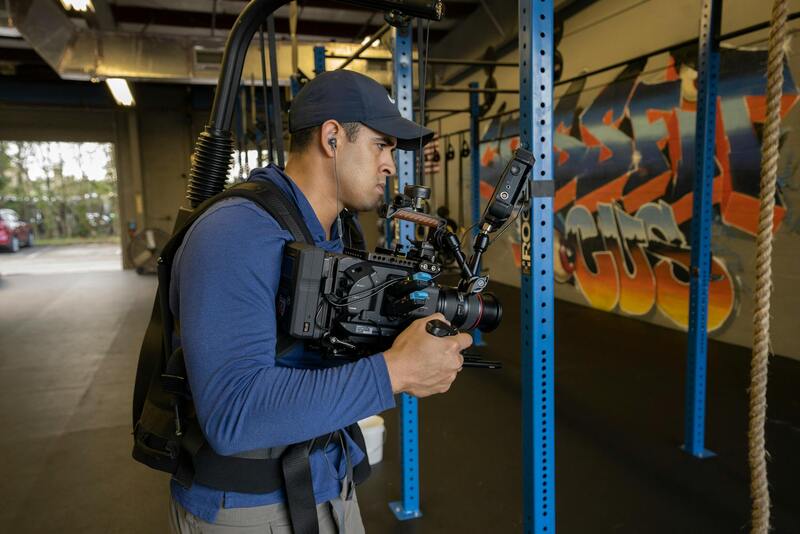
Overview of Live Streaming for Sports Events in Miami and Florida
Miami and Florida as a whole have established themselves as vibrant hubs for sports fans eager to follow their favorite teams and events through live streaming. The technological evolution over recent years has transformed how viewers access sports content, enabling real-time engagement from virtually anywhere within the region. These developments are driven by an array of platforms, regional preferences, and innovative streaming options designed to enhance user experience.
Traditional broadcast methods such as cable and satellite TV still provide access to many regional sports networks. However, a growing segment of the sports audience prefers digital live streaming, favoring convenience and on-demand capabilities. Streaming services now offer comprehensive coverage of both professional and college sports, including popular leagues and local teams representing Miami and Florida communities.
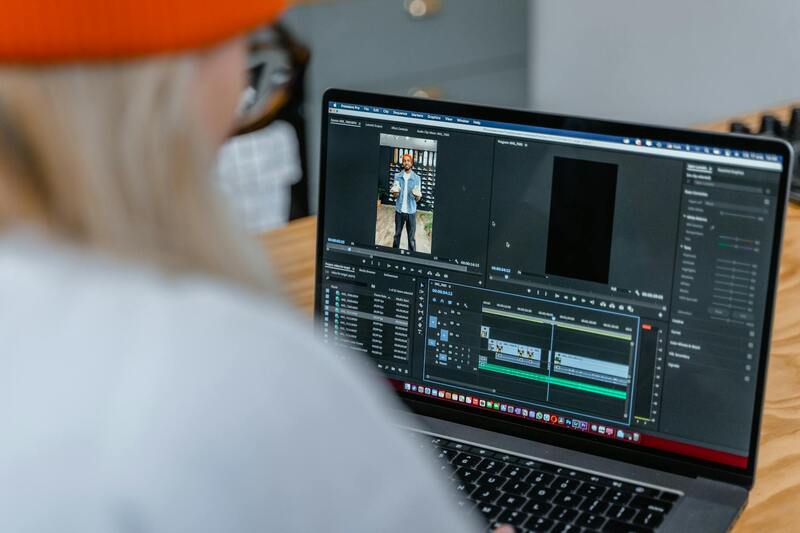
Platforms like dedicated sports streaming apps, official league apps, and general streaming services have gained prominence. These options provide high-quality streams with features such as multiple camera angles, instant replays, and interactive chat to foster a more immersive viewing experience. The regional appetite for live sports content influences the availability and choice of streaming options, with Miami’s diverse population often opting for specialized regional broadcasts and Florida-wide sports networks.
Technological advancements such as improved internet bandwidth, 5G connectivity, and cloud-based streaming infrastructure continue to boost the quality and stability of live streams. Additionally, regional preferences often dictate access methods, with some fans favoring apps tailored to Florida’s sports teams or regional broadcasters that provide exclusive, localized content. As streaming technology evolves, fans can expect even more personalized, interactive, and accessible ways to enjoy live sports events in Miami and throughout Florida.
Differences Between Miami and Florida Live Stream Access
Accessing live streams for Miami versus other regions within Florida can vary significantly due to regional disparities in internet infrastructure, service provider availability, and local broadcasting partnerships. Miami, as a major urban hub, benefits from a robust telecommunications infrastructure that supports high-speed internet and reliable streaming services. The city’s dense population and commercial density drive investments in fiber optic networks, enabling high-definition, uninterrupted live sports viewing experiences.
In contrast, more rural or less densely populated areas within Florida may experience inconsistencies in internet speeds and bandwidth capacity. These disparities can impact the quality of streaming, with viewers in less developed regions potentially facing buffering issues or reduced stream resolution. Service providers in these areas often offer limited bandwidth plans or fewer broadband options, which can influence the accessibility and user experience for fans attempting to stream Miami or Florida sports events.

Another factor influencing live stream access is the regional licensing agreements between broadcasters, teams, and streaming platforms. Miami’s vibrant sports scene, with its diverse and active fan base, often results in localized broadcasting deals that provide exclusive or prioritized streaming options for Miami-based sports fans. These deals may include regional sports networks that are tailored to Miami’s local teams, offering flexible online access through official apps or web portals.
Elsewhere in Florida, fans might need to rely on statewide sports networks or third-party streaming services that carry broader regional coverage. These services sometimes require additional subscriptions or package upgrades to access specific teams or sports, which can create a variation in user experience and access points. Regional licensing also determines the availability of certain content, with some smaller markets receiving fewer streaming options or delayed broadcasts compared to Miami’s sophisticated offerings.
Moreover, demographic factors and local preferences influence the choice of streaming methods. Miami’s multicultural population and tech-savvy communities tend to favor innovative, app-based streaming solutions that incorporate multiple camera angles and interactive features. Conversely, fans outside Miami may prefer traditional web streams or cable-subscriber platforms that offer access to major Florida sports networks.
Despite these regional differences, the expanding availability of high-speed internet, coupled with increased investment in cloud-based streaming infrastructure, continues to narrow the gap. This evolution ensures that fans in both Miami and other parts of Florida can enjoy comprehensive, high-quality live sports coverage through official channels, regardless of geographic location.
Legal and Licensing Considerations for Streaming
Accessing live sports streams in Miami and across Florida involves navigating a complex landscape of licensing agreements and copyright regulations. These restrictions often dictate the availability of specific content and influence how fans can access live broadcasts through official channels. Licensing rights are typically negotiated on a regional basis, meaning that content rights purchased by broadcasters are confined to certain geographic areas. This regional allocation ensures that the broadcasting rights holder maintains exclusivity within particular markets, which can impact the availability of live streams for fans in Miami, Florida, or elsewhere.
Copyright laws serve to protect the intellectual property rights of content creators, broadcasters, and sports organizations. These laws prevent unauthorized streaming or redistribution of live content, emphasizing the importance of accessing streams via official platforms that have secured proper licensing agreements. Unauthorized streams, often prevalent on unofficial sites, pose risks such as poor video quality, potential malware exposure, or interruptions due to legal takedowns.
Regional blackouts are another factor that may restrict live stream access for viewers in Miami and Florida. These blackouts are implemented based on broadcasting rights and contractual obligations with local sports teams or leagues. For instance, if an event is televised through a local network, streaming it in certain areas might be restricted to protect the rights of local broadcasters and maintain exclusive viewing options. Consequently, fans may experience blackouts during live events unless they access streams through authorized platforms that hold specific rights in their region.

Understanding these legal parameters ensures that fans can optimize their viewing experience while respecting intellectual property rights. Reliable, official streaming services invest in securing licenses and adhere to regional regulations, providing viewers with consistent, high-quality broadcasts. These platforms also employ advanced digital encryption and content protection technologies to prevent unauthorized access, making them the most dependable method for streaming Miami and Florida sports events.
Technical Factors Impacting Live Stream Quality in Miami and Florida
For sports enthusiasts in Miami and across Florida, the quality of live streaming experiences hinges on a variety of technical factors that can significantly influence viewing satisfaction. A comprehensive understanding of these elements helps ensure seamless access to Miami vs Florida matches, regardless of location or device used.
One of the primary determinants of stream quality is the user’s internet connection speed and stability. High-definition (HD) or 4K streams require a robust broadband connection with minimum speeds typically above 20 Mbps. Fluctuations in bandwidth can result in buffering, reduced resolution, or even disconnection, disrupting the viewing experience. Therefore, optimizing your internet setup — such as using wired connections or upgrading to higher-speed plans — is crucial for consistent performance.

Device compatibility and performance also play pivotal roles. Modern smart TVs, desktops, tablets, and smartphones vary in their ability to process high-definition streams smoothly. Regularly updating device firmware and streaming apps can mitigate playback issues caused by software glitches or outdated hardware. Additionally, using devices with sufficient RAM and processing power ensures better buffering and reduces lag during live broadcasts.
Network congestion during peak hours is another factor that can affect stream quality. In Miami, a major metropolitan area with high internet usage, streaming during busy periods might lead to slower speeds, especially if multiple devices are connected simultaneously. Employing network management techniques, such as prioritizing streaming traffic or scheduling broadcasts during off-peak hours, can enhance overall viewing quality.
Content delivery networks (CDNs) serve as the backbone of live streaming infrastructure, distributing video content via multiple servers worldwide to reduce latency and prevent buffering. Streams hosted on reputable platforms typically leverage advanced CDNs that adapt video quality dynamically based on real-time network conditions. Adaptive streaming technology ensures viewers receive the highest possible resolution without interruption by automatically adjusting the stream quality in response to fluctuating bandwidth levels.
Lastly, the choice of streaming platform influences overall quality. Licensed providers usually invest in state-of-the-art encoding and content distribution systems that maintain consistent high-definition broadcasts. Accessibility features and user interface design also impact the ease of navigating streams, which contributes to a seamless experience for fans tuning in to Miami and Florida sports events.
Technical Factors Impacting Live Stream Quality in Miami and Florida
Understanding the technical infrastructure behind live streaming is essential for ensuring a seamless viewing experience during Miami versus Florida sports events. Several core components influence stream quality, including internet speed, server reliability, and adaptive streaming technologies.
Internet Speed and Bandwidth
One of the primary determinants of live stream quality is the available internet bandwidth. In Miami, with its dense urban environment, internet download and upload speeds tend to be robust, especially with fiber-optic connections. However, during peak usage hours, network congestion can cause intermittent buffering or lower resolution streams. Viewers should ensure their internet plans offer sufficient bandwidth—preferably 25 Mbps or higher—to handle 4K or HD streams without interruption.
Server Reliability and Content Delivery Networks (CDNs)
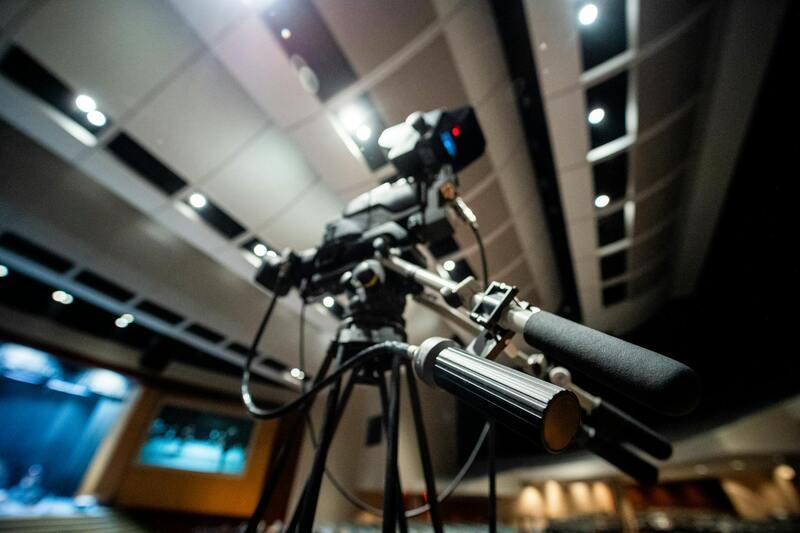
Reliable servers and strategically positioned Content Delivery Networks are vital for distributing live sports content efficiently. Major streaming providers utilize multiple server locations across Miami and Florida to reduce latency and prevent buffering issues. When a server experiences high traffic or technical problems, these systems dynamically reroute the stream through alternate servers, maintaining consistent quality.
Streaming Technology and Adaptive Bitrate Streaming
Modern streaming platforms leverage adaptive bitrate technology, which automatically adjusts video quality based on real-time network conditions. During fluctuating bandwidth levels, viewers are seamlessly transitioned between different quality levels, minimizing playback interruptions. This technology is particularly beneficial during competitive sports events with high viewer engagement, where maintaining uninterrupted streams is critical.
Hardware and Device Capabilities
The hardware specifications of viewing devices also significantly affect stream quality. Devices with powerful processors and ample RAM can decode high-definition streams more effectively. Using the latest smart TVs, streaming boxes, or updated mobile devices ensures compatibility with modern streaming codecs, enhancing picture clarity and reducing lag.
Network Optimization Techniques
- Prioritize streaming traffic through quality of service (QoS) settings on routers.
- Connect to the 5 GHz band on Wi-Fi networks to reduce interference.
- Close background applications that consume bandwidth during live streams.
- Use wired Ethernet connections when possible for a steadier signal.
By paying attention to these technical factors, viewers can significantly improve their live streaming experience during Miami vs. Florida sports broadcasts, ensuring they enjoy high-quality, uninterrupted coverage.
Technical Factors Impacting Live Stream Quality in Miami and Florida
To ensure optimal viewing experiences for Miami vs. Florida live streams, several technical aspects must be considered. These factors directly influence the clarity, stability, and responsiveness of the stream, providing viewers with game-day excitement without interruptions or delays.
Bandwidth and Network Stability
One of the most critical components affecting live stream quality is bandwidth availability. High-definition streams demand substantial data transfer rates; therefore, stable and sufficient internet connections are essential. In Miami and across Florida, internet service providers offer varied options, with fiber-optic connections delivering the most reliable bandwidth. Viewers should prioritize wired Ethernet connections over Wi-Fi whenever possible, as Ethernet provides a more consistent data flow unaffected by wireless interference.
Impact of Network Congestion
During major sports events, network congestion becomes a common challenge, especially in densely populated areas like Miami. This congestion can cause buffering, reduced video quality, and lag. To mitigate these issues, viewers can minimize background device activity, avoid simultaneous internet-heavy applications, and choose off-peak viewing times when network traffic is lighter. Quality of Service (QoS) settings on routers can also prioritize streaming traffic, helping maintain smooth playback.
Adaptive Streaming Technologies
Modern streaming platforms utilize adaptive bitrate technology, which dynamically adjusts video quality in real time based on current network conditions. This adaptive approach ensures that viewers experience uninterrupted streams even when bandwidth fluctuates. When network conditions improve, the stream automatically increases in quality, providing sharp visuals for high-stakes games like Miami vs. Florida matchups. Conversely, during poor network performance, the stream reduces its quality temporarily but avoids freezing or buffering.
Device Performance and Compatibility
The hardware capabilities of viewing devices significantly influence streaming experiences. Devices equipped with the latest processors, sufficient RAM, and support for current codecs such as H.264 or H.265 handle high-definition streams more effectively. Smart TVs, gaming consoles, streaming boxes, and mobile devices that are up to date with firmware provide enhanced compatibility, reducing lag and improving picture clarity. Ensuring that devices are regularly updated is essential for optimal performance.
Visual and Audio Synchronization
A critical aspect of live streaming is maintaining synchronization between video and audio streams. Latency issues can detract from viewer enjoyment, especially during fast-paced sporting events. Employing platforms that offer low-latency streaming options or server configurations tailored for live broadcasts can significantly reduce delay times, making the viewing experience more immersive and synchronized with actual game action.

Technical Factors Impacting Live Stream Quality in Miami and Florida
Ensuring an optimal live streaming experience for Miami vs Florida sports events requires a comprehensive understanding of various technical factors that influence stream quality and stability. These elements are paramount in delivering high-definition content seamlessly to viewers across the region, regardless of their viewing location or device.
Network Bandwidth and Stability
The foundation of a reliable live stream lies in a stable, high-speed internet connection. Network bandwidth must be sufficient to handle the data load of high-resolution streams, particularly when streaming in 4K or HD formats. In Miami and Florida, where network congestion can fluctuate, utilizing wired Ethernet connections or high-quality Wi-Fi networks can mitigate buffering and lag issues. Additionally, adaptive bitrate streaming technology ensures that the video quality dynamically adjusts based on current bandwidth availability, maintaining smooth playback even during bandwidth constraints.

Content Delivery Network (CDN) Performance
The efficiency of a live streaming service heavily depends on its use of Content Delivery Networks (CDNs). CDNs distribute content across multiple servers geographically dispersed to minimize latency and reduce load on individual servers. For Miami and Florida viewers, streaming platforms that leverage robust CDN infrastructure can deliver content faster and with minimal lag. The proximity of the CDN servers to a user’s location plays a vital role in decreasing buffering times and ensuring high-quality visuals during live events.
Encoding and Compression Technologies
Advanced encoding methods, such as H.264 and H.265, are essential for compressing video data without significantly compromising quality. These codecs enable smoother streaming by reducing the required bandwidth while maintaining clarity. Proper encoding settings are crucial in preventing over-compressed streams that result in pixelation or artifacts. Platforms that utilize adaptive streaming adjust encoding parameters in real-time based on the viewer’s device and connection quality, fostering an uninterrupted viewing experience in Miami and Florida.
Device Compatibility and Software Optimization
The hardware and software environment of consumer devices greatly impact streaming performance. Devices with powerful processors, ample RAM, and up-to-date firmware can decode high-quality streams more efficiently. Compatibility with streaming app standards and codecs further enhances playback. Regularly updating device software ensures access to the latest decoding algorithms and bug fixes, reducing lag and improving overall visual and audio fidelity during live broadcasts of Miami vs Florida games.
Latency and Synchronization
Duration between the live game and its broadcast on screens dictates viewer immersion, especially during fast-paced sports action. Low latency streaming solutions, such as WebRTC or HLS Low-Latency, are designed to minimize delay. Precise synchronization of audio and video streams guarantees that viewers experience the game in real-time, with audio cues aligned with on-field events. Platforms that optimize server configurations and employ efficient buffering algorithms significantly cut down latency, allowing fans in Miami and Florida to witness crucial moments as they happen.
Additional Considerations for Improving Stream Quality
- Regular testing: Performing routine quality checks ensures that streaming setups are functioning optimally before major events.
- Use of quality streaming hardware: High-end routers, streaming encoders, and quality-assured cabling can prevent technical issues.
- Proper network configuration: Managing prioritization of streaming traffic through Quality of Service (QoS) settings reduces interference from other network activities.
- Choosing trusted providers: Selecting reputable streaming platforms and services with proven infrastructure minimizes chances of disruptions.
By paying attention to these interconnected technical aspects, viewers across Miami and Florida can maximize their chances of enjoying uninterrupted, high-caliber live streams of Miami vs Florida sports events. Proper implementation of these elements reduces common pitfalls such as buffering, lags, and quality degradation, delivering a seamless experience aligned with the excitement of live sports.
Cost and Subscription Options for Lakers and Florida Live Stream Fans
For fans seeking to catch the Miami vs Florida games through live streaming, understanding the available subscription options is crucial for a seamless viewing experience. Official broadcasters offer a range of packages tailored to different needs and budgets, ensuring access to high-quality streams of local and national sports events.
Subscription Models and Their Features
- Cable Replacement Packages: Many streaming services provide options that mimic traditional cable subscriptions, offering access to regional sports networks (RSNs) and national broadcasters. These packages often include tailored access to Miami-based sports channels and Florida regional broadcasts.
- Platform-Specific Subscriptions: Platforms like ESPN+, Hulu with Live TV, and YouTube TV offer dedicated sports packages that include live streams of local teams and state-specific leagues. These platforms frequently update their lineups to include the latest Miami and Florida sports events.
- Single-Event Purchases: For occasional viewers, many services allow pay-per-view options where the viewer can purchase individual games or tournaments. This flexibility is ideal for fans who focus primarily on specific matchups or tournaments.
Pricing and Plan Variations
The cost of streaming subscriptions varies based on the provider, package contents, and region. Typically, monthly plans range from $50 to $100, with some platforms offering discounts or bundled packages to increase value. For instance, signing up for a comprehensive sports package that includes coverage for both Miami and Florida teams can improve access to a broader range of live events at a competitive rate.
Additional Membership Benefits
- On-Demand Content: Many official streaming services include extensive libraries of past games, highlights, and exclusive interviews, enabling fans to revisit memorable moments at their convenience.
- Multi-Device Compatibility: Subscribers can typically access live streams on various devices, including smartphones, tablets, smart TVs, and desktop computers, ensuring flexibility to watch from virtually anywhere in Miami or Florida.
- Multi-User Accounts: Family-friendly plans offer multiple login credentials, allowing several viewers in a household to access live streams simultaneously, often at a discounted rate.
Evaluating Your Streaming Options
When selecting a subscription, fans should consider factors such as local channel coverage, streaming quality, customer support, and platform user interface. Analyzing these elements helps in choosing an option that aligns with viewership preferences, ensuring a consistent and high-standard live streaming experience for Miami vs Florida games.