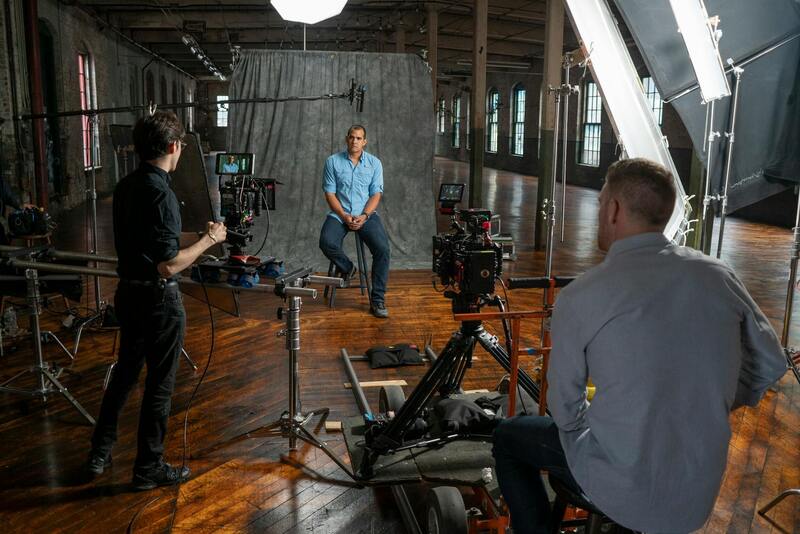
Overview of Live Streaming Production Studios
Live streaming production studios serve as essential hubs for broadcasting live events, digital content creation, and real-time communication across various platforms. These studios are equipped with advanced technology and professional staff to produce high-quality live video content, whether for corporate events, entertainment purposes, educational sessions, or sporting events. Within Miami's vibrant media scene, live streaming studios play a crucial role in expanding reach and enhancing engagement by facilitating seamless transmission of live visuals and audio to audiences worldwide.
A Miami-based live streaming production studio combines technical expertise with creative talent to ensure each broadcast meets the desired standards of clarity, stability, and viewer interaction. These facilities are often strategically located in the heart of the city’s media industry to access a broad network of clients and partners who seek premium live content. By leveraging regional talent and cutting-edge technology, these studios are pivotal in helping brands, organizations, and creators deliver dynamic live experiences that resonate with diverse audiences.
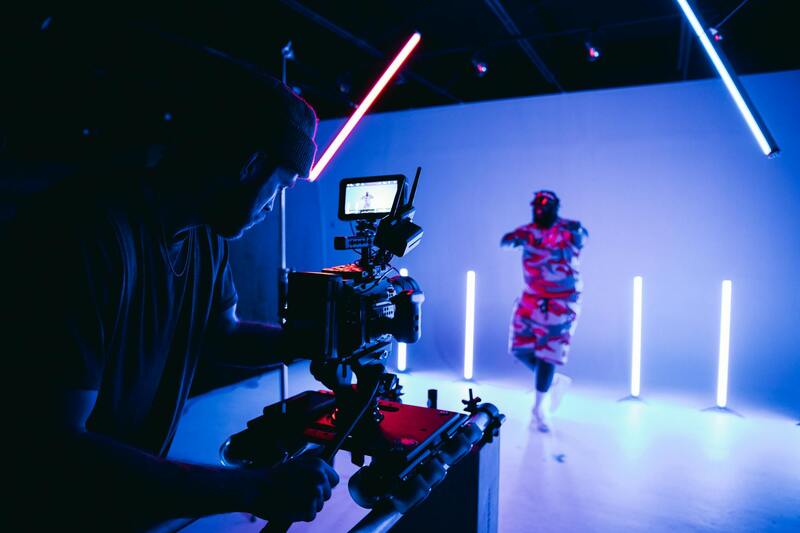
In addition to serving local clients, Miami's live streaming studios also handle international projects, making use of high-speed internet, advanced encoder systems, and multi-camera setups. This ensures the production quality remains consistently high regardless of project scale or location complexity. As digital consumption continues to grow, the demand for professional live streaming services has soared, positioning these studios as key players in Miami’s media ecosystem.
Visual content produced in these studios often incorporates a mix of dynamic camera angles, real-time graphics, and interactive elements, creating engaging experiences for online viewers. Whether broadcasting corporate seminars, live concerts, or sports tournaments, these studios are equipped to deliver real-time, impactful content that aligns with clients' branding and communication objectives.
Core Equipment and Technology
To facilitate top-tier live streaming, studios rely on a combination of specialized hardware and software. High-definition cameras, professional audio mixers, and robust internet connections form the backbone of any successful production. Additionally, software encoding tools and streaming platforms allow seamless broadcast management and multi-platform distribution. These technological assets are meticulously integrated to ensure minimal latency, high-resolution output, and reliable transmission throughout the event.
Types of Live Streaming Services Offered
- Corporate event live streaming
- Webinar broadcasting
- Concert and entertainment streaming
- Sports event coverage
- Product launches and promotional events
Studio Setup and Design
Designing an effective live streaming production studio involves more than just selecting high-quality equipment; it requires meticulous planning to optimize acoustics, lighting, and spatial arrangements. A well-conceived studio layout ensures seamless operation, minimizes technical disruptions, and enhances the overall viewer experience. Soundproofing materials are essential to prevent external noise interference, thereby preserving audio clarity during transmissions. Lighting plays a crucial role in video quality, with adjustable LED panels and diffusers used to create consistent illumination that flatters subjects and highlights details. Strategic placement of cameras and lighting allows for dynamic shots and visual interest without causing shadows or glare. The control room acts as the nerve center of the studio, housing switching consoles, monitors, and communication systems. It must be ergonomically arranged to facilitate efficient workflow and quick adjustments during live broadcasts. Additionally, incorporating dedicated spaces for talent, green screens, or set backgrounds enhances creative flexibility. As technology advances, many studios are increasingly integrating automation systems and remote camera controls. These innovations enable operators to manage multiple feeds effortlessly, coordinate transitions, and respond swiftly to live cues. A cohesive studio design aligns all elements harmoniously, resulting in productions that are visually appealing, technically sound, and capable of engaging viewers across various digital platforms.
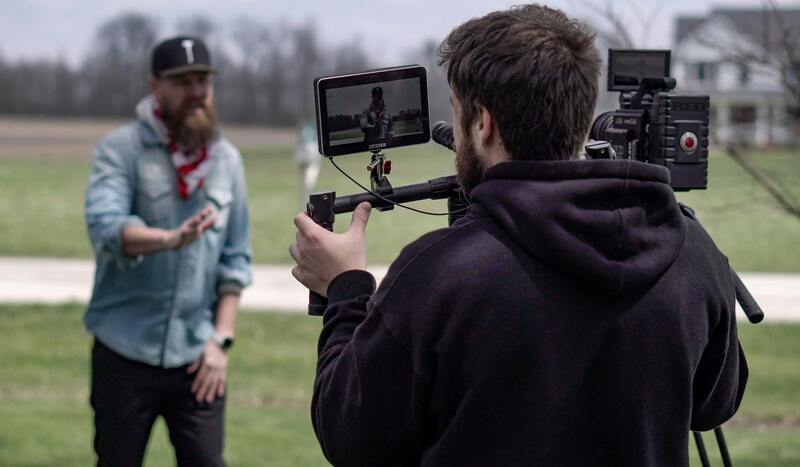
Roles and Expertise in Live Streaming Production
Successful live streaming projects depend on a team of skilled professionals specializing in different aspects of production. Each member contributes to ensuring the final output meets high standards of quality and engagement. - **Director:** Oversees the entire broadcast, making real-time decisions on camera angles, transitions, and graphics to ensure the narrative flows smoothly. - **Technical Director:** Manages technical equipment such as video switchers, audio mixers, and streaming platforms, ensuring all systems operate cohesively. - **Camera Operators:** Handle camera positioning and focus, capturing essential moments from various angles to enhance visual storytelling. - **Audio Engineer:** Maintains impeccable sound quality through microphone placement, sound mixing, and real-time adjustments. - **Graphics Operator:** Adds overlays, lower thirds, and real-time graphics to reinforce branding and provide viewers with contextual information. - **Talent/Hosts:** Engaged individuals who present or commentate, requiring clear communication skills and familiarity with the technical setup. Each role requires specialized training and experience, emphasizing the importance of collaboration and precision in live production settings. The integration of new technologies like virtual sets, augmented reality, and remote contributions further expands the scope of expertise needed to execute complex live streams.
Studio Setup and Design
Creating an effective live streaming environment requires meticulous planning of studio setup and design. It is essential to craft a space that not only accommodates the technical requirements but also fosters an engaging viewer experience. A well-designed studio integrates seamless workflows with aesthetic elements, ensuring that every visual element aligns with the brand identity and production goals.
Key considerations in studio design include acoustics, lighting, and background setup. Acoustic treatments such as bass traps and soundproofing panels minimize unwanted noise and echo, allowing audio clarity to be maintained throughout the broadcast. Proper lighting setup utilizes key, fill, and backlights to achieve balanced illumination that flatters on-camera talent and highlights set details. Backgrounds are carefully curated to complement the broadcast’s theme, whether through branded backdrops, greenscreens, or scenic elements that create depth and interest.
Flexible layouts are increasingly important, especially with the advent of remote contributions and virtual sets. Studios integrate adjustable stage configurations and modular furniture, enabling quick transitions between different formats and scales of production. Advanced wiring and cable management are critical to maintaining a tidy workspace, reducing clutter, and ensuring safety. In addition, the studio integrates the latest technology in camera placement, monitor positioning, and control interfaces, facilitating a streamlined operation for production teams.
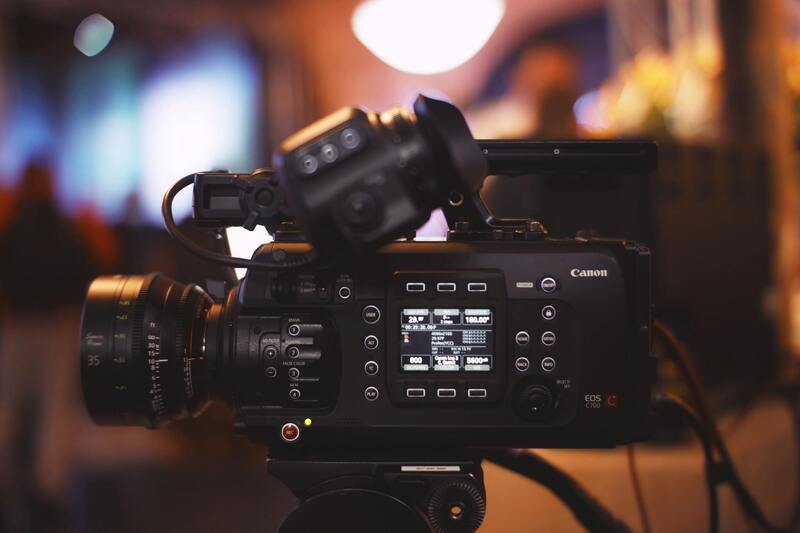
Another essential element is the integration of control rooms with dedicated audio, video, and streaming equipment. These control spaces are designed to maximize operator efficiency, featuring ergonomic layouts, accessible controls, and real-time monitoring systems. Implementing smart automation tools and remote operation capabilities can further enhance the studio’s flexibility, enabling multimedia control from various locations and times.
Ultimately, the success of a live streaming studio hinges on balancing advanced technical specifications with visual and spatial harmony. Regular maintenance, periodic upgrades, and adherence to safety standards are integral to preserving equipment longevity and ensuring uninterrupted production quality. Modern studios also leverage data analytics and audience feedback tools, aiding continual refinement of studio design and operation policies.
Detailed Methods for Producing Consistent, High-Quality Live Streams
Successfully delivering high-caliber live streams requires precise planning and the implementation of proven production methods. These methods are grounded in leveraging reliable, professional-grade equipment and adhering to structured workflows that ensure each broadcast meets high standards of clarity, stability, and audience engagement.
One fundamental approach involves comprehensive pre-production planning. This includes detailed scriptwriting, setting clear objectives for the broadcast, and testing all equipment beforehand to identify potential issues. Pre-event rehearsals with all talent and technical staff are crucial to orchestrate camera angles, sound levels, and graphics to ensure seamless execution during the live event.
During the live broadcast, maintaining an effective switch between camera feeds, graphics, and video sources is essential. Utilizing a dedicated production switcher enables real-time editing, allowing producers to switch smoothly between scenes, add overlays, and include video inserts. High-quality video switchers are capable of handling multiple input sources, ensuring flexibility and visual dynamism in the final broadcast.
Sound quality plays a vital role in viewer engagement. Professional audio equipment such as high-fidelity microphones, sound mixers, and digital audio workstations ensure clear and balanced audio output. Sound engineers monitor levels continuously and make real-time adjustments to prevent issues like feedback, distortion, or uneven audio levels.
Lighting setups should be meticulously designed to enhance subject visibility and set the desired mood or context. Using adjustable LED lights with dimming capabilities, color temperature controls, and softboxes helps create well-lit scenes that reduce shadows and highlight key visual elements.
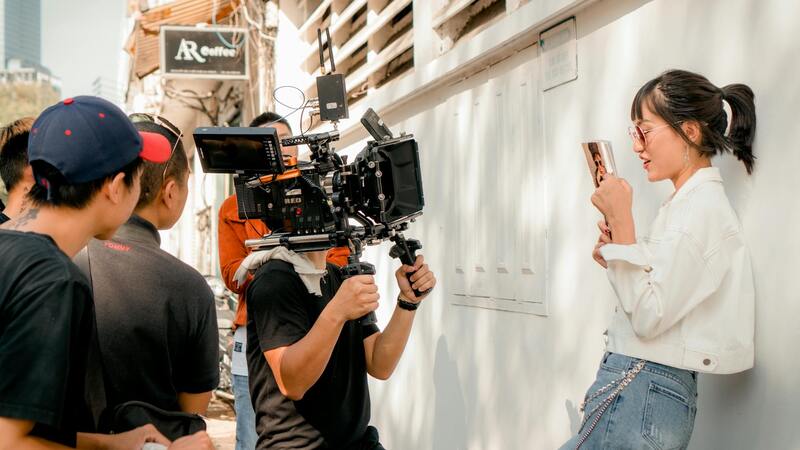
Synchronization of video and audio streams through advanced encoding and streaming protocols maintains a stable broadcast. Implementing robust streaming hardware, such as encoders and redundant internet connections, mitigates the risk of interruptions or lag during transmission. These devices compress high-quality content efficiently, facilitating smooth delivery across multiple platforms.
Monitoring tools and real-time analytics enable operators to observe the live stream’s health continuously. Metrics such as bitrate, resolution, and latency inform immediate corrective actions, ensuring a consistently high-quality experience for viewers.
Post-broadcast, conducting thorough reviews of the webcast allows producers to evaluate performance, identify areas for improvement, and archive footage for future reference. Maintaining a routine that includes equipment calibration, software updates, and staff training sustains operational excellence across multiple productions.
By applying these tried-and-true methods within a professional live streaming production studio environment—such as those found at miamiproductionexperts.com—content creators can consistently deliver compelling, professional broadcasts that elevate their digital presence and foster audience loyalty.
Studio Setup and Design
Creating an effective live streaming production studio involves meticulous planning of layout, acoustics, lighting, and technology integration to optimize broadcast quality. The spatial arrangement must facilitate smooth movement for camera operators, vocalists, and technical staff, ensuring quick adjustments and efficient workflows. Soundproofing and acoustic treatments are essential to minimize ambient noise and echo, providing a clear audio signal for viewers.
Lighting design plays a pivotal role in the visual clarity of the broadcast. Utilizing a combination of key, fill, and backlighting ensures subjects are well-lit, avoiding harsh shadows or washed-out appearances. Modern studios incorporate adjustable LED lighting systems that can be programmed for different moods and scenarios, enhancing the production’s visual appeal.
The choice of background elements, whether green screens or physical backdrops, influences the versatility of content creation. Green screens enable real-time chroma key technology, allowing for dynamic scene changes and branding integration. Physical sets, on the other hand, offer tangible elements that add depth and realism to presentations.
To support high-quality streaming, studios employ advanced AV equipment including switchers, video mixers, and multi-view monitors. These devices enable seamless transitions between camera feeds and graphic overlays, creating a professional and engaging broadcast experience. Integration with powerful streaming servers and robust internet connections is critical to deliver uninterrupted content across various platforms.
Types of Live Streaming Services Offered
Live streaming production studios provide a diverse range of services designed to meet various client needs, from corporate communications to entertainment. These services include multi-camera broadcasting, live event coverage, webinars, product launches, and corporate announcements. Many studios also specialize in providing customized solutions tailored to specific industries, such as healthcare, education, or retail, ensuring content resonates with target audiences.
Beyond basic streaming, studios often incorporate advanced features such as real-time graphics, interactive overlays, and multiple language options to enhance viewer engagement. Additionally, they offer post-production support, including editing, archiving, and distribution across multiple digital platforms. By integrating innovative technologies like 4K or HD streaming, virtual sets, and augmented reality, studios elevate the quality and professionalism of live broadcasts.
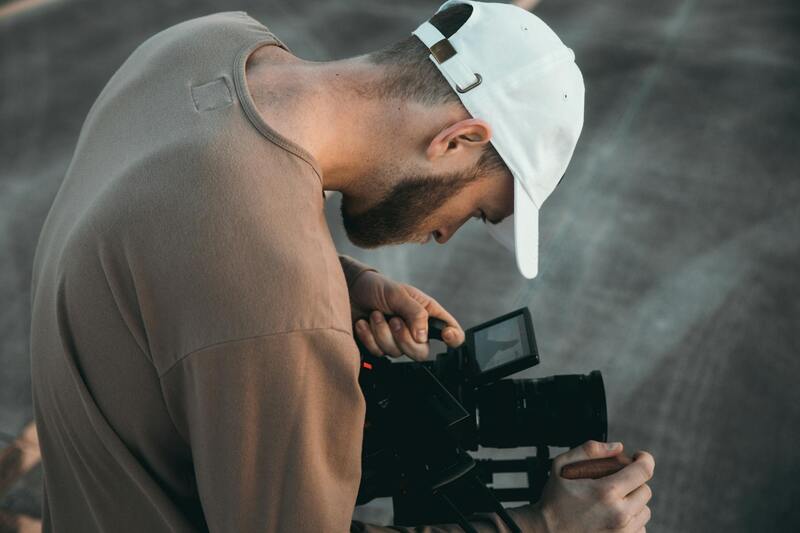
Custom solutions often extend to on-site event production, where studios manage on-location setups, live switching, and seamless integrations between physical and virtual elements. This approach ensures consistent branding and a polished appearance regardless of the presentation environment. In addition, many studios provide consulting and preparatory services, guiding clients through conceptualization, scripting, and rehearsal phases to guarantee smooth execution.
Studio Setup and Design
The layout and design of a live streaming studio significantly impact the quality of the broadcast. Properly configured studios facilitate efficient workflow, accommodate necessary equipment, and create an inviting environment for hosts and presenters. Elements such as soundproofing, controlled lighting, and ergonomic furniture contribute to a distraction-free setting that minimizes technical issues.
Design considerations also include flexible camera placements, cable management, and integration points for audio and video sources. The choice of backdrop—whether digital green screens or real physical scenery—should align with the content’s branding and aesthetic goals. Automated control systems further streamline operations by allowing quick adjustments to lighting, audio levels, and camera angles during live sessions.
Roles and Expertise in Live Streaming Production
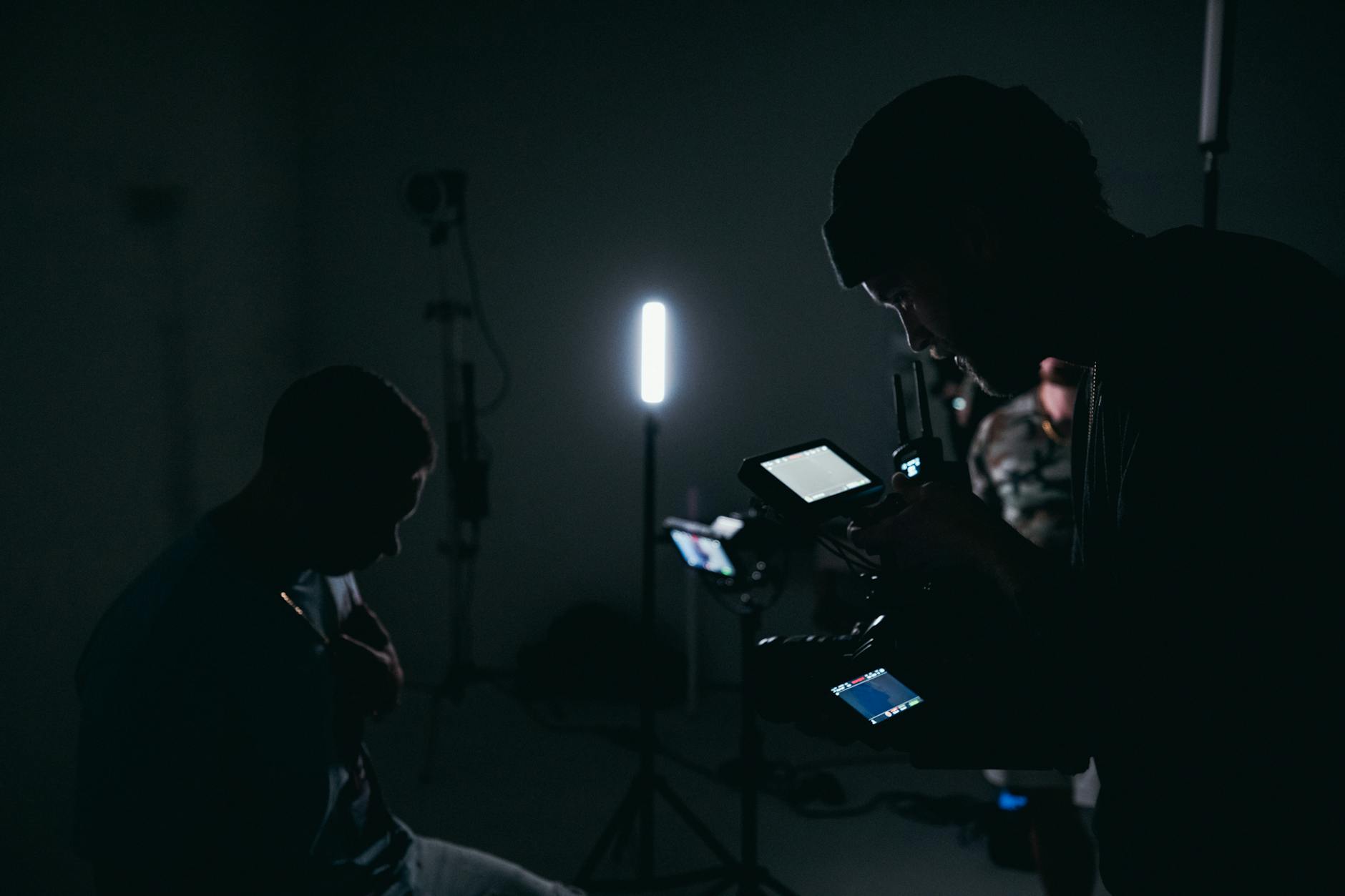
The successful execution of live streaming projects depends on a team of skilled professionals, each bringing specialized expertise to the process. Producers coordinate the overall project, ensuring deadlines are met and content aligns with strategic objectives. Directors oversee live feeds, making real-time decisions about camera shots, transitions, and graphic overlays to maintain viewer engagement.
Camera operators handle the technical aspects of capturing footage, often working with multiple cameras to provide dynamic perspectives. Audio technicians manage sound quality, mixing, and buffering to ensure clarity and balance amid diverse sources. Visual engineers are responsible for integrating graphics, animations, and interactive elements into the live broadcast.
Additional roles include technical directors, who manage switchers and stream encoding, and stage managers, who coordinate on-site activities. Staff training in operation of AV equipment and familiarity with the latest streaming technologies are crucial for maintaining high standards. This collaborative effort ensures a seamless, professional live streaming experience that meets audience expectations and technical benchmarks.
Roles and Expertise in Live Streaming Production
The success of any live streaming project hinges on the coordinated efforts of a team of highly skilled professionals, each with specialized expertise. These experts work collaboratively to ensure that every aspect of the broadcast meets high standards of quality and professionalism. The production team typically includes producers who oversee the entire project, aligning the content with strategic goals and managing schedules to adhere to deadlines. Directors are responsible for overseeing the live feed, making real-time decisions on camera angles, graphic overlays, transitions, and visual effects to keep viewers engaged and ensure a smooth viewing experience.
Camera operators capture footage using multiple cameras, providing dynamic and engaging perspectives that enhance the viewing experience. They are trained to operate equipment efficiently to ensure optimal image quality during fast-paced live sessions. Audio technicians play a crucial role in managing sound quality, balancing levels from multiple sources including microphones, music, and on-screen callers. Their expertise ensures clarity and prevents disturbances or distortions that could compromise the broadcast's professionalism.
Visual engineers handle the integration of graphics, animations, and interactive elements such as viewer polls or live chat overlays. They utilize advanced software and hardware to embed visual content seamlessly into live streams, enhancing viewer engagement through compelling visuals. Additional key roles include technical directors, who manage the switcher and oversee stream encoding to maintain broadcast stability, and stage managers, who coordinate on-site activities, ensuring that everything runs smoothly during the live session.
Furthermore, ongoing staff training ensures all personnel stay current with the latest AV equipment and streaming technology advancements. This continuous learning process is vital for maintaining high standards and adapting quickly to emerging trends and technical challenges. The collective effort of these professionals establishes a professional, seamless, and high-quality live streaming experience that meets the expectations of diverse audiences and adheres to technical specifications.
Specialized Skills for Live Streaming Success
- Technical proficiency: Skilled in operating advanced AV equipment and live streaming software.
- Creative vision: Ability to craft engaging visual narratives and dynamic camera work.
- Real-time decision making: Quick thinking for managing live issues without disrupting the flow.
- Communication skills: Coordinating effectively among team members and on-camera talent.
- Knowledge of streaming platforms: Familiarity with various distribution channels to optimize reach and performance.
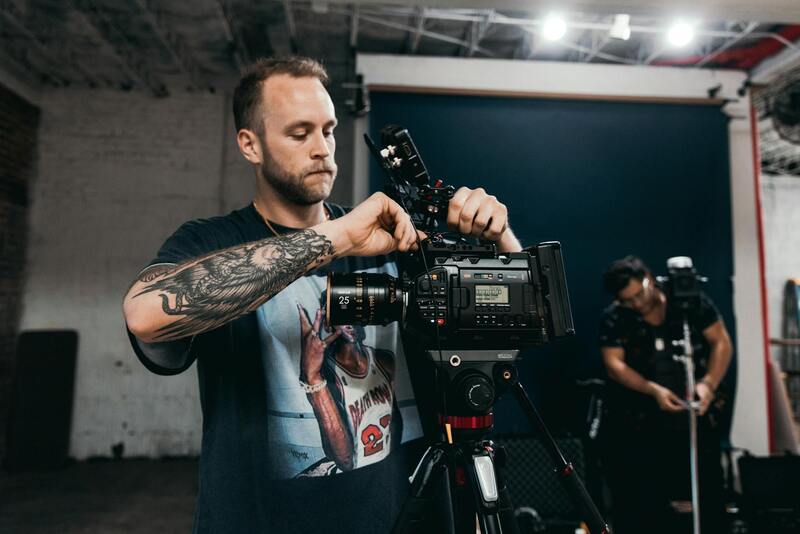
Investing in a team with these competencies guarantees a professional and engaging live streaming event. They can handle complex technical setups, troubleshoot issues promptly, and adapt to evolving digital landscapes. The synergy among producers, directors, technicians, and support staff ultimately ensures the delivery of high-caliber broadcasts that resonate with viewers and achieve strategic communication objectives.
Exploring Advanced Techniques and Ensuring Quality in Live Streaming Production
Achieving excellence in live streaming production requires meticulous attention to technical detail and the integration of cutting-edge methods. As the industry advances, several sophisticated techniques become essential for creating immersive and reliable broadcasts that captivate audiences.
Implementation of Multi-Camera Angles and Dynamic Switching
Utilizing multiple cameras allows producers to offer varied perspectives, enhancing viewer engagement. High-quality live streaming studios incorporate professional switchers to seamlessly transition between camera feeds, providing smooth visual flows that mimic traditional television broadcasts. This technique involves real-time editing decisions based on the unfolding content, enriching the storytelling aspect of live productions.
Utilization of High-Fidelity Audio-Visual Equipment
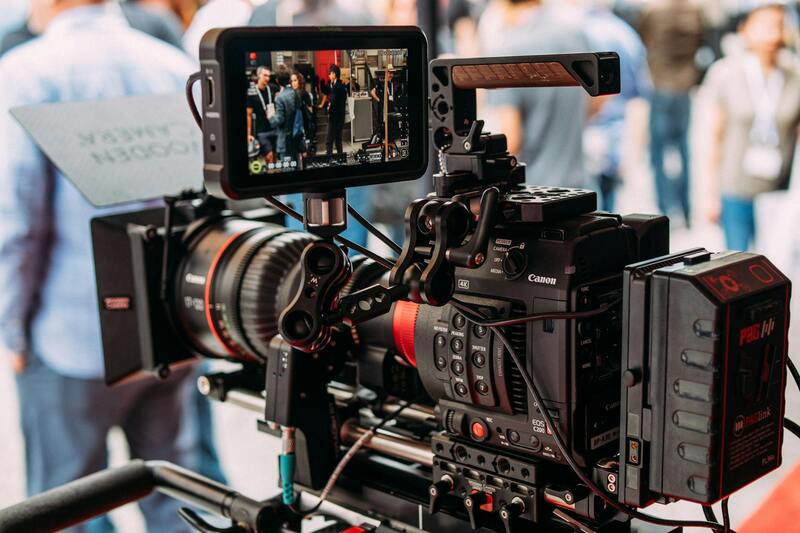
Sound quality is equally critical as visual clarity. Studio setups integrate high-definition cameras with advanced image sensors to ensure crisp, vibrant visuals. Similarly, lavalier and shotgun microphones, combined with sophisticated sound mixing consoles, deliver clear, balanced audio free from background noise. Proper placement and calibration of this equipment are vital for maintaining immersion and professionalism throughout a live event.
Optimal Network Infrastructure and Redundancy
Reliable internet connectivity forms the backbone of successful live broadcasts. Top-tier studios invest in multi-channel internet connections with failover capabilities to prevent interruptions. Data compression technologies, such as adaptive bitrate streaming, dynamically adjust quality based on network conditions, ensuring continuous playback without buffering. Redundant hardware and backup power supplies further safeguard against technical failures, ensuring an uninterrupted broadcast experience.
Implementation of Real-Time Monitoring and Quality Control
Real-time monitoring tools enable operators to oversee every aspect of the stream—from video and audio quality to stream stability. Instant feedback mechanisms allow for immediate adjustments, maintaining broadcast integrity. Quality control protocols encompass verifying encoding parameters, ensuring synchronization, and conducting pre- and post-broadcast analyses to identify areas of improvement.
Incorporating Interactive Elements and Engaging Content
Interactive features—such as live chat, polls, and Q&A sessions—are integrated to foster viewer participation and enhance engagement. Content strategies include countdown timers, on-screen graphics, and dynamic overlays that provide pertinent information seamlessly within the broadcast. These elements demand sophisticated production workflows capable of real-time rendering and integration without disrupting the flow of content.
Ensuring Compliance with Industry Standards and Best Practices
Adherence to industry standards ensures compatibility, security, and optimal performance. Implementing secure streaming protocols, such as encrypted connections and access controls, protects content integrity. Moreover, compliance with broadcast regulations—including closed captioning and accessibility requirements—demonstrates professionalism and broadens audience reach.
Quality Assurance and Post-Production Review
After each live event, comprehensive reviews are essential for assessing performance metrics, viewer feedback, and technical logs. This process facilitates continuous improvement, aiding in refining workflows, updating equipment, and training staff. Post-event editing and content repurposing further extend the value of live streams, enabling on-demand access and promotional activities.