
Understanding Live Broadcast Production
Live broadcast production is the process of creating real-time video content for various platforms, ranging from corporate events and concerts to sports and streaming services. It encompasses a comprehensive range of activities that ensure the seamless transmission of high-quality live video footage to audiences, whether viewed on television, online, or on social media channels. In a vibrant market like Miami, where business events, entertainment, and digital engagement thrive, effective live broadcast production plays a vital role in amplifying reach, engaging viewers, and enhancing brand visibility.
Producing a successful live broadcast requires meticulous planning, advanced technical resources, and expert coordination across different stages. The importance of professional live broadcast production extends beyond simple video capture; it involves storytelling, technical precision, and audience engagement strategies. For companies and event organizers in Miami, partnering with experienced production teams ensures their live content meets industry standards while resonating with local and global audiences alike.
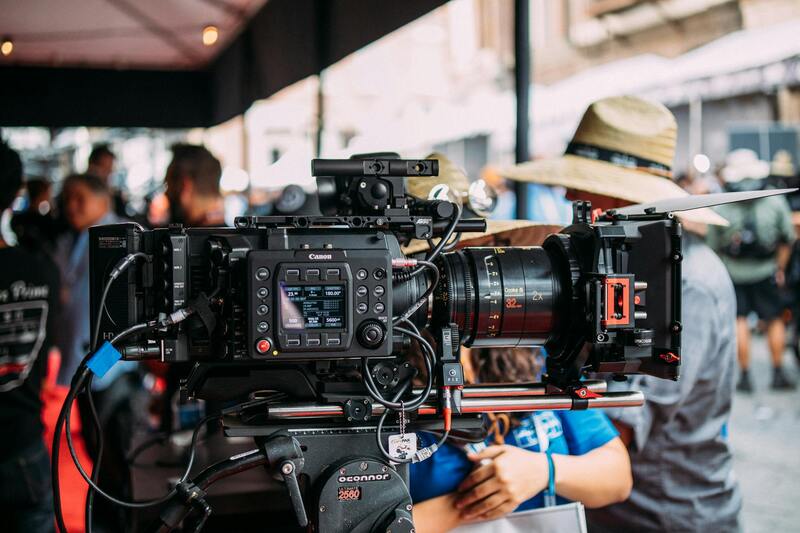
As live streaming continues to grow, so does the need for reliable methods and proven techniques for broadcast production. This industry-critical field combines technical expertise with creative vision, delivering immersive experiences for viewers. From behind-the-scenes planning to real-time execution and post-event content management, understanding the core elements of live broadcast production is essential for anyone seeking to harness the power of live video within Miami's dynamic market landscape.
Key Components of Live Broadcast Production
- Technical Equipment and Infrastructure
- Skilled Crew and Operational Roles
- Content Planning and Program Flow
- Audience Engagement Strategies
Definitions and Significance
Each component contributes critically to the overall success of a live broadcast. Proper technical setup ensures the quality and stability of the feed. Skilled personnel coordinate every aspect of production, from camera operation to audio mixing. Content planning defines the narrative flow, timing, and engagement points, while tailored audience strategies maximize viewer interaction and retention.
Pre-Production Planning and Coordination
Effective live broadcast begins well before the cameras start rolling. Pre-production involves detailed planning, content scripting, scheduling, and logistics coordination. It includes site surveys, equipment checks, and defining roles among production staff. Additionally, rehearsals are essential to anticipate potential technical issues and refine the program flow to ensure a smooth transmission.
Technical Setup and Equipment
The backbone of live broadcast production is the robust technical setup. This involves selecting the right cameras, switching consoles, audio equipment, and streaming hardware. High-definition video sources, multiple input feeds, and redundant data connections safeguard against issues. In Miami, where diverse event venues range from conference centers to outdoor spaces, adaptable technical solutions are crucial for success.
On-Site Production and Execution
During the live event, the production team manages camera angles, transitions, live graphics, and audio levels in real time. Coordinating multiple camera operators, technicians, and directors ensures the broadcast remains engaging and uninterrupted. The use of proper communication protocols among crew members is vital for quick troubleshooting and maintaining broadcast integrity.
Post-Production and Content Management
Post-broadcast activities include editing recorded footage, adding graphics, and managing digital assets for on-demand access. Content from live streams can be repurposed for marketing, training, or archival use, extending the impact beyond the live event. Ensuring a seamless transition from live to post-production stages adds value and maximizes return on investment.
Legal and Compliance Considerations
Securing necessary rights and permissions for broadcast content is essential. This includes handling licenses for copyrighted material, obtaining releases from participants, and adhering to platform-specific guidelines. Proper documentation mitigates risks and safeguards the integrity of the broadcast.
Choosing a Miami Live Broadcast Production Partner
Selecting the right production partner in Miami involves evaluating their technical expertise, experience with similar events, and ability to adapt to different venues. A professional partner provides comprehensive service—from concept development to post-event analysis—ensuring the live broadcast aligns with strategic goals and audience expectations.
Key Components of Live Broadcast Production
Executing a high-quality live broadcast involves a synergy of multiple critical components, each playing a vital role in delivering a seamless viewing experience. From the selection of the appropriate equipment to assembling a skilled crew, every element must be meticulously coordinated to meet the demands of live event coverage.
Essential Equipment
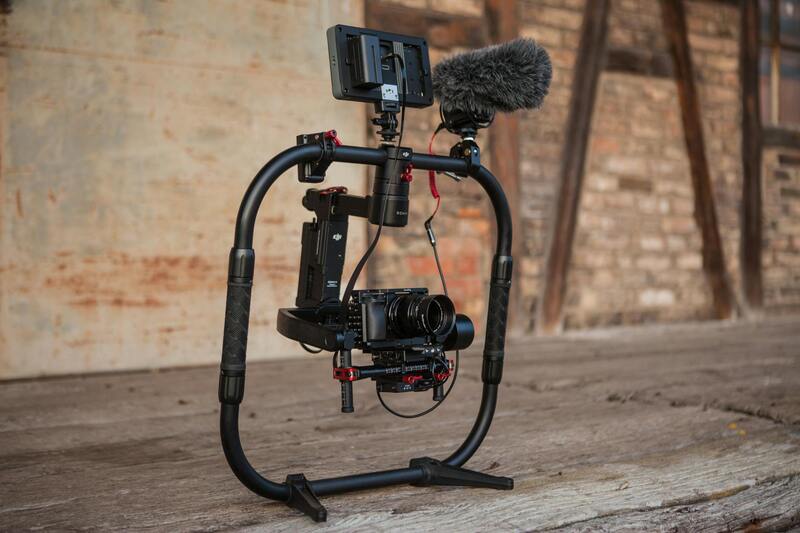
- Cameras: High-definition professional cameras capable of capturing dynamic shots from various angles, often including remote-controlled PTZ (pan-tilt-zoom) cameras for flexibility.
- Audio Systems: Boom microphones, lapel mics, and mixing consoles ensure clear sound quality, microphone placement is optimized to capture live audio without unwanted noise.
- Switchers and Mixers: Video switchers allow seamless transitions between multiple camera feeds, enabling real-time editing of video sources.
- Graphics and Display Technology: On-screen graphics, lower thirds, and real-time titling systems enhance viewer engagement and provide context.
- Streaming Hardware: Encoders and transmission equipment convert and send live feeds efficiently to online platforms or broadcast networks.
- Infrastructure: Reliable fiber optic or wireless networks provide stable data transfer pathways, minimizing latency and interruptions.
Crew and Technology Integration
Beyond hardware, assembling a dedicated team of professionals is crucial. Skilled camera operators, sound engineers, technical directors, and production coordinators work in unison, often communicating through reliable headsets and communication systems to execute live switching, troubleshoot issues, and adapt to unforeseen circumstances swiftly.
Advanced Technology Utilization
Integrating cutting-edge technological solutions enhances live production capabilities:
- Multi-view Monitoring: Allows directors to view multiple camera feeds simultaneously for better decision-making.
- Remote Production Capabilities: Enables part of the crew or talent to contribute from remote locations, increasing flexibility.
- Automated Systems: Incorporate automated camera tracking or preset transitions to streamline the production workflow and reduce manual workload.
- Real-time Graphics and Virtual Sets: When synchronized correctly, these technologies create engaging visuals and immersive environments, optimizing viewer experience.
Coordination and Workflow Optimization
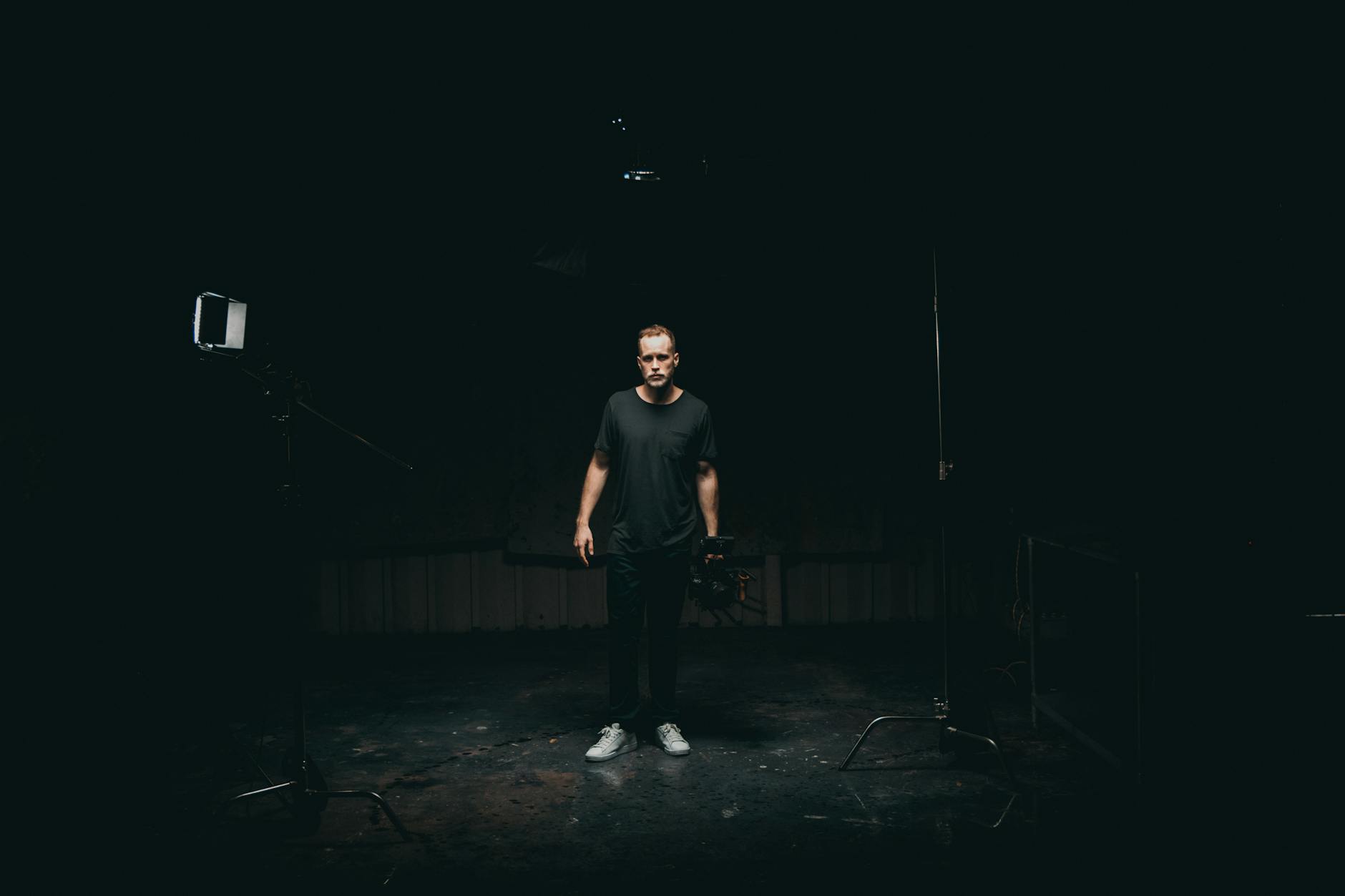
Effective live broadcast production is a finely-tuned operation that depends heavily on the coordination between equipment and personnel. Establishing clear protocols for communication, role assignment, and contingency planning is essential. Regular rehearsals and run-throughs simulate the live environment, identifying potential issues and ensuring all team members are familiar with their responsibilities. This proactive approach reduces the risk of technical failures and ensures a fluid, professional broadcast experience.
Optimizing workflow involves leveraging technology to automate routine tasks, establishing backup plans for critical equipment, and scheduling tasks efficiently to avoid overlaps or delays. The use of production management software can help track progress and allocate resources effectively, contributing to a smoother production process from start to finish.
Technical Setup and Equipment
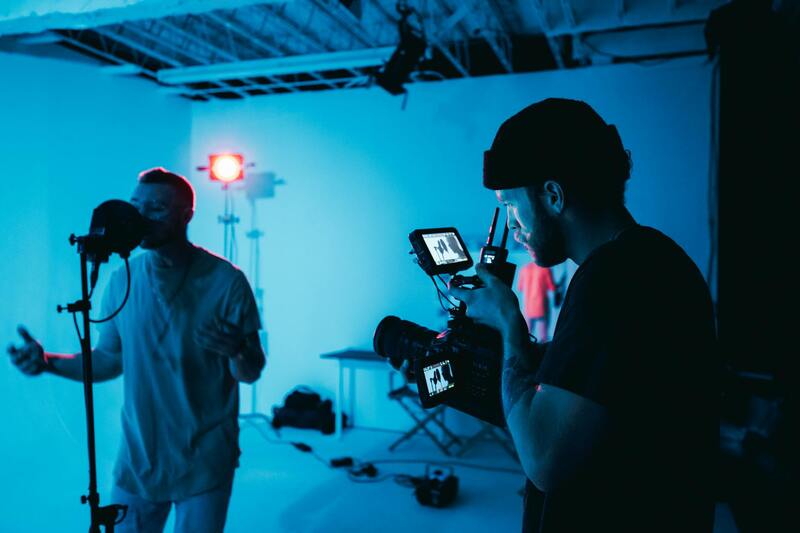
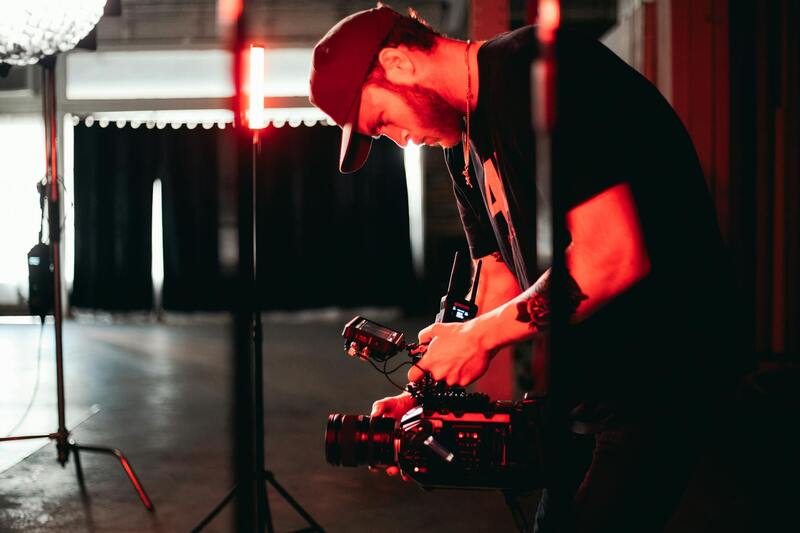
Achieving high-quality live broadcasts in Miami requires meticulous technical setup, encompassing both hardware and software components. Professional-grade cameras are fundamental, with options such as broadcast cameras or PTZ (pan-tilt-zoom) models that provide flexibility and precision. These cameras should be capable of capturing high-resolution footage to ensure clarity across various viewing devices. Complementing the cameras are reliable video switchers or mixers, which allow seamless transitions between multiple video sources, facilitating a dynamic and engaging broadcast.
Audio equipment is equally critical. High-fidelity microphones, audio mixers, and wireless systems ensure clear sound quality, capturing all spoken content and ambient sounds essential to the event's atmosphere. Proper placement and testing of audio gear mitigate issues like echo or background noise, which can undermine viewer engagement.
Lighting setups significantly influence visual quality. Adequate lighting not only highlights subjects effectively but also compensates for diverse venues and environmental conditions prevalent within Miami's vibrant event spaces. LED panels and softboxes are commonly employed to achieve consistent illumination.
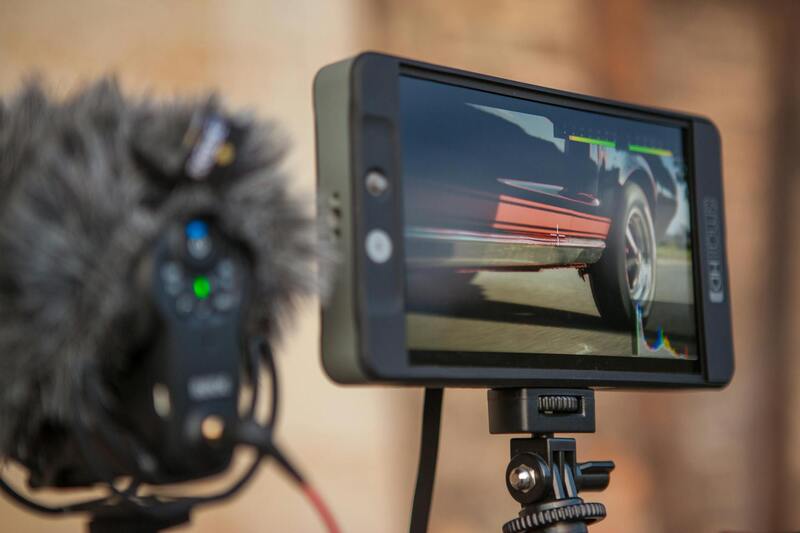
Additional equipment such as expandable broadcast servers, multi-view monitors, and streaming encoders are vital for managing multiple feeds and transmitting the content efficiently over the internet. Modern streaming encoders support various platforms, ensuring broad audience reach. Redundancy systems, including backup power supplies and spare equipment, should be in place to maintain continuity in case of technical failures.
Technical Setup and Equipment
Establishing a reliable technical infrastructure is fundamental to delivering a seamless live broadcast. This involves selecting the appropriate high-definition cameras, professional-grade audio systems, effective lighting setups, and robust streaming platforms. Each component must work harmoniously to produce a polished final product that captures the event’s essence with clarity and impact.
High-quality cameras are essential for capturing detailed visuals under various lighting conditions. Multiple camera angles facilitate a dynamic presentation, providing viewers with varied perspectives and maintaining engagement throughout the broadcast. PTZ (pan-tilt-zoom) cameras are often utilized for their flexibility and remote control capabilities, allowing operators to focus on key moments or participants effortlessly.

Audio fidelity critically influences viewer experience. Directional microphones, lapel mics, and environmental sensors ensure crisp speech and ambient sounds. Audio mixers allow precise balancing of multiple sound sources, eliminating feedback and background noise. Wireless audio systems enable mobility for hosts and performers, enhancing natural interactions during the broadcast.
Lighting equipment like LED panels and softboxes create consistent illumination, crucial for face and object visibility, especially in varied venue environments scattered throughout Miami. Proper lighting ensures visual clarity and highlights the event’s key elements, preventing shadows and uneven exposure.
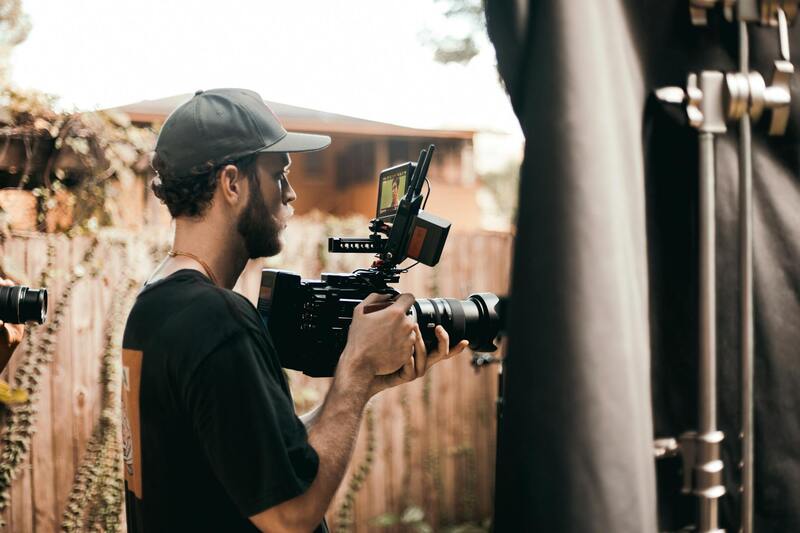
Streaming technology must support multi-platform distribution while maintaining high data integrity. Modern encoders are capable of transcoding video feeds into multiple formats suitable for various devices, ensuring a broad reach. Redundancy systems such as backup internet connections, power supplies, and equipment ensure continuous operation, mitigating disruptions caused by unforeseen technical issues.
In addition, remote monitoring tools provide real-time oversight of all technical processes, enabling quick troubleshooting and adjustments. This comprehensive technical setup is vital for upholding the broadcast’s professionalism, enabling live producers to respond rapidly to changing circumstances and maintain a high standard of broadcast quality.
Ensuring Reliable Transmission Channels for Live Broadcasts
Fundamental to a successful live broadcast production is the selection and management of robust transmission channels. These channels serve as the conduit for real-time video and audio data, and their stability directly impacts the viewing experience. Opting for dedicated fiber optic lines or high-capacity satellite uplinks typically guarantees high-speed, low-latency data transfer, essential for maintaining synchronization and minimizing buffering issues. Such infrastructure resources are designed to handle the high data throughput demanded by professional live streams, especially for large-scale events in Miami that attract diverse audiences.

Multiple transmission methods can be integrated to create redundancy, safeguarding against potential disruptions. For example, a primary fiber optic link can be complemented with a secondary 4G/5G mobile network connection. Automatic failover systems detect failures instantly, seamlessly switching to backup channels without noticeable interruption. This layered approach enhances reliability, crucial when broadcasting in dynamic environments or locations with variable network conditions.
Implementing Content Delivery Networks (CDNs)
Distribution of live broadcast content to viewers across Miami and beyond relies heavily on Content Delivery Networks (CDNs). CDNs store cached versions of live streams at strategically located servers, ensuring rapid delivery and minimal latency. Well-engineered CDN setups reduce load on originating servers and resolve potential bottlenecks, delivering a smooth stream to audiences regardless of their geographic position. This setup is vital during high-traffic events to prevent lagging or streaming failures.
Monitoring and Troubleshooting During Live Broadcasts
Real-time monitoring tools play a central role in maintaining broadcast quality. These systems track video clarity, audio synchronization, and data flow through various points in the transmission chain. When anomalies are detected, technical teams can respond proactively, adjusting encoding settings, switching transmission pathways, or troubleshooting hardware issues. The ability to swiftly identify and resolve technical hiccups is key to delivering an uninterrupted viewing experience and preserving the professional standard expected in Miami's vibrant event scene.
Integrated Communication Systems for On-Site Coordination
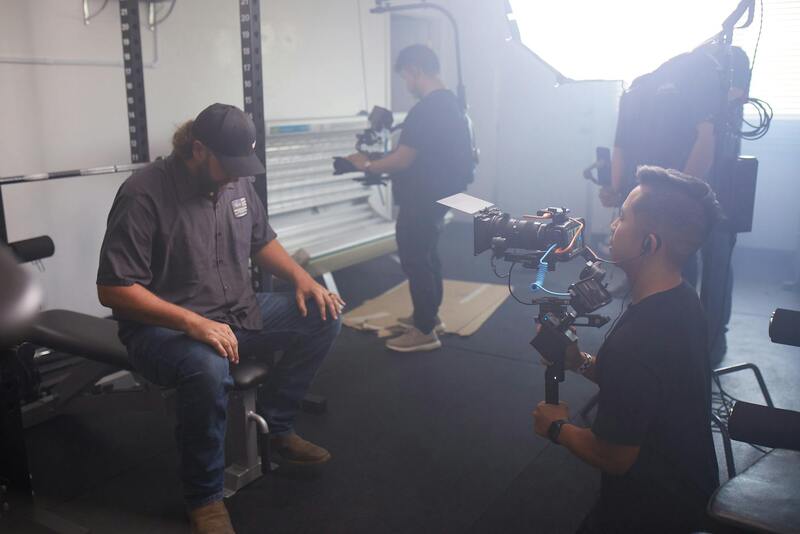
Effective communication among production staff forms the backbone of on-site execution. Utilizing dedicated intercom networks ensures constant, clear communication between camera operators, technical directors, and support personnel. These systems enable immediate relay of cues, status updates, and troubleshooting directives, which are vital during live events with rapidly changing dynamics. Ensuring all team members operate with the same real-time information fosters synchronization and rapid adaptation, preventing delays and miscommunications that can compromise broadcast quality.
Legal and Regulatory Aspects of Live Broadcast Production
Executing a high-quality live broadcast in Miami involves adhering to a comprehensive set of legal and regulatory standards that govern content rights, broadcast permissions, and safety protocols. Ensuring compliance is essential for delivering a seamless viewing experience and avoiding potential disruptions or penalties that could arise from oversight.
Understanding Content Rights and Permissions
Before broadcasting any event, it is essential to secure the necessary rights for all content included in the stream. This includes music, video clips, trademarks, and any proprietary visuals or branding associated with the event. Proper licensing agreements ensure that all intellectual property is authorized for public dissemination, safeguarding production teams from copyright disputes while maintaining the integrity of the broadcast.
Permissions for Public and Private Events
For events hosted on private properties, engaging with property owners and obtaining the requisite permissions is crucial. Public events typically require coordination with local authorities and event organizers to ensure compliance with city-specific regulations, such as noise ordinances, crowd management, and safety standards. This collaboration helps create a controlled environment conducive to smooth live coverage.
Broadcasting Standards and Technical Compliance
In Miami, broadcasters need to adhere to specific technical standards that ensure compatibility and safety in transmission. This involves using compliant equipment, ensuring proper electromagnetic emissions, and following protocols for emergency communication. Compliance with these standards not only facilitates broadcast quality but also guarantees that the transmission process aligns with regional technical regulations.
Safety and Emergency Protocols
Implementing rigorous safety protocols is integral for live production teams. This includes establishing clear procedures for evacuations, managing crowd control, and adhering to health and safety guidelines, especially for events involving large audiences. Effective safety management enhances overall production integrity and protects all personnel involved.
Data Privacy and Viewer Regulations
With increased concern over data privacy, it is vital to follow the applicable regulations concerning viewer information collection and data handling. Ensuring compliance with regional data protection laws not only maintains viewer trust but also aligns the production with legal standards for digital content distribution.
Ensuring Proper Content Licensing and Rights Management
Securing appropriate licenses and permissions is crucial for a seamless live broadcast. This involves obtaining clearances for copyrighted material such as music, video clips, or proprietary content that may be featured during the broadcast. Working closely with content rights holders ensures that all pieces used in the production are properly authorized, preventing potential interruptions or legal disputes.
In addition, managing broadcast rights across different regions, including Miami and beyond, requires understanding specific licensing agreements and territorial rights. Proper rights management not only safeguards against legal complications but also enhances the credibility of the production. Clear documentation and adherence to licensing agreements ensure the production honors intellectual property laws and maintains a professional standard.
Obtaining Necessary Permits and Permissions
Before going live, event organizers and production teams must secure all required permits and authorizations from local authorities. These may include filming permits, event-specific permissions, and clearance from municipal agencies. Acquiring permits well in advance prevents delays and ensures compliance with regional regulations.
Moreover, if the broadcast involves public spaces or large crowds, additional permissions related to crowd control, safety, and environmental management are typically necessary. Working with local agencies and following official procedures contributes to a smooth production process and minimizes disruptions.
Handling Intellectual Property and Content Ownership
Establishing clear agreements on content ownership helps avoid conflicts during or after the broadcast. This includes contracts with content creators, performers, and sponsors involved in the event. Clearly defining rights, usage limitations, and distribution scope ensures all parties are aligned and protected.
Compliance with Local Regulations and Industry Standards
Adhering to Miami-specific regulations and broader industry standards is essential for professional live production. This encompasses compliance with broadcasting codes, safety protocols, and technical standards set by regional agencies. Ensuring that all equipment and procedures meet these standards guarantees a high-quality transmission while avoiding regulatory penalties.
Consistent review of legal frameworks and industry guidelines helps production teams stay updated with evolving requirements. Regular training and audits further reinforce the commitment to operational excellence and legal adherence.
Ensuring Seamless Broadcast Quality and Audience Engagement
Once the technical setup has been rigorously tested and the production team is prepared, focus shifts to delivering a high-quality broadcast that captivates viewers and maintains professional standards. Achieving this requires meticulous attention to several critical facets of live broadcast production.
Optimizing Video and Audio Quality
Ensuring pristine video and crystal-clear audio is fundamental. This involves using high-definition cameras, professional-grade microphones, and sound mixers to capture and transmit audiovisual content with minimal latency or interference. Proper lighting setups are essential to enhance visual clarity, especially for indoor or dimly lit environments. The integration of advanced encoding solutions guarantees stable streaming, reducing buffering and lag, which can frustrate viewers.
Implementing Robust Streaming Infrastructure
Reliable streaming infrastructure underpins uninterrupted broadcast delivery. Utilizing multiple Content Delivery Networks (CDNs) enables load balancing and geographical redundancy, which mitigates risks associated with server failures or bandwidth limitations. Symbiotic integration of streaming platforms with adaptive bitrate technology ensures viewers experience high-quality visuals regardless of their internet connection speed. Continuous monitoring throughout the broadcast allows for real-time troubleshooting of any signal issues or technical anomalies.
Engaging Viewers During the Live Event
Active viewer engagement enhances the overall broadcast experience. Incorporating live polls, chat interactions, and real-time feedback mechanisms can foster a sense of community and direct interaction. Social media integrations and second-screen experiences broaden audience reach and encourage sharing, which amplifies visibility. Addressing viewer questions or comments in real-time can increase retention and create a more dynamic viewing environment.
Ensuring Backup Systems and Contingencies
Contingency planning is vital for managing unexpected disruptions. Backup power sources, redundant streaming paths, and secondary equipment ensure the broadcast can continue seamlessly despite hardware or connectivity failures. Establishing clear emergency protocols for quick response minimizes downtime and maintains professional standards. Regular drills and system audits help the production team anticipate potential issues before live transmission.
Post-Event Content Management and Analytics
Following the live event, a comprehensive review of broadcast performance provides insights for future improvements. Detailed analytics on viewer count, engagement metrics, and technical performance can guide adjustments to content strategies and technical setups. Archiving the recorded broadcast allows for on-demand access, expanding content longevity and audience reach. Proper content cataloging and metadata tagging facilitate easy retrieval and reuse across digital platforms.
Maintaining Audience Trust and Brand Integrity
Consistent delivery of high-quality broadcasts, transparent communication, and prompt response to viewer feedback reinforce audience trust. Establishing clear branding elements within the stream, such as logos and thematic overlays, strengthens brand identity. Adherence to scheduled timings and delivering the promised content ensures professionalism and builds credibility with viewers.