
Overview of Live Event Streaming Rental
Live event streaming rental services have become an essential component for modern event organizers seeking to reach broader audiences in real-time. This process involves leasing professional-grade streaming equipment and technology to broadcast various live events, including conferences, concerts, sports games, corporate meetings, and community gatherings. By opting for rental solutions, event hosts gain access to high-quality production tools without the substantial upfront investment typically required for purchasing such equipment outright.
In essence, live event streaming rental provides a comprehensive solution that encompasses all necessary components for a successful broadcast. This includes high-definition cameras, switchers, audio mixers, encoders, and bandwidth support—each critical in delivering a seamless viewer experience. The significance of this service extends beyond the mere transmission of content; it allows organizations to elevate their event presence, engage audiences on multiple platforms, and generate measurable outreach and engagement metrics.
Event organizers recognize that the landscape of live events has shifted dramatically, emphasizing the need for reliable, scalable, and high-quality streaming solutions. Renting equipment offers flexibility; it enables customization based on the event's scope and technical requirements, ensuring that the streaming setup aligns perfectly with the intended audience size and viewing platforms. This approach also reduces logistical challenges and allows organizers to focus on content delivery and audience engagement rather than technical logistics.
Furthermore, live event streaming rental plays a vital role in expanding accessibility. Whether attendees tune in from across the city or across continents, a professional streaming setup guarantees a stable and engaging viewing experience. With the increasing demand for remote participation, rental services serve as a cornerstone for effective event digitization. This consolidated approach helps event hosts deliver captivating live experiences while maintaining technological excellence and operational efficiency.
Choosing the right rental provider involves evaluating the availability of advanced equipment, their experience in handling live broadcasts, and the level of support offered throughout the event. As the industry evolves, the technological sophistication and service quality of streaming rental providers continue to improve, making live streaming an increasingly integral part of event planning and execution.
Types of Streaming Equipment Available for Rental
To ensure seamless live event coverage, a variety of specialized equipment must be considered. Rental providers typically offer a comprehensive selection tailored to different event scales and technical needs. At the core of any successful live stream are high-definition cameras, which serve as the primary means of capturing the event’s visual content. These cameras come in various configurations, including handheld, PTZ (pan-tilt-zoom), and studio-style models, each suited for specific angles and stability requirements.
In addition to cameras, professional audio equipment is essential for maintaining clear sound quality. Rental options often include lavalier microphones, shotgun microphones, and mixing consoles capable of managing multiple audio inputs. Complementing the visual and audio gear are video switchers and streaming encoders—devices that allow real-time management of multiple camera feeds and conversion into web-friendly formats.
High-quality streaming hardware such as media servers and top-tier routers ensures a stable connection throughout the event. They facilitate efficient data transfer and mitigate issues like buffering or signal loss, which can compromise viewer experience.
For large-scale events or those requiring interaction, live production tools like graphics generators, real-time captioning systems, and remote guest integration systems contribute to a professional presentation. Lighting equipment and backdrop setups may also be included to enhance visual clarity and branding.
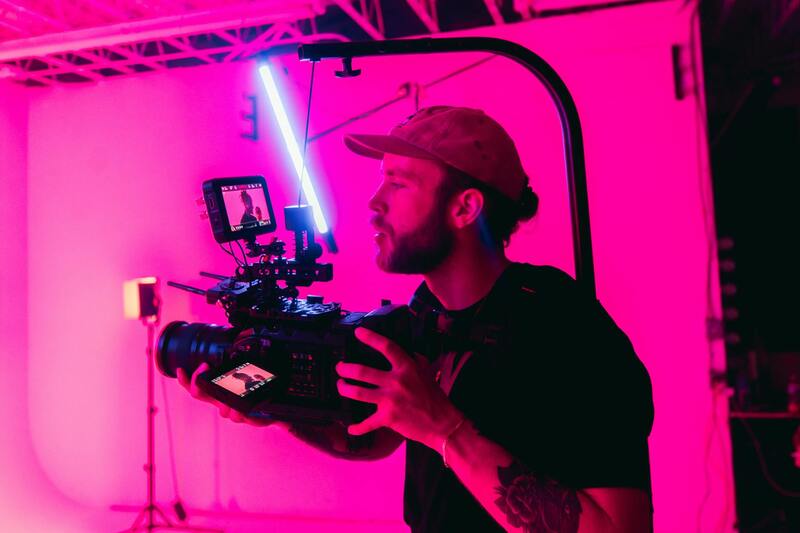
Choosing the right combination of equipment is crucial to match the event’s technical requirements, audience expectations, and budget considerations. By partnering with a reputable rental provider, event organizers gain access to the latest technology and expert advice on configuring their setup for optimal performance.
Essential Equipment and Setup for Successful Live Streaming
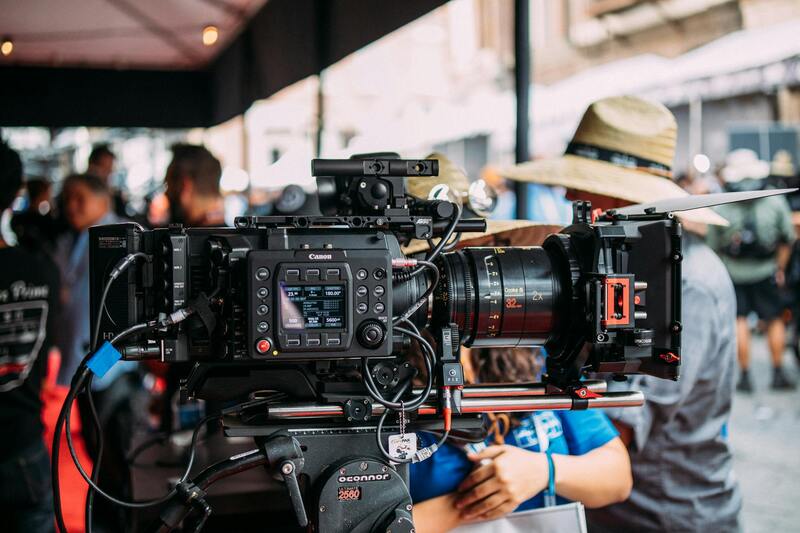
When planning a live event, the choice of equipment and how it’s configured play pivotal roles in ensuring a seamless broadcast. Renting professional-grade equipment allows event organizers to leverage the latest technology without the significant capital investment typically required for purchase. High-definition cameras, such as handheld, PTZ (pan-tilt-zoom), and studio-style models, provide flexibility in capturing dynamic angles and maintaining stability across various event sizes and settings.
Complementing video equipment, professional audio gear—including lavalier microphones, shotgun microphones, and mixing consoles—are critical for capturing clear, intelligible sound. These elements prevent audio disruptions that could detract from the viewer experience and serve to amplify the event’s impact. Additionally, video switchers facilitate smooth transitions between camera feeds, while streaming encoders convert high-quality footage into formats optimized for online broadcasting, ensuring viewers receive a consistent, high-resolution stream.
To sustain uninterrupted streaming, robust hardware like media servers, reliable routers, and redundant connection systems are employed. These devices handle data transmission efficiently, reducing latency and buffering. For events with interactive components or larger audiences, integrating live production tools such as graphics generators, real-time captioning systems, and remote guest access features enhances professionalism and viewer engagement. Proper lighting setups and aesthetic backdrops further improve visual clarity and reinforce branding efforts.
The Process of Setting Up a Rental Live Streaming System
Partnering with an experienced rental provider simplifies the complex process of assembling a comprehensive live streaming setup. Typically, the process begins with a consultation to understand the event's scope, target audience, and technical needs. Following this, the provider supplies the necessary equipment, ensuring all components are compatible and configured correctly for optimal performance.
On-site technical support is often included to assist with installation, testing, and troubleshooting throughout the event. This support ensures that any unforeseen issues are promptly addressed, minimizing downtime or quality degradation. Clear communication between event organizers, production teams, and on-site technicians is essential for successful execution. This collaborative approach maximizes the use of rented equipment and guarantees a professional streaming experience for viewers.
Moreover, post-event, the rental company often assists with dismantling and returning equipment, while providing performance reports or recordings if needed. Such comprehensive support underscores the importance of working with reputable providers who prioritize quality and reliability in live event streaming rental services.
Setup and Technical Support for Live Streaming Events
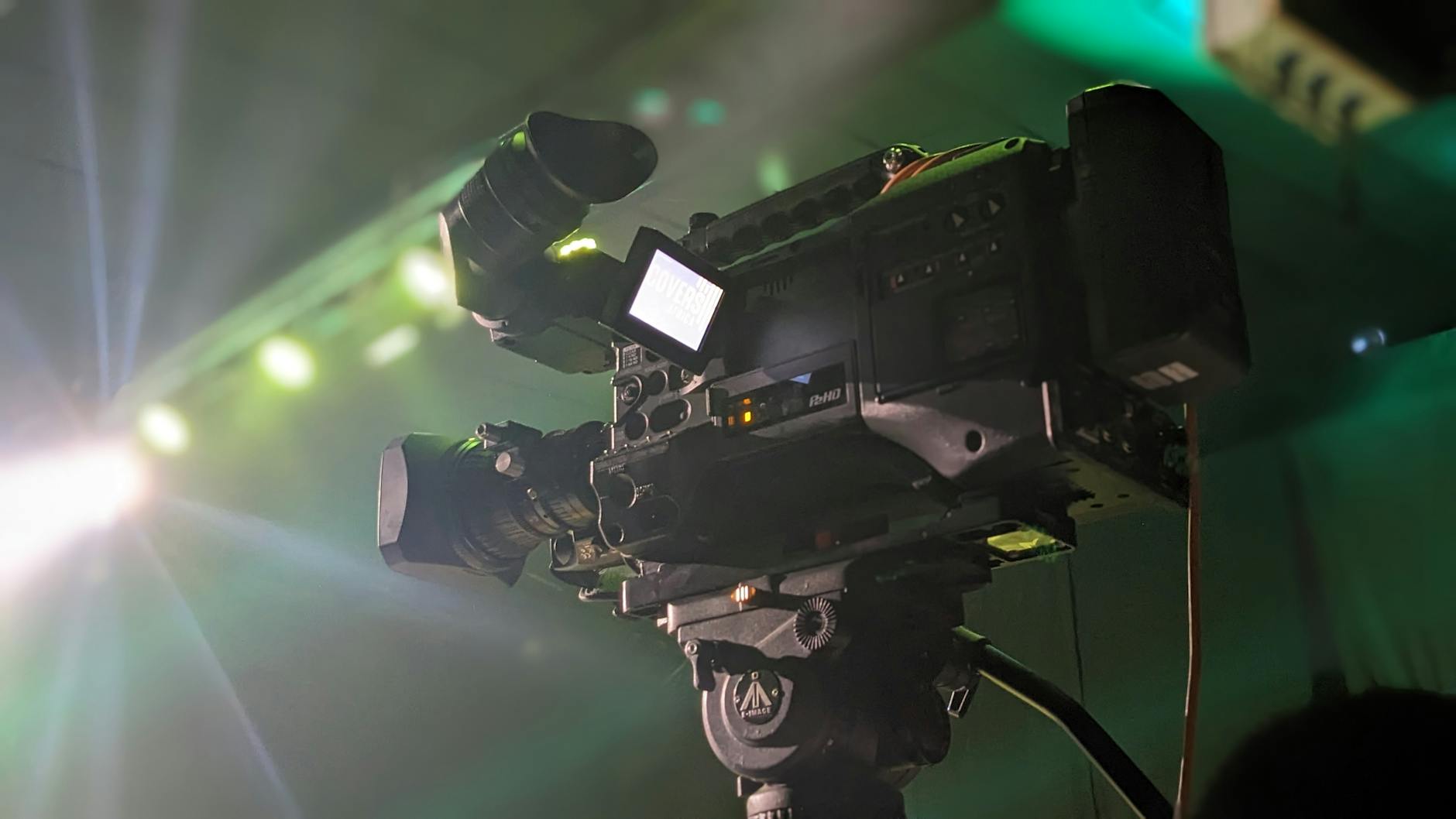
Effective setup and robust technical support are crucial for ensuring a seamless live streaming experience at your event. When renting streaming equipment, it is essential to collaborate closely with your provider to plan the configuration tailored to your venue and event requirements. This involves selecting the appropriate camera angles, audio inputs, encoding hardware, and internet connectivity solutions to guarantee high-quality transmission.
During the setup phase, professional technicians conduct thorough site surveys to identify optimal locations for cameras, microphones, and network access points. This planning minimizes potential interference, ensures stable internet connections, and optimizes video quality. Proper cable management and power supply arrangements are also addressed to prevent disruptions during the event.
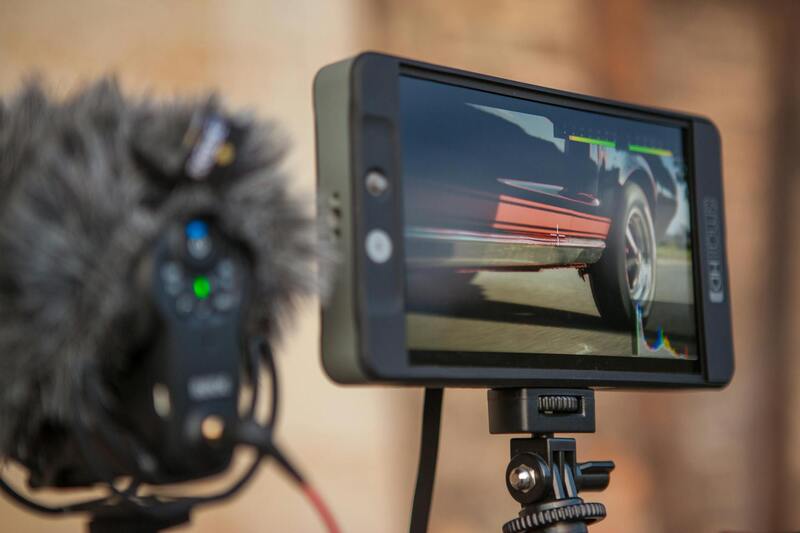
On the day of the event, on-site technical support plays a vital role in managing live operations. Support staff monitor the feed in real time, troubleshoot issues swiftly, and make on-the-fly adjustments as needed. This includes managing audio-visual synchronization, switching between camera angles, and adjusting streaming parameters to adapt to any unforeseen circumstances.
Having experienced technicians on hand reduces the risk of technical failures and enhances audience engagement by providing consistent, high-quality streaming. They also coordinate with event organizers and production teams to convey changes, troubleshoot network issues, and ensure that all equipment functions flawlessly throughout the broadcast.
Post-event, the support team assists with dismantling the setup, returning rented equipment, and providing detailed reports on stream metrics and performance analytics. This feedback is valuable for planning future broadcasts, fine-tuning equipment choices, and improving overall streaming quality.
Effective communication channels before, during, and after the event are critical. Clear instructions and rapid response mechanisms help mitigate technical risks, creating a professional streaming environment that meets audience expectations and maximizes viewer satisfaction.
Factors to Consider When Choosing a Streaming Rental Service
When selecting a live event streaming rental provider, it is crucial to evaluate several key aspects to ensure a seamless broadcasting experience. A professional service offers not only top-tier equipment but also comprehensive support and expertise tailored to the specific needs of your event. Prioritize providers with a solid track record of successful live stream implementations, showcasing their experience with different event sizes and formats.
Technical expertise and specialized knowledge are vital. The rental company should have well-trained staff capable of managing complex setups, troubleshooting unexpected issues, and making real-time adjustments. An experienced team can significantly reduce potential disruptions, ensuring your event’s broadcast maintains high quality and stability.
Additionally, consider the range of services offered beyond just equipment rental. Many reputable providers include pre-event consultations, on-site technical support, and post-event analytics. These services help optimize the streaming process, address technical challenges proactively, and provide insights into viewer engagement and stream performance.
Flexibility and customization options are also essential. Different events may require unique configurations, such as multiple camera feeds, interactive elements, or integration with third-party platforms. Ask potential providers about their capabilities for customizing solutions to meet your specific objectives.
Cost transparency and clear pricing structures are fundamental. Reliable service providers will offer detailed quotes that break down equipment costs, technician hourly rates, support services, and any additional fees. This transparency allows you to budget effectively and avoid unexpected expenses.
Furthermore, confirm the provider’s network infrastructure and bandwidth capabilities. Streaming high-definition content requires robust internet connections with sufficient upload speeds and redundancy options to prevent interruptions. A provider with resilient connectivity solutions ensures continuous, high-quality streams regardless of unforeseen network fluctuations.
Finally, assess the provider’s adherence to industry standards for data security and privacy. Protecting your content and sensitive information during transmission is paramount, especially for events with proprietary material or confidential agendas. Confirm that the rental service complies with best practices for data encryption and secure streaming protocols.
Choosing the right live event streaming rental partner involves evaluating their technical prowess, range of services, flexibility, transparency, and commitment to quality and security. A dependable provider will not only supply state-of-the-art equipment but also offer the necessary support to deliver an engaging, flawless live broadcast that meets your audience's expectations and enhances your event’s success.
Legal and Licensing Aspects of Live Streaming
When planning a live event stream, understanding the necessary legal and licensing considerations is essential to ensure a smooth and compliant broadcast. Securing the appropriate permissions for copyrighted content, including music, video clips, or proprietary visuals, is a critical step. This often involves obtaining licenses from rights holders or licensing organizations to avoid potential infringements that could disrupt your stream or result in penalties.
Additionally, venues hosting live streaming events may require specific permissions or permits to broadcast from their location. Confirming these requirements in advance helps prevent last-minute complications that could affect the event's timing or quality. For instance, some venues impose restrictions on the types of equipment used or the frequencies on which the broadcast can operate, which must be adhered to strictly.
Another aspect to consider involves the contracts with streaming service providers and equipment vendors. Clear agreements outlining the scope of services, intellectual property rights, data security measures, and provisions for emergency support are fundamental. Such contracts serve to clarify responsibilities, expectations, and contingency plans, ensuring your team is protected throughout the event.
Furthermore, privacy and data protection policies are vital, particularly if your stream involves sensitive or confidential content. Using secure streaming protocols and encryption methods helps protect your content and maintain viewer confidentiality. This is especially important for corporate or proprietary events where information security is a priority.
By thoroughly addressing these legal and licensing aspects, event organizers can safeguard their broadcast against unforeseen disruptions and legal issues, facilitating a seamless live streaming experience that aligns with industry standards and best practices.
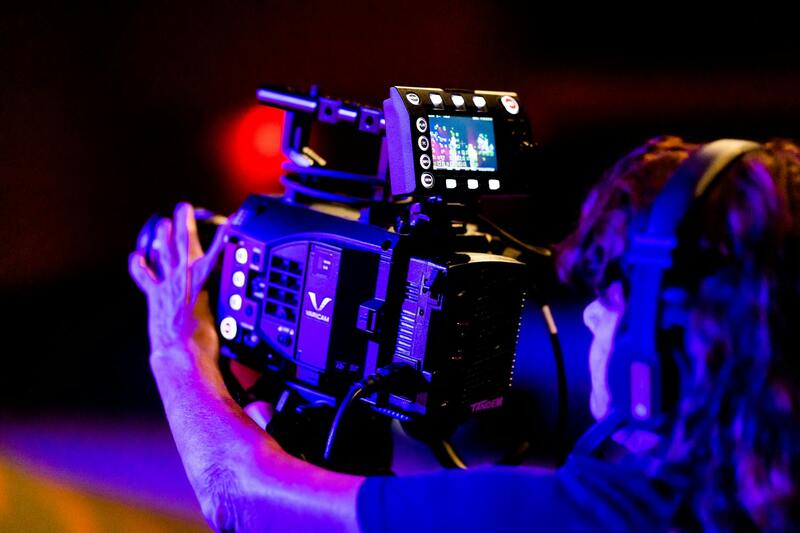
Legal and Licensing Aspects of Live Streaming
Ensuring compliance when live streaming events necessitates a thorough understanding of the legal landscape surrounding digital broadcasts. Securing the appropriate permissions involves obtaining rights for any copyrighted content, including music, videos, or images that may appear during the event. Event organizers should verify ownership rights and acquire licenses from content creators or rights holders before sharing material publicly.
Additionally, a comprehensive review of local regulations and industry standards is essential. This includes adherence to privacy policies, data protection laws, and telecommunications regulations that govern live broadcasts within Miami and broader jurisdictions. Working with experienced legal advisors or consultants can help clarify these requirements and facilitate the procurement of necessary permits and clearances.
When contracts are drafted with streaming service providers and equipment vendors, they should explicitly outline the scope of rights, responsibilities, and liabilities. These agreements often include provisions on intellectual property, content ownership, and usage restrictions, thereby safeguarding the interests of all parties involved.
It is also important to stay informed about evolving policies related to online content, digital rights management, and streaming protocols. Being vigilant about compliance not only enhances the credibility of the event but also mitigates risks of potential disruptions or infringements.
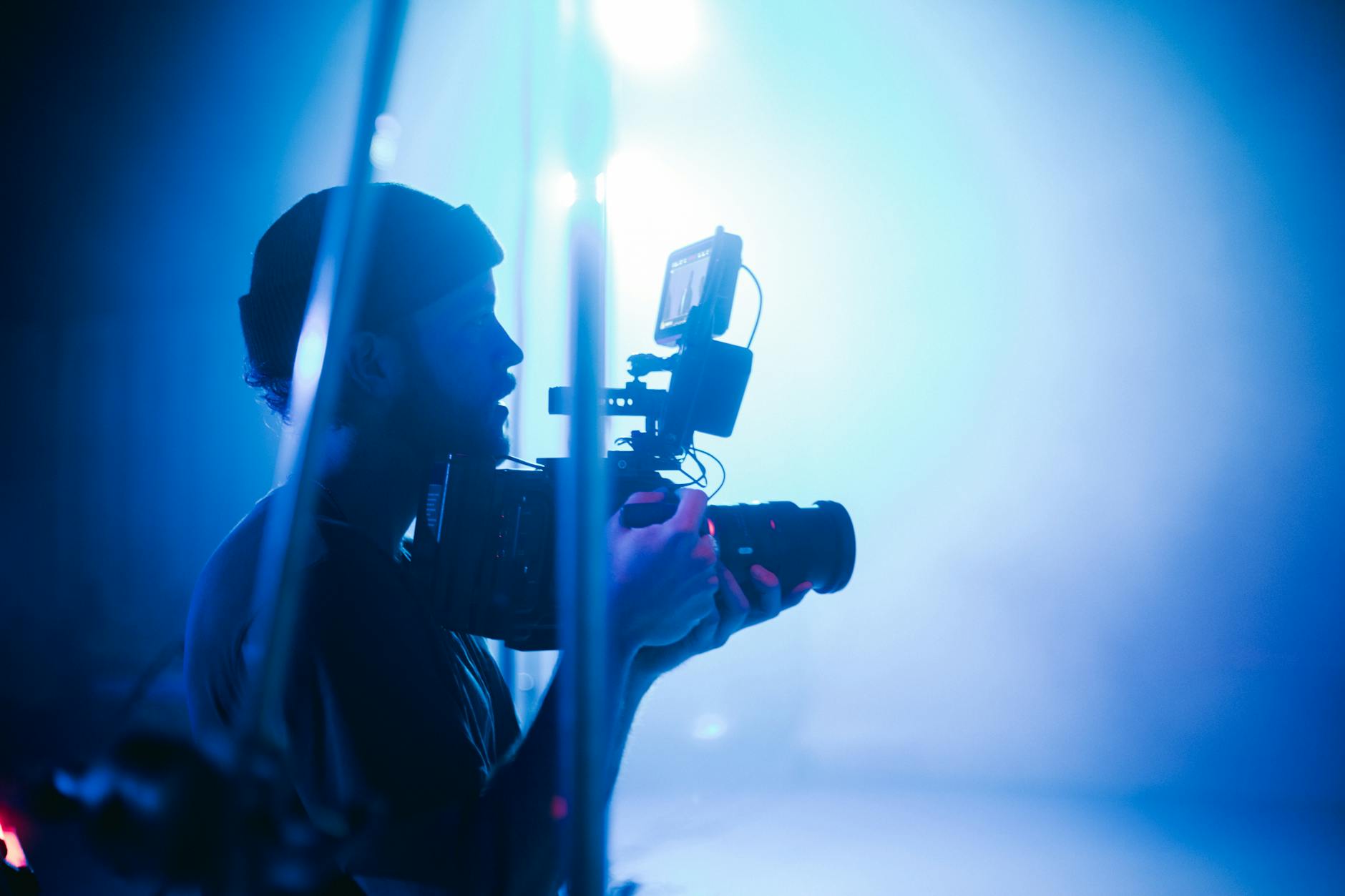
Legal and Licensing Aspects of Live Streaming
Ensuring all legal and licensing requirements are met is crucial for a smooth and successful live streaming event. This involves obtaining necessary rights and permissions for any copyrighted content used during the broadcast. Event organizers should conduct thorough audits of all media components to identify copyrighted materials like music tracks, video clips, images, or proprietary graphics. Securing licenses from content creators, rights holders, or licensing organizations ensures the content can be shared publicly without legal complications.
Moreover, compliance with local regulations, including privacy policies and broadcasting standards, is essential. Miami, like many urban jurisdictions, has specific rules governing digital transmissions, data protection, and telecommunications. Familiarity with these regulations helps avoid inadvertent violations that could lead to penalties or disruptions. Engaging legal experts or consultants specializing in digital media rights can provide valuable guidance on navigating licensing agreements, content rights, and proper documentation.
Drafting comprehensive contractual agreements with streaming service providers and equipment vendors is equally important. These contracts should clearly specify the scope of rights granted, responsibilities, and liabilities. Typical provisions include detailed clauses on intellectual property rights, content ownership, usage restrictions, and liability limits. Such clarity benefits all parties involved, reducing the potential for disputes and ensuring a clear understanding of each party's obligations.
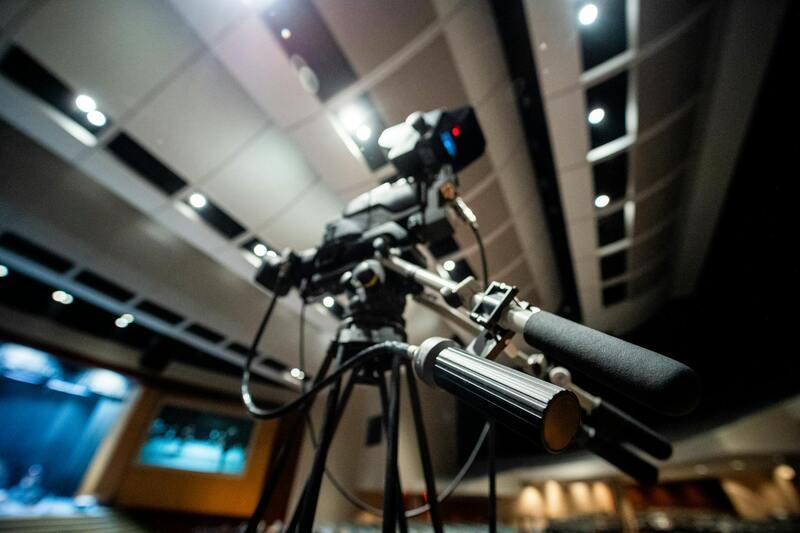
Staying updated on evolving policies related to digital content, including advancements in digital rights management (DRM) and streaming protocols, is vital. The industry’s regulatory landscape is dynamic, with new standards and guidelines emerging frequently. Monitoring these changes helps organizers adapt their practices, ensuring ongoing compliance and minimizing potential legal issues.
Finally, systematic record-keeping of licensing agreements, permissions, and compliance documentation assists in demonstrating adherence during audits or reviews. Proper documentation not only protects event organizers but also enhances their credibility and reputation within the industry.