
Understanding Free Webcasting Services
Free webcasting services have become an essential tool for businesses, organizations, and content creators looking to reach broad audiences without the need for extensive technical resources or financial investment. These platforms enable live streaming of events, webinars, conferences, and various digital content directly from the internet, offering a seamless way to broadcast in real time to viewers around the globe.
The primary features of free webcasting platforms typically include user-friendly interfaces that facilitate quick setup and deployment, tools for multi-camera and multi-source input management, and basic analytics to monitor viewer engagement. Many services support integration with popular video conferencing and social media platforms, expanding the reach of broadcasts without additional costs.
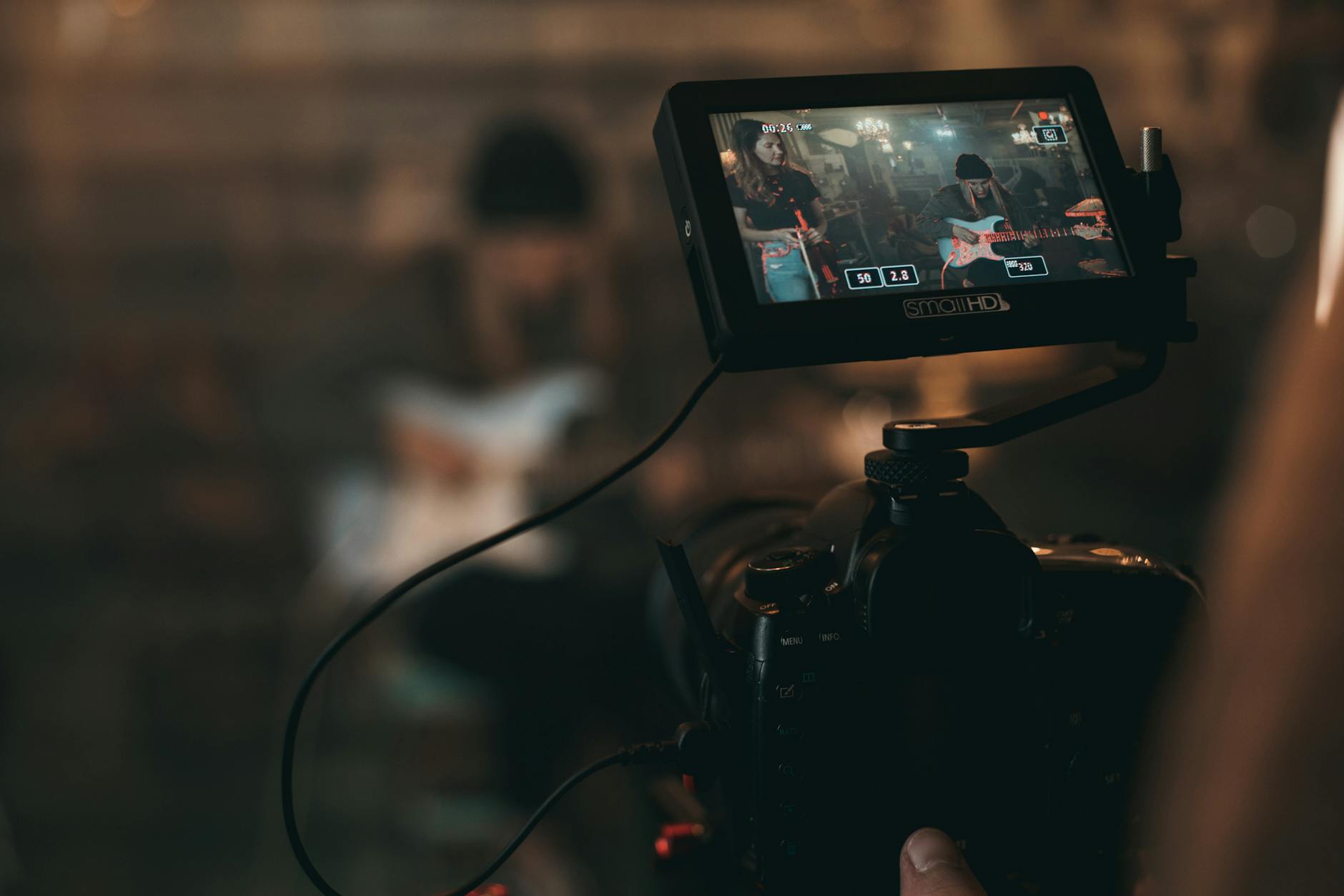
Organizations leverage these platforms to host virtual events, product launches, training sessions, and community outreach efforts efficiently. Schools, nonprofits, and local businesses find free webcasting solutions particularly advantageous, as they can deliver consistent quality broadcasts without incurring substantial expenses. The adoption of cloud-based encoding, live chat features, and audience interaction tools further enhances the experience for both broadcasters and viewers.
Most free webcasting services operate on a freemium model, providing core features at no cost while offering additional features through paid upgrades. This configuration allows users to evaluate the platform's suitability for their needs, making it a flexible option for various scales of events. When selecting a service, organizations often consider aspects such as stream quality, platform stability, audience management capabilities, and compatibility with existing hardware and software tools.
Operationally, free platforms simplify complex workflows, removing barriers for small teams or individual broadcasters. They usually require minimal technical expertise, with drag-and-drop interfaces and pre-set templates that streamline the setup process. This ease of use encourages more frequent broadcasts, fostering community engagement and ongoing digital presence.
In summary, free webcasting services serve as vital tools for digital communication, enabling cost-effective, scalable, and efficient broadcasting solutions. As technology advances, these platforms continue to evolve, integrating with new tools and expanding their capabilities to better serve a diverse range of users, including those in Miami’s vibrant business and community scene.
Understanding Free Webcasting Services
Free webcasting services have become essential tools for organizations seeking to extend their reach without heavy investment in infrastructure. These platforms leverage cloud technology to simplify setup and operation, offering features that promote straightforward live streaming experiences. They cater to a diverse range of users—from individual content creators and small businesses to community organizations and educational institutions—by providing scalable solutions suited to various needs.
Most free platforms operate on a freemium model, allowing users to access core functionalities at no charge. This typically includes basic streaming capabilities, minimal advertising, and fundamental audience engagement tools. Additional features such as higher stream quality, custom branding, expanded storage, and advanced analytics are often available through paid plans, ensuring that users can upgrade as their demands grow. This flexible approach makes it easier for first-time broadcasters to test and adopt online streaming with little risk and financial commitment.
Operationally, these services are designed for ease of use. Platforms usually feature drag-and-drop interfaces, pre-made templates, and intuitive controls, enabling broadcasters with limited technical knowledge to set up professional-looking streams quickly. Integration with common hardware devices—such as cameras, microphones, and computers—further simplifies the process. For small organizations or individual producers in Miami, this lowers barriers to entry, encouraging more frequent live events, interactive sessions, and community outreach.
Benefits of Using Free Webcasting Platforms
Adopting free webcasting services offers several notable benefits, particularly for Miami-based agencies and organizations looking to maximize their digital presence without significant expenditure. The primary advantage is cost efficiency, eliminating the need for expensive server hosting, bandwidth, or dedicated streaming hardware. This allows organizations to allocate resources toward content creation and audience engagement rather than infrastructure.
Accessibility is another key benefit. With minimal technical requirements, teams can implement live streams quickly and easily, often from standard office or mobile setups. This flexibility enables spontaneous or scheduled broadcasts, broadening the scope of events that can be streamed. Additionally, many platforms support multi-language interfaces and mobile-responsive players, catering to diverse audiences across Miami’s multicultural community.
Ease of use also improves productivity. Platforms equipped with simple controls, templates, and automation features enable users to focus on content rather than technical setup. Audience interaction tools—such as live chat, polls, and Q&A modules—further enhance engagement, fostering community and encouraging real-time feedback. For Miami's vibrant business landscape, this interactivity translates into better customer connection and brand visibility.
Limitations and Challenges of Free Webcasting Services
Despite their advantages, free webcasting services present specific challenges that organizations should consider. Limitations often include restricted stream quality, limited bandwidth, and lower priority during network congestion, which may affect audience experience during high-traffic events. Additionally, free platforms typically display advertisements during streams or include watermarks, which can diminish professionalism for certain broadcasts.
Another challenge involves branding and customization. Free services usually offer limited options for brand integration, restricting how organizations can customize the player interface to align with their visual identity. Furthermore, data privacy and security features available on free plans are often basic, which may necessitate careful consideration when handling sensitive content or adhering to industry regulations.
Operational reliability can also pose issues. Networks and servers supporting free services may experience outages or instability, especially during peak usage times. This can impact broadcast continuity and lead to potential disruptions, emphasizing the importance of testing and planning. Also, the dependence on third-party platforms means organizations may encounter restrictions regarding content control and monetization options.
Popular Free Webcasting Platforms Suitable for Miami Agencies
In Miami, local agencies and organizations can benefit from several well-established free webcasting platforms. These services are recognized for their robust feature sets, ease of use, and scalability, making them suitable for various event types—from corporate webinars to community festivals.
- Platform A: Known for its user-friendly interface and decent streaming quality, Platform A offers multi-device compatibility and basic audience engagement tools tailored for small to medium-sized events.
- Platform B: This platform emphasizes integrations with social media, enabling organizations to amplify their reach across multiple channels simultaneously while providing real-time interaction features.
- Platform C: Ideal for educational or nonprofit entities, Platform C provides straightforward broadcasting options with minimal setup requirements and support for multiple presenters.
How to Choose the Right Free Webcasting Service
Selecting the most suitable platform depends on specific organizational needs such as event size, audience engagement goals, and technical resources. Prioritize platforms that offer reliable streaming, scalability for anticipated growth, and ease of use tailored to your team’s proficiency. It’s also crucial to assess the level of customization, branding options, and the availability of support resources.
Organizations should consider trialing multiple platforms during preparatory phases to compare features, stability, and user interfaces. Compatibility with existing hardware and multimedia tools is vital to ensure seamless operation. Additionally, evaluating platform policies on data security and content management helps safeguard against potential issues during broadcasts.
Integrating Free Webcasting With Production Services
Efficient integration enhances the overall quality and professionalism of live broadcasts. Miami agencies often combine free webcasting platforms with production tools such as graphic overlays, multi-camera setups, and audio mixing equipment to create engaging content. Using third-party encoding software can elevate stream quality and add advanced features like real-time editing and overlays.
Synchronization between production services and streaming platforms allows for smoother transitions and dynamic presentations. Automating some aspects, such as scene switching and audio levels, minimizes on-air errors, delivering a polished output. Coordination ensures that technical workflows support live event objectives while maintaining viewer engagement.
Limitations and Challenges of Free Webcasting Services
Utilizing free webcasting services involves navigating several inherent constraints that can impact the quality and effectiveness of live broadcasts. These platforms often impose restrictions on bandwidth allocation, which directly influences streaming stability and resolution. When audience numbers grow or high-definition content is streamed, bandwidth limitations may lead to buffering, decreased video clarity, or even stream interruptions. Understanding these constraints is essential for planning event logistics and setting realistic audience expectations.
Branding and customization options are another common limitation of free platforms. Unlike premium services, many do not allow extensive branding control, which can hinder the ability to tailor the broadcast to match organizational identity. This can impact branding consistency across promotional materials and diminish professional appearance, particularly when engaging with corporate or high-profile audiences.
Feature availability is often restricted in free webcasting services. Advanced functionalities such as multi-camera support, real-time editing, detailed analytics, and integrated monetization tools may be unavailable or limited. This can affect the overall production quality, especially for events requiring dynamic visuals or interactive components. Moreover, access to dedicated support channels is usually minimal, making troubleshooting and technical assistance more challenging during live sessions.
Additional Challenges to Consider
- Data Security: Free platforms may have limited measures to protect sensitive information, posing risks for confidential content or proprietary broadcasts.
- Content Management: Restrictions on content licensing, moderation tools, and archive access can complicate content control and compliance.
- Scalability: Many free services are not designed for large-scale audiences, which can hinder event expansion or unexpected viewership surges.
- Connectivity Dependence: Episode disruptions due to local internet instability are more pronounced without dedicated streaming infrastructure.
Understanding these limitations enables content creators and organizations to evaluate whether free webcasting solutions align with the goals and scope of their live events. Strategically planning around these constraints may involve combining free services with paid add-ons or alternative solutions to ensure a professional and seamless viewer experience.
Understanding Free Webcasting Services
Free webcasting services have become an accessible option for various organizations, event organizers, and content creators aiming to broadcast live content without incurring significant costs. These platforms typically offer basic streaming functionalities that allow users to reach wide audiences across the globe, making them particularly appealing for small-scale events, community initiatives, or promotional activities. While the cost-effectiveness is a primary advantage, understanding the core features and operational considerations of these services is essential for maximizing their potential.

Core Features of Free Webcasting Platforms
- Basic Streaming Capabilities: Most platforms support live video and audio broadcasting to audiences via web browsers or dedicated apps, ensuring broad accessibility.
- Limited Customization: Users can often embed streams into websites or share links, but extensive branding options or advanced design customization may be restricted.
- Audience Engagement Tools: Some free services include chat functions, viewer count metrics, and basic Q&A features, facilitating interaction during live events.
- Archiving Options: Basic recordings of live streams may be available, though access and storage durations are typically limited without paid plans.
- Device Compatibility: Compatibility across desktops, tablets, and smartphones ensures viewers can access streams from various devices.
Key Considerations for Users
While free webcasting solutions provide a convenient entry point, they often come with constraints that necessitate careful planning:
- Bandwidth and Streaming Quality: Free platforms often have bandwidth restrictions leading to variable stream quality, especially during high traffic volumes or in areas with unstable internet connections.
- Branding and Customization Limitations: Sponsored branding or watermarks may be unavoidable, which could impact the professionalism of the presentation.
- Support and Reliability: Technical support options are usually minimal or absent, increasing the risk of unresolved issues during live broadcasts.
- Security and Privacy: Data protection features may be limited, posing risks related to confidential or sensitive content.
- Scalability: Designed primarily for small audiences, these platforms may struggle to accommodate large viewership or sudden spikes in traffic.
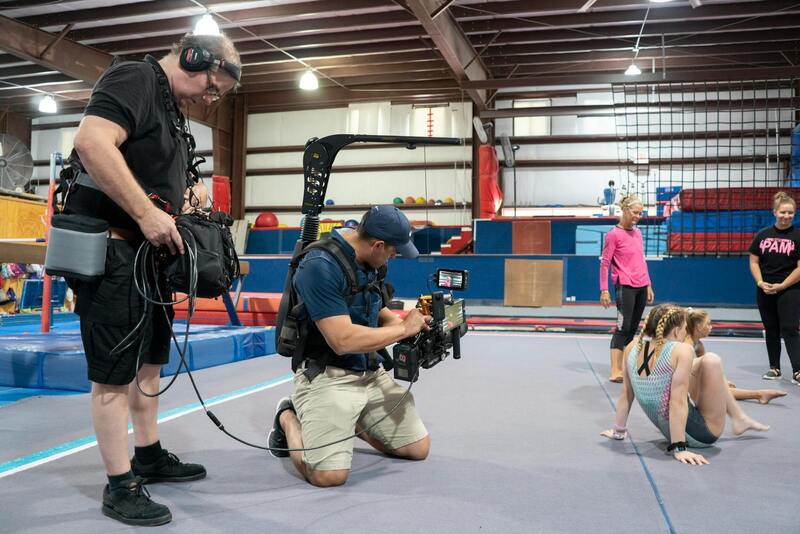
Assessing the Suitability of Free Webcasting Tools
Choosing the right free platform involves evaluating specific needs against the capabilities offered. Consider factors such as the expected size of the audience, desired interactivity features, levels of customization, and security requirements. It's important to test the platform thoroughly before the event, ensuring seamless integration with existing production workflows and compatibility with broadcasting equipment. For organizations planning to host recurring or high-profile events, investing in hybrid approaches—combining free services with paid enhancements—can enhance broadcast quality and reliability without foregoing cost savings for smaller activities.
Understanding Free Webcasting Services
Free webcasting services provide an accessible solution for organizations looking to broadcast live content without significant upfront expenses. These platforms typically offer basic functionalities such as live streaming, chat interactions, and simple viewer analytics, catering primarily to small-scale events or organizations just beginning their digital outreach. They leverage cloud-based infrastructure to deliver content directly to viewers across various devices, from desktops to mobile phones, ensuring broad accessibility. Despite the absence of direct costs, users should carefully consider the scope and features of these services, as there are inherent constraints associated with their free tier offerings. These limitations can affect the overall quality, branding, and security of each broadcast, leading many Miami-based agencies to evaluate their suitability against specific event requirements. Nevertheless, for localized, short-term, or low-budget initiatives, free webcasting platforms often serve as an effective starting point, allowing organizations to establish an online presence and test audience engagement without heavy financial commitments.
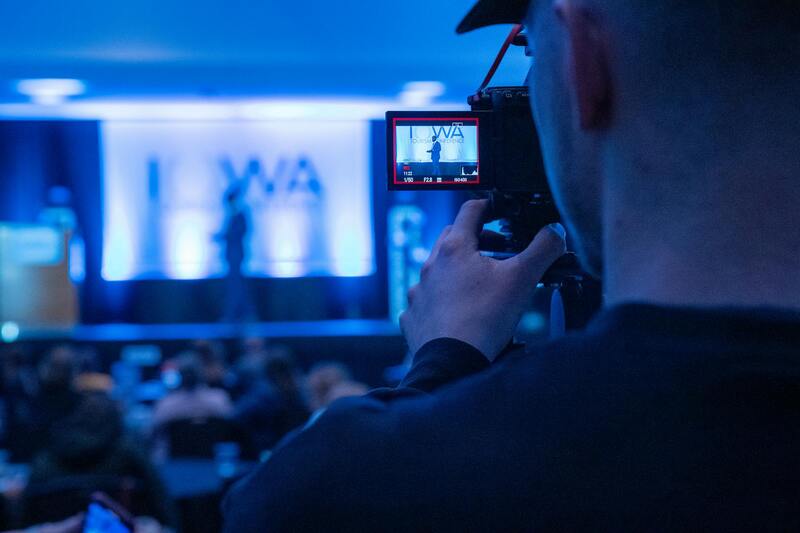
Benefits of Using Free Webcasting Platforms
- Cost Efficiency: Eliminating or significantly reducing expenditure makes free webcasting ideal for startups, community groups, and educational institutions in Miami seeking to maximize limited budgets.
- Ease of Access: Many platforms require minimal technical expertise, enabling organizations to set up live streams swiftly and with straightforward user interfaces.
- Quick Deployment: With minimal setup time, live events can be broadcasted promptly, facilitating timely communication with audiences during urgent or spontaneous events.
- Basic Audience Engagement: Features such as chat boxes or live polls foster viewer interaction, increasing engagement even within the limitations of complimentary tools.
- Test and Experiment: Free platforms allow organizations to experiment with different content formats and streaming strategies to determine what best resonates with their audience.
Limitations and Challenges of Free Webcasting Services
While the advantages of free webcasting services are notable, there are several challenges that organizations should acknowledge. These platforms often impose restrictions on bandwidth, leading to reduced streaming quality during peak usage times or for larger audiences. They may also display sponsor branding or watermarks that could detract from a professional appearance. Technical support is typically minimal or unavailable, increasing potential downtime or troubleshooting periods during or after live events. Additionally, security features tend to be limited, which can expose sensitive content to unauthorized access or data breaches. Scalability remains a key concern; free services generally cater to small audiences, struggling to accommodate larger or rapidly growing viewer bases. These factors necessitate thorough pre-event testing and strategic planning to mitigate broadcast disruptions.
Popular Free Webcasting Platforms Suitable for Miami Agencies
Several platforms consistently meet the basic needs of Miami-based organizations, offering a balance of usability and features. Examples include:
- YouTube Live: A widely accessible platform with robust distribution capabilities, allowing seamless broadcasting to a vast global audience. It provides real-time analytics, live chat, and the ability to embed streams into websites or social media, making it an attractive option for local events.
- Facebook Live: Integrates directly with social media strategies, encouraging engagement from followers and community members directly through social feeds. Its user-friendly interface is suitable for organizations with existing Facebook pages or groups.
- Vimeo Livestream (Basic Plan): Offers a clean, professional interface with moderate customization options, suitable for organizations aiming for higher visual presentation standards within a no-cost tier.
- StreamYard: A browser-based platform that simplifies multi-source broadcasting and includes branding options, albeit with some limitations in free mode. It’s ideal for hosting interviews, panels, or interactive webinars within restriction parameters.
Each of these platforms offers core functionalities that can serve small to medium-sized live events effectively. However, organizations should assess the specific features that align with their event goals, audience size, and customization requirements. Combining free services with other production tools or upgrading to paid versions when necessary can further enhance the quality and reliability of live broadcasts, especially for recurring or high-profile events requiring consistent performance.
Understanding Free Webcasting Services
Free webcasting services have become essential tools for organizations looking to broadcast live events without incurring substantial costs. These platforms leverage internet technology to deliver real-time streaming content to audiences across various locations, enabling a broader reach for businesses, educational institutions, and community organizations. By utilizing these services, users can distribute their messages efficiently and effectively, reaching viewers on multiple devices such as smartphones, tablets, or desktop computers.
Many free webcasting solutions offer a range of features, including video hosting, live chat capabilities, audience analytics, and social media integrations. This allows hosts to engage viewers actively and gather data on viewer behavior, which can inform future event planning and marketing strategies. Moreover, numerous platforms provide straightforward user interfaces, making it accessible for individuals or organizations with limited technical expertise to set up and manage live broadcasts.
Benefits of Using Free Webcasting Platforms
- Cost-Effectiveness: Eliminates the need for significant investment in dedicated hardware or software, which is especially advantageous for small businesses or startups with budget constraints.
- Easy Accessibility: Many platforms are browser-based, allowing users to initiate broadcasts directly from their computers without complex setup or additional downloads.
- Audience Engagement: Features like live chat and polls foster interaction between broadcasters and viewers, enhancing audience retention and participation.
- Multi-Platform Distribution: Integration with social media channels enables simultaneous streaming across platforms such as Facebook, YouTube, and Instagram, increasing event visibility and reach.
- Quick Deployment: Ready-to-use streaming options facilitate rapid setup, making them suitable for impromptu or last-minute broadcasting needs.
Limitations and Challenges of Free Webcasting Services
While free webcasting platforms provide numerous advantages, they come with certain constraints that organizations need to consider. These limitations often include bandwidth restrictions, limited customization options, and the absence of dedicated technical support. For instance, some free platforms impose bandwidth caps that could affect stream quality during high viewership peaks, leading to buffering or interruptions.
Customization is generally basic on free services, which might pose issues for brands seeking a highly tailored viewer experience aligned with their visual identity. Additionally, branded watermarks or platform logos may appear on streams, potentially detracting from a professional presentation. Technical support can also be limited or require community-based assistance, which might delay troubleshooting during live events.
Another challenge involves security and access control. Free streaming services may lack advanced encryption or password protections, increasing risks of unauthorized access or content theft. As such, organizations should evaluate the importance of security features relative to their event requirements and audience sensitivity.
Popular Free Webcasting Platforms Suitable for Miami Agencies
Miami-based production agencies often seek reliable yet budget-friendly streaming options capable of supporting local events, webinars, and community festivals. Some prominently used platforms in the region include:
- Facebook Live: Facilitates seamless broadcasting directly to Facebook pages or groups, making it ideal for community engagement and social media outreach.
- YouTube Live: Offers high-capacity streaming with the advantage of a vast existing audience base and built-in analytics. Suitable for larger events with potential for recorded playback.
- Vimeo Livestream (Basic Plan): Provides a polished professional look with moderate customization features, fitting small to medium-sized productions requiring quality presentation without added costs.
- StreamYard: Browser-based, supports multi-source streaming and branding, and is suitable for interviews, panel discussions, or webinars, although some features are limited in the free tier.
How to Choose the Right Free Webcasting Service
Given the variety of options, selecting the appropriate platform for Miami-based events involves assessing several key factors. First, consider the scale of your event—larger audiences necessitate platforms with higher bandwidth capacity and better scalability. Audience engagement features like integrated chat or interactive polls can also influence your choice if real-time interaction is a priority.
Compatibility with existing branding and customization needs should be evaluated to ensure consistency with your organization's visual identity. Furthermore, check whether the platform supports multi-platform streaming to maximize reach across social media. Security features, ease of use, and available support channels are also critical in ensuring a smooth live broadcast experience. Finally, think about future scalability; prefer platforms that can grow with your organization’s needs, allowing upgrades to paid plans or additional features when necessary.
Understanding Free Webcasting Services
Free webcasting services have transformed the way organizations in Miami and beyond connect with their audiences. These platforms allow for live broadcasting of events, webinars, seminars, and various forms of digital content dissemination without incurring direct costs. Typically, these services provide essential features such as live streaming, chat functions, basic analytics, and multi-platform distribution, making them accessible for small businesses, community groups, educational institutions, and startups looking to expand their outreach.
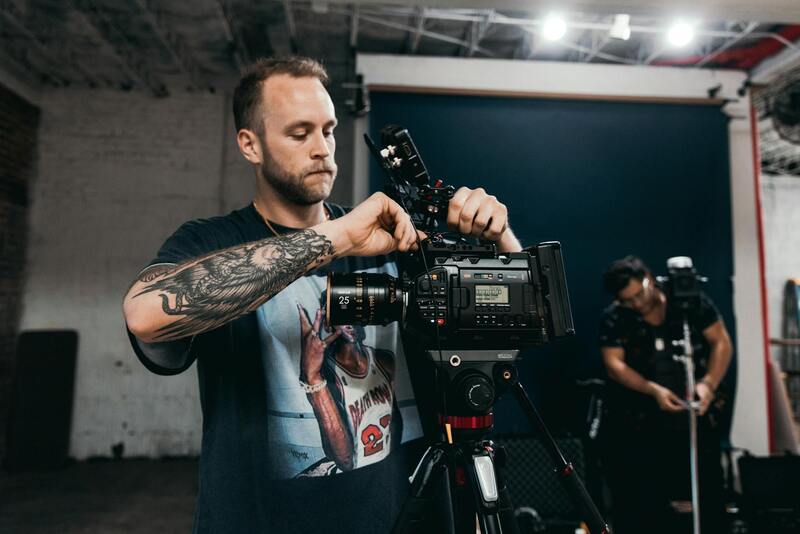
Most reputable free webcasting services operate via web browsers, negating the need for extensive technical setups or additional hardware. They are designed to be user-friendly, often requiring minimal technical expertise to initiate a live broadcast. This ease of use is particularly advantageous for Miami-based organizations seeking to maximize their outreach efforts with limited resources. Furthermore, these platforms often support integration with popular social media channels, enabling real-time broadcasting across multiple networks concurrently, thus increasing visibility and engagement.
Benefits of Using Free Webcasting Platforms
Choosing a free webcasting service offers several benefits tailored to the needs of organizations in Miami. Firstly, the immediate cost benefits are significant—eliminating the need for expensive premium services or equipment. This affordability allows smaller organizations or those testing new digital outreach strategies to experiment without financial risk.
Secondly, free webcasting services generally provide quick setup and deployment, which is essential for last-minute live events or spontaneous broadcasts. They also support essential interactive features like chat, polls, or Q&A sessions, fostering direct engagement with viewers in real-time. Lastly, these platforms often facilitate multi-platform streaming, thereby expanding the event's reach without additional effort or investment.
Limitations and Challenges of Free Webcasting Services
Despite their advantages, free webcasting platforms come with certain limitations. A primary concern is bandwidth and streaming quality, which are often restricted in free tiers and can affect the viewer experience, particularly during high-traffic events. Additionally, branding limitations may restrict the extent to which organizations can customize the interface, potentially impacting brand consistency.
Another challenge involves the presence of platform watermarks or advertisements that could detract from the professionalism of the broadcast. Data security and privacy controls are often less robust compared to paid options, raising concerns for sensitive or proprietary content. Technical support can be limited or delayed, impeding swift troubleshooting during live events, which can be problematic for Miami agencies requiring reliable performance.
Popular Free Webcasting Platforms Suitable for Miami Agencies
Several platforms are well-suited for organizations in Miami seeking effective free webcasting options:
- Facebook Live: Widely used for public broadcasts due to its seamless social media integration and extensive reach. It’s ideal for community engagement and promotional events.
- YouTube Live: Offers high-quality streaming options with broad accessibility. It supports longer broadcasts and detailed analytics, suitable for educational and corporate events.
- Zoom Free Plan: While primarily a video conferencing tool, its webinar features make it suitable for smaller, interactive online seminars, especially if participants need to engage directly.
- StreamYard: Browser-based streaming that supports multi-source feeds, branding, and live overlays in its free version. It is suitable for interviews, panel discussions, and shorter webinars.
- Restream: Provides multi-platform streaming in its free tier, enabling broadcasters to reach audiences across several social networks simultaneously, including Facebook, YouTube, and LinkedIn.
How to Choose the Right Free Webcasting Service
To determine the most suitable free webcasting platform for your Miami organization, consider the following key factors:
- Event Size and Audience Capacity: Assess the expected viewership to select a platform that can handle the traffic without buffering or drops in quality.
- Engagement Features: Determine if the platform supports interactive components such as chat, polls, or Q&A to facilitate viewer participation.
- Branding and Customization: Evaluate whether the platform allows customization to align visuals with organizational branding for a professional look.
- Multi-Platform Support: Ensure the service can broadcast across multiple social media channels to maximize reach.
- Security and Privacy: Consider data protection features, especially if sensitive content is involved.
- User Interface and Ease of Use: The platform should be intuitive for team members, enabling quick setup and minimal technical support requirements.
- Support and Reliability: Check the availability of customer support and the platform’s track record of stable performance during live events.
- Future Scalability: Opt for services that provide upgrade options to paid tiers or enhanced features as your needs grow.
This comprehensive evaluation ensures that your chosen platform not only meets current needs but also adapts seamlessly to future expansion or increased event complexity, thus sustaining your organization's online engagement efforts effectively in Miami's dynamic digital landscape.
Understanding Free Webcasting Services
Free webcasting services have become an integral part of digital event strategies, especially for organizations in Miami looking to expand their reach without incurring additional costs. These platforms enable live broadcasting of events, conferences, product launches, and community initiatives to a broad audience, leveraging internet connectivity and specialized streaming technologies. Their accessibility and ease of use have democratized content distribution, allowing smaller organizations or startups to showcase their offerings and engage with viewers in real time. Utilizing free webcasting services often involves selecting a platform that provides essential features such as multi-platform streaming, viewer analytics, and basic engagement tools, all without financial commitment.

Benefits of Using Free Webcasting Platforms
- Cost Efficiency: Eliminates the need for costly licenses or hardware for basic live streaming, making it ideal for organizations with limited budgets.
- Ease of Access: Many services are designed with user-friendly interfaces that allow quick setup and immediate deployment, even for users with minimal technical experience.
- Scalability: Most free platforms can support a range of audience sizes and can be upgraded to paid tiers for larger audiences or advanced features.
- Multi-Channel Streaming: Ability to broadcast to multiple social networks simultaneously increases audience reach and engagement.
- Basic Engagement Tools: Features such as live chat, viewer polls, and Q&A sessions foster real-time interaction, enhancing viewer involvement and feedback collection.
- Analytics and Reporting: Access to viewership data helps organizers assess engagement levels and improve future broadcasts.
Limitations and Challenges of Free Webcasting Services
While free services offer numerous advantages, organizations should be aware of potential limitations that may impact their event experience. Common challenges include restricted bandwidth, which can lead to buffering or degraded video quality during high-traffic periods. Some platforms impose limitations on the length of broadcasts or the number of viewers that can simultaneously access the stream. Customization options are often limited, affecting the ability to fully brand the stream or incorporate advanced interactive features. Additionally, free services may lack robust customer support, resulting in potential technical difficulties during critical moments of live events. Security features may also be more basic, exposing potential vulnerabilities if sensitive content is broadcasted.
Popular Free Webcasting Platforms Suitable for Miami Agencies
Miami-based agencies seeking reliable free webcasting options should consider platforms that balance ease of use with broad reach. Some widely adopted platforms include:
- YouTube Live: Offers extensive reach, real-time analytics, and integration with Google services. Suitable for large audiences and provides strong stability.
- Facebook Live: Ideal for social engagement, enabling seamless sharing within social networks and providing interactive commenting features.
- Vimeo Livestream (Basic Plan): Provides professional-quality streaming with customization options and password-protected streams, suitable for organizational events.
- Twitch: More niche, but increasingly used for live events and community engagement, especially if targeting a younger demographic.
- StreamYard or OBS Studio: Depending on the level of customization, these tools can be integrated with free streaming services for more control over broadcast presentation.
How to Choose the Right Free Webcasting Service
Selecting an appropriate platform involves evaluating specific organizational needs and technical capabilities. Critical considerations include:
- Audience Size: Confirm the platform’s capacity to support the expected number of viewers without quality degradation.
- Technical Compatibility: Ensure compatibility with existing equipment, software, and internet infrastructure for smooth integration.
- Feature Set: Determine required features such as multi-platform streaming, engagement tools, and branding customization.
- Ease of Use: Prioritize platforms with intuitive interfaces that facilitate quick setup and minimal technical supervision during live events.
- Security and Privacy: Confirm the availability of necessary security measures to protect broadcast content and viewer data.
- Support and Reliability: Review user feedback and platform stability records, especially for time-sensitive events.
- Future Growth: Consider scalability options and whether the platform can support increasing demands over time.
Integrating Free Webcasting With Production Services
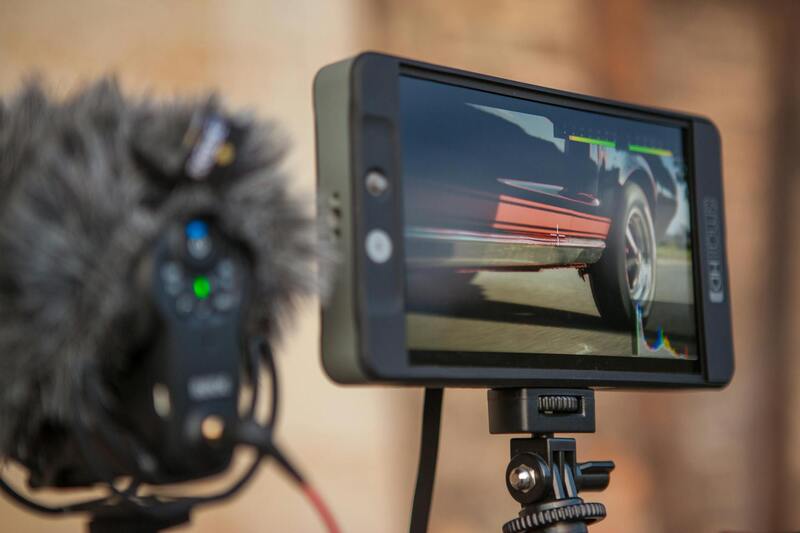
For enhanced broadcast quality, free streaming can be combined with professional production services. This integration involves pre-event planning, content coordination, and technical setup. Organizers often utilize software like OBS Studio to manage video sources, overlays, and transitions, feeding the output into the chosen streaming platform. Incorporating professional lighting, audio equipment, and multiple camera angles further elevates the viewer experience. Post-broadcast, analytics and viewer feedback can inform improvements for subsequent events, ensuring continuous engagement growth.
Legal and Licensing Considerations
Ensuring compliance with licensing agreements and content rights is vital when conducting webcasts. This includes verifying permissions for all media used, including music, images, and video clips. Proper attribution and adherence to copyright laws prevent potential disputes and maintain organizational credibility. Additionally, understanding the platform's terms of service is important to guarantee that broadcasts do not violate any policies. Organizations should have a clear protocol for content review, especially when broadcasting third-party material, to mitigate risks associated with intellectual property rights infringement or content misuse.