Understanding Live Event Video Streaming
Live event video streaming has revolutionized the way organizers share significant moments with audiences around the globe. This technology allows real-time broadcasting of events ranging from conferences and concerts to sports competitions and community gatherings. By transmitting high-quality video content over the internet, event organizers can engage a wider, more diverse audience, extend reach beyond physical boundaries, and create immersive experiences that resonate with viewers in remote locations. The core appeal of live streaming lies in its immediacy and accessibility. Unlike traditional recorded videos, live streams provide viewers with a sense of participation, fostering a connection to the event as it unfolds. For organizers, this strategy not only amplifies brand presence but also generates increased engagement and participation, essential factors for the success of any event. Furthermore, live streaming offers valuable opportunities for interactive features such as real-time chat, Q&A sessions, polls, and social media integration. These elements enhance viewer involvement and generate buzz around the event. Today’s digital landscape makes live event video streaming an indispensable tool for event planners aiming for dynamic audience interaction, brand visibility, and global outreach. Another critical aspect is the ability to analyze viewer data during and after the broadcast. Metrics such as viewership numbers, engagement rates, and geographic locations help organizers understand their audience better and refine future strategies. Live streaming also provides a flexible content distribution option, enabling organizations to schedule broadcasts at optimal times for maximum reach. In essence, live event video streaming bridges the gap between event organizers and their audiences, making it possible to deliver compelling, real-time content that captures the essence of live experiences while expanding overall visibility and engagement. This strategic approach is especially crucial for organizations in dynamic markets seeking to stand out and make an impact in an increasingly digital world.

Key Equipment and Technologies
Executing a successful live event video stream relies on a comprehensive setup of hardware and software tools that ensure seamless broadcast quality and reliability. Paramount among these are high-definition cameras that capture every detail of the event. Depending on the venue size and desired visual effect, organizations may opt for multiple camera angles, including stationary, robotic, or handheld units to provide dynamic visuals. For cinematic clarity, professional-grade lenses and stabilization equipment are often employed to maintain sharp, steady images regardless of movement or environmental conditions.
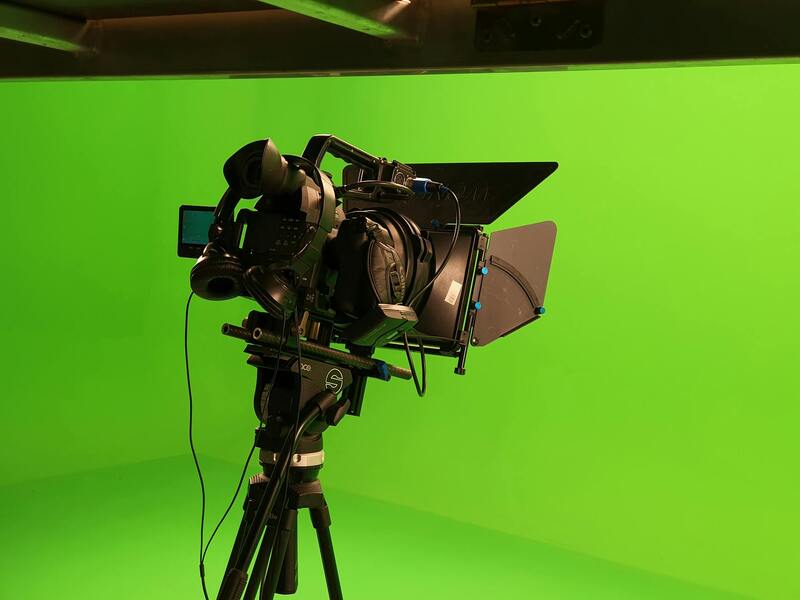
Complementing the cameras are encoders—hardware or software devices that convert raw video signals into digital streams compatible with online platforms. Hardware encoders tend to deliver more reliable, lower-latency streams, which is crucial for live event broadcasts where timing and continuity are vital. Software encoders, such as OBS Studio or vMix, provide flexibility and customization, especially for smaller operations or those needing on-the-fly adjustments.
Additionally, robust streaming platforms or content delivery networks (CDNs) serve as the backbone for distributing live content. These platforms handle the encoding, buffering, and adaptive bitrate streaming to ensure viewers across different bandwidths experience minimal lag and buffering. Integrating multi-platform streaming capabilities allows the event to reach audiences simultaneously on social media, dedicated websites, and streaming services.
Audio quality is equally critical; professional-grade microphones—wireless or wired—capture clear sound, while audio mixers allow for real-time adjustments to volume levels and sound effects. To foster audience interaction, live chat modules and social media integration tools are incorporated into the streaming setup, encouraging participation and increasing audience engagement during the event.
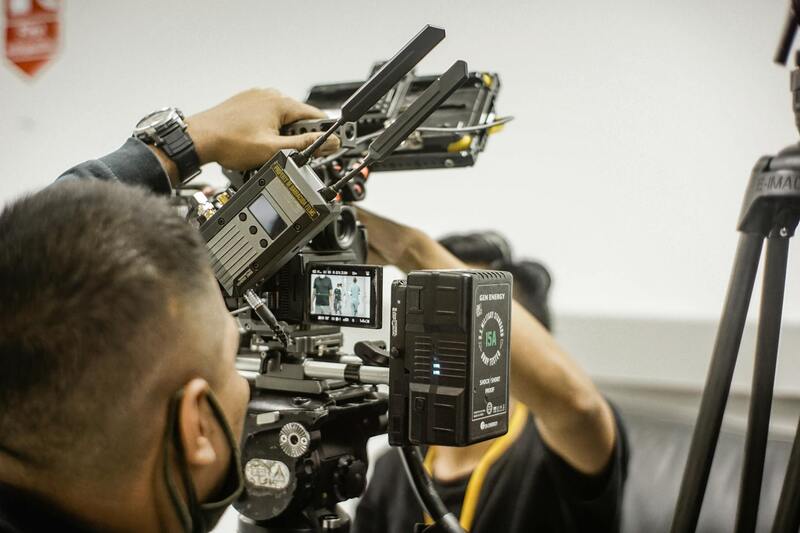
Finally, reliable internet connectivity, either through wired Ethernet connections or bonded multiple broadband links, is fundamental. Adequate upload bandwidth ensures the live feed remains stable and uninterrupted, reducing the risk of buffering or disconnection. Redundant systems and backup power supplies further safeguard against technical failures, maintaining broadcast continuity regardless of unforeseen issues.
Investing in appropriate equipment and technology not only guarantees a high-quality viewing experience but also enhances the overall professionalism of the event. With the right combination of cameras, encoders, streaming platforms, and internet infrastructure, organizers can deliver compelling live content that resonates with audiences worldwide, fostering greater engagement and event success.
Understanding Live Event Video Streaming
Live event video streaming offers an unparalleled opportunity to reach global audiences in real-time, enhancing visibility and engagement for a wide range of events, from corporate conferences and concerts to sports competitions and community gatherings. The process involves transmitting live footage over the internet, allowing viewers to experience the event as it happens, regardless of their geographic location. Effective live streaming hinges on several core components: robust technology infrastructure, quality content delivery, and seamless user experience. Ensuring high-definition video quality combined with minimal latency is essential to replicate the immediacy and excitement of in-person attendance. As technology continues to evolve, so too do the possibilities for innovative streaming solutions that provide immersive experiences, such as virtual reality integration or multi-angle camera views. When executed with precision, live streaming not only expands audience reach but also creates new revenue streams through pay-per-view models, sponsorship opportunities, and on-demand content repurposing. Carefully selecting the appropriate hardware and software, understanding platform capabilities, and planning for scalability are crucial steps for streaming successful live events that leave a lasting impression.
Key Equipment and Technologies
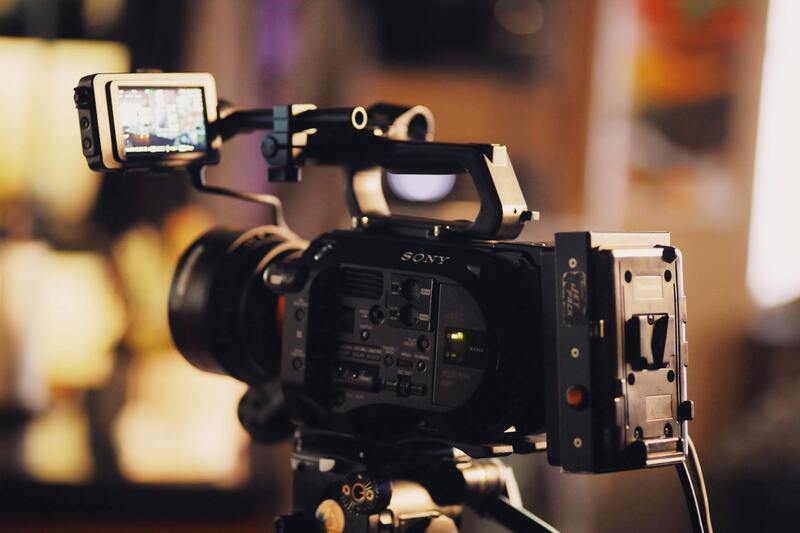
The backbone of any successful live stream is the integration of advanced hardware and reliable software solutions. Professional-grade cameras—whether tripod-mounted, handheld, or shoulder-mounted—are essential for capturing clear, high-resolution video. These cameras should be capable of handling varying lighting conditions and delivering sharp images, even in challenging environments. Encoder devices convert the raw video feed into a digital format suitable for streaming, with hardware encoders often preferred for their stability and lower latency compared to software encoders. Complementing the video capture hardware, audio equipment such as wireless and wired microphones ensures crisp sound, vital for maintaining viewer engagement. Audio mixers enable real-time adjustments, allowing producers to balance multiple sound sources and apply effects as needed. Video switchers facilitate seamless transitions between camera feeds, adding dynamism to the broadcast. Streaming software platforms serve as the control hub for live broadcasts, managing encoding settings, stream quality, and multiple output streams to various platforms. Integrated with content management systems, they allow for overlays, branding, and real-time analytics. Reliable internet connectivity forms the foundation of uninterrupted streaming; wired Ethernet connections are preferred for their stability, while bonded broadband links help aggregate bandwidth for larger events. Implementing redundancy, such as backup internet lines, uninterruptible power supplies (UPS), and spare equipment, minimizes risks associated with technical failures. Scalability considerations involve choosing equipment and platform solutions that can accommodate peak viewer numbers without compromising quality. High-quality streaming hardware combined with efficient software, underpinned by a powerful and stable internet connection, ensures a professional presentation that truly captures the essence of the live event. Modern streaming setups often leverage emerging technologies like cloud encoding and multi-platform streaming, providing organizers with greater flexibility and control over the viewing experience.
Production and Streaming Setup
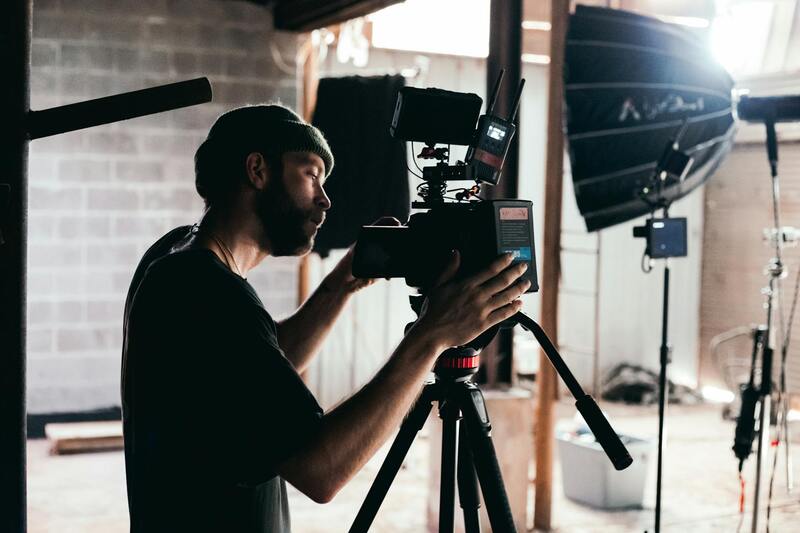
Executing a successful live event video stream requires meticulous setup during the event to ensure high-quality production and a seamless viewing experience for the audience. Central to this is the strategic positioning of cameras to capture various angles that highlight key moments and provide dynamic coverage. Multiple cameras, including handheld, fixed, and robotic varieties, can be used in tandem to offer comprehensive visuals, enhancing viewer engagement.
Audio quality is equally critical; deploying professional-grade microphones and audio mixers ensures clear sound reproduction. Microphones should be placed strategically close to speakers or performers, with considerations for ambient noise reduction. An audio mixer allows for real-time adjustments of levels, ensuring balanced audio from different sources, which is essential for a crisp and immersive broadcast.
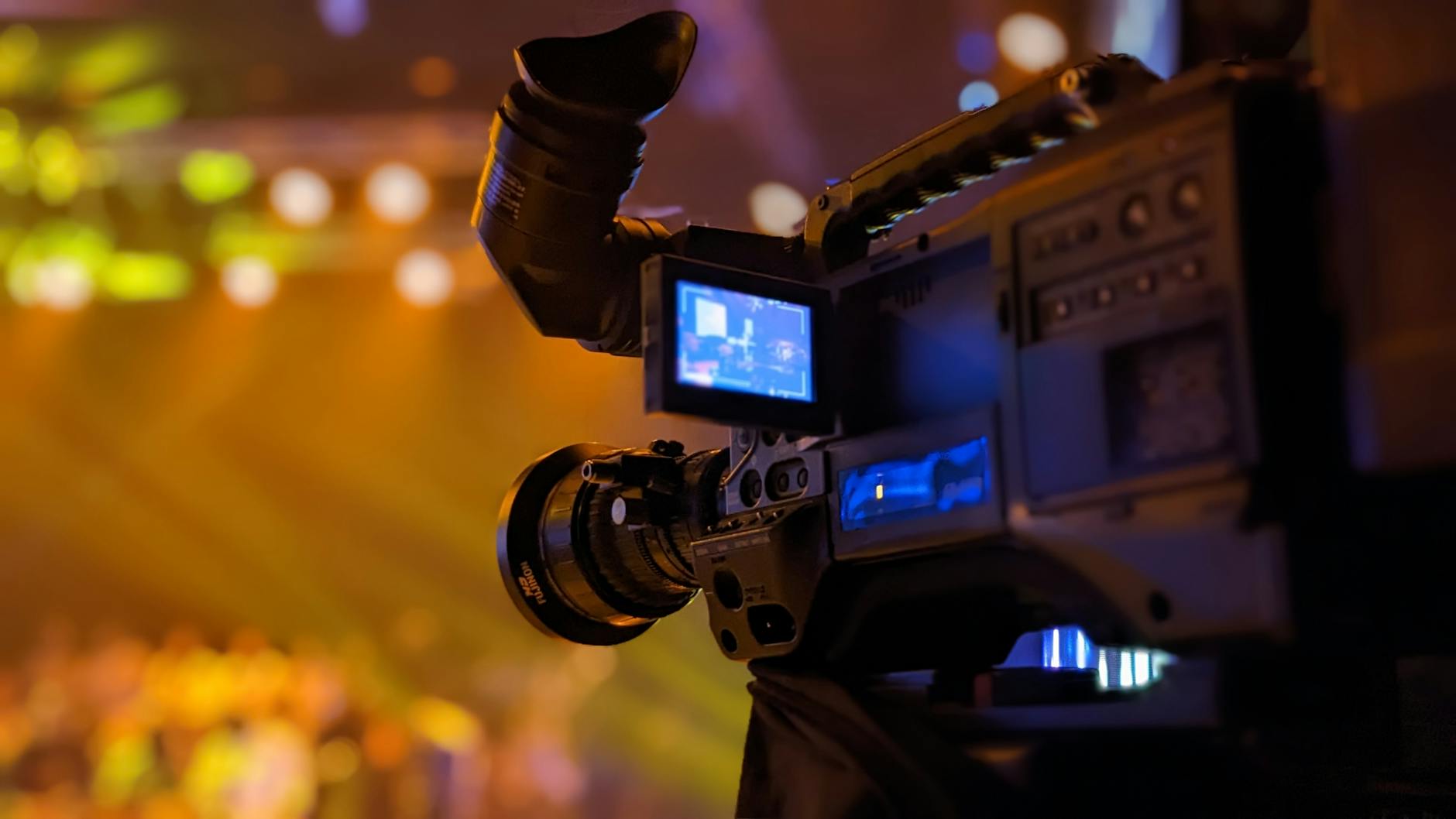
Switching between camera feeds is facilitated by video switchers, which enable fluid transitions and special effects, such as picture-in-picture or split screens. Proper lighting setup enhances camera image quality, reducing noise and sharpening details, especially in low-light situations. The control room, usually a dedicated space with a monitor wall and control panels, acts as the nerve center. Here, operators coordinate camera feeds, audio levels, and overlays, ensuring the broadcast aligns with the event's flow.
Encoding is the process of converting the raw audio-visual input into a digital stream compatible with the streaming platform. Deploying professional video encoders, either hardware or software-based, guarantees efficient compression without sacrificing quality. During the event, real-time testing of the signal integrity is essential, with backup encoding solutions ready to activate if needed.
Wireless connections can be employed for mobility and flexibility, but they must be carefully managed to avoid interference and bandwidth issues. Wired Ethernet connections are often preferred for their stability and lower latency. When bandwidth is a concern, bonding multiple internet sources using link aggregation technology can provide a more reliable stream, especially for large-scale events with many viewers.
To mitigate risks of technical failures, redundancy measures such as secondary internet connections, uninterruptible power supplies (UPS), and spare equipment are put in place. These safeguards ensure continuous streaming despite unforeseen disruptions. For large or complex events, implementing remote camera controls and auxiliary feeds extends coverage and allows for comprehensive production management from a distance.
As technology evolves, integrating cloud services for encoding, content delivery, and audience analytics becomes increasingly common. This approach enhances scalability, enabling organizers to adapt to unexpected viewer surges efficiently. Combining high-end hardware, robust software solutions, and a stable network infrastructure creates a resilient setup capable of delivering professional-grade live streams that captivate audiences and accurately portray the event.
Production and Streaming Setup
Effective live event video streaming relies heavily on a well-organized and technically sound production setup. To ensure a seamless broadcast, organizers must select appropriate encoding hardware and software that can handle the scale of the event, the number of feeds, and the desired quality output. Hardware encoders offer the advantage of dedicated processing power, often providing higher reliability and lower latency, which is essential for critical live transmissions. Meanwhile, software encoders provide flexibility with extensive customization options, enabling quick adjustments during the event.
At the core of the streaming infrastructure is the media server or content delivery network (CDN) integration. An efficient CDN ensures that the live stream reaches viewers with minimal delay and buffering, regardless of their location. Configurations often include multiple ingest points and scaling solutions to accommodate peaks in viewer traffic, preventing service interruptions.
Audio quality is equally vital; employing professional-grade microphones, mixers, and audio processing tools ensures clarity and minimizes background noise. Synchronizing audio with video feeds is crucial for a cohesive viewing experience, and latency management plays a significant role in maintaining synchronization across different camera angles and platforms.
Camera selection should align with the event's scope. For large venues, multiple high-definition cameras—such as PTZ (pan-tilt-zoom) models—are ideal for capturing different perspectives. Wireless camera systems can add mobility, especially in dynamic environments, but they require thorough frequency management to prevent interference.
Lighting setup directly impacts the video quality. Proper illumination, combined with professional-grade cameras, enhances image clarity, reduces noise, and ensures consistent exposure. Consideration of climate and venue conditions is also critical, particularly for outdoor events, to protect equipment and maintain optimal operation.
Integrating production switchers enables live mixing and layering of feeds, graphics, and overlays. This creates a polished broadcast that engages viewers and highlights crucial moments during the event. Data cables, wireless transmitters, and backhaul links must be carefully managed to deliver stable signals from cameras to the main production hub.
In addition to the on-site equipment, implementing redundant systems such as backup power supplies, secondary internet connections, and spare hardware components helps to mitigate potential failures. Continuous real-time testing and monitoring during the event allow technicians to promptly identify and resolve issues, ensuring the stream remains uninterrupted. As technology advances, incorporating cloud-based workflows for transcoding and content management can further streamline production and delivery, providing greater flexibility and scalability for complex live streams.
Ensuring Secure and Reliable Streaming Connections
Establishing a stable and secure connection is paramount for high-quality live event video streaming. Utilizing dedicated internet services with sufficient bandwidth ensures that video feeds are transmitted smoothly without buffer interruptions. Fiber-optic internet connections are often preferred due to their high speed and reliability, which are essential during large-scale events. Deploying a combination of wired and wireless connections provides redundancy, minimizing the risk of downtime should one link fail.
Encryption protocols safeguard the content during transmission, preventing unauthorized access and ensuring viewer privacy. Proper network security measures, such as firewalls and VPNs, further protect the infrastructure from potential breaches.
To prevent interruptions caused by network congestion or interference, specialized network management tools monitor traffic levels and optimize data flow. Implementing Quality of Service (QoS) settings prioritizes live stream data over other network activities, maintaining consistent video quality throughout the event.
For outdoor or expansive venues, strategic placement of additional routers or signal boosters extends coverage and strengthens signal integrity across the site. Collaborating with local internet providers for on-site support can also facilitate rapid troubleshooting and bandwidth adjustments as needed.
Effective Signal Management and Content Delivery
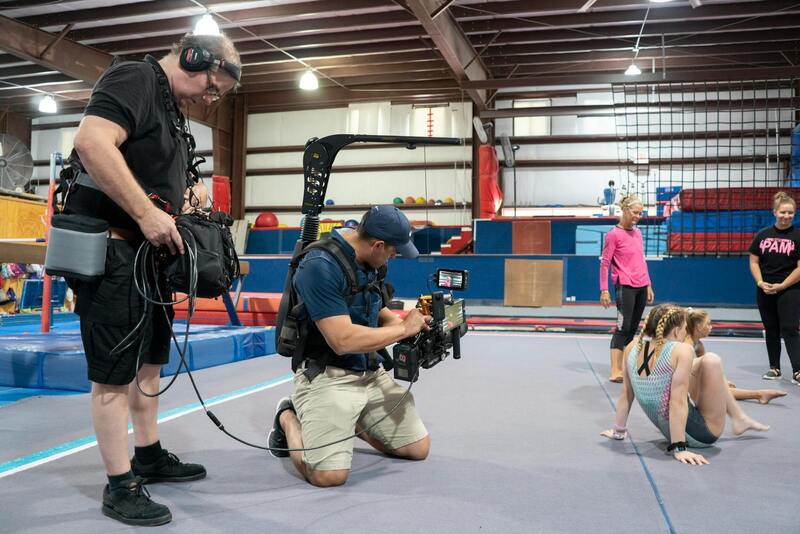
Managing the multiple signals involved in live streaming requires meticulous coordination. This includes distributing camera feeds, graphics, overlays, and supplementary data, all synchronized to produce a cohesive broadcast. Employing professional-grade video switchers, encoders, and streaming servers ensures efficient content handling and delivery. Cloud-based content delivery networks (CDNs) are instrumental in distributing streams to a global audience. They reduce latency, balance loads across multiple servers, and provide scalable bandwidth options that adapt to audience size fluctuations. Regular testing and real-time monitoring of streams enable technicians to identify potential issues proactively. Techniques such as bitrate adaptation dynamically adjust video quality based on connection speed, maintaining viewer experience even under varying network conditions. Implementing redundancy in the streaming architecture—such as backup encoders and alternative ingest points—provides an additional layer of reliability. This setup allows quick switchovers in case of hardware failure or signal degradation, ensuring the event remains uninterrupted. A comprehensive approach to signal management, combined with a robust content delivery infrastructure, guarantees that viewers receive a high-quality, consistent live stream regardless of geographic location or network variability. Proper planning and execution in these areas are central to professional live event video streaming.
Understanding Live Event Video Streaming
Live event video streaming has become an integral component of modern event management, providing real-time access to audiences regardless of geographical barriers. This technology leverages a combination of high-quality video capture, advanced encoding, and reliable content delivery networks to broadcast live footage seamlessly. The core of professional live streaming involves capturing event content through multiple camera setups, ensuring high-resolution output that captures every detail for viewers. The encoded video signals are then transmitted via robust internet infrastructure to streaming servers that distribute the content to a global audience. Key considerations include maintaining low latency to ensure that viewers experience minimal delay, as well as implementing adaptive bitrate streaming to accommodate various internet speeds, guaranteeing a consistent viewing experience. The success of live streaming hinges on a well-orchestrated interplay between hardware reliability, network stability, and platform compatibility, all orchestrated to replicate the immersive experience of attending an event in person.
Key Equipment and Technologies
Executing a polished live stream requires an arsenal of specialized equipment. High-definition cameras form the backbone, with options ranging from handheld units for dynamic shots to stationary studio-grade cameras for panoramic views. Video switchers enable seamless scene transitions and multi-camera management, allowing producers to craft a visually engaging broadcast. Encoders play a vital role in converting raw video feeds into optimized digital streams suitable for internet distribution; hardware encoders are preferred for their reliability and low latency, while software encoders offer flexibility for smaller productions. Reliable streaming servers and content delivery networks (CDNs) are essential to ensure that streams are distributed efficiently, reducing buffering and latency across various devices and locations.
Extra tools such as graphics generators, overlays, and interactivity modules enhance viewer engagement and provide valuable event information. Audio equipment, including mixers and high-quality microphones, guarantees clear sound, matching the visual quality. Implementing redundant systems, such as backup encoders and storm-proof network connections, enhances resilience against technical failures, ensuring uninterrupted streams regardless of unforeseen circumstances.

Planning and Pre-Production
Effective live streaming begins with meticulous planning. Pre-production involves detailed logistics, including determining camera placement to cover all event aspects and establishing a reliable internet connection capable of sustaining the required upload speeds. Content rehearsals are crucial to identify potential technical issues and confirm timing, transitions, and graphics integration. Developing a comprehensive script and shot list enables a smooth broadcast flow, particularly for complex events with multiple segments or speakers.
Coordination with technical staff, performers, and event organizers ensures synchronization of all elements. License considerations for music, branded content, or copyrighted materials should be thoroughly addressed in the pre-production phase. Additionally, creating playlist schedules for pre-recorded content, social media integration, and real-time audience engagement strategies enhances overall quality and viewer interaction.
Production and Streaming Setup
On the day of the event, a dedicated production team oversees the operation, managing camera feeds, switching scenes, and monitoring audio levels. The setup involves establishing dedicated internet links, testing all streaming hardware, and configuring encoding settings for optimal quality. Live feeds are monitored in real-time, with technicians ready to troubleshoot issues as they arise. Implementing multi-channel streaming enables simultaneous broadcast on different platforms, maximizing reach and accessibility.
Synchronization of all components—video, audio, graphics—is critical, with professional software used to integrate overlays, timings, and captions seamlessly. During the event, continuous communication between production staff and streaming operators ensures rapid responses to any hiccups, maintaining the stream’s integrity and consistency.
Optimizing Playback, Rights Management, and Audience Engagement
Effective Playback Technology for Seamless Viewing Experiences
To ensure live event streams operate smoothly across various devices and network conditions, robust playback technology is essential. Adaptive bitrate streaming dynamically adjusts video quality based on the viewer’s bandwidth, preventing buffering and reducing latency. Implementing advanced media players that support multiple formats and resolutions enhances compatibility and provides viewers with a tailored experience. Furthermore, integrating multi-platform support allows viewers to access streams via desktops, tablets, and smartphones without compromise.
Content delivery networks (CDNs) play a vital role by distributing streams through geographically optimized servers, reducing latency and buffering issues. This is particularly beneficial for large-scale events with a global audience. Employing reliable CDN providers ensures high uptime, fast delivery, and protection against server overloads, thereby maintaining a professional level of broadcast quality.
Rights Management and Content Security
Managing the intellectual property rights associated with streamed content is critical to prevent unauthorized recordings and distribution. Utilizing digital rights management (DRM) solutions helps safeguard live streams by controlling access, preventing piracy, and enforcing geographic restrictions if necessary. Secure token authentication and encrypted streams enhance content security, ensuring only authorized viewers can access the broadcast.
Embedding watermarking techniques, both visible and invisible, also deters unauthorized redistribution while providing a means to trace leaks back to specific viewers or regions. Clear communication about viewing rights and restrictions should be incorporated into the pre-event registration process, further reinforcing content protection efforts.
Interactive Engagement Strategies to Maximize Audience Participation
Maximizing viewer engagement during live streams involves incorporating interactive features that foster real-time communication. Live chat functions, Q&A sessions, and social media integrations enable viewers to participate actively, enhancing their overall experience. Polls and surveys can provide instant feedback, making the event more dynamic and tailored to audience interests.
Employing dual-screen experiences, where supplementary content such as behind-the-scenes footage or exclusive interviews is available alongside the main stream, can deepen viewer involvement. Consider overlaying live comments and reactions within the broadcast to create a sense of community and immediacy. Additionally, utilizing gamification elements, such as giveaways or leaderboard challenges, incentivizes active participation and increases retention.
Technical Support and Troubleshooting
Having a dedicated technical support team on hand during live streaming events is crucial for handling unexpected issues swiftly. Pre-event testing, including network load simulations and hardware checks, ensures that all components function correctly. During the broadcast, real-time monitoring tools can detect drop-offs or technical anomalies, enabling immediate corrective action.
Establishing clear communication channels among production staff, streaming technicians, and on-site personnel helps coordinate troubleshooting efforts efficiently. Backup solutions, such as redundant internet connections and pre-recorded content backups, are vital to maintaining stream continuity in case of primary system failures.